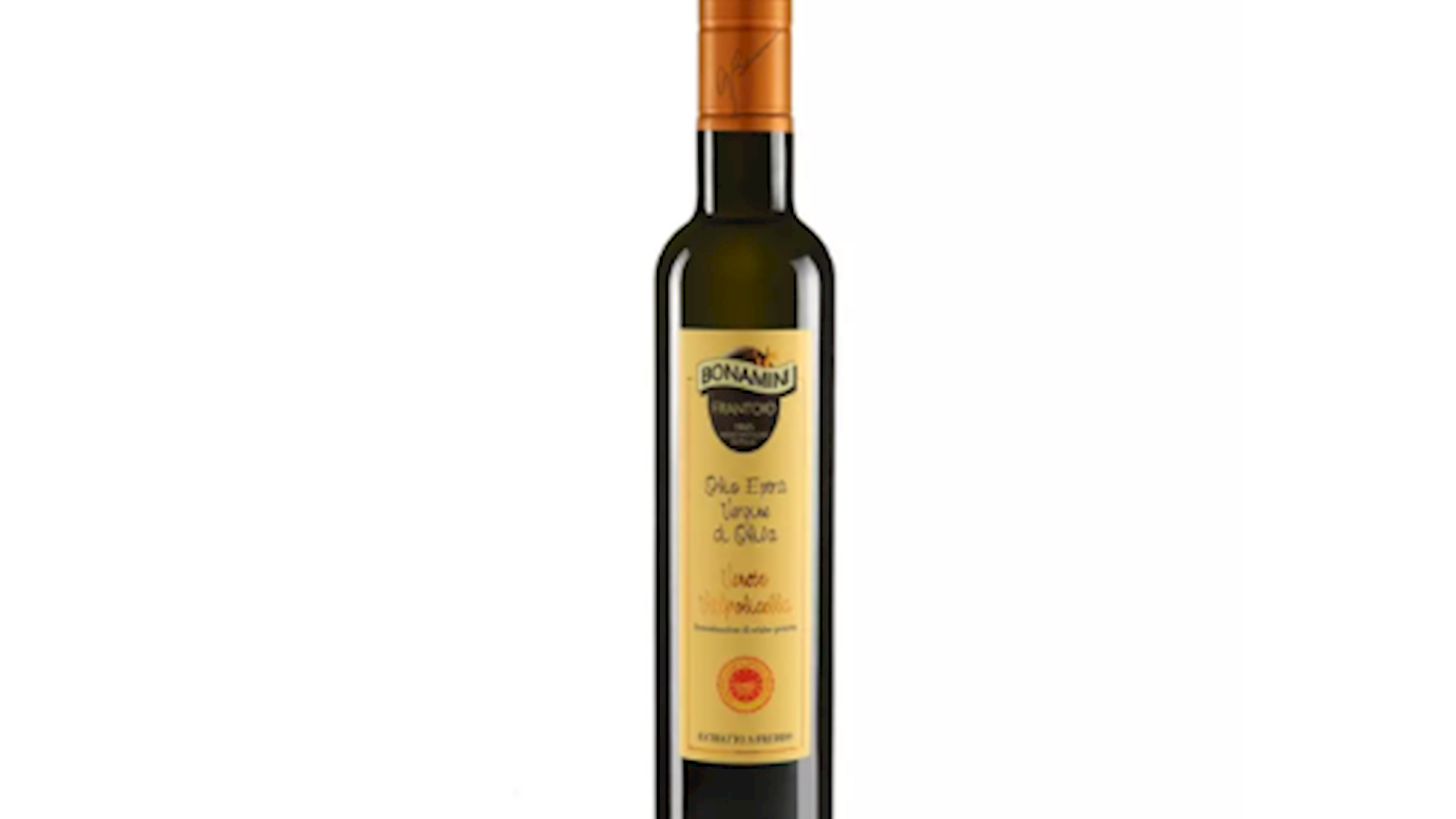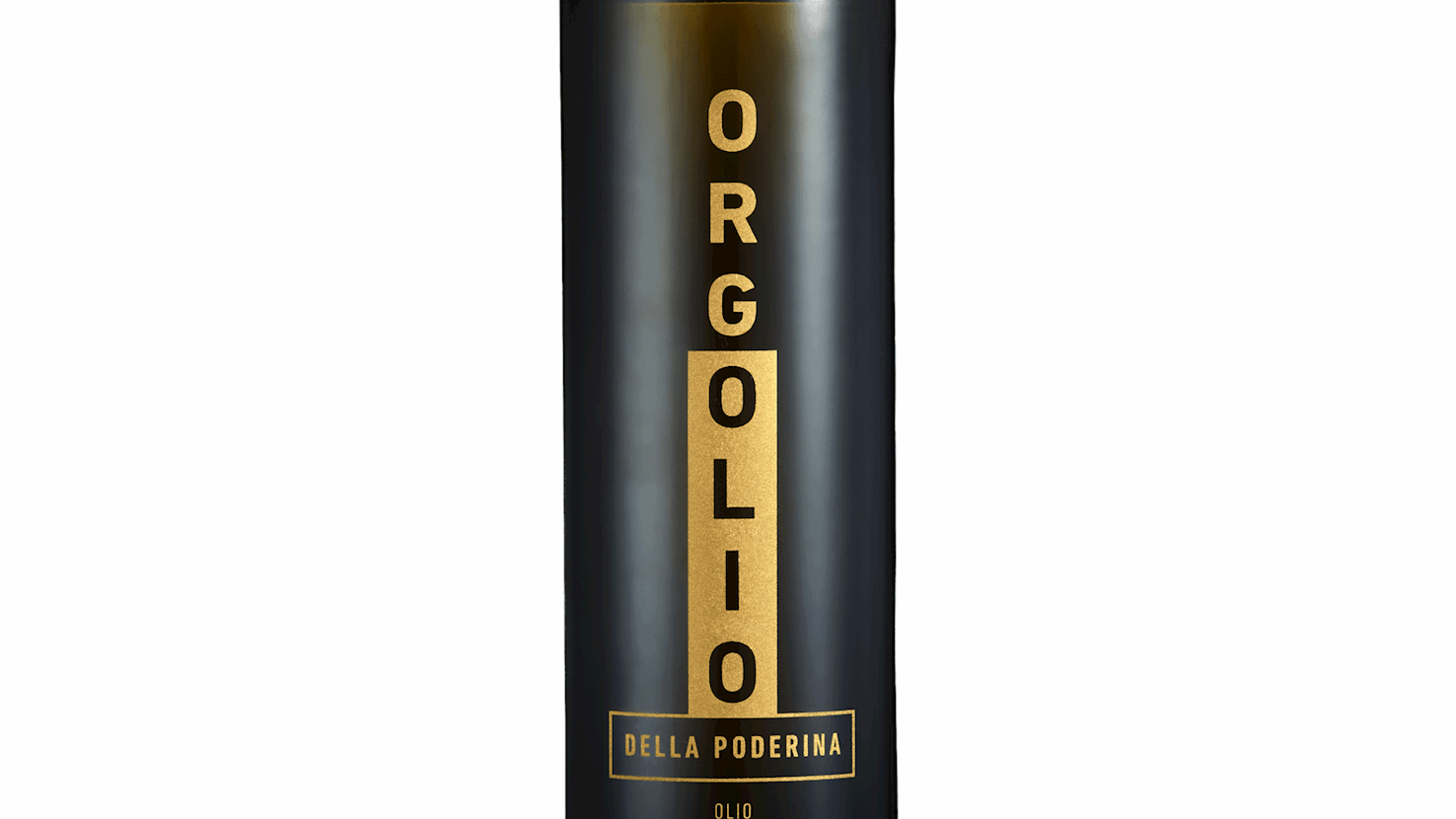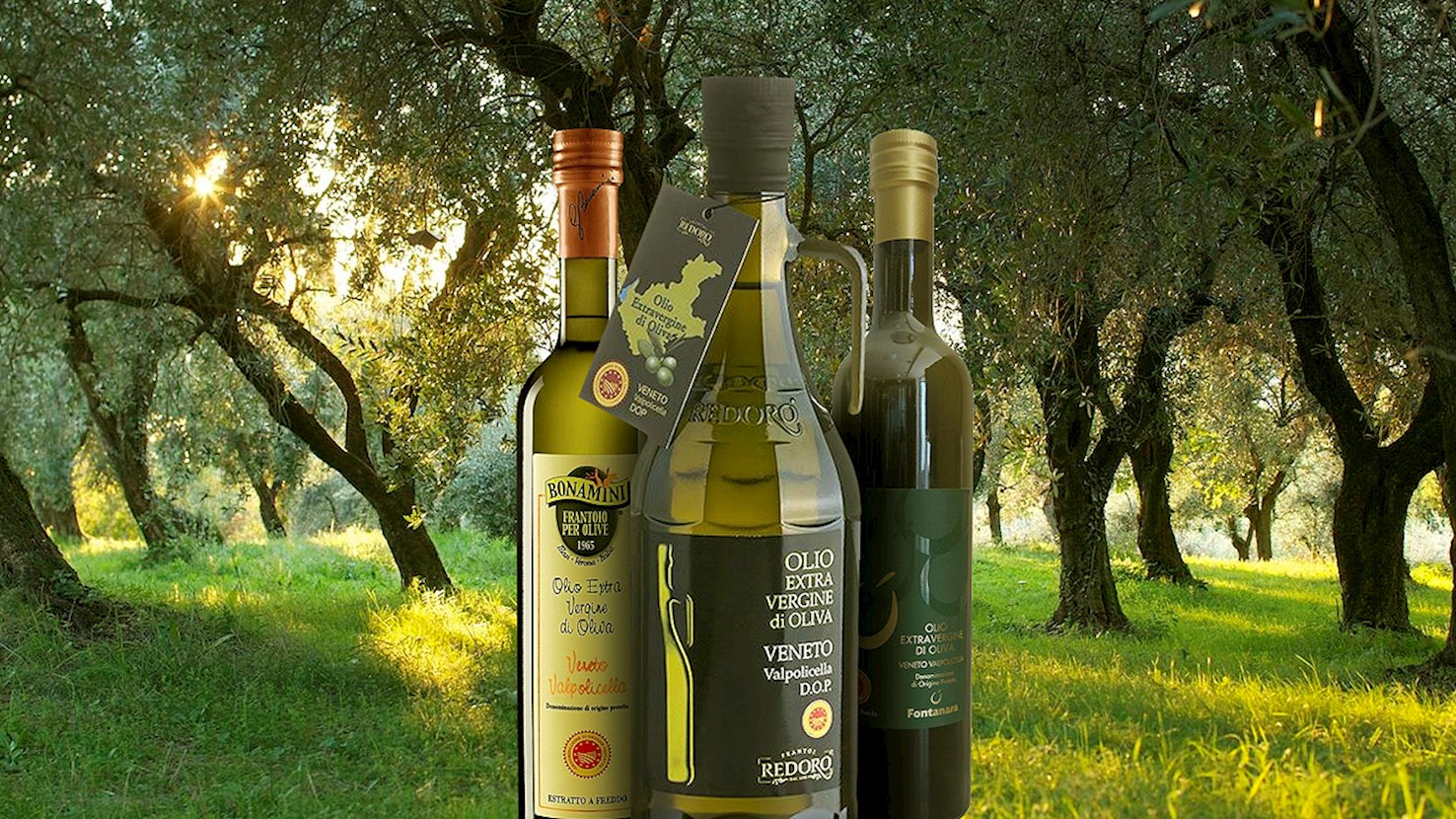
Frantoio Bonamini is a family-owned olive mill from the Illasi Valley, near Verona, founded in 1965, and today recognized as one of the leading producers of extra virgin olive oil in Italy. It combines tradition and innovation, from hand-picking to the most modern technologies in olive processing.
In addition to classic and monovarietal oils, Frantoio Bonamini also offers organic varieties, flavored oils, gourmet specialties, as well as a cosmetic line based on olive oil. A special value of their brand lies in their commitment to sustainability and the opportunity for visits and tastings, where tradition and a modern approach merge into a unique gastronomic and cultural experience.
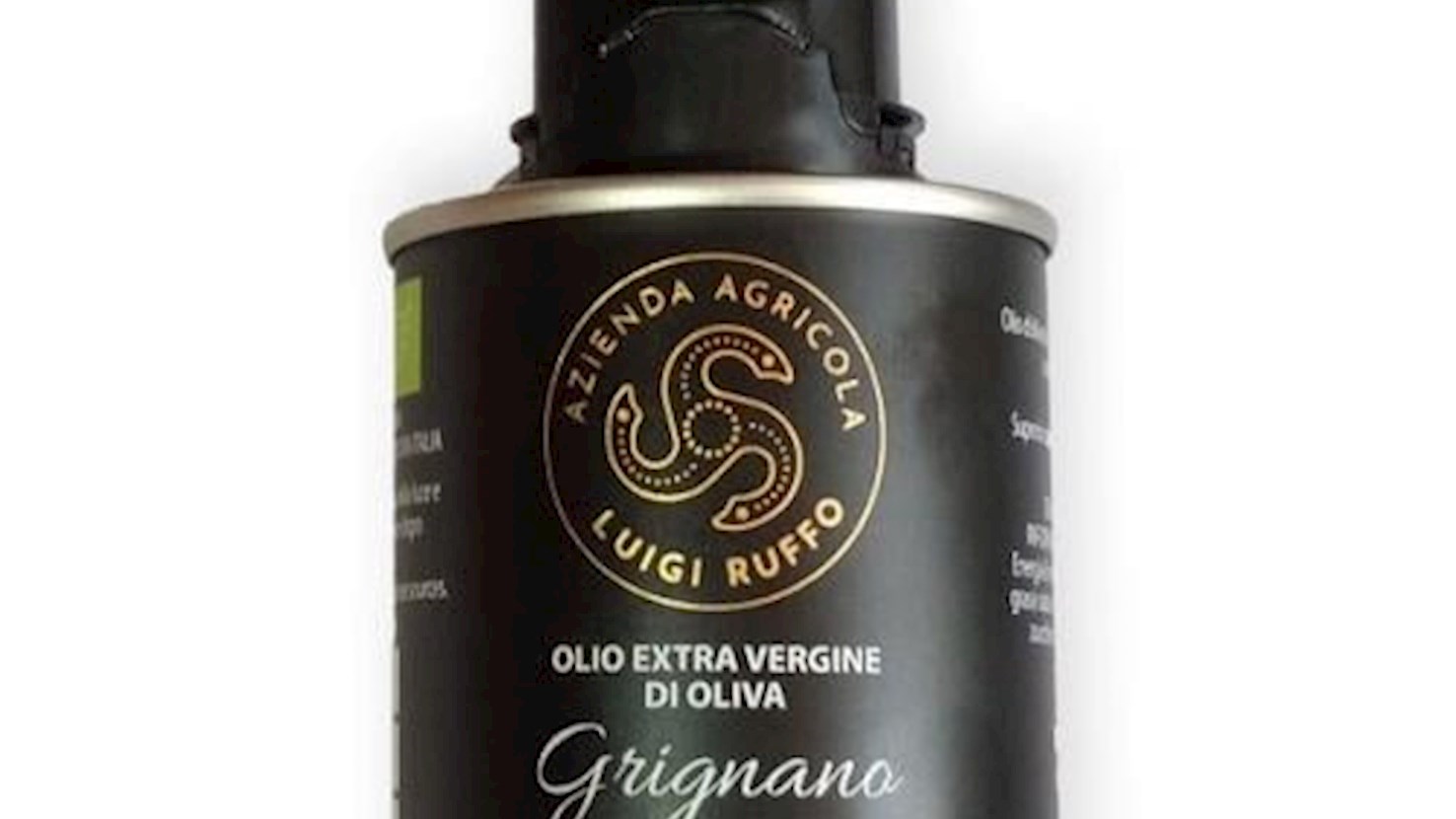
Azienda Agricola Ruffo Luigi is an olive oil producer based in Verona, Italy. The company specializes in the cultivation of olive trees and the production of high-quality extra virgin olive oil. They adhere to traditional methods of olive farming and oil extraction combined with modern techniques to ensure the purity and flavor of their products. The estate is located in the Veneto region, which is known for its favorable climate for olive growth.
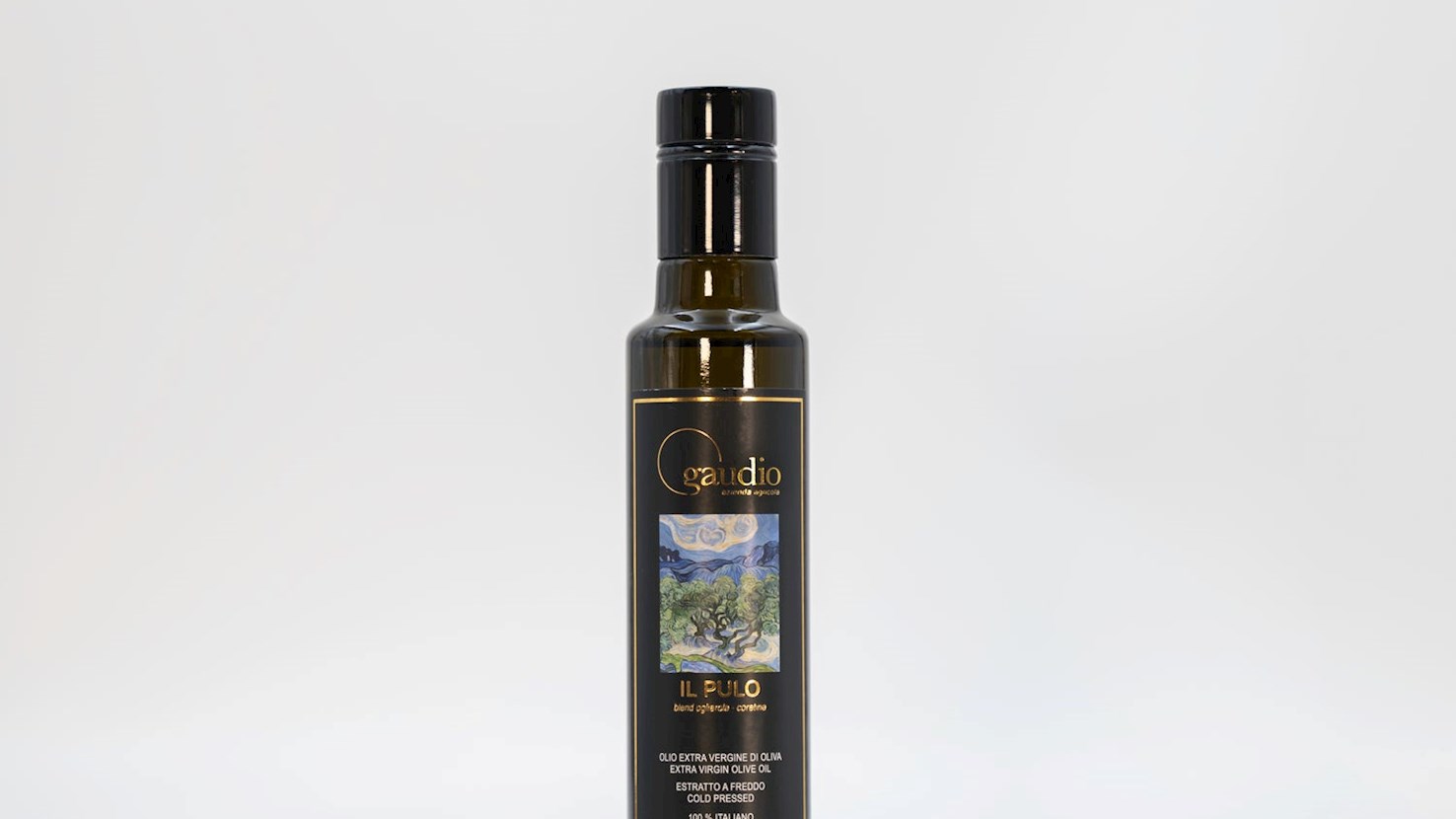
Gaudio Società Agricola Semplice is based in Padua, Italy. The company specializes in the production of high-quality olive oil. They focus on traditional methods combined with modern techniques to ensure the purity and quality of their product. Their offerings include a variety of olive oil products tailored to different culinary needs.
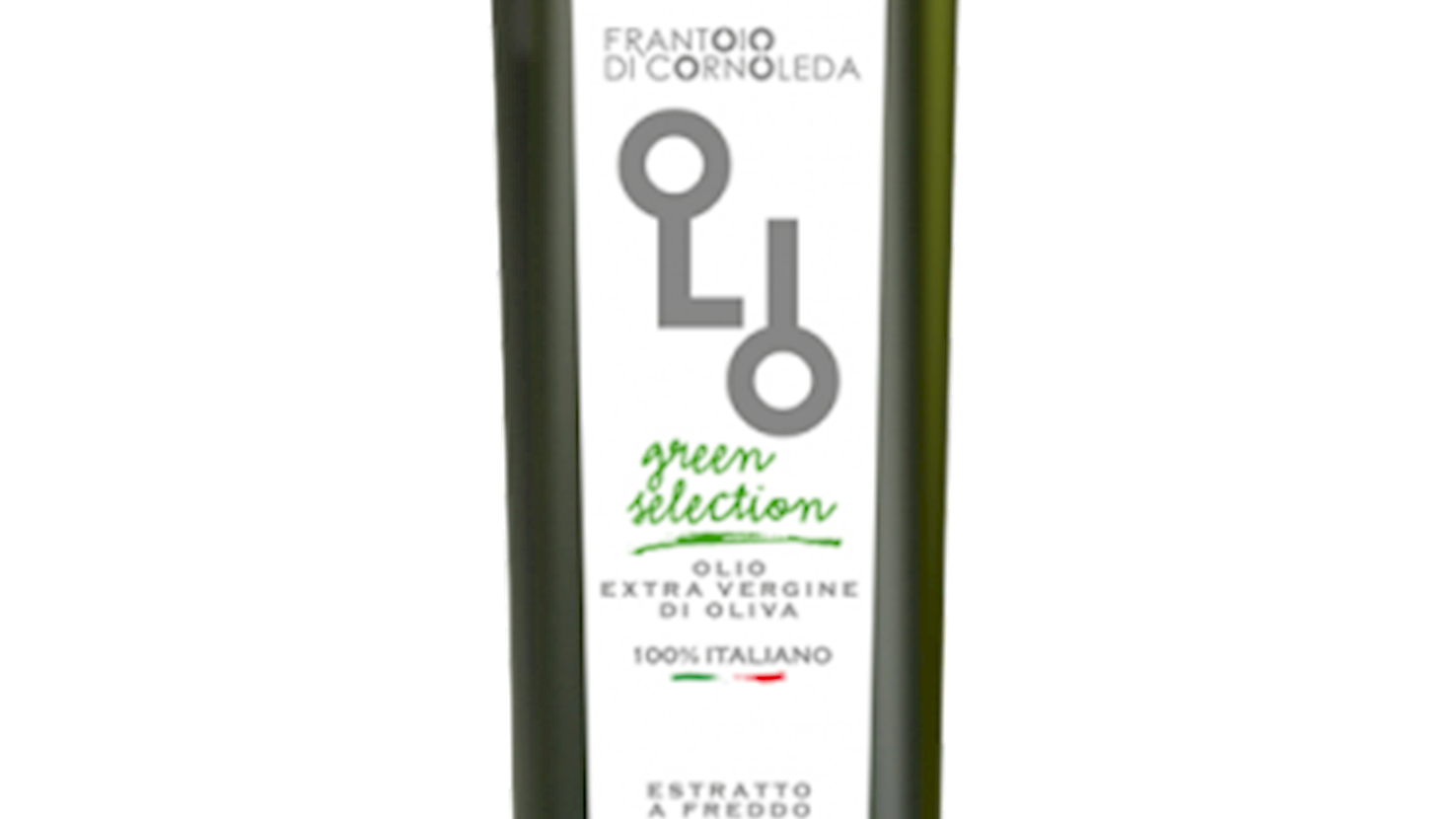
Frantoio di Cornoleda Sas is an olive oil producer based in Padua, Italy. The company specializes in the production of high-quality extra virgin olive oil. They emphasize traditional methods combined with modern technology to ensure the purity and flavor of their oils. Frantoio di Cornoleda Sas also places a strong focus on sustainable agricultural practices in their olive groves. The company offers a variety of olive oil products and frequently receives recognition for its quality.
Awards
EVO IOOC - Gold Medal
(2023, 2022, 2021, 2020, 2019, 2018, 2017, 2016)
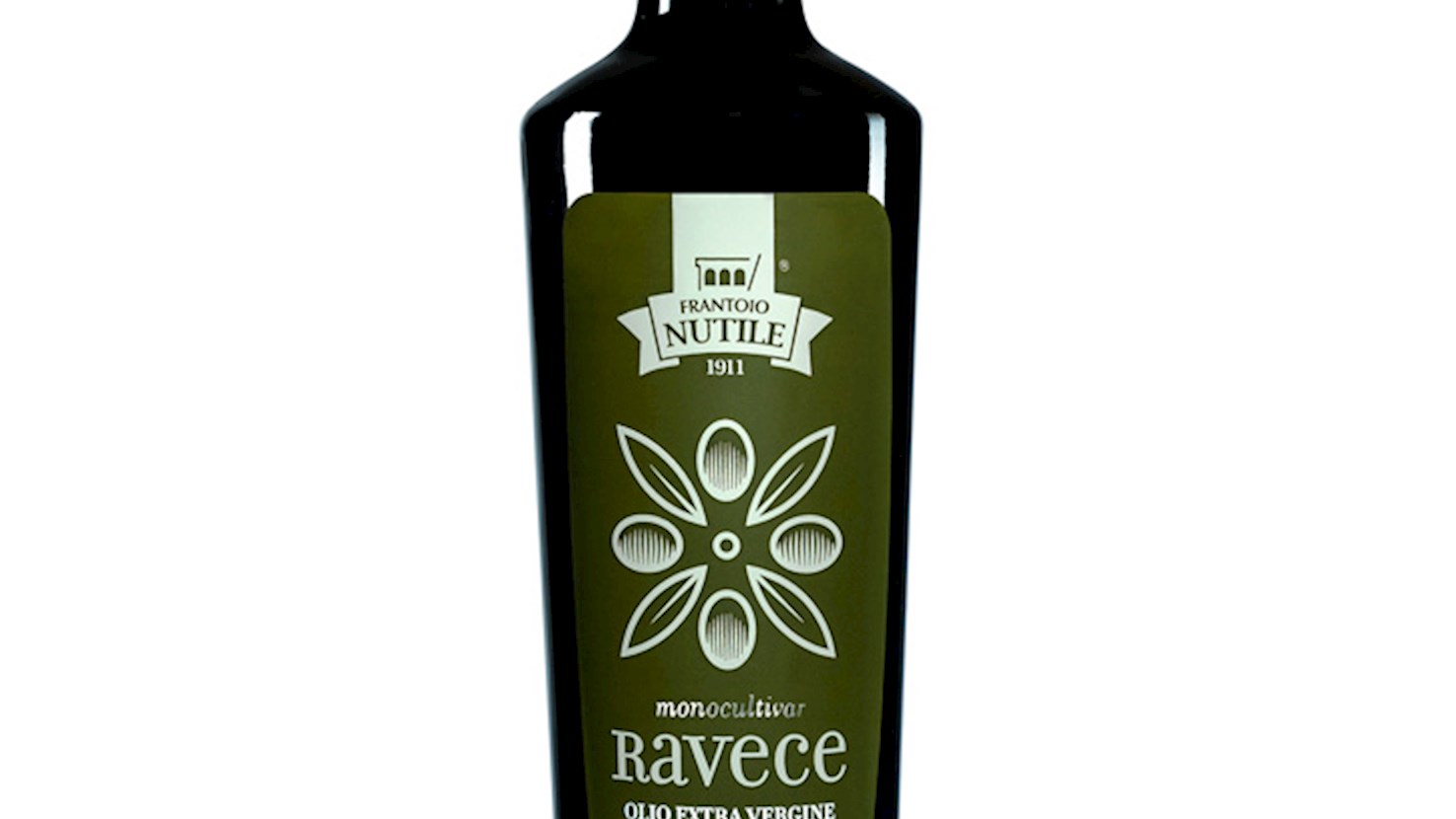
Frantoio Nutile is an olive oil producer located in Lapio, a town in the Avellino province of Italy. They specialize in crafting high-quality extra virgin olive oil using traditional methods. The company emphasizes sustainable farming practices and the use of regional olive varieties. Frantoio Nutile's olive oils are known for their distinctive flavor profiles, which are influenced by the unique terroir of the Irpinia region.
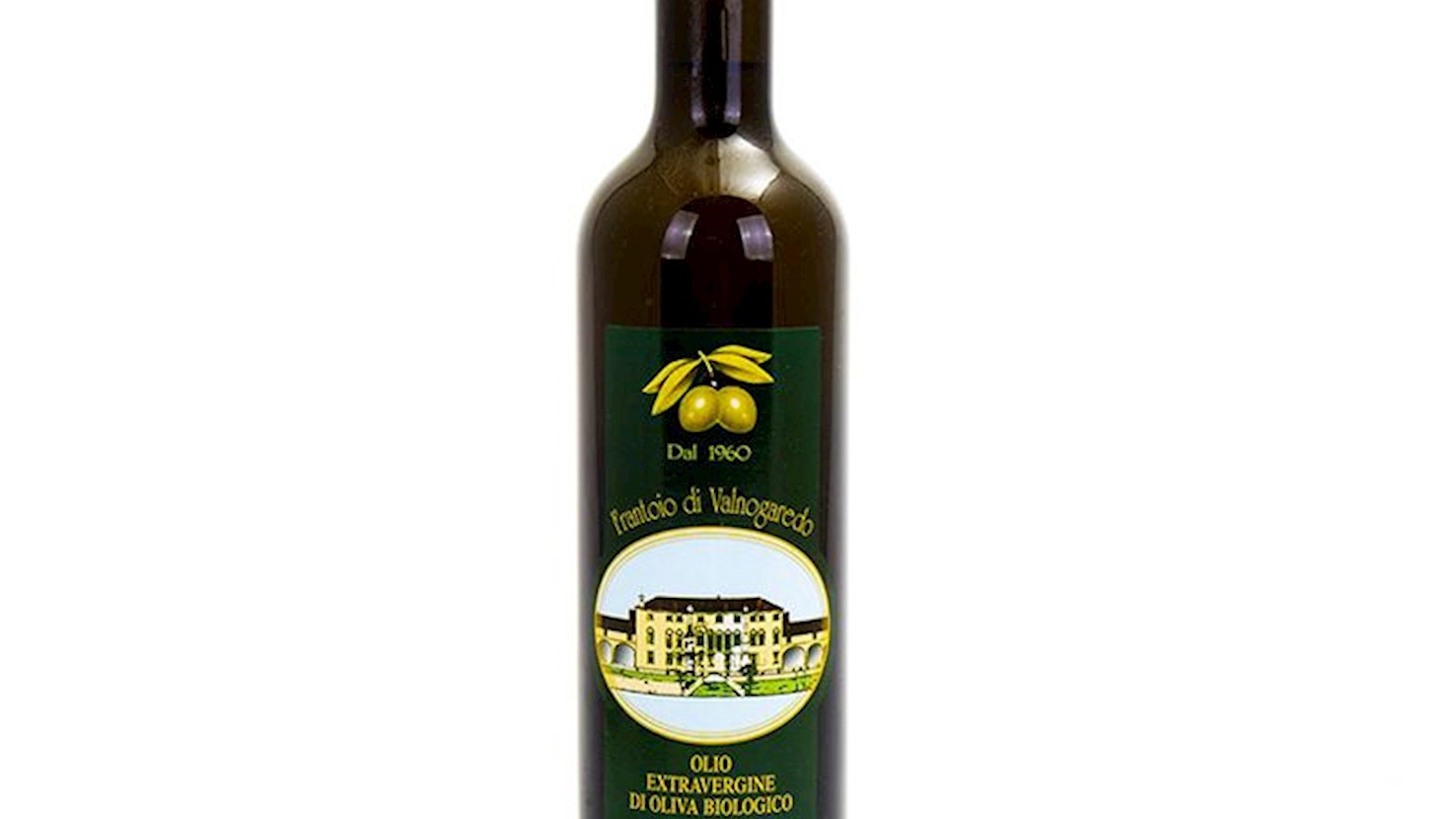
Frantoio di Valnogaredo SNC is an olive oil producer based in Padua, Italy. The company specializes in the production of high-quality extra virgin olive oil. They emphasize traditional methods combined with modern technology to ensure the purity and flavor of their oils. Frantoio di Valnogaredo's products are often praised for their distinct taste and nutritional value.
Az. Agr. Repele Lucia is an olive oil producer based in Vicenza, Italy. The company is known for cultivating high-quality olives and producing extra virgin olive oil. Their production methods emphasize traditional farming techniques and sustainability.
Le Colline is an olive oil producer based in Bardolino, a town on the eastern shore of Lake Garda in northern Italy. The company specializes in the production of high-quality extra virgin olive oil. They use traditional extraction methods combined with modern technology to ensure the purity and rich flavor of their olive oil. The olives used are primarily from the local varieties indigenous to the Garda region.
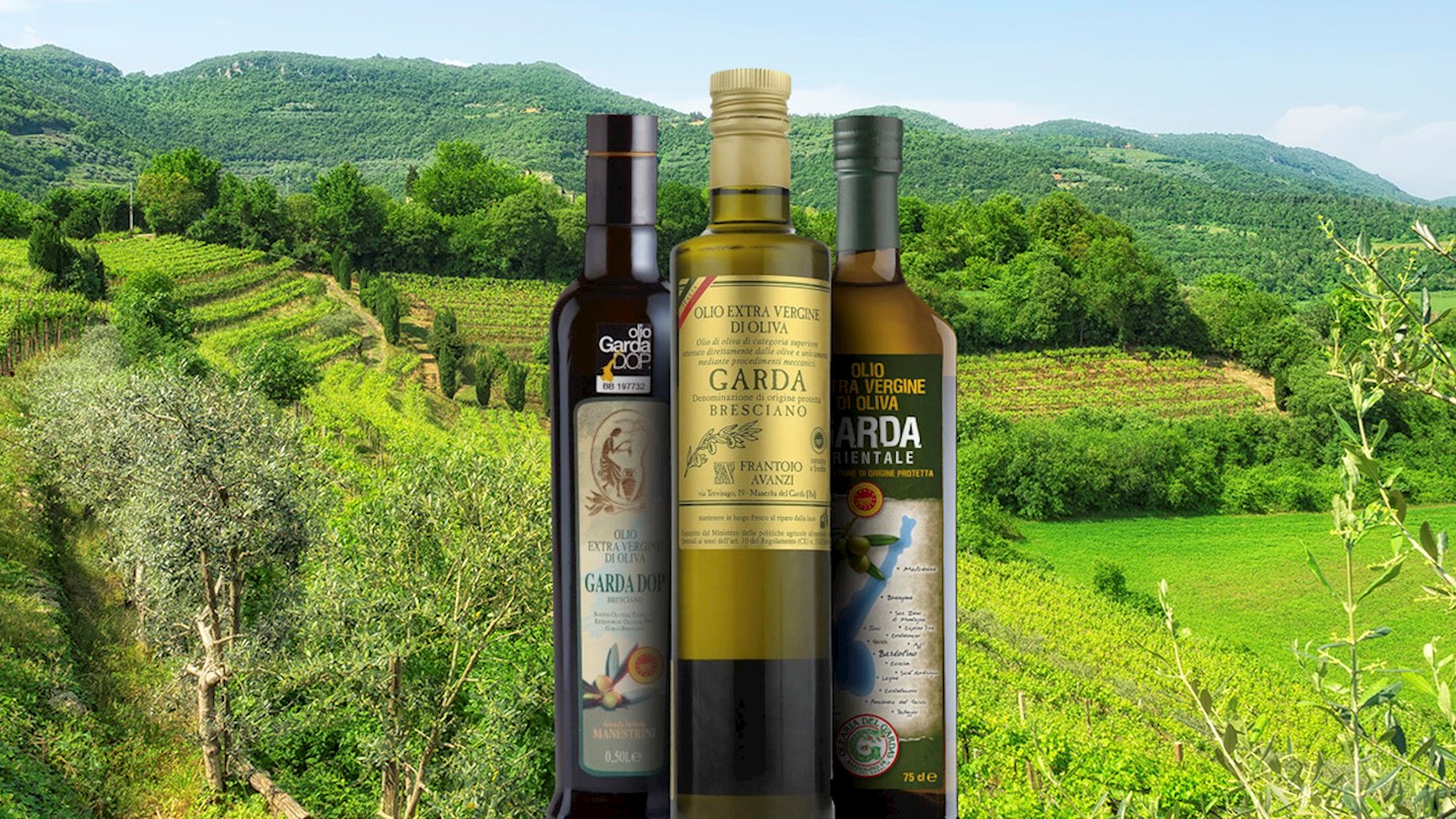
Many archaeological findings suggest that olives were cultivated around the Garda lake since the prehistoric times, where the remains of an ancient oil mill have been discovered. With an equally long tradition, the extra virgin olive oil of Garda has been produced in the Lombardian provinces of Brescia and Mantua, Veneto's Verona, and the province of Trento in Trentino Alto-Adige, all of which overlook the Lake Garda basin. Depending on the production area, Garda oil comes in three varieties: Bresciano, Orientale and Trentino. This extra virgin olive oil is obtained from the Casaliva, Frantoio, Leccino and Pendolino olive varieties. It has a maximum acidity of 0.60%, a golden yellow to green color, and varies in the intensity of its fruity aroma with strong grassy hints, while its taste reveals slightly bitter and piquant notes reminiscent of almonds.
Veneto Valpolicella olive oil is an extra virgin olive oil produced in the hills of the Valpolicella area in the Veneto region of northeastern Italy, better known internationally for its wines but also home to long-standing olive groves. The oil reflects the environment of the foothills north of Verona, where the climate and soil provide favorable conditions for cultivating olives alongside vineyards. Though less famous than Tuscan oils, the olive oil from Valpolicella has an established identity in the region and is protected under European designations of origin that highlight its quality and specific place of production. Olive growing in this part of Veneto has deep roots, with references to the presence of olives and oil pressing dating back to Roman times. Over the centuries, the practice continued, though it was often overshadowed by viticulture. In the twentieth century, structured efforts were made to preserve and promote olive oil production in the area, leading to the recognition of its distinct qualities and its value as part of the local agricultural heritage. The designation of Veneto Valpolicella as a protected origin product helped secure its place among Italy’s recognized olive oils. Production begins with local olive varieties such as Grignano, Favarol, Leccino, and Pendolino, which are harvested by hand or with simple mechanical aids to avoid bruising. The olives are pressed quickly, often within a day of harvest, using modern cold-press techniques that preserve aroma and nutrients. The result is an oil with a golden-green hue, delicate fruitiness, and balanced notes of almond and herbs, with mild bitterness and pepperiness that do not overwhelm but give character. These qualities make it versatile and suitable for both raw use and light cooking. Today, Veneto Valpolicella olive oil is eaten locally and increasingly abroad, valued by those who seek milder oils for salads, drizzling over fish, or finishing soups and vegetables. In its own region, it is enjoyed as a complement to breads, cheeses, and seasonal produce, as well as used alongside the wines that make Valpolicella internationally known.
Even though olive cultivation in the Veneto region probably dates back to the pre-Roman times, it wasn't revived until after the First World War. Since then, olive oil has been produced in the provinces of Verona, Vicenza, Treviso and Padua. It is obtained from the Grignano, Favarol, Leccino, Casaliva, Frantoio, Maurino, Pendolino, Leccio del Corno, Trep, Drop, Marzemino, Riondella and Matosso olive varieties. Depending on the cultivar and the exact area of production, Veneto oil comes in three different varieties: Veneto Valpolicella, Veneto Euganei e Berici or Veneto del Grappa. It is golden yellow to green and has a fragrant aroma of fruit and a taste of fresh olives with quite a pronounced bitterness. Veneto olive oils are characterized by a versatile flavor which makes them the perfect condiment for many Italian dishes.
TasteAtlas food rankings are based on the ratings of the TasteAtlas audience, with a series of mechanisms that recognize real users and that ignore bot,
nationalist or local patriotic ratings, and give additional value to the ratings of users that the system recognizes as knowledgeable.
For the “Top 22 Venetian Vegetable Oils” list until June 15, 2026, 9 ratings were recorded, of which 4 were recognized by the system as legitimate.
TasteAtlas Rankings should not be seen as the final global conclusion about food. Their purpose is to promote excellent local foods,
instill pride in traditional dishes, and arouse curiosity about dishes you haven’t tried.
The initial list of top producers was compiled based on available reviews, awards, local recommendations, media and blog coverage, and consumer reviews.
The list will be updated with ratings from TasteAtlas local ambassadors and TasteAtlas users.