



shutterstock

Top 11 Spanish Vegetable Soups

Last updated on July 15, 2026
01

Gazpacho

3.6 ·

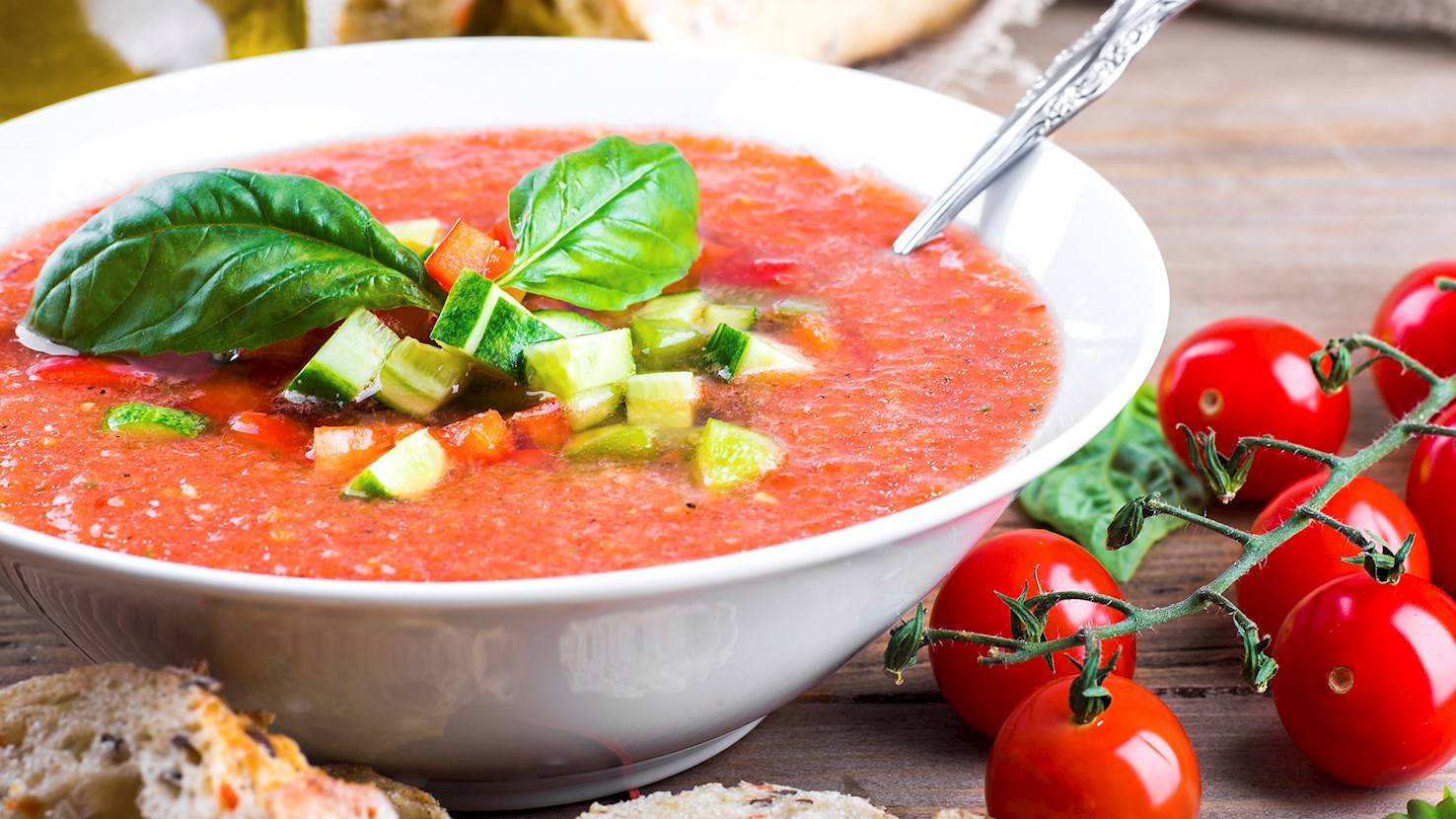
A perfect remedy for a hot summer day called gazpacho is a cold soup consisting of crushed tomatoes, finely chopped cucumbers, onions, peppers, croutons, vinegar, and olive oil. With the same level of familiarity as paella to the consumers worldwide, the soup's refreshing, cool and acidic flavors promote Spanish cuisine at its best. The dish began as a light lunch that the wives brought to their husbands in the field in order to cool them down from the hot summer sun. Shortly after, it began to be served at the end of big meals, although today it is a popular summer appetizer. Throughout Spain, there are a number of gazpacho varieties, such as gazpacho blanco (white gazpacho) or ajo blanco, a Málaga specialty made with garlic, bread, and almonds, with a garnish of green grapes. As the dish evolved, all kinds of ingredients started to be added to the soup, such as watermelon and cantaloupe. Regardless of the varieties, all gazpachos share a common thread of three key ingredients - bread, vinegar, and oil.

02

Sopa de ajo

3.6 ·

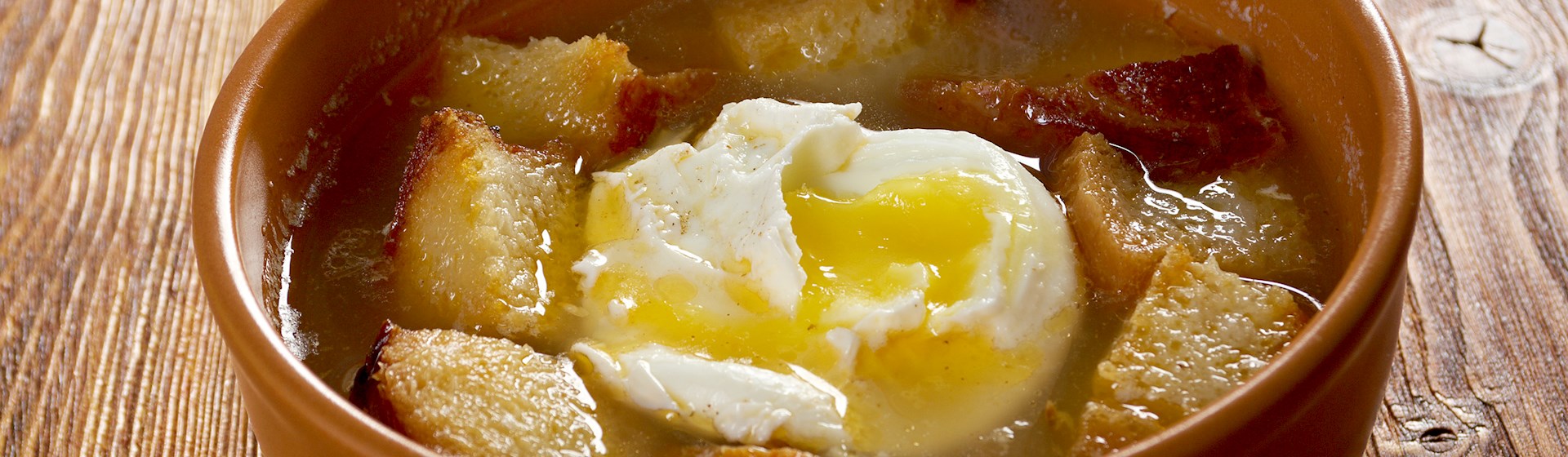
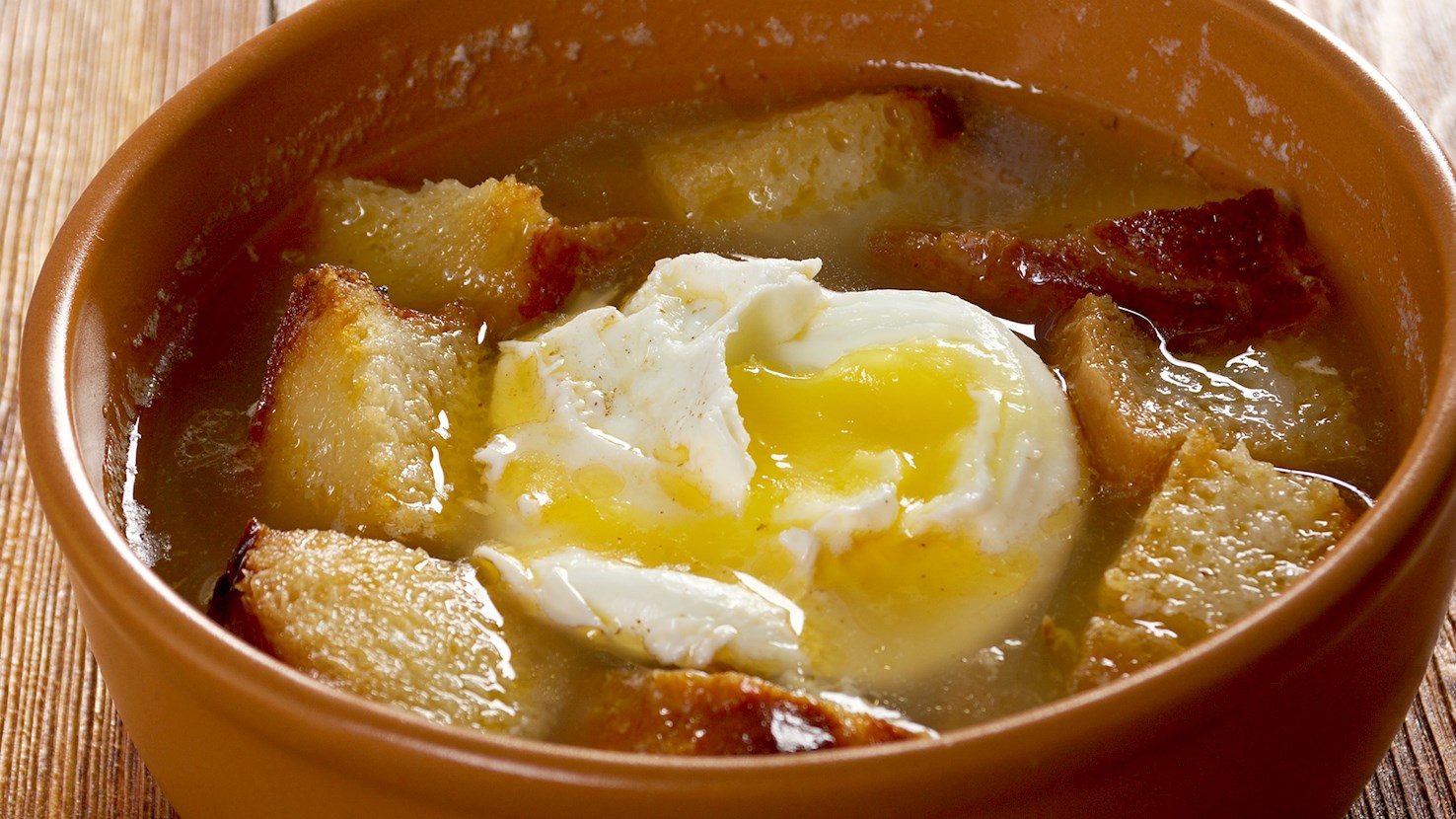
Sopa de ajo is a traditional garlic soup. It's prepared by sautéeing garlic in olive oil and Spanish smoked paprika. Stale bread and whisked or poached eggs are then added to the soup for the final touch. As for the liquids, chicken broth, vegetable broth, or even plain water will work. The soup is served piping hot, garnished with a few croutons or fresh parsley. Traditionally, sopa de ajo is consumed in the morning on Good Friday, and it's recommended to serve it with a few slices of grilled bread on the side.

03

Caldo gallego

3.5 ·

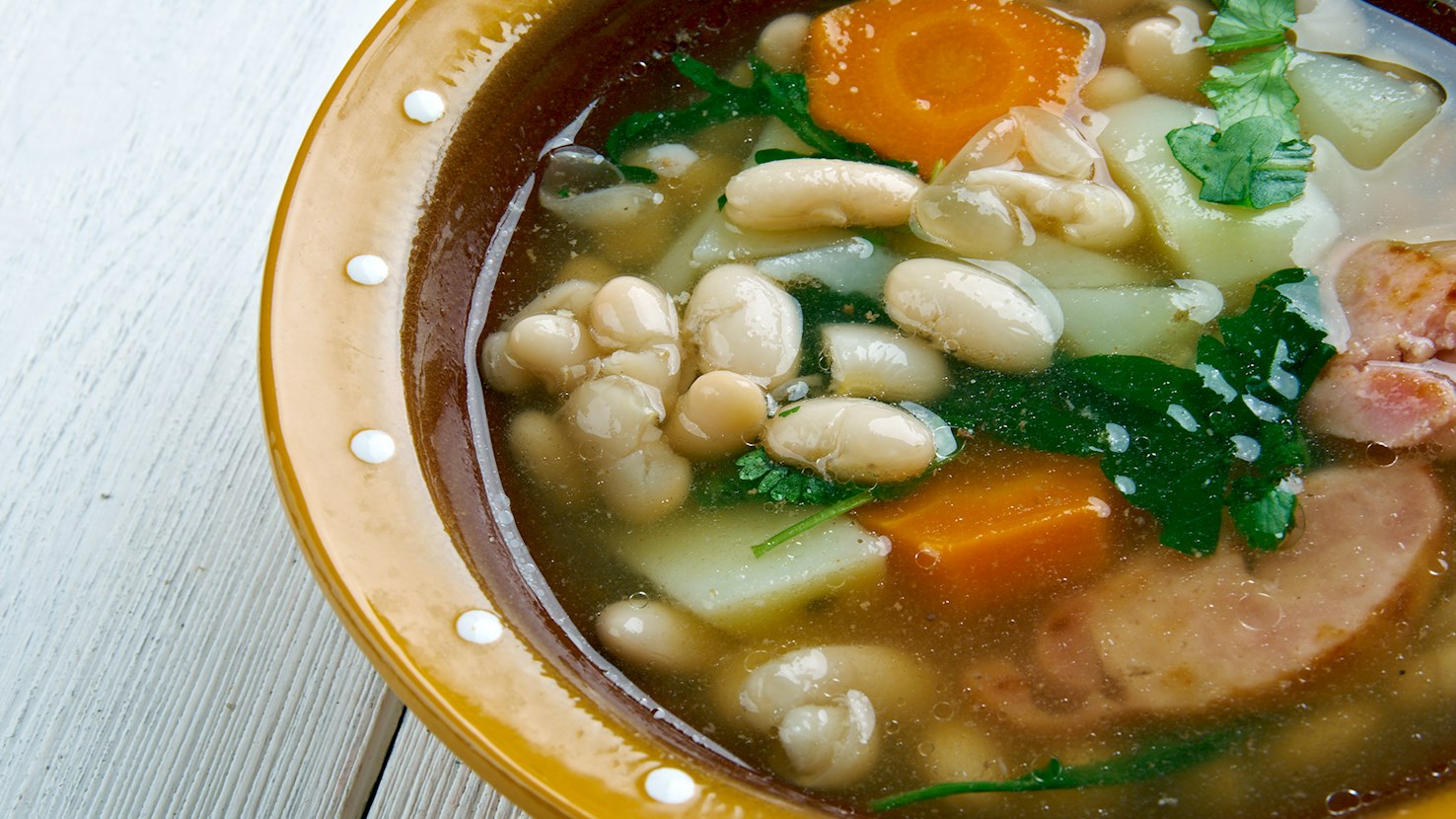
This traditional Galician dish is hearty, inexpensive, and nourishing. Although the ingredients vary from one household to the next, this flavorful broth is most often prepared with collard greens, cabbage, turnips, potatoes, white beans, lard, and meat products such as chorizo, bacon, and ham. The dish has humble origins and is mainly associated with Spanish farmers who lived off their own produce and served the dish in traditional earthen bowls known as cuncas. Caldo gallego is typically consumed in colder months because it is always served piping hot. It is believed that the soup tastes even better when reheated the next day.

04

Menestra de verduras

2.8 ·

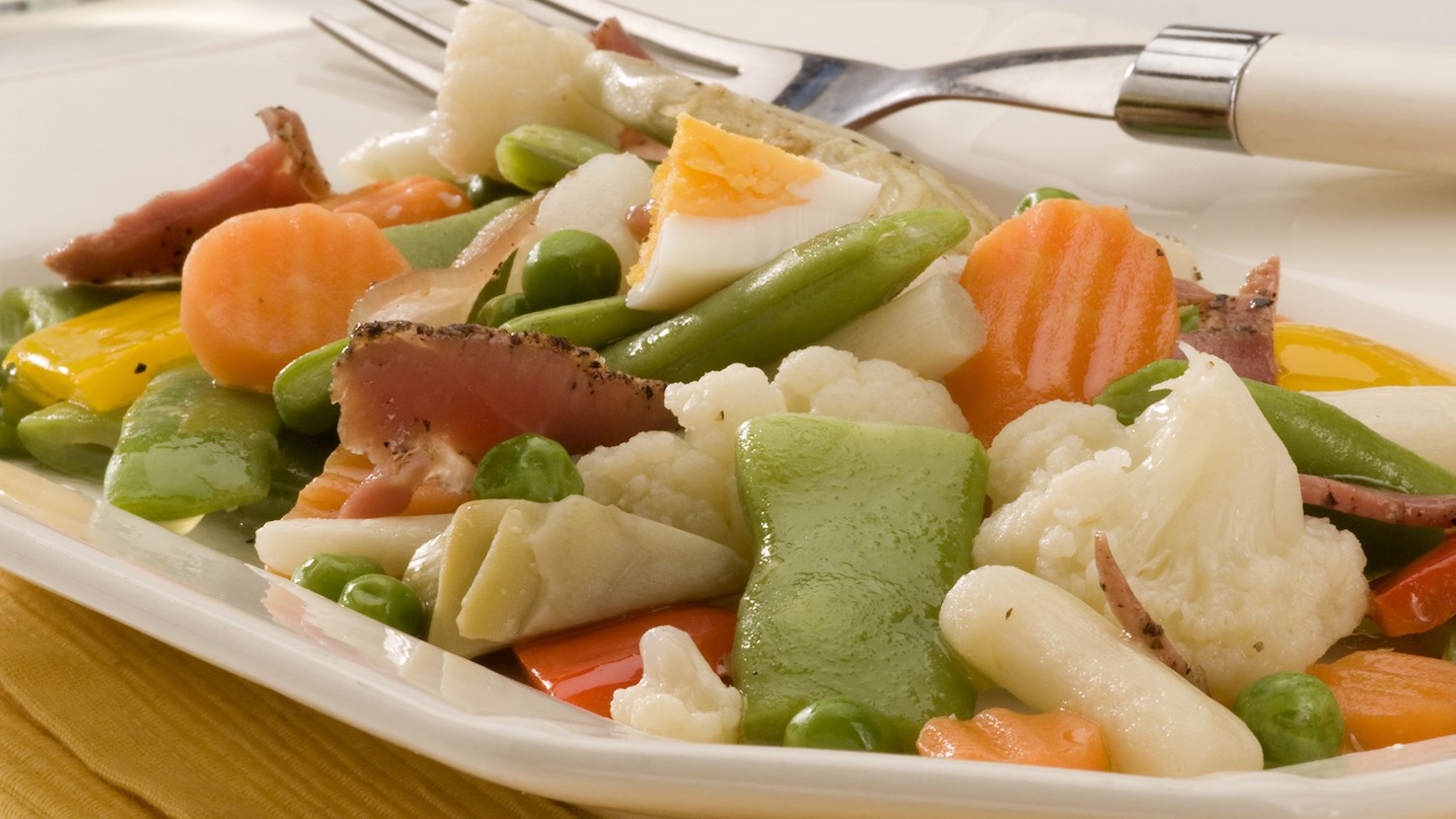
Menestra de verduras is a vegetable stew built upon a seasonal harvest of tender spring produce, primarily featuring fresh artichokes, bright green peas, broad beans, and asparagus. Its origins race directly back to the agricultural basin surrounding the Ebro River, particularly in Navarre and La Rioja, where farmers relied heavily on the fertile soil to sustain themselves. The stew starts by boiling each vegetable separately for precise times, ensuring they soften properly without losing their distinct textures or bleeding colors into one another. While the greens drain, finely diced white onions and minced garlic cloves soften in a wide pan loaded with warm olive oil. Small cubes of cured ham drop directly into the hot fat, rendering their oils and infusing the base with a deep, salty flavor. A small scoop of wheat flour goes into the pan to form a light paste before a pour of vegetable or meat broth turns the mixture into a glossy, savory sauce. The blanched produce folds gently into this thickened liquid, simmering just long enough for the flavors to meld completely. Widespread regional adaptations change the ingredients depending on availability. Coastal towns frequently toss fresh clams or chunks of white fish into the boiling broth to add a briny sweetness, while inland areas often swap the cured ham for slow-roasted lamb. A highly popular modification involves dredging the artichoke hearts and asparagus spears in flour, dipping them in beaten egg, and frying them in hot oil before adding them to the final stew, giving the vegetables a spongy coating that absorbs massive amounts of the garlic-infused sauce. The steaming-hot stew goes straight from the stove to the dining table in shallow clay bowls and is served as a standalone main course. Wedges of hard-boiled eggs frequently sit on top to provide an extra layer of protein, while thick slices of crusty bread always accompany the bowl, serving as the essential tool to mop up every drop of the stew.

05

Porrusalda

2.7 ·

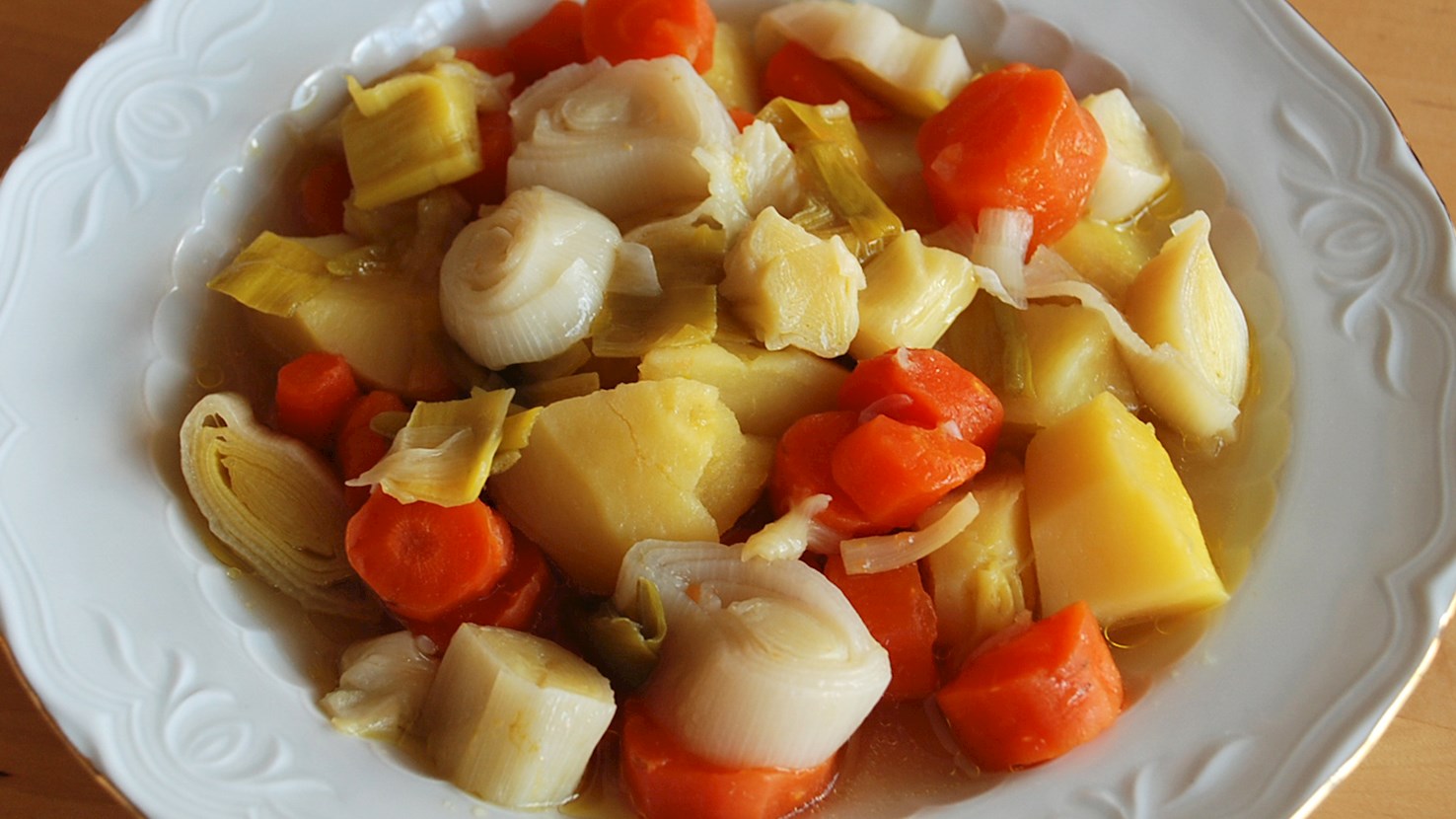
Warm and comforting, porrusalda is a traditional Basque soup made with vegetables such as carrots, potatoes, leeks, and onions. The soup is flavored with garlic and salt, while dried salt-cod is sometimes added to porrusalda in order to enhance its flavors. Although it is a Basque dish, the soup is more commonly consumed in other parts of Spain such as La Rioja and Castilla y León. It is recommended to garnish this hearty soup with some chopped parsley before serving.

06

Caldo de papas

2.5 ·

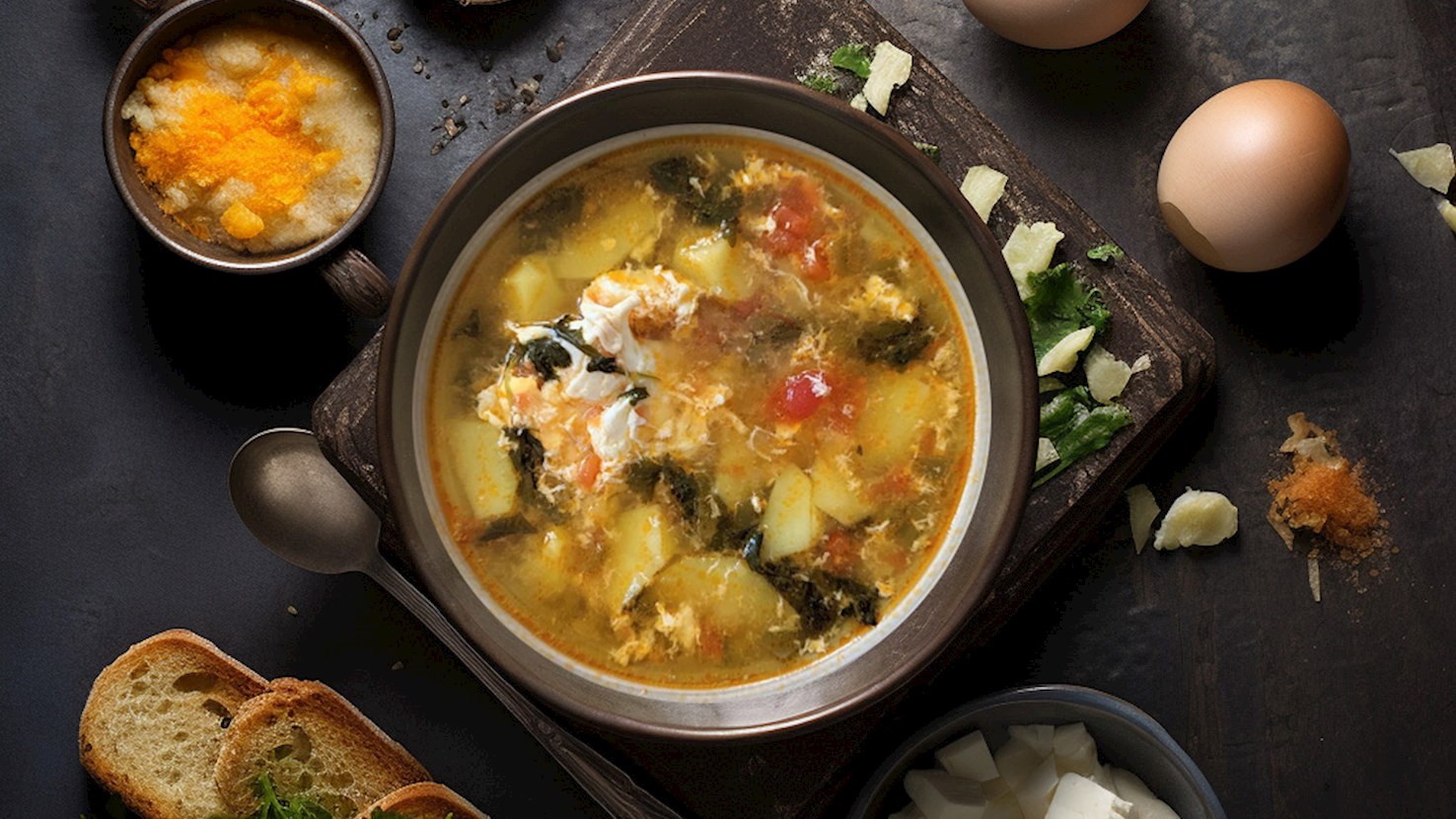
Caldo de papas is a hearty soup hailing from the Canary Islands. It is made with a combination of onions, potatoes, tomatoes, bell peppers, cilantro, saffron, and eggs. The soup is slowly simmered until the potatoes are fully cooked, and it is then finished by cracking a few raw eggs into the pot. The final result is a starchy and thick soup which should, ideally, be served in warmed bowls.

07

Gazpacho de trigueros

n/a ·

Gazpacho de trigueros is a traditional vegetable soup originating from Extremadura. It’s usually made with a combination of trigueros (slim wild asparagus), garlic, stale bread pieces, olive oil, hard-boiled eggs, red wine vinegar, water, and salt. The asparagus are cut into strips, sautéed in olive oil for a few minutes, and then removed from the pan. The hard-boiled eggs are chopped and mixed with vinegar, asparagus, olive oil, and water. The remaining asparagus, bread, garlic, and water are processed until smooth and mixed with the other ingredients. More water is added to the bowl, and the soup is then seasoned with salt and garnished with chopped egg whites. Gazpacho de trigueros is served at room temperature.

08

Sopeao

n/a ·

Sopeao is a variation on gazpacho that's prepared in Andalusia, particulary in the area of Sevilla. This cold soup is made with tomatoes, onions, garlic, bell peppers, stale bread, olive oil, salt, and vinegar. Hard-boiled eggs and tuna are often added to the soup in order to enhance the flavors and add more texture. Once prepared (usually in summer), the soup is served either in wide platters with pieces of tuna and hard-boiled eggs, or in individual plates. The soup is served with crusty bread that soaks up the creamy tomatoes, and the name of the dish is derived from the word sopear, meaning to soak up with bread. In Sevilla, during the spring fair, people sometimes also add lettuce, melon, and even pieces of rabbit or pigeon.

09

Puré hortelano

n/a ·

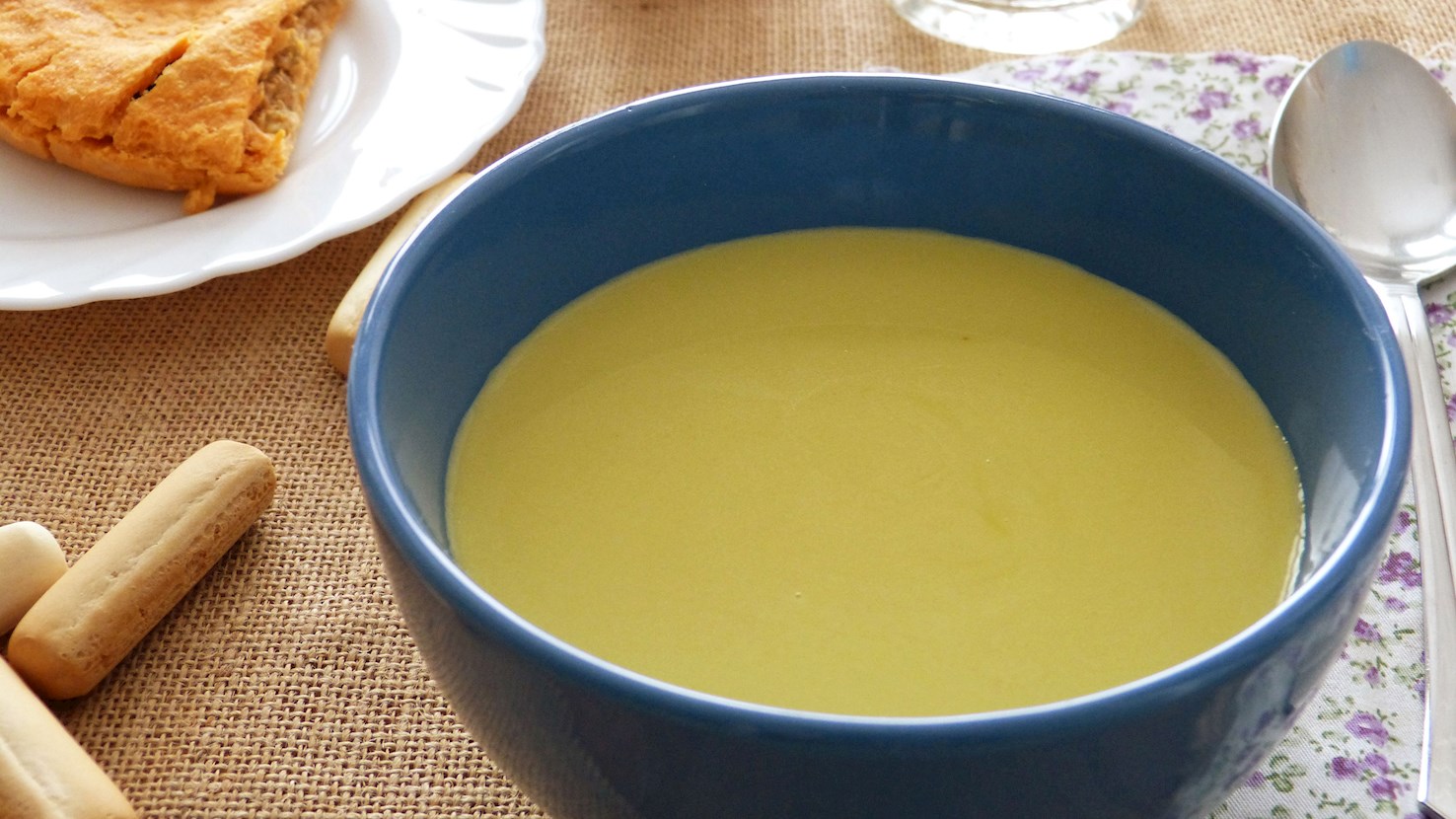
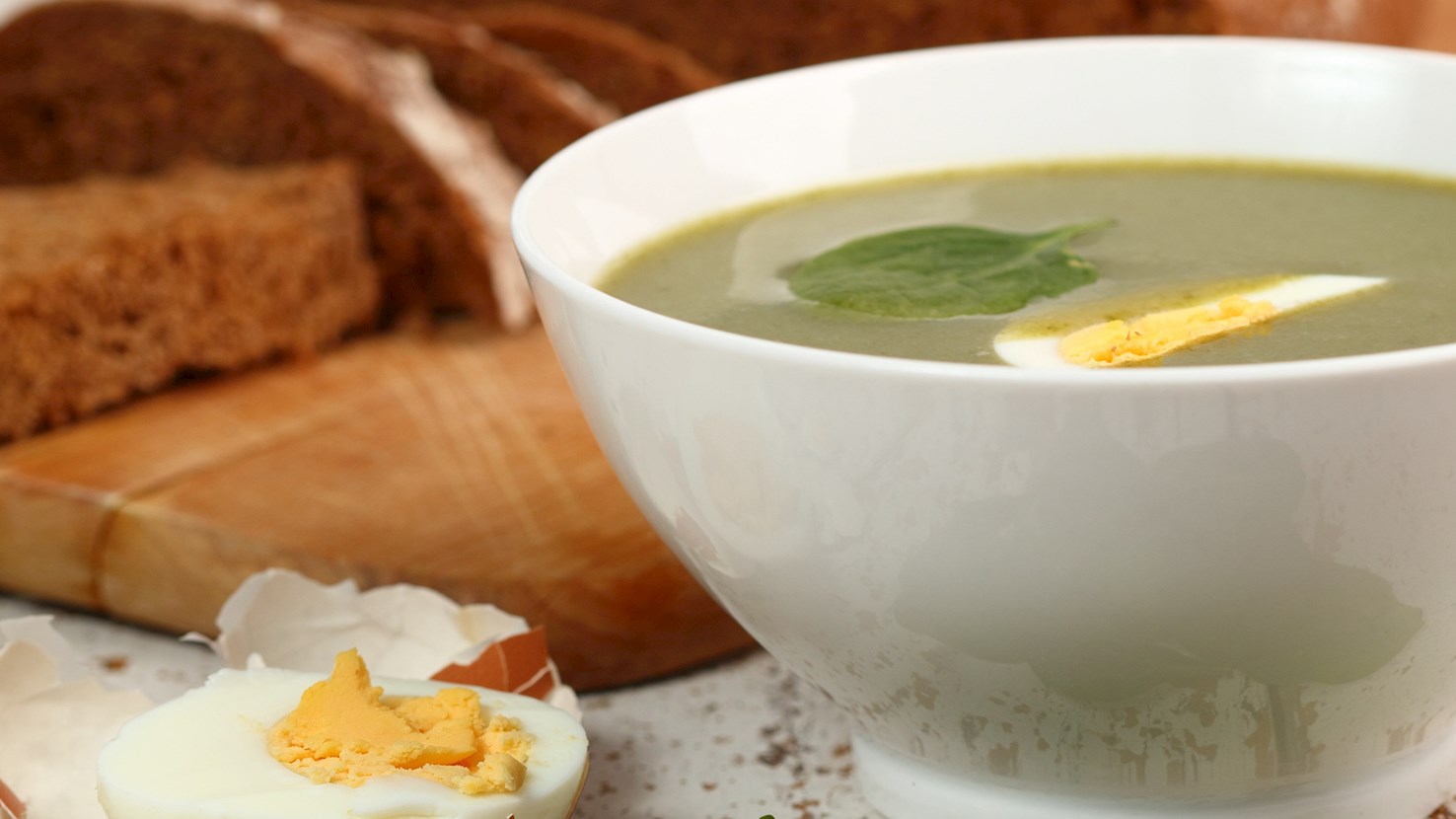
This puréed soup hails from the farmlands of Andalusia and gets its name from huertas, the local commercial vegetable gardens which are something like truck farms. In fact, there is a whole family of Spanish dishes called hortalizas, made with the vegetables harvested from huertas, and puré hortelano is one of them. It is traditionally made with chard, spinach, onion, leeks, and salicornia (sea asparagus); thickened with bread crumbs, and served with a sliced hard-boiled egg in the soup, preferably with some toasted bread on the side.

10

Potaje de berros (Watercress and Corn Soup)

n/a ·

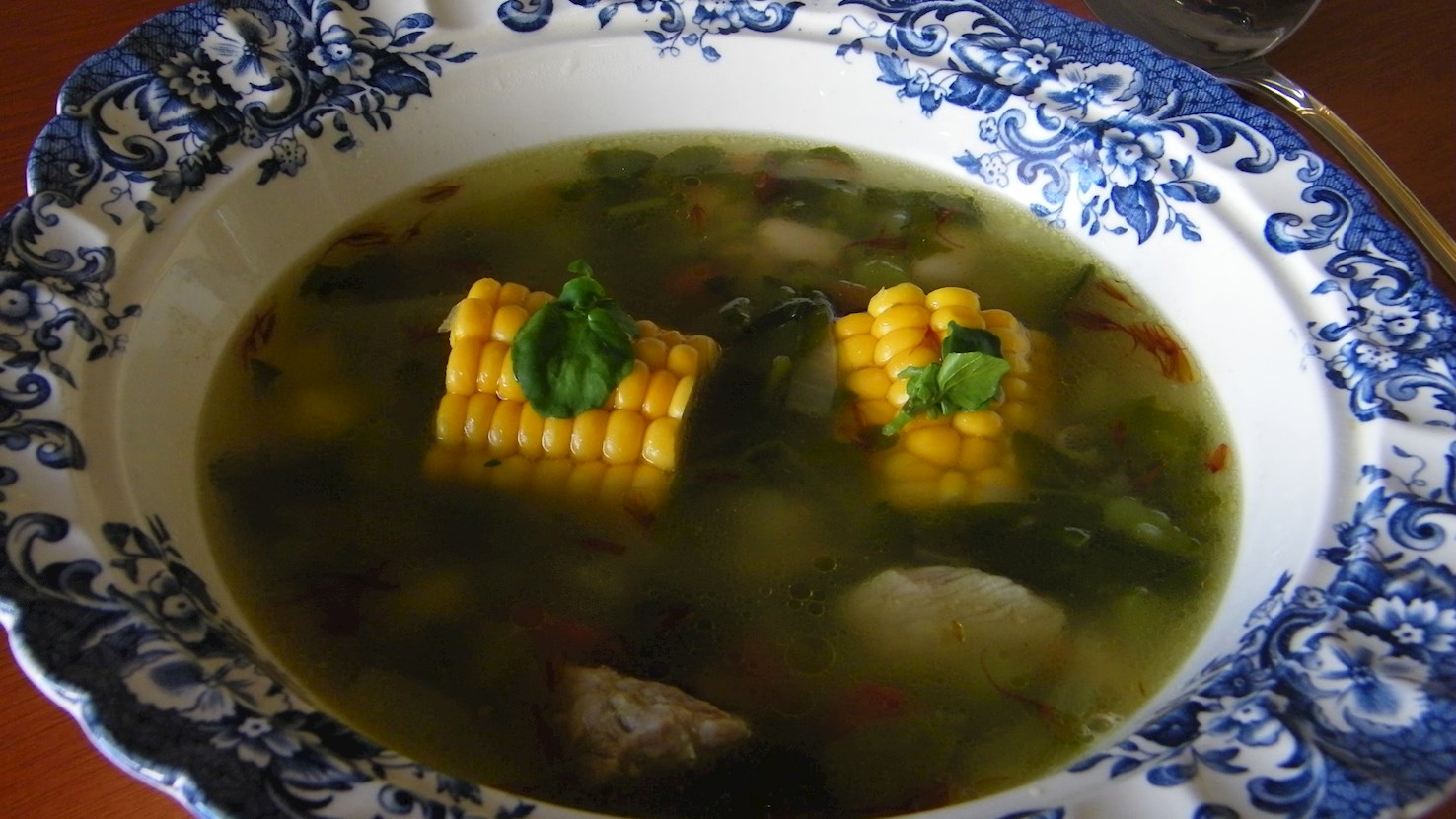
Potaje de berros is a traditional soup originating from the Canary Islands. The soup is usually made with a combination of onions, garlic, tomatoes, watercress, carrots, pumpkin, potatoes, corn, white beans, chicken stock, olive oil, and salt. The onions, garlic, and tomatoes are sautéed in olive oil until soft. The carrots, pumpkin, potatoes, beans, and watercress are added to the pot, the mixture is covered with stock, and it’s then simmered until the beans are soft. The soup is blended or puréed until smooth, seasoned with salt, garnished with boiled corn kernels and watercress leaves, and served hot. The dish was invented as a way to use up new ingredients from the Americas, such as corn and potatoes.

11

Oliaigua

n/a ·
Read more
View all
View map
About this ranking

TasteAtlas food rankings are based on the ratings of the TasteAtlas audience, with a series of mechanisms that recognize real users and that ignore bot, nationalist or local patriotic ratings, and give additional value to the ratings of users that the system recognizes as knowledgeable. For the “Top 11 Spanish Vegetable Soups” list until July 15, 2026, 781 ratings were recorded, of which 625 were recognized by the system as legitimate. TasteAtlas Rankings should not be seen as the final global conclusion about food. Their purpose is to promote excellent local foods, instill pride in traditional dishes, and arouse curiosity about dishes you haven’t tried.

Similar lists