

shutterstock

Top 41 Asian Vegetables

Last updated on June 10, 2026
01

Urfa biber

4.1 ·

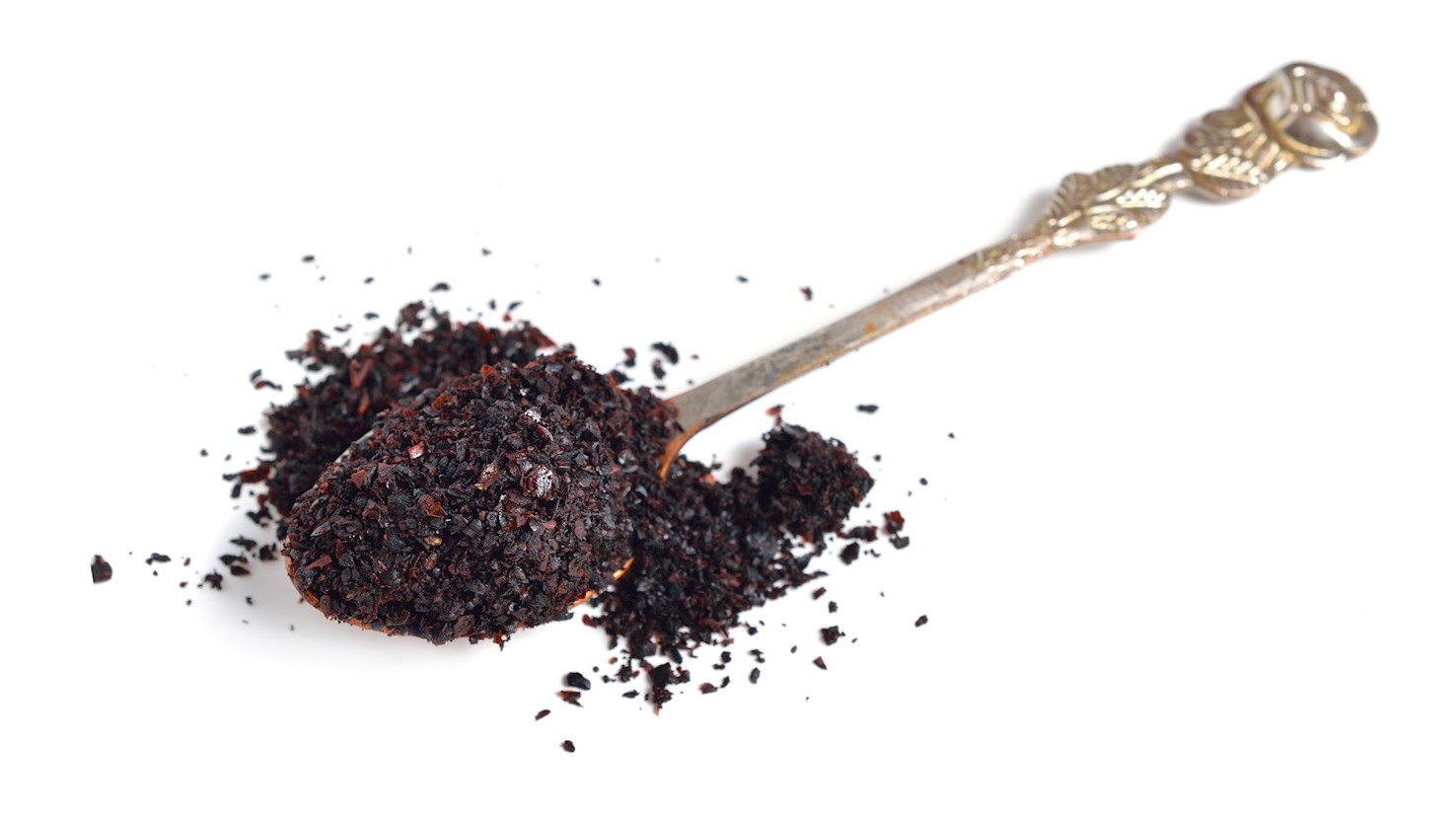
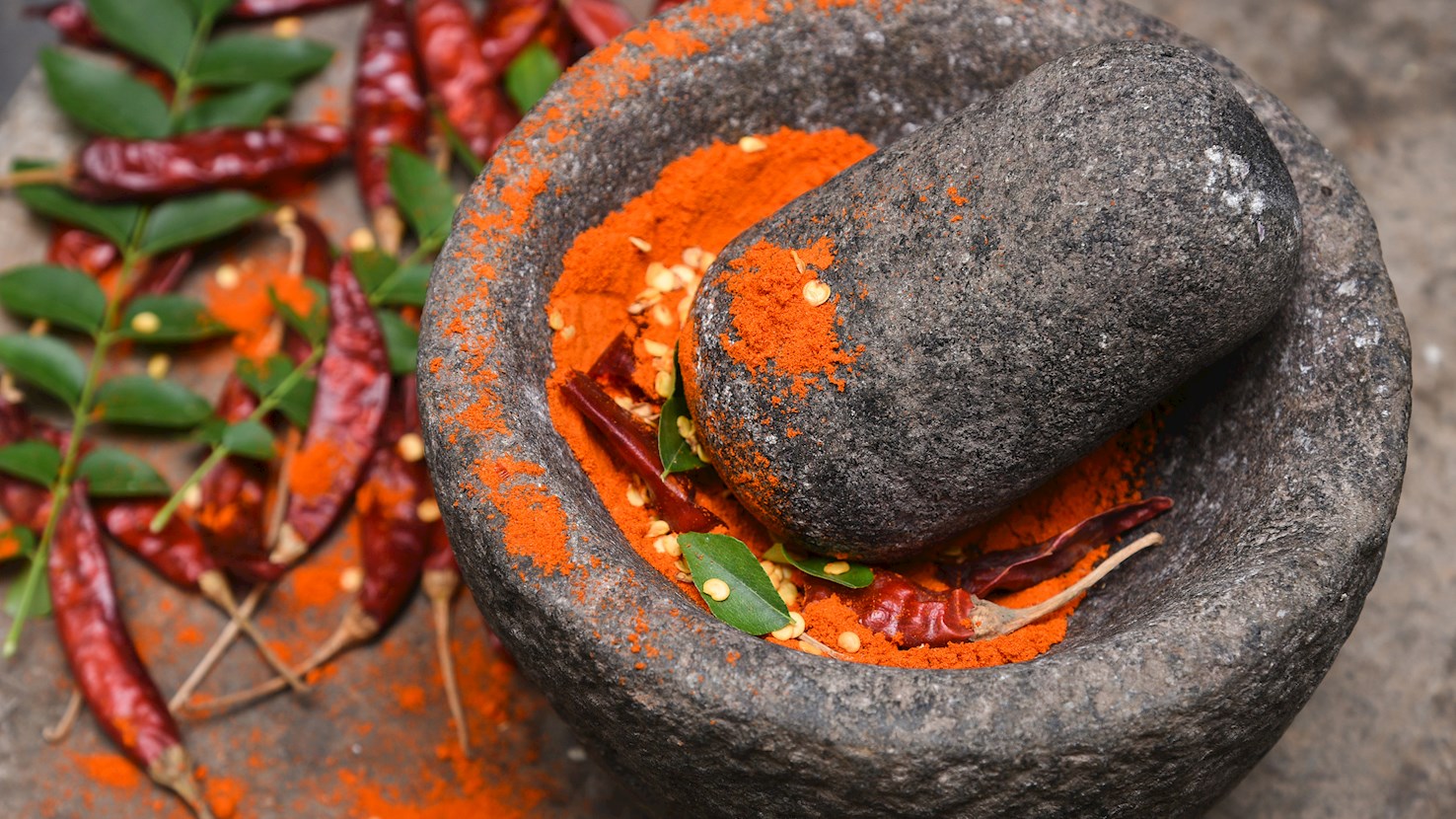
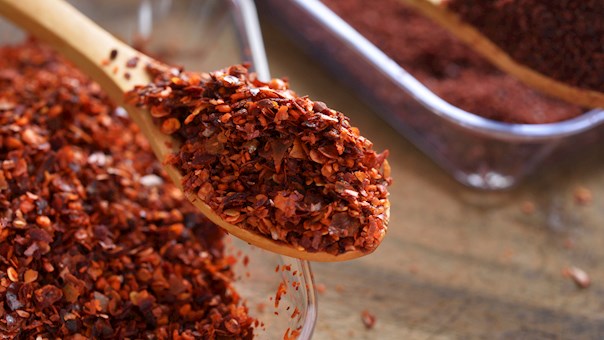
Urfa biber is a traditional dried chili pepper originating from the city of Urfa. These peppers are distinguished by their dark burgundy color, flakes of irregular sizes, and a flavor that's best described as sweet, salty, sour, and smoky. Urfa peppers are harvested when they're orange-red or dark red, and they are then dried in the sun during the day. At night, they're covered with plastic or fabric in order for the peppers to preserve their natural oils from the skin. As a result, the peppers become dry, but not entirely, before they're coarsely ground with a bit of salt and packed.

02

Kabocha

4.1 ·

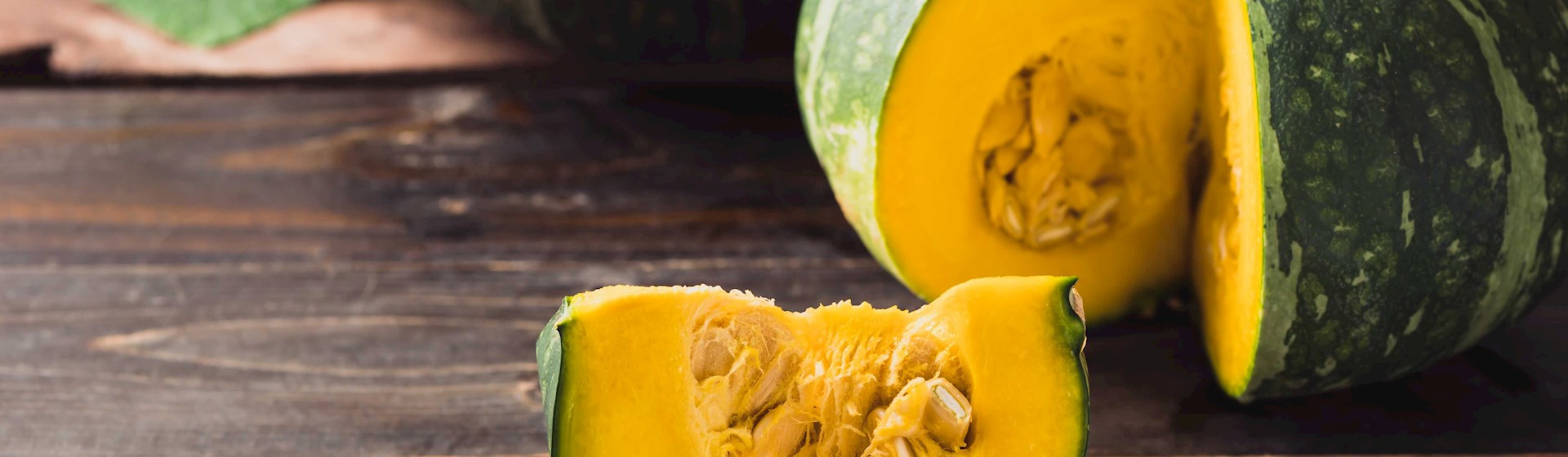
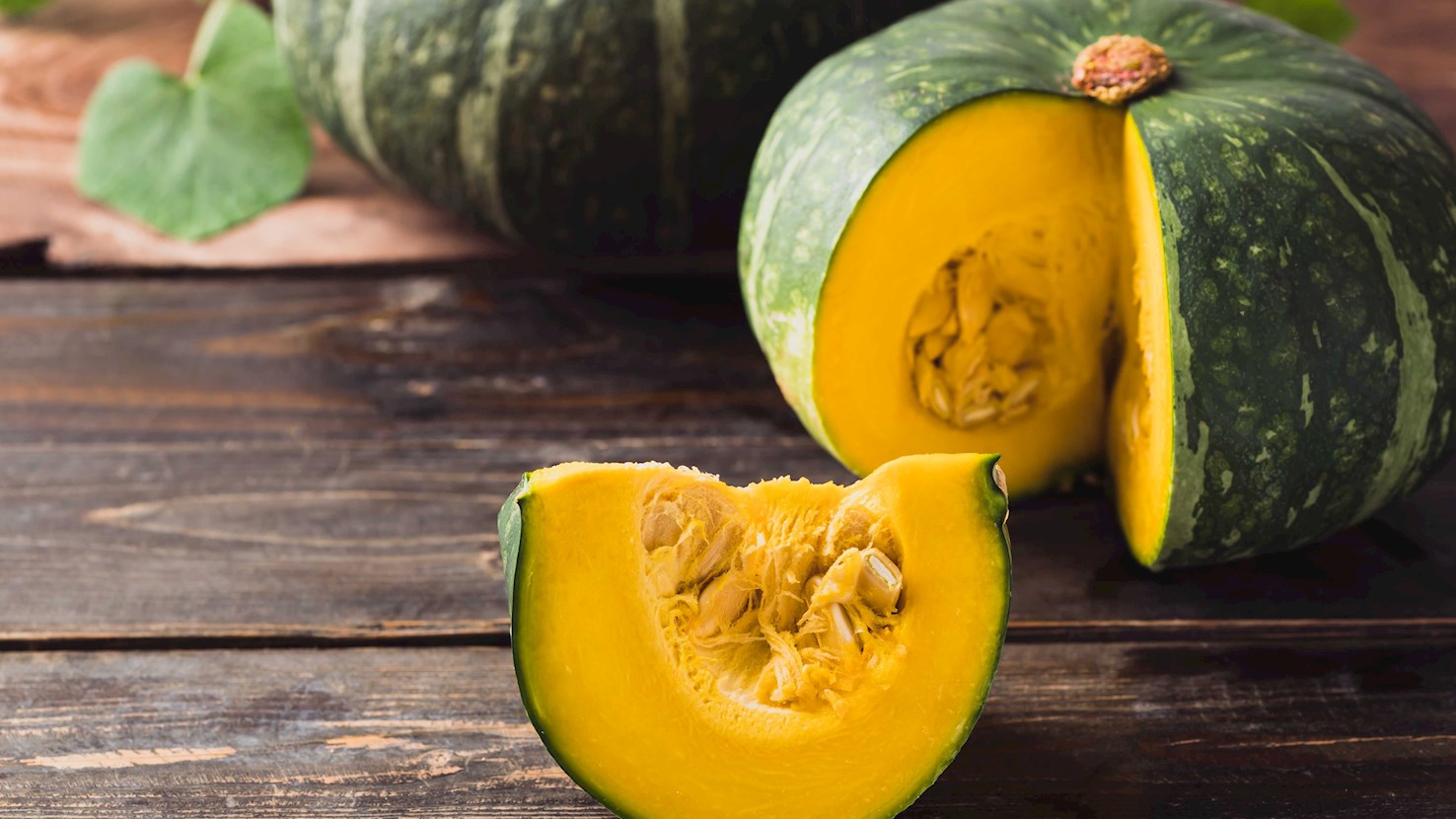
Kabocha is a Japanese variety of winter squash (more commonly known as pumpkin), beloved for its sweet flavor, which is often said to be similar to that of a sweet potato. Like all of the other squashes, the predecessor of kabocha is believed to have originated in Mesoamerica, from where it spread to other parts of the world. Portuguese sailors introduced it to Japan in the 16th century, where it eventually evolved into the variety we know today. The exterior of the kabocha squash is dark green and hard, while the interior flesh is a vibrant orange. In addition to being sweet, kabocha is also rich in nutrients. It contains beta-carotene, iron, vitamin C, and some B vitamins. It's also lower in calories and carbohydrates than some other types of winter squash. When choosing a kabocha squash, look for one that feels heavy for its size with a hard, undamaged rind. The squash should have a dry, corky stem which is a sign of maturity, and the color should be deep green. Some blemishes are normal and do not affect the quality of the squash. Kabocha can be used in a variety of dishes. It can be roasted, pureed into soup, used in stews, and more. In Japanese cuisine, it's often used in tempura and simmered dishes. The skin is quite tough but becomes soft and edible when cooked.

03

Jinxiang da suan

4.1 ·

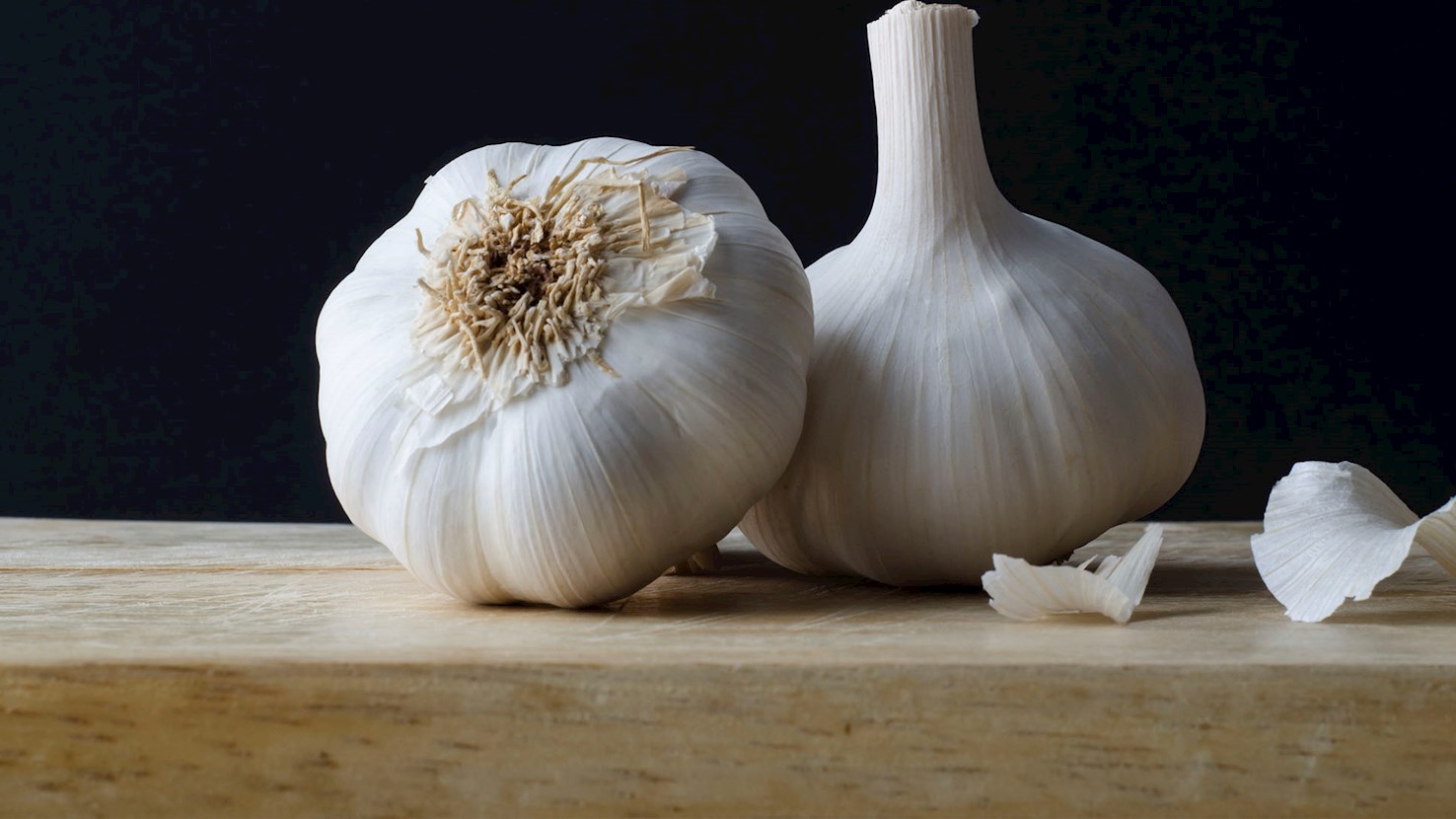
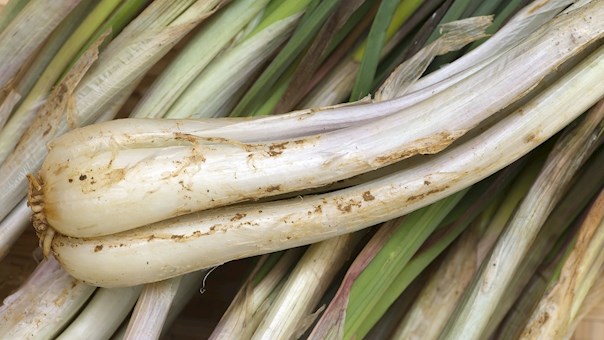
Jinxiang Da Suan is a white garlic grown in Jinxing County, where the loamy soil and good air favourably influence the growing conditions. Jinxing has been known as the Garlic capital of China since the 1980s, and the export of this unique product has taken up 70% of the total garlic market in the world in the past 20 years. On the exterior, the garlic has a skin that is brightly white in colour and is of a standard, oblate shape. On the interior, there are from eight to eleven cloves with a slightly pungent fragrance and a mildly hot flavour. In some varieties of Jinxiang garlic, the contents of trace elements like selenium can be 60 times more than those of standard garlic. Use it as a seasoning, as a condiment or pair it with onions, tomato, ginger, bread and olive oil.

04

Kashmiri mirch (Kashmiri chili)

4 ·

Kashmiri chili is an Indian hot pepper originating from Kashmir. The chili has a vibrant red color and mild levels of heat, with Scoville heat units (SHU) ranging from 1,000 to 2,000. This staple of Indian cooking is typically used dried, either as powder or flakes. This chili variety is highly praised for its red color that gives vibrancy to tandoori chicken, vindaloo, or rogan josh. In soups and braises, Kashmiri chili is often used as a substitute for paprika powder. The dried variety is conical, wrinkled, and elongated. The flavors are generally mild with fruity undertones.

05

Prik kee noo (Bird's eye chilies)

3.9 ·

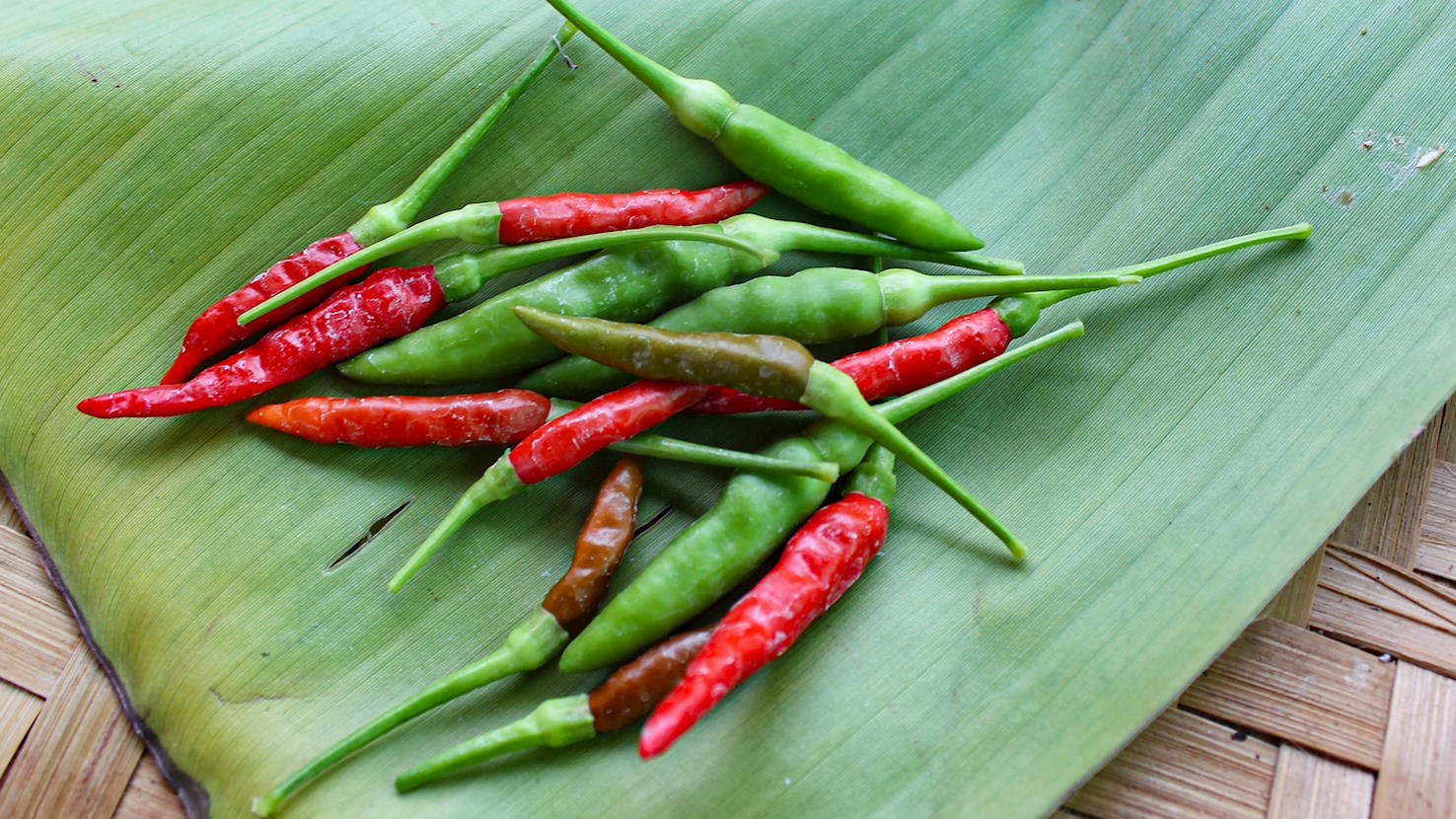
Prik kee nu or bird's eye chilies are small, spicy chili peppers that are very popular in Thai and other Southeast Asian cuisines. They're also commonly referred to as Thai chilies as they are the most popular variety, but they are in fact just one of many Thai chili cultivars. These chilies have a vibrant flavor and are quite hot, typically much more so than jalapeños or serrano peppers. The Scoville Heat Units (SHU) for Prik kee nu chilies can range from 50,000 to 100,000, making them significantly hotter than jalapeños (2,500-8,000 SHU) but less so than habaneros (100,000-350,000 SHU). In cooking, they're often used in stir-fries, curries, salads, and sauces to add a spicy kick. It's recommended to use them sparingly until you are comfortable with their heat level.

06

Bok choy

3.9 ·

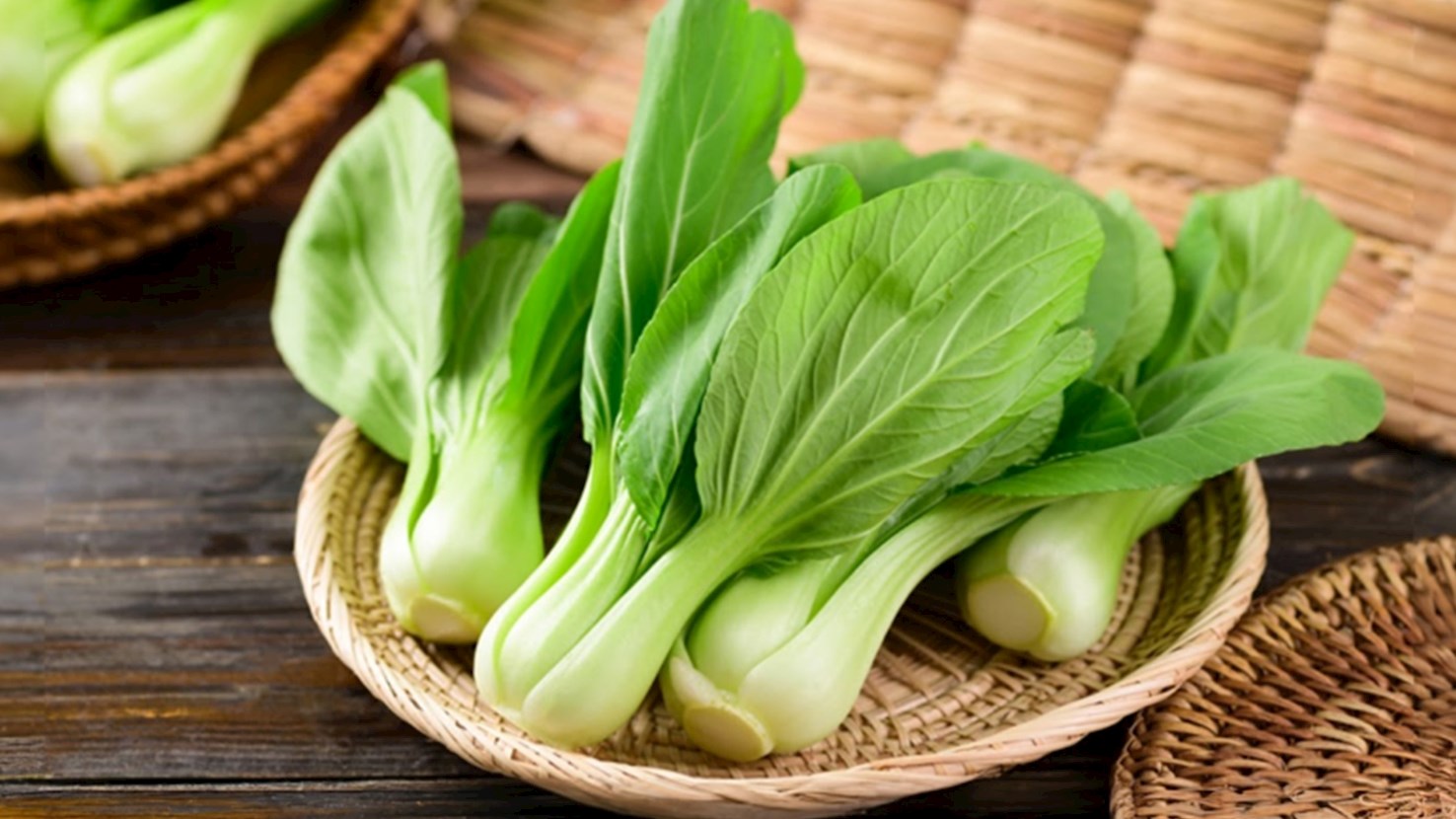
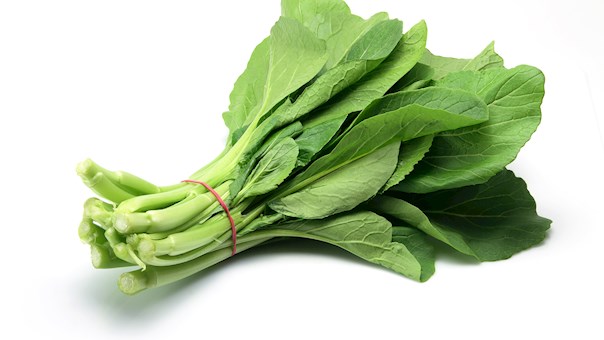
Bok choy is a type of Chinese cabbage (lat. Brassica rapa subsp. chinensis) that features dark green leaves and white to pale green stalks, forming a cluster akin to mustard greens or celery but with a softer texture and a milder taste. Nutritionally, bok choy is low in calories but high in vitamins A, C, and K, as well as minerals like calcium and iron. It also contains important antioxidants and is a good source of fiber. Bok choy is a staple in Asian cuisine, especially in Chinese cooking. It is prized for its crisp, tender stalks and slightly sweet, earthy leaves. The vegetable can be prepared in various ways, including steaming, boiling, stir-frying, and braising. It is often used in soups, stir-fries, and as a side dish, sometimes simply sautéed with garlic.

07

Da bai cai (Napa cabbage)

3.9 ·

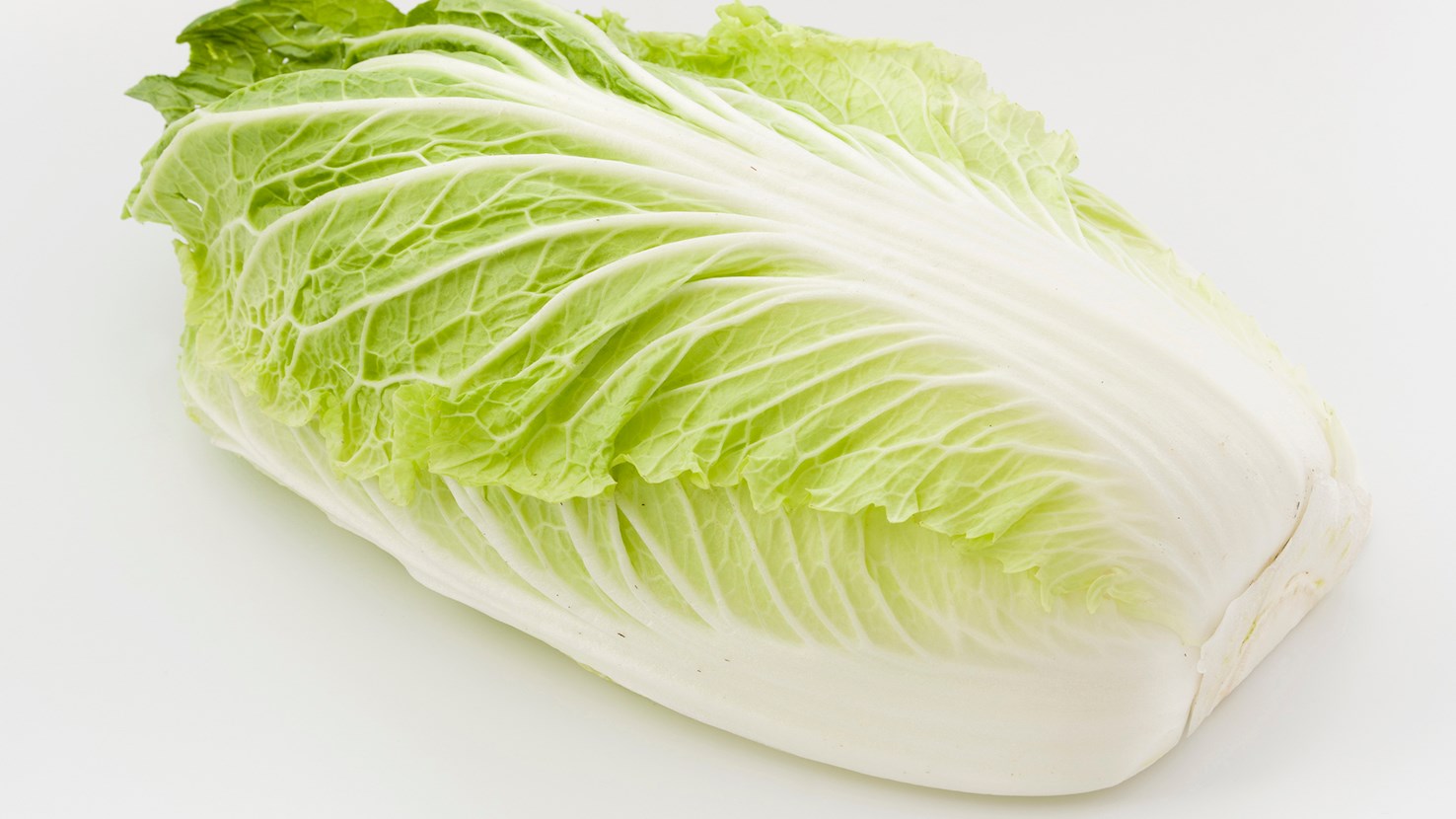
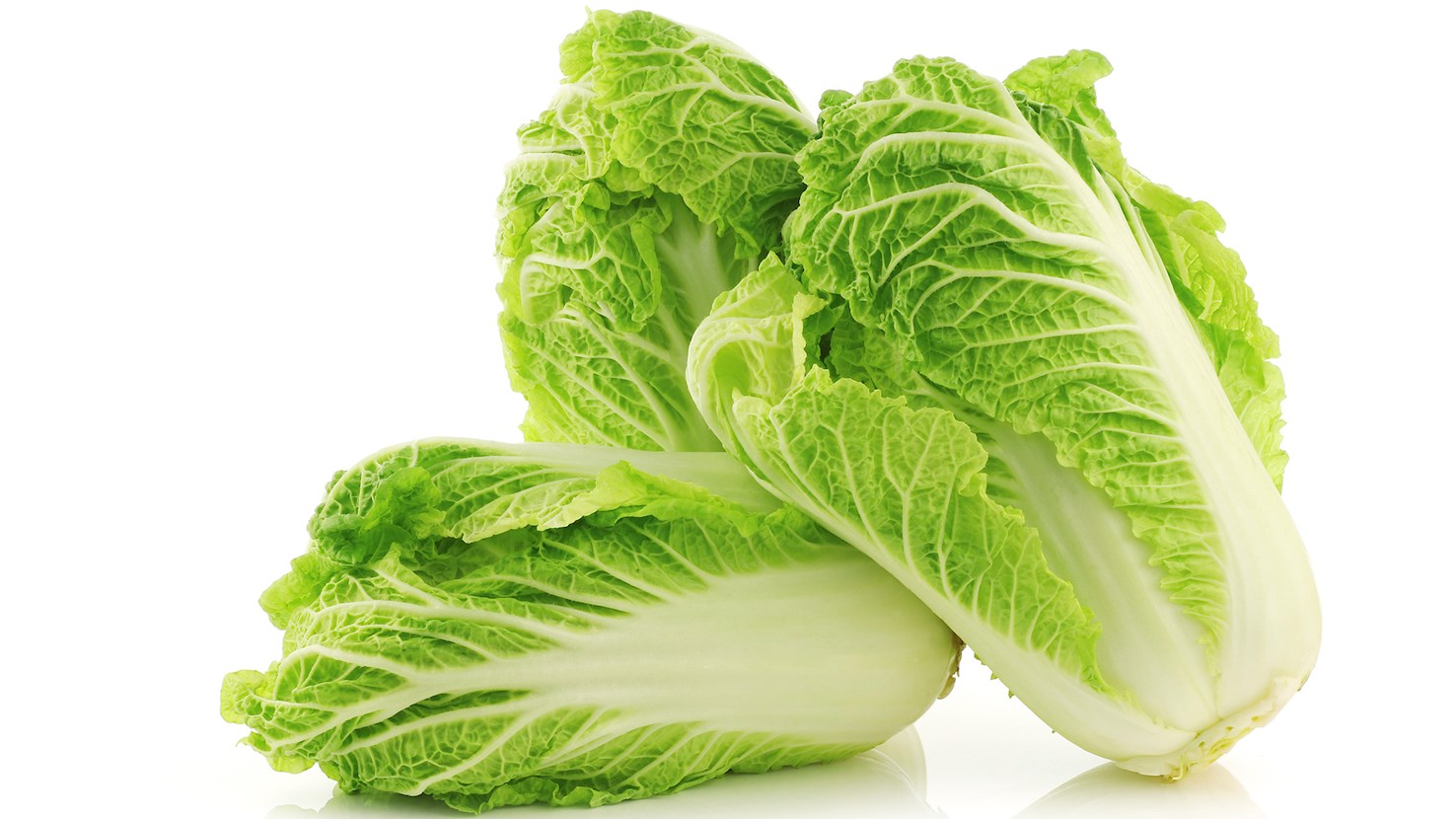
Napa cabbage (lat. Brassica rapa subsp. pekinensis) is a type of Chinese cabbage characterized by its elongated head, pale green leaves, and white stalks that are crinkly and tightly packed together. Unlike the round shape of common green cabbage, Napa cabbage has an oblong shape. The leaves are tender and have a mild, sweet flavor when cooked, making it a versatile vegetable in the kitchen. Rich in vitamins C and K, as well as dietary fiber, Napa cabbage offers numerous health benefits. It's also a good source of folate and contains antioxidants that may contribute to overall health. Napa cabbage is a staple ingredient in East Asian cuisines, particularly in Chinese, Korean, and Japanese cooking. It is widely used in a variety of dishes, including stir-fries, soups, hot pots, and salads. Napa cabbage is perhaps best known as the main ingredient in traditional Korean kimchi, where it is fermented with a mix of seasonings including chili pepper, garlic, ginger, and scallions.

08

Chinese cabbage

3.9 ·

Chinese cabbage primarily refers to two types of leafy greens that are integral to Chinese cuisine and widely cultivated across the country: napa cabbage and bok choy. Originally, it was grown in the Yangtze River Delta region and it was popularized for its medicinal qualities. Today, it is a staple of Chinese cuisine and it is widely used for pickling, but it is also often consumed raw, baked, or braised. The vegetable is commonly used in China, Japan, and Korea. In Japan, it is a symbol of prosperity, while in Korea it is used to produce the popular kimchi. When stir-fried, Chinese cabbage is often accompanied by mushrooms, tofu, or zucchini in order to create a variety of flavorful and healthy dishes.

09

Shishito

3.8 ·

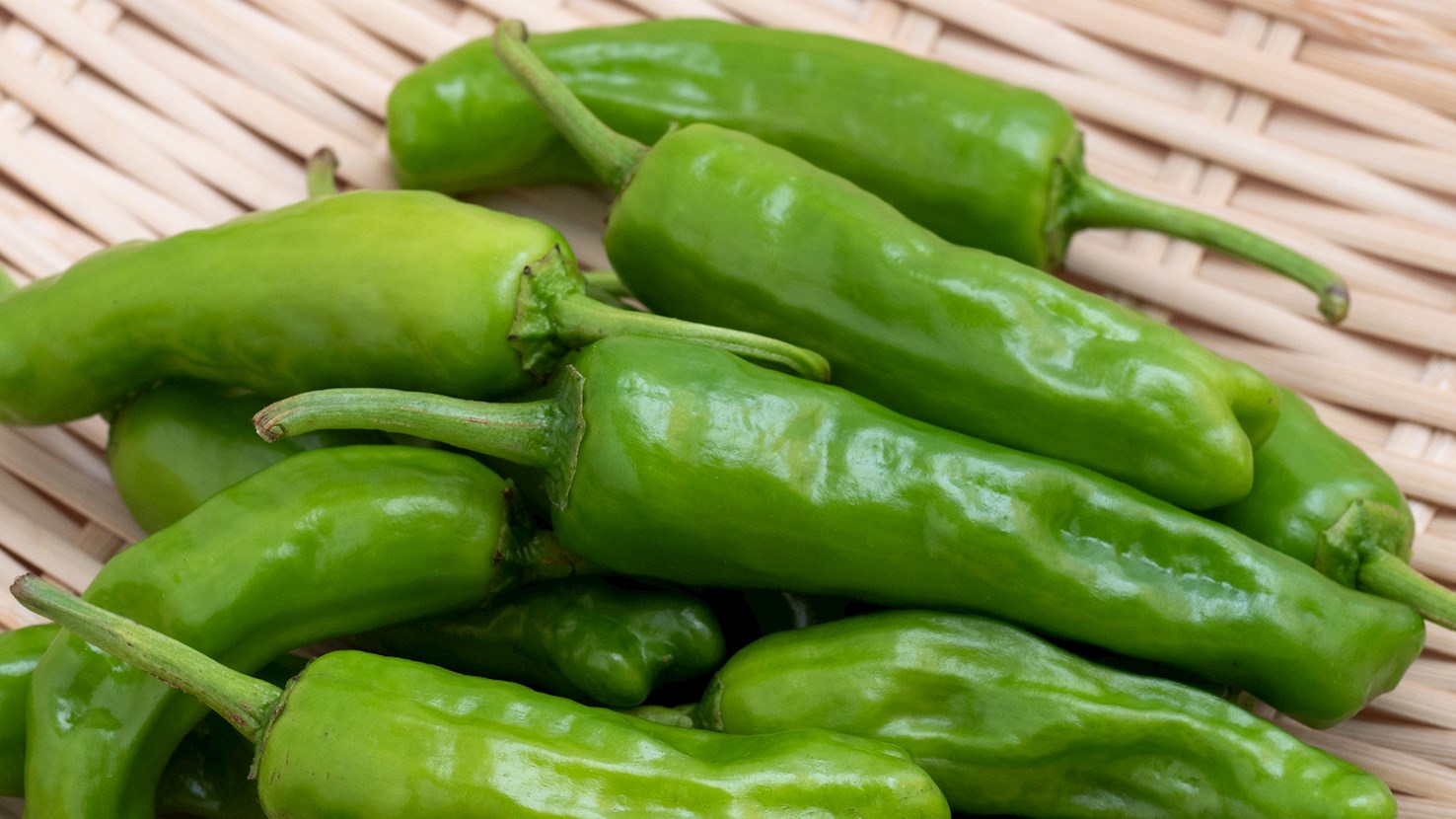
Shishito peppers are small, wrinkled green peppers originating from East Asia, particularly Japan, and are typically mild in flavor, although one in ten can be unexpectedly spicy. The peppers turn red when ripe but are harvested when still green. They can be pan-fried, broiled, stewed, and eaten raw in salads or as a condiment. Rich in vitamins A and C, shishito peppers provide nutritional benefits such as supporting immune function and promoting healthy skin. These peppers are easy to grow in warm climates, making them a popular choice for home gardeners interested in adding versatile vegetables to their crops. The name "shishito" comes from the Japanese words "shishi," meaning lion, and "togarashi," meaning chili pepper, referencing the tip of the pepper looking like a lion head.

10

Ayaş domatesi

3.7 ·

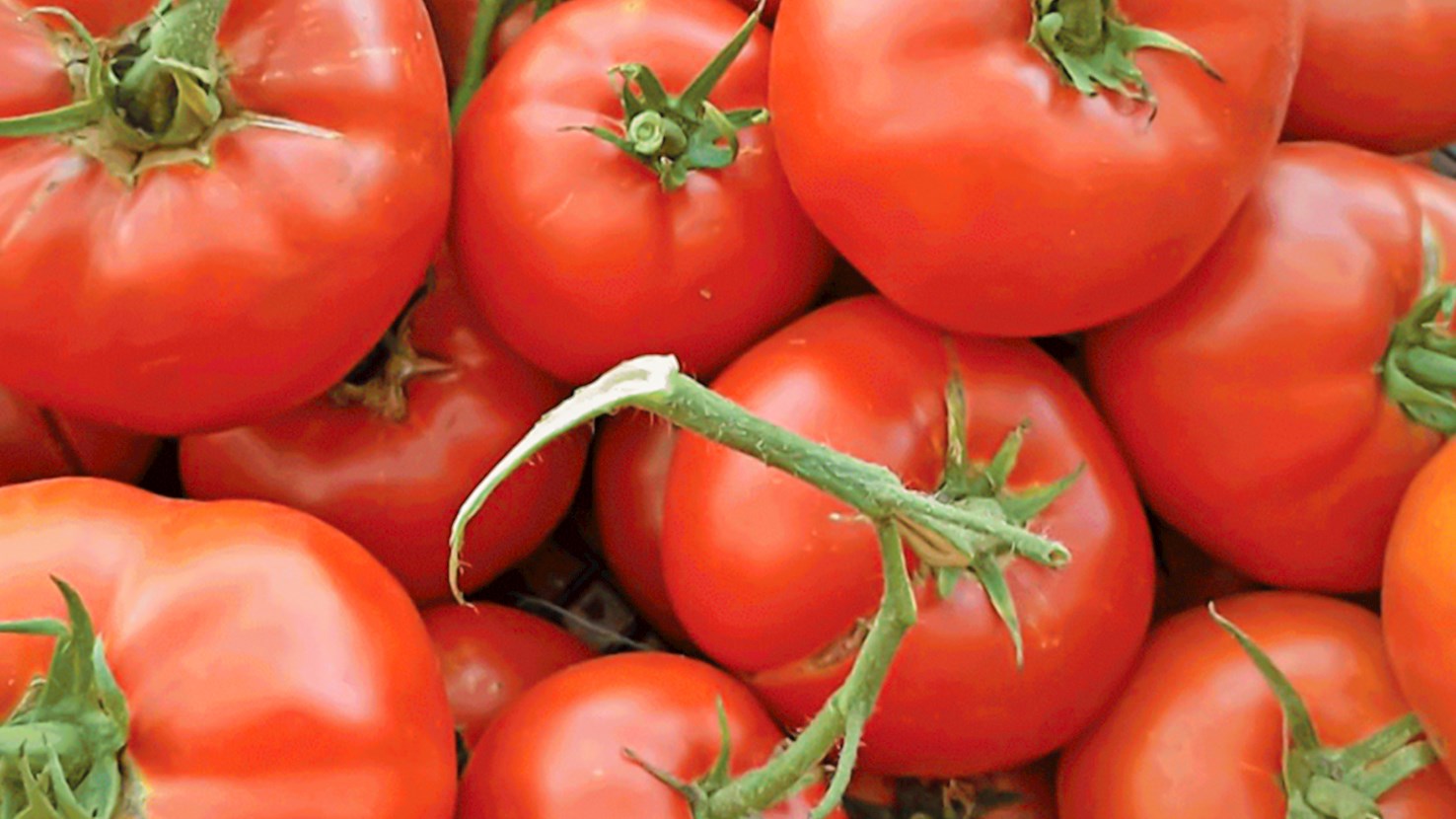
Ayaş domatesi refers to a variety of tomato that is grown in the Ayaş district, located near Ankara in Turkey. This tomato variety is known for its distinctive taste and quality, and it has gained a reputation in Turkey and beyond for its superior characteristics. Ayaş domatesi is prized for its rich flavor, which is often described as sweet and robust. The taste profile of these tomatoes is typically more intense compared to standard varieties, making them a favorite among chefs and food enthusiasts. These tomatoes are traditionally cultivated with particular care to ensure the highest quality. Ayaş domatesi is versatile in culinary use. It can be enjoyed fresh in salads, as well as in cooked dishes where the tomato's flavor can significantly enhance the taste of the meal. It is also used in making sauces and pastes.

Read more
View all
View map
About this ranking

TasteAtlas food rankings are based on the ratings of the TasteAtlas audience, with a series of mechanisms that recognize real users and that ignore bot, nationalist or local patriotic ratings, and give additional value to the ratings of users that the system recognizes as knowledgeable. For the “Top 41 Asian Vegetables” list until June 10, 2026, 1,703 ratings were recorded, of which 733 were recognized by the system as legitimate. TasteAtlas Rankings should not be seen as the final global conclusion about food. Their purpose is to promote excellent local foods, instill pride in traditional dishes, and arouse curiosity about dishes you haven’t tried.

Similar lists