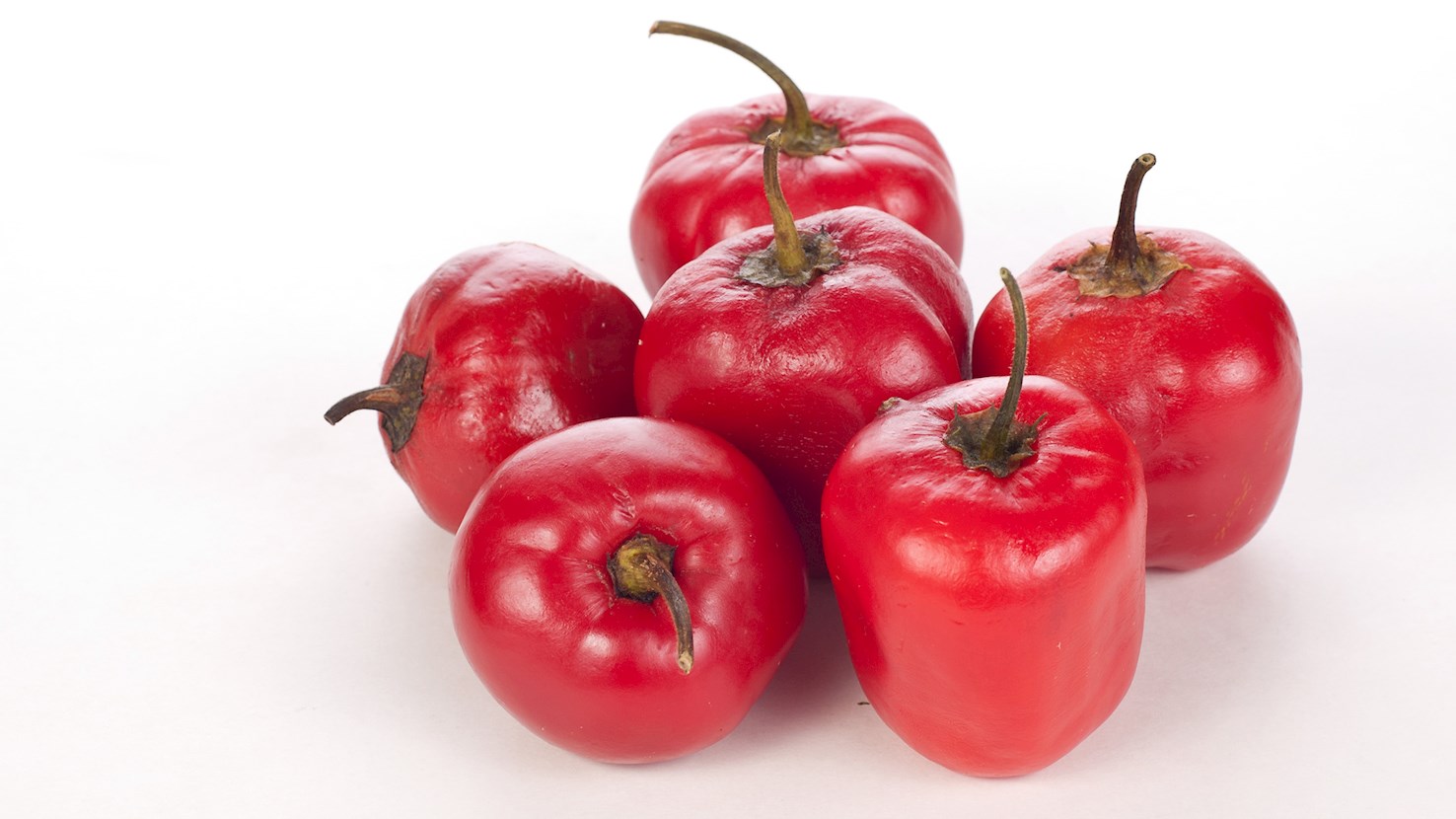
Rocoto chile is a type of chili pepper that is believed to have originated in the Andean areas of Peru and Bolivia, where it has long been grown and used as an essential ingredient of traditional cuisine. It belongs to the Capsicum pubescens genus and is characterized by hairy leaves and dark seeds ranging from dark brown to black, while its rather thick and juicy flesh may be of red, orange, yellow, or green color. Varying in both size and shape, the rocoto chili is renowned for being one of the hottest peppers in the world, and it is distinguished by a rich, fruity, and spicy flavor. Rocoto chilis may be enjoyed fresh as an accompaniment to various dishes, made into chili paste and used as a condiment, or ground to a powder-like consistency and used as a spice. Because of its high degree of heat, this chili is typically used in smaller quantities to add a fiery kick to a wide variety of sauces, soups, salads, stews, salsas, ceviches, and other traditional specialties such as rocoto relleno (stuffed rocoto peppers) and huacatay hot sauce.
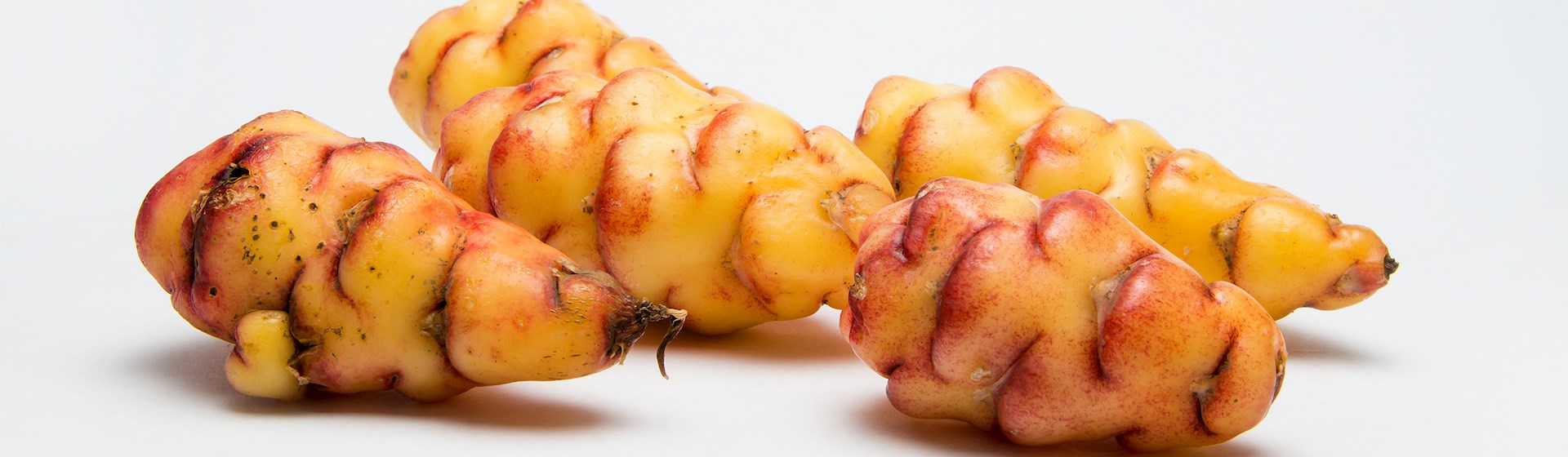
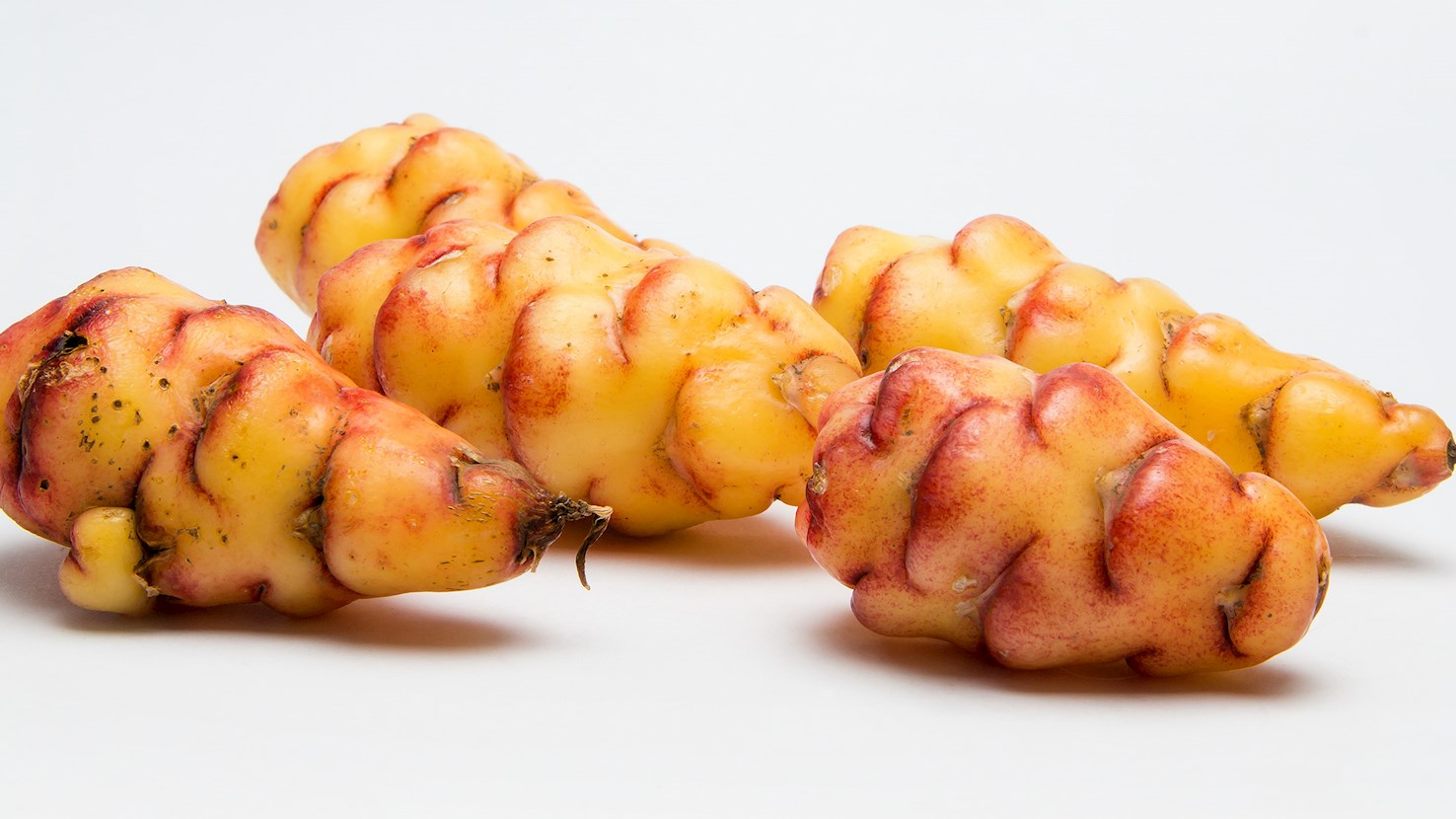
One of the valuable food sources and medicinal plants of indigenous Andean populations, and native to the Andean region, mashua is a type of tuberous crop that continues to be grown in countries such as Peru and Bolivia (and to lesser extent in Ecuador), although mostly for household consumption. There are both domesticated and wild mashua varieties, and the plant’s tubers vary in size and color, depending on the variety. Mashua tubers are shiny and cone-shaped and may come in white, pale yellow, orange, red, purple, or even black color. Fresh mashua tubers are crispy on the outside and tender on the inside, while a slightly bitter or sour flavor, sometimes with a spicy finish, characterizes their flesh. Although they can be eaten both raw and cooked, mashua tubers are typically preferred cooked, as the flavor of the cooked tubers is more pleasant and somewhat reminiscent of cabbage. They're generally boiled, baked, roasted, or even pickled or sun-dried, and they go particularly well with roasted meat. The flowers and leaves of mashua are also edible, and just like the tubers, they can be enjoyed either raw, in salads, or cooked. The lack of knowledge about its high nutritional value and medicinal properties, along with the common practice of associating its consumption with the lower classes are making this crop undesirable and threatening its existence.
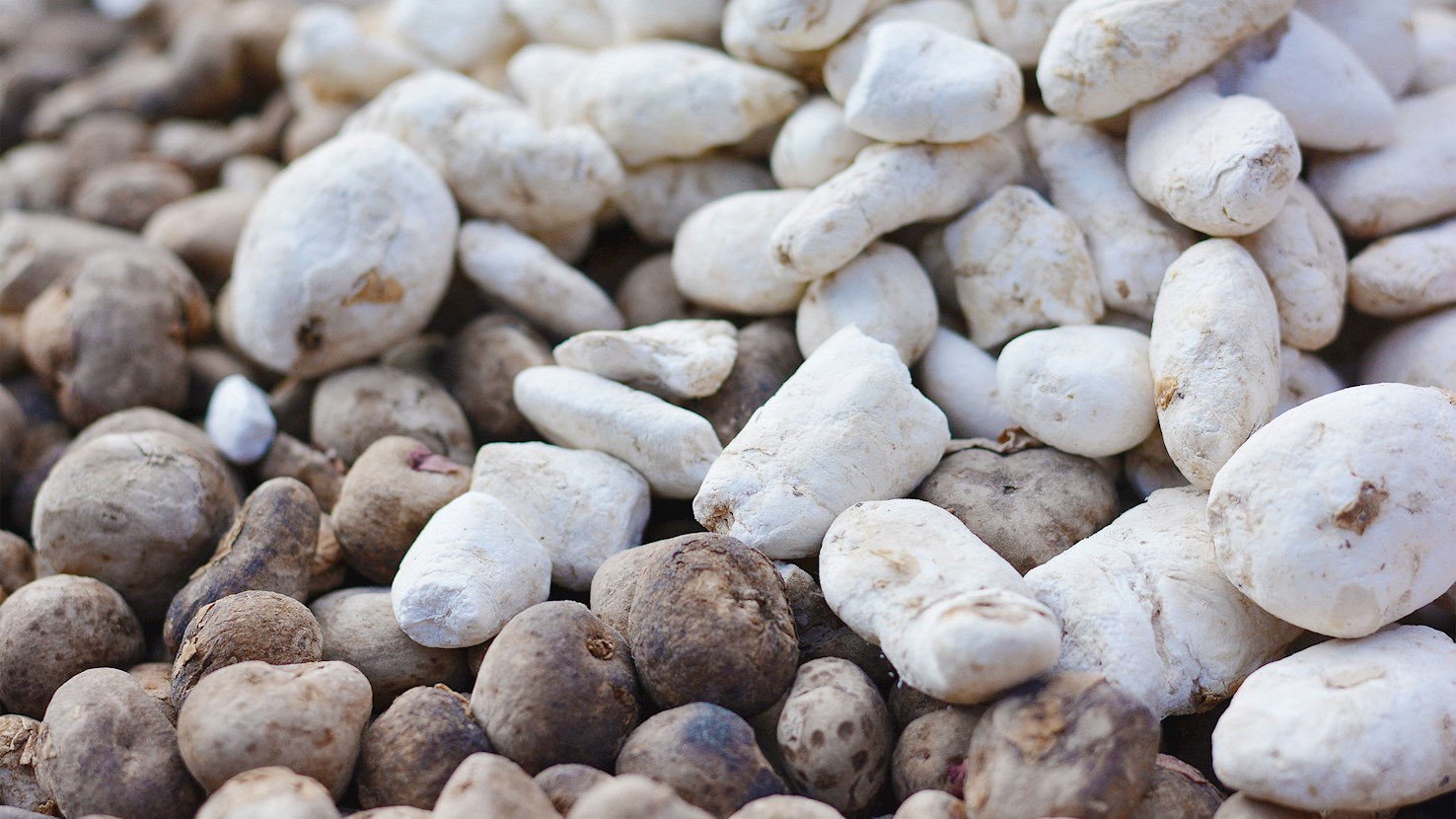
Chuño is an unusual variety of Andean naturally freeze-dried potatoes. The name comes from a Quechua word ch'uñu, which can be literally translated as freeze-dried potatoes. The potatoes have a very long shelf life and are often used in dishes such as stews and soups. Before consumption, the potatoes need to be soaked in water in order to rehydrate. There are two basic varieties of these potatoes – black and white. White chuños are soaked in cold water, then sun-dried, while the black variety is left to freeze overnight, and is then crushed in the morning in order to extract the liquid, but at night, it gets frozen again, so the process is repeated until the potatoes are totally dehydrated.
TasteAtlas food rankings are based on the ratings of the TasteAtlas audience, with a series of mechanisms that recognize real users and that ignore bot,
nationalist or local patriotic ratings, and give additional value to the ratings of users that the system recognizes as knowledgeable.
For the “Top 3 Bolivian Vegetables” list until June 01, 2026, 241 ratings were recorded, of which 59 were recognized by the system as legitimate.
TasteAtlas Rankings should not be seen as the final global conclusion about food. Their purpose is to promote excellent local foods,
instill pride in traditional dishes, and arouse curiosity about dishes you haven’t tried.