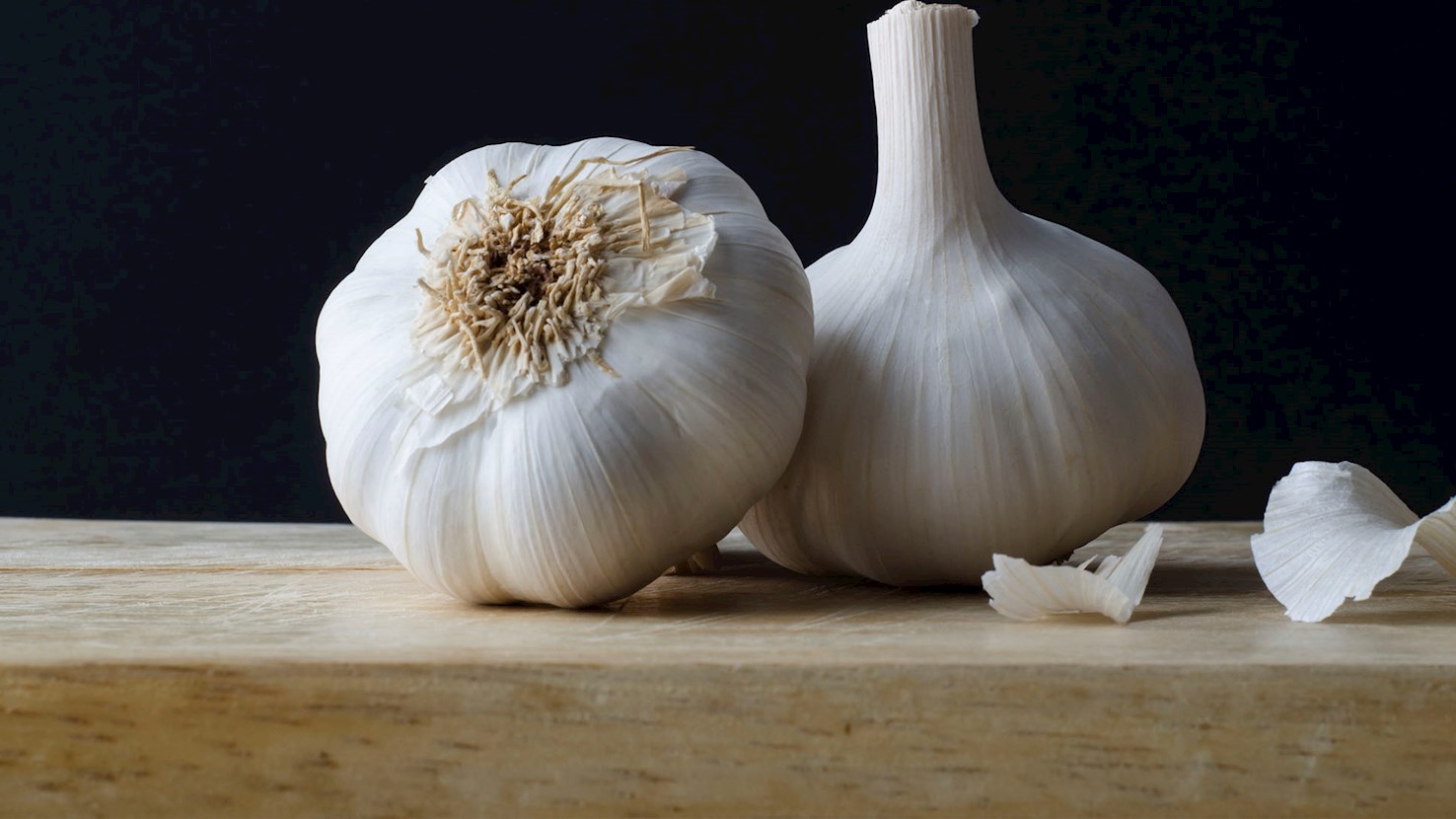
Jinxiang Da Suan is a white garlic grown in Jinxing County, where the loamy soil and good air favourably influence the growing conditions. Jinxing has been known as the Garlic capital of China since the 1980s, and the export of this unique product has taken up 70% of the total garlic market in the world in the past 20 years. On the exterior, the garlic has a skin that is brightly white in colour and is of a standard, oblate shape. On the interior, there are from eight to eleven cloves with a slightly pungent fragrance and a mildly hot flavour. In some varieties of Jinxiang garlic, the contents of trace elements like selenium can be 60 times more than those of standard garlic. Use it as a seasoning, as a condiment or pair it with onions, tomato, ginger, bread and olive oil.
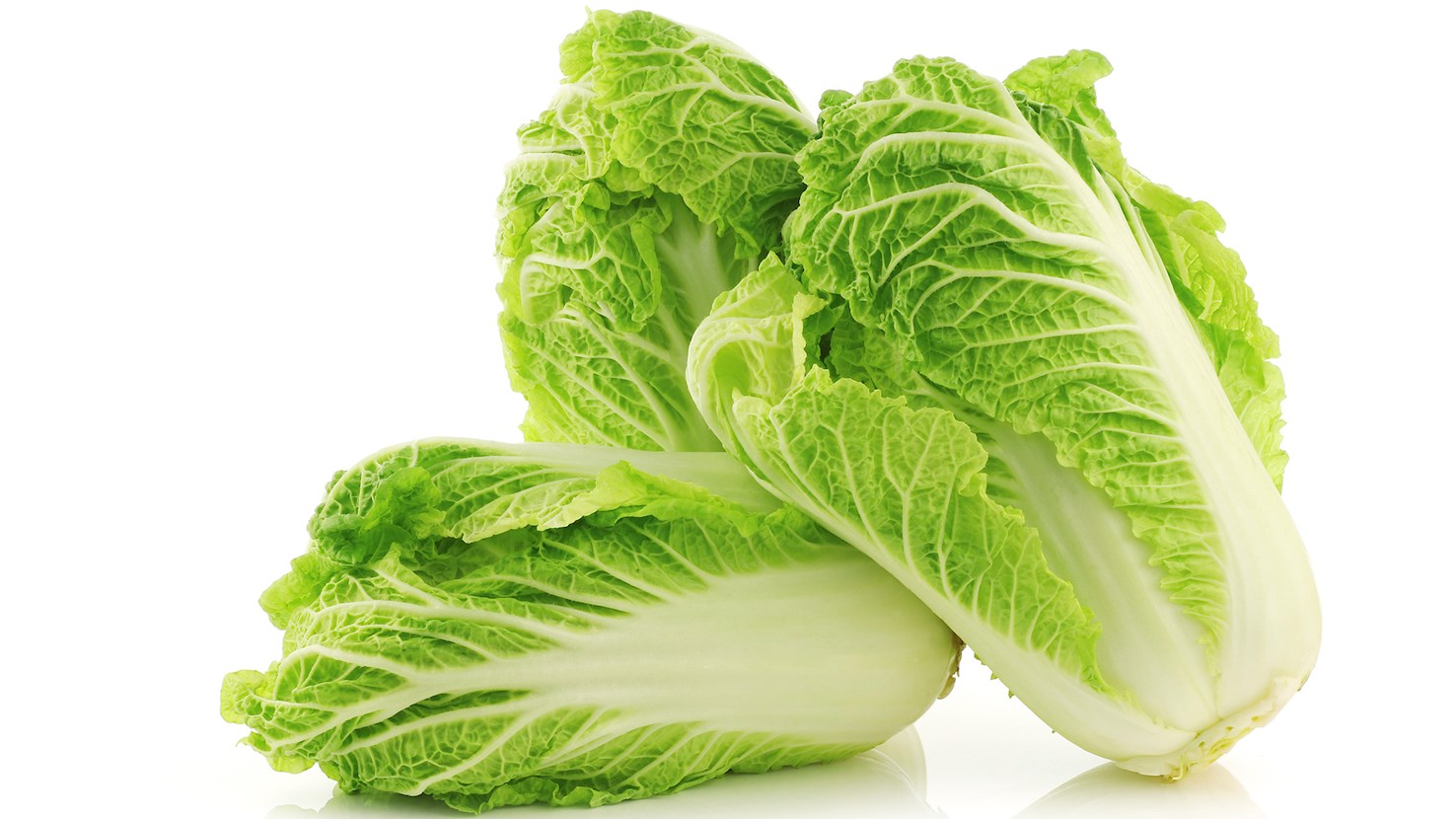
Chinese cabbage primarily refers to two types of leafy greens that are integral to Chinese cuisine and widely cultivated across the country: napa cabbage and bok choy. Originally, it was grown in the Yangtze River Delta region and it was popularized for its medicinal qualities. Today, it is a staple of Chinese cuisine and it is widely used for pickling, but it is also often consumed raw, baked, or braised. The vegetable is commonly used in China, Japan, and Korea. In Japan, it is a symbol of prosperity, while in Korea it is used to produce the popular kimchi. When stir-fried, Chinese cabbage is often accompanied by mushrooms, tofu, or zucchini in order to create a variety of flavorful and healthy dishes.
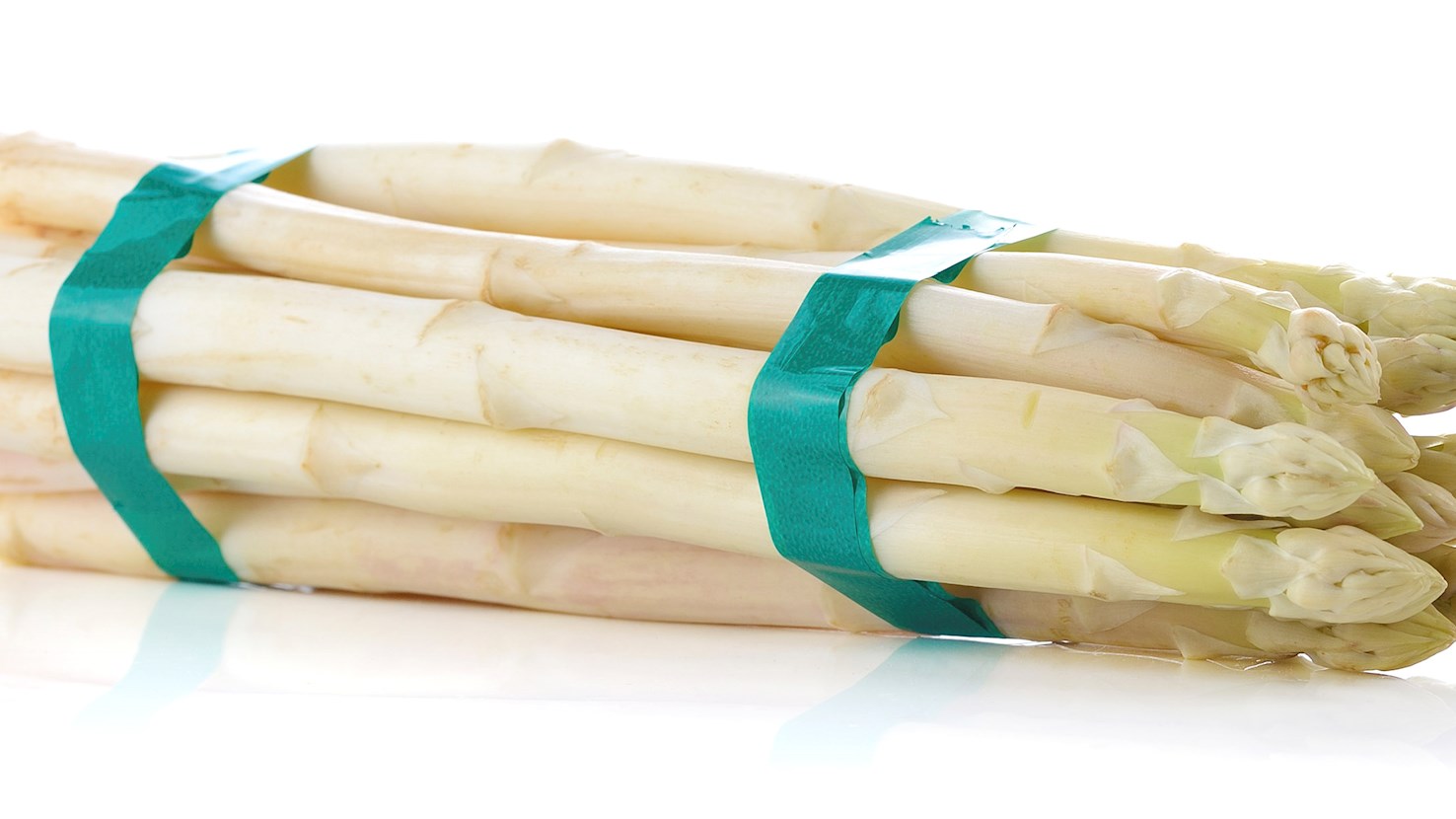
Dongshan Bai Lu Sun are white asparagus of the "Gi jnlim" and "Thielim" varieties that are cooked, peeled and canned according to the traditional production process in Dongshan County, Zhangzhou city, province of Funjian in China. Dongshan island is China's earliest planting area for white asparagus and also the origin of great white asparagus, where the sandy soil and sea mud favourably influence the asparagus cultivation. The asparagus has a thick stem and a dense texture, with a round tip that is no more than 1 centimeter in length. The whole asparagus has a length that varies from 10 to 17 centimeters and have a unique, delicate and pleasant taste. When sold, they can be packaged in tin cans or glass containers within 12 hours of harvest, as to ensure that the asparagus is fresh.
Xīhú chúncài is an aquatic vegetable from Hangzhou’s West Lake region in Zhejiang Province, known for its slender, delicate stems and mild, slightly sweet flavor. It grows in freshwater ponds and lakes around Hangzhou, where the climate and water conditions support its seasonal harvesting, usually in late winter and early spring when the shoots are tender. Its use developed in a setting where lake produce such as fish, shrimp, water shield, and lotus stems formed an important part of local food culture, and cooks incorporated chúncài into light dishes that emphasized clarity and freshness rather than heavy seasoning. Preparation typically begins by washing and trimming the shoots to remove fibrous ends, after which they are briefly blanched or stir-fried to preserve their texture. They are often cooked with a simple broth made from ham, chicken, or freshwater shrimp, creating a clear soup in which the vegetable remains the main component, or they may be lightly stir-fried with ginger and a small amount of oil. A defining feature is the plant’s natural crispness and the way it holds its shape even after brief cooking, distinguishing it from softer aquatic greens. Xīhú chúncài is eaten in homes and restaurants throughout Hangzhou and nearby regions, particularly during its short seasonal availability, and is commonly served as part of multi-course meals that highlight local lake ingredients. It pairs well with mild teas such as Longjing, steamed freshwater fish, or lightly seasoned tofu dishes, all of which complement its gentle flavor without overshadowing it.
TasteAtlas food rankings are based on the ratings of the TasteAtlas audience, with a series of mechanisms that recognize real users and that ignore bot,
nationalist or local patriotic ratings, and give additional value to the ratings of users that the system recognizes as knowledgeable.
For the “Top 4 Eastern Chinese Vegetables” list until June 15, 2026, 128 ratings were recorded, of which 117 were recognized by the system as legitimate.
TasteAtlas Rankings should not be seen as the final global conclusion about food. Their purpose is to promote excellent local foods,
instill pride in traditional dishes, and arouse curiosity about dishes you haven’t tried.