


shutterstock

Top 5 Emilian Vegetables

Last updated on July 01, 2026
01

Scalogno di Romagna

3.7 ·

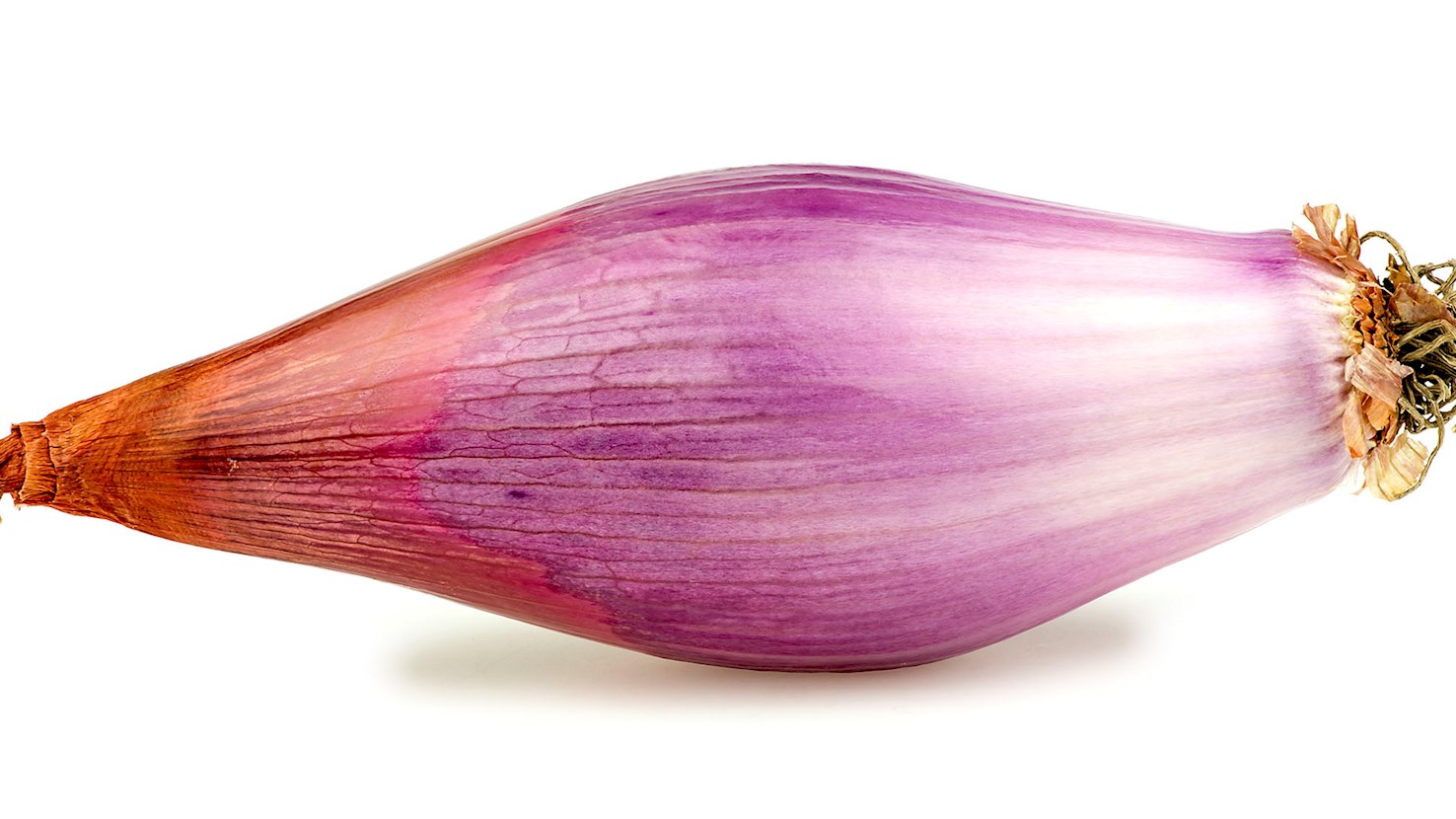
Scalogno di Romagna refers to the fresh or dry bulb vegetable produced within several municipalities in the provinces of Ravenna, Forlì-Cesena and Bologna, in Emilia-Romagna. It differs from all other varieties of scallion due to its distinctive organoleptic characteristics - color, fragrance, flavor, aroma and refined taste which give this product its unique gastronomic properties. As Scalogno di Romagna has no seed and, therefore, has neither inflorescences nor pollination, for the reproduction of the vegetable it is necessary to plant the bulbils which are conserved during the harvesting period of the previous year. Scalogno di Romagna has a piriform bulb with a coriaceous peel. The flavor is much stronger and more fragrant than that of an onion, and sweeter than garlic. Extremely versatile, the scallion boasts many uses. Generally, it is used as an ingredient in the preparation of sauces, ragù, stuffed foods and fillings, as well as for flavoring boiled meats, beef stews, braised beefs and roasted meats. Scallion leaves that are picked while still green can be finely chopped and used to add flavor to mixed salads.

02

Aglio di Voghiera

n/a ·

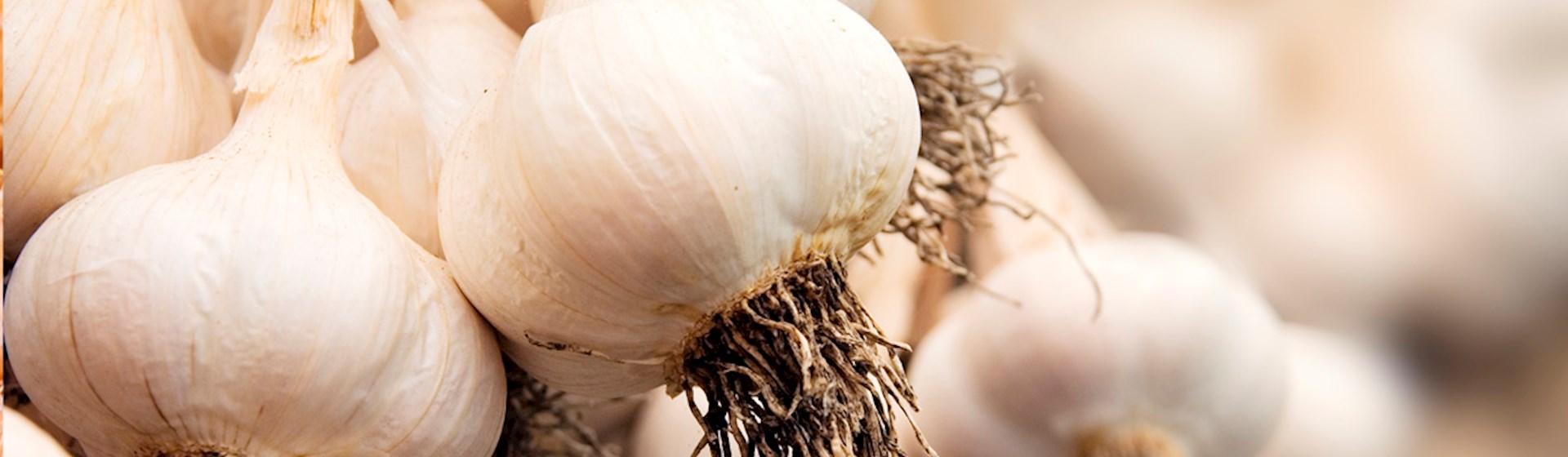
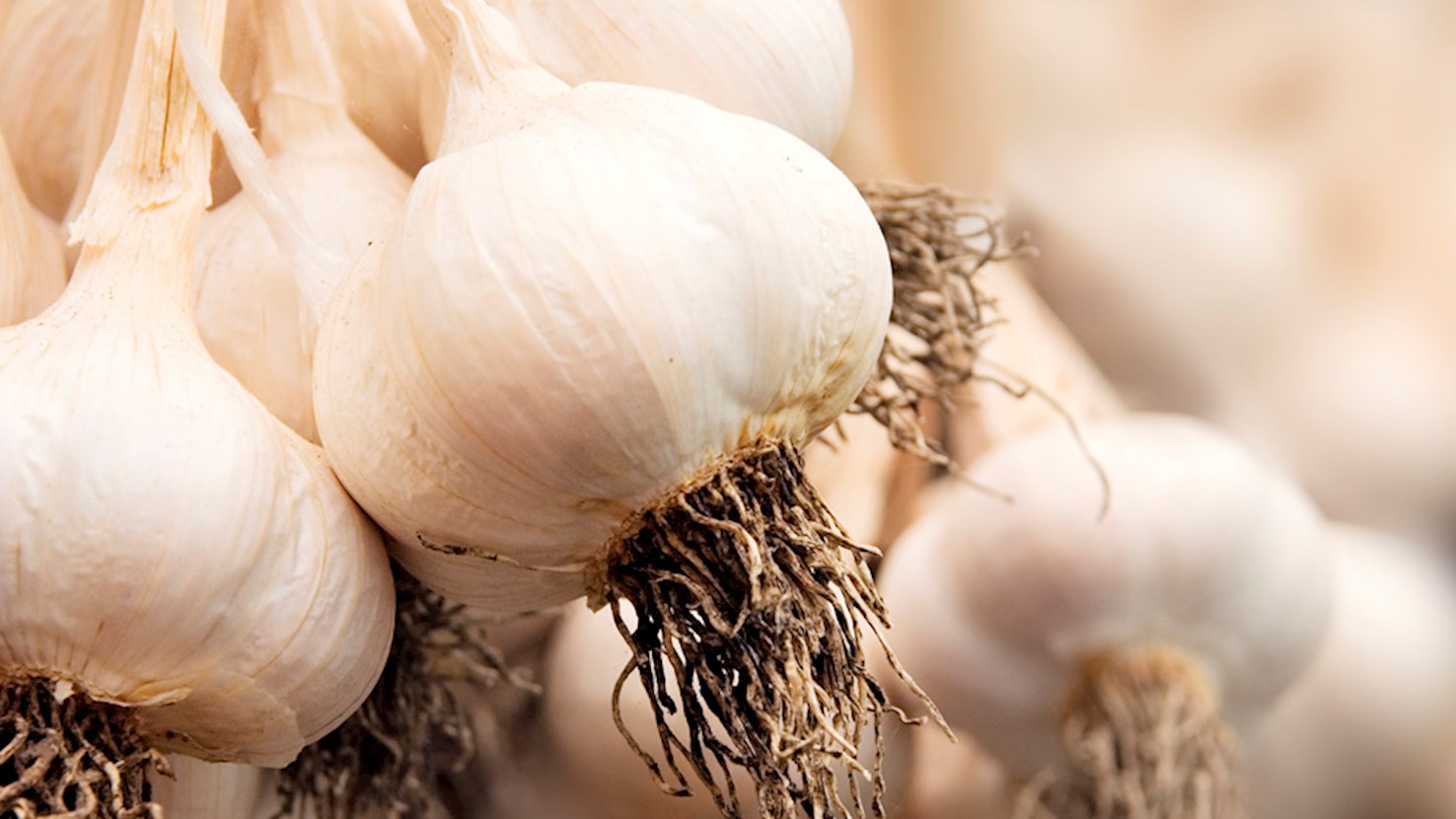
Grown by planting only the finest, manually selected single cloves of Ferrara's local ecotype, Aglio di Voghiera is a variety of garlic known for its mildness and a refined flavor. In the fertile plains of the Po Valley, where the climate conditions are most favorable for onion and garlic cultivation, Aglio di Voghiera has been grown for centuries. After harvesting, the bulbs are processed by hand and dried, labeled as Aglio di Voghiera Fresco/Verde (fresh), Semi-secco (semi-dried) or Secco (dry), and marketed in nets, bags or braided. Used in cooking, the sweet taste of Voghiera garlic adds a special touch to any gourmet dish. Also, because of its delicate and fresh aroma, it is an essential ingredient in most typical Italian recipes such as salami with garlic, oil and garlic pâté or simply garlic cloves preserved in oil.

03

Asparago Verde di Altedo

n/a ·

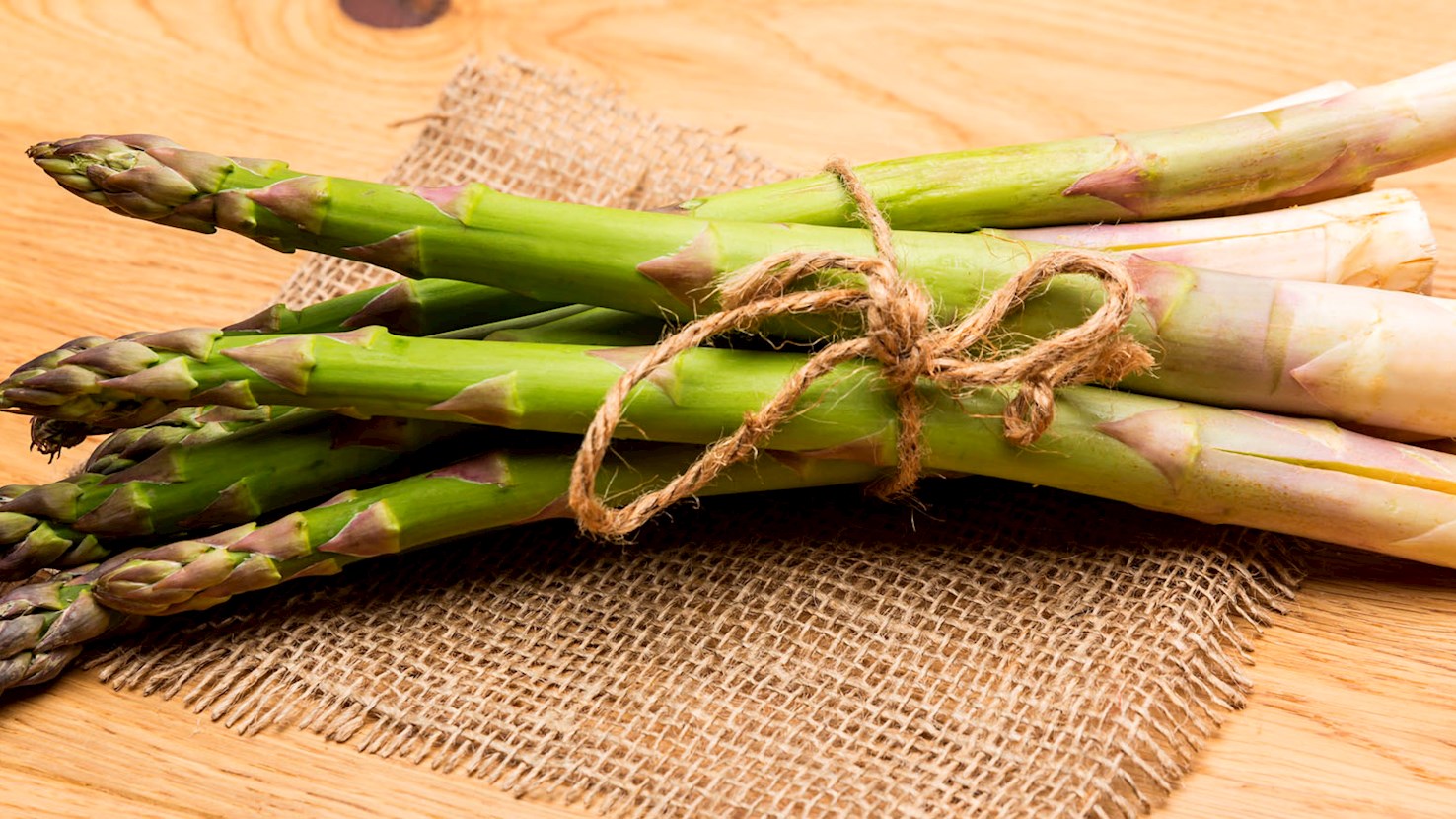
Ever since the 13th century, the green asparagus of Altedo has been cultivated in the provinces of Ferrara and Bologna in the Emilia-Romagna region, where it thrives in the typical humid, foggy climate of the lower Po River valley. It has a tender and delicate flavor and is traditionally used for the preparation of many local dishes. Ideally, in order to preserve its nutritional qualities, Asparago Verde di Altedo should be steam cooked. This versatile vegetable is equally enjoyed in contemporary cuisine as asparagus soufflé with prawn sauce or asparagus and coconut milk soup as well as in various traditional minestrones, risottos and frittatas.

04

Patata di Bologna

n/a ·

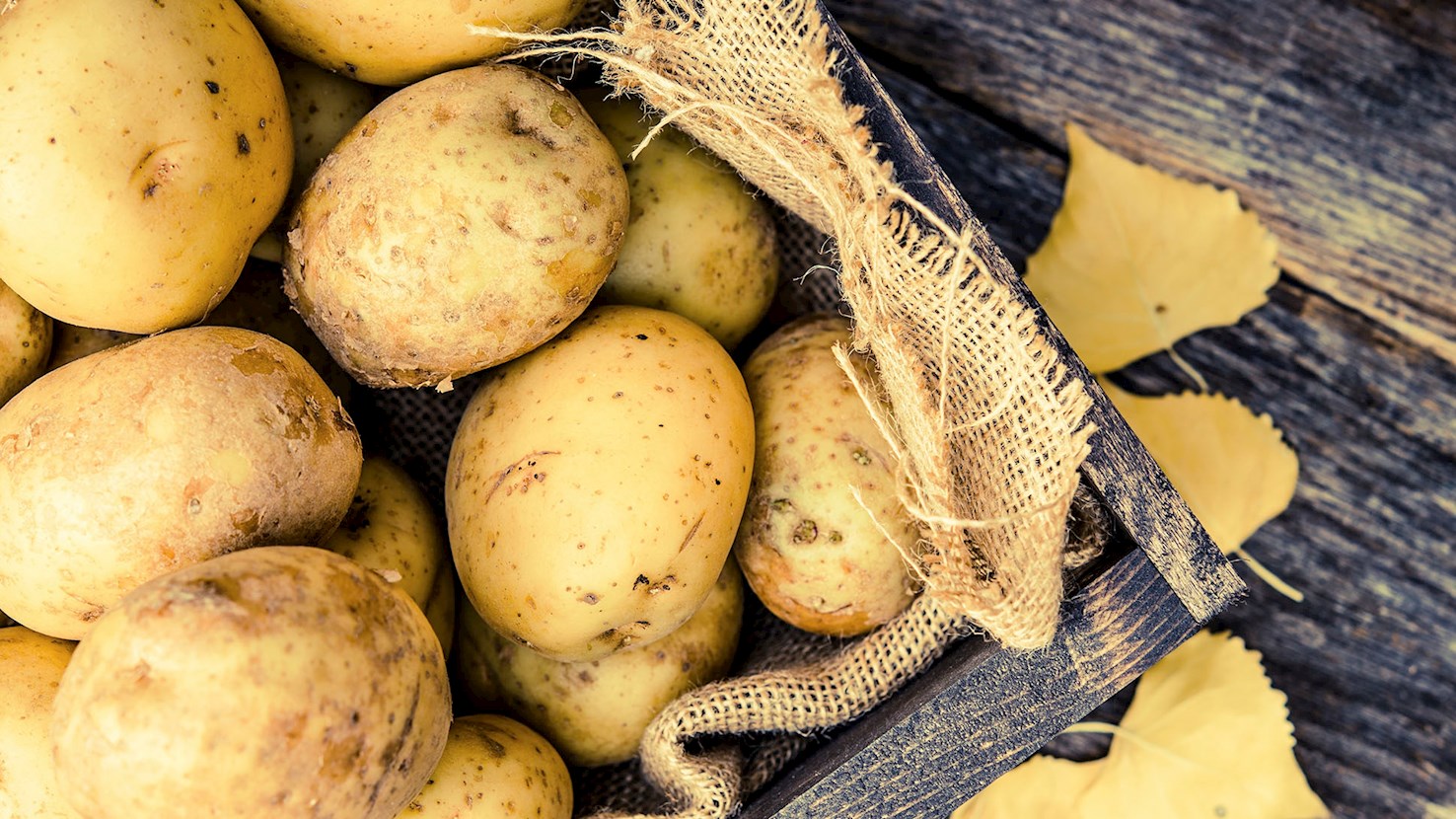
Named after its province of origin, Patata di Bologna refers to potatoes of the Primura variety grown in the fertile, alluvial soils rich in potassium, phosphorus and nitrogen, which together with the rainy climate of the area provide ideal conditions for the cultivation of these tubers. Bologna potatoes are characterized by their fine-grained, dense flesh that holds its shape when cooked, a delicate flavor and long shelf life. Patata di Bologna is ideal for preparing various potato salads, soups and stews, but can also be roasted and baked.

05

Riccio di Parma

n/a ·

Riccio di Parma is a traditional heirloom tomato variety originating from the Parma region in Emilia-Romagna, Italy. Its name translates to "curly of Parma," reflecting its distinctive heavily ribbed and pleated appearance. The fruits are large, scarlet red, and can weigh between 250 to 900 grams (approximately 0.5 to 2 pounds). They have a flattened shape with pronounced wrinkling, giving them a unique and rustic look. This variety is known for its meaty texture and rich, sweet flavor, making it particularly well-suited for sauces, canning, and slicing. The plants are indeterminate, meaning they produce fruit continuously over the growing season, and they exhibit regular leaf foliage. Due to the size and weight of the fruits, which can reach up to 2 pounds 10 ounces (approximately 1.2 kilograms), it's advisable to provide sturdy support to the plants to handle the heavy yields. The riccio di Parma tomato is cherished for its versatility in culinary applications, offering a robust flavor profile that enhances a variety of dishes. Its historical roots in the Parma region highlight its significance in Italian agricultural heritage.

Read more
View all
View map
About this ranking

TasteAtlas food rankings are based on the ratings of the TasteAtlas audience, with a series of mechanisms that recognize real users and that ignore bot, nationalist or local patriotic ratings, and give additional value to the ratings of users that the system recognizes as knowledgeable. For the “Top 5 Emilian Vegetables” list until July 01, 2026, 29 ratings were recorded, of which 19 were recognized by the system as legitimate. TasteAtlas Rankings should not be seen as the final global conclusion about food. Their purpose is to promote excellent local foods, instill pride in traditional dishes, and arouse curiosity about dishes you haven’t tried.

Similar lists