

shutterstock

Top 16 German Vegetables

Last updated on October 21, 2026
01

Schrobenhausener Spargel

3.9 ·

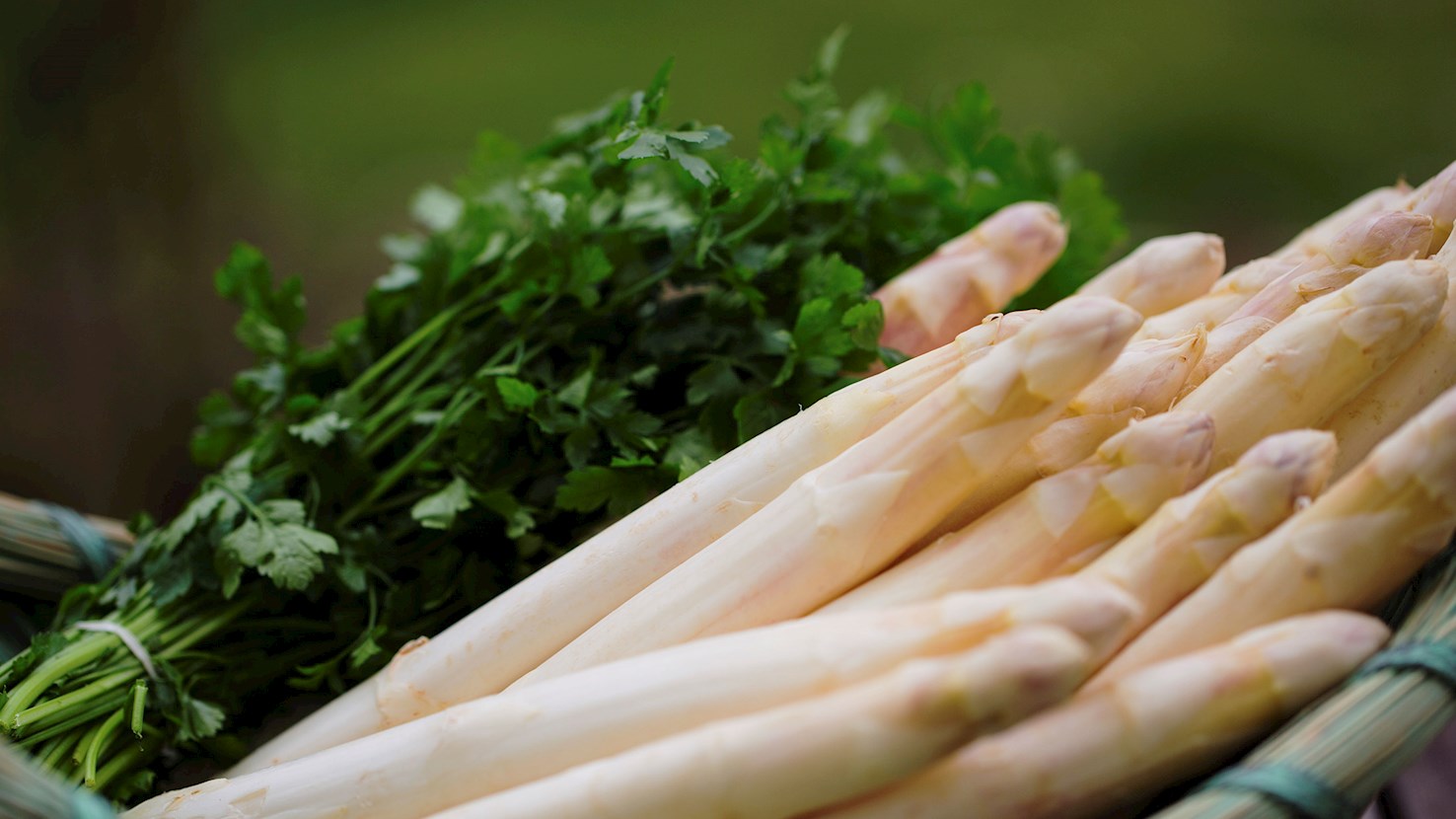
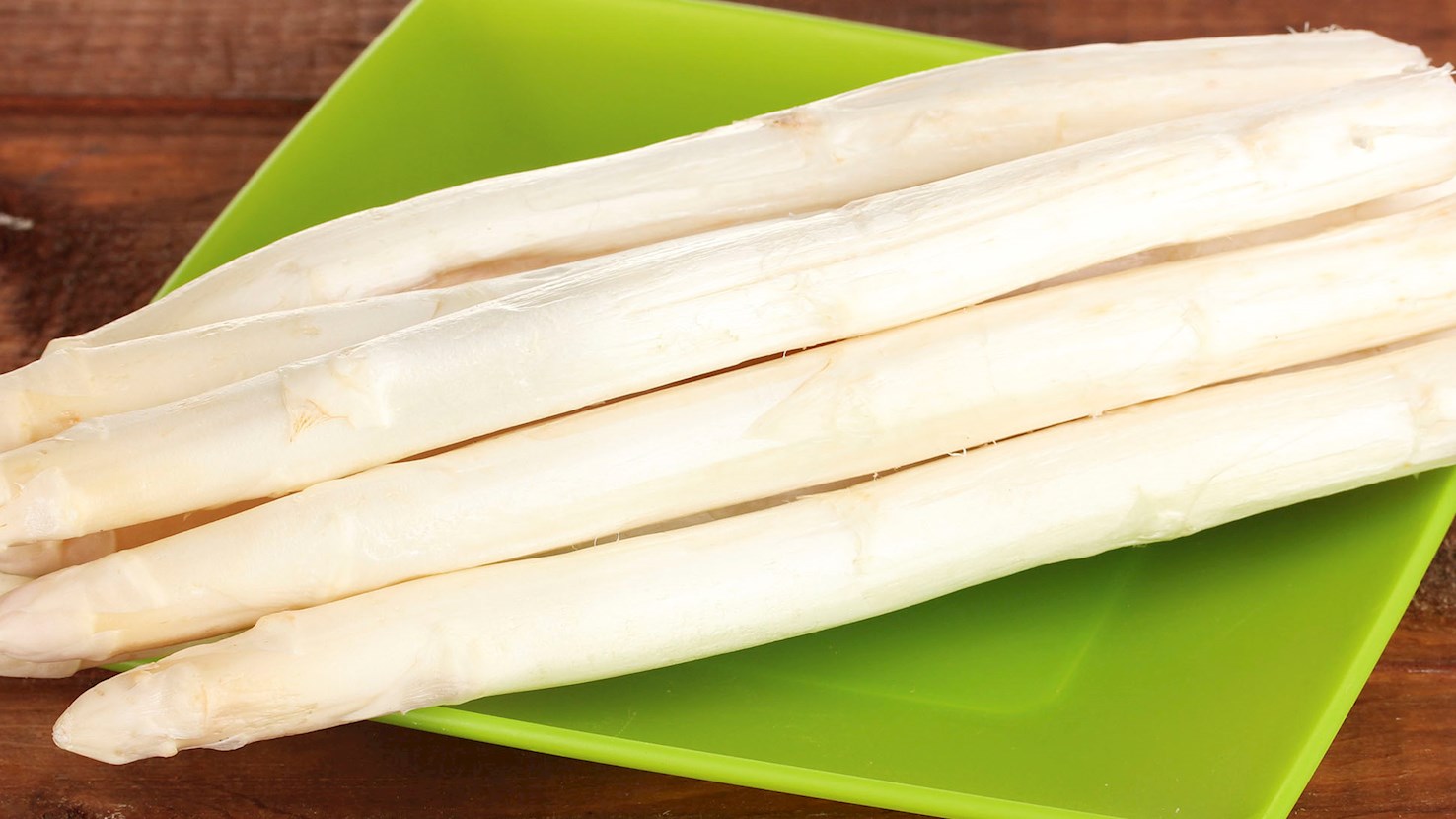
This asparagus is grown in Germany's Strobenhausen region. There are two types of this aromatic vegetable – green and white, which may vary in color from white to violet. The farming of asparagus in Schrobenhausen was first mentioned in documents dating back to 1851. The light sandy soil prevalent in this region is what makes this asparagus particularly tender, giving it a distinctive strong and nutty flavor. The long tradition of asparagus cultivation in the Schrobenhausen region and the expertise of the farmers who have been growing it for generations guarantee its excellent quality and great taste. The region also celebrates asparagus season, known as the 'fifth season of the year', which attracts many tourists who come to sample local asparagus specialties.

02

Beelitzer Spargel

3.9 ·

Beelitzer Spargel is a variety of very thick asparagus grown in the Beelitzer Sander and parts of the Teltow-Fläming rural district in Germany. This seasonal vegetable has a long tradition - in 1861, Karl Friedrich Wilhelm Hermann became the first person to plant whole fields of asparagus in Beelitz. There are two types - white, grown in complete sun deprivation, and the green ones, which are ripened in the sun. During the season, Beelitzer Spargel is the leading star of local cuisine, and the annual asparagus festival is a beloved tourist attraction.

03

Abensberger Spargel

3.6 ·

From early May until the summer solstice, the asparagus season in Abensberg attracts thousands of gourmets and other gastronomic visitors. During the season, when the farmers open their taverns, Abensberger asparagus are served everywhere along the Danube and Altmühl. The slight bitterness of this asparagus is complemented by its delicate sweetness. The designated cultivation area of this variety of asparagus is among the oldest in Europe; the first mention of the 'sand belt' zone in Abensberg dates back to 1730. This sandy, humus-rich soil, together with the spring warmth and balmy night temperatures, are ideal for the cultivation of these prized vegetables and give Abensberger asparagus its distinctive flavor.

04

Walbecker Spargel

3.2 ·

The production of this variety of asparagus, from growing to picking, must take place in a defined geographical area in the region of North Rhine-Westphalia along the Dutch-German border. The region's sandy soils were once considered by local farmers to be a major disadvantage, but when Major Walther Klein-Walbeck first attempted to grow asparagus around Walbeck castle in 1923, they quickly changed their minds – the local climate turned out to be ideal for growing asparagus. Since almost 70% of the asparagus’s taste is determined by the soil, it is obvious that the fine fiber structure, nutty and intensive taste, tenderness, and straight growth are the result of the ideal local conditions.

05

Filderkraut

3.2 ·

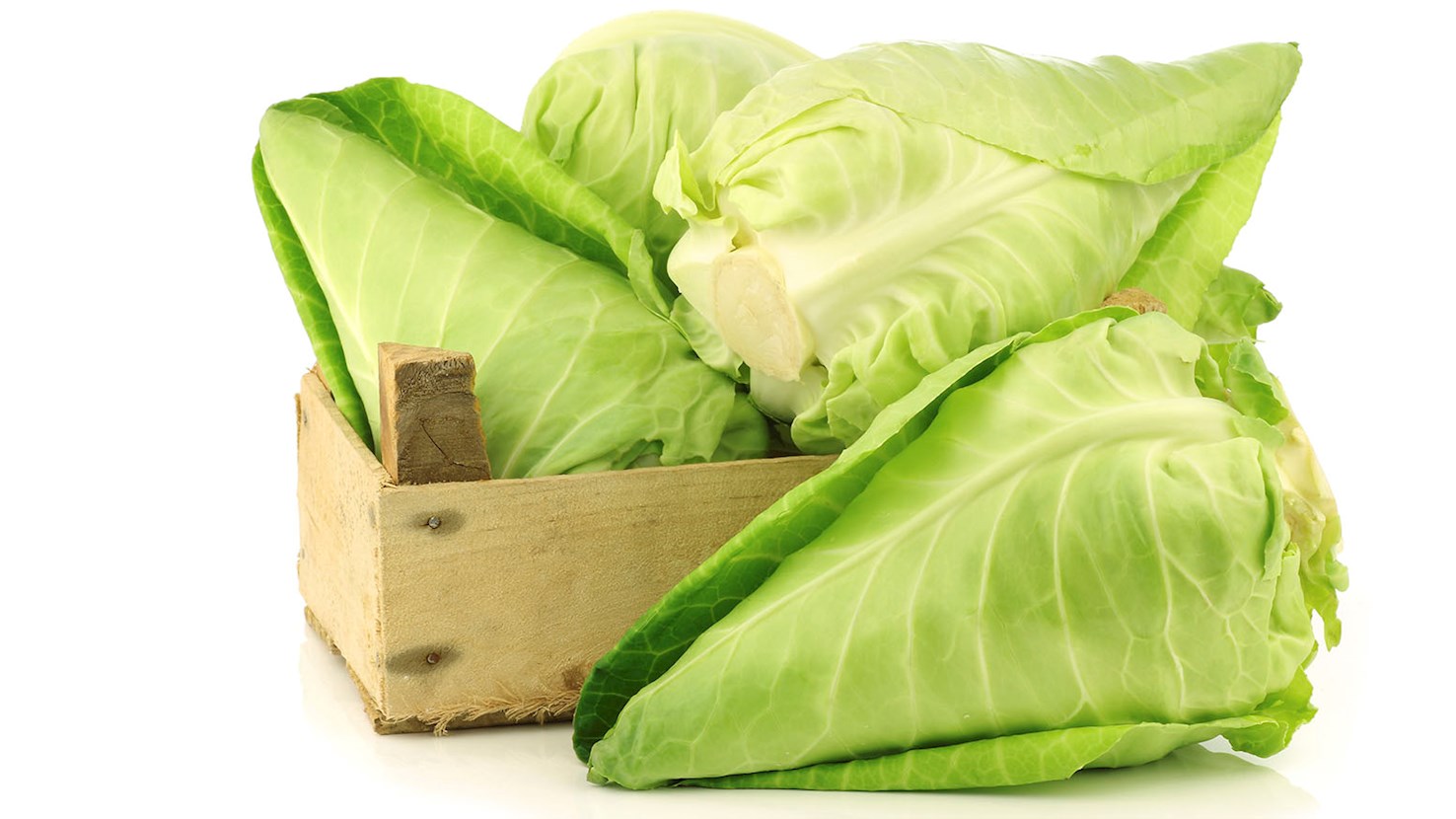
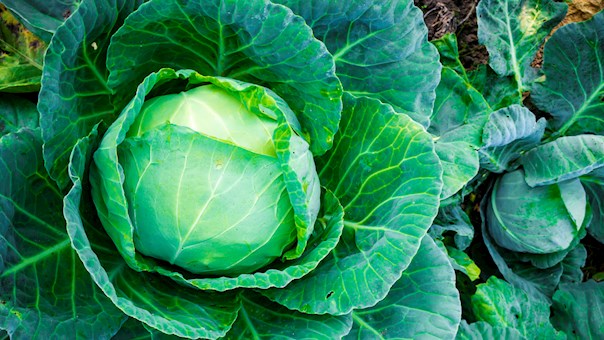
This is a German cabbage from the protected Brassica oleracea variety, and it is grown between Esslingen and Stuttgart. Its white-green leaves are coated with a fine layer of wax, which gives them a slightly glossy look. Because of its sensitivity to pressure, this cabbage is still harvested manually. This renowned cabbage, believed to be introduced by monks in Denkendorf, is ideal for the production of sauerkraut as it has a strong flavor. Young cabbage from this variety is particularly well suited for making coleslaw.

06

Bornheimer Spargel

n/a ·

It is believed that the Romans brought the asparagus to Bornheim, and for a long time, the high price of this vegetable made it available only to the nobility and bourgeoisie. Today, the healthy Bornheimer Spargel is widely available, and with the high average temperatures and sufficient rainfall in the Bornheim area, asparagus is harvested much earlier than in neighboring regions. The sandy soils of the district and its favorable climatic conditions contribute to the incomparable flavor of Bornheimer asparagus.

07

Spargel aus Franken

n/a ·

This cultivar of asparagus from Franconia differs from other asparagus varieties in its particularly delicate fibers, mildly aromatic flavor, and low acidity. It is grown and picked exclusively in the region of Franconia. The exceptional quality and taste of this variety of asparagus can be attributed to the region's unique combination of sandy soil, climate, and the expertise of its farmers, which has been passed on from generation to generation. The production of asparagus is an important factor in the economy of Franconia, and the so-called 'king of vegetables' is thus celebrated at many asparagus festivals in the region, the most famous of which is Nuremberg’s Spargelmarkt.

08

Feldsalat von der Insel Reichenau

n/a ·

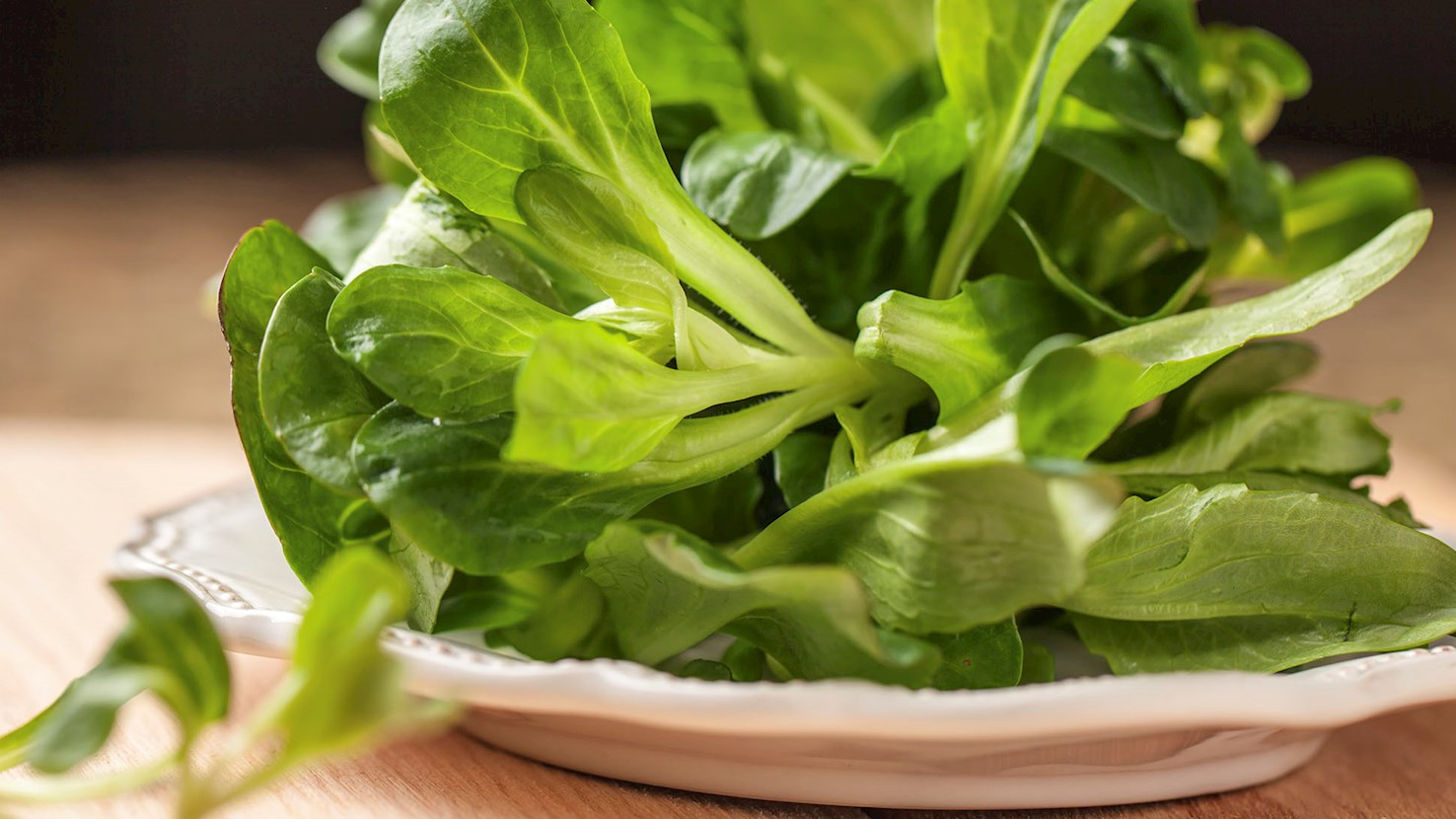
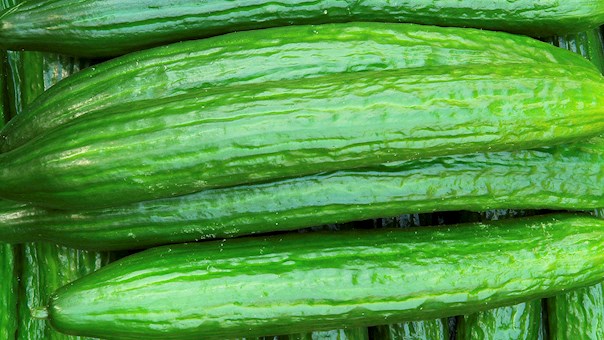
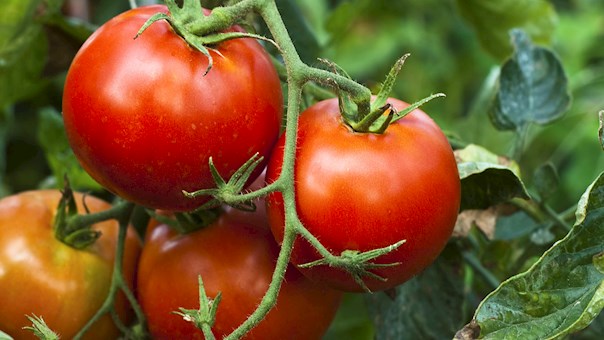
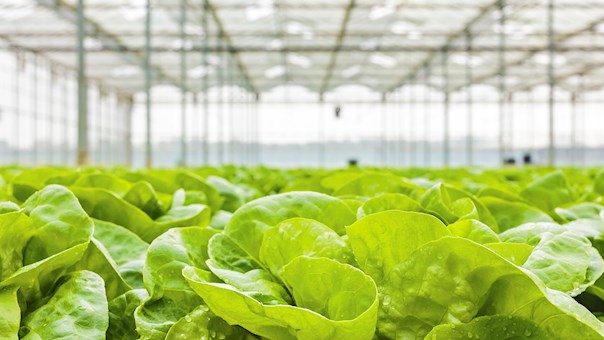
This variety of lamb's lettuce is cultivated on Reichenau island in Bodensee lake, near the Swiss border. This area is favorable for vegetable harvesting due to the island's oceanic climate with warm summers and lots of humidity. Feldsalat is frost-resistant, and it can be grown in greenhouses during the winter months and outdoors in spring. It is hand picked here, unlike in other regions where it is usually harvested mechanically. After picking, it is gathered into 1-kilogram bunches. As a final product, the lettuce has small leaves, is free of roots, and is dark green in color. Reichenau island is also known as "vegetable island", as tomatoes and cucumbers of extraordinary quality are grown there.

09

Lüneburger Heidekartoffeln

n/a ·

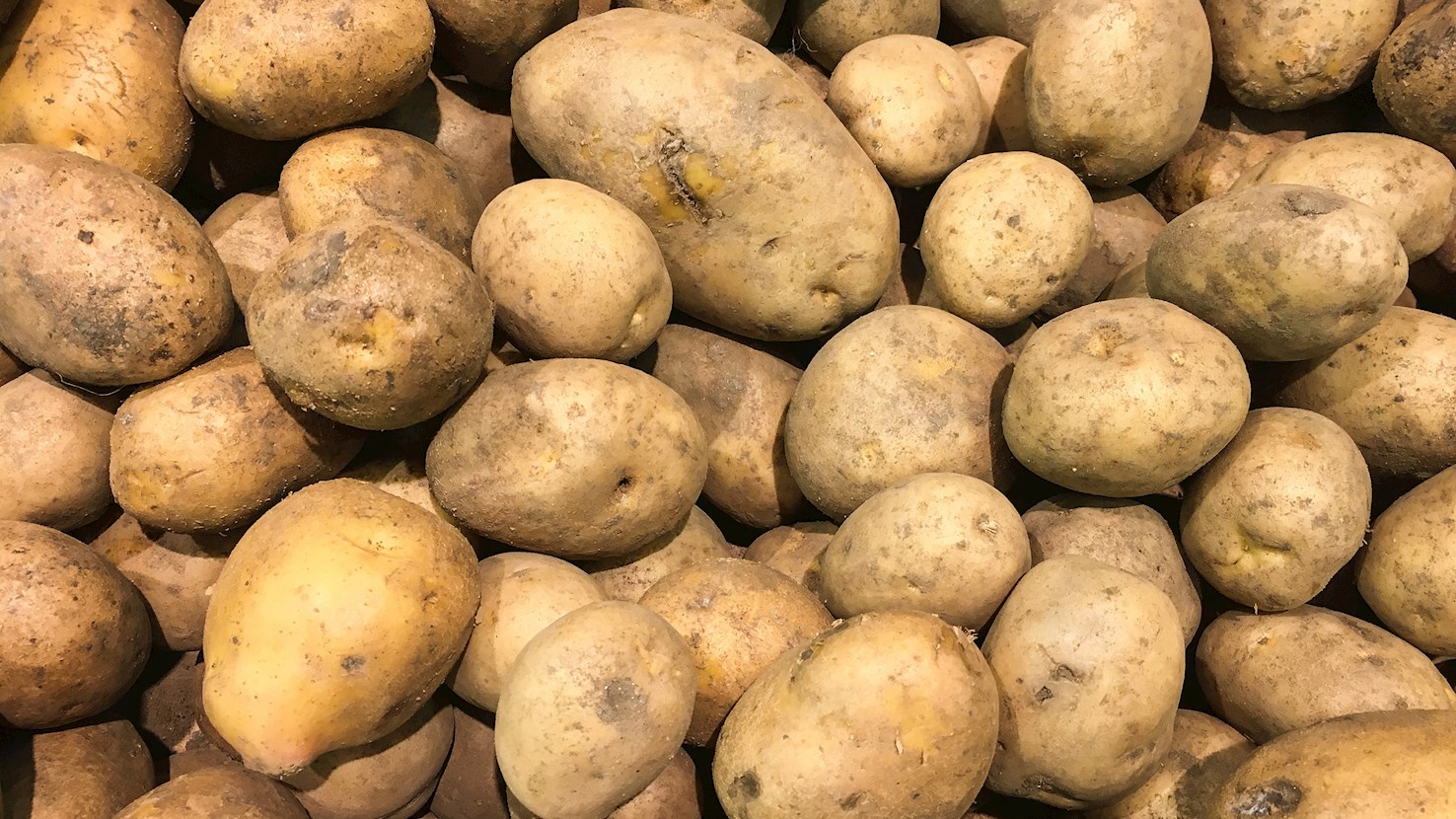
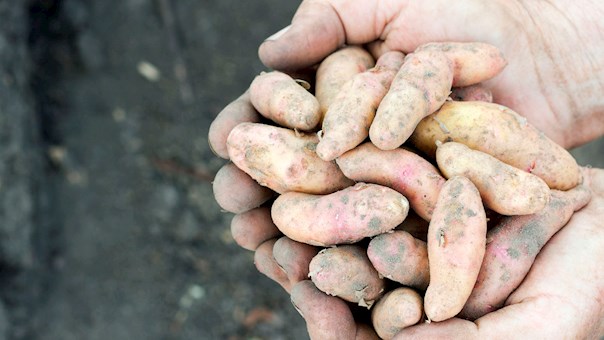
Germans eat more than 60kg of potatoes per capita a year. In Germany alone, farmers harvest approximately eleven million tons of potatoes per year, and almost every second German potato comes from Lower Saxony, the home of Lüneburger Heidekartoffeln. Since the mid-19th century, the Lüneburg Heath has been the largest potato-growing area in Germany. The potatoes grown in this region are known to be particularly tasty, and they are considered a regional specialty. Lüneburg Heath potatoes always have a bright, smooth skin and yellow flesh. They are available in following varieties: Belana, Gloria, Princess, and Linda.

10

Höri-Bülle

n/a ·

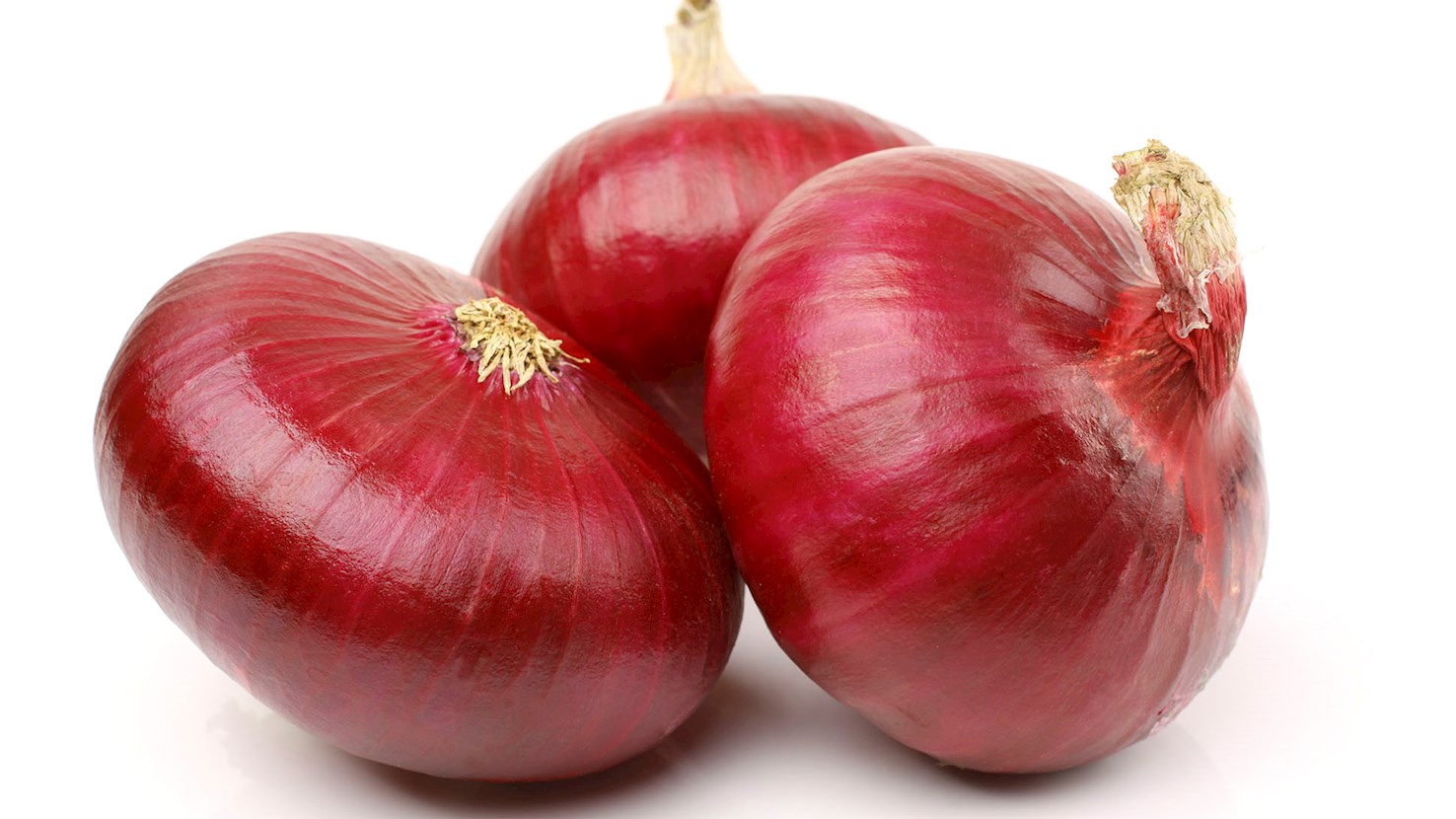
This varietal of red onion with a distinct shape and color is traditionally grown on the Lake Constance peninsula of Höri. The outer skin has an intense red-brown color that does not rub off when the onions are cut, and their typical flattened form is particularly well suited to weaving traditional onion braids. Hori-Bülle onion is characterized by its delicate aroma and mild, delicate flavor. This makes it an ideal onion to eat raw – Höri-Bülle performs quite well in salads. When cooked, Bülle develops a rich aroma without losing its characteristic red color. It is no wonder that it plays a role in numerous regional recipes, whether with fish, meat, or baked into Bülle-Thin, a local single crust onion pie made with sautéed onions, diced bacon, cream, and caraway seeds.

About this Ranking

TasteAtlas food rankings are based on the ratings of the TasteAtlas audience, with a series of mechanisms that recognize real users and that ignore bot, nationalist or local patriotic ratings, and give additional value to the ratings of users that the system recognizes as knowledgeable.

TasteAtlas Rankings should not be seen as the final global conclusion about food. Their purpose is to promote excellent local foods, instill pride in traditional dishes, and arouse curiosity about dishes you haven’t tried.

What People Say

Similar Lists