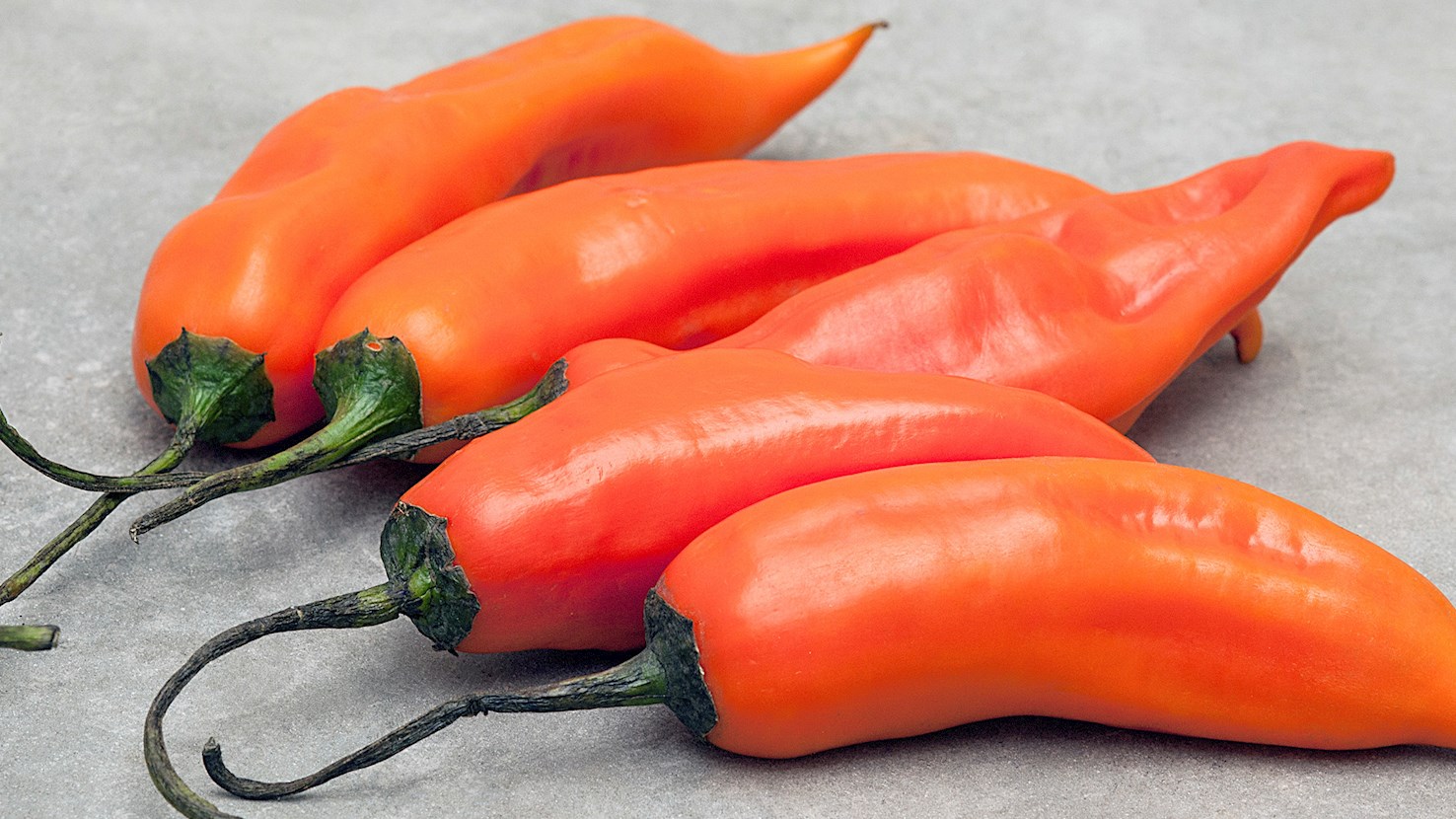
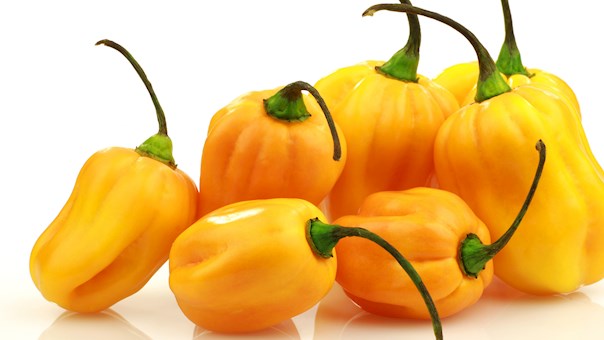
Aji amarillo is a staple in Peruvian cuisine, a chile pepper with a bright orange color and thick flesh. Its heat level ranges from medium to hot, and it is commonly used in a variety of soups and sauces. This chile variety is native to South America and has a distinctive, subtle, and full-bodied fruitiness. It can be bought in a few forms: dried, fresh, canned, or in the form of a paste. When incorporated into sauces, it is often thickened with bread, mayonnaise, and dairy products, and it is then spooned over a variety of meat, fish, and vegetable dishes. When used in its dried and ground form, it is especially good for rice dishes, giving them a sweetish flavor and vibrant color.
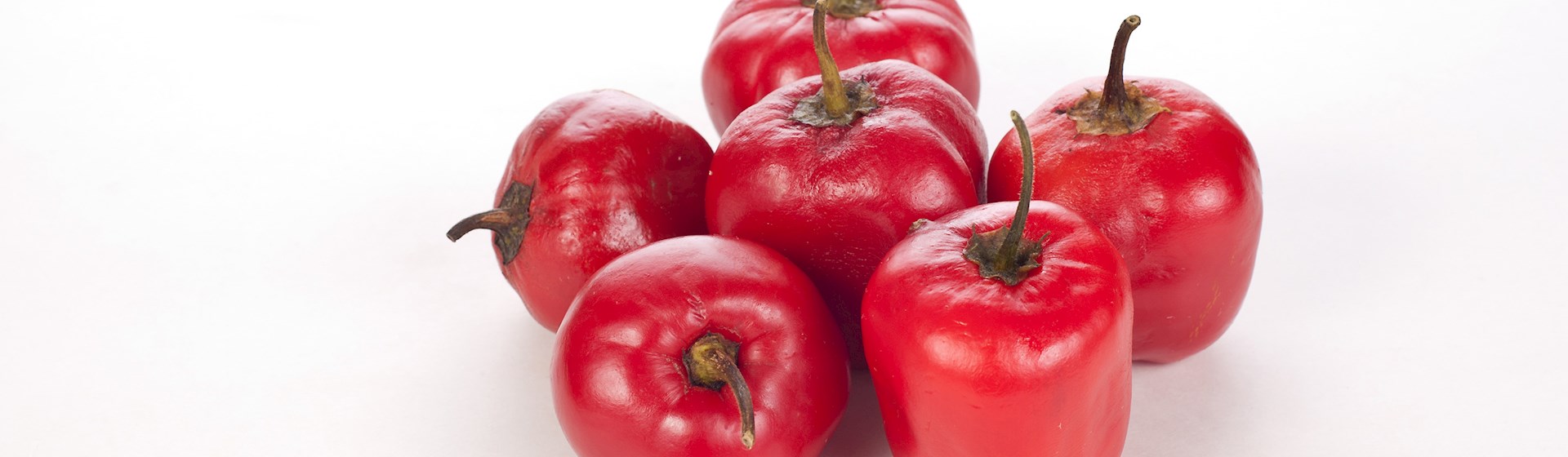
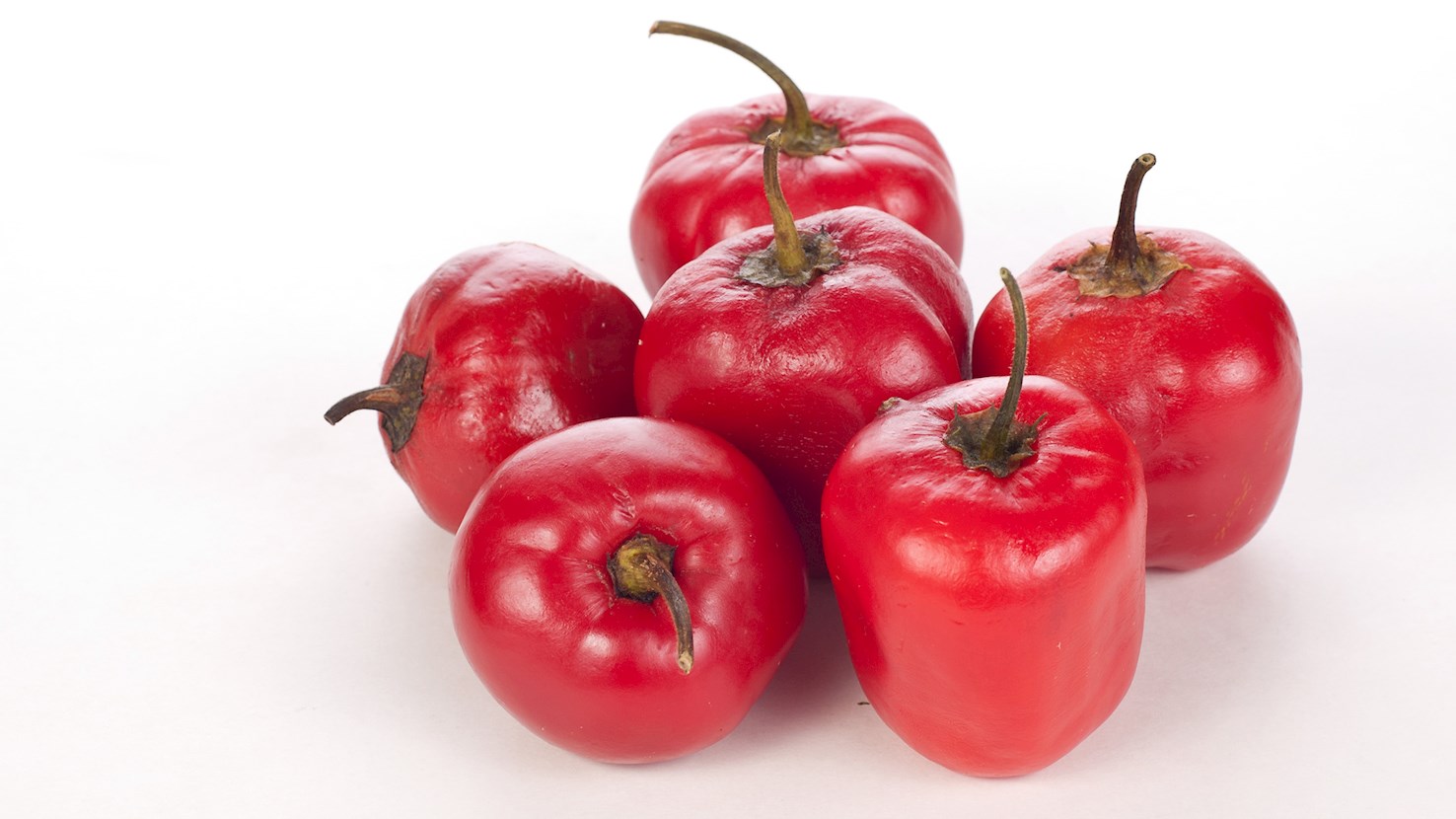
Rocoto chile is a type of chili pepper that is believed to have originated in the Andean areas of Peru and Bolivia, where it has long been grown and used as an essential ingredient of traditional cuisine. It belongs to the Capsicum pubescens genus and is characterized by hairy leaves and dark seeds ranging from dark brown to black, while its rather thick and juicy flesh may be of red, orange, yellow, or green color. Varying in both size and shape, the rocoto chili is renowned for being one of the hottest peppers in the world, and it is distinguished by a rich, fruity, and spicy flavor. Rocoto chilis may be enjoyed fresh as an accompaniment to various dishes, made into chili paste and used as a condiment, or ground to a powder-like consistency and used as a spice. Because of its high degree of heat, this chili is typically used in smaller quantities to add a fiery kick to a wide variety of sauces, soups, salads, stews, salsas, ceviches, and other traditional specialties such as rocoto relleno (stuffed rocoto peppers) and huacatay hot sauce.
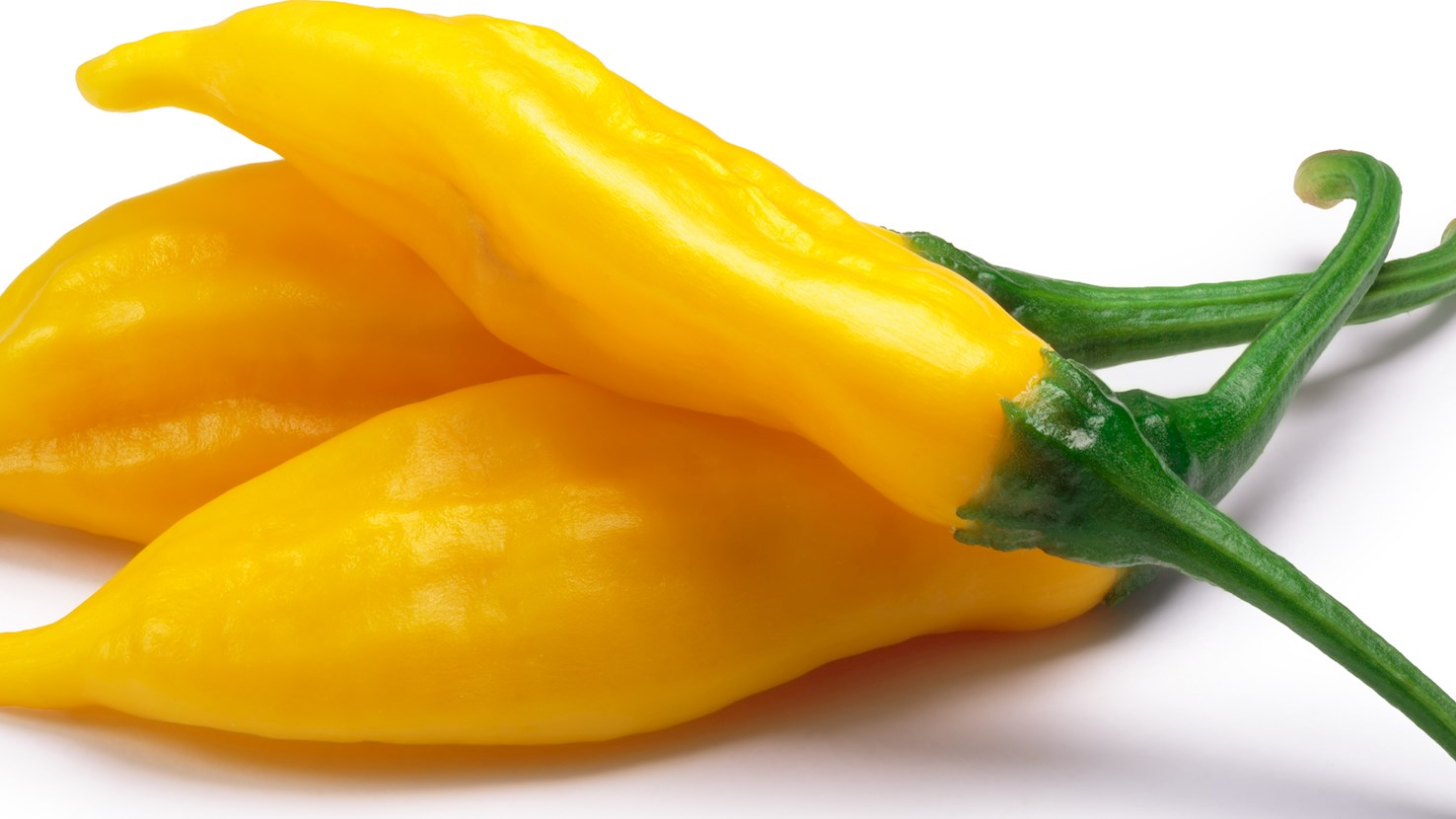
Aji límo (also known as lemon drop pepper) is a Peruvian hot pepper with a citrusy tang and a Scoville heat unit of 15,000-30,000. When mature, its color becomes golden-yellow, and the flavor becomes fruity, with some people comparing it to fresh lemongrass. This chili variety is ideal for spicy salsas, hot sauces, and dishes based on chicken or fish. In Peru, it is often used as a seasoning for various main meals and snacks.
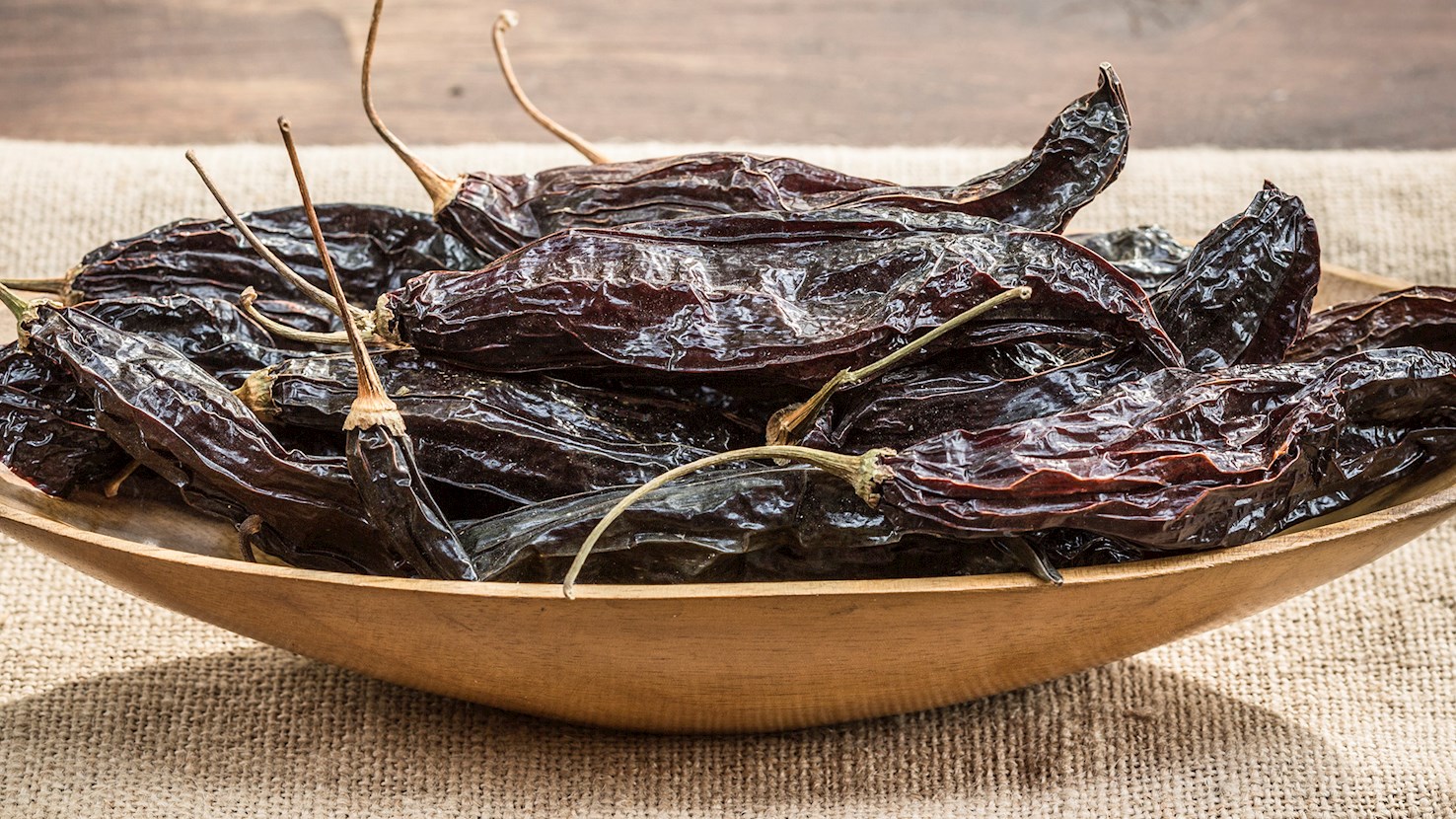
Peruvian panca chili, or ají panca as it's known in South America, is the second most common pepper in Peru, grown all along the coast. This deep red to burgundy colored hot pepper is similar in appearance to ají amarillo, only less spicy and has a rather sweet, berry-like, and slightly smoky flavor with a pronounced floral bouquet. Ají panca can be made into a paste or it can be dried and minced. It is widely used as a seasoning in Peruvian cuisine, especially for various sauces, stews, and fish-based dishes like the famous parihuela seafood soup.
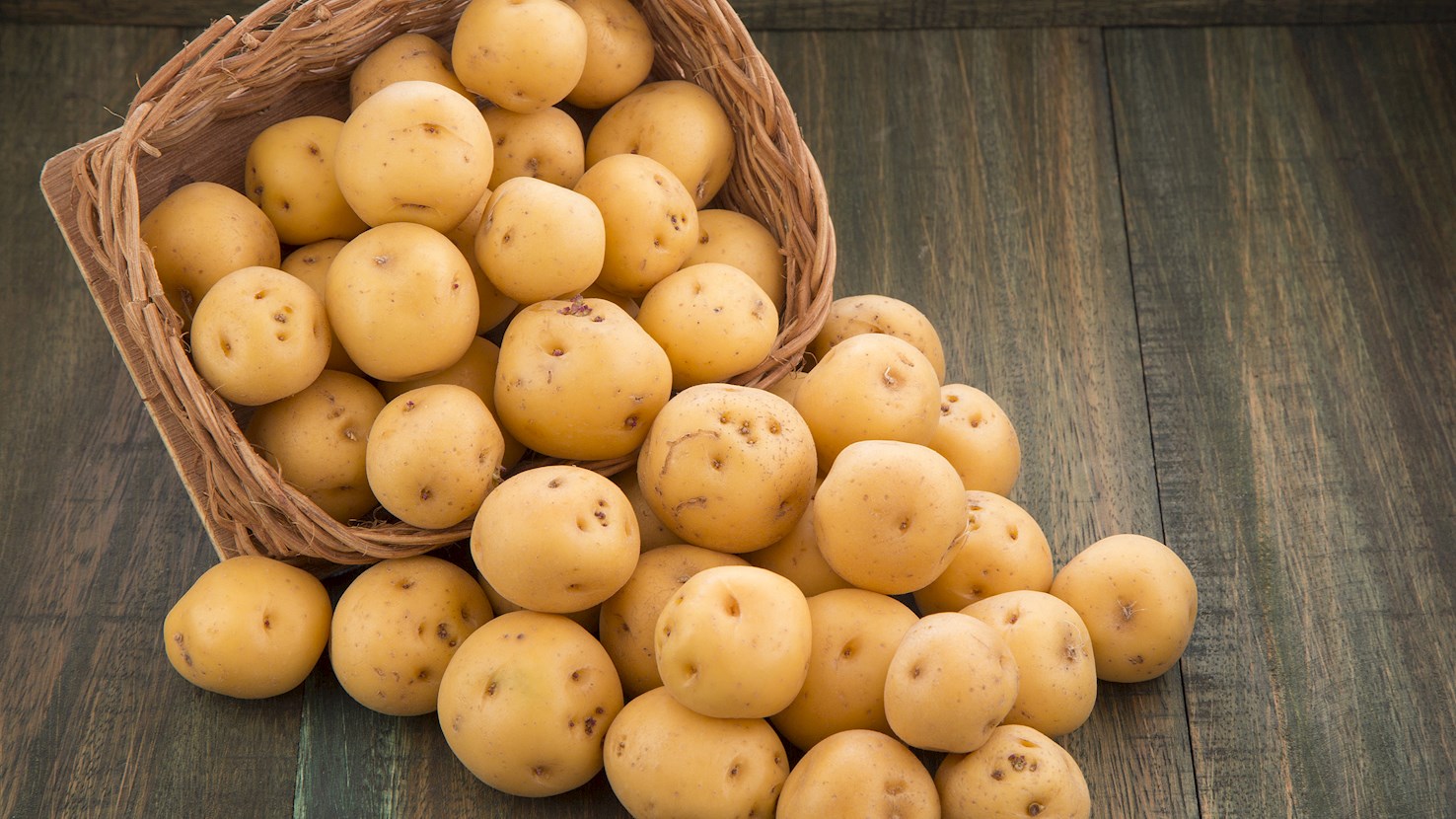
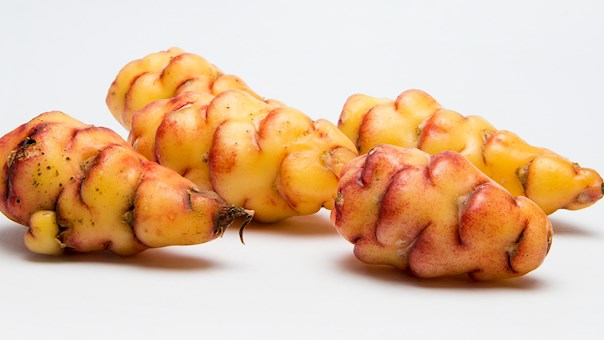
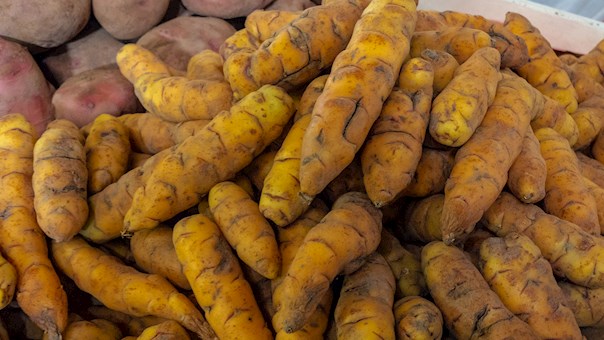
Papa criolla is a potato variety that's native to South America and it's especially popular in Colombia. These tubers are small in size, similar to a golf ball. The flesh is yellow to dark yellow, an indication of high lutein and zeaxanthin content. The Colombian papas criollas grow wild in the highlands of the Andes. The skin is thin and tender. These potatoes are often used in traditional dishes such as ajiaco soup, but they are also roasted, fries, boiled, mashed, or even skewered and grilled.
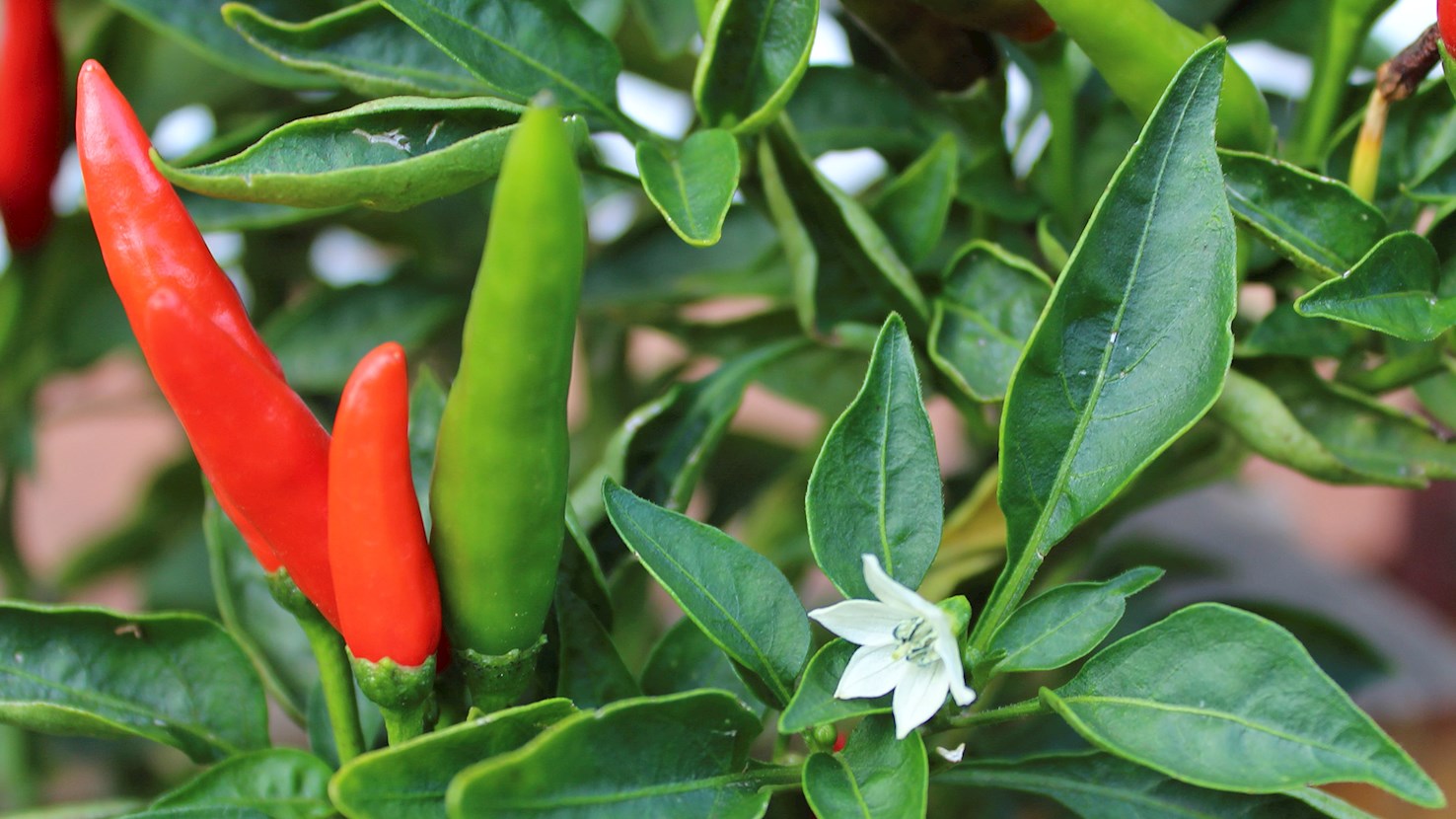
With a Scoville heat score of 50,000 to 100,000, malagueta pepper is about twice hotter than cayenne pepper. This hot pepper variety is mostly used in Brazilian and Portuguese cuisine, although it is also beloved in the Caribbean region. Malagueta starts out green, and turns bright red as it matures, growing to a size of about 2 inches. It is used in various stews, soups, and poultry dishes, but it can also be made into a hot condiment that brings some serious heat to any dish that it is added into.
Papa pastusa is a potato variety that's native to Colombia. These tubers have yellow or dark yellow skin without spots. The flesh is yellow in color, and the texture is soft and starchy. The potatoes are usually oval in shape, and when cooked, it easily becomes very tender, which is why it's used in a traditional soup called ajiaco. These versatile potatoes are also often used to make french fries and mashed potatoes. They're grown in all the potato-growing regions in Colombia.
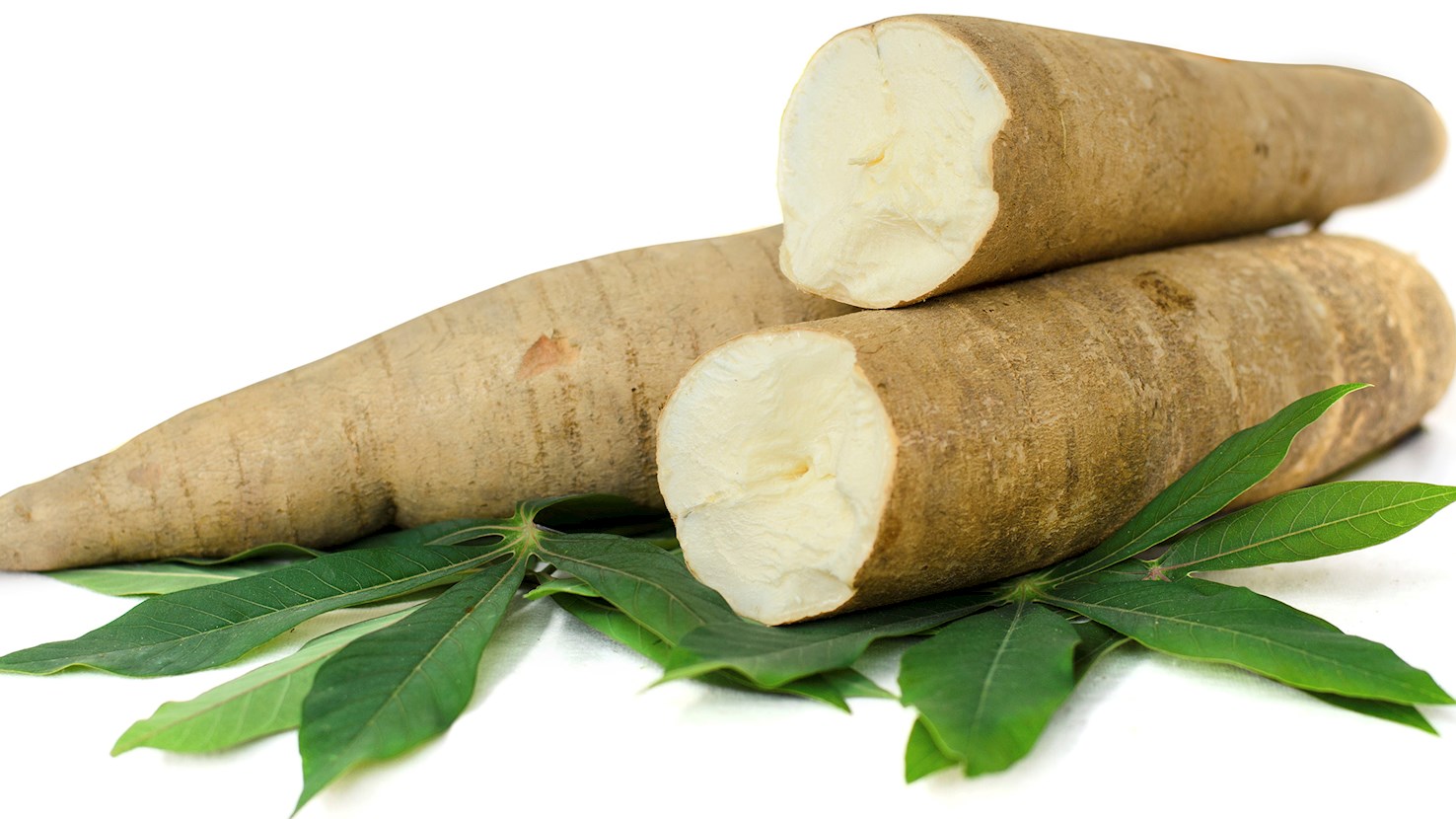
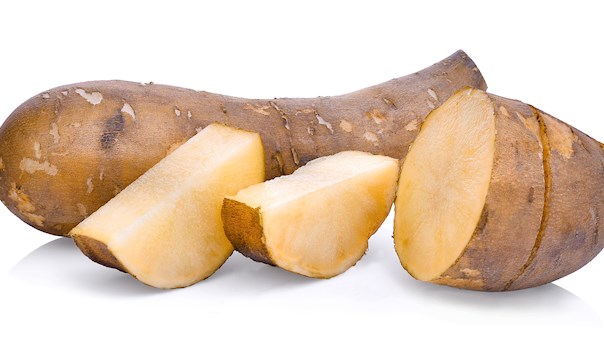
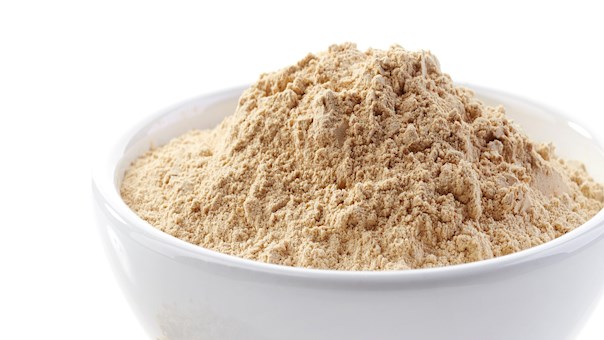
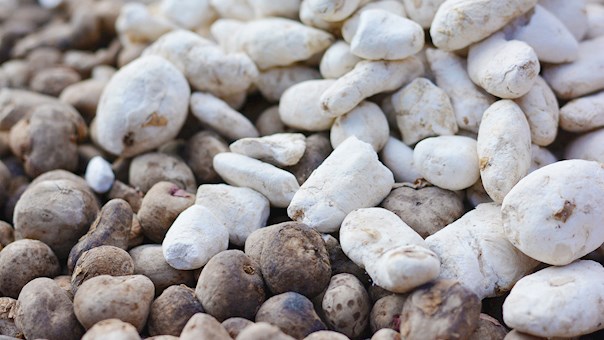
Cassava is a woody shrub native to Brazil and the tropical areas of the Americas. It is widely cultivated throughout Latin America and the Caribbean, and it is often praised for its edible, starchy tuberous root, which is a great source of carbohydrates. The root has a brown, fibrous exterior, and white flesh on the interior. It is a staple food of the native Arawak population, especially when prepared in the form of cassava bread. The root is truly a versatile ingredient as it can be boiled, steamed, grilled, fried, mashed, baked, or added to various stews. When dried into a powder, it is known as tapioca, which is an ingredient that is often used in the preparation of desserts. Cassava root is usually served with meat, sprinkled with lime juice, pepper, and salt.
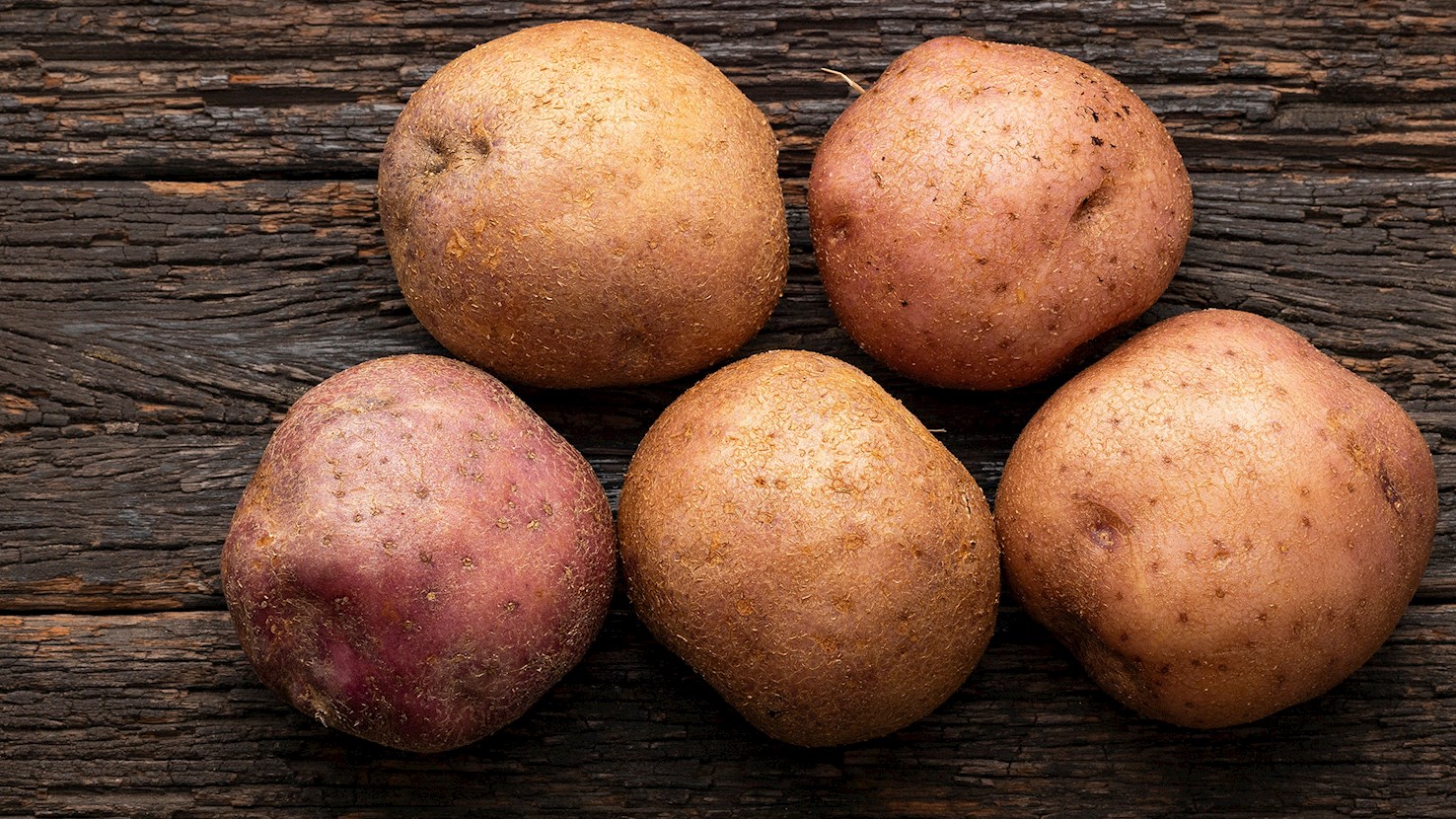
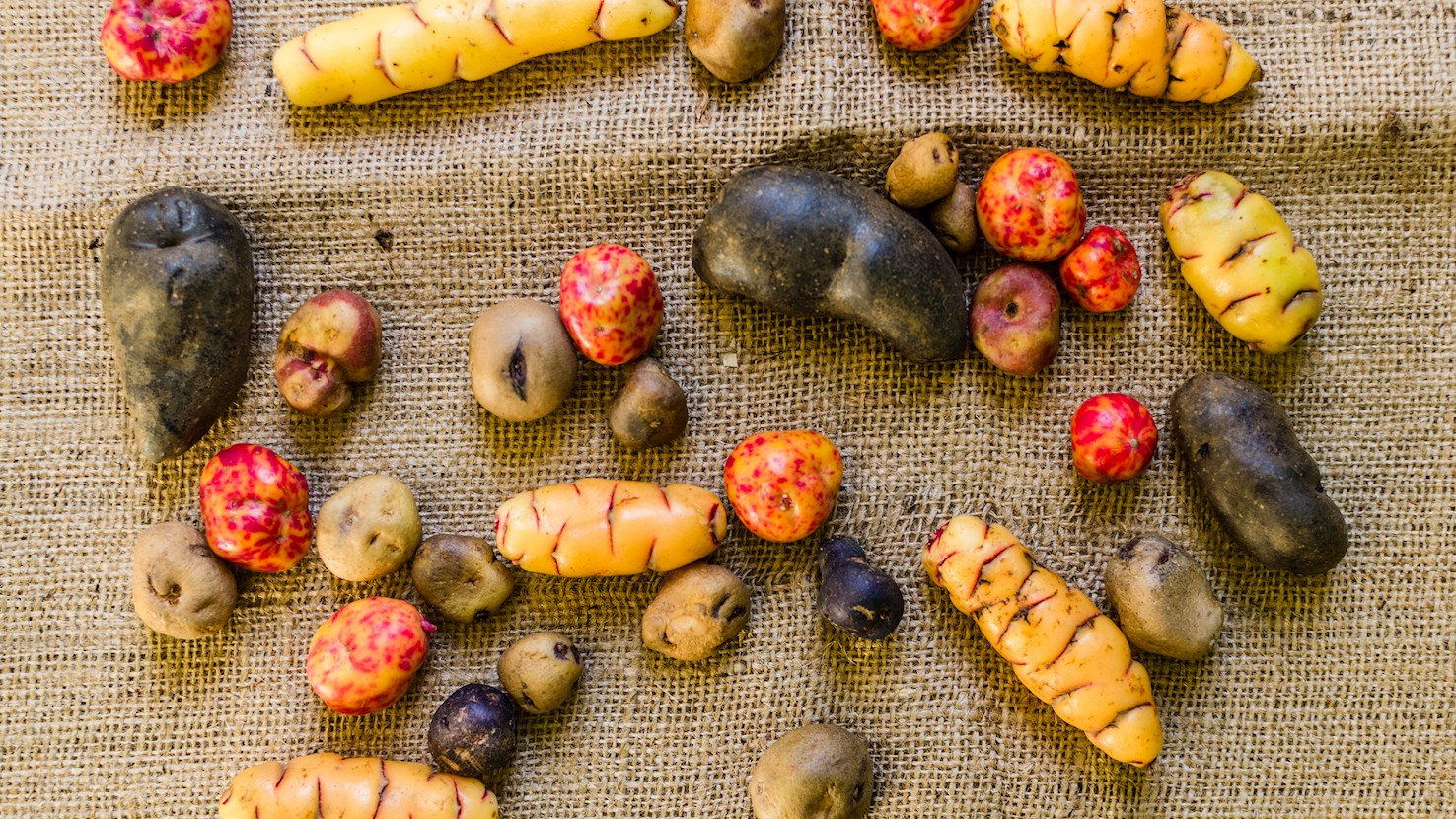
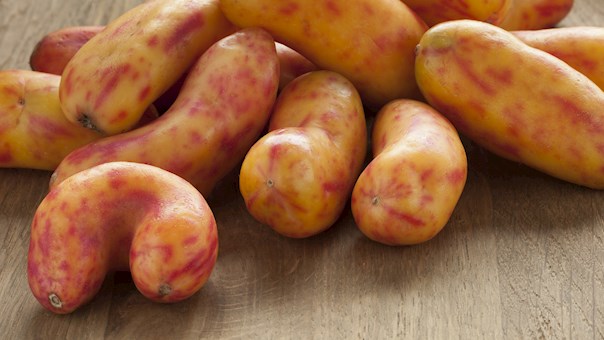
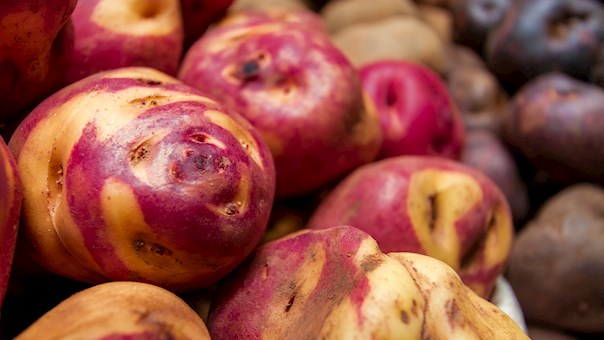
Quebrada de Humahuaca is an area in the center of Jujuy province in Argentina, where local farmers grow native plants dating back to the time of the conquistadores such as kiwicha, quinoa, papa lisa, and oca. The farmers also grow corn, and most importantly – potatoes, which were first cultivated in the region 4,000 years ago. Every generation used to cultivate their own potato variety, and families used to name the varieties after themselves. Some communities specialized in seed conservation, so the varieties multiplied and were refined over the years. However, a great number of potato varieties has been lost – almost half of the 70 previously registered varieties are gone today. The varieties which survived are characterized by their color, flavor, and high content of protein. Nowadays, there are five potato varieties which are farmed at altitudes ranging from 2,100 to 3,800 meters. Papa Azul is the sweetest among them, characterized by dark blue skin with white flecks and yellow flesh. Papa Señorita is irregularly-shaped with white skin that is streaked with pink, while the flesh is also yellow. Cuarentilla has pink skin and white flesh, and Tuni Morada is round, flat, and dark-skinned with white flesh that is ideal for mashing. The last variety is called Chacarera, characterized by its blunted ends, white skin and white flesh. It is ideal for frying and develops violet streaks if cultivated above 3,000 meters.
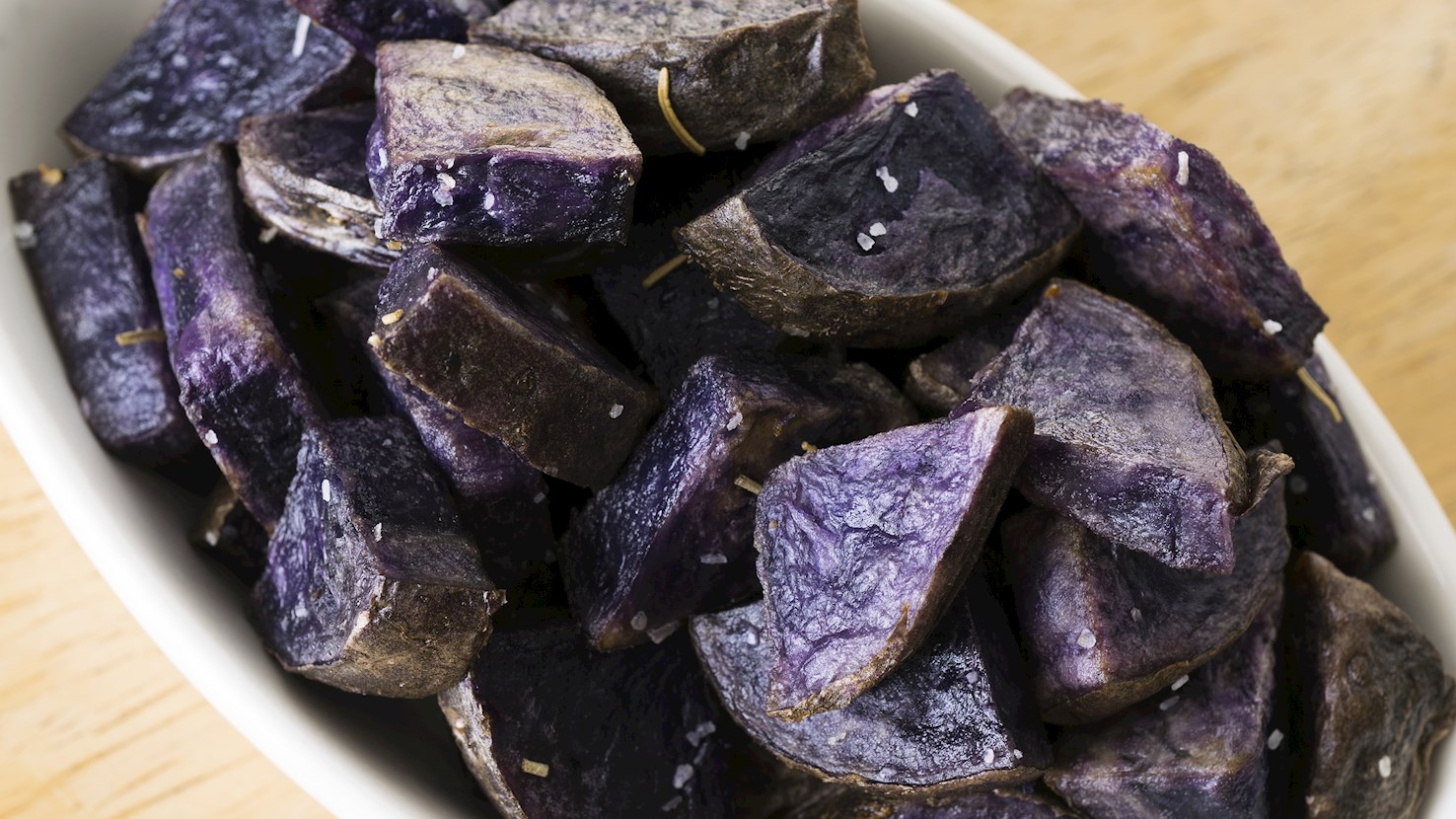
Papa púrpura are Peruvian purple potatoes. The skin and flesh have a deep purple color, and when cooked, the potatoes usually turn bluish. They're cooked just like regular potatoes and the flavor is also similar to regular potatoes, just with buttery notes. It's recommended to roast them, add them to salads, or deep-fry them. In pre-Hispanic times, purple potatoes were usually reserved exclusively for the Inca Kings, and nowadays some chefs affectionately call them Gems of the Andes. Interestingly, they contain two to three times the antioxidants found in yellow or white potatoes.
TasteAtlas food rankings are based on the ratings of the TasteAtlas audience, with a series of mechanisms that recognize real users and that ignore bot,
nationalist or local patriotic ratings, and give additional value to the ratings of users that the system recognizes as knowledgeable.
For the “Top 30 South American Vegetables” list until June 15, 2026, 1,683 ratings were recorded, of which 505 were recognized by the system as legitimate.
TasteAtlas Rankings should not be seen as the final global conclusion about food. Their purpose is to promote excellent local foods,
instill pride in traditional dishes, and arouse curiosity about dishes you haven’t tried.