

shutterstock

Top 9 Venetian Vegetables

Last updated on June 01, 2026
01

Radicchio Rosso di Treviso

3.8 ·

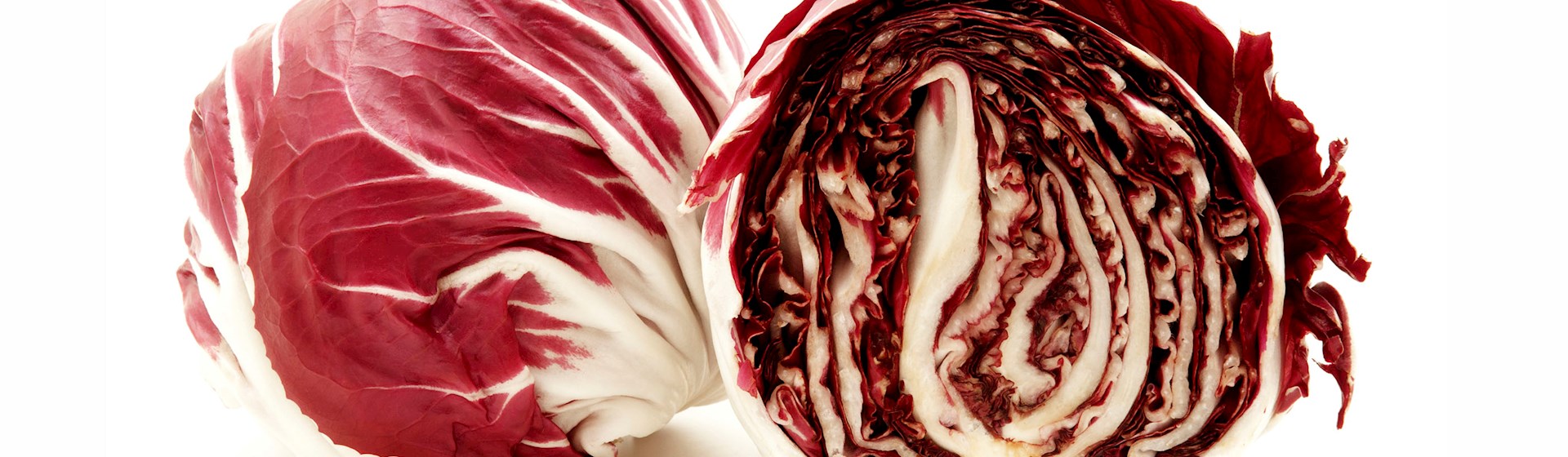
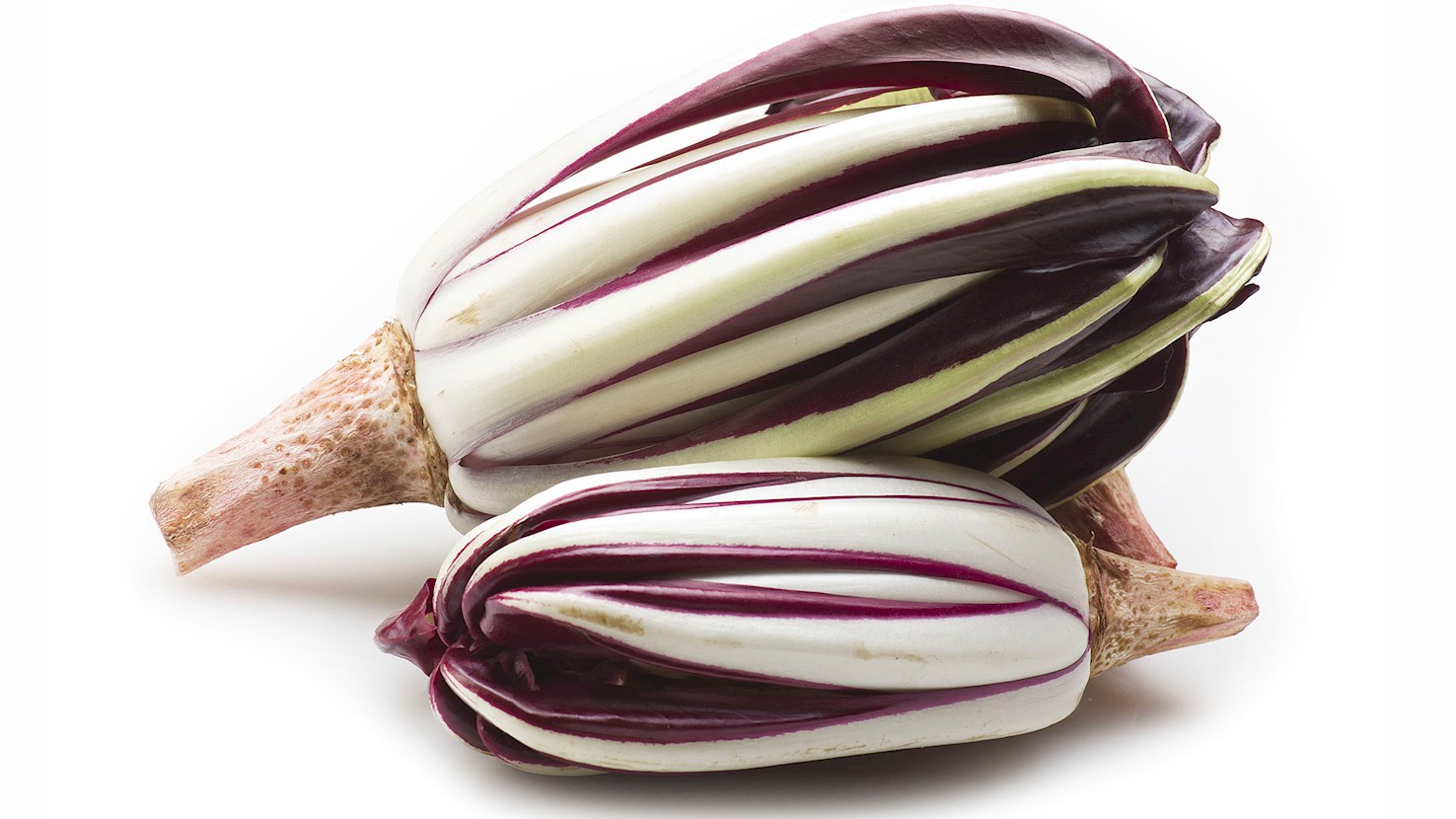
Traditionally grown within the provinces of Treviso, Padua and Venice, Radicchio Rosso di Treviso refers to Italian leaf chicory of the Precoce and Tardivo varieties. This robust red-leaved vegetable is characterized by its pleasantly bitter flavor which can be quite refreshing if balanced with salty cheeses, smoky bacon or sweet balsamic vinegar. Being extremely versatile, Treviso chicory can be enjoyed raw, grilled, braised or roasted, and it is used as an ingredient in a number of various salads, risotto and pasta dishes, as well as meat or fish based entrées.

02

Radicchio di Verona

3.2 ·

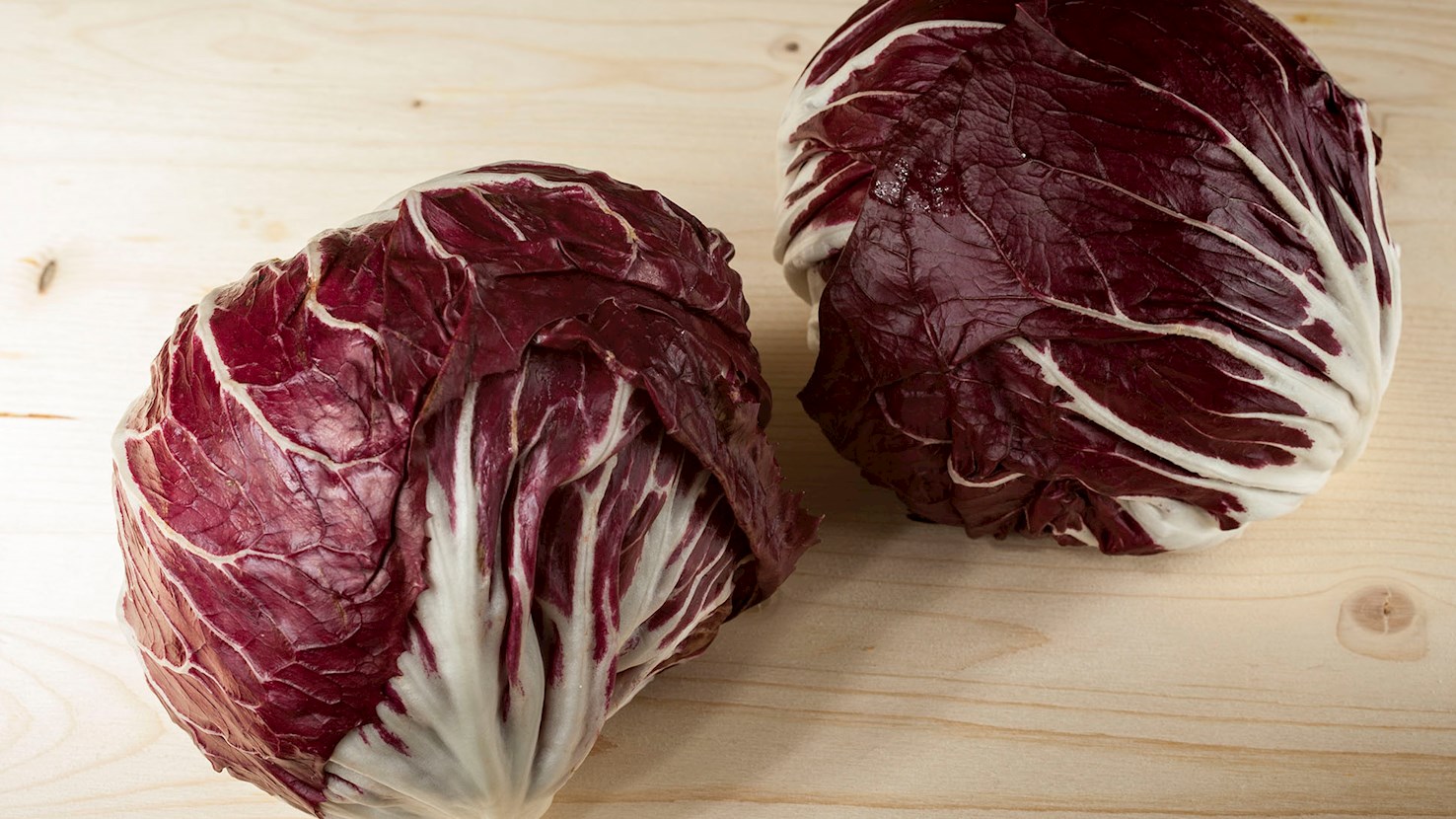
Italian leaf chicory of the Precoce and Tardivo varieties, Radicchio di Verona is grown within the provinces of Verona, Vicenza and Padua. Verona chicory is packed with antioxidants and characterized by the particular crispiness of its leaves and a strong, bitter flavor which tends to mellow down when radicchio is braised, roasted or grilled. Being amazingly versatile, this robust leaf vegetable is typically enjoyed in various salads, risottos, and pasta dishes, and it pairs well with local red wines.

03

Radicchio di Chioggia

3.2 ·

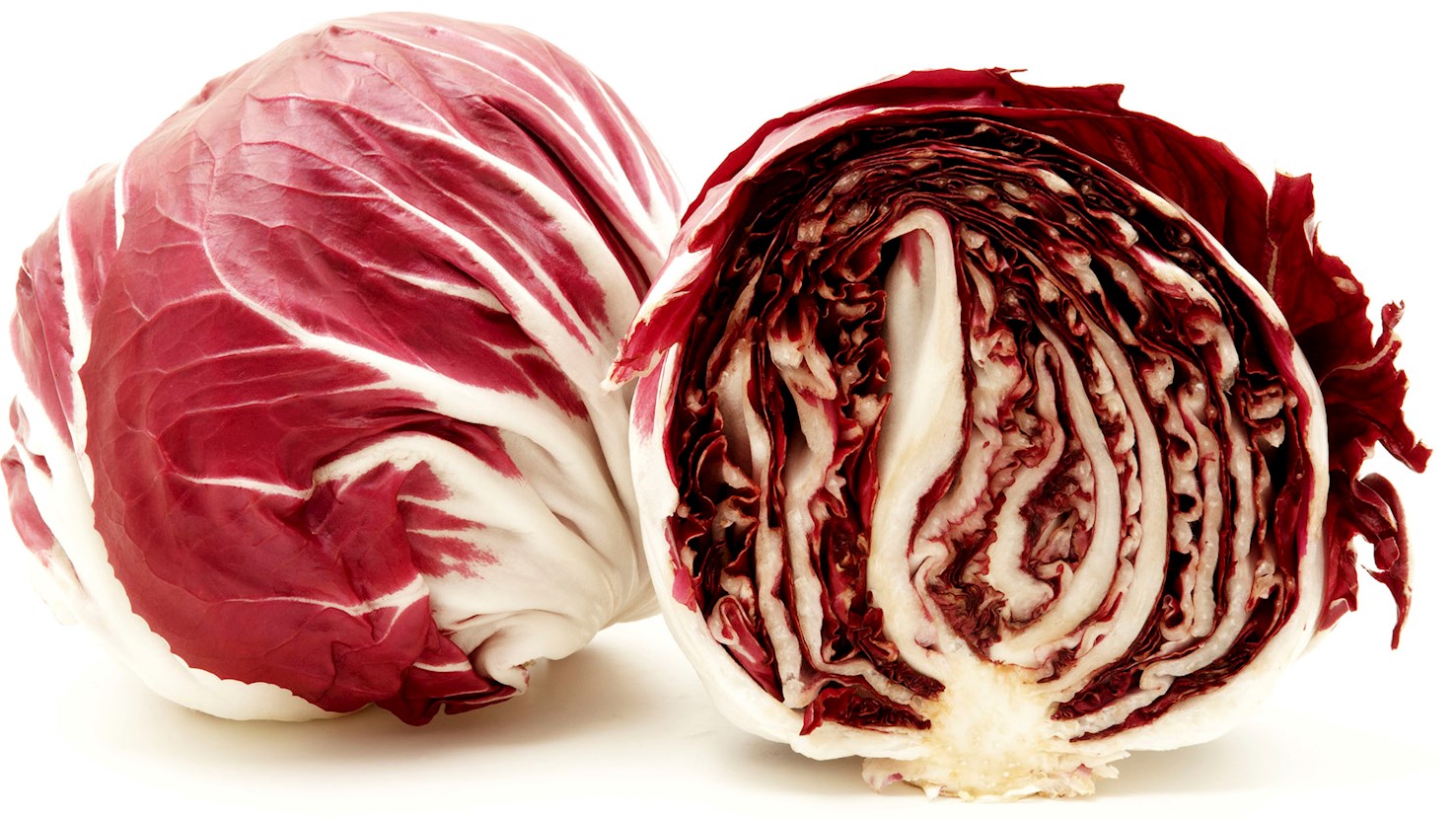
Named after a small fishing port in the south of Venice's lagoon, Radicchio di Chioggia refers to Italian leaf chicory of the Precoce and Tardivo varieties, grown within the provinces of Venice, Padua and Rovigo. This robust leaf vegetable is rich in antioxidants, and characterized by a strong, bitter flavor. When balanced with sweet balsamic vinegar or salty cheeses, the bitterness of raw radicchio can be quite refreshing, and it slightly mellows down if the chicory is grilled, braised or roasted. Apart from being enjoyed in various salads, Chioggia radicchio is often sautéed with garlic and anchovies, wrapped in bacon and grilled or used in the preparation of various risotto and pasta dishes.

04

Insalata di Lusia

n/a ·

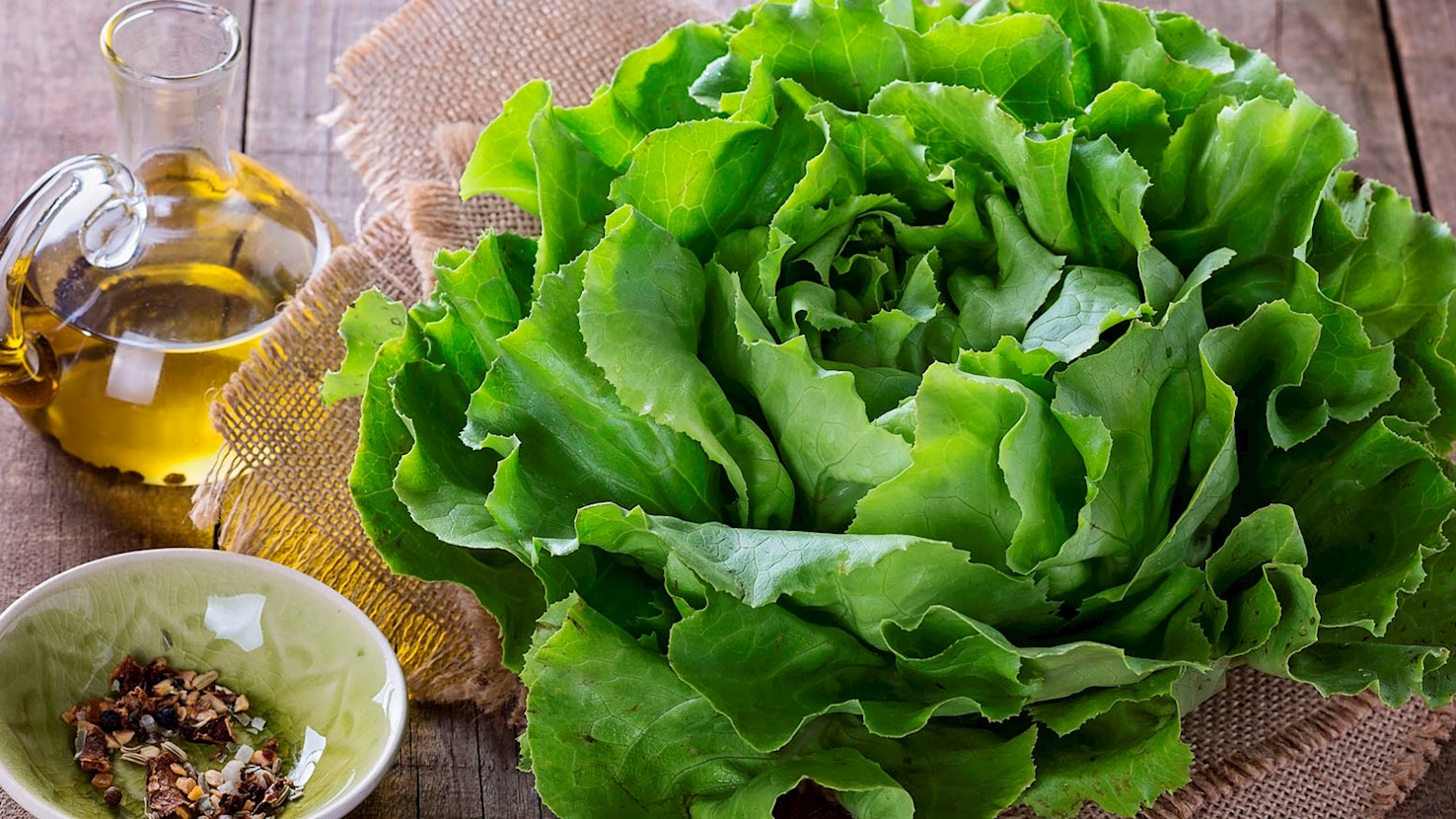
Grown in the mineral rich soils of the Veneto's provinces of Rovigo and Padua, Insalata di Lusia is a large-leaf lettuce of the Asteraceae Lactuca Sativa family. It is cultivated in two varieties: Capitata or Cappuccia and Crispa or Gentile. While they are both packed with potassium and calcium, each cultivar has its own distinctive appearance and flavor. A type of butterhead lettuce, Capitata is extremely tender, with a somewhat crunchy core and smooth, loosely-coiled, bright green leaves. It is perfect for using in sandwiches and wraps. A slightly crunchier Crispa is a type of oakleaf lettuce, it has curly, crumpled leaves and it is perfect for salads or used as an attractive bed for serving other food.

05

Aglio Bianco Polesano

n/a ·

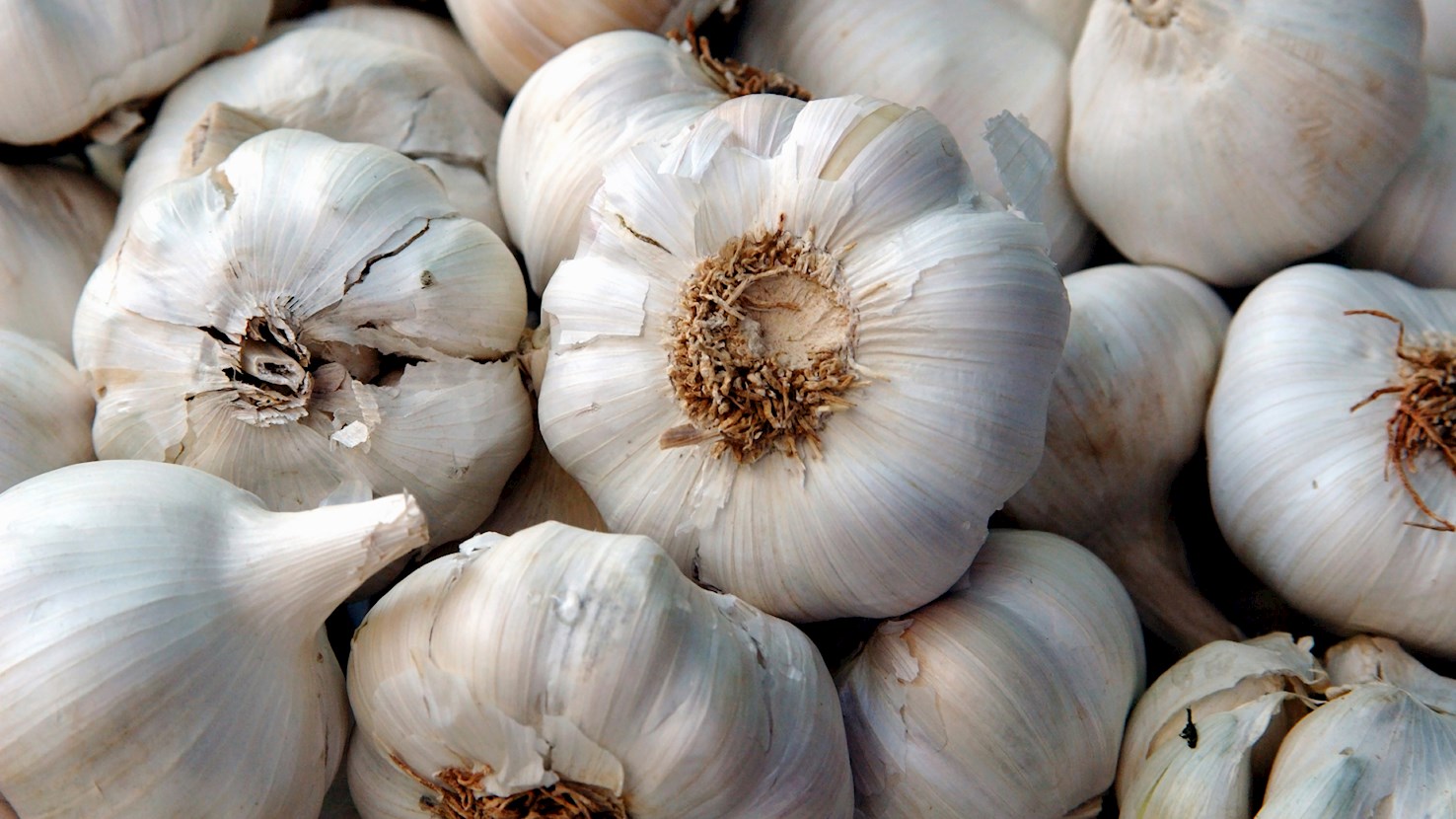
The cultivation of garlic in the wider Polesine area goes back to the Roman times when garlic was the most widely spread crop. Due to its commercial importance throughout history, and the rise of industrial cultivation in the mid-1900s, Aglio Bianco Polesano has become known as the White Gold of Polesine. It is still grown across the Veneto plains, locally known as 'the Land of the Great Rivers', nestled between Italy's two largest - Po and Adige. The Aglio Bianco Polesano was derived from a local ecotype and apart from its white color, this variety of garlic is distinguished by a unique, fruity aroma, less pungent than other varieties, and a delicate, fresh taste. Another interesting fact: every summer, in the Arquà Polesine Castle, people from around Veneto gather for the feast of Aglio Polesano.

06

Radicchio Variegato di Castelfranco

n/a ·

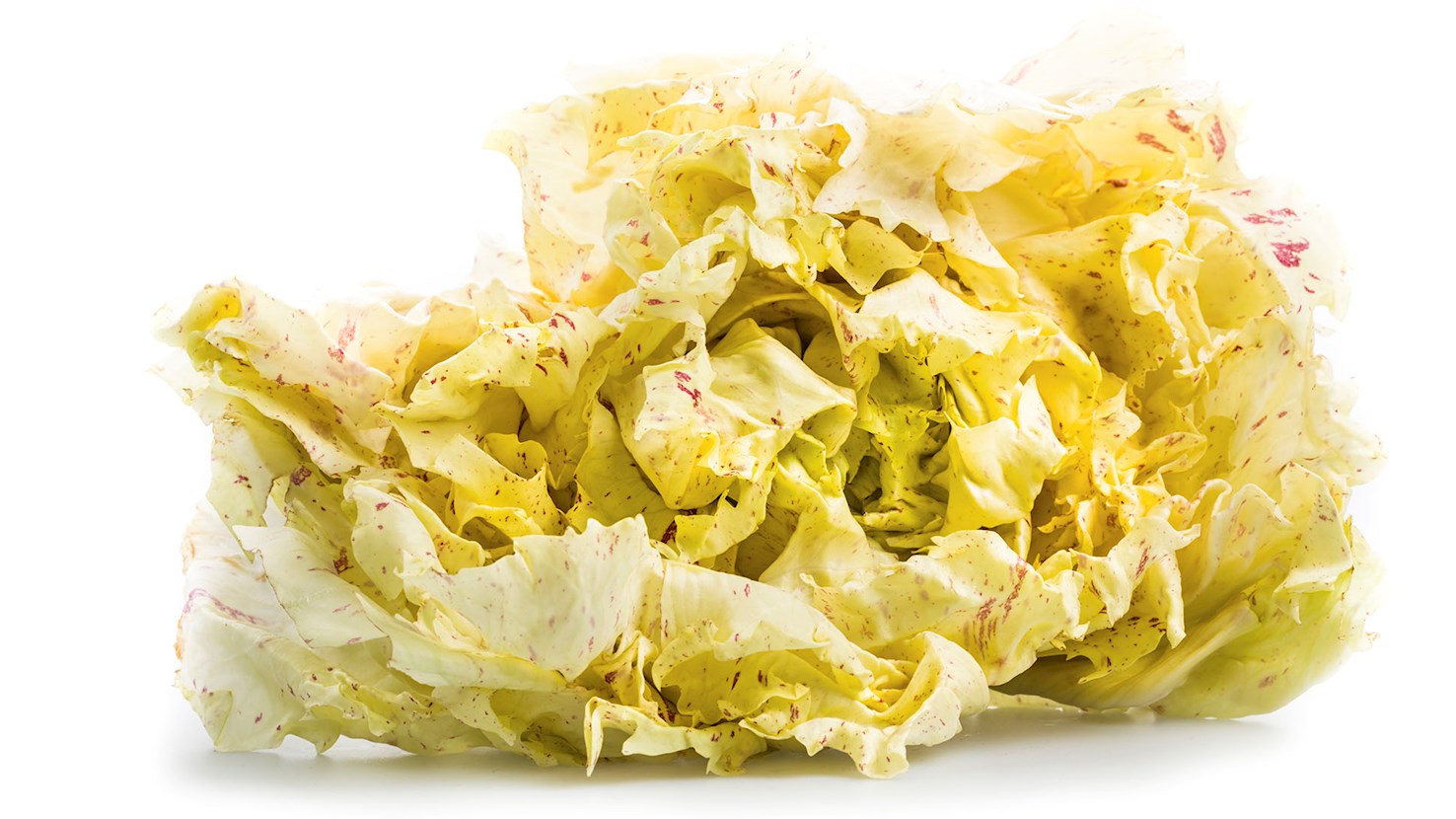
Created in the 17th century by crossing Radicchio di Treviso and escarole, the variegated Radicchio di Castelfranco Veneto is a type of Italian leaf chicory grown within the provinces of Treviso, Padua and Venice. Thanks to its peculiar shape and blanched yellow leaves covered in red flecks, Radicchio di Castelfranco is often nicknamed 'orchid lettuce'or 'winter rose'. Undeniably the most prized variety of chicory, Castelfranco grows in autumn and is very sensitive to cold winter weather. The flavor of its tender leaves ranges from sweet to pleasantly bitter which makes this versatile leaf vegetable used in a wide variety of dishes, from salads to desserts such as Sformato di Radicchio al Domino, a type of sweet flan made with ricotta, custard and chocolate.

07

Asparago Bianco di Bassano

n/a ·
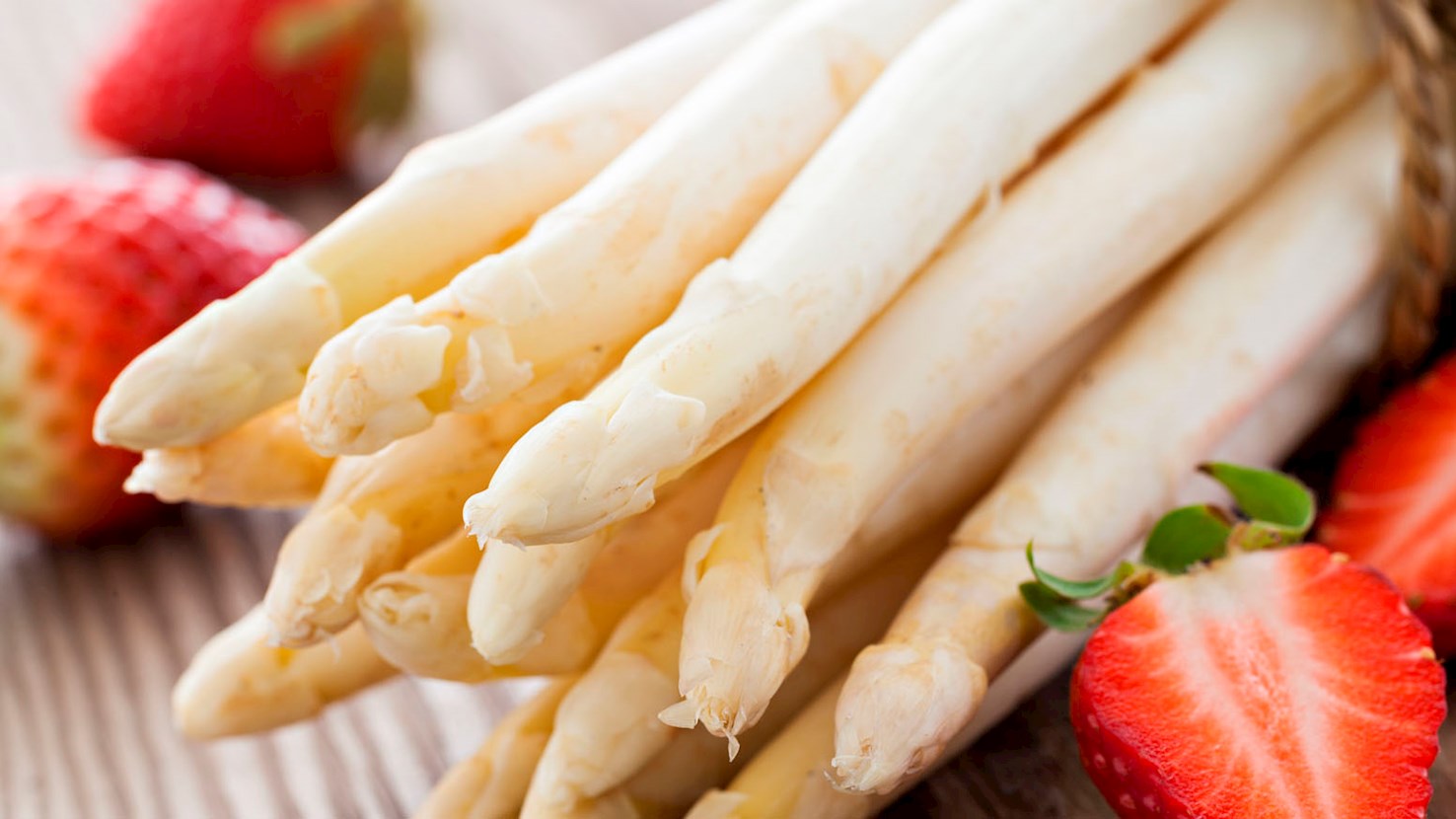
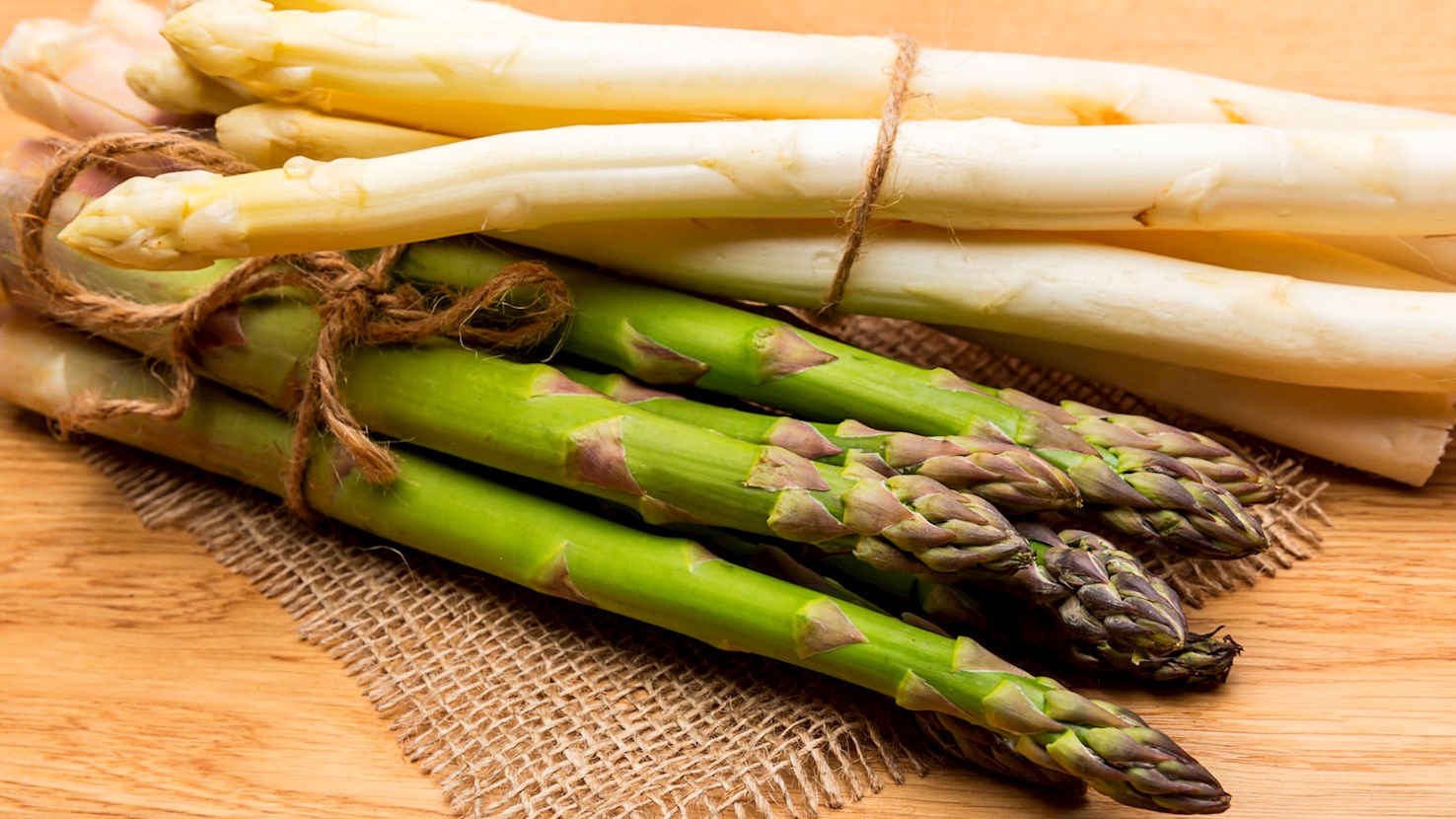
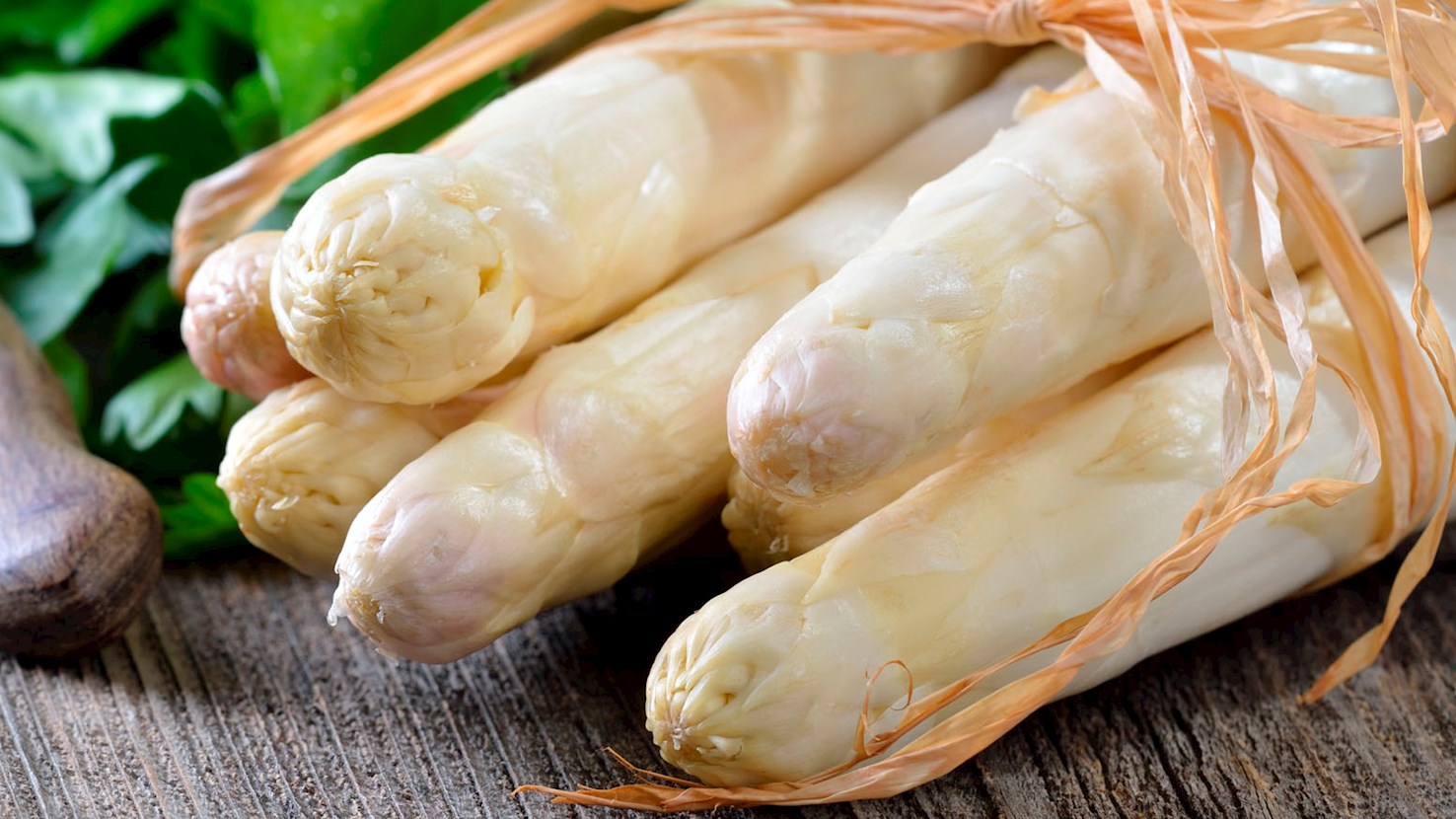
The precious white asparagus of Bassano is derived from the Chiaro di Bassano ecotype and grown in the Veneto's province of Vicenza where the plant thrives in the mild climate and sandy, well-drained soil along the Brenta river. The distinctive white color of Bassano asparagus is actually the result of an underground cultivation method which prevents photosynthesis of the plants. Asparago Bianco di Bassano has a long history of cultivation dating back to the 1500s when the documents of the Serene republic described it as a noble food offered to important guests at receptions and banquets. Their tenderness and delicate aroma make Bassano asparagus perfect for various risottos, soups, pasta dishes and salads.
08

Asparago di Badoere

n/a ·

Traditionally cultivated in the provinces of Padua, Treviso and Venice, the white and green asparagus of Badoere are available in following varieties: Eros, Dariana, Thielim, Zeno, Avalim and Grolim. While the white asparagus has a bittersweet flavor and a mild aroma of ripe wheat, the green ones have a pronounced fruity to herbal aroma and quite a strong, sweet flavor lacking the typical bitter aftertaste. Apart from its typical use in various risottos and pasta dishes, the freshly fragrant Asparago di Badoere is best enjoyed steam cooked and, combined with hard boiled eggs seasoned only with olive oil, salt and pepper, it makes for a wonderful salad.

09

Asparago Bianco di Cimadolmo

n/a ·

The white asparagus of Cimadolmo is traditionally grown in the Veneto's province of Treviso where is thrives in the humid climate of the Piave River valley. Amazingly tender, this asparagus is a great source of protein, it is rich in essential minerals and vitamins and has a particularly delicate flavor. Steam cooked, seasoned and drizzled with olive oil, Asparago Bianco di Cimadolmo makes for a delicious side dish, but it can also be enjoyed in a number of different risottos, pastas, and frittatas.

Read more
View all
View map
About this ranking

TasteAtlas food rankings are based on the ratings of the TasteAtlas audience, with a series of mechanisms that recognize real users and that ignore bot, nationalist or local patriotic ratings, and give additional value to the ratings of users that the system recognizes as knowledgeable. For the “Top 9 Venetian Vegetables” list until June 01, 2026, 97 ratings were recorded, of which 66 were recognized by the system as legitimate. TasteAtlas Rankings should not be seen as the final global conclusion about food. Their purpose is to promote excellent local foods, instill pride in traditional dishes, and arouse curiosity about dishes you haven’t tried.

Similar lists