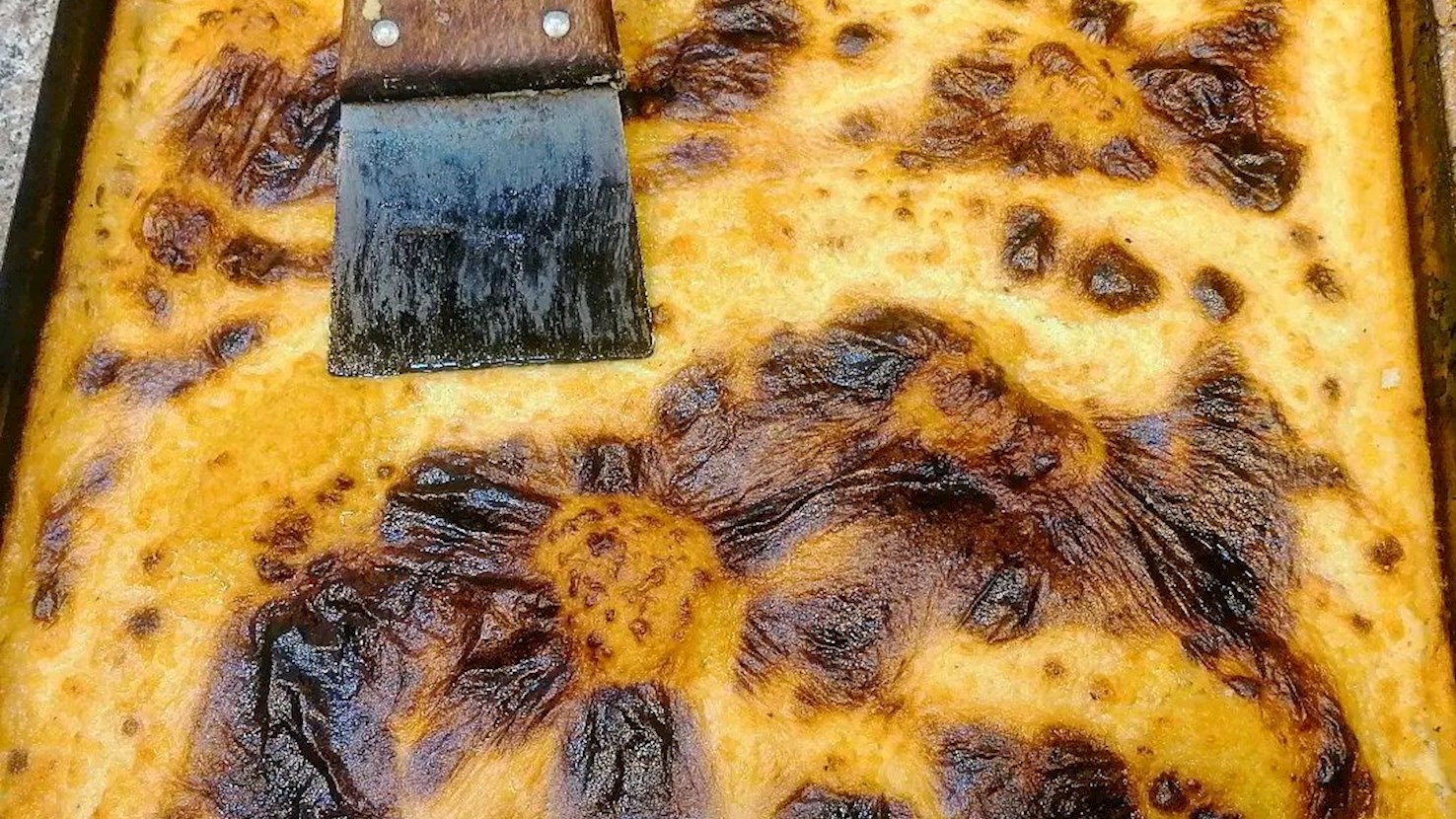
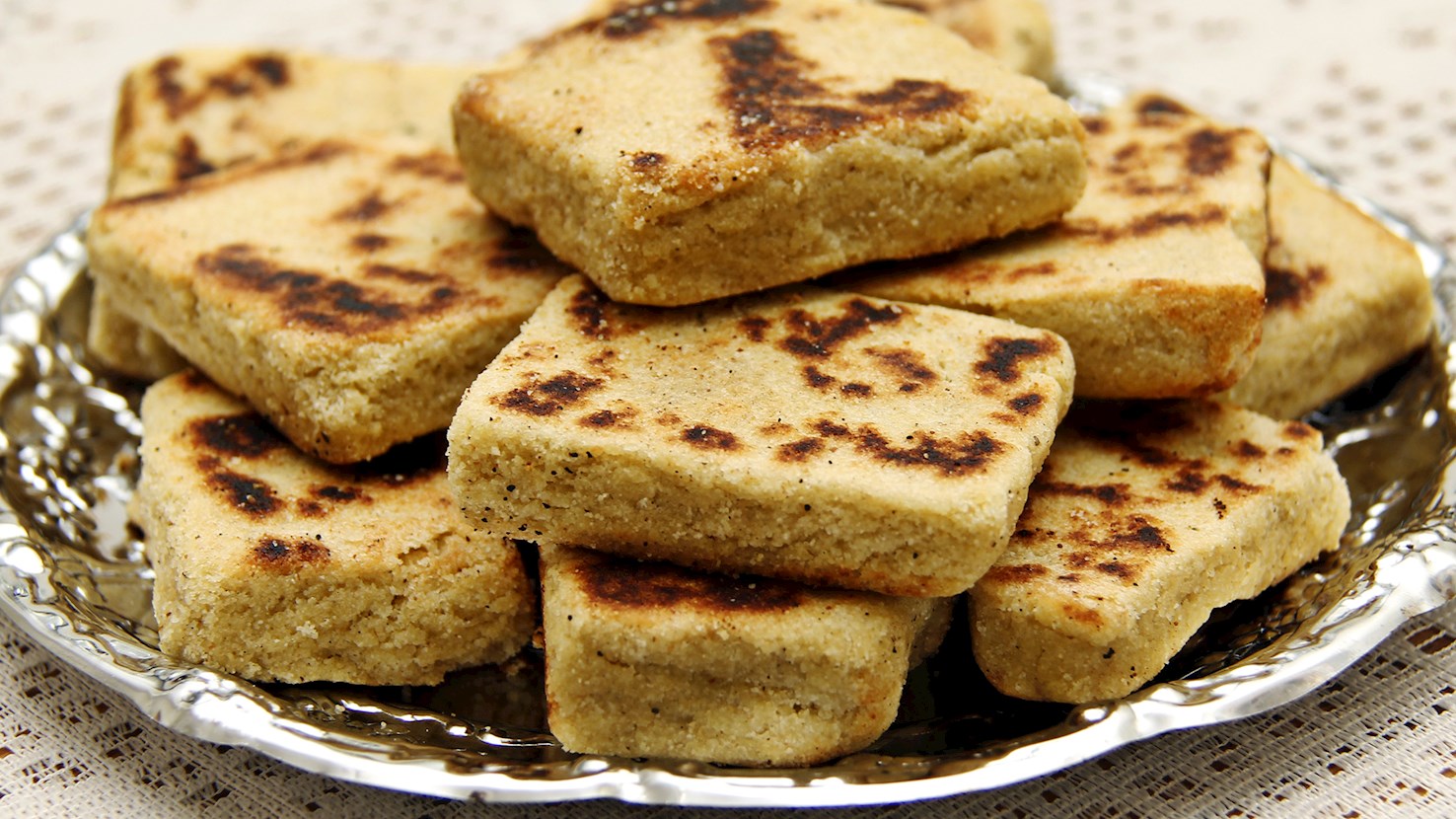
Known as karantika in Algiers and calienté in Morocco, this beloved traditional dish traces its origins back to Spanish influence during the colonial period, as its name is derived from the Spanish word calentita, which means "warm." Over time, what began as a humble, filling meal for the working class evolved into one of Algeria’s and Morocco's most cherished street foods, often enjoyed by people of all ages and backgrounds. The essence of the dish lies in its simplicity and rich, comforting flavor. It is made from a smooth batter of chickpea flour, water, oil, salt, pepper, and eggs, which is then baked until it develops a golden, slightly crisp crust on top while remaining creamy and custard-like inside. Some variations of the recipe include a pinch of cumin or a hint of chili to enhance its depth and warmth. When it comes out of the oven, the dish is traditionally cut into generous squares or wedges and often served tucked into a piece of crusty bread, making it perfect for eating on the go. It is common to find street vendors offering it with a dollop of harissa or a smear of mustard to add a spicy or tangy kick that beautifully complements its mild, nutty flavor. Part of what makes karantika or calienté so beloved is its versatility: it can be enjoyed as a snack, a light lunch, or even a comforting dinner.
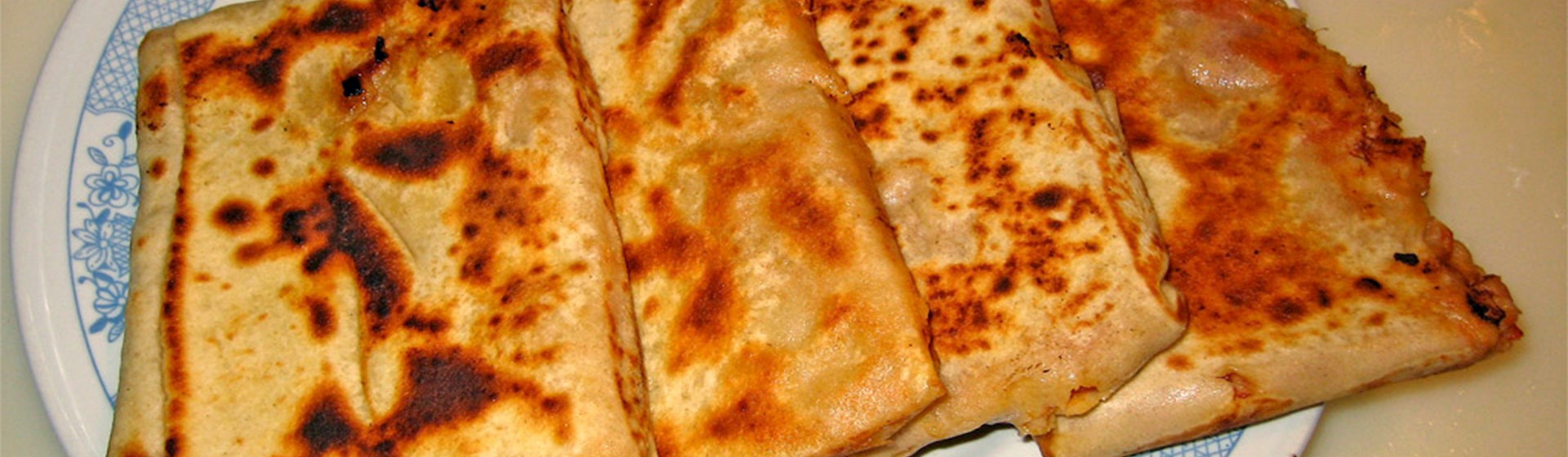
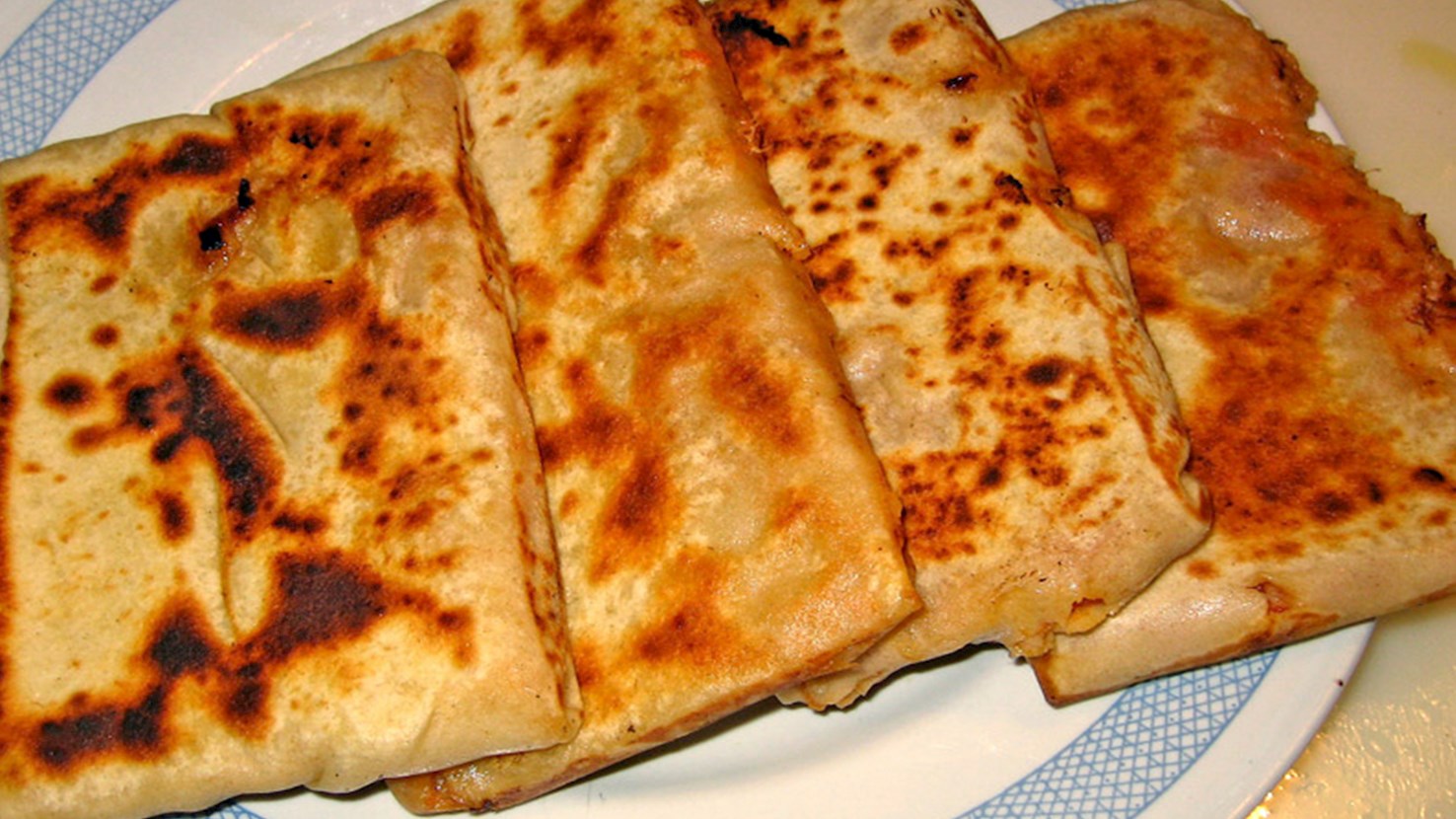
Mahjouba is a traditional flatbread that is one of the most popular street food items in the country. These thick and flaky crepe-like flatbreads are made with semolina, then filled with a combination of tomatoes and caramelized onions. Mahjouba is often paired with harissa sauce on the side, but the condiment is completely optional.
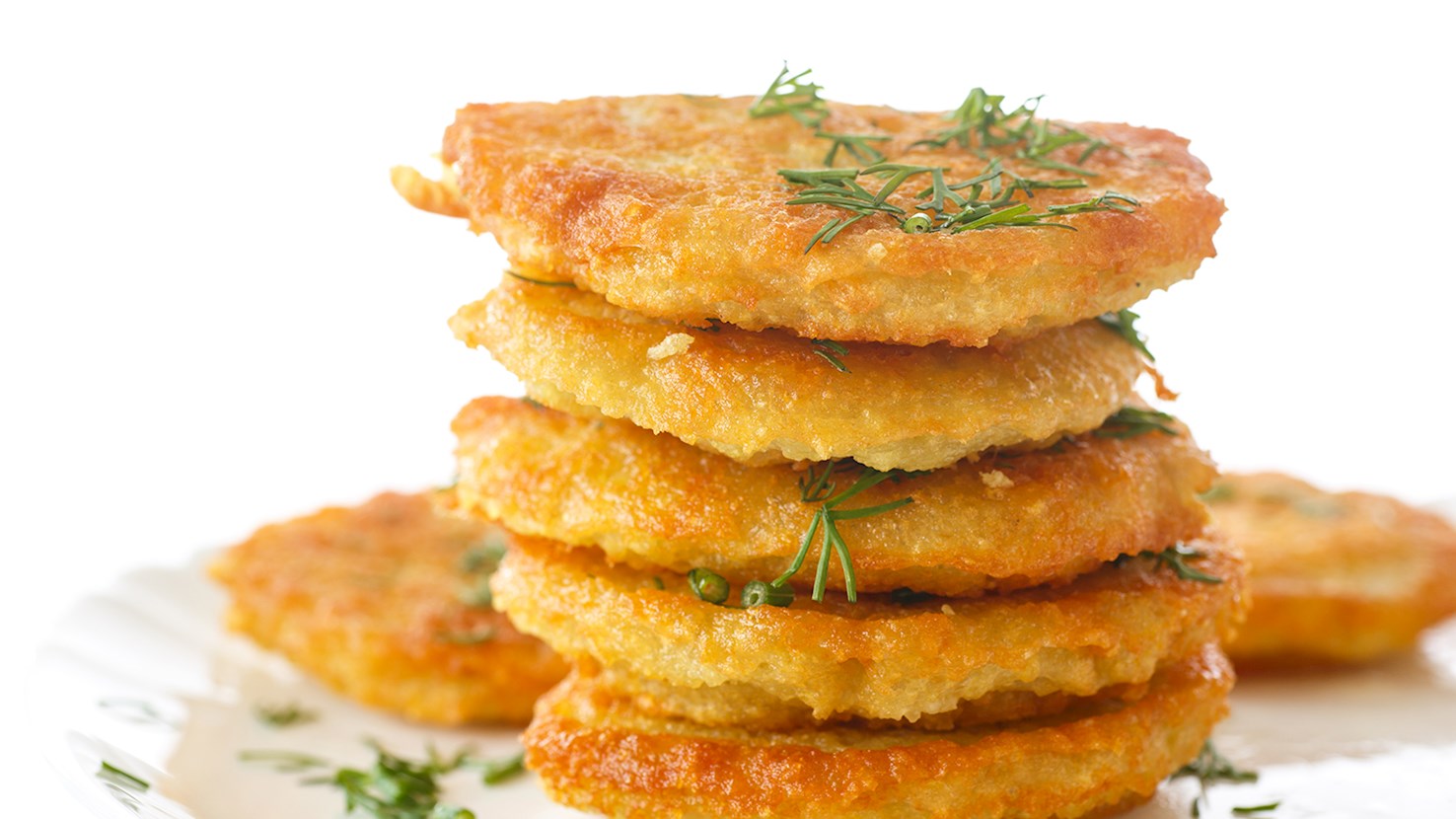
Maakouda are traditional potato fritters that are popular throughout the Maghreb, especially in Morocco, Algeria, and Tunisia. The fritters are usually prepared plain, but they can also be stuffed with meat, tuna, or cheese, although not that often. They're made with potatoes, parsley, garlic, flour, salt, and pepper. The potatoes are boiled, mashed, and mixed with other ingredients into small disks which are then deep-fried in hot oil until golden brown. Maakouda is traditionally served as an appetizer, a side dish, or an ingredient in a long sandwich roll that's usually sold as street food and served with harissa, coriander, and lemon juice. The fritters are especially popular during the month of Ramadan.
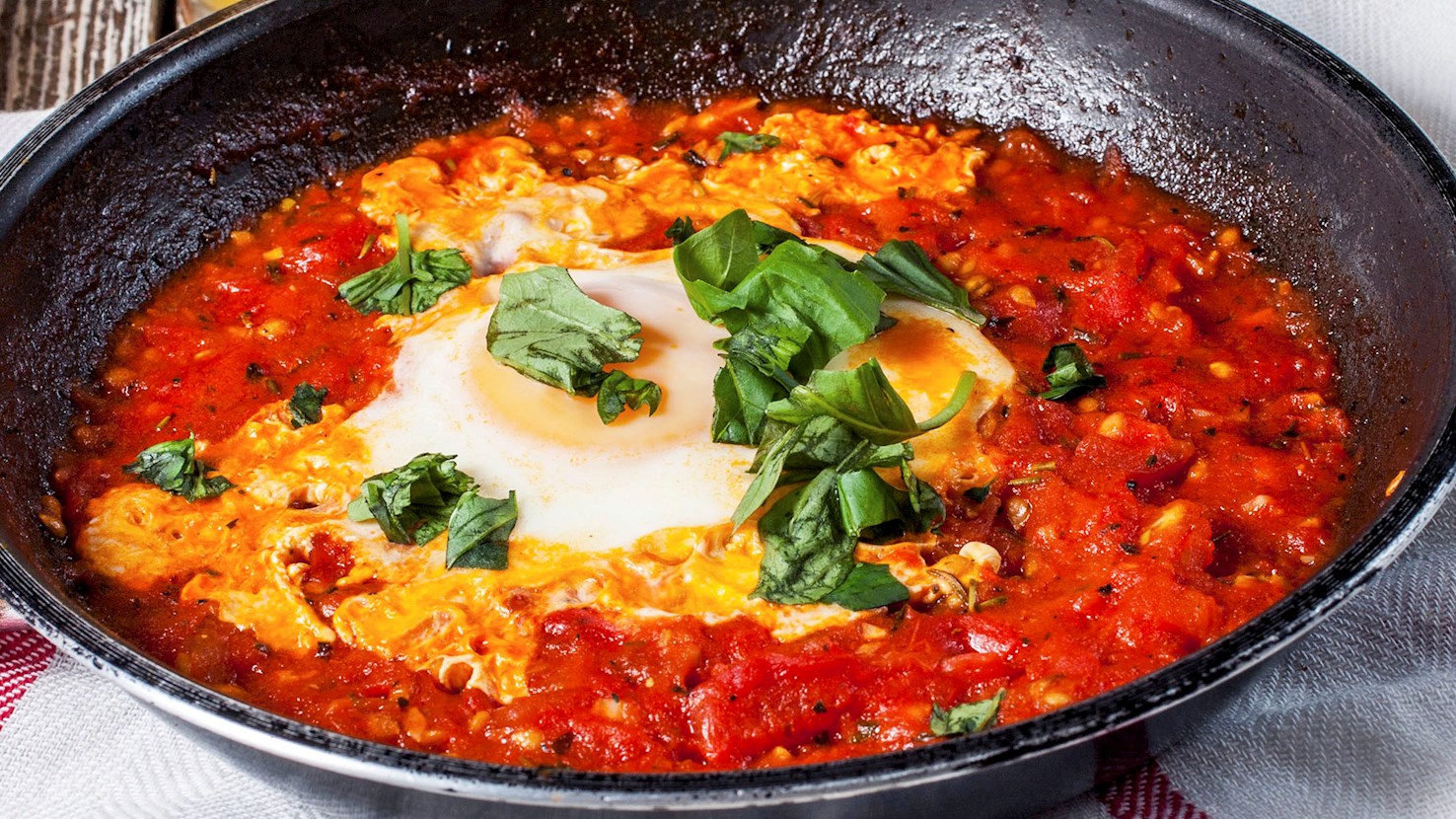
Shakshouka is a delicious combination of eggs poached in a spicy tomato sauce. Although it has an unusual name, the dish is straightforward and easy to make. It is usually made in a skillet in which onions, tomatoes, and spices are cooked until they form a delicious tomato sauce. Eggs are then added directly to the tomato sauce and poached until done. Merguez sausage can also be added to the dish. It is believed that shakshouka originated in Tunisia, but the dish is well-known and commonly eaten throughout North Africa and the Middle East as well. Almost every region has formed their distinctive variety of shakshouka: in Egypt, eggs are usually scrambled and served in a sandwich, and in Israel it is often served with salty feta cheese on top. The consistency of the sauce and eggs is also variable – the sauce can be thinner or thicker, while the eggs can be completely firm or soft. For a more nutritious meal, meat, most commonly sausages, can be included in the dish. Shakshouka is suitable for any meal of the day and is usually served warm or sizzling hot, with bread on the side. Because it is budget-friendly, simple, and easy to prepare, the dish has recently gained popularity both in Europe and North America.
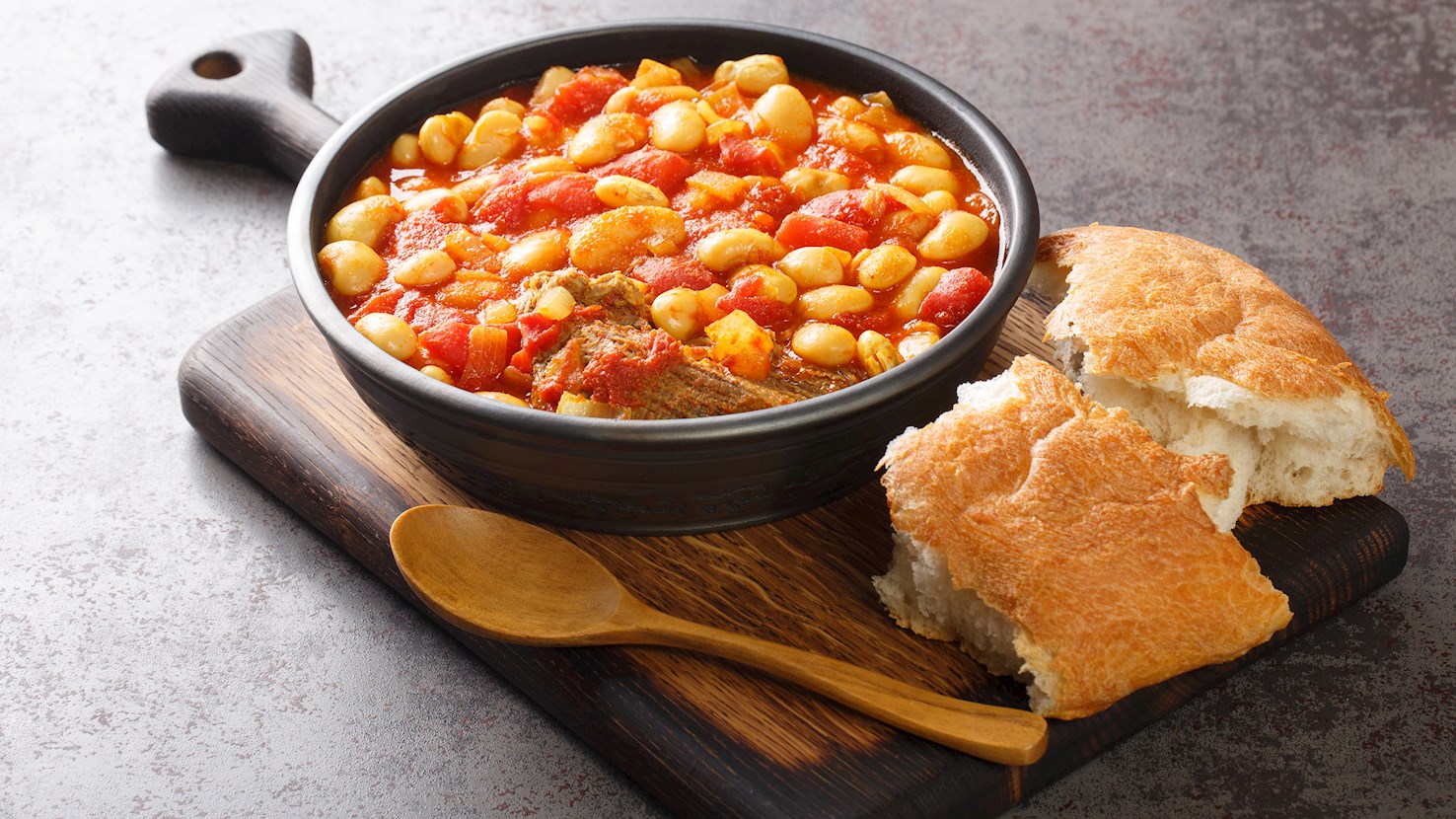
Loubia is a traditional North African dish consisting of stewed white beans. This dish is very popular in Moroccan, Tunisian, Algerian, and Libyan homes, where the beans that have been simmered in a zesty tomato-based sauce are typically scooped up with homemade flatbread. It is comfort food that can be served both as an appetizer, garnished with some coriander or parsley, and as a side dish - especially when used as an accompaniment to fried fish. Simple, quick, and delicious - it is unsurprising that loubia is commonly found in homes throughout Maghreb region.
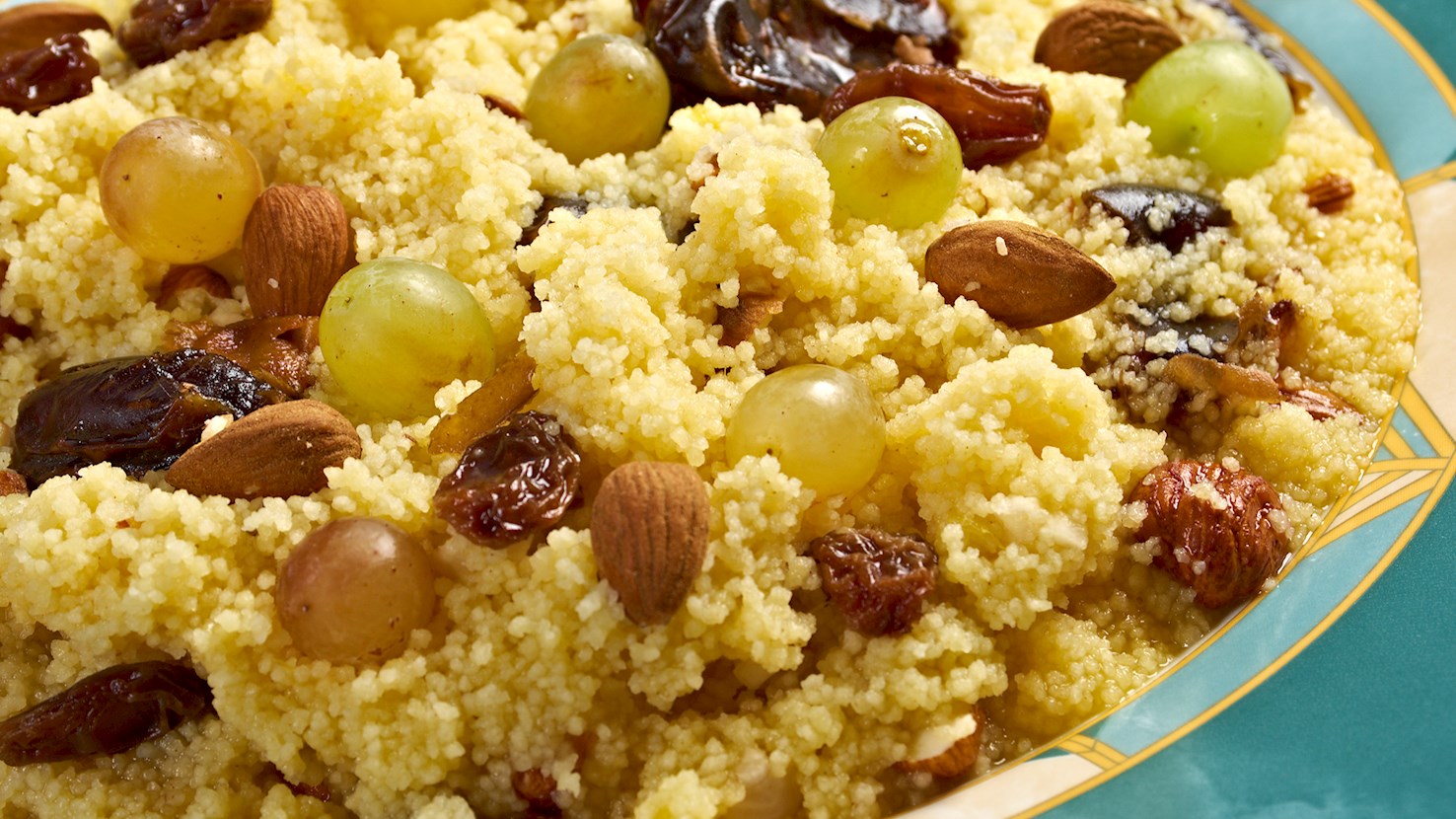
Mesfouf refers to a dish where the main ingredient is a version of couscous made with finely ground semolina and butter. The dish can then be made in sweet or savory versions, depending on the additional ingredients. This flavorful side dish originates from Algeria and Tunisia, but it is consumed throughout Maghreb, a region in northwest Africa.
Mbesses is an Algerian sweet cake that is made with a combination of semolina or farina and eggs as the key ingredients. Apart from those, this cake consists of milk, yeast, sugar, honey, butter, and just a pinch of salt. It is typically garnished with pistachios and almonds, then drizzled with a sweet syrup made with sugar, honey, water, orange juice, and rose essence. It is recommended to wait one hour after the cake has been baked, and then serve it.
Dobara is a spicy bean dish made with chickpeas, fava beans, and chili, originating from the city of Biskra in southeastern Algeria. It is regarded as one of the region’s signature foods, combining legumes with bold spices and olive oil to create a meal that is filling, affordable, and deeply rooted in local food culture. Its origins lie in the widespread reliance on legumes in Algerian cuisine, particularly in areas where beans provided a vital source of nourishment when meat was scarce. Over time, cooks in Biskra transformed these simple ingredients into a fiery specialty that became both a symbol of hospitality and a staple of daily meals. The preparation of dobara begins with soaking and boiling chickpeas or fava beans until tender, then layering them with a sauce made from garlic, tomatoes, chili, cumin, and olive oil. The dish is rustic in character, with beans left whole or lightly mashed rather than pureed. Garnishes often include chopped parsley, boiled eggs, or a drizzle of harissa, while bread is always served alongside for scooping. Variations appear from household to household, with some versions emphasizing more chili for added heat, and others highlighting the richness of olive oil. Today, dobara is eaten throughout Algeria but is most strongly tied to Biskra, where it is offered to visitors as a gesture of welcome and enjoyed by locals in homes, restaurants, and street stalls, especially during the colder months.
TasteAtlas food rankings are based on the ratings of the TasteAtlas audience, with a series of mechanisms that recognize real users and that ignore bot,
nationalist or local patriotic ratings, and give additional value to the ratings of users that the system recognizes as knowledgeable.
For the “Top 8 Algerian Vegetarian Dishes” list until August 15, 2026, 3,091 ratings were recorded, of which 798 were recognized by the system as legitimate.
TasteAtlas Rankings should not be seen as the final global conclusion about food. Their purpose is to promote excellent local foods,
instill pride in traditional dishes, and arouse curiosity about dishes you haven’t tried.




What People Say