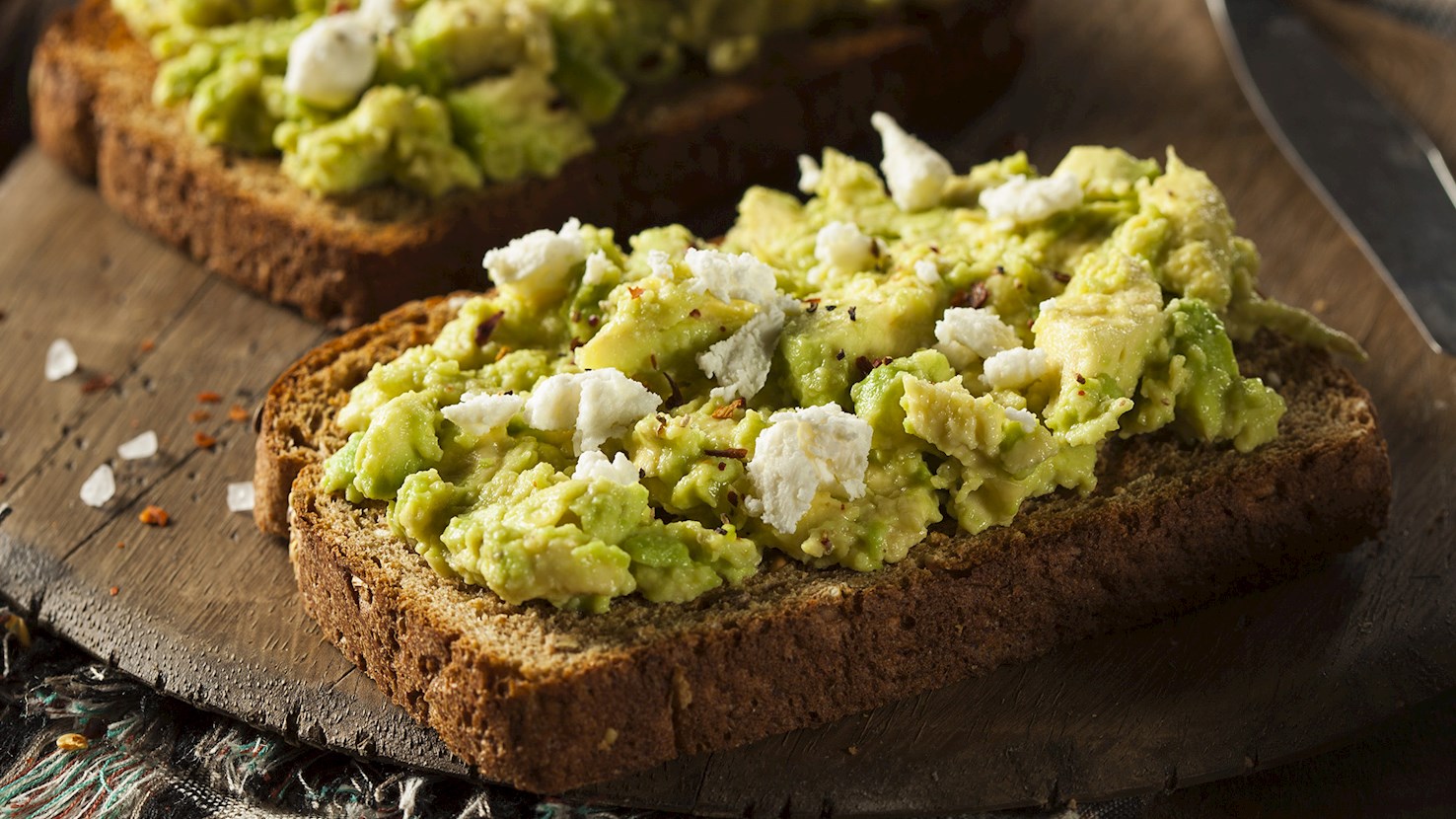
Avocado toast is a dish consisting of a piece of toasted bread topped with a combination of mashed avocados, salt, pepper, and (sometimes) citrus juice. There are many varieties of this dish, so it can be enriched with ingredients such as salmon, tomatoes, onions, eggs, garlic, cheese, olive oil, or red pepper flakes. Although the dish is quite simple and straightforward, the location of its origin is not – some claim that it is an Australian invention, while others proclaim that Los Angeles is the place where it was born. Regardless of its origin, avocado toast started its modern-day revival on Instagram, and it has been trending across the globe ever since.
Kaima bona gatoi is a savory vegetable dish from Papua New Guinea. It is usually served as an accompaniment to barbecued meat and fish. The dish is prepared by grilling eggplants, zucchini, hot peppers, and onions. Before grilling, the vegetables should be marinated in a combination of vinegar, olive oil, herbs, and garlic.
Pado'lalo' is a Chamorro dish made with an unusual combination of ingredients. It consists of grilled eggplants, chopped green onions, local hot peppers, lemon juice, and coconut milk. The dish is suitable for vegetarians and is typically seasoned only with salt. It is recommended to serve it chilled with other festive Chamorro dishes.
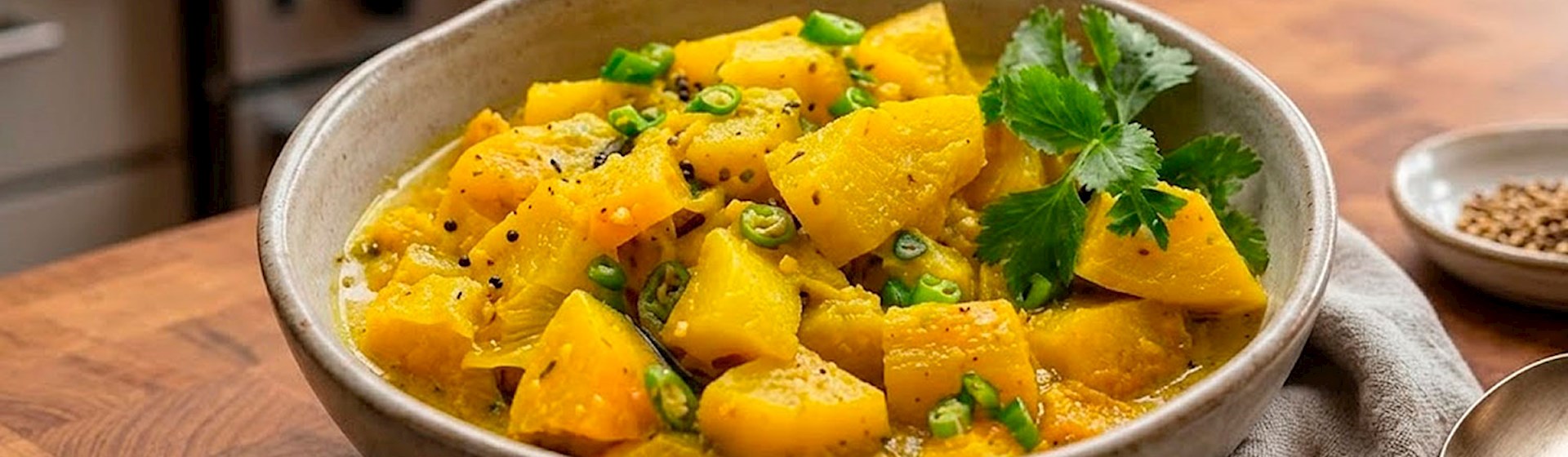
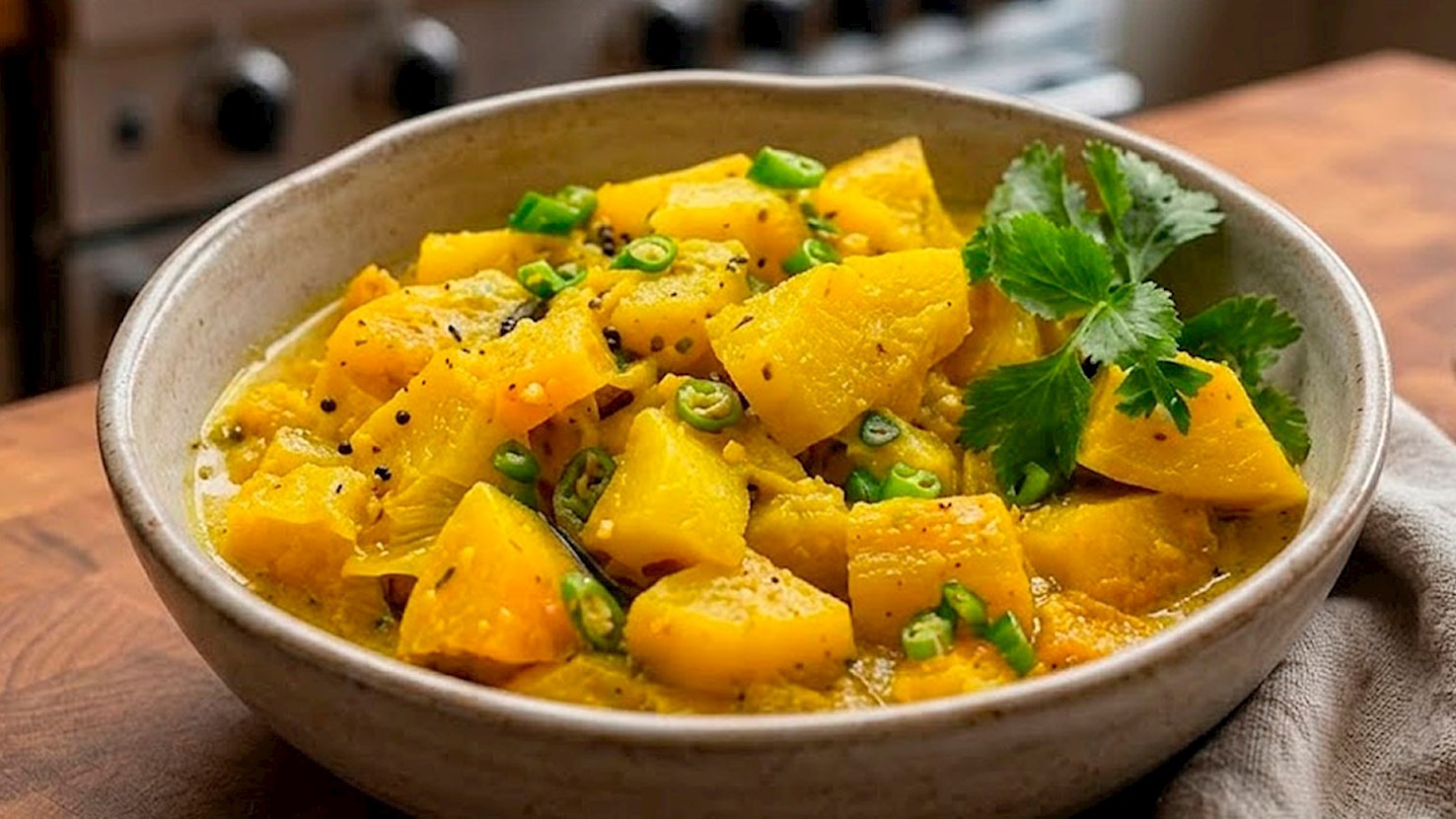
This curry variety is made with the mild and firm flesh of unripe green papayas that are abundant in the Solomon Islands. The papayas are combined with coconut milk, curry powder, onions, and garlic, then simmered until the papaya cubes are tender. It is recommended to serve the dish hot over white rice.
This Chamorro dish consists of taro leaves that are combined with coconut cream. Coconut cream is produced by squeezing grated coconut flesh in water. The dish is typically flavored with turmeric and lemon juice. Gollai hågon suni is a popular festive dish due to its bold flavors which pair nicely with bland or mildly-flavored fish dishes.
Takihi is a baked dish from Niue in the South Pacific, made from thinly sliced taro and ripe papaya layered with coconut cream and cooked until the taro softens and the papaya breaks down into a lightly sweet sauce. It is recognized as one of Niue’s key local foods and appears at community gatherings, home kitchens, and cultural events. The dish reflects the island’s reliance on root crops, coconut, and tropical fruit, which have long been central to daily cooking. Its development is closely connected to the availability of taro varieties grown on Niue’s limestone-rich soil and the year-round presence of papaya, both of which were prepared in numerous forms before being combined into a single layered preparation that bakes evenly and holds together when sliced. Preparation begins with peeling the taro and slicing it into thin, even pieces so it cooks uniformly. Ripe papaya is peeled, seeded, and sliced into pieces of similar thickness. A baking dish, often lined with banana leaves on the island, is filled with alternating layers of taro and papaya. Coconut cream is poured over each layer, and a small amount of salt is added to balance the natural sweetness of the fruit. The dish is baked until the taro becomes tender and the papaya forms a soft, cohesive layer that blends slightly into the coconut cream. Some versions include a final pour of thickened coconut cream near the end of cooking to create a glossy surface. One element that distinguishes takihi is its reliance on papaya as a cooked ingredient rather than a raw fruit, creating a texture that functions almost like a sauce around the taro. Takihi is eaten throughout Niue during communal meals, celebrations, and family events, and it is often served in rectangular slices that hold their shape on a plate. It pairs well with baked fish, grilled meats, coconut-based dishes, and leafy greens prepared with light seasoning. Beverage pairings include coconut water, mild fruit juices, or tea, which complement the natural sweetness of the dish without overpowering its flavors.
Lechen biringhenas is a traditional Chamorro dish consisting of eggplants in coconut cream. The dish is typically seasoned with local hot peppers and lemon juice. Coconut cream is made by squeezing grated coconut flesh in water, which is then combined with the eggplants. The skin should be stripped off the eggplants, and then each eggplant is mashed and layered with coconut cream. Since this is a vegetable dish, in Guam it is usually consumed after the meat dishes.
This Fijian-style curry usually incorporates potatoes, eggplant, and black-eyed peas that are slowly simmered in a thick, spicy sauce. The dish is seasoned with cumin, turmeric, garam masala, chilies, and curry, and is typically garnished with freshly chopped coriander. Mainly enjoyed in Fiji-Indian households, this hearty curry is typically served with roti bread on the side.
TasteAtlas food rankings are based on the ratings of the TasteAtlas audience, with a series of mechanisms that recognize real users and that ignore bot,
nationalist or local patriotic ratings, and give additional value to the ratings of users that the system recognizes as knowledgeable.
For the “Top 8 Oceanian Vegetarian Dishes” list until June 15, 2026, 540 ratings were recorded, of which 501 were recognized by the system as legitimate.
TasteAtlas Rankings should not be seen as the final global conclusion about food. Their purpose is to promote excellent local foods,
instill pride in traditional dishes, and arouse curiosity about dishes you haven’t tried.