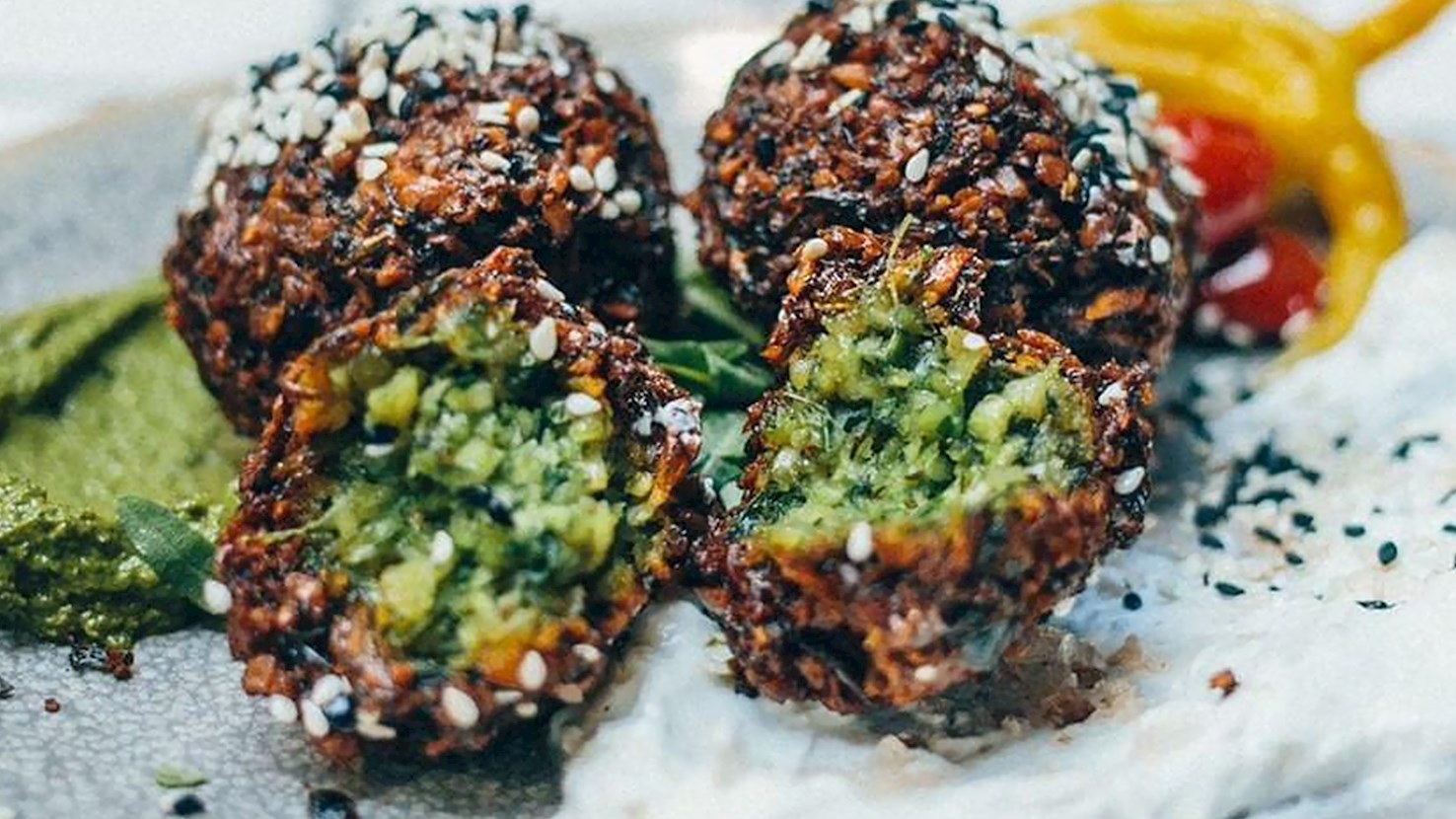
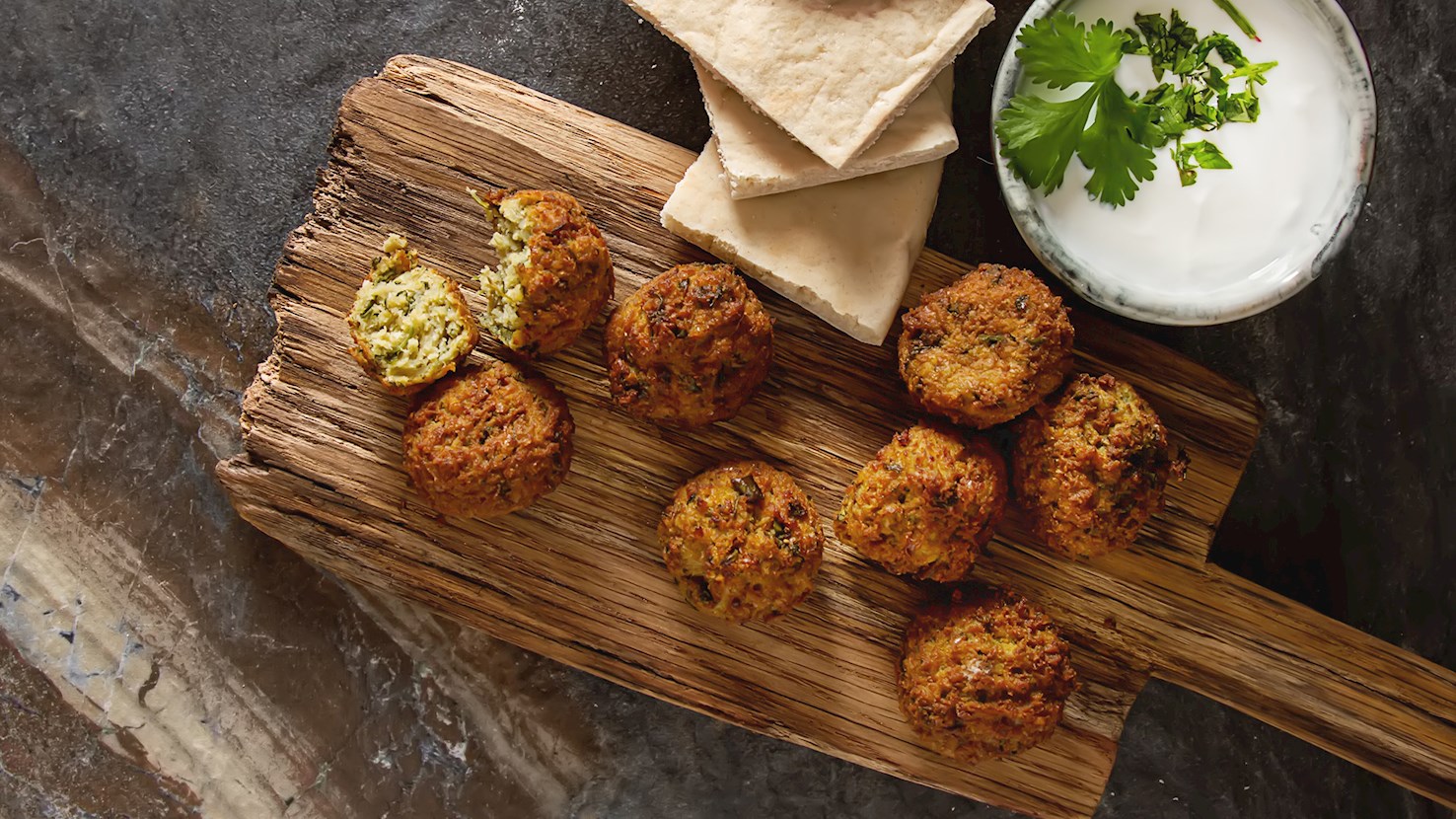
Often touted as the original version of falafels, taameya is an Egyptian variety of the Middle Eastern fritter that calls for fava beans instead of chickpeas. While the exact origin of falafel is debatable, most scholars and food historians agree that taameya has its roots in the Egyptian cuisine. The fava bean mixture is typically flavored with leeks, onions, fresh coriander, parsley, and cumin, and the fritters are usually coated with sesame seeds before frying. Taameya are known for having a lighter, fluffier, and moister texture than other falafel varieties thanks to the use of fava beans. Although they are eaten year-round and are a common street food fare in Egypt, taameya fritters are especially popular during Ramadan. They’re commonly stuffed in warm pita bread sandwiches and paired with accompaniments such as fresh or pickled vegetables, fried eggplants, minty yogurt sauces, hummus dip, and tahini dip.
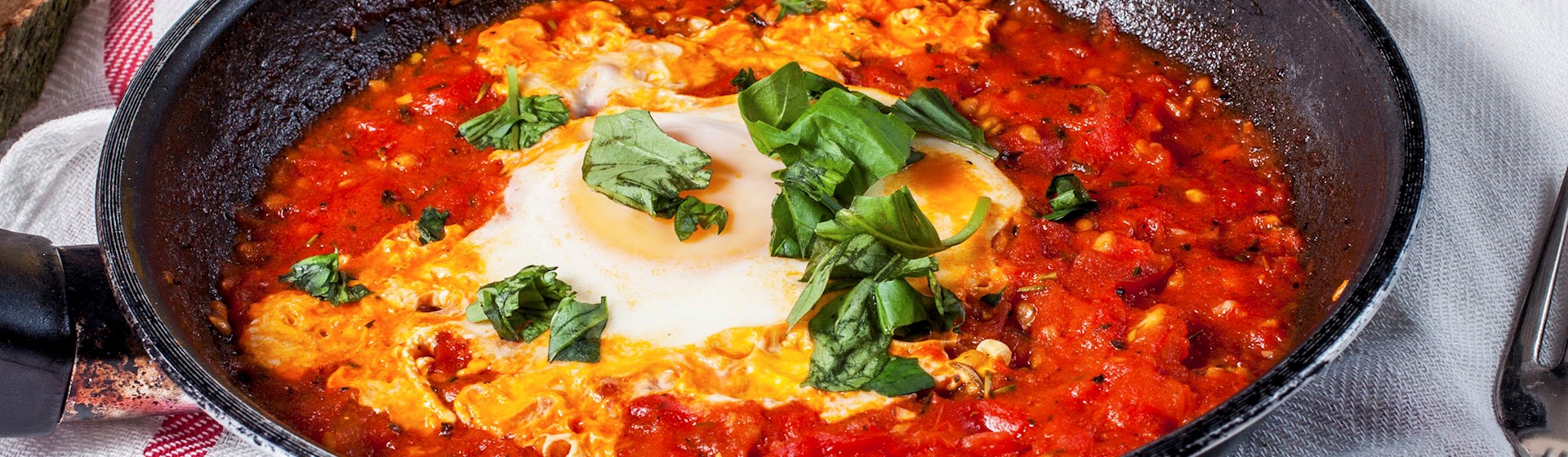
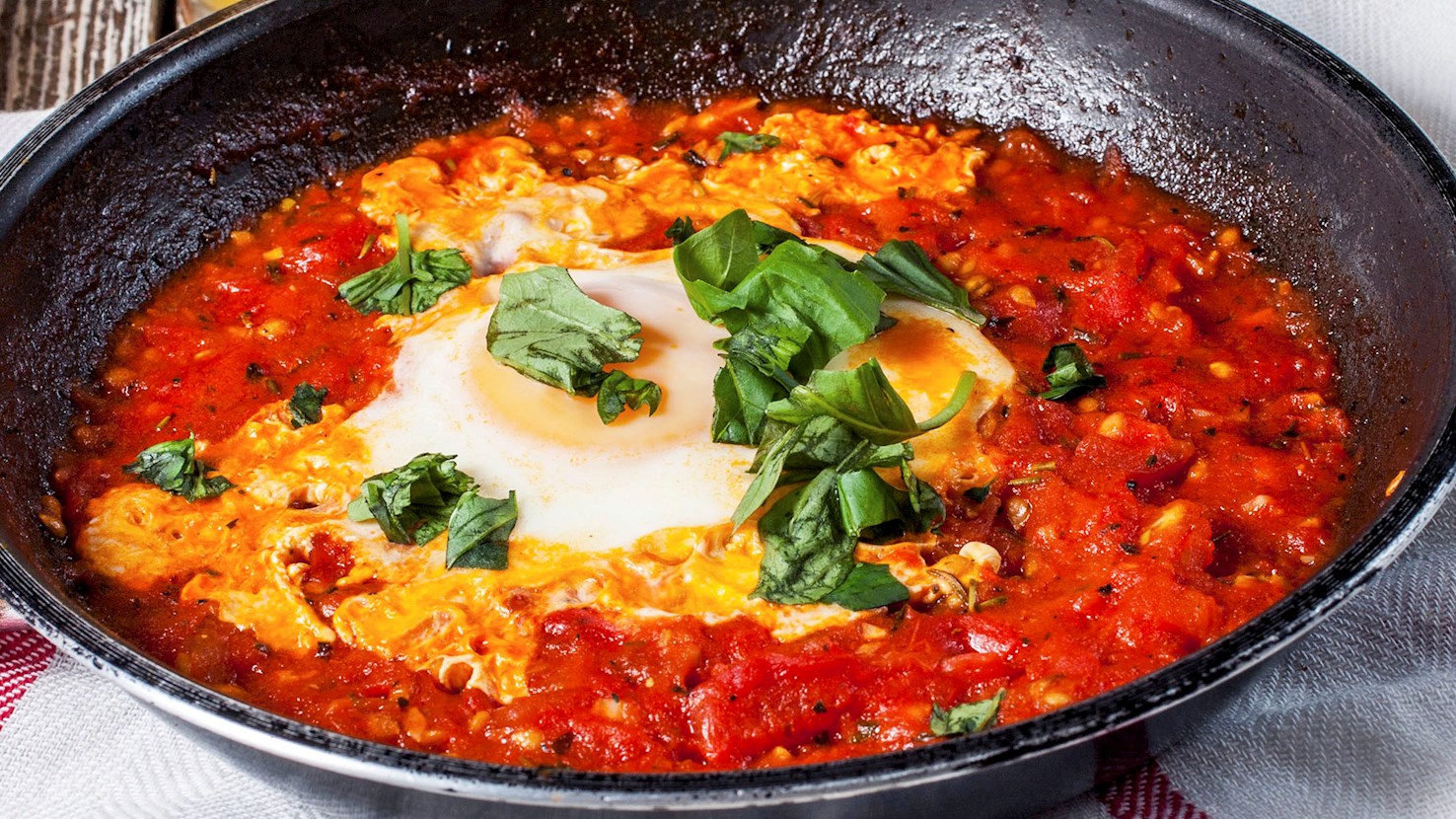
Shakshouka is a delicious combination of eggs poached in a spicy tomato sauce. Although it has an unusual name, the dish is straightforward and easy to make. It is usually made in a skillet in which onions, tomatoes, and spices are cooked until they form a delicious tomato sauce. Eggs are then added directly to the tomato sauce and poached until done. Merguez sausage can also be added to the dish. It is believed that shakshouka originated in Tunisia, but the dish is well-known and commonly eaten throughout North Africa and the Middle East as well. Almost every region has formed their distinctive variety of shakshouka: in Egypt, eggs are usually scrambled and served in a sandwich, and in Israel it is often served with salty feta cheese on top. The consistency of the sauce and eggs is also variable – the sauce can be thinner or thicker, while the eggs can be completely firm or soft. For a more nutritious meal, meat, most commonly sausages, can be included in the dish. Shakshouka is suitable for any meal of the day and is usually served warm or sizzling hot, with bread on the side. Because it is budget-friendly, simple, and easy to prepare, the dish has recently gained popularity both in Europe and North America.
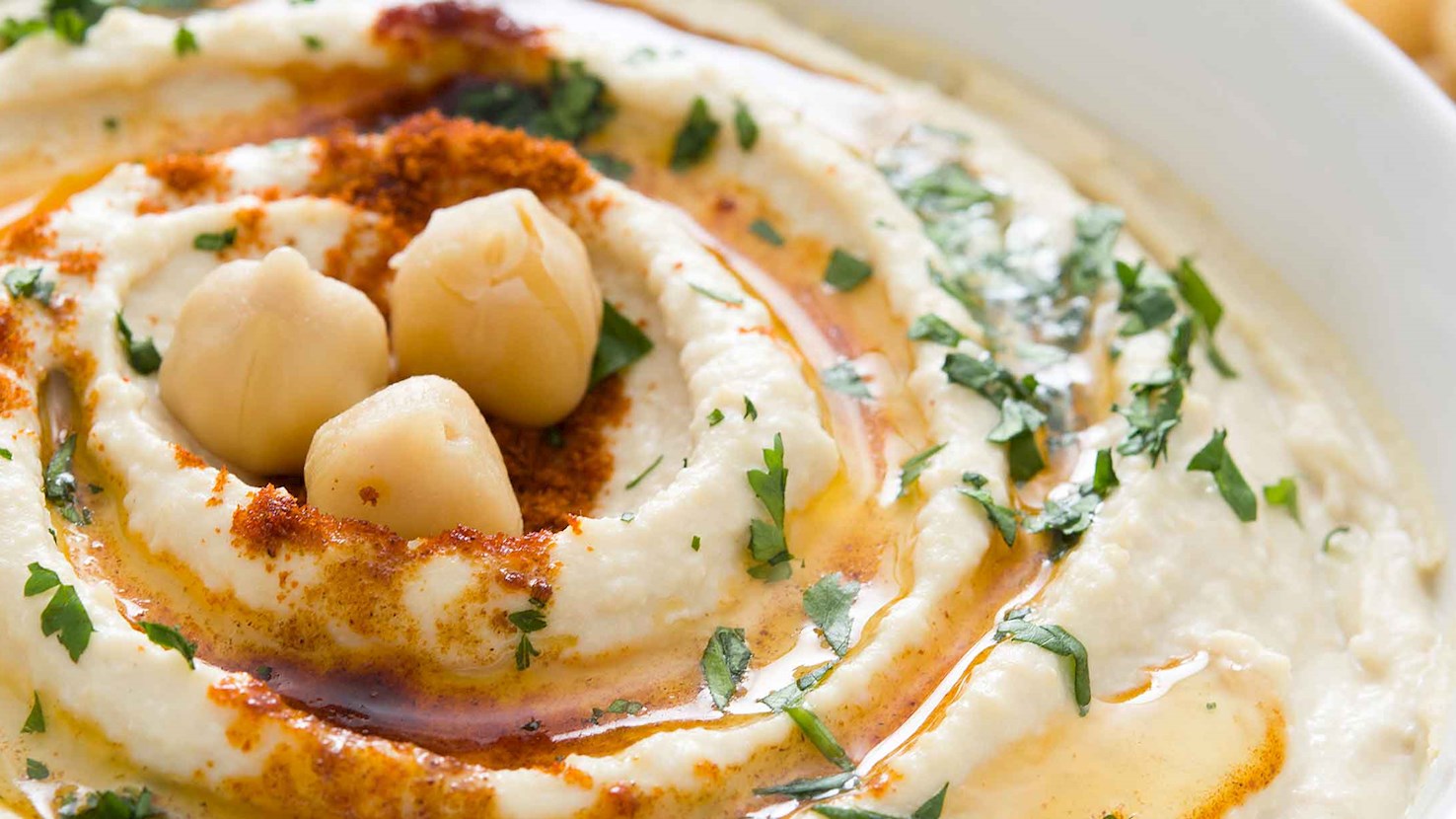
Hummus is a creamy dip made primarily from cooked and mashed chickpeas blended with tahini, olive oil, lemon juice, and garlic. It originates from the Middle East, where it has been a dietary staple for centuries, especially in countries like Lebanon, Palestine, Israel, Syria, and Jordan. Hummus’s roots can be traced back to ancient times (earliest mention of hummus dates back to 13th-century Egypt), when legumes and seeds were common sources of nutrition in the Levant. Over time, the combination of chickpeas and tahini evolved into a dish that balances earthy, nutty, and tangy flavors. While recipes vary slightly across regions, the core ingredients remain consistent, emphasizing freshness and quality. The smooth texture and rich taste make hummus both versatile and widely appealing, able to serve as a simple snack or a complement to more elaborate meals. Preparation involves soaking and cooking dried chickpeas until tender, then blending them with tahini paste, freshly squeezed lemon juice, crushed garlic, and extra virgin olive oil to create a velvety consistency. Salt is added to enhance the flavors, and the mixture is often garnished with a drizzle of olive oil, a sprinkle of paprika or sumac, and sometimes fresh herbs or whole chickpeas. Hummus can be served chilled or at room temperature, paired with pita bread, vegetables, or as part of a larger mezze platter. Hummus enjoys widespread popularity not only in the Middle East but globally, embraced as a healthy and flavorful dish. It is commonly found in homes, restaurants, and markets, representing both everyday nourishment and a dish for social gatherings.
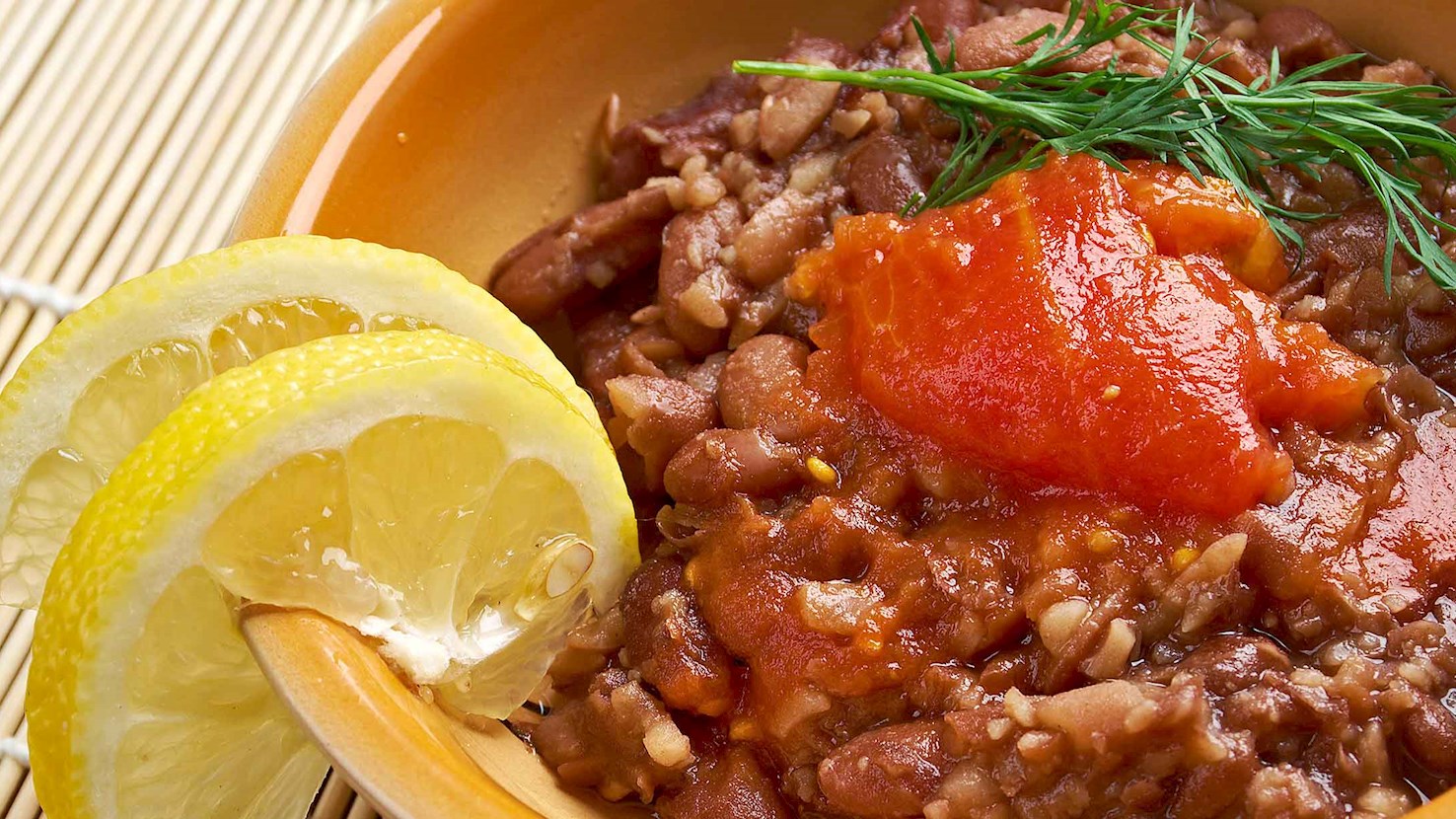
Ful medames is an ancient, pre-Ottoman and pre-Islamic national dish of Egypt, a traditional breakfast food consisting of slowly simmered fava beans seasoned with a squeeze of lemon juice, olive oil, garlic, and selected spices. Some remnants of the dish were found in the 12th Dynasty Pharaonic tombs in Egypt, and any food that has been found in an ancient tomb must have been a wildly popular culinary treat. Because it is a breakfast food that is also good for breaking the fasting, the dish is extremely popular during Ramadan. Although it's an Egyptian dish, it is also prepared throughout North Africa and the Middle East. Ful medames is a staple of the Egyptian diet, so much that the price of beans is regulated by the government in order to ensure that they are affordable to the poorest citizens. The creamy, earthy stew is usually spiced with the addition of chilis and cayenne pepper. It is recommended to prepare it a day in advance because the beans need to be soaked and cooked overnight. When eaten, the hearty stew is traditionally served out of big metal jugs, and once on the plate, it is often mopped up with pieces of fresh pita bread and topped with pickled beets, parsley, onions, tomatoes, and cumin. Filling, savory, nutritious, and easy to prepare, ful medames is a literal blast from the past.
Falafel is a deep-fried food made from ground legumes, most commonly chickpeas or fava beans, and is widely eaten across the Middle East and North Africa. It is shaped into balls or patties and seasoned with herbs, onions, and spices such as cumin, coriander, and garlic. Falafel is recognized as one of the most characteristic foods of Levantine and Egyptian cuisines, commonly served in pita bread or flatbreads with salads, pickles, and tahini-based sauces. Its presence extends beyond the Middle East, having become a common street food and vegetarian option in many parts of the world. Falafel is believed to have originated in Egypt, where it was first made from fava beans and known as ta’amiya. The dish spread north through trade and migration, especially during the 20th century, and chickpeas became the preferred ingredient in Levantine regions such as Lebanon, Syria, and Palestine. Its popularity grew because it was inexpensive, nutritious, and could be prepared in large quantities, making it suitable for both home and commercial cooking. Over time, regional variations developed, with differences in texture, spice levels, and serving style. In Egypt, falafel tends to be greener and softer, while in the Levant, chickpea-based versions are denser and crispier. Preparation begins by soaking dried chickpeas or fava beans overnight, then draining and grinding them with onions, garlic, fresh herbs like parsley or cilantro, and spices. The mixture is formed into small balls or disks, often with a pinch of baking soda to ensure lightness. They are deep-fried in hot oil until golden brown and crisp on the outside while remaining moist inside. The cooking process requires precise oil temperature to achieve the right balance of texture and color without excessive oil absorption. In modern kitchens, falafel may also be baked or air-fried, though frying remains the most common method. It is served in many ways, most often in pita or laffa bread with lettuce, tomato, cucumber, pickled vegetables, tahini sauce, and sometimes hummus or yogurt sauce. In Egypt, it is commonly eaten at breakfast, while in the Levant, it is served throughout the day as a snack or meal. The dish is particularly popular among vegetarians and vegans, as it provides a high-protein option free from animal products. Falafel pairs well with beverages that balance its fried texture and spices, such as mint tea, lemonade, or yogurt drinks like ayran or laban. In Middle Eastern eateries, it is often accompanied by fries, tabbouleh, or baba ghanoush, forming part of a broader mezze spread. Across different regions, falafel maintains its core identity as a flavorful, plant-based dish prepared with skill and precision, reflecting the regional diversity and shared culinary heritage of the Middle East.
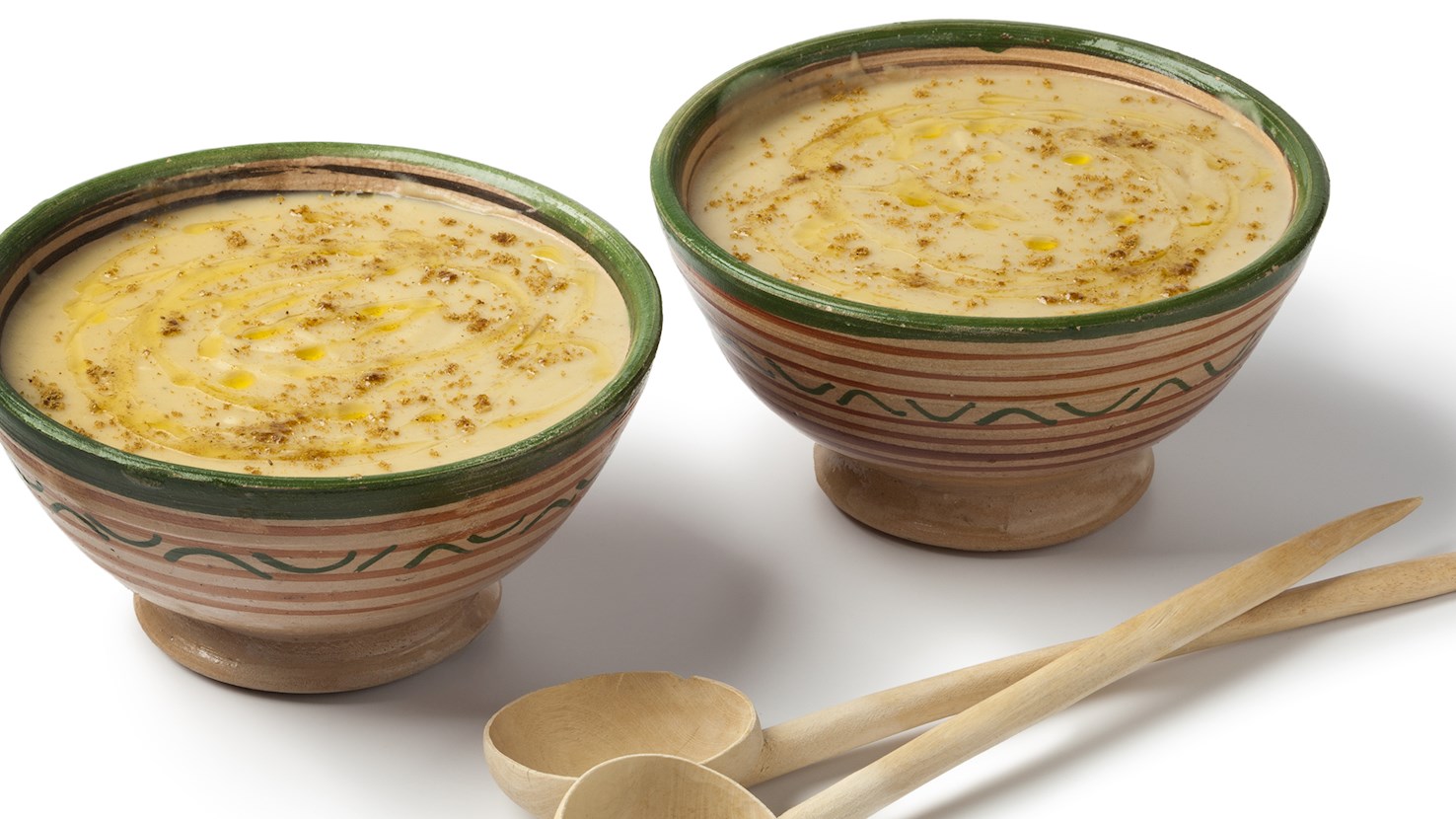
Bissara is a comforting Egyptian and Moroccan dish made with puréed beans – either split peas or dried fava beans. It can be prepared in the form of a soup or porridge, while the thicker versions are commonly used as a dip. The puréed beans are typically seasoned with olive oil, lemon juice, and garlic, and the dish is often served with paprika and cumin on the side, while crusty bread is almost mandatory. Bissara is traditionally served for breakfast, and it is especially popular during winter.
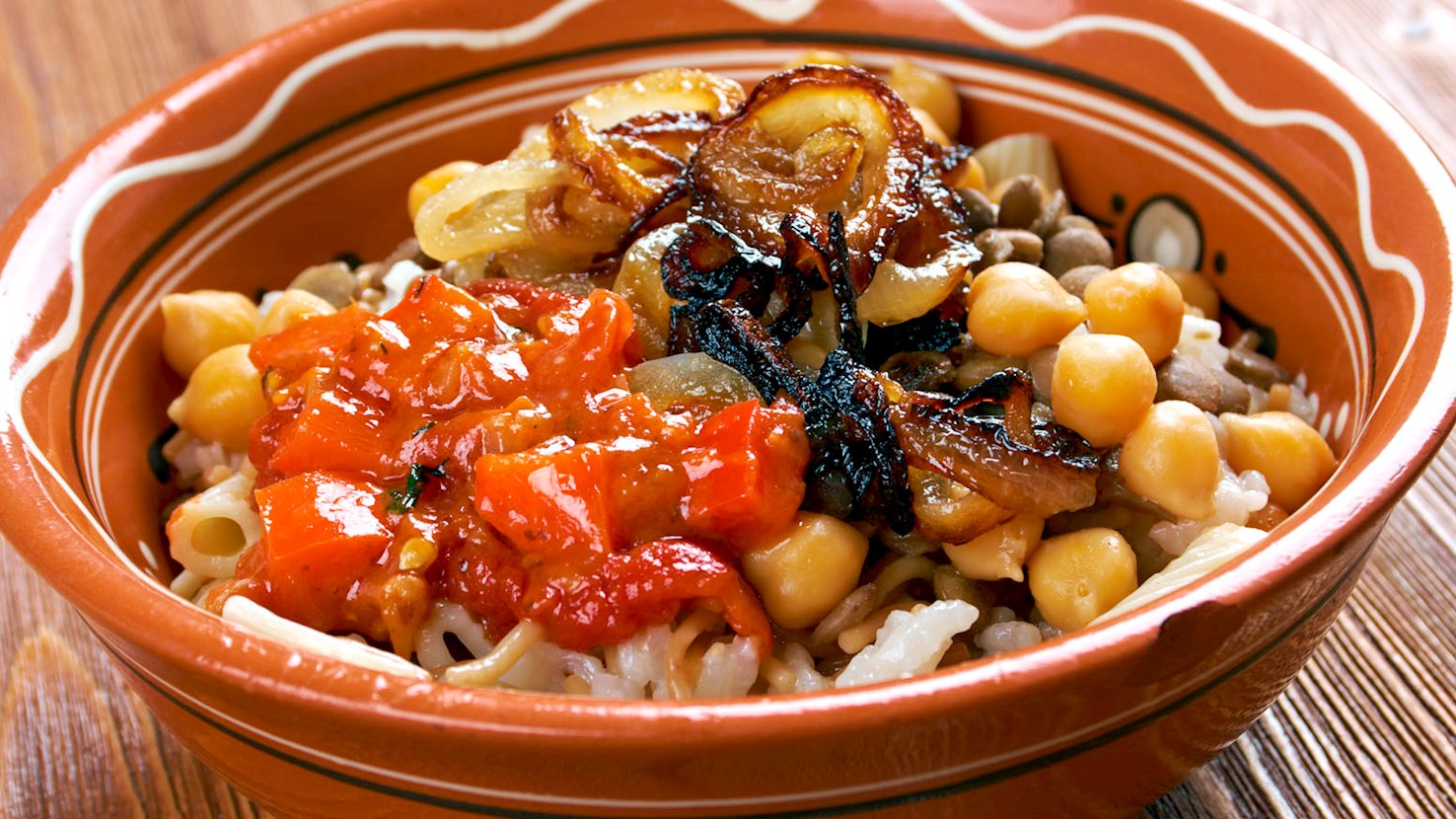
Koshari, also known as koshary, kosheri, kushari, and koushari, is a simple, yet flavorful Egyptian national dish consisting of rice, macaroni, and lentils. The name stems from the Hindu word khichri, referring to a dish of rice and lentils. It is enough to look for warm, edible pyramids on big, shiny metal platters while in Egypt, as it is also a very popular street food. Small yellow lentils and rice are slowly simmered in a rich stock with the addition of crunchy, fried vermicelli and butter-browned onions. Before serving, koshari is topped with wine vinegar and a spicy sauce based on tomatoes or chilis, adding even more flavor to the hearty dish. For a heartier dish, ground lamb or beef is added to the mix. Of course, there are numerous variations of the dish, but it is mandatory to season it with mastic, an exotic, earthy, crystallized resin of the Pistacia lentiscus tree, cultivated only in Greece, yet growing wild across the Mediterranean. The mastic imposes a typically piney, bitter edge to the dish. Koshari tastes even better when accompanied by a green salad or a cup of hot mint tea.
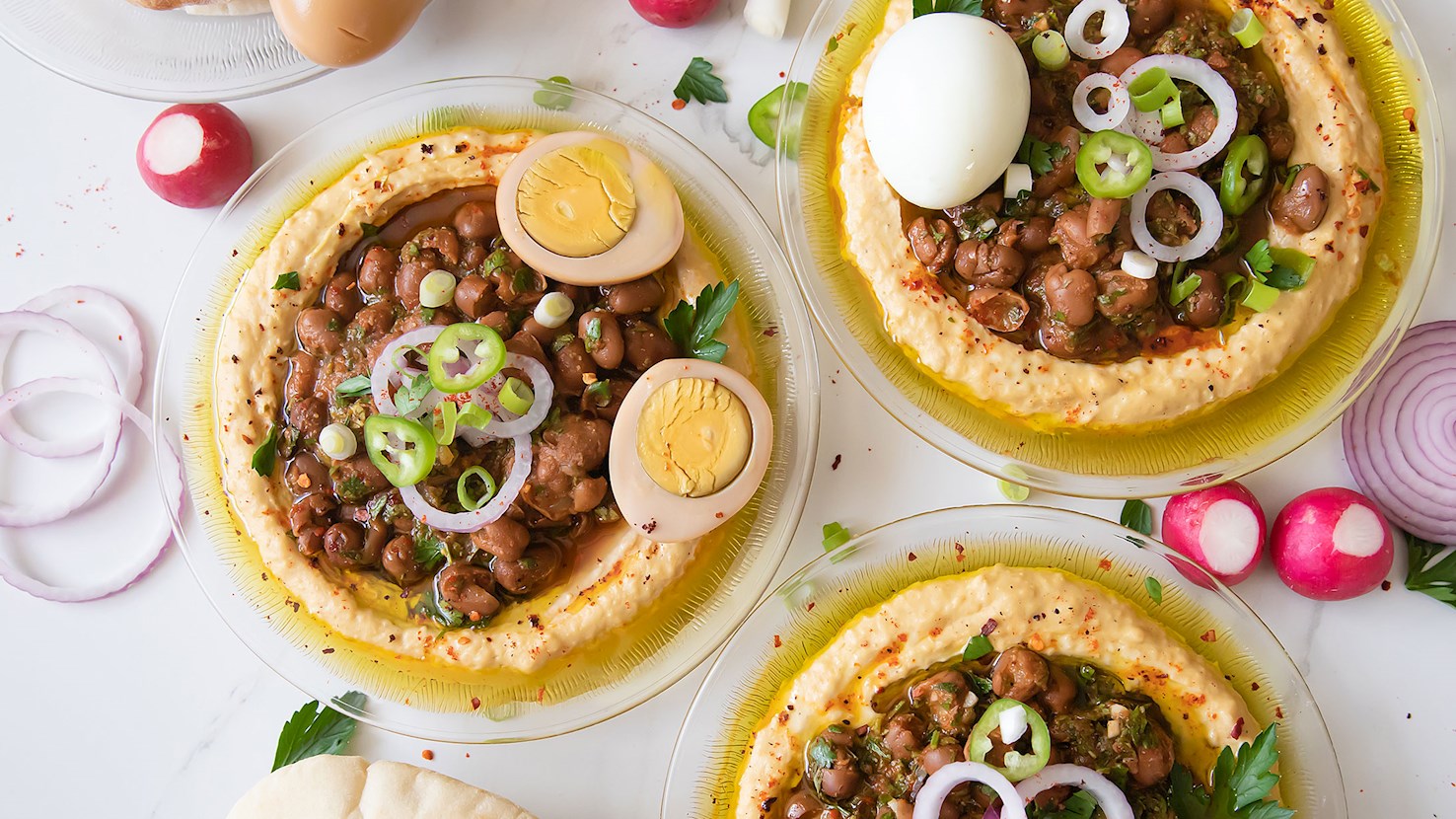
Hummus ful is a robust, protein-dense Levantine breakfast platter that masterfully unites two ancient culinary staples—a silky, tahini-rich chickpea purée or hummus and a warm, cumin-laced fava bean stew or ful medames—traditionally crowned with a hard-boiled egg. Functioning as a heavy, sustaining morning meal rather than a light appetizer, the dish is layered in a specific way to balance its contrasting temperatures and textures. Cooks first sweep a thick foundation of sharp, garlic-infused hummus across a wide bowl, forging a circular retaining bowl designed to cradle a generous ladle of steaming ful medames. As the slow-cooked broad beans settle into the center, their dark, earthy cooking liquid bleeds naturally into the pale chickpea cream. A shelled hard-boiled egg is then nestled directly into the warm stew, its firm yolk and tender white adding a distinct layer of richness that grounds the earthy profile of the beans. To deliberately slice through this immense, heavy richness, the dish requires a sharp, acidic contrast. Before serving, the whole dish is heavily flooded with peppery extra-virgin olive oil and finished with a vibrant, finely diced garnish of raw tomatoes, sharp white onions, and freshly chopped flat-leaf parsley. Dusted with sweet paprika and ground cumin, brightened with a final squeeze of fresh lemon juice, and occasionally spiked with a fiery chili sauce, the completed platter demands to be scooped up with warm, freshly torn pita bread.
TasteAtlas food rankings are based on the ratings of the TasteAtlas audience, with a series of mechanisms that recognize real users and that ignore bot,
nationalist or local patriotic ratings, and give additional value to the ratings of users that the system recognizes as knowledgeable.
For the “Top 8 Egyptian Vegetarian Dishes” list until September 15, 2026, 5,232 ratings were recorded, of which 2,616 were recognized by the system as legitimate.
TasteAtlas Rankings should not be seen as the final global conclusion about food. Their purpose is to promote excellent local foods,
instill pride in traditional dishes, and arouse curiosity about dishes you haven’t tried.


What People Say