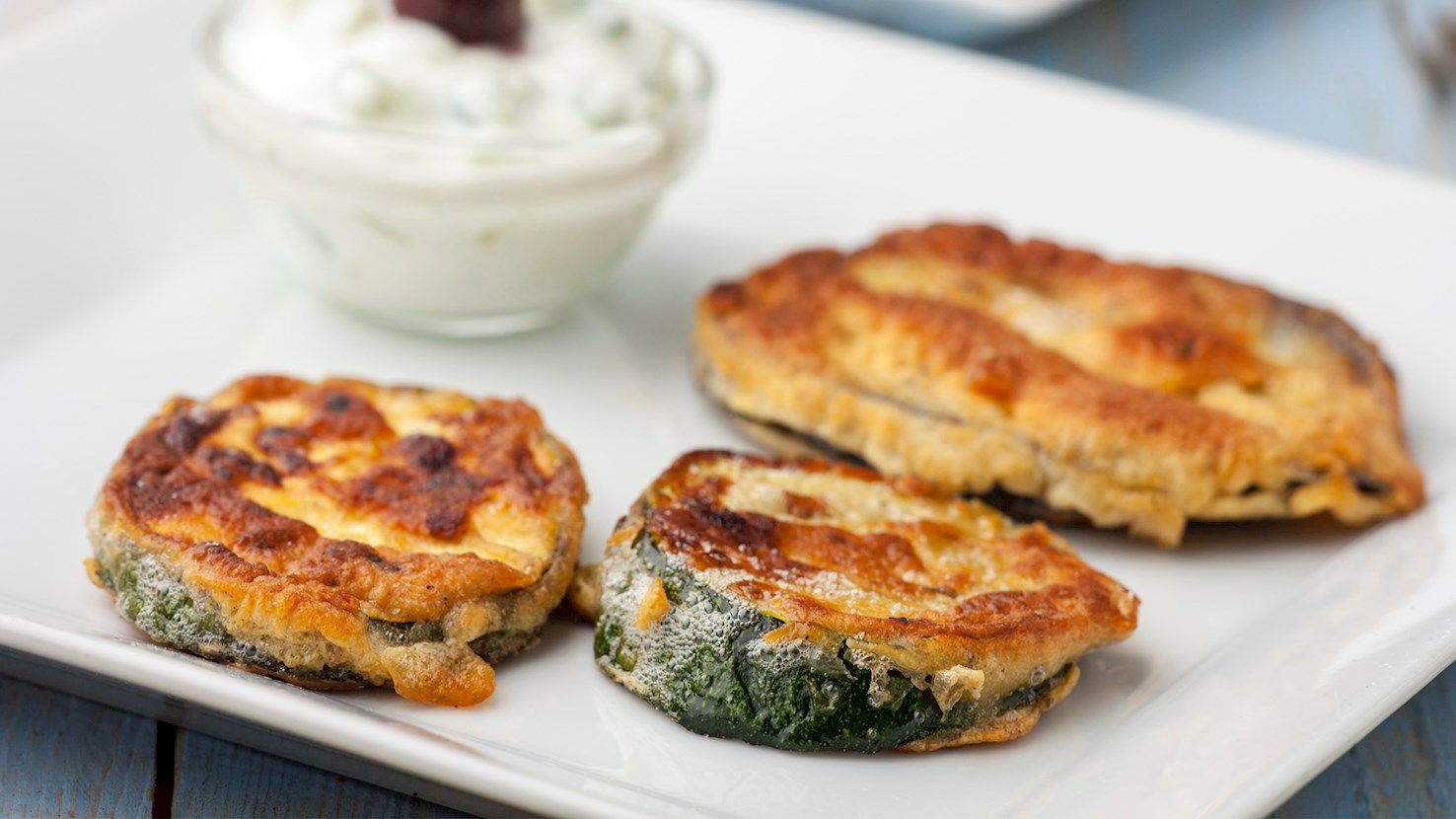
In Greece, fried zucchinis can be enjoyed as a meze or a side dish. The zucchinis are sliced, seasoned, and then simply dusted with flour or dipped in an egg batter before they are fried until crispy and golden. It is recommended to pair them with various dips such as yogurt-based tzatziki or garlicky skordalia.
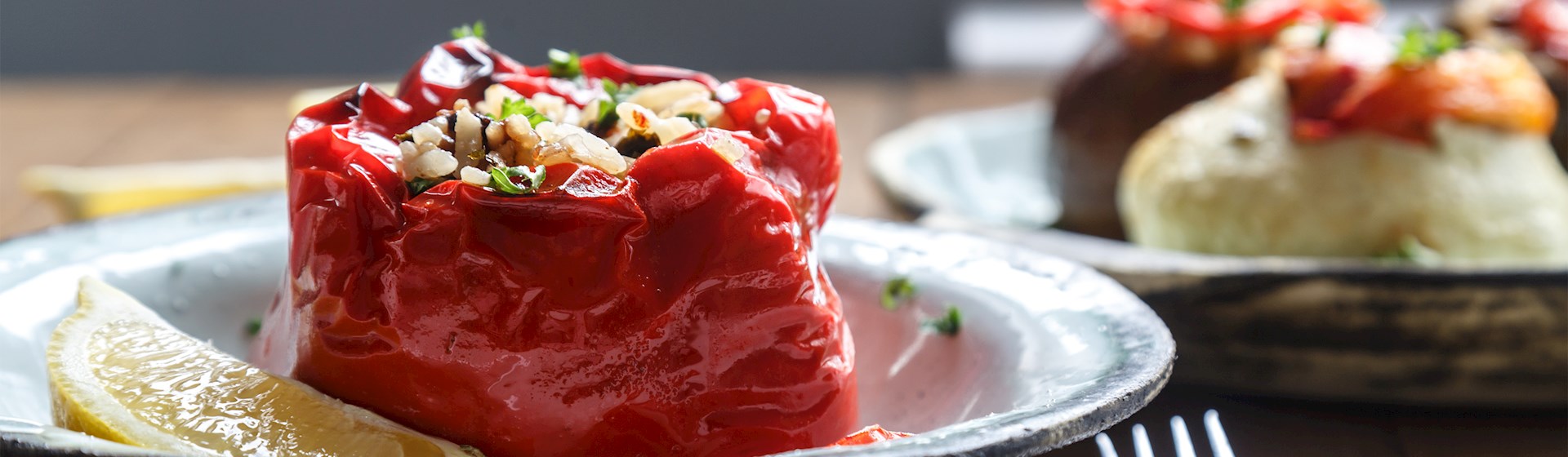
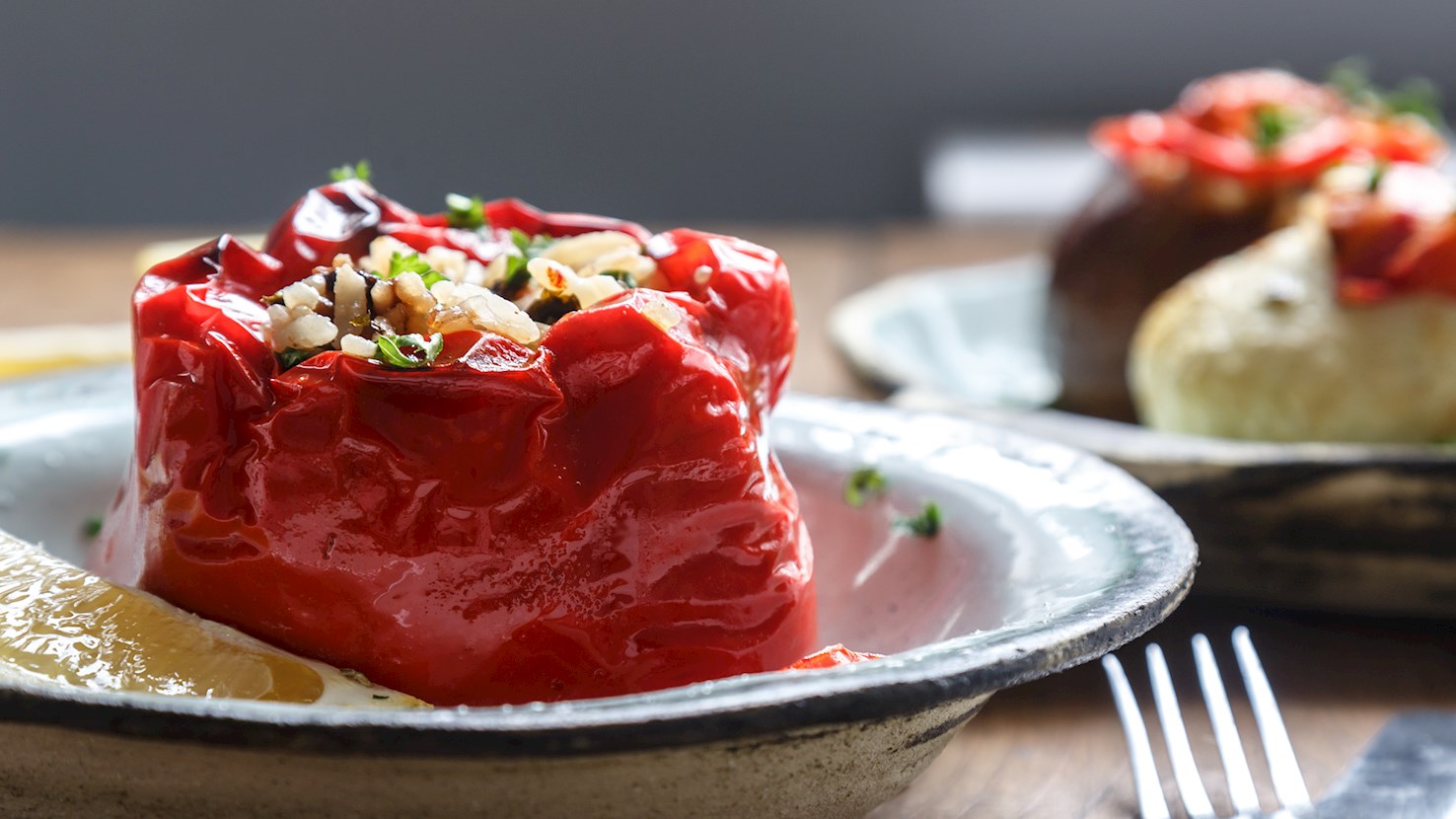
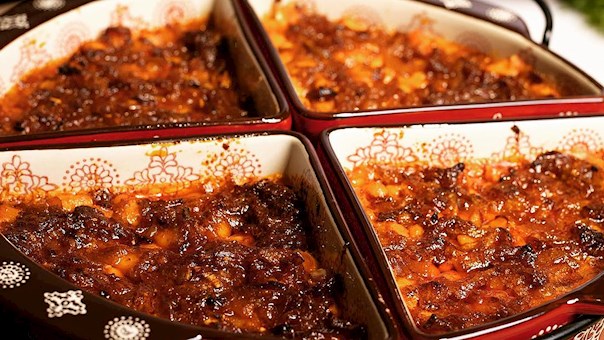
Yemitsa, frequently spelled gemista, is a vegetable dish of hollowed-out vegetables, predominantly ripe tomatoes and green bell peppers, stuffed entirely with a wet mixture of short-grain rice, fresh herbs, and heavy amounts of olive oil. The name originates from a verb meaning to fill or stuff, and is a typical summer dish. Yemitsa gained massive popularity across Greece following World War I, largely introduced by refugees arriving from Turkey. Prepping vegetables is the first step. The tops are sliced off the raw vegetables, and the inner flesh and seeds are carefully scooped out to create empty edible shells. The extracted tomato pulp is finely chopped and mixed in a hot pan with sautéed onions, grated zucchini, garlic, and raw rice. Handfuls of fresh mint and parsley, along with salt, pepper, and tomato puree, are folded into the filling before it gets spooned directly into the hollowed vegetables. The stuffed shells are topped with their original lids and tightly packed into a deep baking tray, surrounded entirely by thick potato wedges. A massive drizzle of olive oil and a splash of water go over the top before the entire pan hits a hot oven, baking until the rice softens completely and the vegetable skins become deeply wrinkled and slightly charred. Variations are present in different parts of Greece. Northern areas frequently incorporate heavy amounts of minced beef or pork directly into the rice, while Mediterranean coastal regions mix crunchy pine nuts and sweet raisins into the filling. Beyond tomatoes and bell peppers, large eggplants, zucchinis, and even hollowed onions serve as alternatives to tomatoes and peppers. Yemitsa is served either warm or at room temperature, almost universally accompanied by a large slab of salty feta cheese and thick slices of crusty bread, specifically used to soak up the heavily seasoned olive oil pooling at the bottom of the pan.
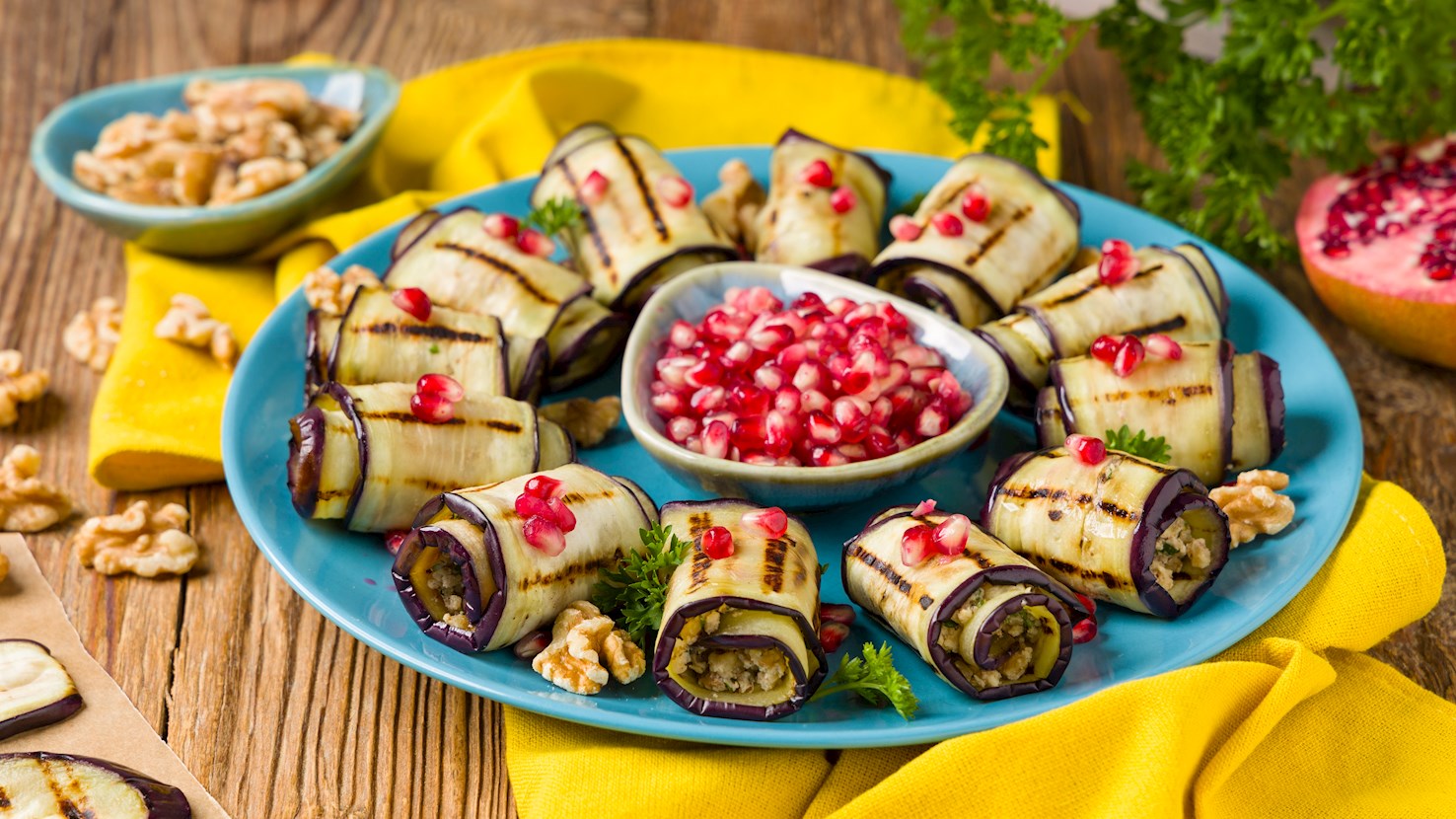
Badrijani is a heavily spiced Georgian dish consisting of eggplant slices that are coated with walnut paste, then shaped into small rolls. The eggplant slices are fried before serving, while the spread is prepared by combining ground walnuts, garlic, and fresh coriander. When served, the assembled rolls are arranged on a plate and topped with pomegranate seeds.
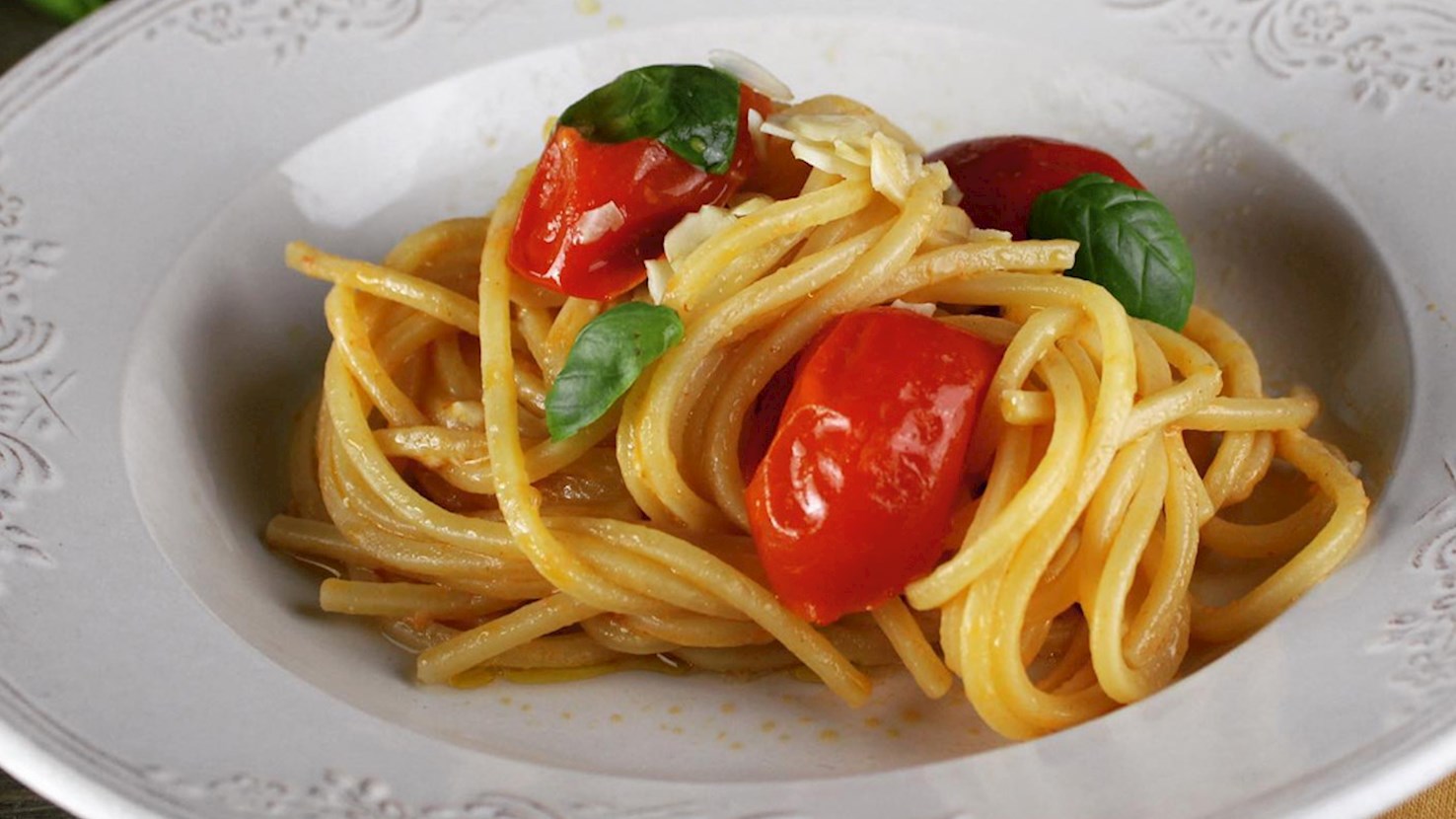
Pasta con pomodorini e basilico is a traditional dish and a summertime staple in the country. The dish is usually made with a combination of raw cherry or grape tomatoes, garlic, basil, olive oil, salt, pepper, and short pasta such as trofie, penne, casarecce, lumachelle, cavatelli, maccheroni, maltagliati, or conchiglie. The tomatoes, basil, and olive oil are placed into a bowl, then sprinkled with salt and pepper. The mixture is left to sit for an hour and it should be stirred often. The drained al dente pasta is added to the bowl and it's tossed with the tomato mixture until it cools down a bit. As a finishing touch, a swirl of olive oil is added to the dish and the rim of a serving bowl is rubbed with garlic. It's recommended to pair the dish with a fruity white wine on the side, such as Lungarotti Torre di Giano from Umbria.
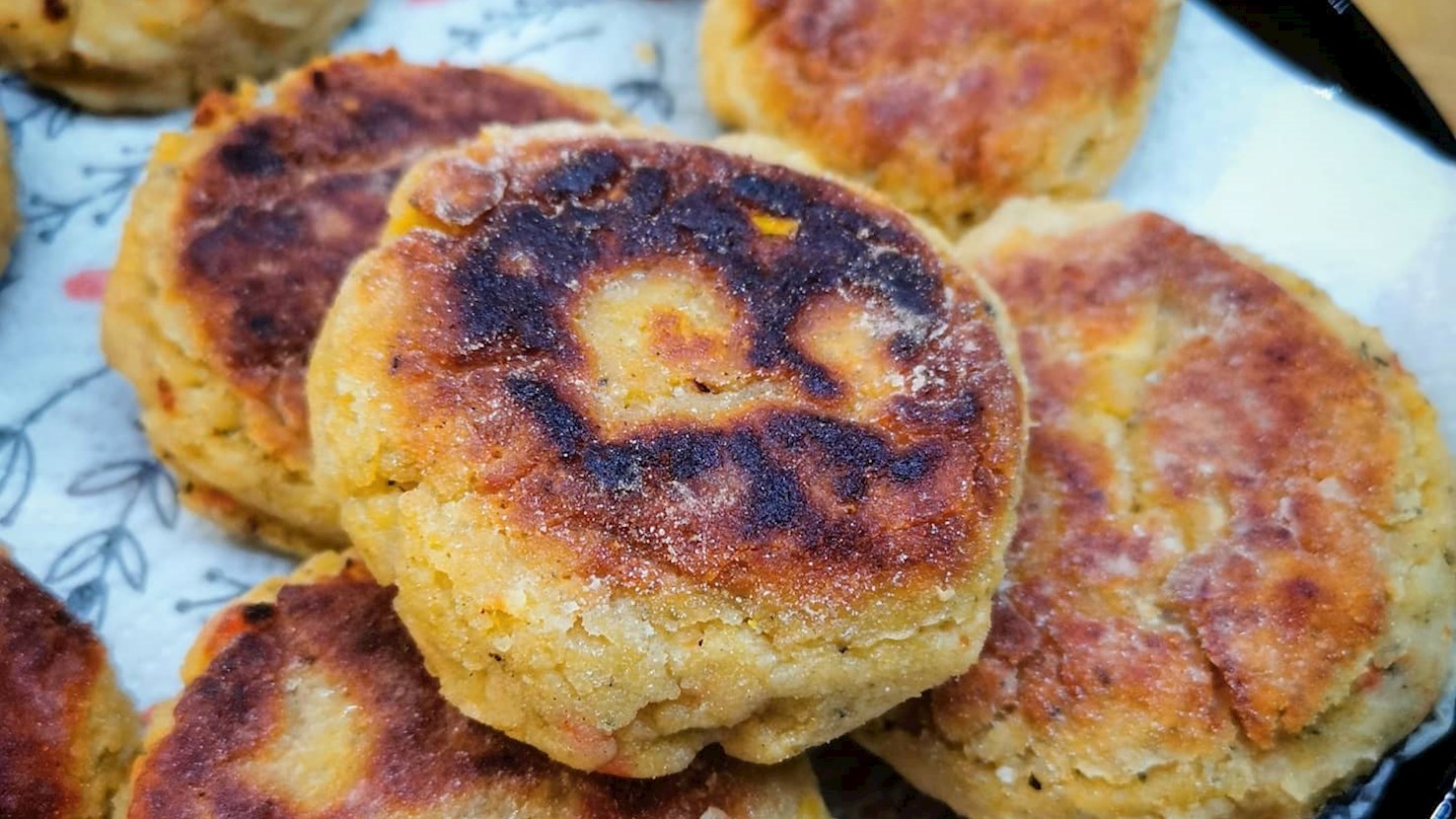
Pitaroudia is a traditional dish originating from Rhodes. These fritters are made with a combination of chickpeas, onions, tomatoes, mint, cumin, and seasonings. The dried chickpeas are soaked, boiled, then coarsely ground and mixed with onions, grated tomatoes, mint, salt, pepper, and cumin. The fritters are fried in olive oil until golden brown. Once done, pitaroudia is often served with tzatziki dip on the side.
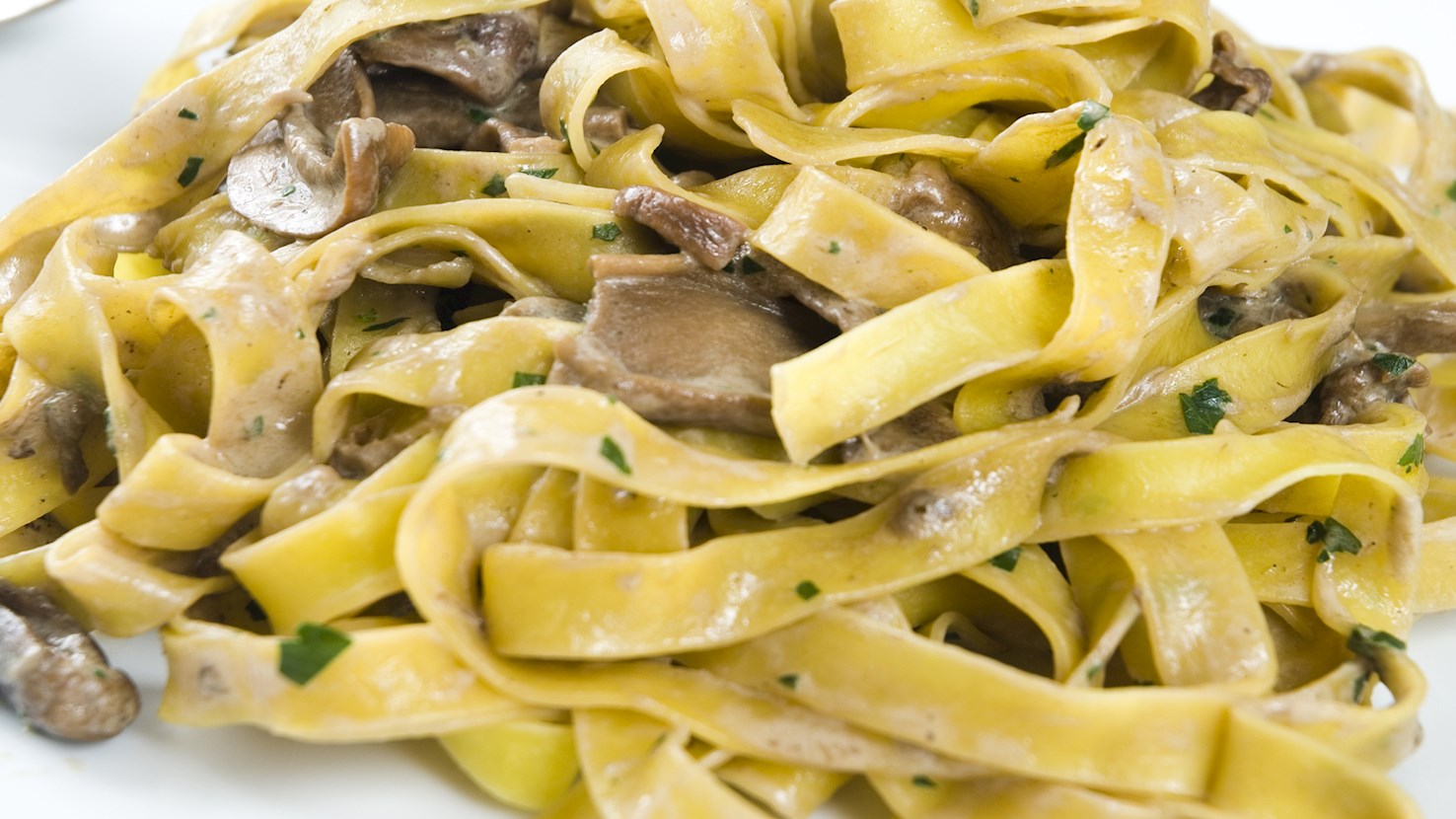
Tagliatelle ai funghi is a flavorful Italian dish consisting of fresh tagliatelle pasta paired with meaty mushrooms such as porcini (the most common choice), portobello, or chanterelles (finferli in Italian). The dish is often additionally flavored with shallots, black pepper, salt, chopped parsley, and white wine. It is said that tagliatelle ai funghi is best consumed in spring and fall, when seasonal mushrooms are available. When the dish is cooked, it is recommended to serve it with grated parmesan cheese on top.
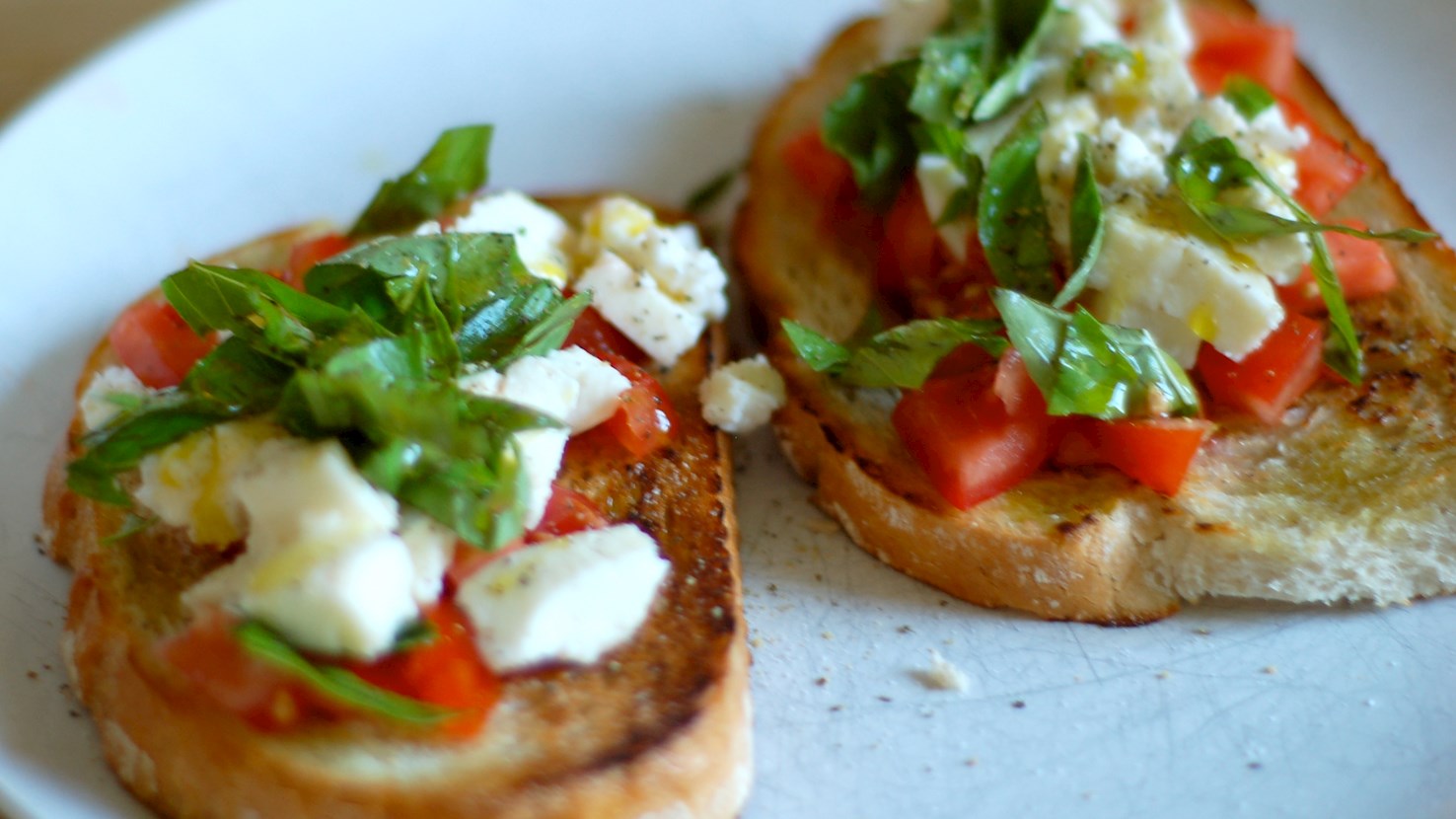
Bruschetta alla caprese is a traditional type of bruschetta originating from the island of Capri, hence the name. This tasty appetizer consists of bread, cherry tomatoes, basil leaves, mozzarella cheese, olive oil, garlic, and salt. The bread is sliced, toasted, rubbed with garlic, and topped with pieces of mozzarella, cherry tomatoes, basil, and a drizzle of olive oil. A pinch of salt is added before serving in order to elevate the flavors, and the bruschetta is ready to be enjoyed.
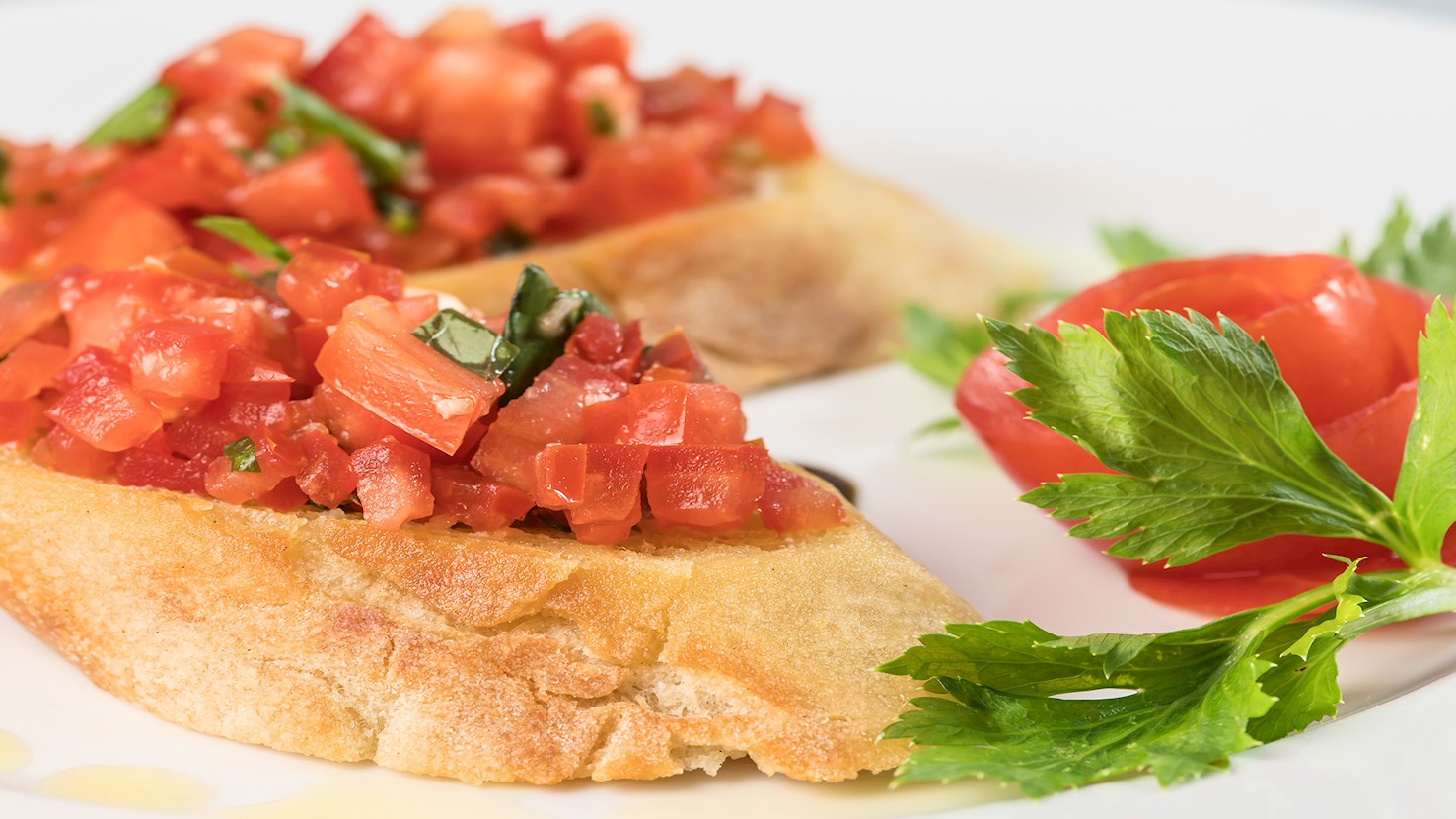
Bruschetta al pomodoro is a popular Italian appetizer consisting of sliced, toasted bread that is rubbed with garlic and topped with finely chopped tomatoes. Although there are numerous variations, the appetizer is usually finished with a drizzle of high-quality olive oil, a sprinkle of sea salt, and fresh basil leaves. The final result is a simple, elegant, yet flavorful finger food that is especially popular at celebrations, festivities, and parties.
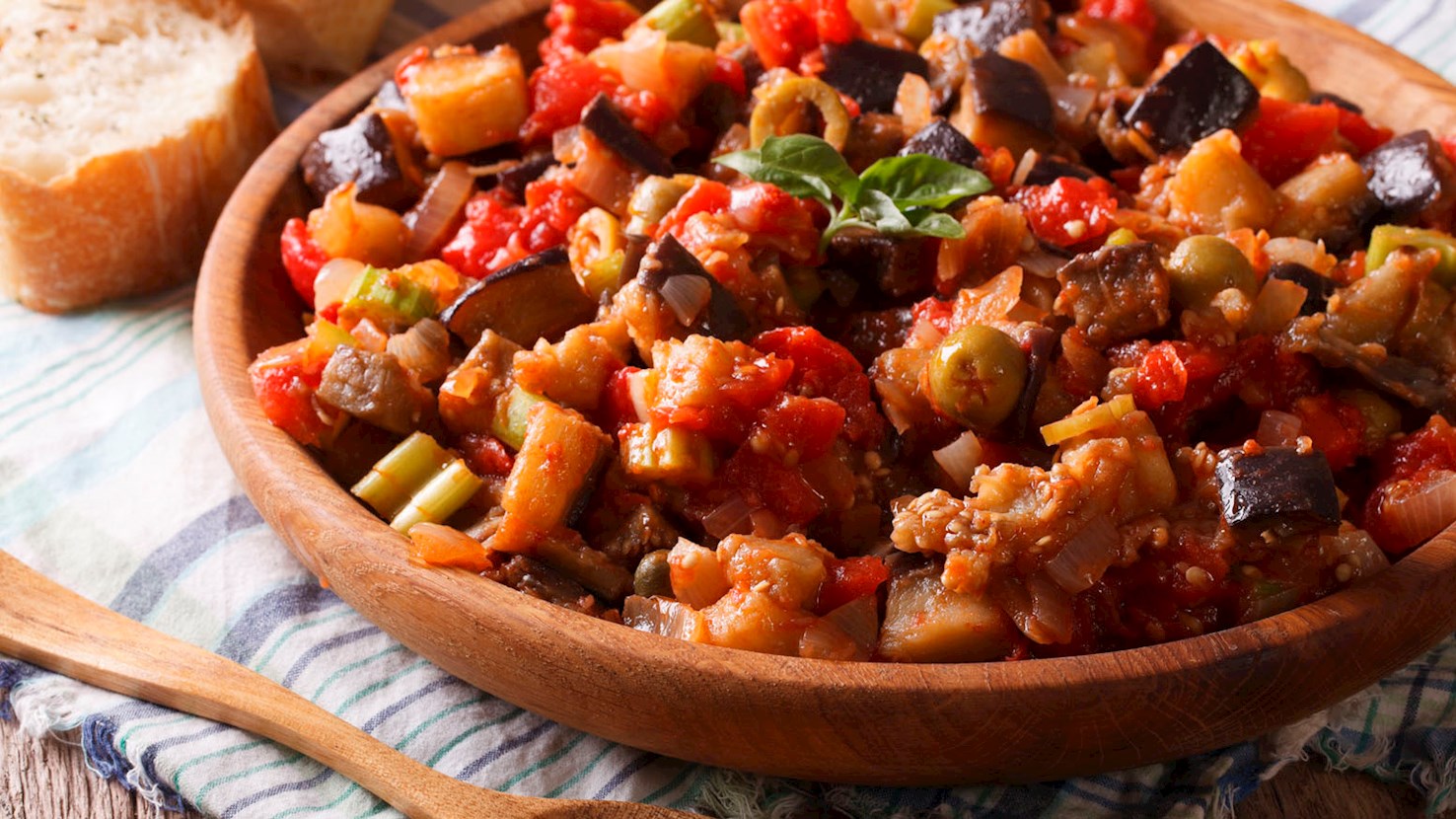
Even though it is prepared throughout southern Italy, the flavorful caponata is a typical Sicilian vegetable dish whose origins date back to the early 18th century. In the original recipe, the most important ingredient was gurnard fish (capone in Italian), but due to its price, gurnard was soon replaced by the widely available and much cheaper eggplant. This version that has remained the most popular to this day. Today, there are over 30 different recipes for caponata, all of which make an amazing use of the rich late summer harvest of eggplants and tomatoes. Capers, olives, onions, and celery lend an invigorating bite to this delicately piquant dish, and with other ingredients such as pine nuts, raisins, almonds, and friggitello peppers, the colorful caponata easily becomes a wonderful embodiment of the true essence of Sicily. After being sautéed one at a time, the vegetables are seasoned with a pinch of sugar and simmered in vinegar, which slowly melts into a tangy medley of sweet and sour flavors. Caponata can be enjoyed while still warm, as a side with various meat, poultry, and seafood dishes, or it can be served atop rigatoni or ziti for a filling pasta meal. In Sicily, caponata is typically kept for a couple of days after cooking, allowing time for the flavors to deepen, after which it is most often served as a cold antipasto on a crispy bruschetta or alongside sfincione Palermitano - Sicilian-style focaccia bread.
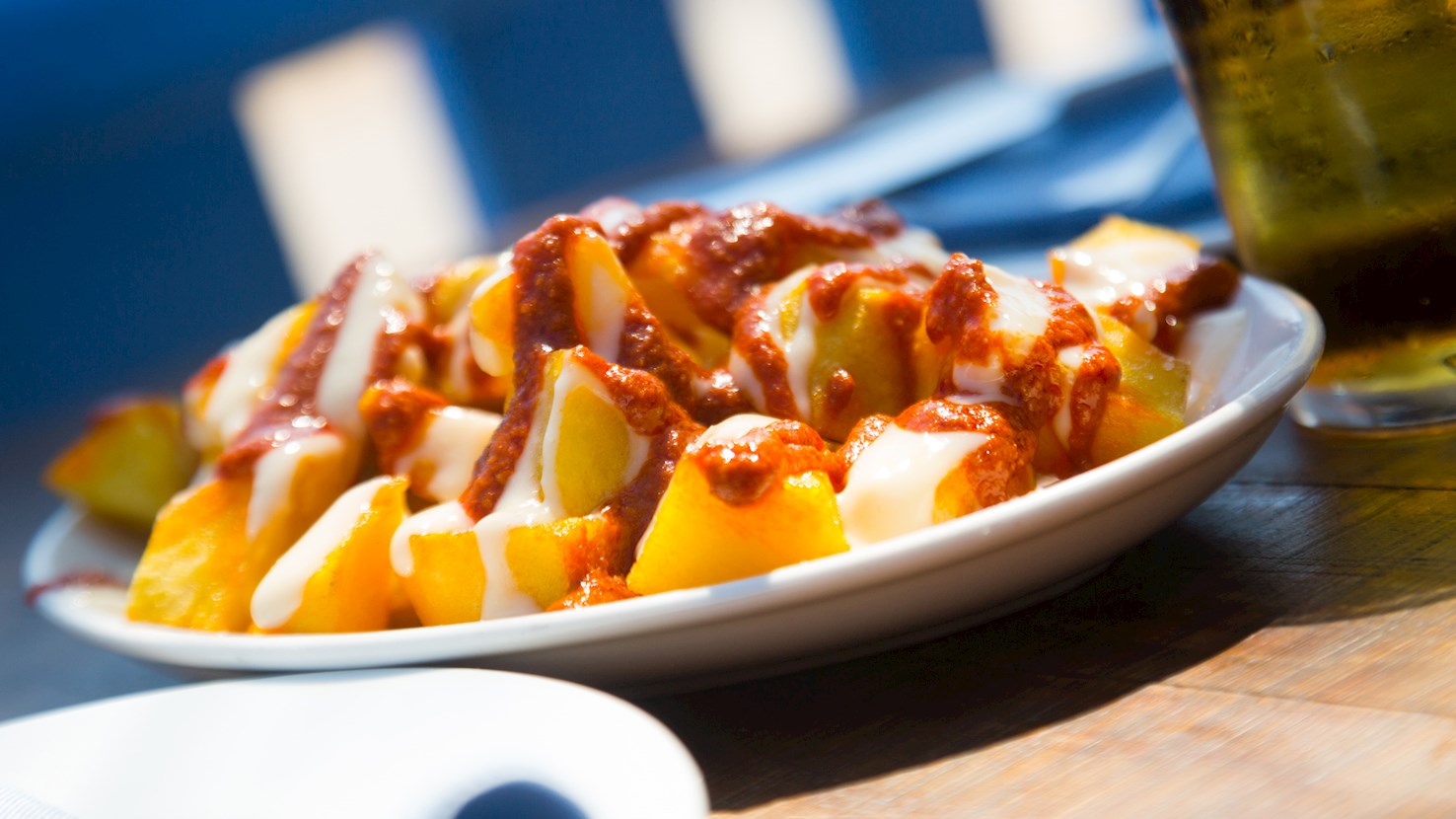
Patatas bravas is a traditional tapas dish consisting of potato cubes drenched in a spicy tomato sauce with onions, garlic, chili powder, and pimentón. This flavorful combination of ingredients is a staple at numerous tapa bars throughout Spain, and it is especially popular as a late-night snack. The dish is traditionally served with aioli sauce on top, but there is also a variety of other toppings that can be ordered with the snack, such as chorizo slices or fried fish.
TasteAtlas food rankings are based on the ratings of the TasteAtlas audience, with a series of mechanisms that recognize real users and that ignore bot,
nationalist or local patriotic ratings, and give additional value to the ratings of users that the system recognizes as knowledgeable.
For the “Top 100 European Vegetarian Dishes” list until September 15, 2026, 12,400 ratings were recorded, of which 8,596 were recognized by the system as legitimate.
TasteAtlas Rankings should not be seen as the final global conclusion about food. Their purpose is to promote excellent local foods,
instill pride in traditional dishes, and arouse curiosity about dishes you haven’t tried.







What People Say