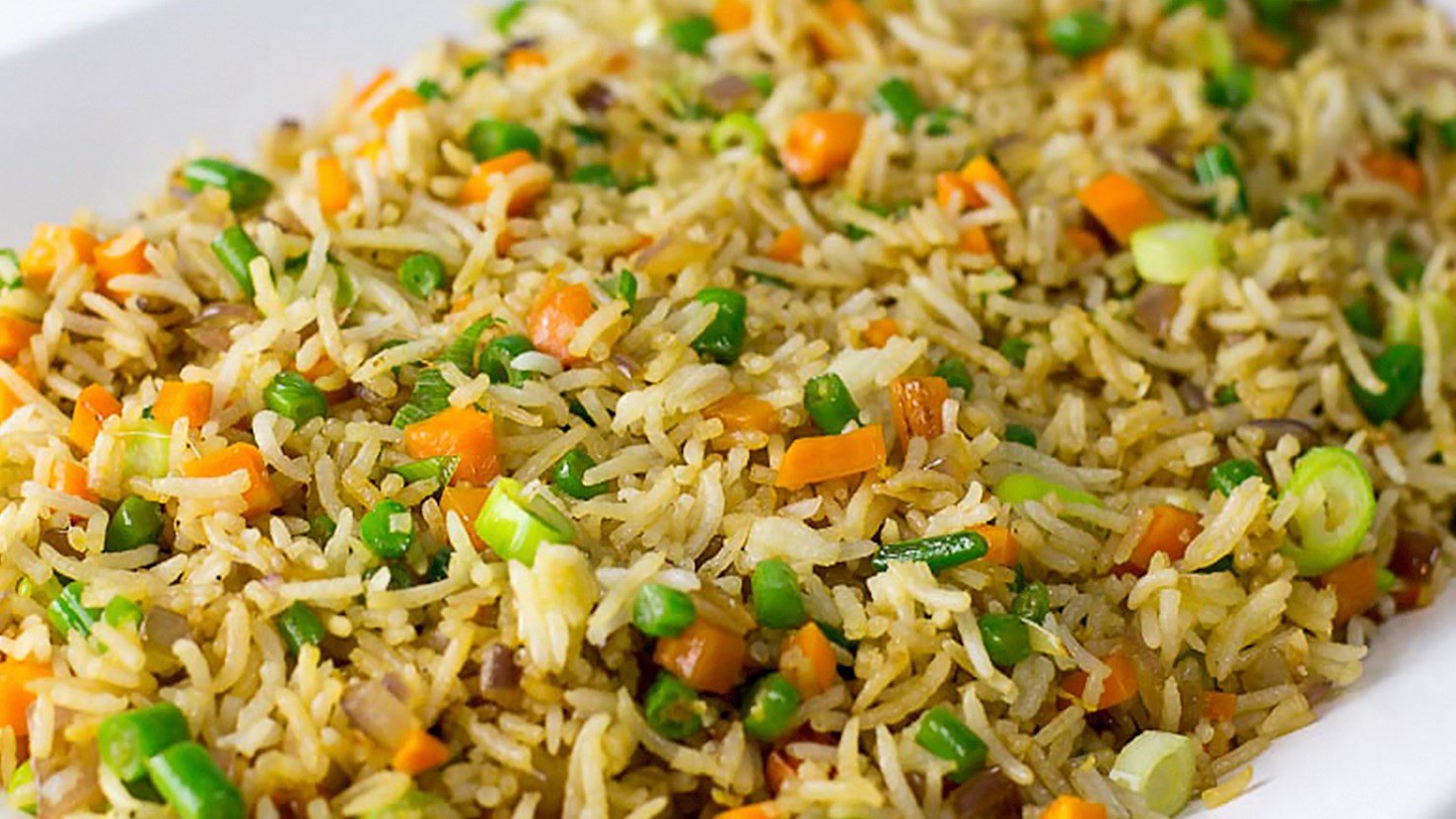
Wali wa kukaanga is a rice dish prepared by frying cooked rice with oil and aromatics, eaten widely in Kenya, where it appears as an everyday meal rather than a ceremonial one. Its development is closely linked to coastal Swahili foodways shaped by Indian Ocean trade, where rice became a central grain through long-standing connections with Asia and the Middle East, and where frying cooked rice provided a practical way to reuse leftovers while building flavor through oil, onions, and spices common to the region. Preparation begins with plain boiled rice that has cooled and dried slightly, which is then fried in oil with finely chopped onions until aromatic, followed by garlic and optional spices, after which the rice is added and tossed over heat so the grains separate and absorb the seasoned oil without becoming soft or sticky. Serving is simple and direct, with the rice presented hot as a complete base dish rather than layered or molded, and it is often paired with a protein or vegetable rather than eaten alone. It is eaten at home and in small eateries for lunch or dinner, commonly with grilled meat, fried fish, beans, or vegetable stews, and it pairs naturally with fresh salads, chili sauces, or lightly cooked greens, while beverages such as water, unsweetened tea, or light fruit drinks are taken alongside to balance the oil and aromatics without overpowering the dish.
Mukimo is a mashed vegetable dish made from potatoes combined with legumes and maize, prepared and eaten primarily in the central highlands of Kenya, where it functions as a substantial starch component rather than a standalone meal. Its formation is tied to highland farming systems in which potatoes, peas or beans, maize, and leafy greens were grown together and cooked in combination to create filling meals suited to physically demanding agricultural work and large households, with the dish developing through everyday practice rather than formal codification. Preparation involves boiling peeled potatoes together with maize kernels and legumes until fully tender, after which the mixture is mashed coarsely, often with the addition of cooked leafy greens such as pumpkin leaves or spinach, producing a dense but uneven texture in which individual ingredients remain visible rather than fully blended. Serving is direct and unembellished, with mukimo spooned onto plates while hot and paired with other foods rather than shaped or garnished. What distinguishes mukimo from similar mashed dishes is its deliberate coarseness and the inclusion of whole grains and greens in a single mash, which allows it to function as both starch and vegetable without relying on added fat or seasoning for definition. It is eaten at home meals and communal gatherings, most commonly alongside stewed or grilled meat, fried fish, or rich sauces, and it pairs naturally with fresh salads such as kachumbari or simple cooked greens, while beverages such as water, unsweetened tea, or light fermented drinks are typically consumed alongside, keeping the focus on the food rather than the drink.
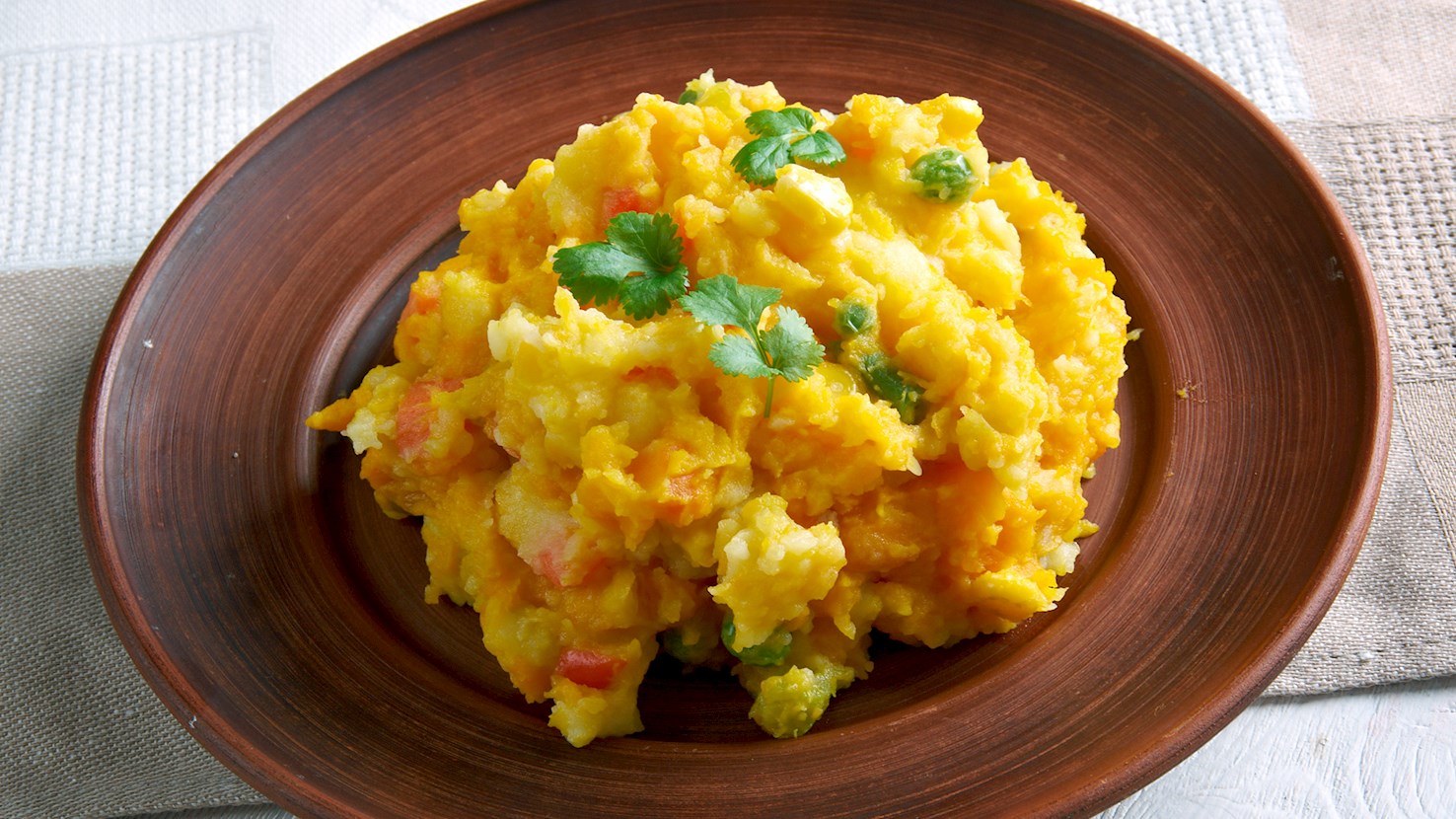
Irio is a mashed vegetable dish made primarily from potatoes, peas, and maize, prepared and eaten by Kikuyu people in central regions of Kenya, where it is recognized as a staple accompaniment rather than a standalone main. Its development is closely linked to farming patterns in the Kenyan highlands, where potatoes, legumes, and maize became reliable crops grown side by side, encouraging cooking methods that combined them into a single, filling preparation suited to family meals and large households. Preparation involves boiling potatoes, green peas, and maize until fully tender, then mashing them together into a coarse, cohesive mixture, with some versions incorporating leafy greens such as pumpkin leaves or spinach for color and balance, and seasoning kept restrained so the vegetables remain dominant. Serving is simple and direct, with irio spooned onto plates while hot and paired with other foods rather than shaped or garnished, and it is valued for its density and ability to complement stronger flavors. What defines irio is its mixed mash structure, which preserves small pieces of each ingredient instead of producing a smooth puree, allowing the dish to remain identifiable as a combination rather than a uniform paste. It is eaten at home meals and communal gatherings, commonly alongside grilled or stewed meat, fried fish, or rich sauces, and it pairs naturally with leafy vegetable dishes and fresh salads, while beverages such as water, unsweetened tea, or light fermented drinks are typically consumed alongside, keeping the focus on the food rather than the drink.
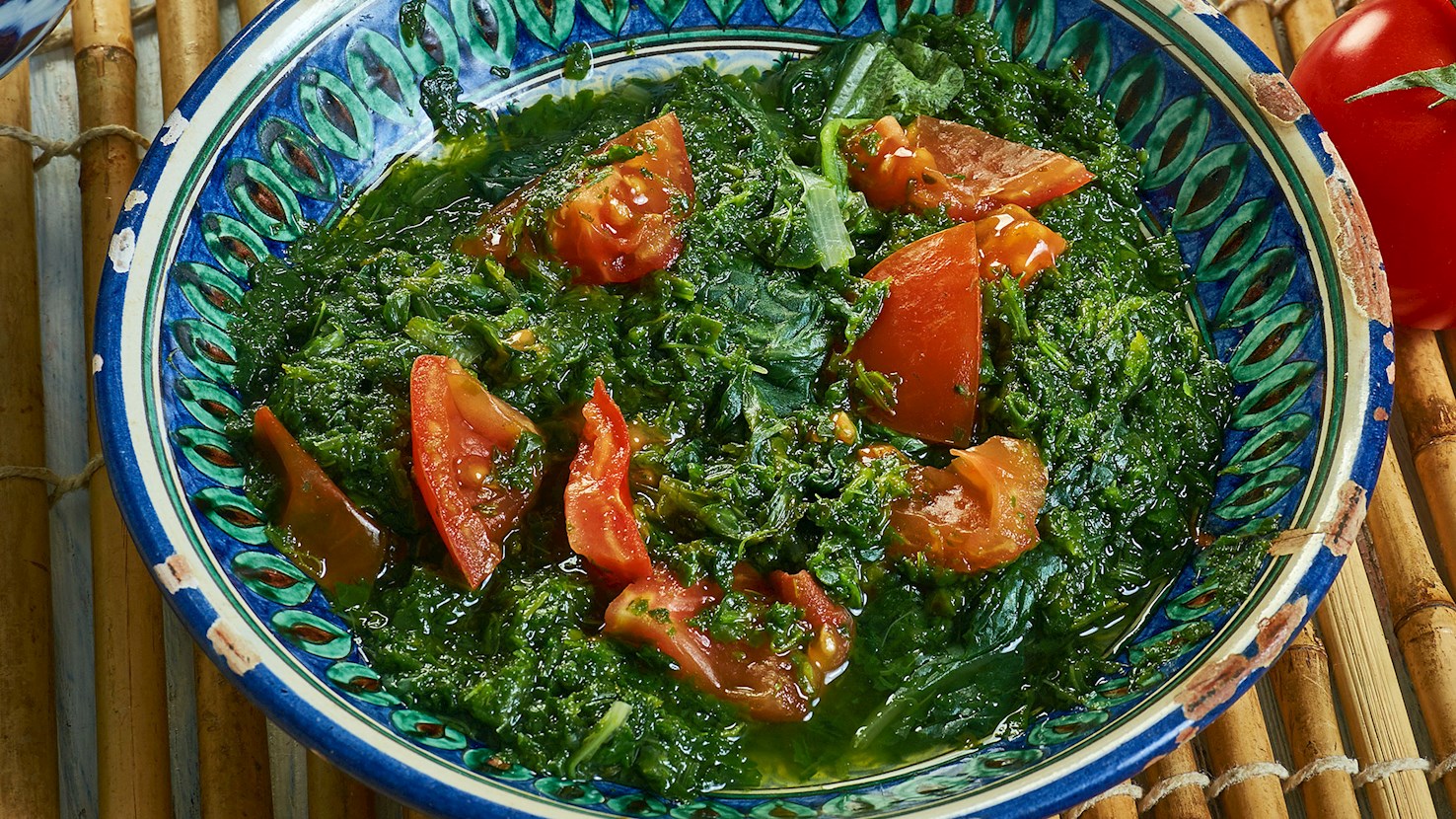
Sukuma wiki is a vegetable dish made with finely sliced collard greens or kale sautéed with onion, tomato, oil, and salt. It is especially associated with Kenya, but it is also widely eaten in Tanzania, Uganda, and other parts of the region. The name comes from Swahili and is usually translated as “push the week” or “stretch the week,” a practical reference to the way these inexpensive greens help make a meal last when money is tight. The dish is closely tied to everyday home cooking because it is cheap, filling, and easy to make with vegetables that grow well in small plots and kitchen gardens. In Kenya, the word sukuma often refers to collard greens themselves, although kale and other sturdy leafy greens are also used. The greens are usually washed, stripped of their tougher stems, stacked, and sliced into thin ribbons so they cook quickly and evenly. The work starts with heating a little oil in a pan and cooking onions until soft. Tomatoes are then added and cooked down until they loosen and form a simple base. The sliced greens go in next with salt and, depending on the cook, a little garlic, coriander, bouillon cube, chili, or other seasoning. Some versions are cooked only briefly so the greens stay bright and slightly firm, while others are left longer until they become softer and more deeply flavored. Meat is not necessary, but small pieces of beef, leftover meat, or minced meat are sometimes added when the dish is served as a more substantial meal. Sukuma wiki is most often eaten with ugali, the stiff maize porridge that is one of the region’s main staples. Other than ugali, it is also served alongside beans, stewed beef, fish, chicken, or nyama choma.
Supu ya malenge is a pumpkin-based soup prepared and eaten in many parts of Kenya, where pumpkins are widely grown and used as everyday vegetables rather than as seasonal novelties. The dish developed within food systems that relied on hardy crops suited to mixed farming and small-scale agriculture, with pumpkins valued for their storage ability and versatility, and it reflects cooking practices that emphasize boiling and simmering as efficient ways to feed households using minimal fuel and a limited number of ingredients while still producing filling meals. Preparation involves peeling and cubing fresh pumpkin, which is then boiled until tender in salted water or broth, sometimes with the addition of potatoes or carrots to adjust the consistency. Once the vegetable base is soft, it is mashed or blended and returned to the heat where coconut milk is slowly incorporated, providing the soup with a distinct richness that dairy milk does not achieve. Garlic, ginger, black pepper, and sometimes turmeric are sautéed separately in oil or ghee before being stirred into the liquid to deepen the flavor profile. Unlike European pumpkin soups that often rely on cream and roasting for caramelization, this version relies strictly on the interplay between the natural sweetness of the boiled gourd and the nutty, fatty profile of the coconut milk. Uniquely, the soup often retains a vibrant yellow-orange hue specifically due to the type of local pumpkins used, which differ from the orange pumpkins common in North America, and the inclusion of turmeric. It is typically eaten as a light lunch or a starter for dinner, served hot in deep bowls. Diners often pair it with crusty bread, chapati, or maandazi to dip into the liquid, and it is frequently accompanied by a glass of fresh tamarind juice or chilled hibiscus tea to cut through the richness of the coconut.
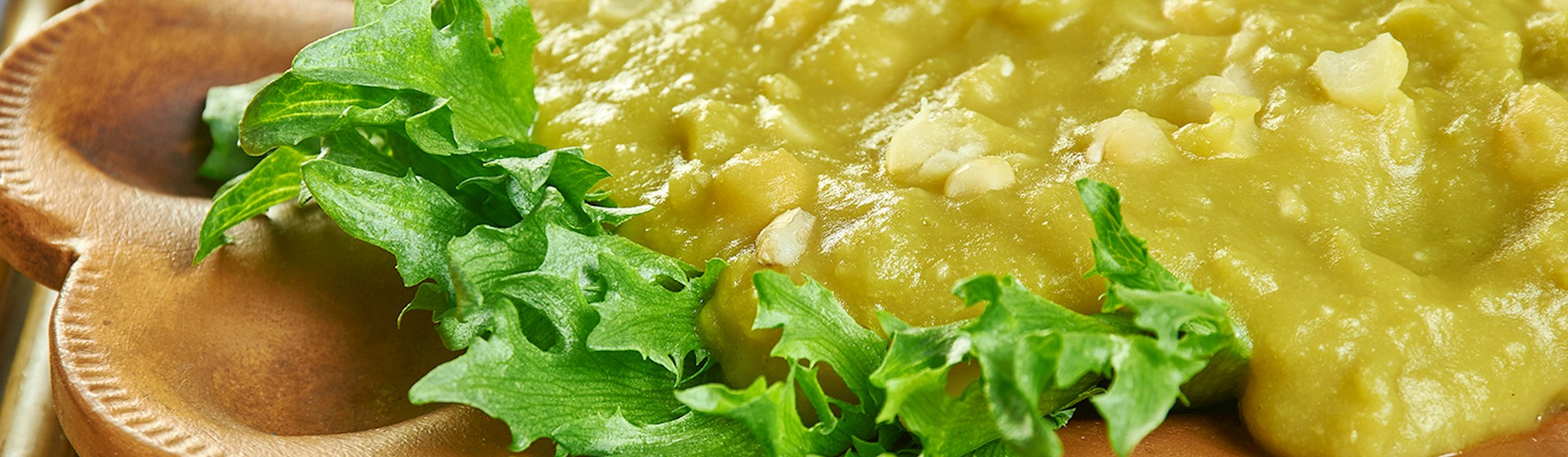
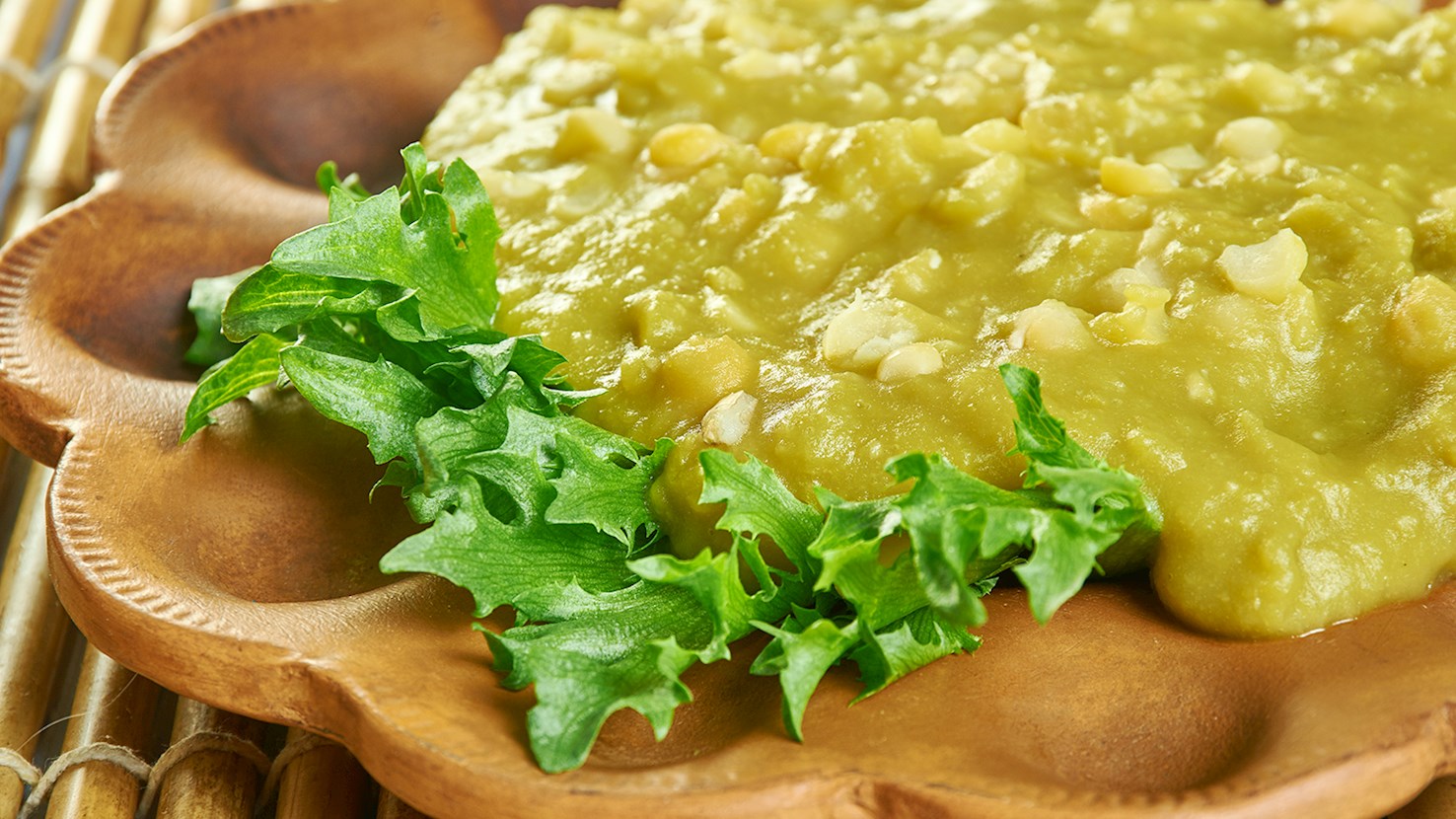
Mbaazi za nazi is a coconut-based legume dish prepared from pigeon peas and associated with the Swahili-speaking regions of coastal Kenya, where it is eaten as a main accompaniment rather than as a standalone stew. The dish reflects the long integration of pigeon peas, a drought-tolerant crop cultivated in East Africa for centuries, with coconut, which became a defining ingredient of coastal cooking through sustained contact across the Indian Ocean that encouraged the use of coconut milk as a primary cooking liquid instead of dairy or animal fats. Preparation begins with dried pigeon peas soaked and cooked until tender, then simmered gently in freshly extracted coconut milk with onion and mild spices, allowing the peas to absorb the richness of the coconut while thickening the sauce naturally as starches are released, and the seasoning is kept restrained so the flavor remains centered on the legumes and coconut rather than heat or aromatics. It is most commonly eaten at midday or in the evening, served alongside rice, flatbreads, or starchy staples such as cassava or plantains, consumed with a spoon or by hand depending on the accompaniment, and it pairs well with plain water, lightly sweetened tea, or fermented beverages, while its mild richness allows it to sit comfortably next to sharper or spicier dishes on the same table without requiring a dedicated pairing.
TasteAtlas food rankings are based on the ratings of the TasteAtlas audience, with a series of mechanisms that recognize real users and that ignore bot,
nationalist or local patriotic ratings, and give additional value to the ratings of users that the system recognizes as knowledgeable.
For the “Top 6 Kenyan Vegetarian Dishes” list until June 15, 2026, 14 ratings were recorded, of which 8 were recognized by the system as legitimate.
TasteAtlas Rankings should not be seen as the final global conclusion about food. Their purpose is to promote excellent local foods,
instill pride in traditional dishes, and arouse curiosity about dishes you haven’t tried.