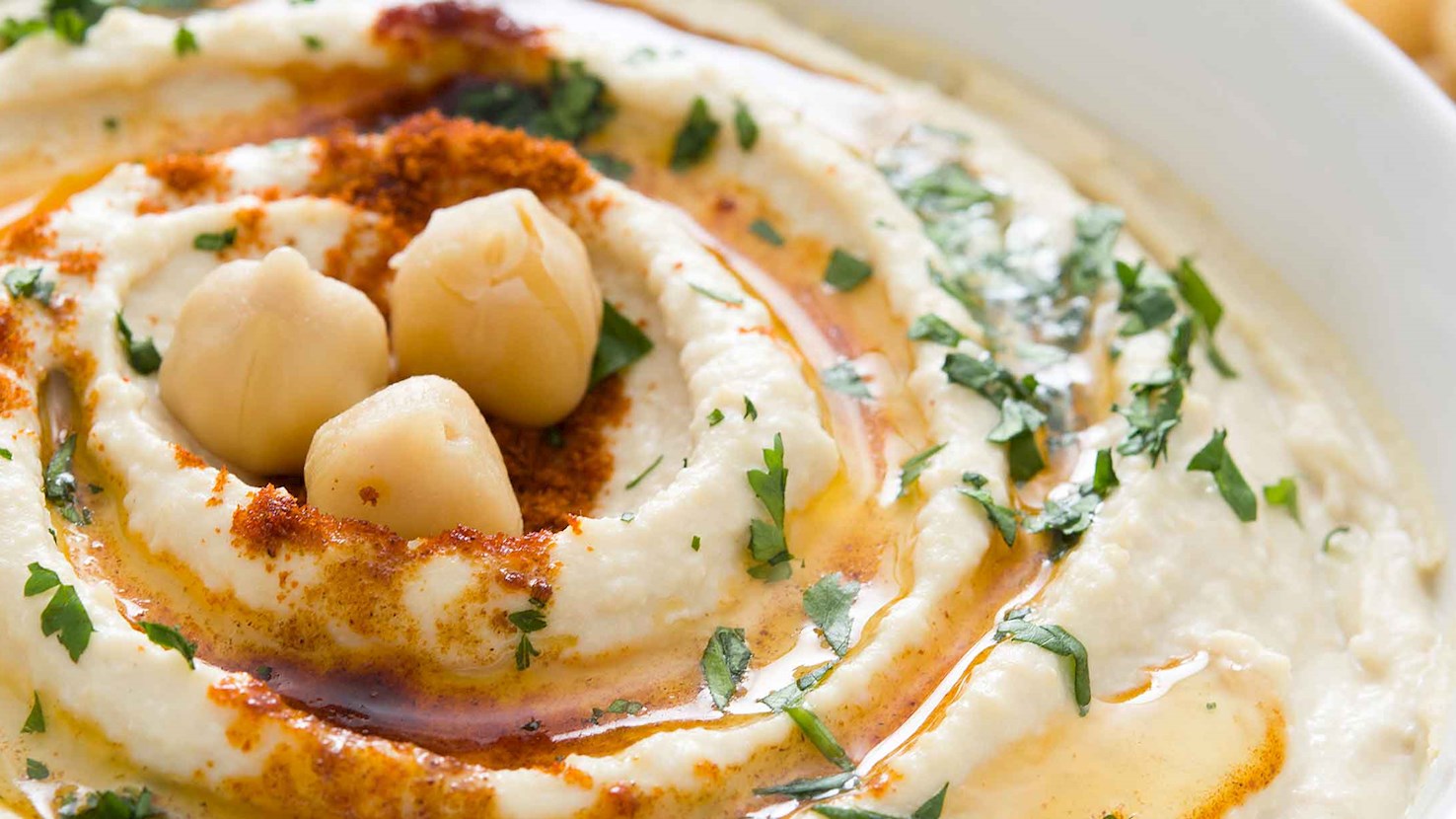
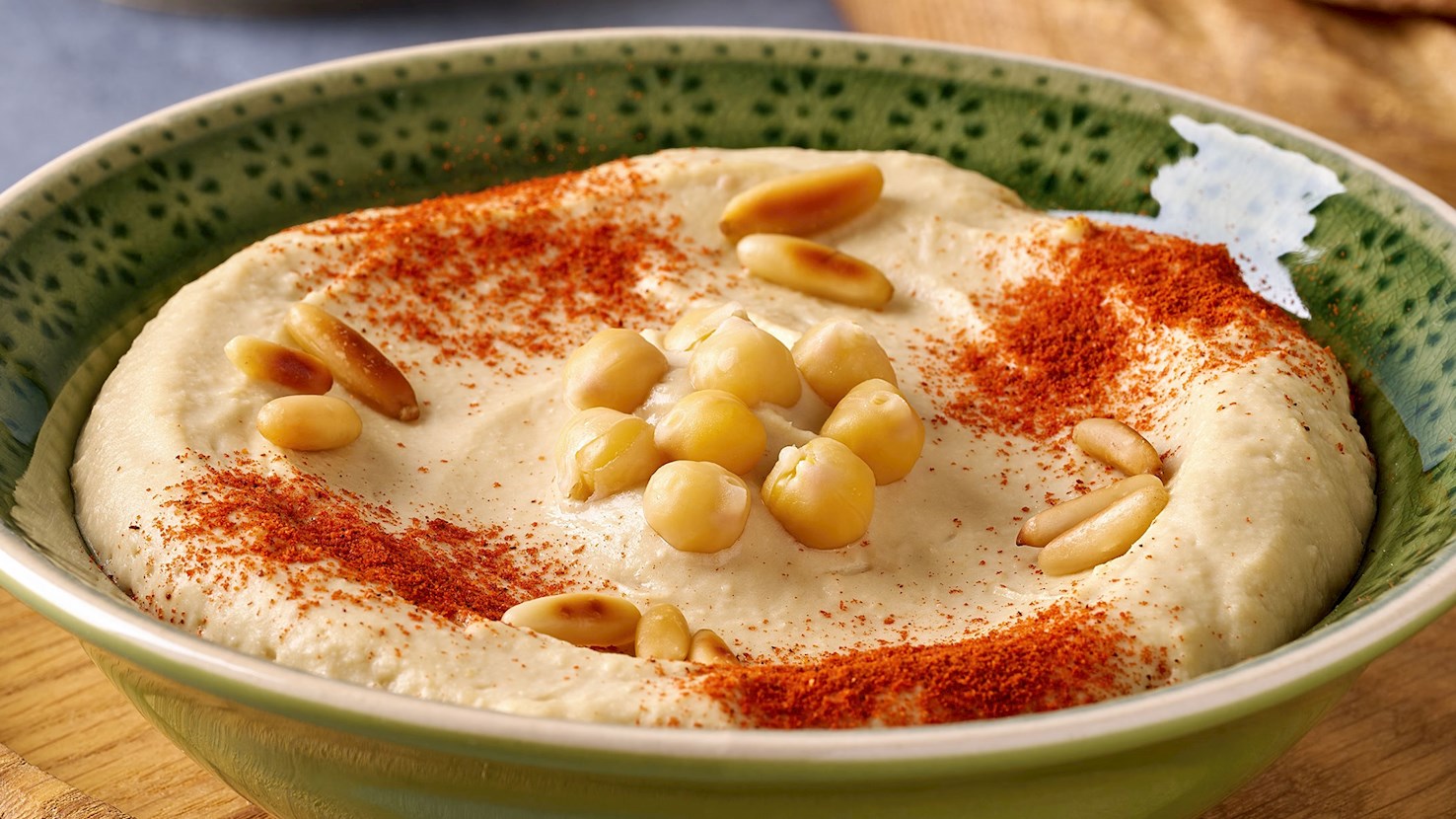
Hummus is a creamy dip made primarily from cooked and mashed chickpeas blended with tahini, olive oil, lemon juice, and garlic. It originates from the Middle East, where it has been a dietary staple for centuries, especially in countries like Lebanon, Palestine, Israel, Syria, and Jordan. Hummus’s roots can be traced back to ancient times (earliest mention of hummus dates back to 13th-century Egypt), when legumes and seeds were common sources of nutrition in the Levant. Over time, the combination of chickpeas and tahini evolved into a dish that balances earthy, nutty, and tangy flavors. While recipes vary slightly across regions, the core ingredients remain consistent, emphasizing freshness and quality. The smooth texture and rich taste make hummus both versatile and widely appealing, able to serve as a simple snack or a complement to more elaborate meals. Preparation involves soaking and cooking dried chickpeas until tender, then blending them with tahini paste, freshly squeezed lemon juice, crushed garlic, and extra virgin olive oil to create a velvety consistency. Salt is added to enhance the flavors, and the mixture is often garnished with a drizzle of olive oil, a sprinkle of paprika or sumac, and sometimes fresh herbs or whole chickpeas. Hummus can be served chilled or at room temperature, paired with pita bread, vegetables, or as part of a larger mezze platter. Hummus enjoys widespread popularity not only in the Middle East but globally, embraced as a healthy and flavorful dish. It is commonly found in homes, restaurants, and markets, representing both everyday nourishment and a dish for social gatherings.
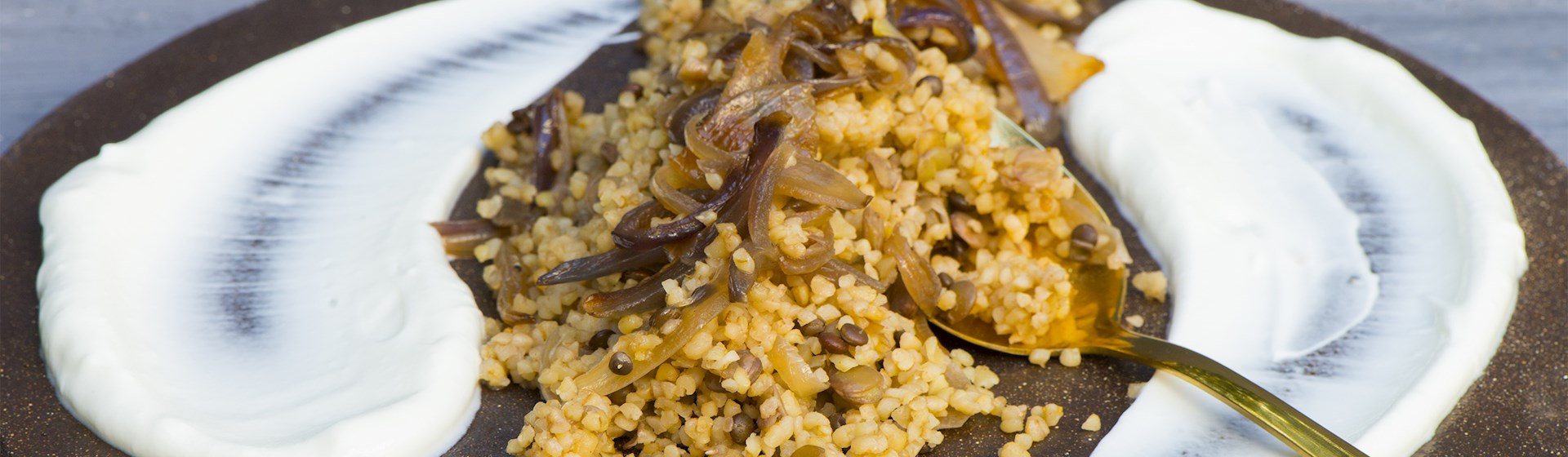
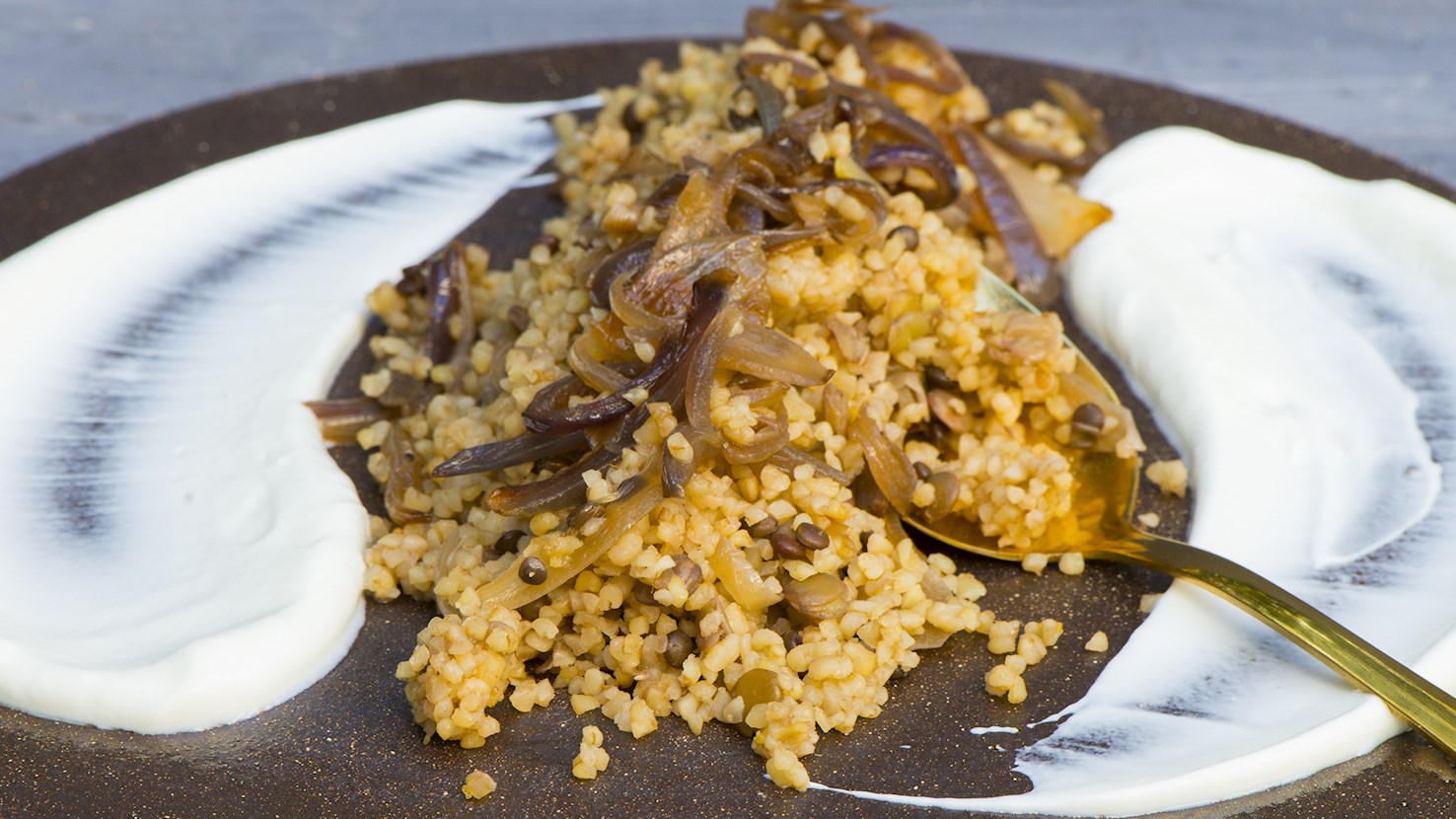
Mujaddara is a staple dish in Middle Eastern cuisine, widely enjoyed across countries such as Iraq, Lebanon, Syria, Palestine, and Jordan. It consists primarily of lentils and rice or bulgur, combined with caramelized onions that lend the dish a deep, savory flavor and a pleasing texture contrast. This dish has roots extending back to ancient times when legumes and grains formed the dietary backbone of many communities. Over generations, mujaddara evolved as a nourishing meal that is both affordable and filling. The method of slow-cooking lentils and rice together allows their flavors to meld naturally, while the golden, fried onions add a rich, slightly sweet counterpoint. The dish’s name, derived from Arabic, translates roughly to “pockmarked,” referring to the appearance lentils create in the grain. Preparation involves rinsing lentils and rice before cooking them in broth or water until tender. Meanwhile, onions are sliced thin and fried slowly to achieve a crisp, caramelized exterior. The onions are then either mixed into the lentil and rice mixture or served on top as a garnish, along with optional additions like yogurt or fresh herbs. Mujaddara is served warm or at room temperature and is often accompanied by side dishes such as pickles, salad, or a drizzle of olive oil.
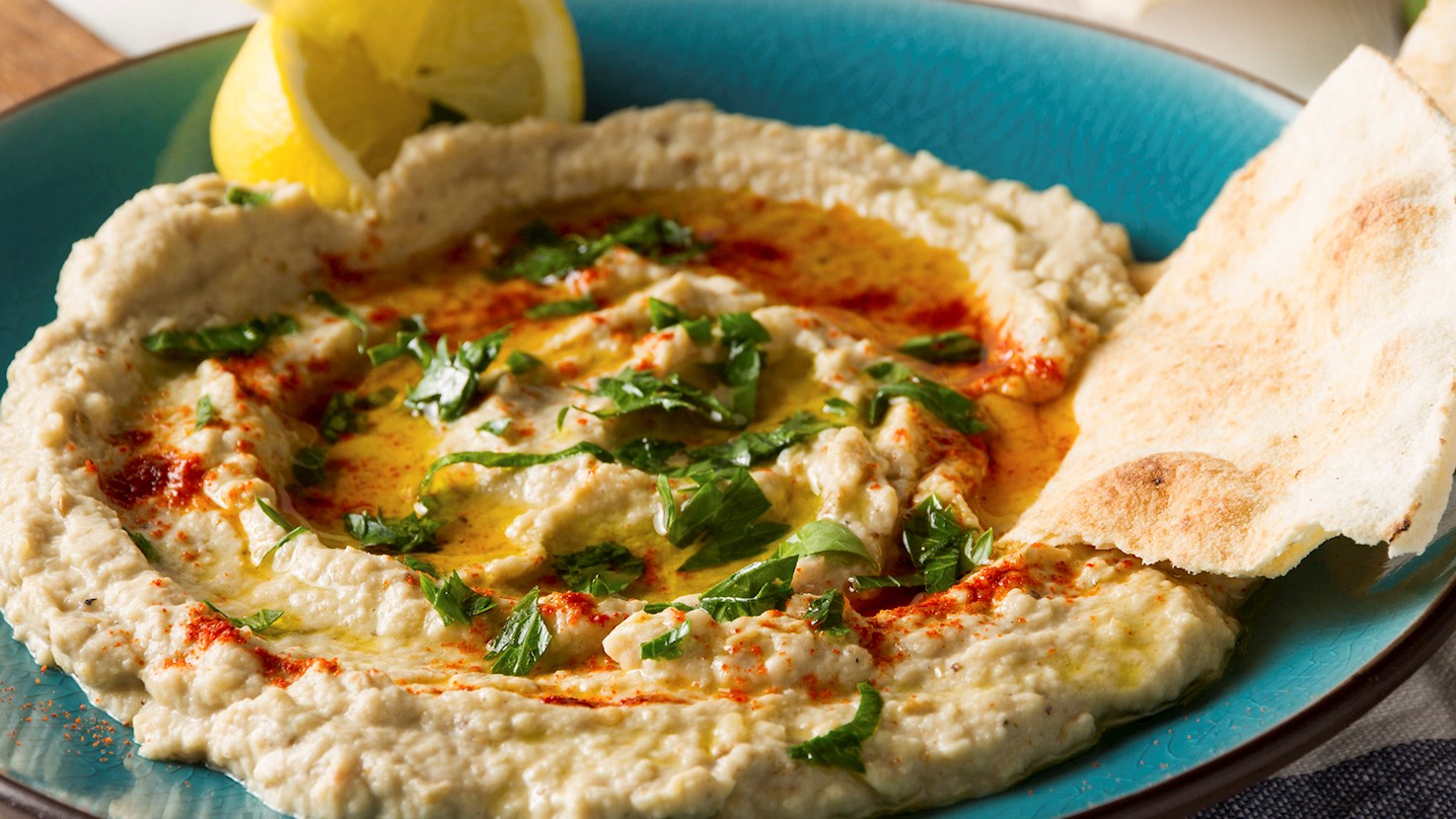
Baba ghanoush is a cold eggplant-based spread originating from the Levant, widely prepared and consumed in countries such as Lebanon, Syria, Jordan and Palestine, made primarily from cooked eggplant combined with tahini, lemon juice, garlic, and olive oil to form a smooth or lightly textured paste. Its emergence is tied to the long-standing cultivation of eggplant in the eastern Mediterranean and the parallel development of sesame-based condiments, with medieval Arabic cookery texts describing mashed or puréed eggplant dishes seasoned with acids and fats, indicating a settled place in regional cuisines by the early Islamic period as cooking techniques such as open-fire roasting became common in domestic kitchens. Its name comes from the Arabic phrase baba gannuj, where baba means father or daddy, and gannuj means pampered or spoiled, referring to a supposed invention of baba ghanoush by a member of a royal harem. Preparation begins with whole eggplants roasted directly over flame or in ovens until the flesh softens and absorbs smoke, after which the skin is removed and the pulp drained to control moisture before being mixed with tahini, lemon juice, salt, and garlic, producing a balance between bitterness, acidity, and fat, and the spread is usually finished with olive oil and sometimes garnished with parsley or pomegranate seeds depending on local preference. A defining characteristic of baba ghanoush is the use of smoke from direct heat rather than added spices to create depth of flavor, and its composition relies on emulsification between eggplant fibers and sesame paste rather than dairy or starch for body. Baba ghanoush is eaten throughout the Levant and beyond as part of mixed appetizer spreads, served with flatbreads such as pita or saj, alongside raw vegetables or grilled meats, and it pairs well with dry white wines, light-bodied reds, anise-based spirits diluted with water, or non-alcoholic options like mint tea and sparkling water that complement its acidity and richness without overpowering its flavor.
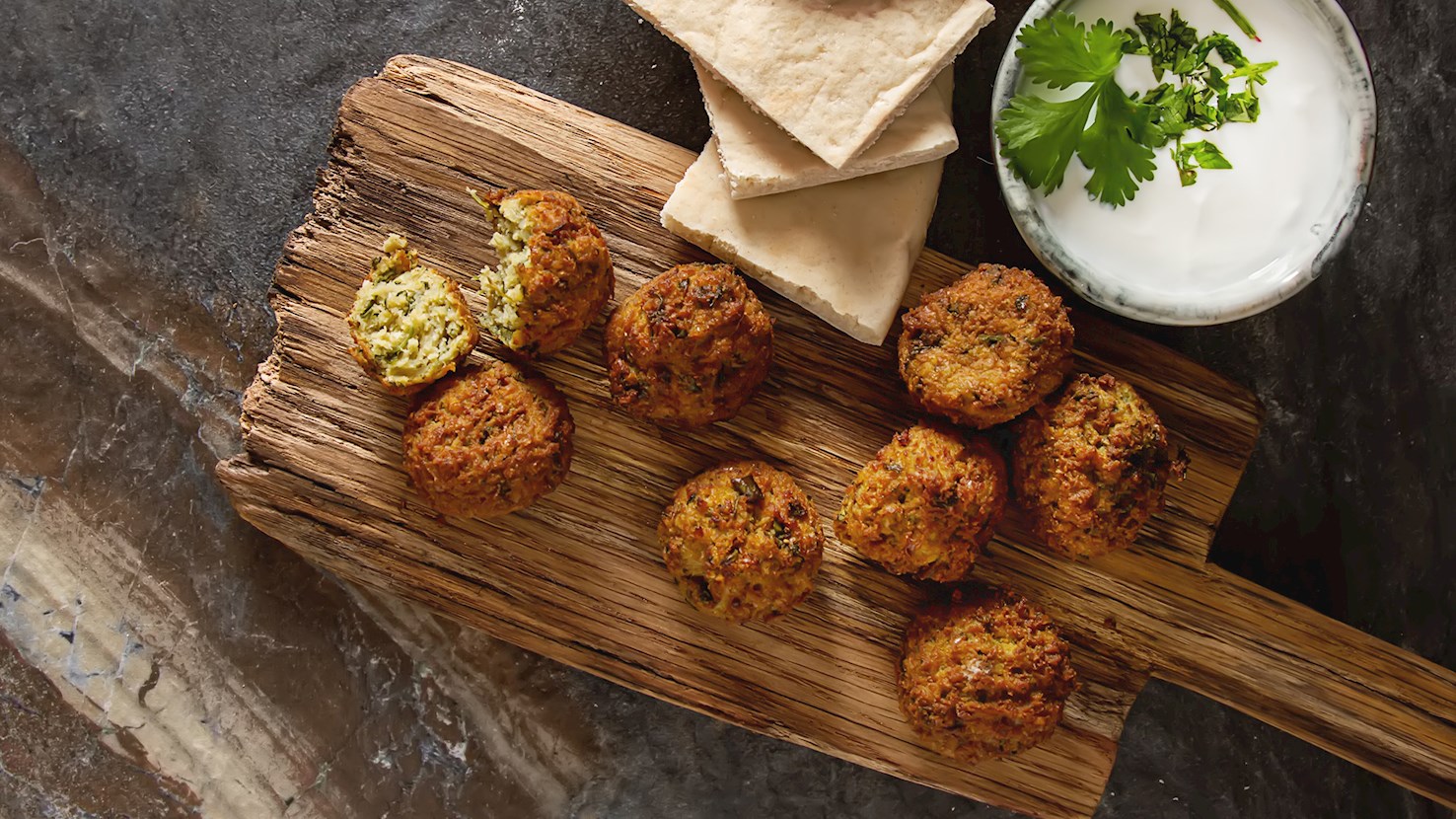
Falafel is a deep-fried food made from ground legumes, most commonly chickpeas or fava beans, and is widely eaten across the Middle East and North Africa. It is shaped into balls or patties and seasoned with herbs, onions, and spices such as cumin, coriander, and garlic. Falafel is recognized as one of the most characteristic foods of Levantine and Egyptian cuisines, commonly served in pita bread or flatbreads with salads, pickles, and tahini-based sauces. Its presence extends beyond the Middle East, having become a common street food and vegetarian option in many parts of the world. Falafel is believed to have originated in Egypt, where it was first made from fava beans and known as ta’amiya. The dish spread north through trade and migration, especially during the 20th century, and chickpeas became the preferred ingredient in Levantine regions such as Lebanon, Syria, and Palestine. Its popularity grew because it was inexpensive, nutritious, and could be prepared in large quantities, making it suitable for both home and commercial cooking. Over time, regional variations developed, with differences in texture, spice levels, and serving style. In Egypt, falafel tends to be greener and softer, while in the Levant, chickpea-based versions are denser and crispier. Preparation begins by soaking dried chickpeas or fava beans overnight, then draining and grinding them with onions, garlic, fresh herbs like parsley or cilantro, and spices. The mixture is formed into small balls or disks, often with a pinch of baking soda to ensure lightness. They are deep-fried in hot oil until golden brown and crisp on the outside while remaining moist inside. The cooking process requires precise oil temperature to achieve the right balance of texture and color without excessive oil absorption. In modern kitchens, falafel may also be baked or air-fried, though frying remains the most common method. It is served in many ways, most often in pita or laffa bread with lettuce, tomato, cucumber, pickled vegetables, tahini sauce, and sometimes hummus or yogurt sauce. In Egypt, it is commonly eaten at breakfast, while in the Levant, it is served throughout the day as a snack or meal. The dish is particularly popular among vegetarians and vegans, as it provides a high-protein option free from animal products. Falafel pairs well with beverages that balance its fried texture and spices, such as mint tea, lemonade, or yogurt drinks like ayran or laban. In Middle Eastern eateries, it is often accompanied by fries, tabbouleh, or baba ghanoush, forming part of a broader mezze spread. Across different regions, falafel maintains its core identity as a flavorful, plant-based dish prepared with skill and precision, reflecting the regional diversity and shared culinary heritage of the Middle East.
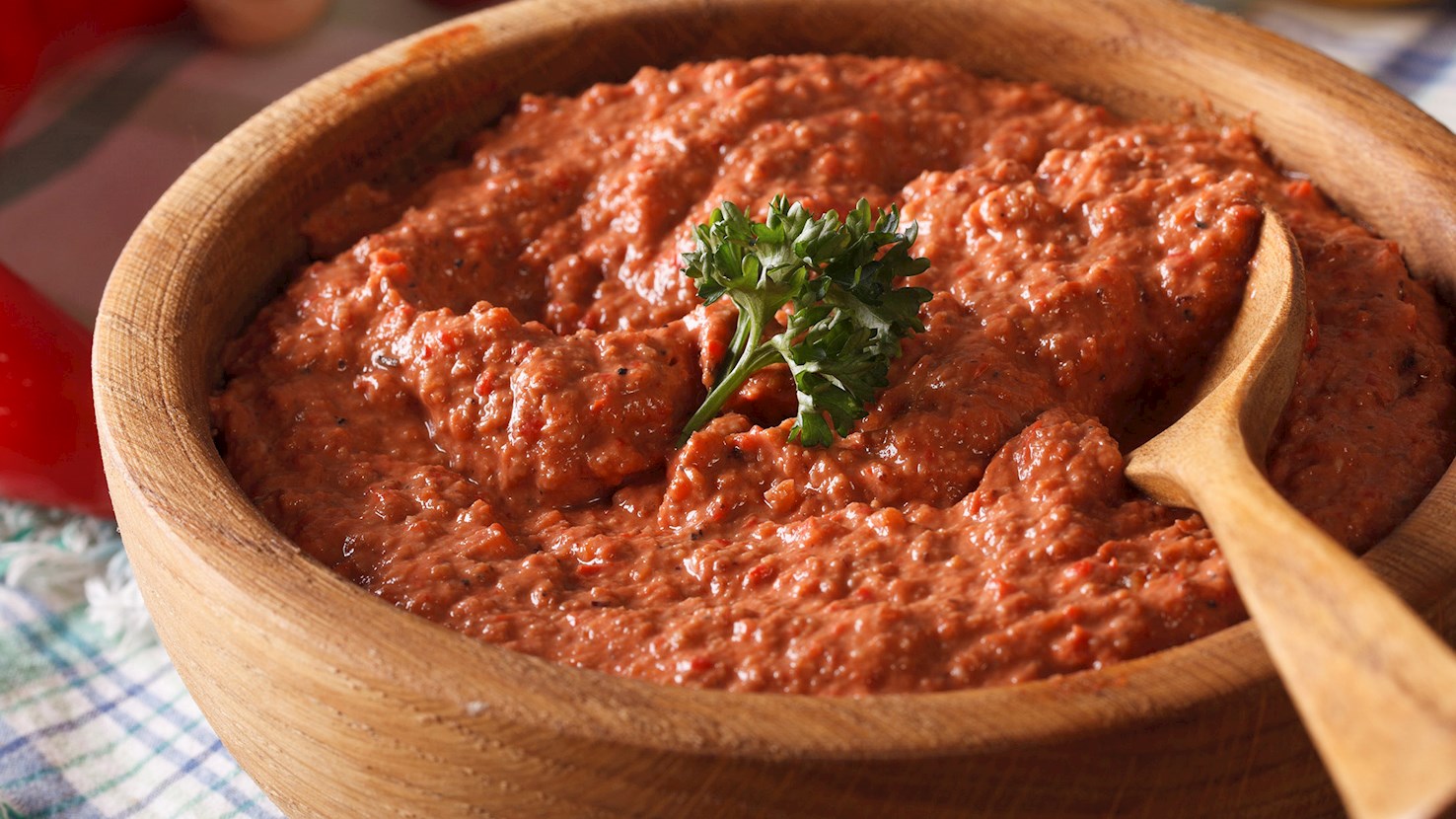
Muhammara is a nutritious dip originating from the Syrian city of Aleppo. It is made with a combination of roasted red peppers, olive oil, and ground walnuts. The peppers give the dish a particular sweetness and smoky flavor, while ground walnuts make it texturally exciting. Lemon juice, pomegranate molasses, garlic, and salt are often added to the dish. Traditionally, it was prepared in a mortar, but modern techniques usually mechanically blend the ingredients, so its texture might vary from grainy to smooth. It is usually served individually in small bowls or in larger plates, when it is consumed communally. Freshly baked pita bread is the essential accompaniment to every muhammara dip - typically cut in triangles, pita is used as a utensil to scoop up this delightful spread. Muhammara is often a part of a mezze, served alongside baba ganoush, labneh, or hummus, but it is also often used as a dip for raw vegetables or a sauce accompanying grilled meat and fish dishes.
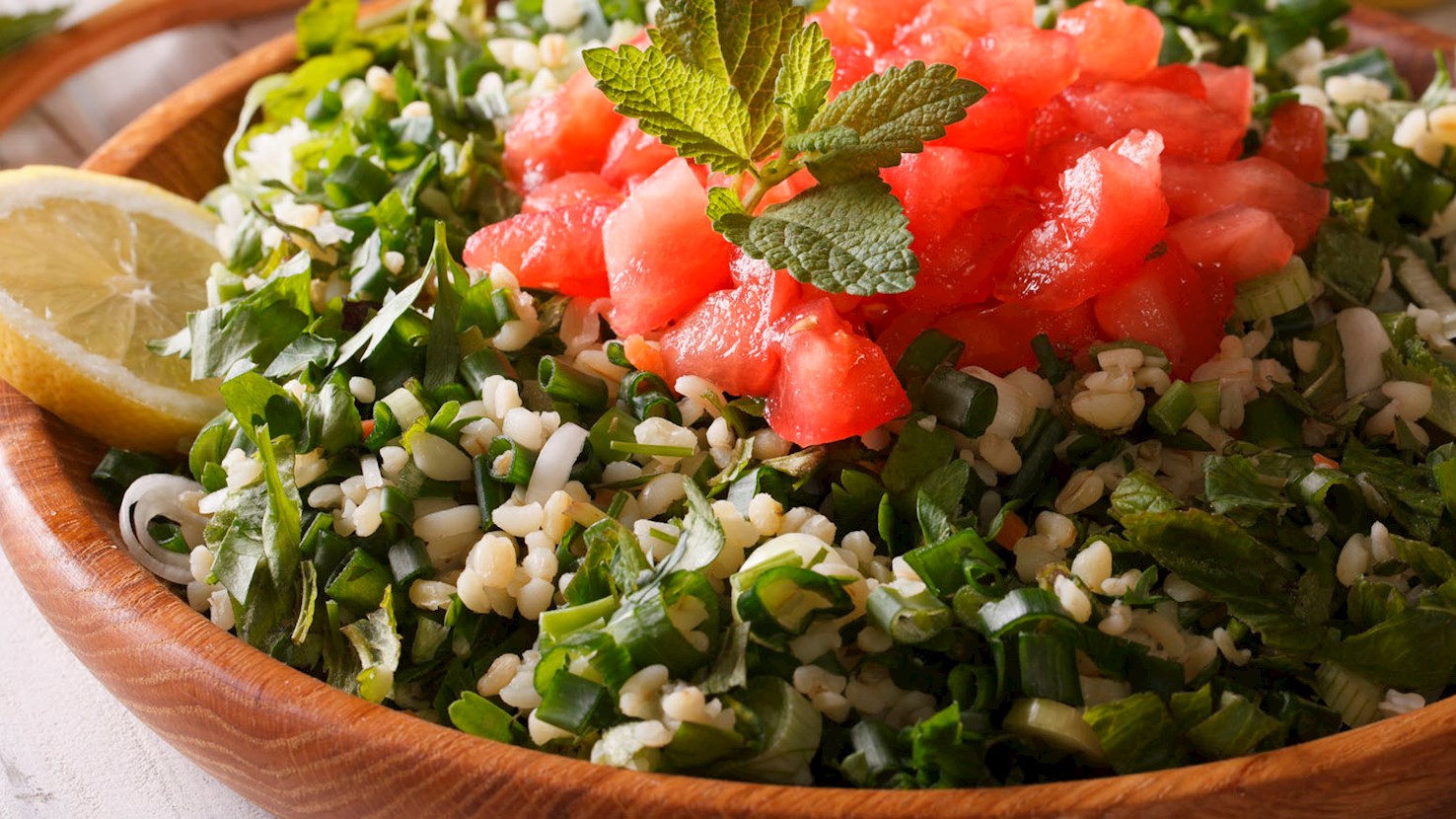
Tabbouleh is a colorful Lebanese and Syrian national dish that is usually considered a salad, with a crunchy and chewy texture, made with fresh, finely chopped parsley leaves, olive oil, bulgur wheat, and chopped mint leaves as a base. It originated in the mountains of Lebanon and Syria, where edible herbs that are used in tabbouleh were consumed by Arabs since Medieval times. Usually served as an appetizer, it is sometimes accompanied by pita bread, baba ghanoush, or hummus. Chopped red tomatoes, diced cucumbers, fresh lemon juice and minced onions can be added to the salad, imparting a tangy flavor. It is best to refrigerate tabbouleh for a few hours before serving to improve its taste. Its refreshing flavors are ideal for a hot summer day, while bulgur provides a rich source of fiber, protein, and minerals, making tabbouleh one of the healthiest food options in the region. Tabbouleh is so popular that it even has its own day, celebrated every year on the first Saturday in July.
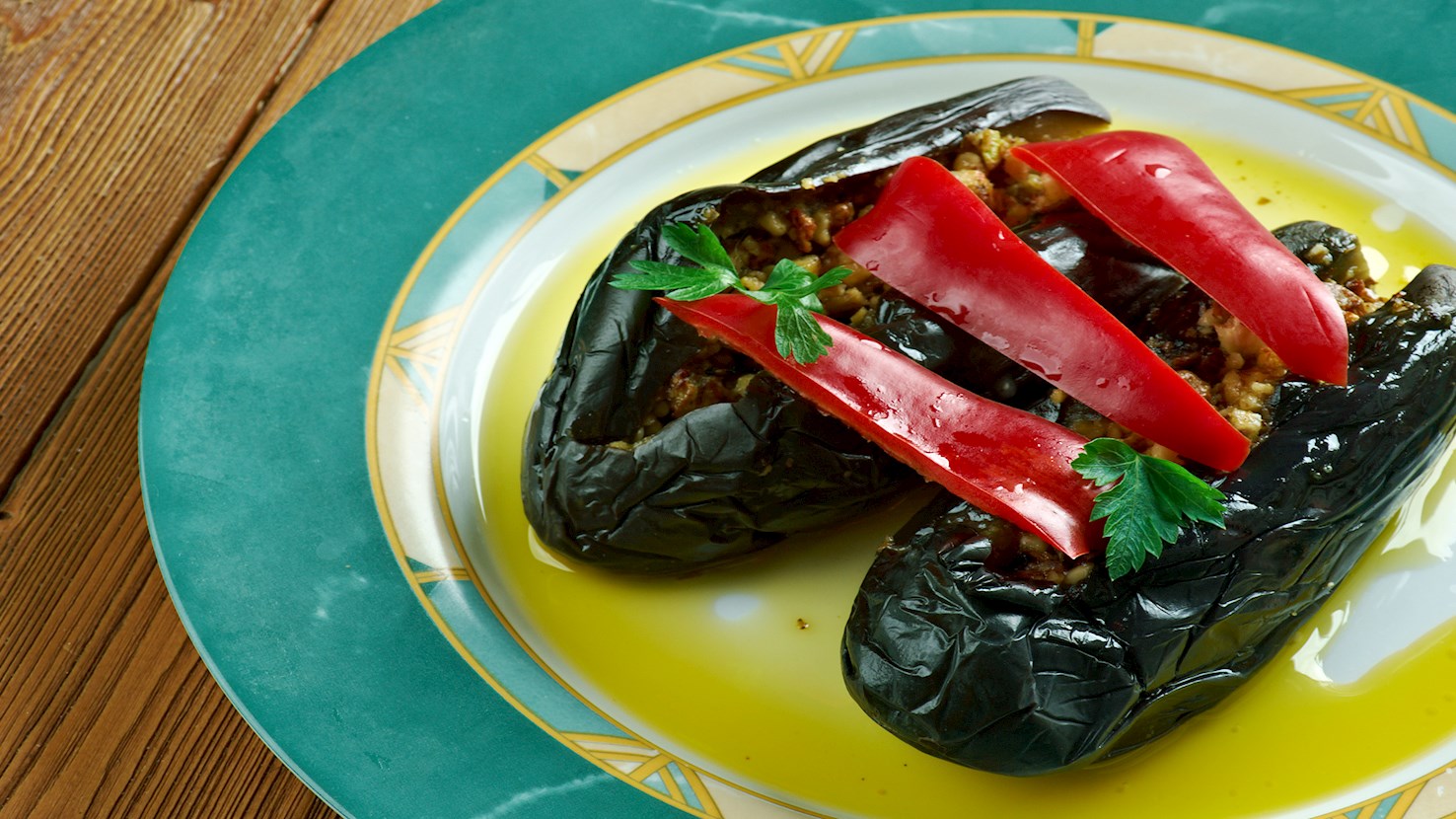
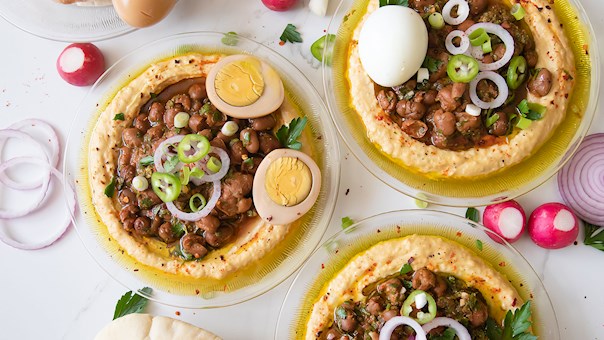
Oil-cured eggplants are a staple throughout Levantine and Middle Eastern cuisine. The dish is traditionally prepared with small-sized baby eggplants that are shortly boiled and stuffed with a flavorful mixture of roasted red peppers, walnuts, garlic, and salt. The eggplants are then cured in olive oil and are traditionally enjoyed for breakfast, usually accompanied by labneh, vegetables, and flatbread, but they also work as a standard meze dish or a snack. Though their origin is vague, preserved eggplants are strongly associated with Syria.
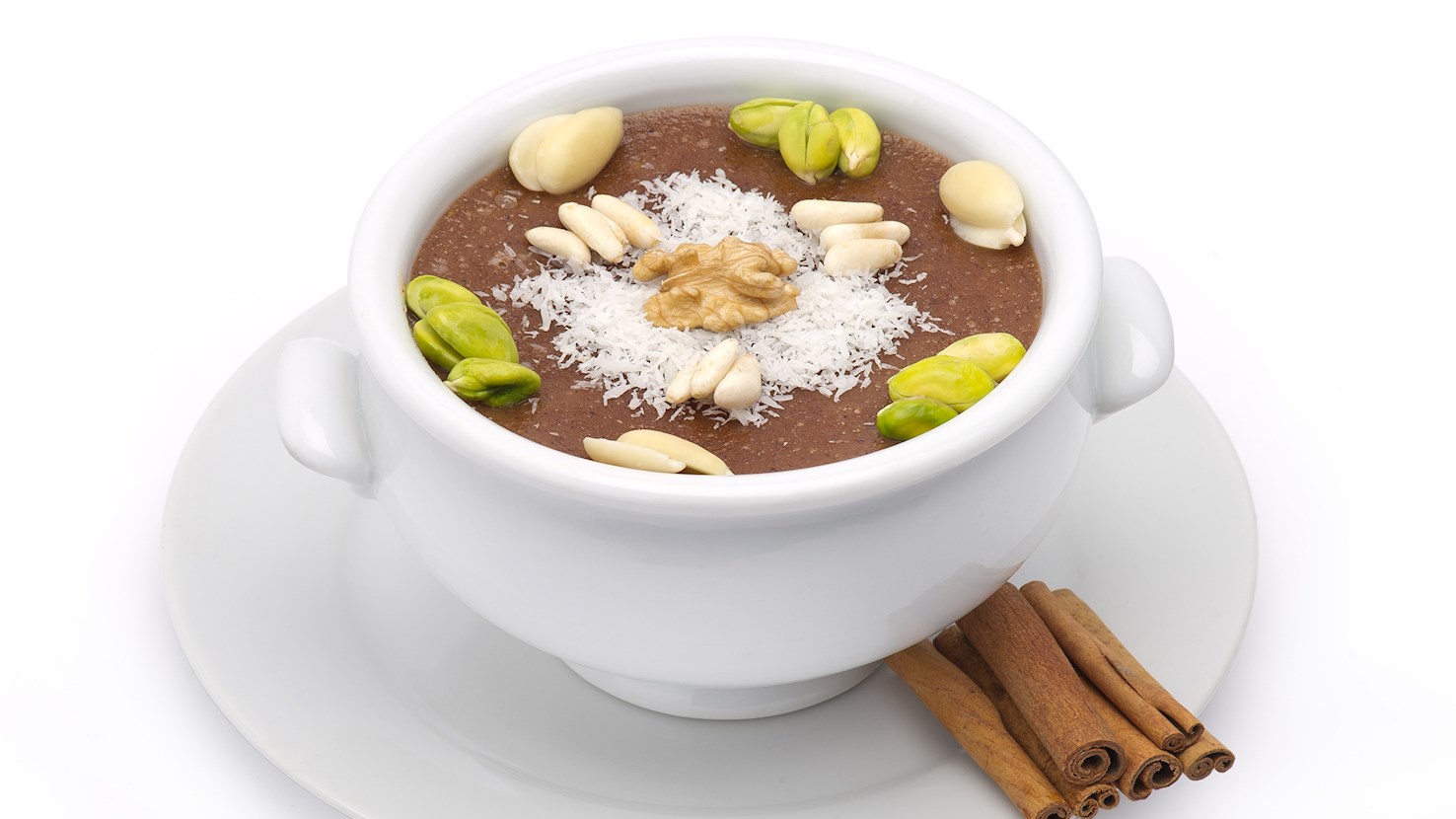
The traditional Levantine rice pudding called meghli is a vegan, gluten, and dairy-free dish that is traditionally consumed to celebrate the birth of a baby. It is also said that the brown color of the spiced pudding is symbolic for the richness of soil, while the rough texture of the nuts on top represents growing seeds. In addition to those symbolic meanings, the caraway in the pudding is thought to assist new mothers with lactation and bloat reduction. Meghli is made with rice flour, caraway, water, sugar, spices, a variety of nuts and spices, and is then cooked over low heat until the mixture can hold itself when tilted. It can be enjoyed both warm or cold.
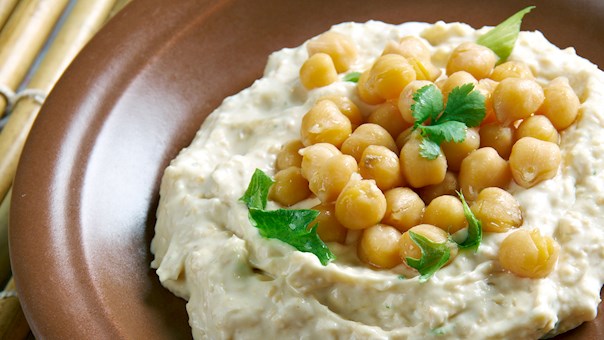
Mashawsha is a steaming hot, textured variation of Levantine hummus—essentially a rustic, chunky counterpart—prepared by manually crushing freshly boiled chickpeas into a coarse, jagged mash rather than blending them into a smooth cream. Originating from the working-class kitchens of the Eastern Mediterranean, deeply rooted in Palestinian, Syrian, and Lebanese culinary traditions, this dish is fundamentally defined by its manual labor and intentional imperfection. Rather than relying on modern food processors to whip the ingredients into a pale emulsion, cooks use a heavy mortar and pestle to physically smash the hot beans just moments before serving. This deliberate, partial mashing creates a porridge-like consistency where half-crushed chickpeas release their natural starches, binding the mixture without ever losing their hearty structural integrity. Because the dish is always served warm, its rough culinary architecture serves a highly specific functional purpose: the deep crevices of the smashed chickpeas grip and absorb heavy pours of cold-pressed extra-virgin olive oil far more efficiently than a smooth puree ever could. A proper bowl of mashawsha demands a sharp, vibrant flavor profile to cut through its dense, starchy weight, which is achieved by folding in raw, crushed garlic, fiery green chili sauces like tatbila, and a heavy dose of freshly squeezed lemon juice directly into the hot mash. Crowned with a dusting of ground cumin and finely chopped flat-leaf parsley, this formidable breakfast staple is meant to be scooped up instantly with thick shards of raw white onion and tearing-hot pita bread, delivering an unapologetically heavy, texturally complex meal.
TasteAtlas food rankings are based on the ratings of the TasteAtlas audience, with a series of mechanisms that recognize real users and that ignore bot,
nationalist or local patriotic ratings, and give additional value to the ratings of users that the system recognizes as knowledgeable.
For the “Top 12 Syrian Vegetarian Dishes” list until August 15, 2026, 7,666 ratings were recorded, of which 2,795 were recognized by the system as legitimate.
TasteAtlas Rankings should not be seen as the final global conclusion about food. Their purpose is to promote excellent local foods,
instill pride in traditional dishes, and arouse curiosity about dishes you haven’t tried.




What People Say