


shutterstock

Top 5 Tunisian Vegetarian Dishes

Last updated on May 16, 2026
01

Maaqouda

4.4 ·

Maakouda are traditional potato fritters that are popular throughout the Maghreb, especially in Morocco, Algeria, and Tunisia. The fritters are usually prepared plain, but they can also be stuffed with meat, tuna, or cheese, although not that often. They're made with potatoes, parsley, garlic, flour, salt, and pepper. The potatoes are boiled, mashed, and mixed with other ingredients into small disks which are then deep-fried in hot oil until golden brown. Maakouda is traditionally served as an appetizer, a side dish, or an ingredient in a long sandwich roll that's usually sold as street food and served with harissa, coriander, and lemon juice. The fritters are especially popular during the month of Ramadan.

02

Shakshouka

4.2 ·

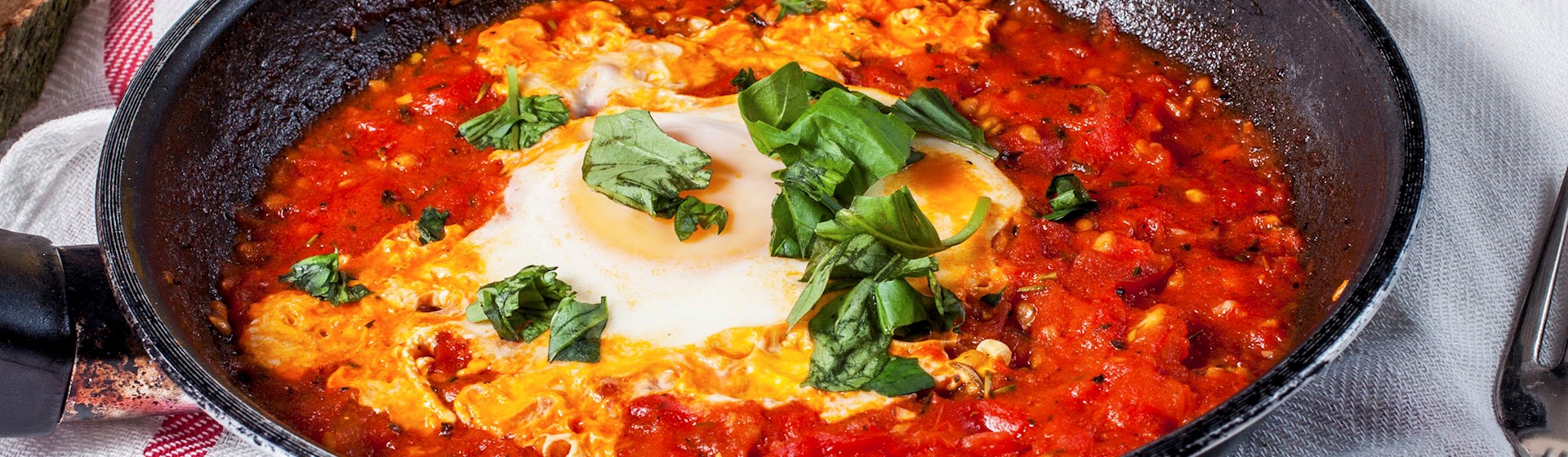
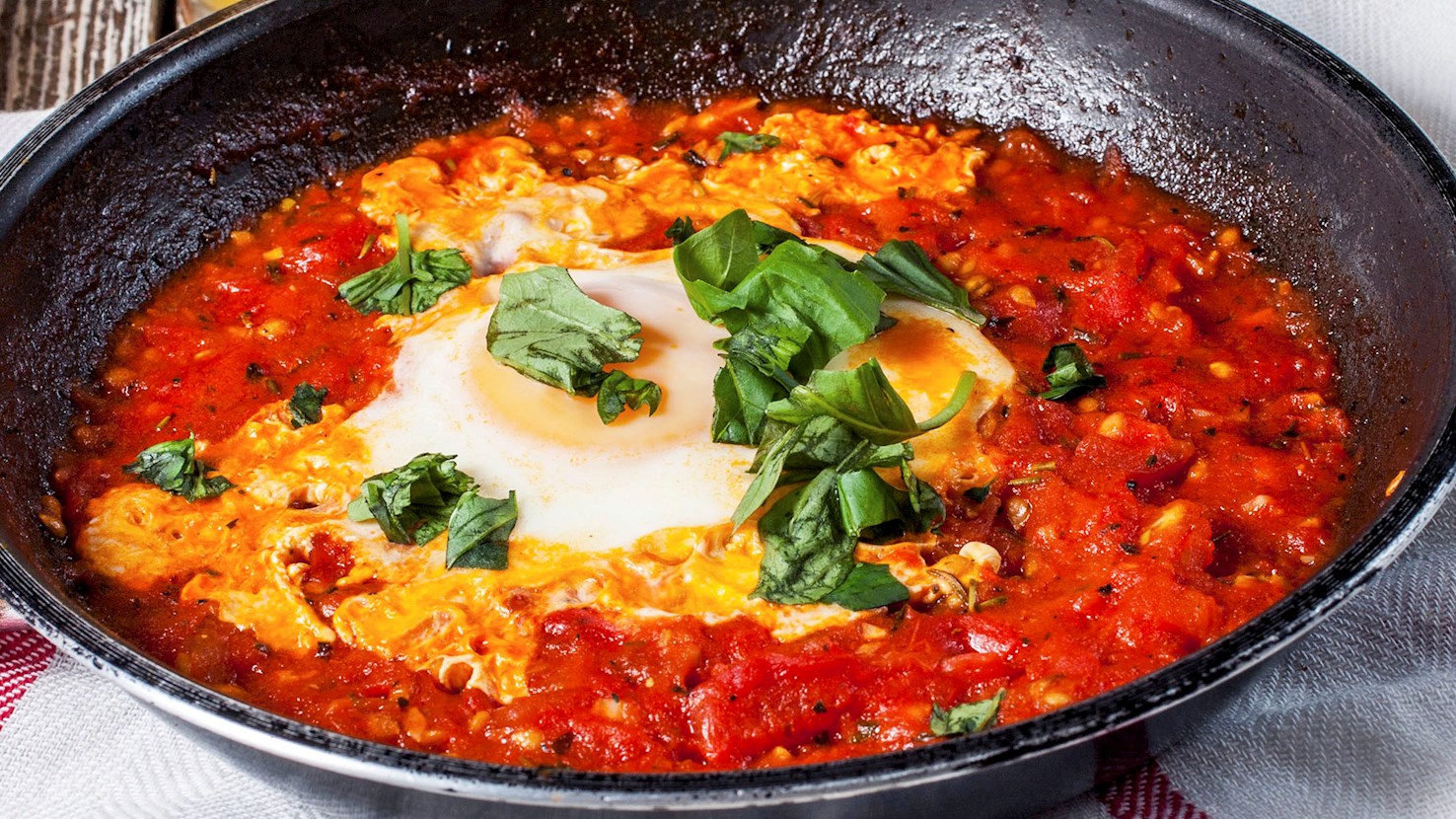
Shakshouka is a delicious combination of eggs poached in a spicy tomato sauce. Although it has an unusual name, the dish is straightforward and easy to make. It is usually made in a skillet in which onions, tomatoes, and spices are cooked until they form a delicious tomato sauce. Eggs are then added directly to the tomato sauce and poached until done. Merguez sausage can also be added to the dish. It is believed that shakshouka originated in Tunisia, but the dish is well-known and commonly eaten throughout North Africa and the Middle East as well. Almost every region has formed their distinctive variety of shakshouka: in Egypt, eggs are usually scrambled and served in a sandwich, and in Israel it is often served with salty feta cheese on top. The consistency of the sauce and eggs is also variable – the sauce can be thinner or thicker, while the eggs can be completely firm or soft. For a more nutritious meal, meat, most commonly sausages, can be included in the dish. Shakshouka is suitable for any meal of the day and is usually served warm or sizzling hot, with bread on the side. Because it is budget-friendly, simple, and easy to prepare, the dish has recently gained popularity both in Europe and North America.

03

Kafteji

4.1 ·

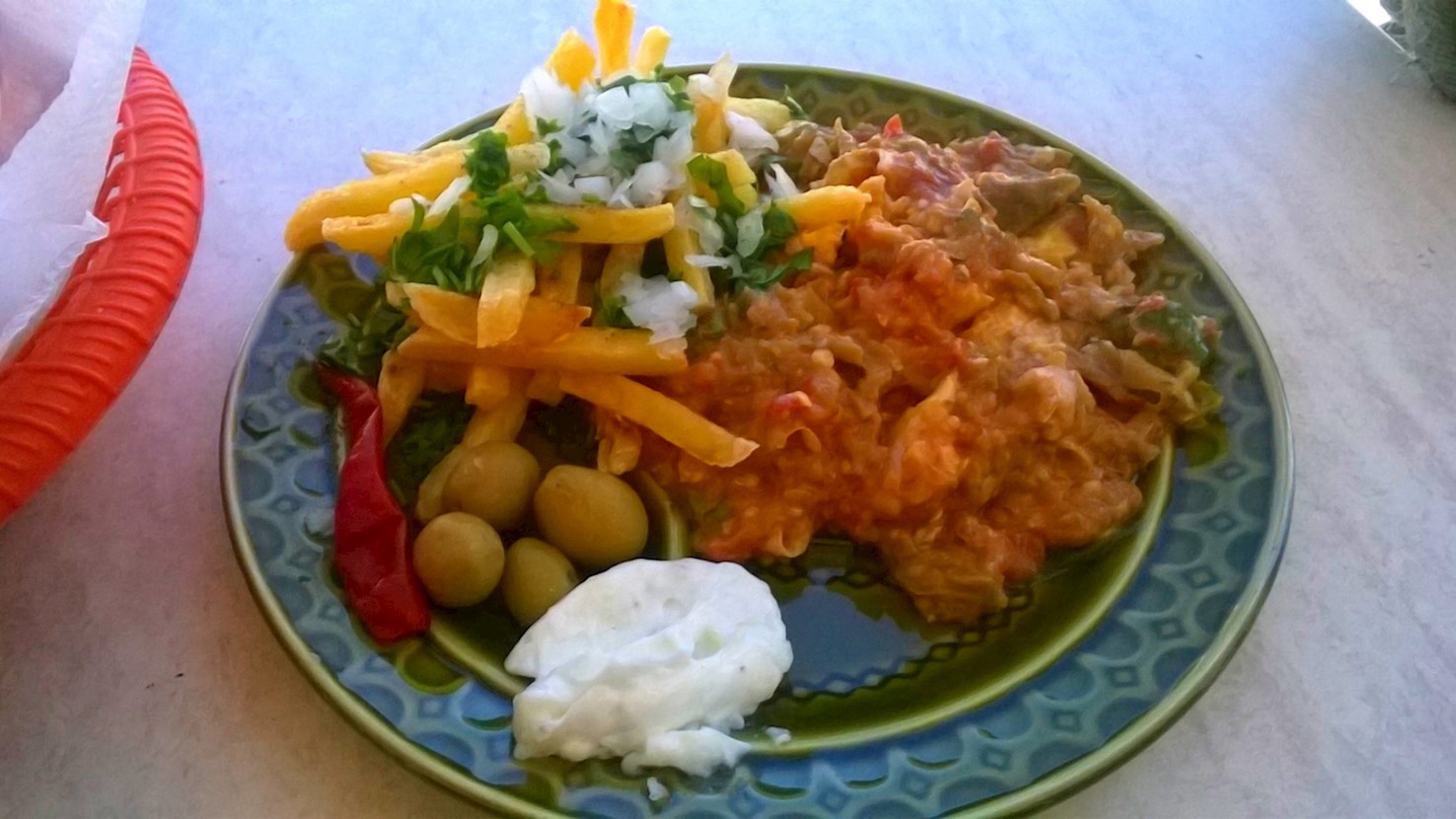
Kafteji is a traditional dish made with fried vegetables. Typical veggies used in the dish include eggplants, bell peppers, potatoes, tomatoes, zucchinis, and pumpkins. The vegetables are fried, chopped, then combined with (often fried) eggs and seasonings. The dish is often sprinkled with parsley or coriander, and it's then served as a side to poultry or fish, although it can be eaten as it is. Kafteji is also a popular Tunisian street food, often served in a baguette.

04

Loubia

4 ·

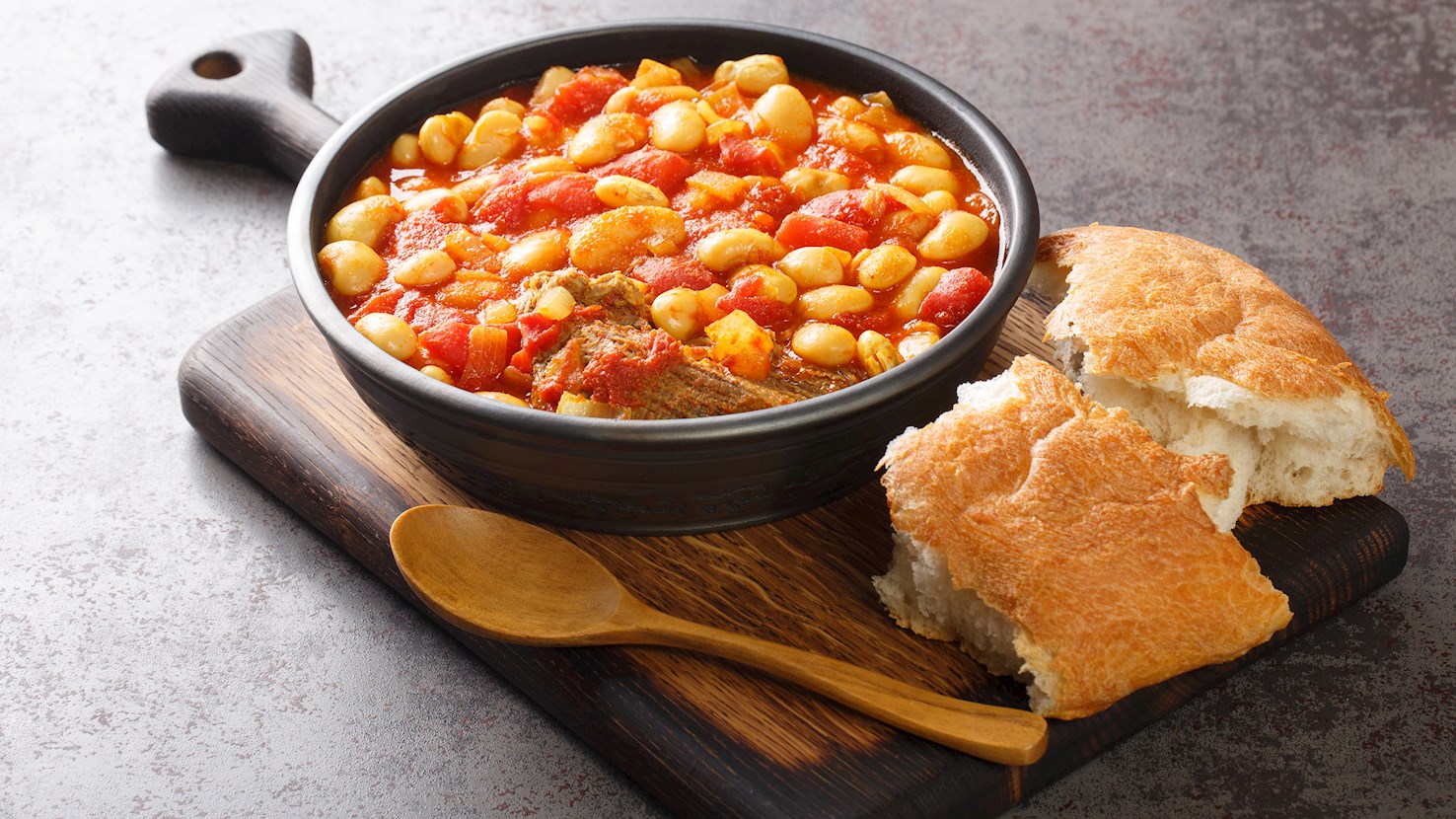
Loubia is a traditional North African dish consisting of stewed white beans. This dish is very popular in Moroccan, Tunisian, Algerian, and Libyan homes, where the beans that have been simmered in a zesty tomato-based sauce are typically scooped up with homemade flatbread. It is comfort food that can be served both as an appetizer, garnished with some coriander or parsley, and as a side dish - especially when used as an accompaniment to fried fish. Simple, quick, and delicious - it is unsurprising that loubia is commonly found in homes throughout Maghreb region.

05

Mesfouf

4 ·

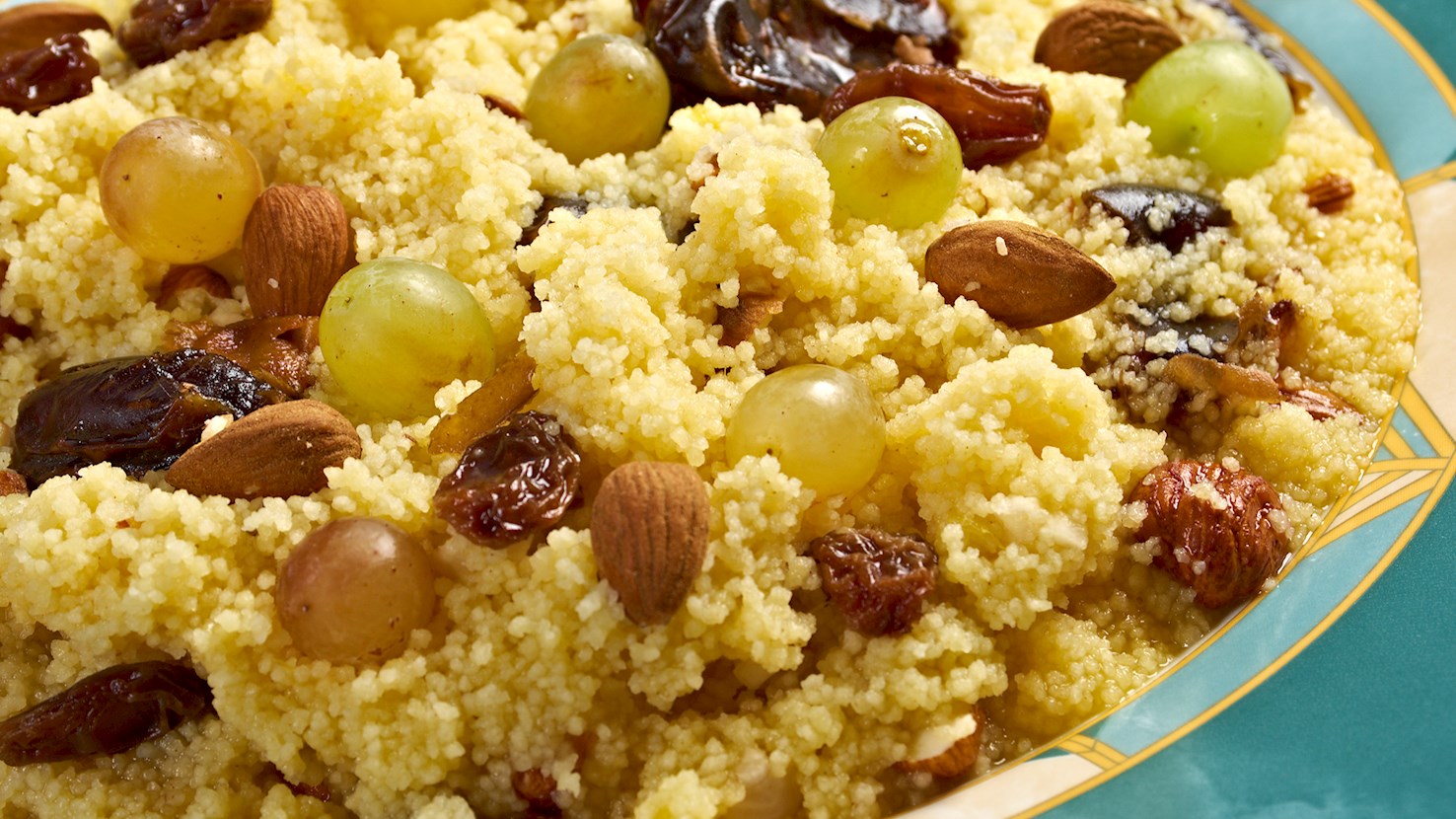
Mesfouf refers to a dish where the main ingredient is a version of couscous made with finely ground semolina and butter. The dish can then be made in sweet or savory versions, depending on the additional ingredients. This flavorful side dish originates from Algeria and Tunisia, but it is consumed throughout Maghreb, a region in northwest Africa.

Read more
View all
View map
About this ranking

TasteAtlas food rankings are based on the ratings of the TasteAtlas audience, with a series of mechanisms that recognize real users and that ignore bot, nationalist or local patriotic ratings, and give additional value to the ratings of users that the system recognizes as knowledgeable. For the “Top 5 Tunisian Vegetarian Dishes” list until May 16, 2026, 2,182 ratings were recorded, of which 655 were recognized by the system as legitimate. TasteAtlas Rankings should not be seen as the final global conclusion about food. Their purpose is to promote excellent local foods, instill pride in traditional dishes, and arouse curiosity about dishes you haven’t tried.

Similar lists