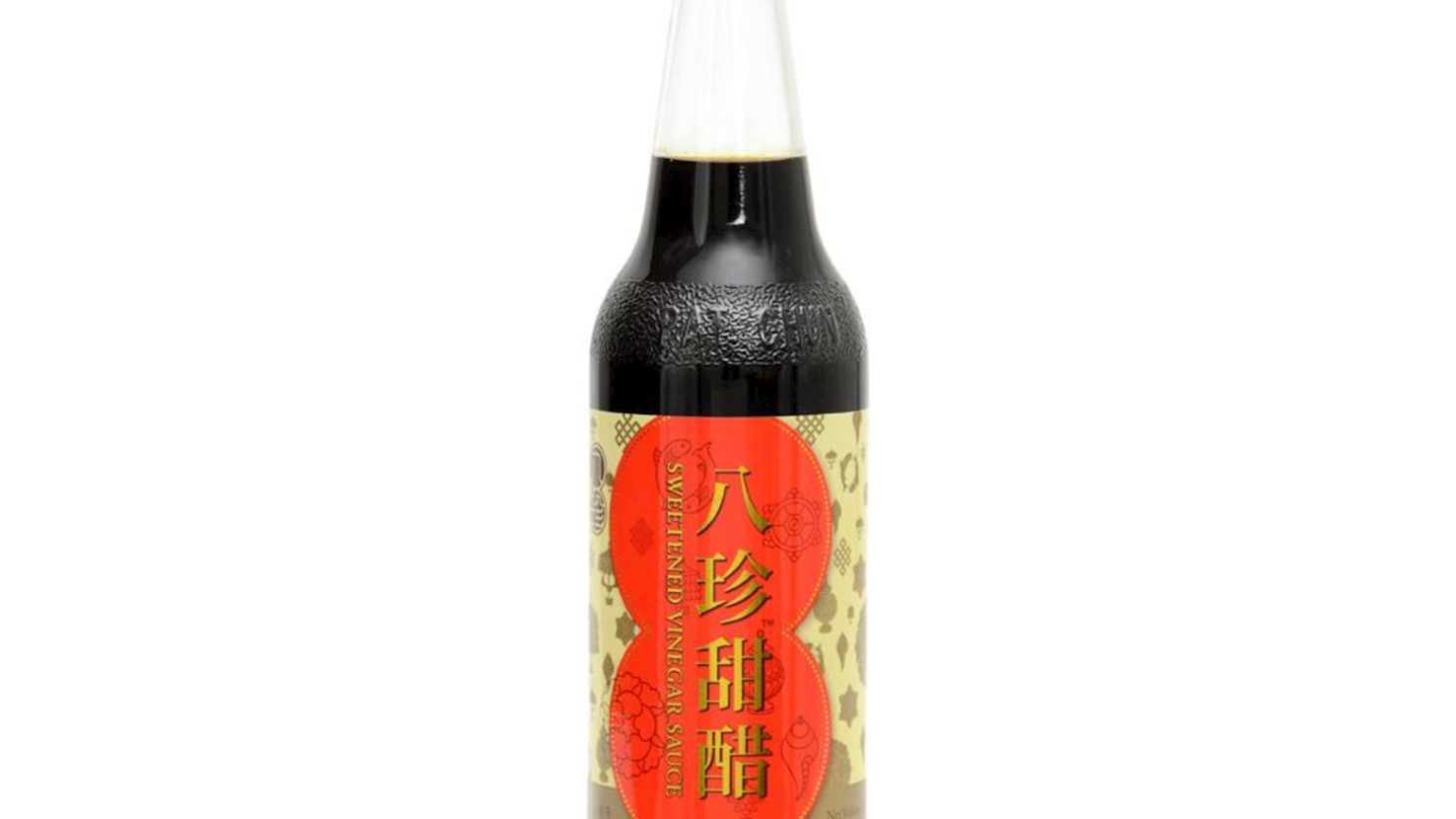
Pat Chun is a Hong Kong family-owned producer of fermented sauces, vinegars, and traditional food products, founded in 1932. The brand was established by Ng Wai Sum, who continued the culinary tradition inherited from his father, a renowned Cantonese chef. Since its founding, the company has specialized in producing vinegars and sauces using traditional natural fermentation methods, with many of its products still made through extended aging without the use of preservatives or artificial flavor enhancers. Over more than nine decades, Pat Chun has become one of Hong Kong's best-known food brands, particularly recognized for its sweet vinegar, premium soy sauce, and other fermented condiments. Today, its portfolio includes more than one hundred products, ranging from various types of vinegar and soy sauces to cooking sauces, pickled vegetables, seasonings, traditional festive specialties, and mooncakes. Production remains based in Hong Kong, where the company continues to apply natural aging techniques that are deeply rooted in Chinese culinary tradition.
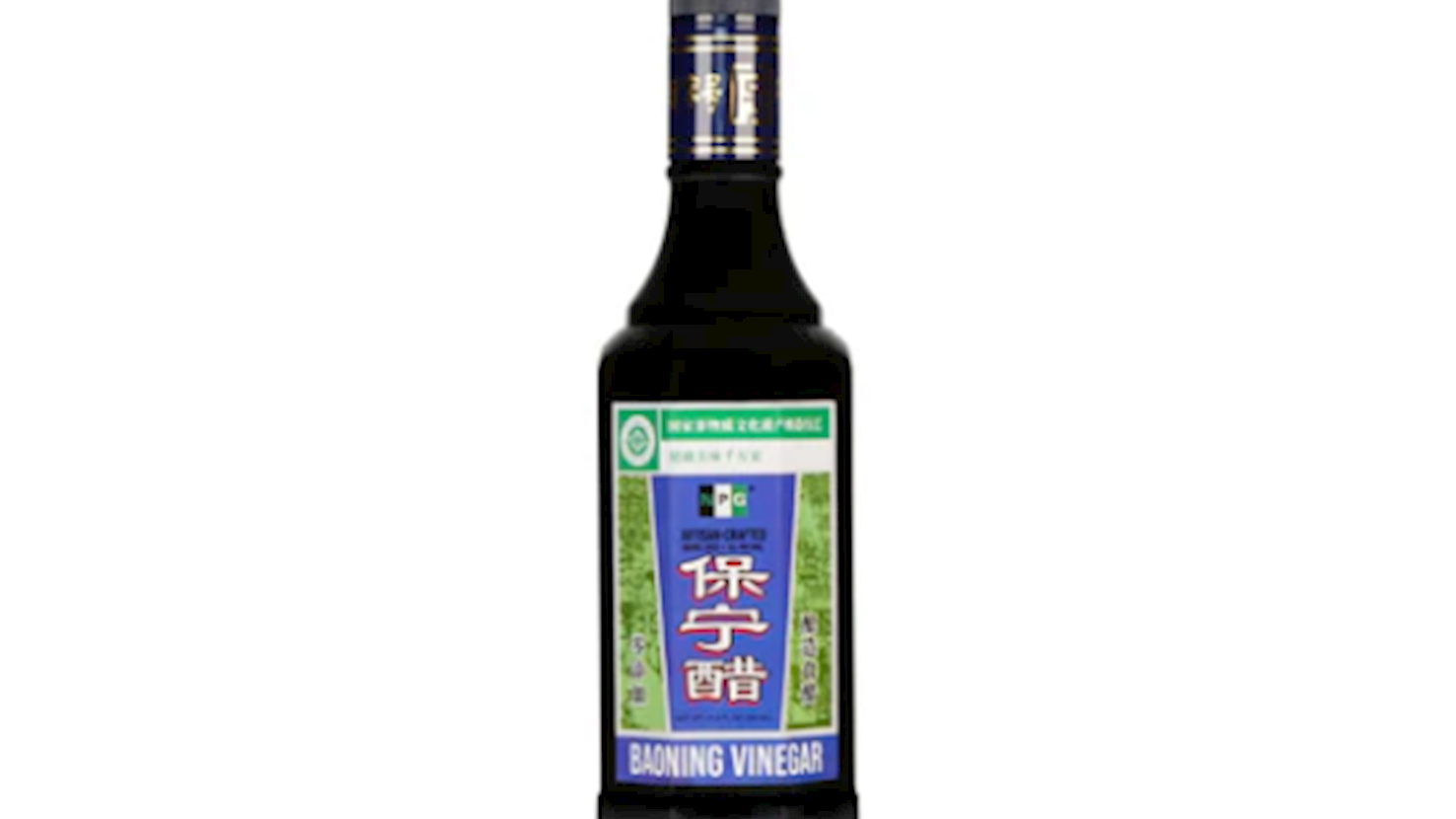
Sichuan Baoningcu is a traditional vinegar producer from Sichuan Province, known for its long history and preserved fermentation methods rooted in local artisanal practices. Production relies on slow, natural fermentation in clay vessels, using high-quality grains and region-specific water, which give the vinegar its characteristic aroma, gentle acidity, and layered flavor.
Their range includes classic and long-aged vinegars, organic varieties, and specialty lines designed for both professional kitchens and everyday home cooking. Today, Baoningcu is regarded as one of the key representatives of authentic Sichuan vinegar craftsmanship, with products widely used in traditional Chinese cuisine as well as in international gastronomy that values pronounced, naturally fermented character.
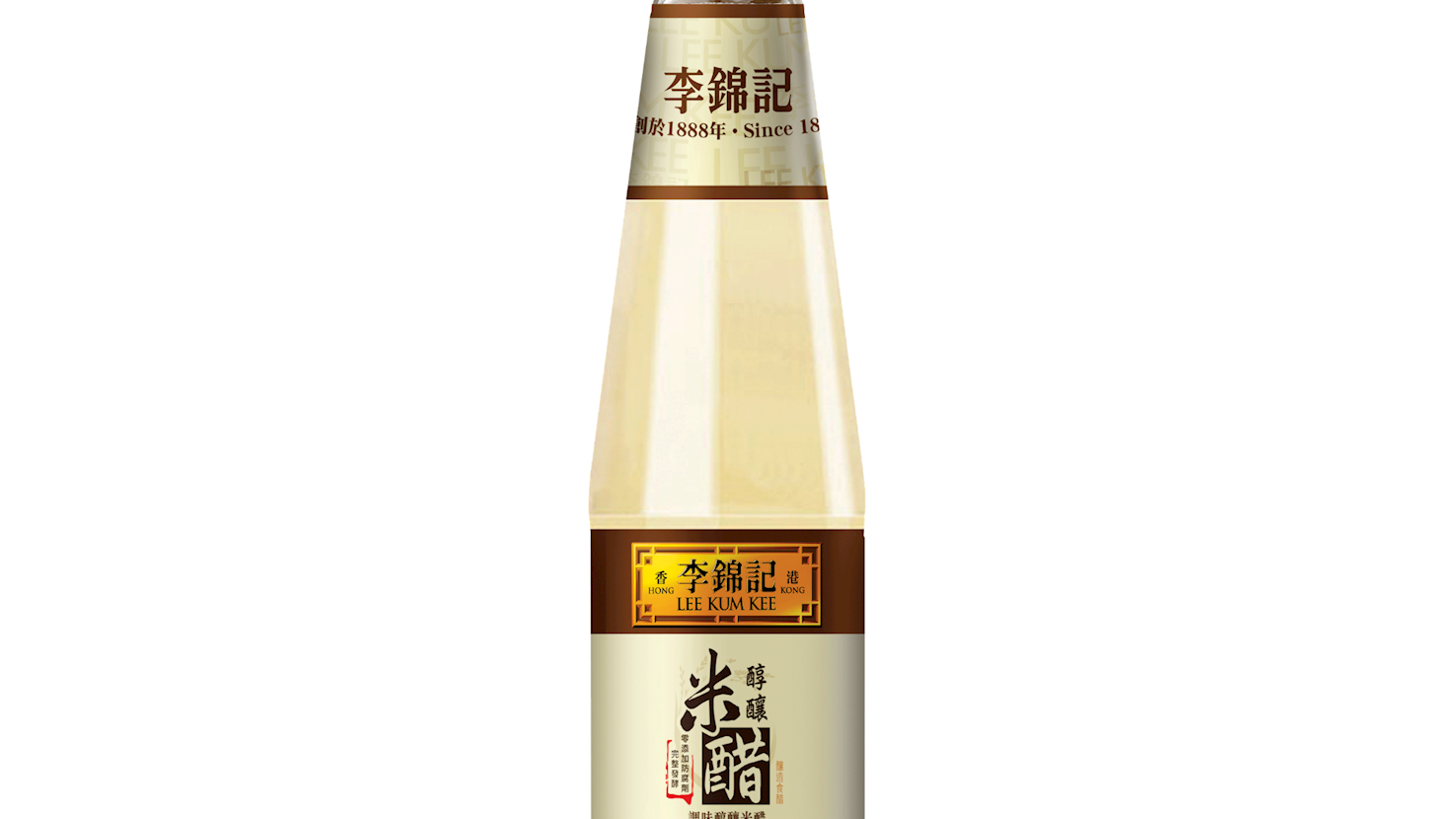
Lee Kum Kee is a Hong Kong-based manufacturer of sauces and condiments and one of the world's oldest and most recognized Asian food brands. Founded in 1888 by Lee Kum Sheung, the company originated after he accidentally invented oyster sauce, which remains its flagship product and one of the most influential ingredients in Chinese cuisine. Over more than 130 years, Lee Kum Kee has grown into a global company offering more than 300 sauces and seasonings, including soy sauces, hoisin sauce, XO sauce, chili sauces, marinades, cooking oils and ready-to-use recipe sauces. The company operates production facilities in China, Hong Kong, Malaysia and the United States, while distributing its products to more than 100 countries and regions worldwide. Lee Kum Kee places a strong emphasis on food safety, quality control and sustainable manufacturing practices, combining traditional recipes with modern production technology. Its products are widely used by both home cooks and professional chefs and have become staples in Asian restaurants around the world. With a heritage spanning more than a century, Lee Kum Kee is widely regarded as one of the leading global ambassadors of authentic Chinese cuisine and a symbol of quality and culinary tradition.
Zhenjiang xiang cu is a rice vinegar of a unique taste and production process, made in the Zhenjiang region. It comes in two varieties, depending on its shelf life - Fragrant Vinegar has a shelf life of over 180 days, and Mature Vinegar has a shelf life of over a year. There are only six raw materials used in the production process - sticky rice with strong glutinosity, wheat bran of premium quality, rice husk that forms the special gaseous environment, daqu, frying rice that gives it the fragrance and colour, and pure water rich in minerals and with an appropriate hardness for brewing vinegar. The final product has a delicate flavour and scent, mild and dense, fresh, slightly sweet, sour but not astringent. It is quite dark, reddish brown in colour. It is an extremely versatile and loved product, best used with dumplings, soy sauce, caramelized onions and chili peppers for a true gourmet dish.
Chinese red vinegar, often recognized for its subtle, sweet, and mildly tart flavor profile, is a vibrant and integral component in numerous Asian dishes, particularly within the diverse and intricate world of Chinese cuisine. Crafted from fermented red rice, and occasionally, a blend of other grains such as sorghum and barley, this distinct vinegar showcases a rich, reddish-brown hue, providing not only a nuanced depth of flavor but also a visual allure to various culinary creations. Commonly utilized in a multitude of dishes, it shines in dipping sauces for delectable dumplings, acts as a harmonizing agent in sweet and sour concoctions, and serves as a tenderizing marinade for various proteins, offering a balanced acidity and a subtle sweetness that delicately elevates the overall harmony of flavors within a dish. Available widely in Asian supermarkets and online platforms, brands like Koon Chun and Gold Plum have popularized this versitile ingredient, making it accessible to chefs and home cooks around the globe.
Bǎoníng cù is a type of vinegar originating from Langzhong (formally Baoning), a historic town in Sichuan province known for producing rich, aromatic black vinegar with a deep, layered flavor profile. It is an essential condiment in Sichuan cooking, valued for its balance of acidity, sweetness, and umami, which enhances everything from dipping sauces to braised dishes. Its roots reach back several centuries to a period when vinegar was both a culinary and medicinal staple in Chinese households. The fertile lands and favorable climate around Baoning provided ideal conditions for grain cultivation, which, combined with local fermentation knowledge, led to the development of a distinct style of vinegar production. Over time, Baoning’s vinegar gained recognition for its depth and complexity, setting it apart from other regional vinegars in China such as Shanxi’s sharper black vinegar or Zhenjiang’s lighter, more delicate version. The process of making bǎoníng cù is slow and carefully controlled. It begins with grains such as wheat, barley, or bran, which are steamed, cooled, and inoculated with starter cultures. The mixture is then combined with water and left to ferment, a process that may involve multiple stages over several months. The vinegar is aged in clay or ceramic vessels that allow controlled exposure to air, which encourages the development of complex flavors. During aging, the vinegar darkens to a deep mahogany color and acquires its signature balance of tangy acidity, subtle sweetness, and savory undertones. This careful fermentation and maturation process is what gives bǎoníng cù its distinctive character. In the kitchen, it is remarkably versatile. It can be used as a dipping sauce for dumplings and noodles, added to stir-fries and braised meats to brighten and balance rich flavors, or incorporated into marinades and salad dressings. Its depth also makes it suitable for finishing sauces, where a small splash can elevate the overall taste of a dish. One feature that distinguishes bǎoníng cù is its pronounced aroma, a result of extended fermentation and aging, which contributes not only to flavor but also to the sensory experience of a meal. It often appears on Sichuan tables alongside soy sauce, chili oil, and garlic as part of a standard condiment set, and it pairs particularly well with dishes that are spicy, oily, or savory, helping to cut through richness and bring balance. Beyond Sichuan, it has also found use in modern Chinese cooking and fusion cuisine, where its complexity enhances both classic and contemporary preparations.
TasteAtlas food rankings are based on the ratings of the TasteAtlas audience, with a series of mechanisms that recognize real users and that ignore bot,
nationalist or local patriotic ratings, and give additional value to the ratings of users that the system recognizes as knowledgeable.
TasteAtlas Rankings should not be seen as the final global conclusion about food. Their purpose is to promote excellent local foods,
instill pride in traditional dishes, and arouse curiosity about dishes you haven’t tried.
The initial list of top producers was compiled based on available reviews, awards, local recommendations, media and blog coverage, and consumer reviews.
The list will be updated with ratings from TasteAtlas local ambassadors and TasteAtlas users.






What People Say