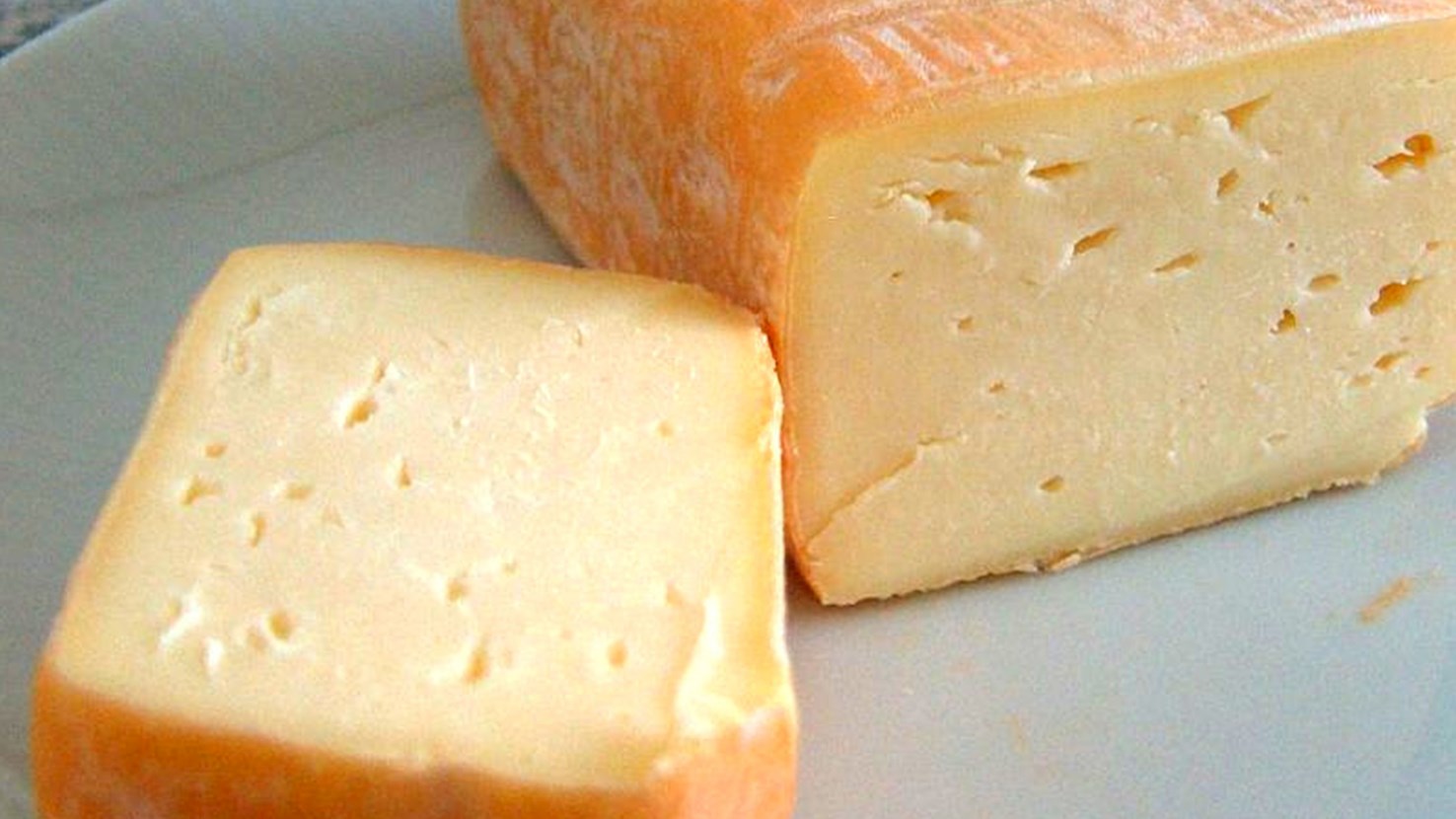
Characterized by its pungent smell, Limburger is a semi-soft, smear-ripened cheese made from cow’s milk. It was first produced in the 19th century by Trappist monks in the Duchy of Limburg, which is nowadays divided between Germany, the Netherlands, and Belgium. Today, most of Limburger cheese is produced in Germany. It has a straw-colored washed rind, while the flavor can best be described as mild, grassy, and reminiscent of mushrooms. The texture changes as it ripens – in the beginning, it is crumbly and firm, but after six weeks it becomes smooth and creamy. After three months, the cheese develops its infamous aroma, which is the result of smear-ripening. Interestingly, malaria mosquitos are attracted to Limburger’s smell because it is reminiscent of foot odor. It is recommended to use Limburger in sandwiches, between two slices of rye bread, accompanied by onion slices.
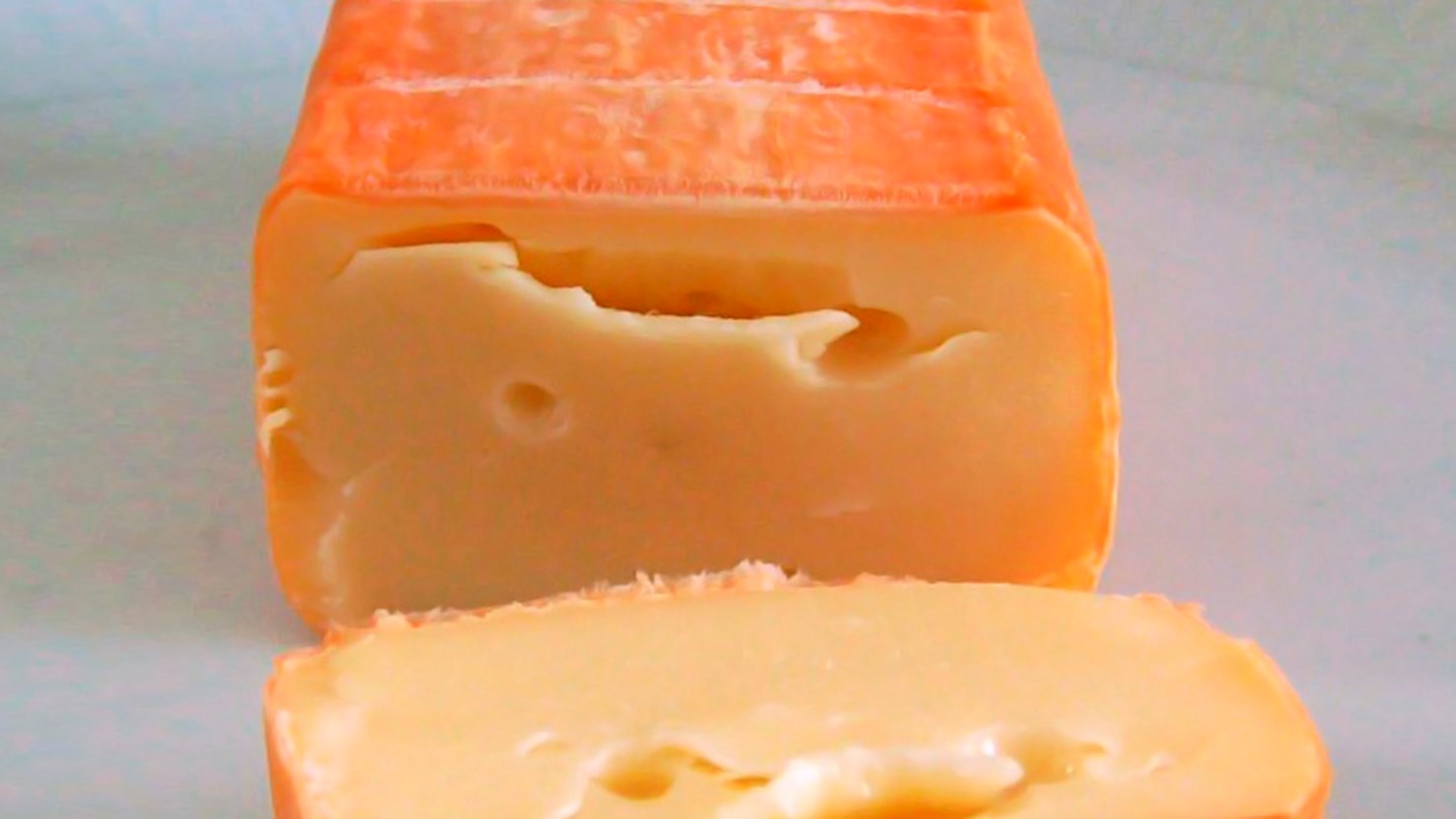
Although romadur is nowadays considered a German cheese, some believe that it originated in Belgium and was brought over to Germany in the 1830s. Regardless of the origin, today it is considered a specialty of Bavaria. This soft cheese is made from raw cow’s milk, and it is usually shaped into small, rectangular logs. During the aging period (anywhere from 8-10 days) it is regularly washed in salt water, a process that gives the cheese its characteristical reddish-brown rind. Romadur also has a strong, spicy aroma and a distinctive flavor that ranges from mild to slightly tangy. Its texture is soft and creamy, making it great for slicing or spreading on bread. It is recommended to pair it with crusty bread, strong beer, or a glass of full-bodied red wine.
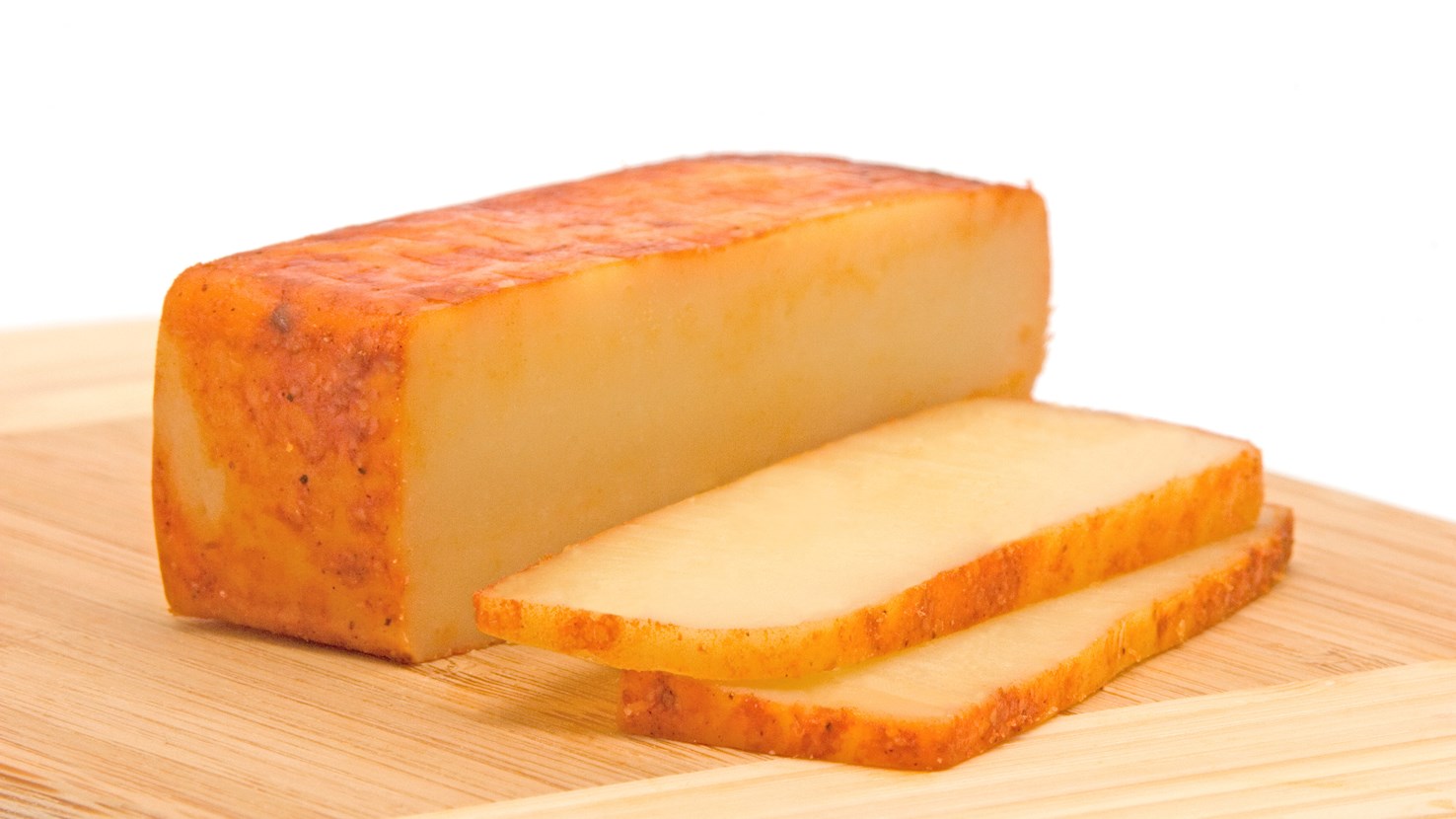
Bruder Basil is a traditional cheese hailing from Bavaria, where it was originally produced by Trappist monks. This smoked (rauchkäse-style, smoked over beech wood), semi-soft cheese is made from pasteurized cow's milk. Underneath its washed rind, the texture is smooth, creamy, and open with large irregular eyes distributed throughout the body. The aromas are intense and smokey, while the flavors are mild, savory, and smokey. It's recommended to use Bruder Basil in raclette, sandwiches, or gratins. Pair it with a glass of dry white wine or a bottle of dark beer.
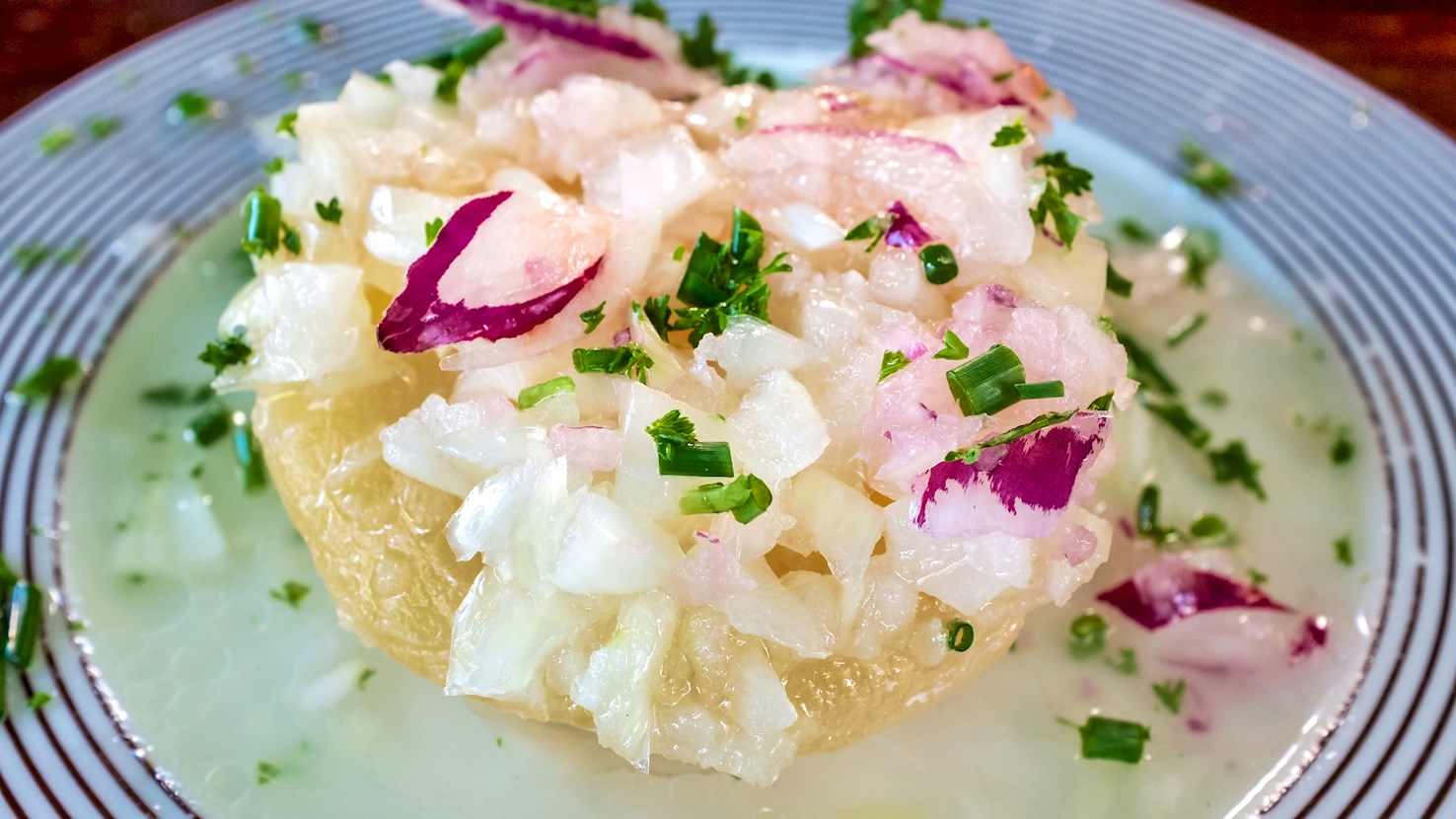
This breakfast cheese, also known as Odenwäld hand cheese, is a reddish soft cheese from the Hessian Odenwald region. The name 'breakfast cheese' comes from the fact that it was traditionally eaten for breakfast by farmers after milking their cows in the morning. This cheese has a long tradition in the Odenwald area – documents from the 18th century show that farmers once used the cheese to pay part of their leases. The cheese is yellowish, soft, and supple and with holes dispersed throughout the paste. It has a strong flavor and the a spicy, piquant aroma, albeit not as intense as many other kinds of regular Handkäse. Odenwäld breakfast cheese is served in many traditional restaurants in Odenwald as 'hand cheese with music', with a marinade of diced onions, oil, vinegar, cumin, pepper, and salt. The cheese is now only produced by a single dairy company in Mossautal, and it is mostly marketed within the region.
Steinbuscher is a semi-hard yellow cow's milk cheese characterized by a supple paste and a smear-ripened rind, produced primarily within smaller creameries in the Allgäu region of Bavaria and parts of Schleswig-Holstein in northern Germany. The development of this dairy product occurred around 1830 on a model estate managed by Friedrich von Sydow in the locality of Steinbusch, which was situated within the Arnswalde district of East Brandenburg and is geographically recognized today as Głusko in Poland. Throughout the first half of the twentieth century, the cheese achieved widespread commercial distribution across Germany, with numerous creameries in Pomerania supplying large quantities to urban centers before shifts in consumer demand caused production to contract to its current decentralized locations. The physical manufacturing process involves adding starter cultures and rennet to standardized vat milk to initiate coagulation, after which the resulting curd mass is sliced into uniform pieces roughly the size of a hazelnut and lightly heated to expel whey. Once the desired structural firmness is achieved, the curd particles are transferred into square or rectangular forms, turned sequentially to facilitate drainage, salted in a brine bath, and moved into a specialized aging cellar. As the surface of the cheese begins to develop a moist exterior, the rinds are manually smeared with a bacterial solution containing red-smear cultures, a specialized surface-treatment methodology shared with the production of Limburger cheese. The aging cycle lasts for six to eight weeks, during which the pale yellow internal paste remains elastic with small, scattered mechanical openings while the rind transitions to a yellow-brown or reddish-orange tone. Steinbuscher is eaten at room temperature as a components of cold platters, thinly sliced to serve as a sandwich topping on dense whole-grain or rye breads, or consumed entirely on its own. For beverage and food pairings, the distinct piquancy and smear-ripened aromatics of a mature Steinbuscher require robust, structured accompaniments, making it pair with hearty German pilsners, dark bock beers, or dry, high-acidity white wines such as a regional Riesling that can effectively cut through the paste's fat content.
TasteAtlas food rankings are based on the ratings of the TasteAtlas audience, with a series of mechanisms that recognize real users and that ignore bot,
nationalist or local patriotic ratings, and give additional value to the ratings of users that the system recognizes as knowledgeable.
For the “Top 5 German Washed Rind Cheeses” list until June 05, 2026, 161 ratings were recorded, of which 126 were recognized by the system as legitimate.
TasteAtlas Rankings should not be seen as the final global conclusion about food. Their purpose is to promote excellent local foods,
instill pride in traditional dishes, and arouse curiosity about dishes you haven’t tried.