

Top 3 Asian Water Buffalo's Milk Cheeses

Last updated on June 06, 2026
01

Paneer

3.7 ·

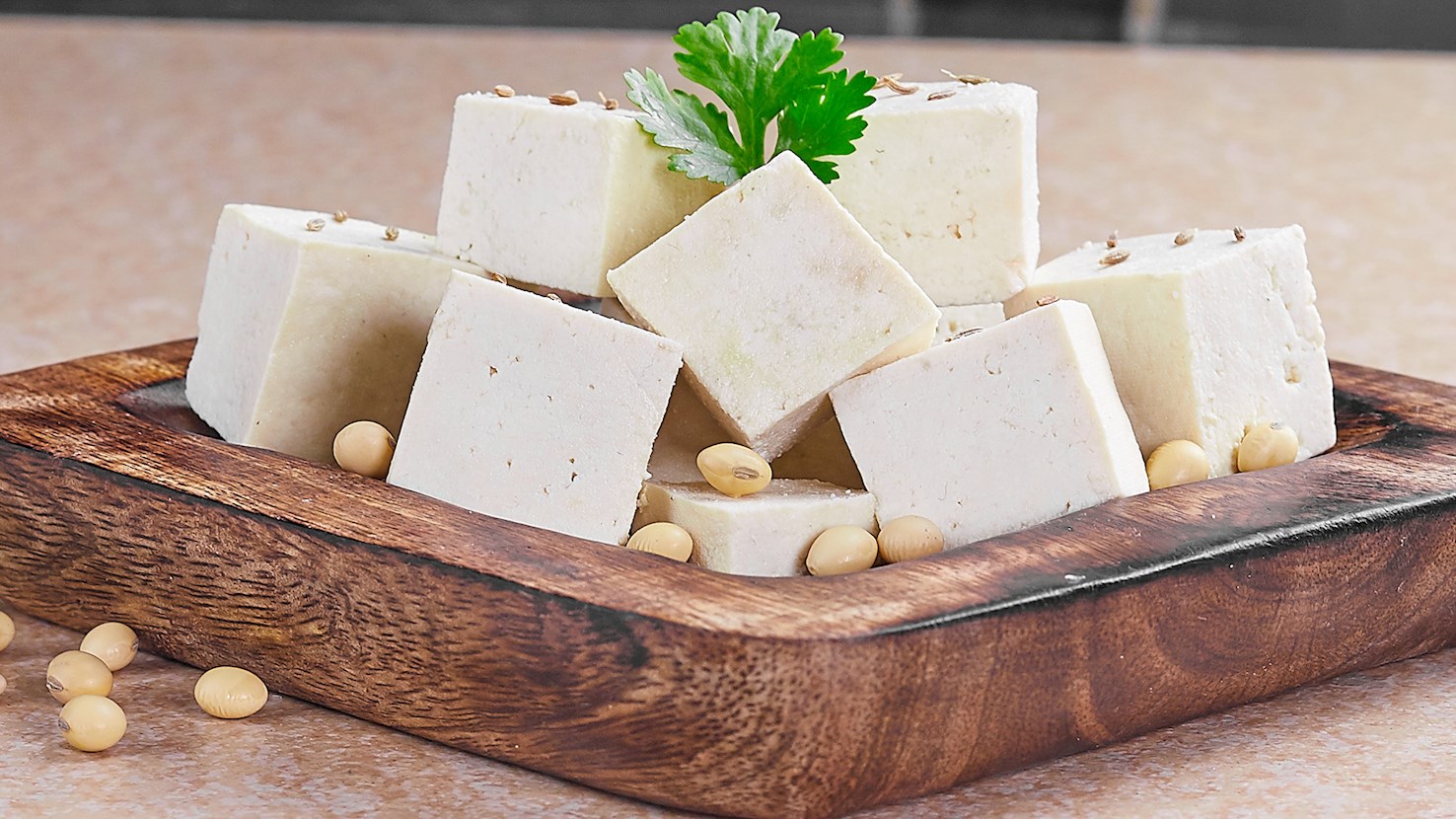
Paneer is a moist fresh cheese with a soft and crumbly texture, made from pasteurized cow's milk or water buffalo's milk. Unlike most cheeses, paneer does not involve rennet in the production process, and that is what makes it completely vegetarian. It has origins in India and Bangladesh, and has been mentioned in the Vedas, dating back to 6000 BC. Its name comes from the Persian and Turkish word for cheese, peynir. This cheese is often used in curries, especially in the north of India, and pairs well with strong and spicy flavors. Paneer is also incorporated in a variety of other Indian dishes such as saag paneer (spinach), shahi paneer (cream, tomatoes, and spices), and the famous mattar paneer (peas and tomatoes). This cheese is so versatile that it's even used in kebabs. Its softer, more crumbly version called chenna is often used to make a variety of popular desserts such as rasgulla and sandesh.

Best producers
02

Kesong Puti

3.3 ·

Kesong puti is a white cheese originating from the Philippine provinces of Bulacan, Bacolod, Cebu, Laguna, and Samar. It is made from carabao milk, salt, and either rennet or white vinegar. This fresh cheese contains five times more milk fat and protein than fresh milk. It has a slightly pungent aroma and a salty flavor with a creamy aftertaste. Kesong puti is often consumed for breakfast, when it is served with local bread known as pan de sal, but the cheese is also typically served during Christmas and New Year’s festivities.

03

Dangke

n/a ·

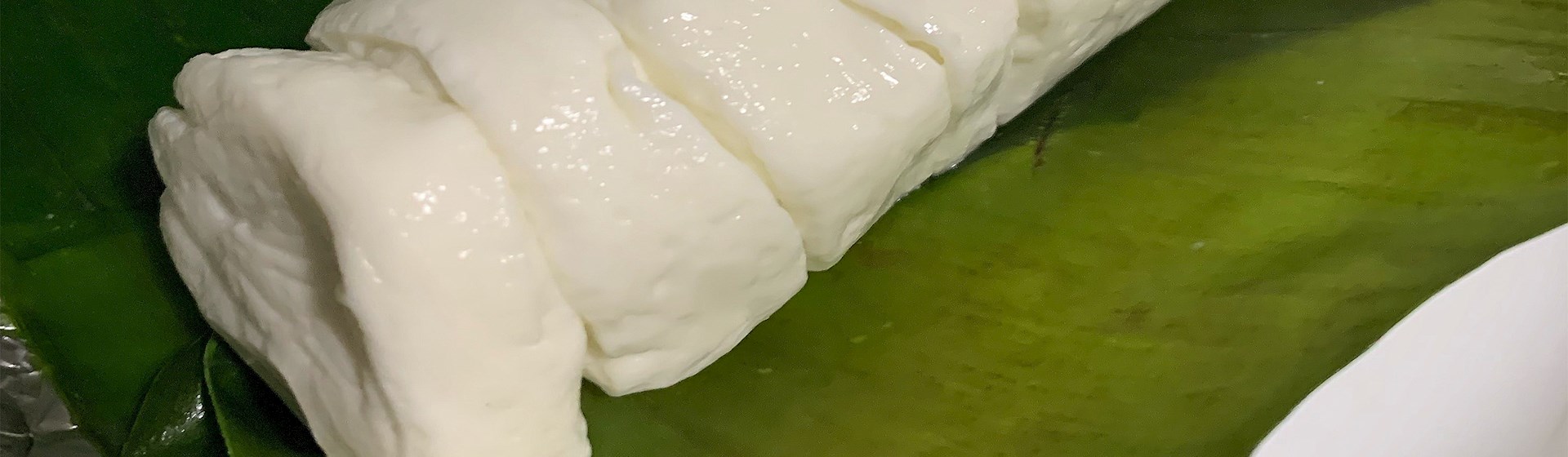
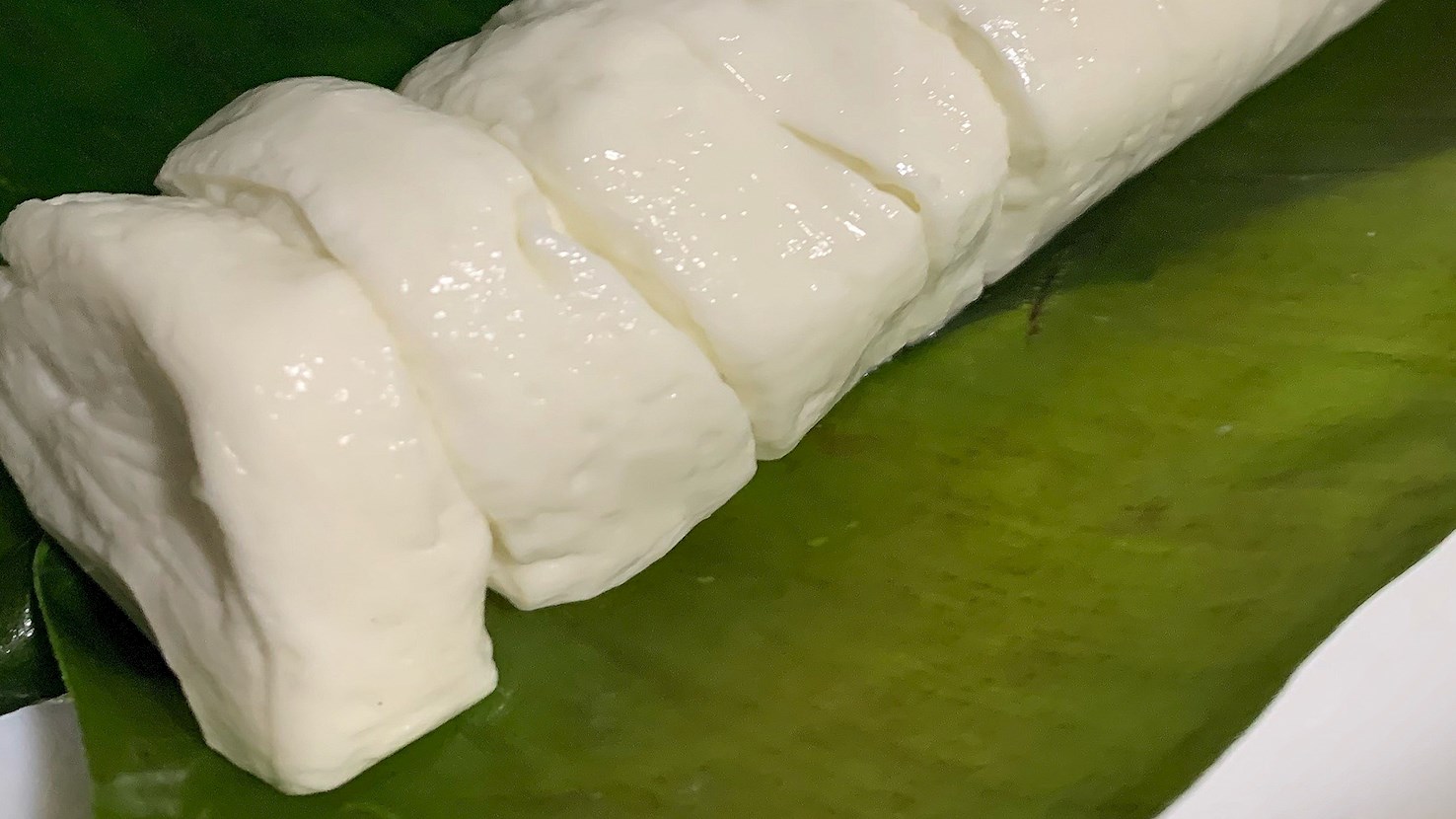
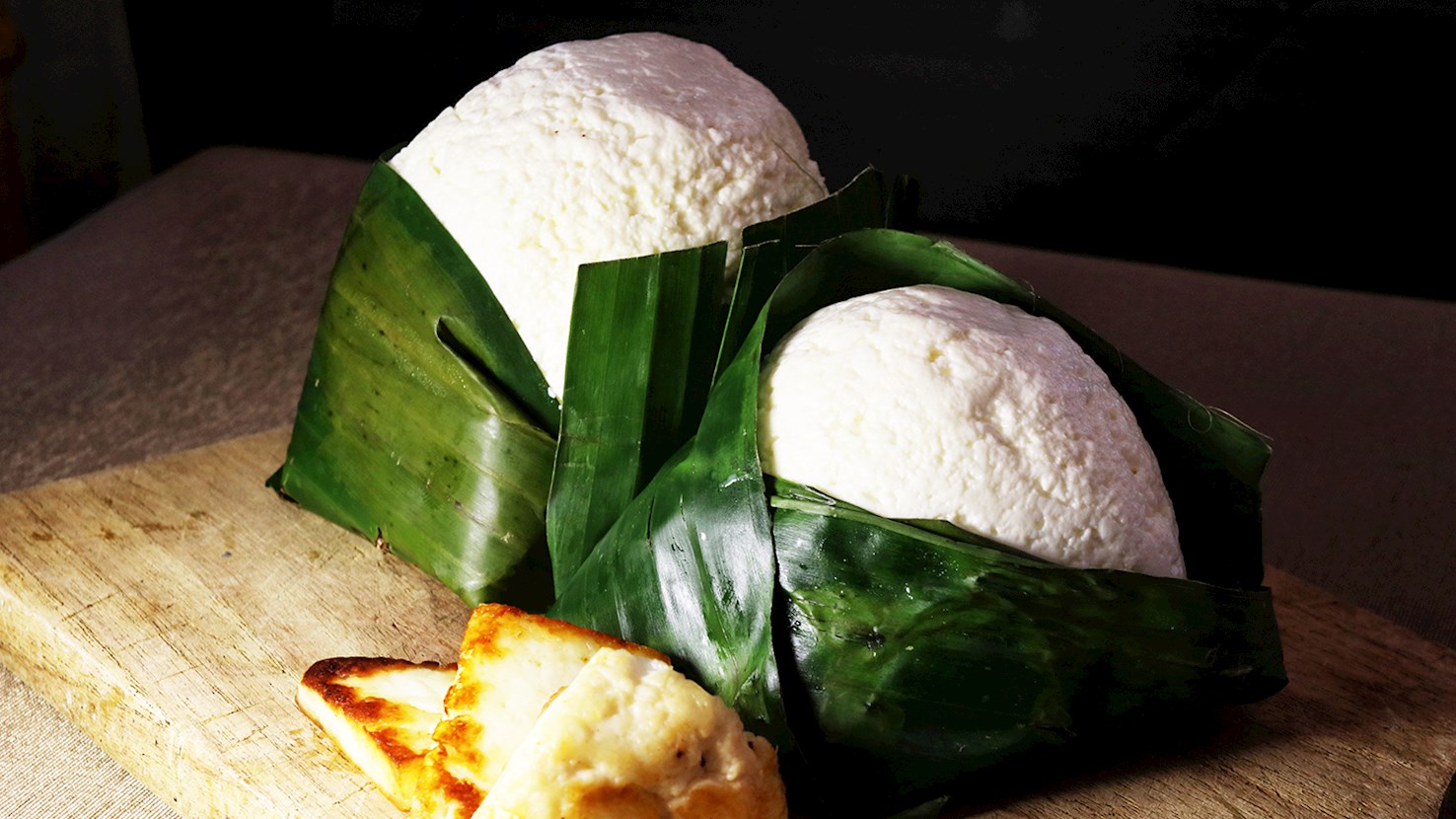
Dangke is a rare Indonesian cheese hailing from Enrekang, South Sulawesi. This semi-soft cheese is traditionally made from buffalo's milk, although cow's milk is mostly used in recent years because buffalo's milk is rare. Dangke is coagulated with a papaya latex enzyme called papain instead of rennet. The papaya leaves are bitter, so the producers must be careful to mix it correctly, otherwise the cheese might be too bitter. The texture of Dangke is elastic and chewy, similar to tofu, and it usually comes wrapped in banana leaves. The cheese doesn't melt easily, so it's often eaten as it is or pan-fried in oil after it's been marinated in garlic and coriander. Dangke is often eaten with rice, and it's believed that the name stems from the Dutch phrase dank u (wel), meaning thank you, a phrase that's been uttered by the Dutch on their first visit to South Sulawesi when they were presented with this cheese.

Read more
View all
View map
About this ranking

TasteAtlas food rankings are based on the ratings of the TasteAtlas audience, with a series of mechanisms that recognize real users and that ignore bot, nationalist or local patriotic ratings, and give additional value to the ratings of users that the system recognizes as knowledgeable. For the “Top 3 Asian Water Buffalo's Milk Cheeses” list until June 06, 2026, 386 ratings were recorded, of which 268 were recognized by the system as legitimate. TasteAtlas Rankings should not be seen as the final global conclusion about food. Their purpose is to promote excellent local foods, instill pride in traditional dishes, and arouse curiosity about dishes you haven’t tried.

Similar lists