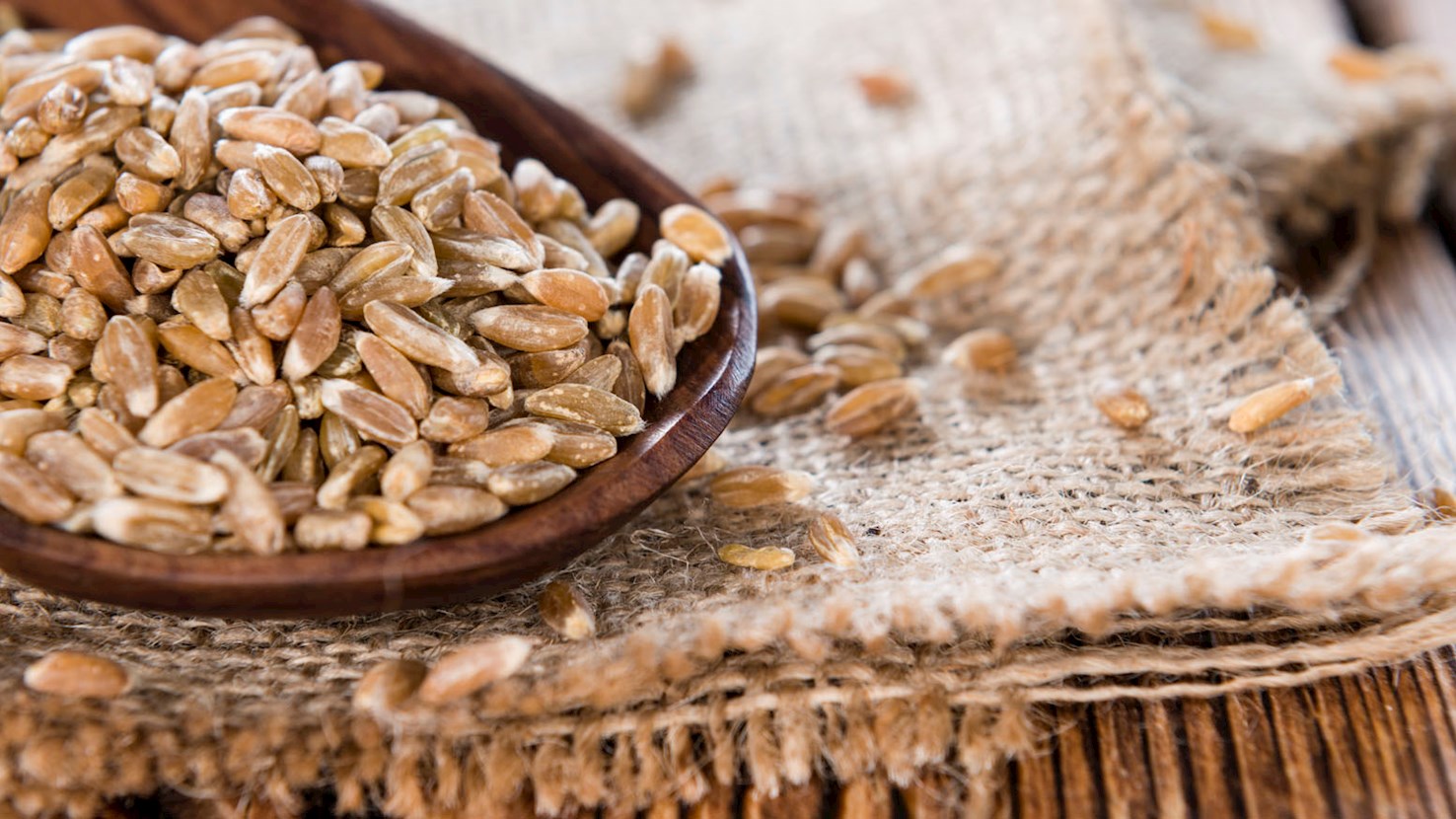
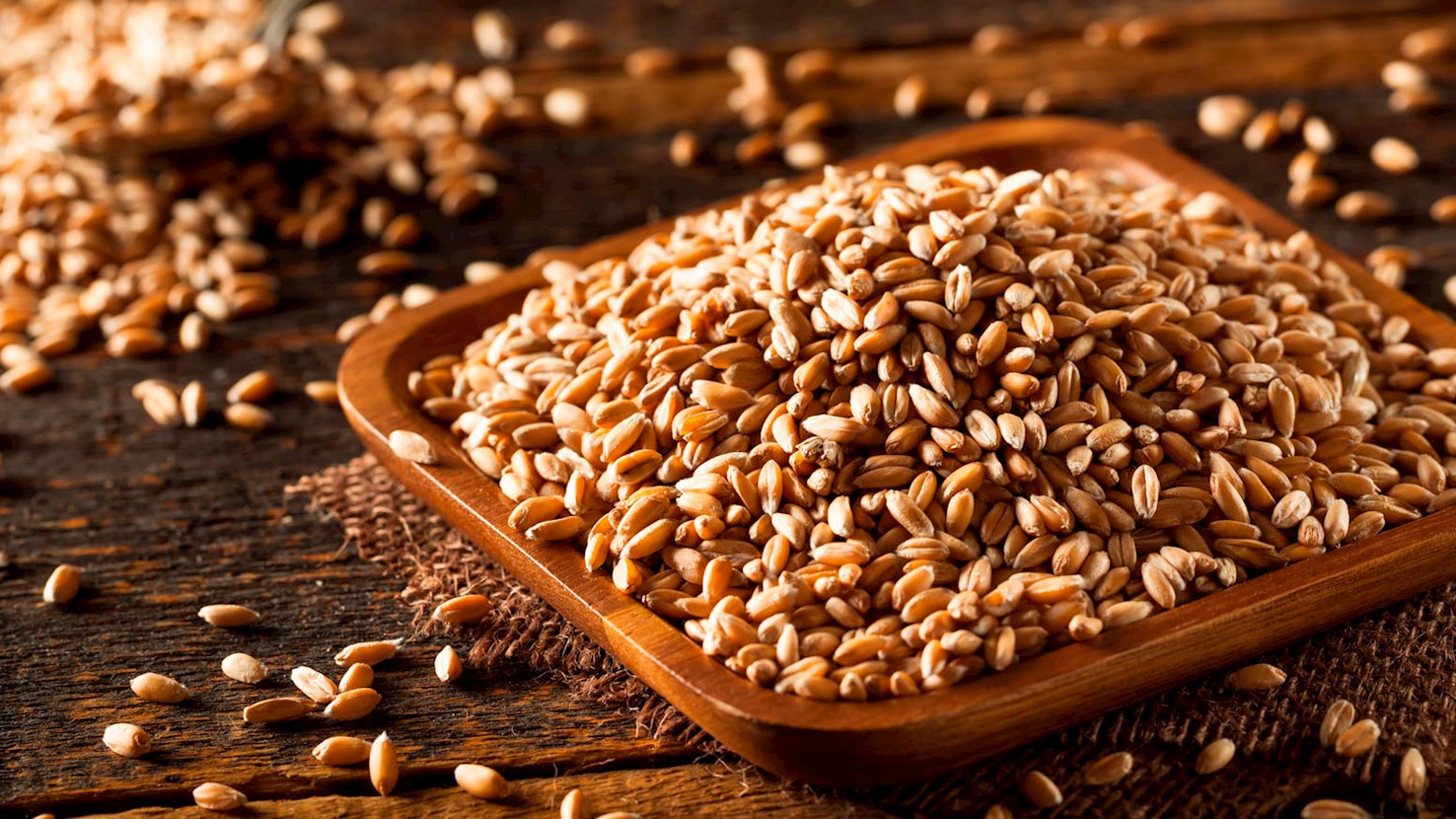
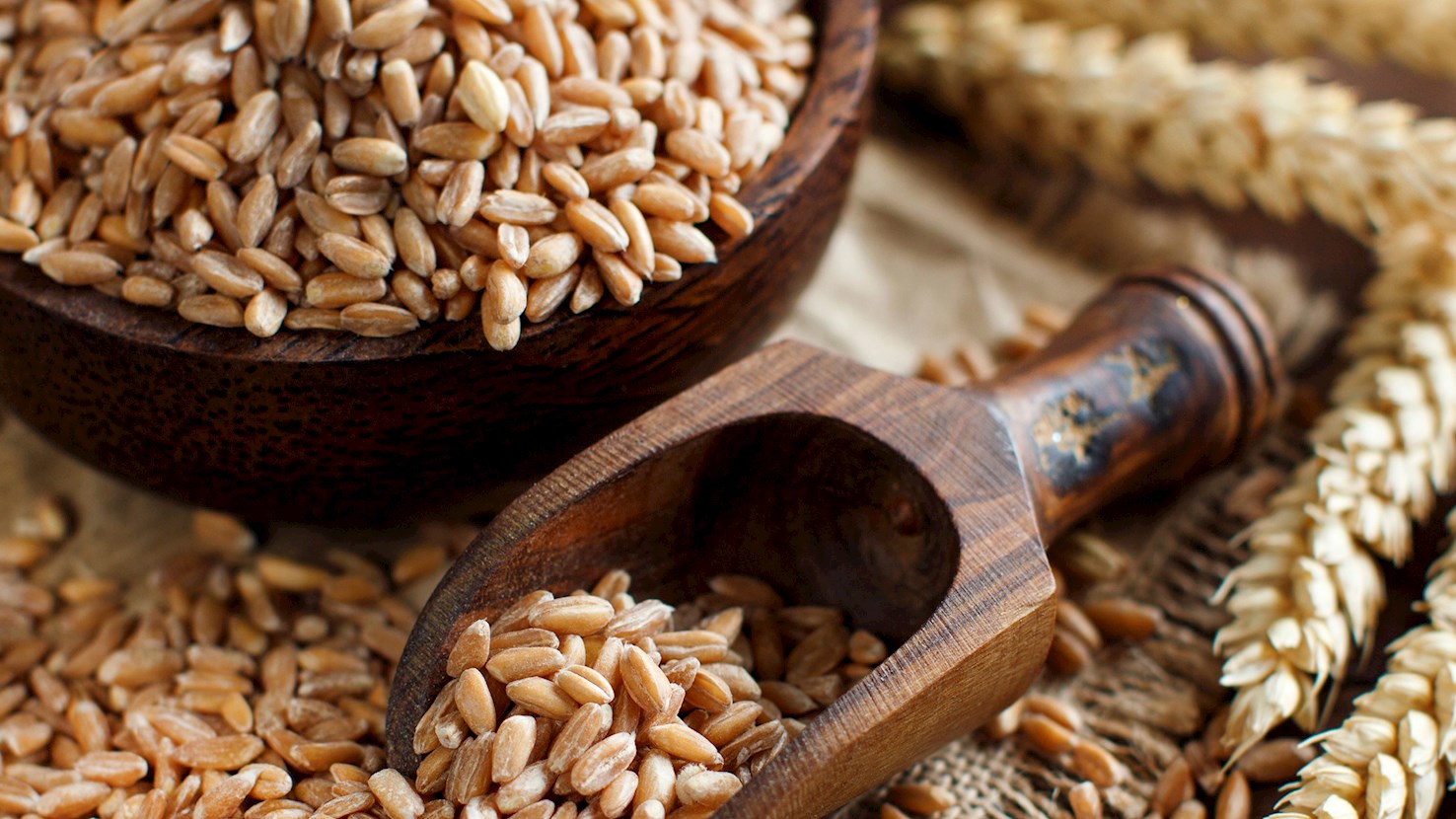
Grown in the Tuscan province of Lucca, in the fertile plains along the Serchio River, Faro della Garfagnara refers to the local spelt varieties of Piccolo (Triticum Monococcum), Comune (Triticum Dicoccum) and Grande (SpeltaTriticum). Spelt is rich in nutrients which remain intact if it is consumed in whole grains. Considered the progenitor of all cereals, this ancient grain was a favorite dish of Romans who used it to feed their legions and is still today widely produced and prepared in various dishes, such as a winter favorite Zuppa di Faro con Funghi, a hearty spelt soup with porcini mushrooms.
Mavragani is an ancient variety of Greek durum wheat known for its high nutritional value and exceptional quality. It has traditionally been cultivated in Greece, particularly on the island of Lemnos. Mavragani is known for producing flour that is rich in protein and gluten, making it ideal for baking bread and pasta. In recent years, Mavragani has seen a revival due to the increasing interest in heritage grains and sustainable agriculture. Its unique flavor, combined with its hardiness and resistance to diseases, has made it a valuable crop in Greek organic farming. This grain is often sought after for artisanal breads and traditional Greek dishes, as it adds a distinctive, slightly nutty flavor and dense texture.
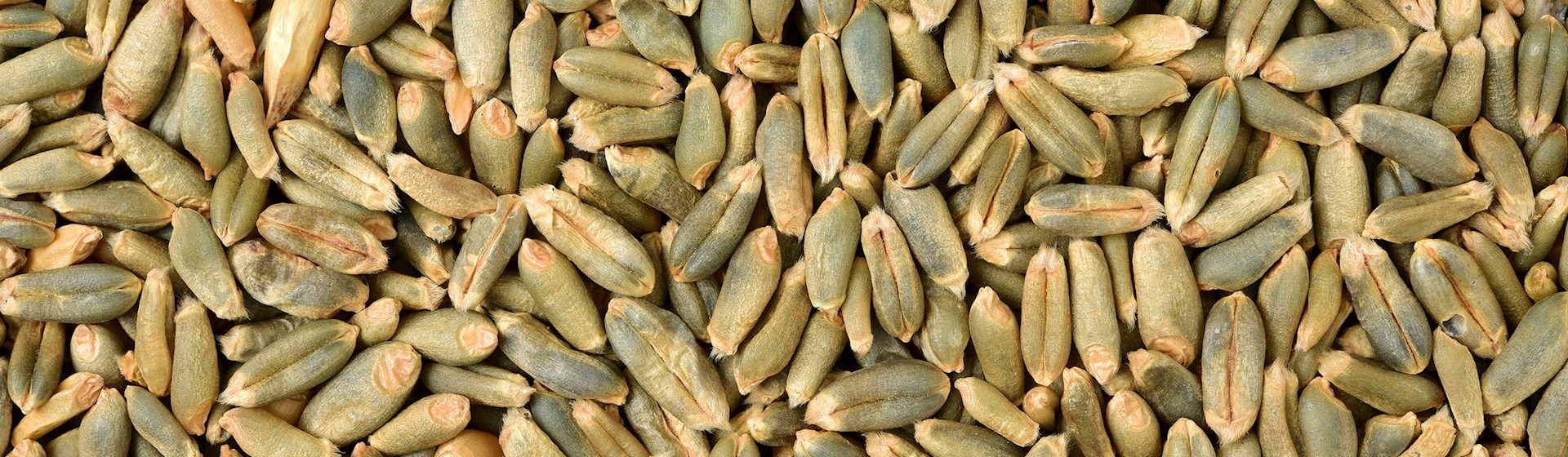
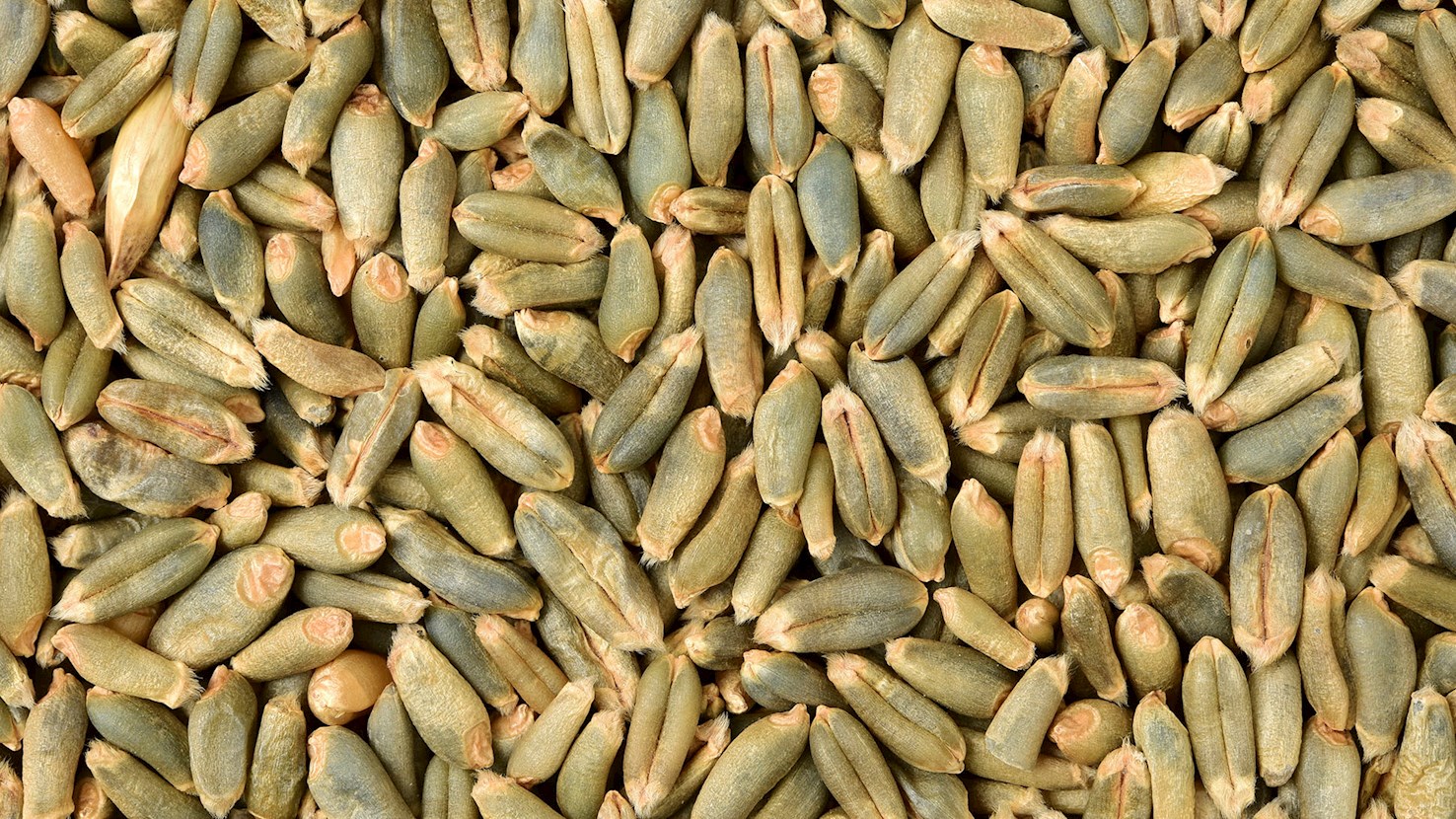
Franconian spelt has been grown in the north-eastern part of the German region of Baden-Württemberg for more than 300 years, and it is still a staple ingredient in the regional cuisine. It is a traditional grain that is mostly used in different soups and stews, such as Grünkern soup and vegetarian croquettes. Today, it is also served as a part of exquisite main courses like breaded cutlets, dumplings, and meat and vegetable casseroles (Eintopf). It is harvested unripe, thus preserving its naturally nutty aroma and typically strong, spicy, and aromatic flavor.
Blé meunier d’Apt is an ancient soft wheat variety grown specifically in the Apt-Luberon region (Vaucluse) of Provence, known for yielding a pale flour that has been revived in recent decades as part of a heritage cereal initiative. It was identified in the 1980s among local farms and then re-cultivated through a network of organic growers and millers who recognized its role in regional food heritage. Cultivation begins with autumn sowing, often in clay-limestone soils of the Luberon, using seeds of this non-awned wheat which matures in July. The tall stalks, white grain, and non-awned ears distinguish it botanically, and it yields modestly under low-fertility conditions but produces flour with fine colour and lower gluten content than modern varieties. Usage of this wheat initially declined in the 20th century as high-yield varieties replaced it, yet in the early 2000s, a resurgence occurred when a dedicated brand for flour and bread from this variety was established under the regional park’s guidance. Some mills produce whole-grain flour from this wheat or stone-milled flour for artisan bakers seeking ancient-grain character. A unique attribute of Blé meunier d’Apt is not simply its origin but its integration into local food sovereignty: the wheat is grown, milled, and baked within the same territory of the Luberon, and its flour carries a label guaranteeing this chain. Bread made from this wheat is best eaten fresh or toasted, often at breakfast or with Provençal meals, and pairs naturally with olive oil and Mediterranean vegetables.
Grown in the mountainous Umbrian province of Perugia since the ancient times, Farro di Monteleone refers to the spelt varieties of Semiperlato, Integrale and Spezzato. Even though it was almost entirely replaced by wheat, the spelt of Monteleone di Spoleto is nowadays being rediscovered and much prized as one of the most versatile grains. Rich in vitamins and minerals, spelt is used either in its natural form or as flour in a vast number of local dishes. To name one, Farro di Monteleone is an essential ingredient of Imbrecciata, a hearty Umbrian legume stew.
Petit Épeautre de Haute Provence is a small spelt cereal cultivated in the Haute Provence hills, between Vachéres and Banon in France. The cereal is unique, with many nutritional and taste qualities and a slightly crunchy texture. The sowing takes place in summer and autumn and the grains make use of the May rains when they swell, and in hot and dry July they mature without developing any diseases. After the harvest, the grains are husked in a traditional, expert way. Small spelt from Haute Provence can be cooked in the same way as rice, with fine, sweet flavors developing in the mouth. It is usually served with meat dishes or in salads, but it can also be used in paellas, stuffed vegetables and risottos.
TasteAtlas food rankings are based on the ratings of the TasteAtlas audience, with a series of mechanisms that recognize real users and that ignore bot,
nationalist or local patriotic ratings, and give additional value to the ratings of users that the system recognizes as knowledgeable.
TasteAtlas Rankings should not be seen as the final global conclusion about food. Their purpose is to promote excellent local foods,
instill pride in traditional dishes, and arouse curiosity about dishes you haven’t tried.








What People Say