shutterstock

Top 12 White Fishes
in the World

Last updated on July 22, 2026

Best White Fishes in the World
01

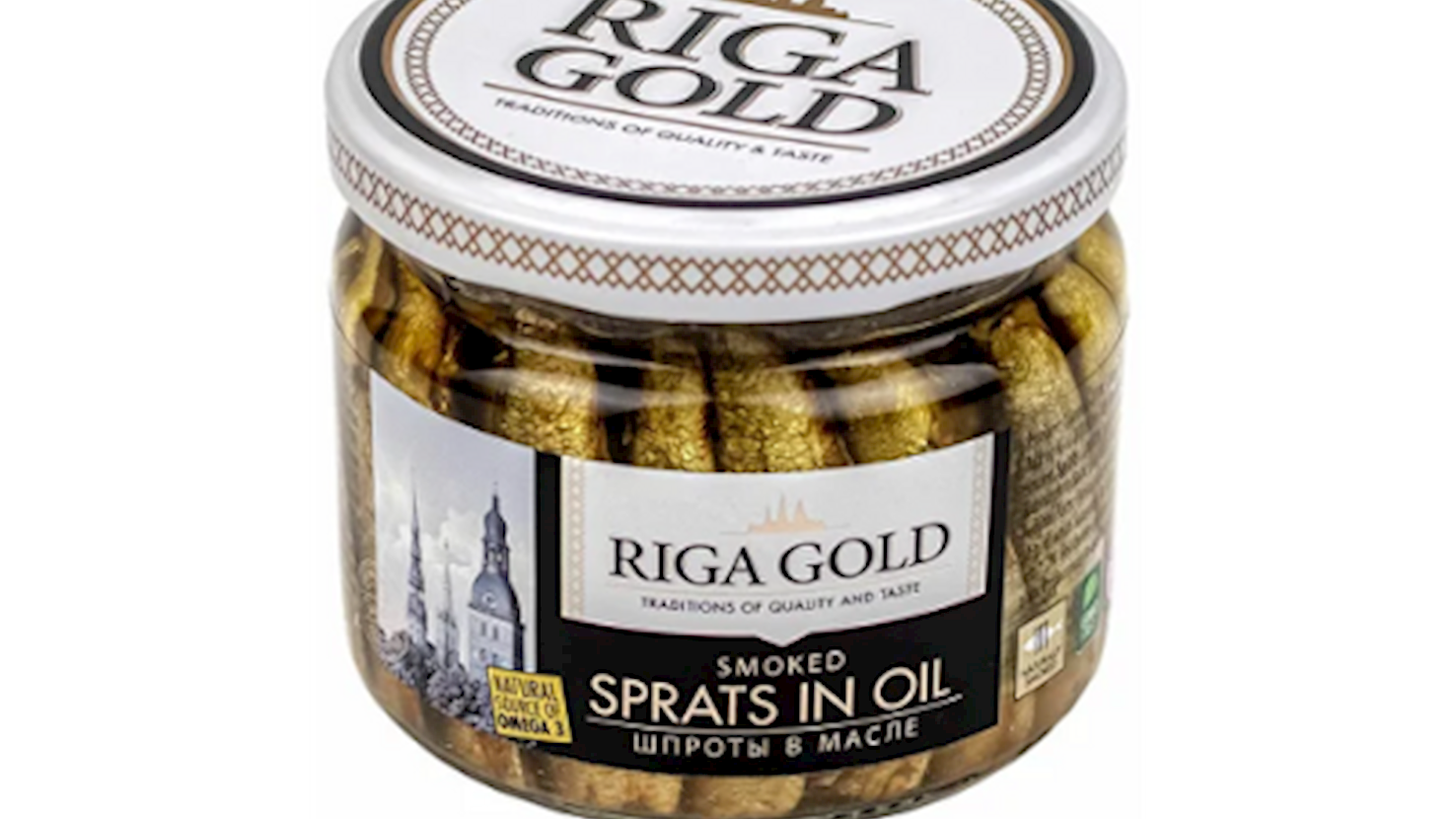
Riga Gold

4.6 ·

Riga Gold is a distinguished canned fish brand from Latvia, representing a blend of rich tradition, artisanal craftsmanship, and modern quality standards. Owned by Gamma‑A, the leading producer of sprats and sardines in the Baltic region, Riga Gold has grown into one of the most recognized exporters of premium seafood delicacies from Northern Europe.

Their production process relies on traditional preservation methods - from the careful selection of freshly caught fish in the Baltic Sea, through meticulous manual processing, to smoking over natural alder wood, which gives the final products their characteristic aroma, golden-bronze color, and rich, layered flavor. The brand’s most iconic product is smoked sprats in oil, neatly arranged in tins or glass jars and preserved in vegetable or olive oil with a touch of sea salt. Riga Gold is widely respected for combining authentic recipes with high nutritional value.

Thanks to its consistent vision and exceptional quality, Riga Gold today holds a leading position among European canned fish brands, satisfying the tastes of even the most discerning consumers.

02

Austral Fisheries

4.3 ·

Austral Fisheries, based in West Leederville, Australia, is a leading commercial fishing company with over 50 years of experience. Operating a diverse fleet of 18 vessels, it specializes in sustainable deep-sea fishing across the Southern Ocean and Northern Prawn Fishery.

Known for premium seafood brands like Glacier 51 Toothfish and Skull Island Tiger Prawns, Austral Fisheries is certified sustainable by the Marine Stewardship Council. In 2016, it became the world’s first carbon-neutral seafood company, offsetting emissions through extensive tree planting initiatives.

The company emphasizes transparency, offering traceability from ocean to plate, fostering consumer trust in its responsibly sourced products.

Best White Fish Types in the World
01

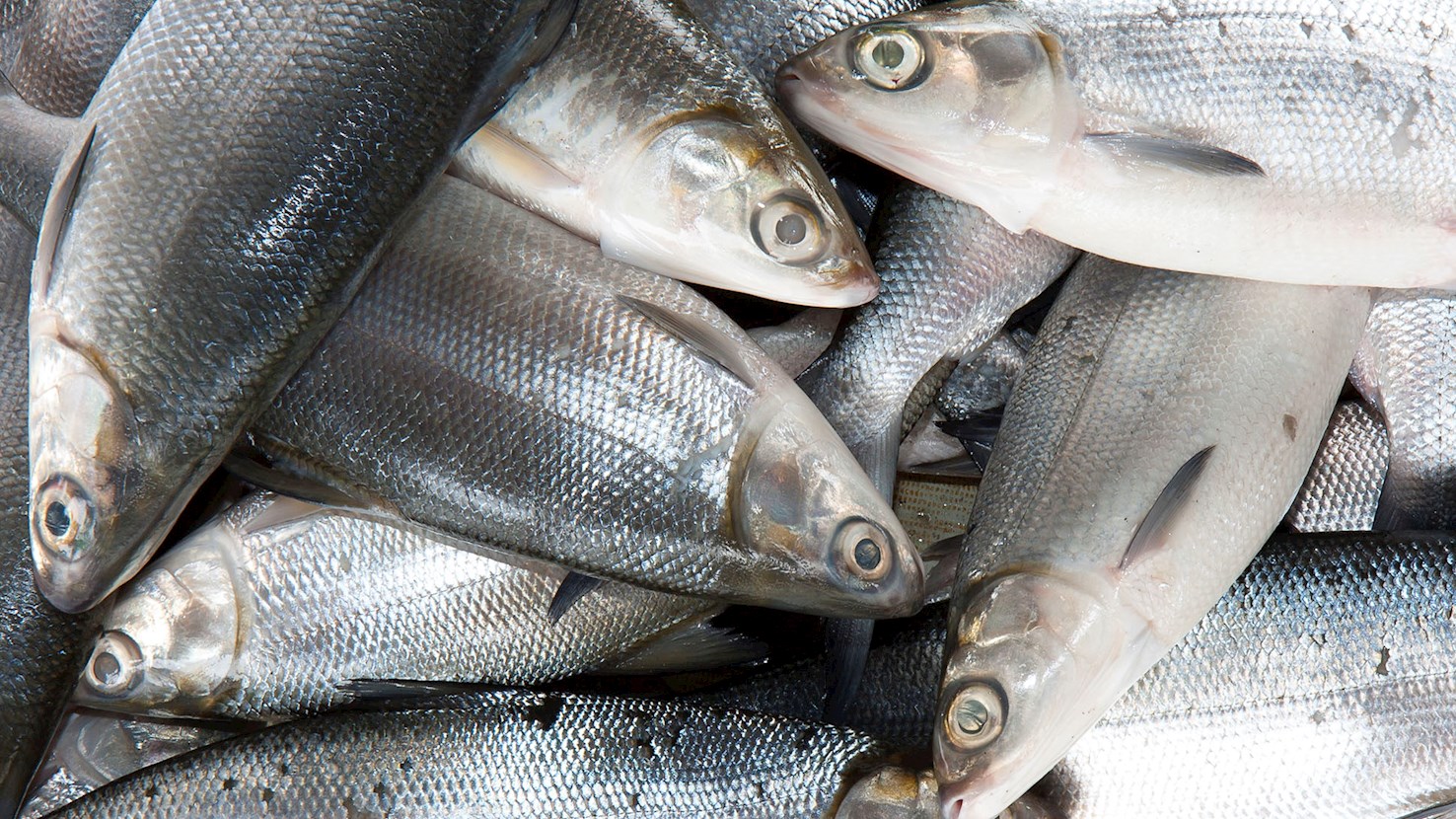
Bangus

4.2 ·

Bangus is the national fish of Philippines, called milkfish in English. It is an adaptable, tough, and sturdy fish that can survive in confined spaces, so it is regularly bred on fish farms, which is the reason why it is widely available all over the Philippines. The flavor of milkfish is distinctive and mild, best paired with complementary ingredients. Bangus is usually cooked in soups, fried, grilled, barbecued, stuffed or stewed in various spices, ginger and vinegar, but the varieties of bangus-based dishes are numerous. There is bangus nilagpang with broiled milkfish, tomatoes and onions, rellenong bangus with fried and stuffed milkfish, cooked bangus in coconut milk, marinated bangus strips in pasta... and the list goes on. Regardless of the preparation method and the additional ingredients used in dishes, bangus is a unique Filipino delicacy that shouldn't be missed.

02

Fugu

3.0 ·

Fugu is the Japanese word for a fish known as pufferfish, blowfish, or globefish. The fish is infamous for its poisonous parts that contain the lethal poison tetrodotoxin, highly concentrated in the liver, ovaries, eyes, and skin. Trained chefs who want to prepare fugu must undergo scrutinized testing and licensing that is done at local government level. However, some people prefer the light numbing sensation that the fugu toxin produces, so they ask the chefs to serve them small parts of the toxic organs. In Japan, fugu is usually consumed in specialized restaurants that serve a complete meal which typically includes several courses of the fish served in varying ways, such as fugu sashimi, boiled fugu chiri, fugu rice porridge, or deep-fried fugu. Although this intriguing fish is almost synonymous with Japan, it is occasionally found in American and South Korean cuisine.

03

Ilish

3.7 ·

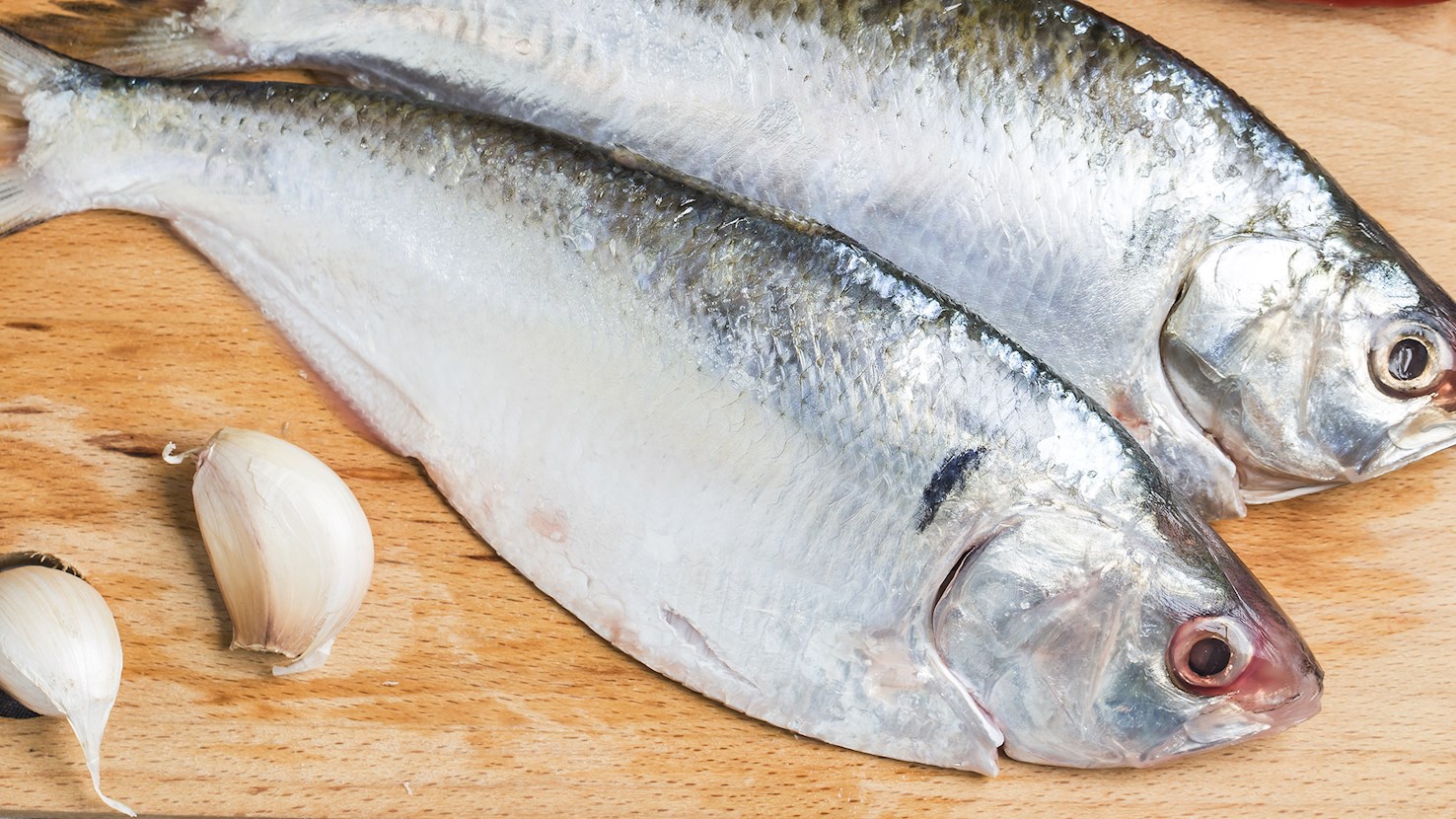
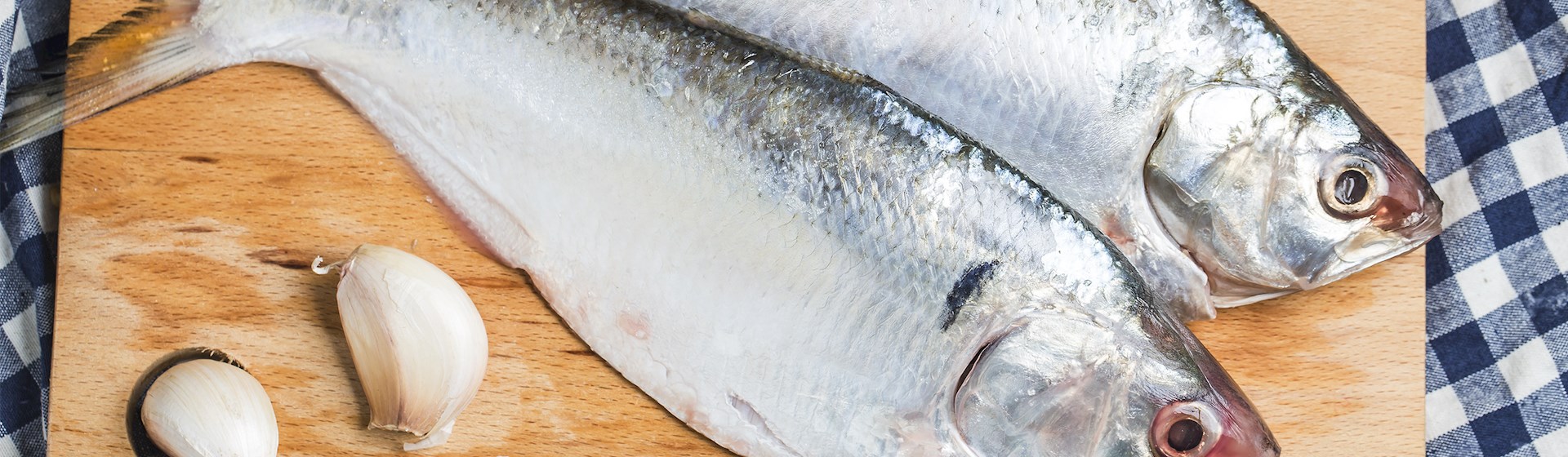
Ilish (Tenualosa ilisha) is a fish that is mostly found in the coastal waters of the Bay of Bengal. During the monsoon season, it moves upstream to the rivers of Padma and Ganga to sprawl. It may reach the size of 50cm, and it can weigh up to three kilograms. The fish is appreciated for its tender flesh and its roe, which is often named as the caviar of the tropics. Ilish is an incredibly important ingredient for Bengali, both in Bangladesh and West Bengal. It is used in a variety of ways, from simple frying to steaming and simmering in thick, flavorful sauces, as well as in the classic fish stew macher jhol. In 2017, ilish has been awarded a Geographical Indications status.

04

Fourwing flying fish

3.5 ·

Fourwing flying fish (lat. Hirundichthys affinisare) are typically found in the waters surrounding Barbados (which is also known as The Land of the Flying Fish), Dominica, Trinidad and Tobago, Grenada, Saint Lucia, and Saint Vincent and the Grenadine. It is herring-shaped and has a length of about 25cm. Flying fish is used in several regional dishes such as coo coo and flying fish or flying fish cutters.

05

King George Whiting

n/a ·

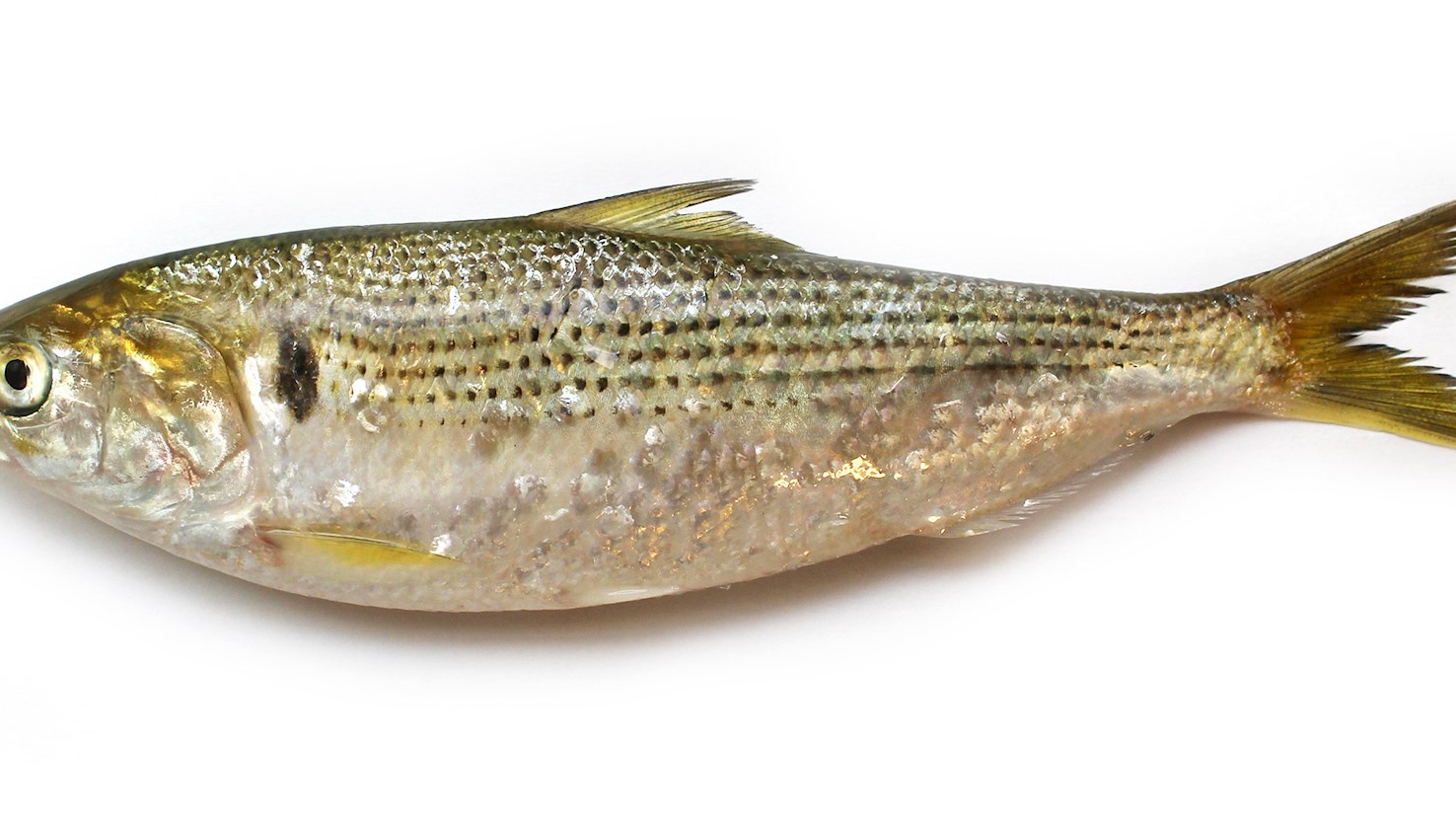
Endemic to the southern half of Australia, this prized fish is characterized by its elongated shape and a unique pattern of spots. King George is highly regarded for its sweet and delicate flesh that can withstand various cooking techniques such as grilling, steaming or frying, but it can also be used raw in various sashimi dishes. When fried, larger varieties are mainly used in the form of fillets, while smaller can be fried whole. Because of its tenderness, the fish is often complemented by fresh herbs, citrus salads, potatoes, and olive oil dressing. It is best paired with subtle wines, with added citrus notes.

06

Shad

n/a ·

Considered the official state fish of Connecticut since 2003, shad is a species of schooling ocean fish which has been an indispensable source of food and income for the local population for centuries. In Latin, the fish is known as Alosa sapidissima, meaning most delicious herring. Each spring between late March and early April, these fish embark on a long journey from the Atlantic Ocean up the Connecticut River (their original birthplace) to spawn. The American shad is notorious for its numerous pesky bones (about 1000 or 1300 in a typical shad), a trait which has paved the way for a unique method of bone removal regarded as a local form of art. Apart from this tiny drawback, the fish is packed with flavor, has a high oil content, and is an excellent source of healthy omega-3 fats. The flesh of this fish is not the only part that is prized - its plump and shiny roe is also considered a delicacy. Shad can be prepared in numerous ways, but the most traditional one involves roasting seasoned shad fillets atop buttered oak planks.

07

Poulet Fish

n/a ·

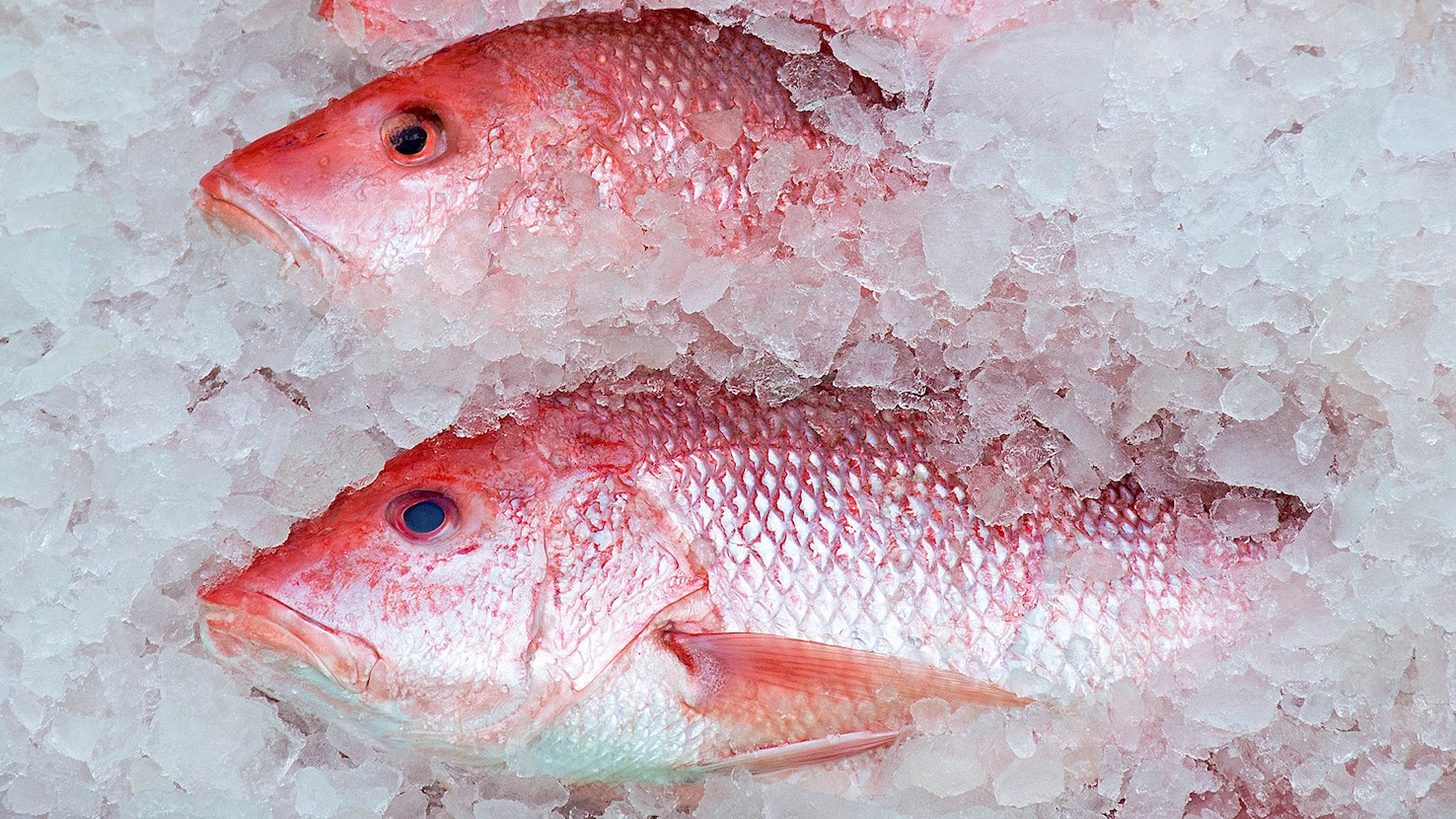
Poulet fish is a variety of local snapper from Vanuatu that is praised for its unique flavor, said to be reminiscent of chicken. That is most certainly the reason why this fish was given the name poulet fish, which translates to chicken fish in French. The deep water fish is large and meaty, with a pinkish-red color and firm white flesh. Considered a fish delicacy, poulet fish is usually prepared soon after it has been caught, either whole or filleted, and due to its firm flesh, the fish lends itself to a plethora of cooking techniques such as grilling, pan frying, baking, or steaming. Typical accompaniments include creamy sauces, roasted or mashed potatoes, fries, scallops, vegetables, and a glass of wine or a cold beer on the side. Poulet fish is available in restaurants across the islands of Vanuatu, and its typical chicken-like flavor appeals to tourists and locals alike.

08

Bombil (Bombay duck)

n/a ·

Bombay duck (lat. Harpadon nehereus), despite its name, is not a duck but a type of fish. It is a soft, fleshy lizardfish found in the waters of the Arabian Sea, particularly along the western coast of India near Maharashtra and Gujarat. Bombay duck has a slender, elongated body with a translucent, jelly-like texture and a mild, distinct flavor. The name "Bombay duck" is believed to have originated during British colonial rule in India, possibly linked to the fish being transported on mail trains called "dak" in Bombay, which may have evolved into "duck." It is widely used in coastal cuisine, often fried with spices and semolina to make bombil fry or cooked in curries. In its dried form, it is also popular in pickles and chutneys due to its intense flavor.

09

Hua ping yu (Chinese brill)

n/a ·

Chinese brill (lat. Tephrinectes sinensis) is a unique species of flatfish belonging to the family Scophthalmidae. This family includes some of the most esteemed flatfish in culinary arts, like the turbot and the European brill. However, as its name suggests, the Chinese brill is specifically native to the Asian Pacific region, predominantly around the waters of China and Korea. Similar to other flatfish, the Chinese brill has both eyes located on one side of its head. Their bottom side, the side without eyes, is generally paler, which helps in camouflaging against the sandy or muddy bottoms where they tend to reside. As for their size, they can vary, but they're generally not as large as some other commercial flatfish species. The natural habitat of the Chinese brill extends from the Yellow Sea to the East China Sea. These are temperate waters, and the seabed often consists of a mix of sand, mud, and sometimes gravel. The fish prefer these kinds of substrates as they provide a good environment for them to bury themselves and ambush their prey, which typically consists of smaller fish, crustaceans, and other benthic organisms. In regions where the Chinese brill is found, it is prized for its delicate, white flesh that's rich in flavor. The texture is slightly firm but flaky, making it a favorite in various Asian dishes. It can be steamed, fried, or grilled and is often paired with aromatic herbs and sauces that complement its natural taste.

10

Elephant Shark

n/a ·

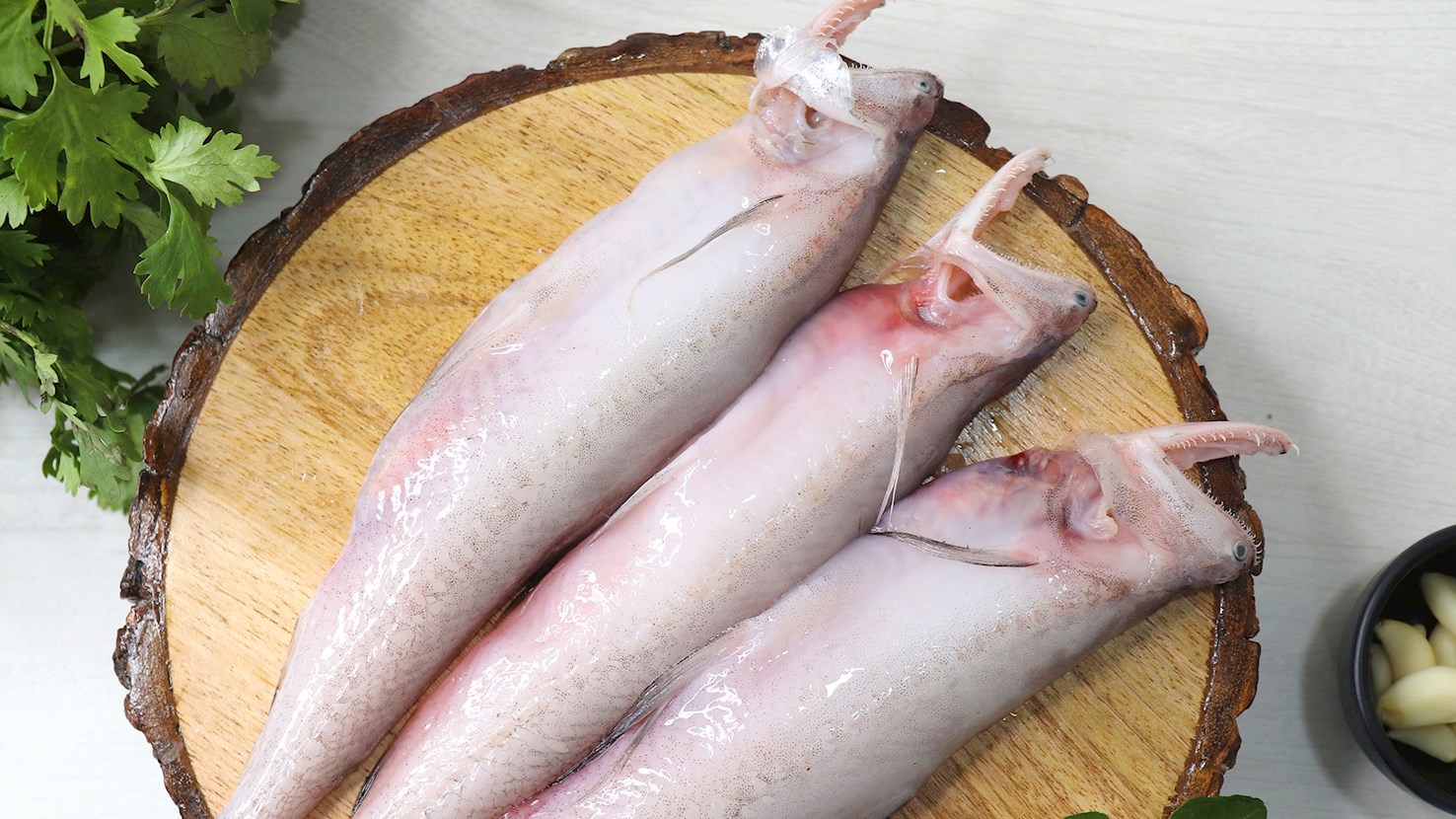
Elephant shark is a silver-gray fish that is related to sharks. It is usually found off the coast of New Zealand and Australia. The fish is characterized by its large pectoral fins and a cartilaginous trunk. It does not have a bony skeleton, which makes it is especially suitable for eating because each fish can provide two large boneless fillets. Its good-quality flesh is white, firm, and low in fat. Battered and fried fillets of elephant fish are traditionally used in the local version of fish and chips.

About this ranking

TasteAtlas food rankings are based on the ratings of the TasteAtlas audience, with a series of mechanisms that recognize real users and that ignore bot, nationalist or local patriotic ratings, and give additional value to the ratings of users that the system recognizes as knowledgeable. For the “Top 12 White Fishes in the World” list until July 22, 2026, 178 ratings were recorded, of which 118 were recognized by the system as legitimate. TasteAtlas Rankings should not be seen as the final global conclusion about food. Their purpose is to promote excellent local foods, instill pride in traditional dishes, and arouse curiosity about dishes you haven’t tried.

The initial list of top producers was compiled based on available reviews, awards, local recommendations, media and blog coverage, and consumer reviews. The list will be updated with ratings from TasteAtlas local ambassadors and TasteAtlas users.

Similar lists