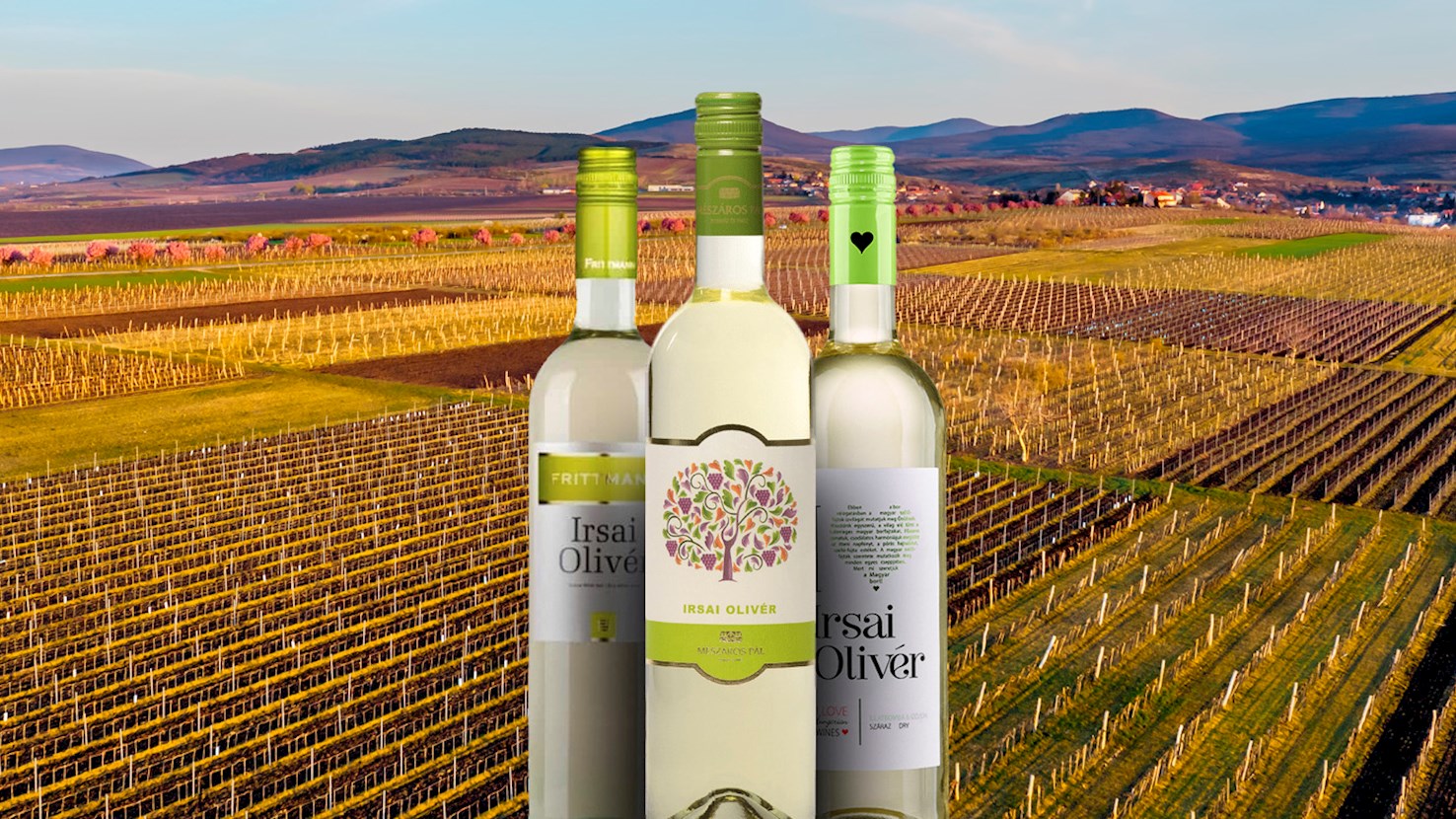
Irsai Olivér is a Hungarian white grape created in 1930 by Pál Kocsis as a cross between Pozsonyi and Pearl of Csaba. The grape is used in varietals and blends and is cultivated in several Hungarian wine regions. It is best suited for cooler areas, and the best expressions generally come from Mátra, where the grape prospers on volcanic soils. Irsai Olivér is an early-ripening grape. It was initially used as a table grape, but since the 1980s, it has been promoted as an excellent wine grape that can produce aromatic and fresh white wines. The grape is sometimes compared with Muscat because of its subtle acidity and citrusy, tropical, and floral aromas. These wines are best enjoyed young, and they should be paired with appetizers, vegetable dishes, and light fish-based main courses. There are many legends about the origin of the grape's name, but Kocsis most likely named it after his friend's son.
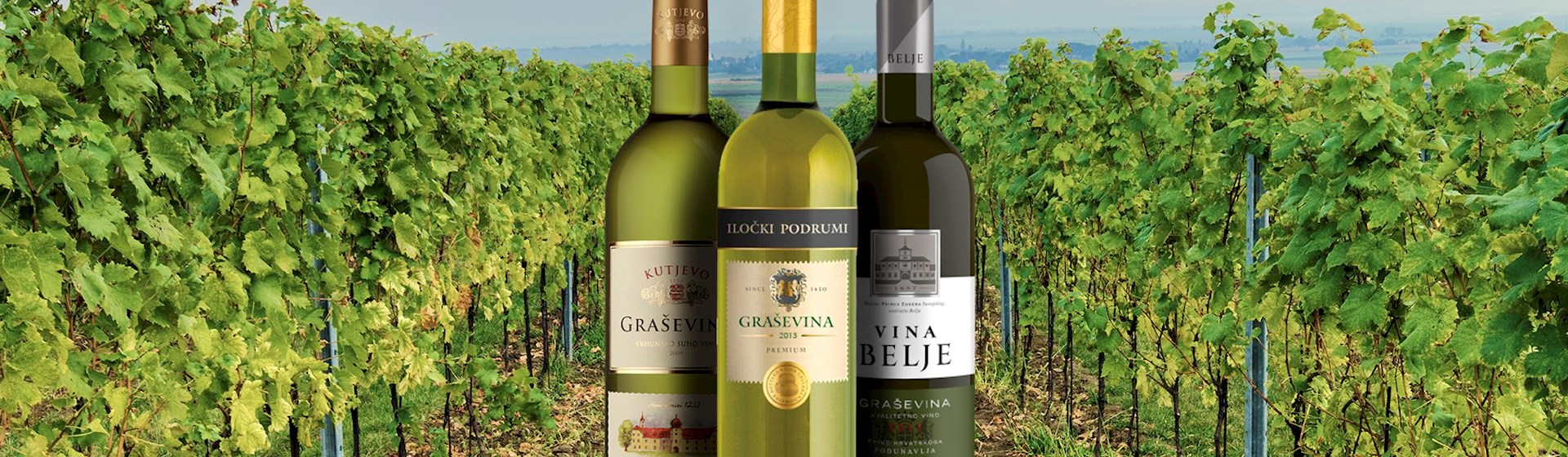
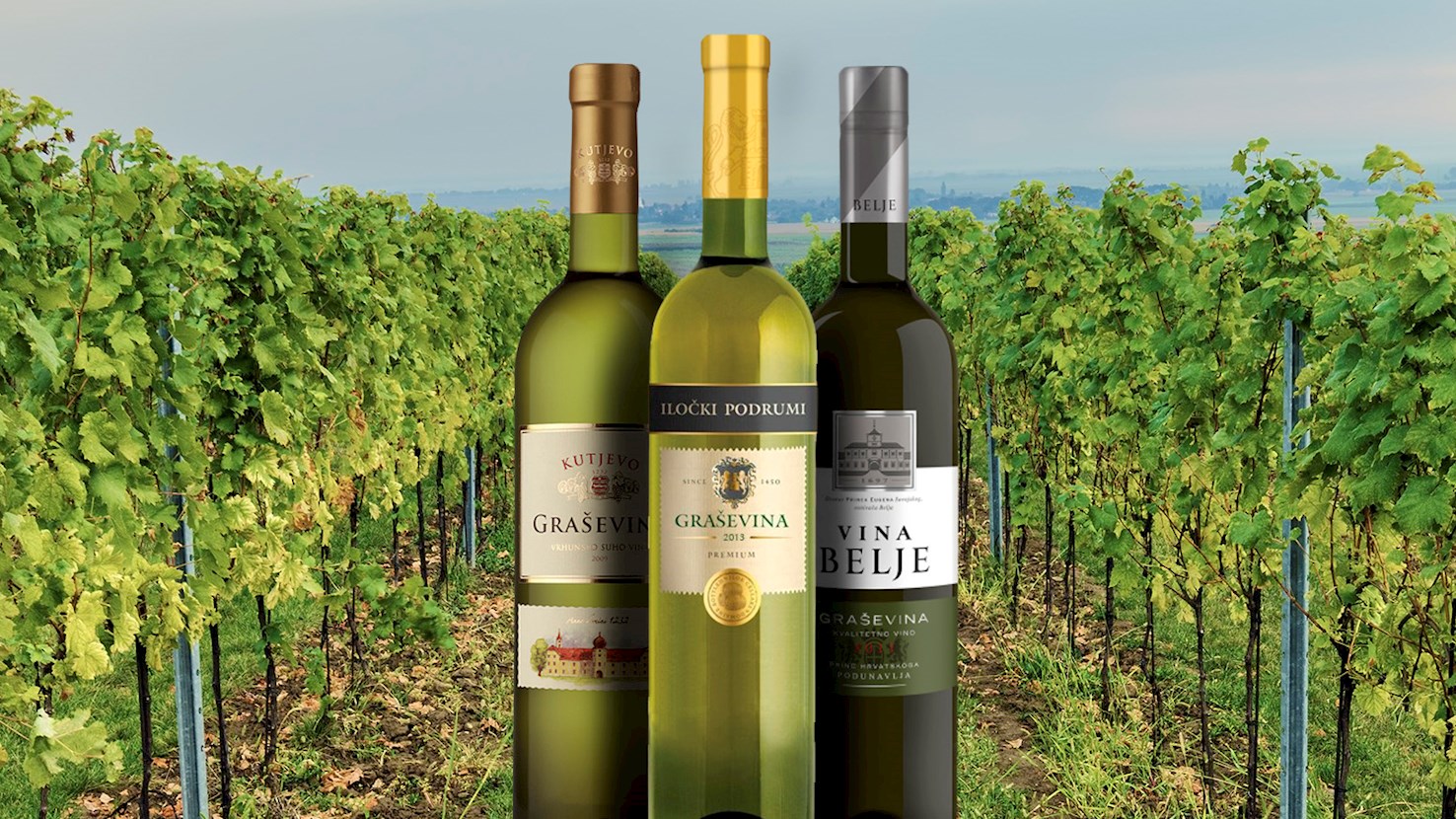
Welschriesling is a white grape variety cultivated widely across Central and Eastern Europe, particularly in Austria, Hungary, Croatia, and Slovenia, where it produces wines known for their crisp acidity, freshness, and subtle fruit character. Despite its name, it bears no genetic relation to Riesling; the term “Welsch” once meant “foreign,” reflecting the grape’s uncertain origin and introduction into German-speaking regions. It is believed to have been grown in the Danube basin and surrounding areas since at least the Middle Ages, spreading through trade and viticulture expansion within the Austro-Hungarian Empire. Its adaptability to a variety of climates and soils allowed it to become one of the most planted white grape varieties in Central Europe, valued for its ability to express local terroir and produce wines suited to a wide range of styles. The cultivation of Welschriesling typically focuses on preserving its natural acidity and aromatic delicacy. It ripens relatively late, and the timing of harvest significantly influences the style of wine produced. Early harvests yield light, zesty wines with high acidity and notes of green apple, citrus, and fresh herbs, ideal for everyday drinking. Grapes left on the vine longer can develop more richness and weight, and under the right conditions, they can be affected by noble rot, producing sweet dessert wines with complex honeyed flavors. Fermentation is usually carried out in stainless steel tanks at controlled temperatures to retain freshness and preserve the grape’s primary aromas, though some producers allow brief aging on lees to add texture and depth. The result is typically a pale, aromatic wine with a clean finish and a balance of fruit and acidity. In Austria’s Burgenland region, it is often used for sweet wines, while in Hungary it appears as Olaszrizling in both dry and dessert styles. In Croatia, where it is known as Graševina, it is the most widely planted grape and forms the backbone of the country’s white wine production. This adaptability reflects not only the grape’s viticultural resilience but also its cultural importance across different wine traditions. Welschriesling wines are typically served chilled and are most enjoyable within a few years of harvest, though the sweeter styles can develop additional complexity with age. Their bright acidity and delicate fruit profile make them excellent partners for a wide range of dishes. Lighter, dry versions pair well with salads, freshwater fish, shellfish, and soft cheeses, while richer examples complement roasted poultry or vegetable dishes. Sweet styles are best served with fruit-based desserts or creamy cheeses, and they also pair well with foie gras. In wine-producing regions where it is grown, Welschriesling is a staple at local taverns, festivals, and family meals, valued for its refreshing character and versatility at the table.
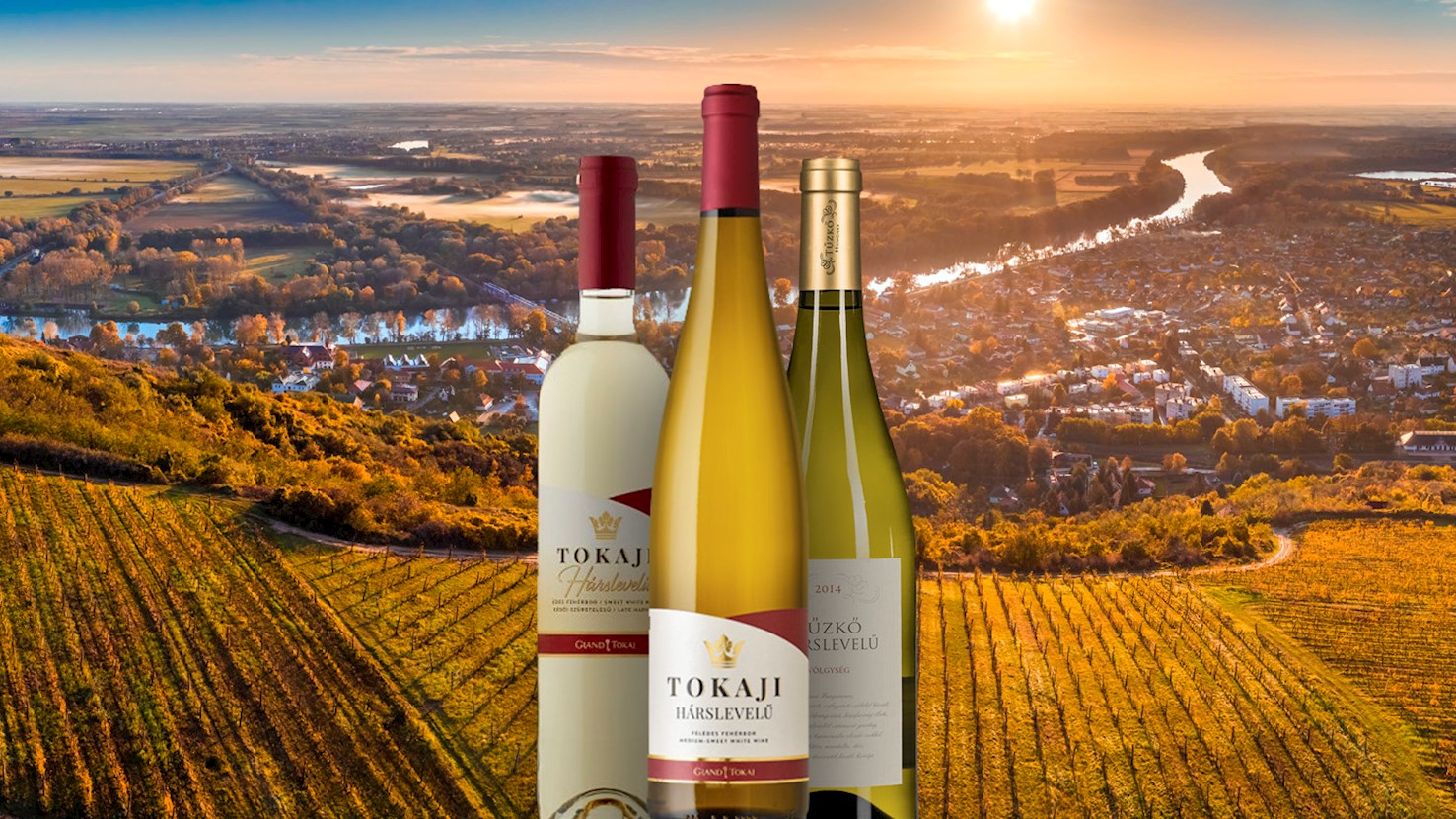
Hárslevelű is a native Hungarian grape that is predominantly cultivated in Tokaj. The grape is a cross, with Furmint as one of its parents. Despite being regularly overshadowed by Furmint, this aromatic grape has been growing in popularity because it was proven that controlled yields and careful vinification result in excellent dry and sweet varietal wines. The wines are aromatic, soft, and subtly spicy. They usually have distinctive linden honey and blossom notes accompanied by pear, chestnut, and nutty nuances. The wines are medium or full-bodied and usually have medium acidity. The name of the grape translates as linden leaf, possibly as a reference to its linden-like aromas. Apart from Tokaj, the grape is also planted in Somló, where the wines tend to be more mineral than aromatic. Dry Hárslevelű would pair with poultry or veal, while sweet styles can be paired with desserts.
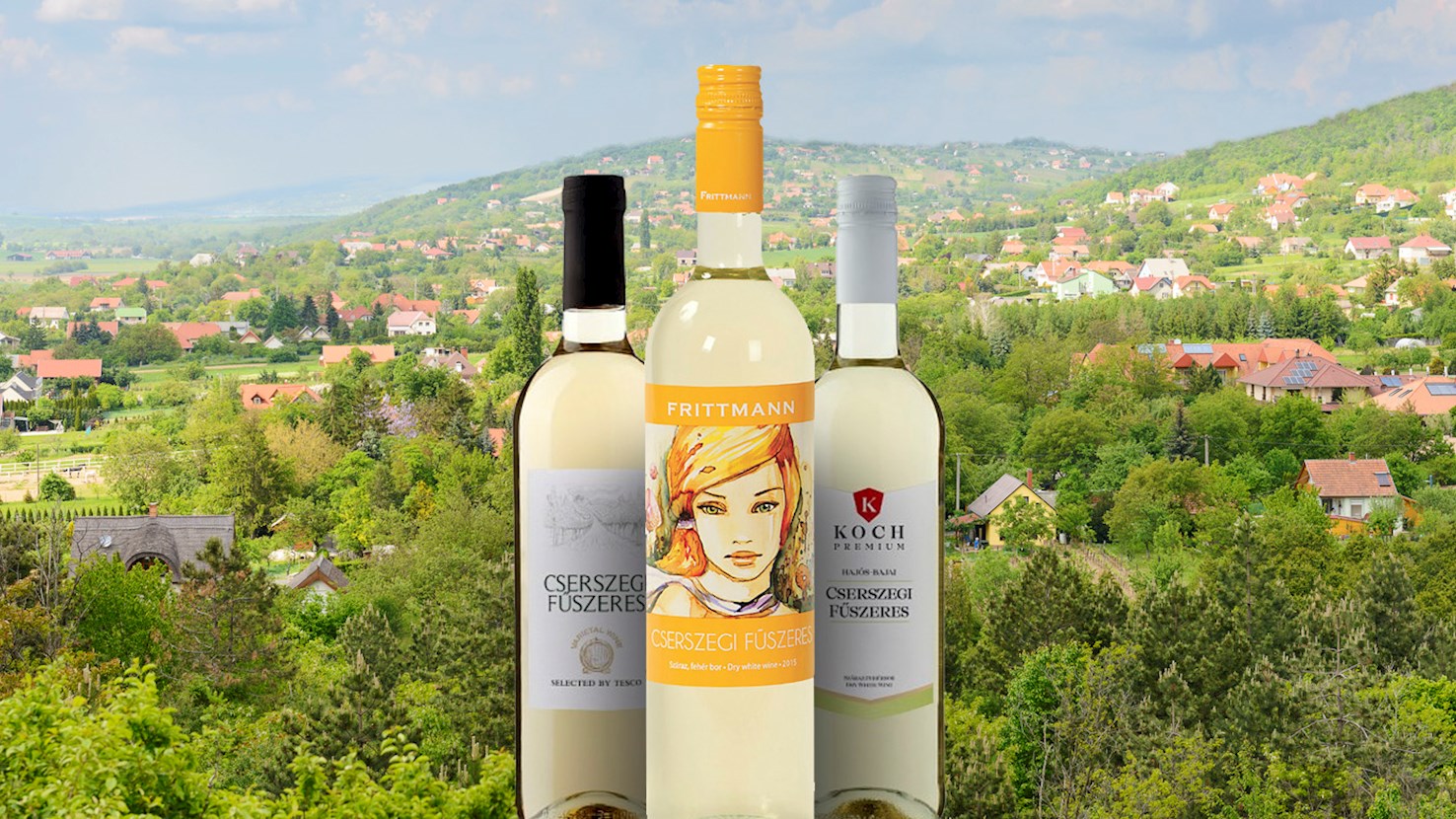
Cserszegi Fűszeres is a white Hungarian grape that produces light and refreshing white wines. The grape is a hybrid between Savagnin Rose and Irsai Olivér, which is also a white Hungarian cross introduced in 1930. Cserszegi Fűszeres was created in 1960, but it was released in 1982. It became one of the most successful Hungarian varieties and is now the second most common white grape in the country. Cserszegi Fűszeres produces approachable, aromatic wines that typically have a hint of spiciness. The grape is used for dry and off-dry styles, though dry wines are usually of better quality. They are lively and bright with a floral and fruity aroma and a light body. Cserszegi Fűszeres wines are best enjoyed young, and they can be paired with pair well poultry or seafood. The unusual name is a reference to its origin—Cserszegtomaj village—while the and fűszeres, meaning spicy, is a reference to its character. The grape is not very popular outside Hungary.
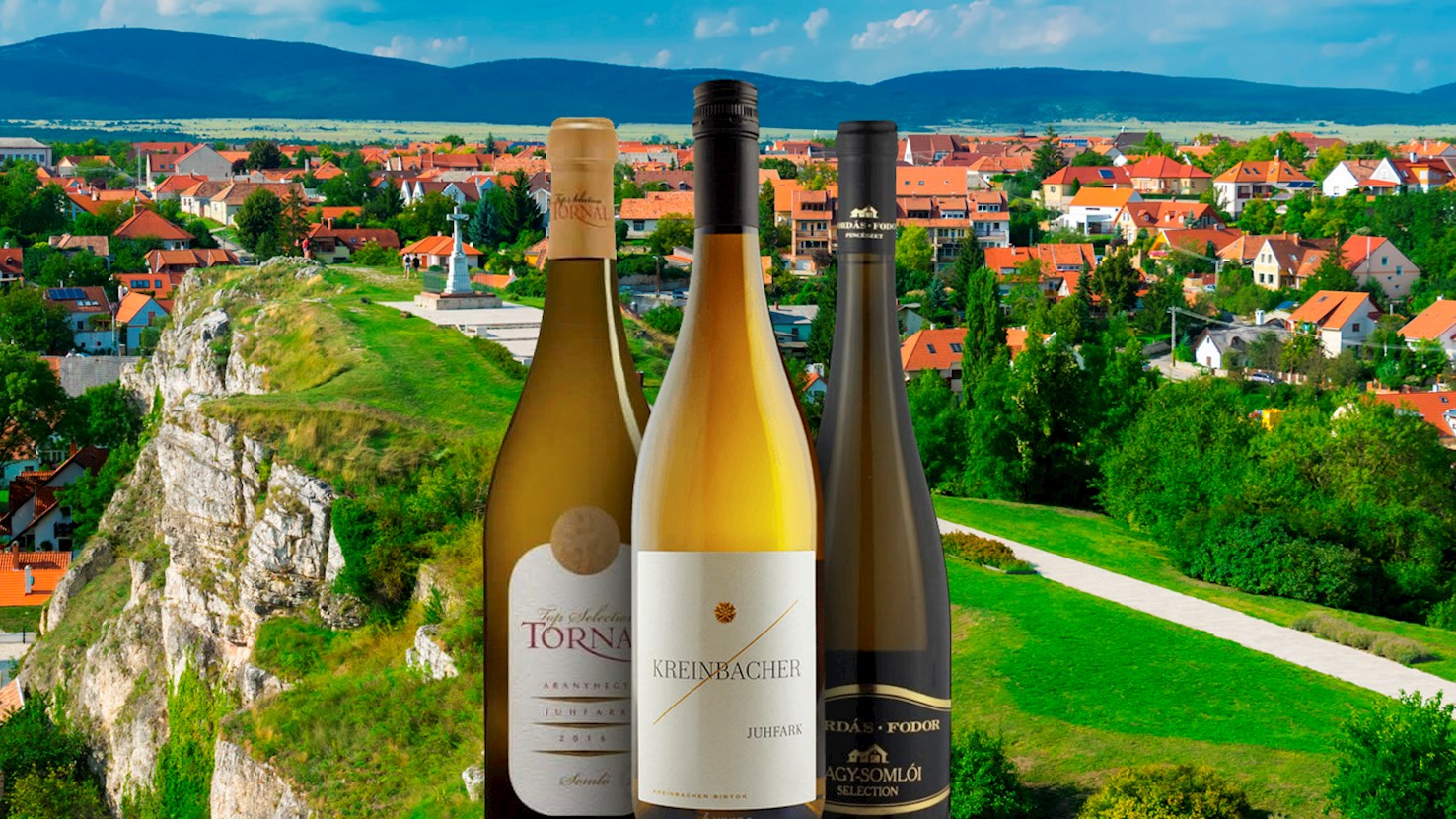
Juhfark is one of the old Hungarian white varieties. It was once a common and popular grape, but it is now primarily cultivated in Somló, the smallest Hungarian wine region located north of Lake Balaton, known for its volcanic basalt soil. Juhfark is now almost synonymous with the region where it prospers and results in intriguing, long-living white wines. Juhfark wines from Somló have interesting smoky notes and a distinctive mineral character. They are refreshing, lively, and zesty, with great acidity and excellent aging potential, attaining floral and honey-like notes with age. The aromas are reminiscent of citrus and ripe green fruit. Juhfark translates as sheep’s tail, which refers to the elongated shape of the clusters. The grape is still rare as it is sensitive and somewhat finicky to grow, but it shows excellent regional potential as a terroir-driven variety.
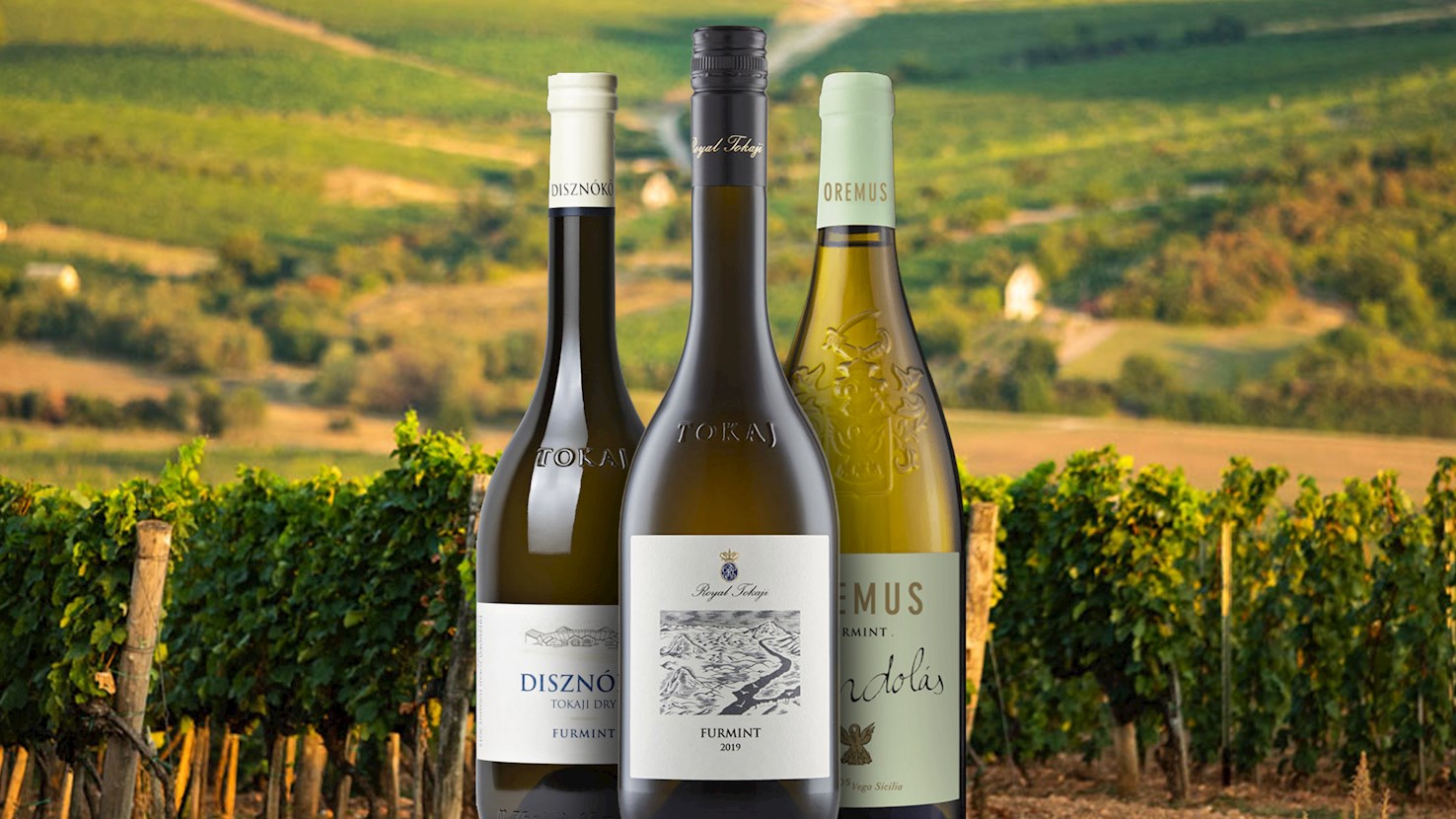
Furmint is a white wine grape variety native to northeastern Hungary, particularly rooted in the Tokaj region, where it plays a central role in the creation of both dry and sweet wines. It is believed to be descended from the ancient Gouais blanc grape and may be the parent to other varieties like Hárslevelű and the Swiss Plantscher. Its presence in Tokaj goes back to at least the late 16th century, with written records dating from 1571 and even the early 17th century, indicating its deep integration in local viticulture. By the late 18th century, it was already recognized as the principal grape behind the celebrated Tokaji Aszú sweet wines. In terms of winemaking, Furmint is valued for its versatility. It is used to make wines across the spectrum: from crisp, bone-dry whites to richly botrytized sweet wines like Tokaji Aszú and the ultra-luxurious Essencia. The dry versions are known for their high acidity and clear expression of terroir, with flavours such as green apple, quince, stone fruit, and mineral notes. In sweet wines, especially Tokaji Aszú, Furmint grapes affected by noble rot (Botrytis cinerea) develop deeper aromas of honey, apricot, ginger, and marzipan. A defining feature of Furmint is how well it captures the nuances of the land it comes from. Its dry wines with volcanic or loess soils show distinctive minerality and structure, while single-vineyard bottlings highlight the range of terroirs within Tokaj. In sweet wine form, its remarkable acidity ensures that even very high sugar concentrations remain balanced, preventing the wine from tasting overly cloying. Furmint is enjoyed in many ways. Dry expressions are often served well-chilled as an aperitif or paired with starters, delicate fish dishes, or light poultry, while sweeter versions match well with rich desserts or cheeses. Tokaji Aszú, in particular, has garnered historical prestige as “wine of kings, king of wines” and has adorned royal tables across Europe for centuries.
Rózsakő is a white Hungarian wine produced from a grape variety of the same name, cultivated primarily around Lake Balaton in the Badacsony wine region of western Hungary. Known for its balanced acidity, floral aromas, and subtle minerality, it represents one of the distinctive expressions of this volcanic landscape. The grape itself was created in 1957 by Hungarian viticulturist Ferenc Király, who crossbred two local varieties, Kéknyelű and Budai Zöld, with the goal of developing a vine that combined resilience and yield with refined flavor. The result was a grape that retained the aromatic delicacy and crisp structure of its parents while offering more consistent harvests, making it suitable for broader production while preserving regional character. Since its introduction, Rózsakő has remained closely associated with the Badacsony hills, whose basalt-rich soils and temperate climate lend the wine its characteristic mineral notes and lively acidity. The preparation of Rózsakő wine follows a careful process aimed at preserving the grape’s aromatic profile and freshness. Grapes are harvested when they reach optimal ripeness, usually in early autumn, and are gently pressed to extract clean juice without excessive tannins. Fermentation is typically conducted in temperature-controlled stainless steel tanks, which helps retain floral and fruity aromas such as white blossoms, citrus, and green apple. Some winemakers may age the wine briefly on fine lees to add depth and a slightly creamy texture, though the style is generally dry and focused on purity rather than heavy oak influence. The resulting wine is pale straw in color, with a light to medium body and a crisp, refreshing palate that reflects the cool climate of the region. One characteristic that sets Rózsakő apart is its connection to the terroir of Badacsony. The volcanic soils of the region impart a distinct mineral quality, while the influence of nearby Lake Balaton moderates the climate, promoting slow, even ripening and the development of nuanced flavors. This combination of geology and microclimate gives the wine a sense of place that appeals to both local drinkers and international enthusiasts seeking lesser-known European varieties. Rózsakő is typically enjoyed young, within a few years of harvest, when its freshness and aromatic intensity are at their peak. It is best served slightly chilled, around 10–12°C, and pairs well with a range of dishes. Light seafood, grilled freshwater fish, poultry, and vegetable-based dishes complement its acidity and delicate flavor, while soft cheeses and lightly spiced salads also make excellent companions. In Hungary, it is often enjoyed alongside regional specialties from the Balaton area, making it a staple of lakeside meals and summer gatherings.
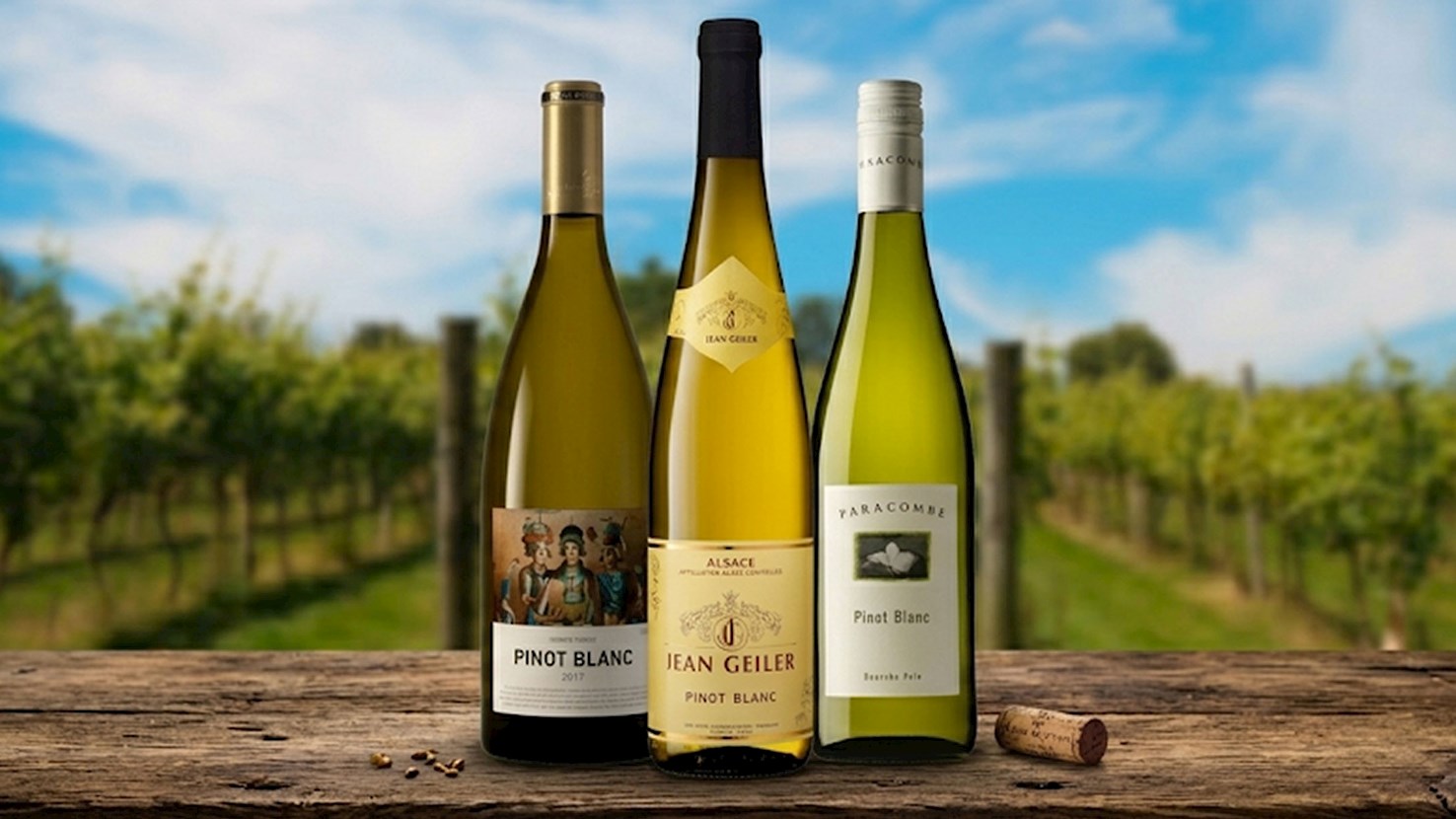
Pinot Blanc is a white wine grape variety used to produce dry white wines in regions such as Alsace, Germany, Austria, and parts of Italy, where it is valued for moderate acidity, pale color, and a restrained aromatic profile. The variety developed as a natural mutation within the Pinot family, closely related to Pinot Noir and Pinot Gris, and its cultivation spread through Central Europe via monastic vineyards and regional plant exchanges during the medieval period, where growers selected it for reliability and adaptability rather than intensity, leading to its steady presence in cooler and temperate climates. Winemaking typically involves gentle pressing of the grapes, fermentation at controlled temperatures to preserve freshness, and aging in stainless steel or large neutral vessels, though some producers use oak or extended lees contact to add texture without dominating the wine’s character. Pinot Blanc is generally bottled dry and served cool, allowing its subtle fruit and structure to remain balanced, and it is rarely decanted unless made in a fuller-bodied style. A defining aspect of Pinot Blanc is its role as a neutral but structured wine that reflects site and winemaking choices more than varietal aroma, which has led to stylistic diversity across regions while maintaining a consistent framework. Pinot Blanc is consumed primarily with meals, paired with foods such as fish, shellfish, poultry, veal, mild cheeses, and vegetable-based dishes, and it is also used as an everyday table wine in Central European dining, where its moderate alcohol and restrained profile allow it to accompany a wide range of cuisines without overpowering the food.
Kéknyelű is a white grape variety native to the Badacsony wine region of western Hungary, where it is cultivated almost exclusively on the volcanic slopes surrounding Lake Balaton. Known for producing elegant, mineral-driven wines with subtle floral aromas and crisp acidity, it has long been regarded as one of Hungary’s most distinctive and terroir-expressive white grape varieties. The name “Kéknyelű,” meaning “blue stalk,” refers to the bluish tint of the grape’s stem, and the variety has been documented in the region since at least the 18th century. Its cultivation was closely tied to the evolution of winegrowing around Lake Balaton, where the combination of volcanic soil, mild microclimate, and cooling lake breezes created ideal conditions for producing wines with finesse and structure. Once widely planted, the grape’s popularity declined sharply in the 20th century due to its low yields and sensitivity to growing conditions, but it never disappeared entirely and has seen renewed attention from winemakers seeking to preserve and highlight Hungary’s unique grape heritage. The production of Kéknyelű wine is shaped by the character of the grape itself, which ripens late and requires careful vineyard management. It is dioecious, meaning male and female flowers are found on separate plants, so it must be planted alongside other varieties (often Budai Zöld) to ensure pollination. The grapes are typically harvested by hand in early autumn and fermented in stainless steel or neutral oak to preserve their delicate aromas and emphasize the influence of the terroir. The resulting wines are usually pale straw in color, with a refined bouquet that can include notes of white flowers, citrus, stone fruit, and sometimes a hint of herbs or wet stone. On the palate, they are structured and balanced, with vibrant acidity, moderate alcohol, and a long, mineral finish that reflects the volcanic soils of the Badacsony hills. Some winemakers age Kéknyelű wines on fine lees to add texture and complexity, though the style generally prioritizes freshness and precision over opulence. Kéknyelű is most often enjoyed as a still, dry white wine, typically served slightly chilled to emphasize its freshness and aromatic complexity. It pairs well with a range of foods, especially freshwater fish such as pike-perch or zander, poultry dishes, and light vegetable-based preparations. Its acidity and minerality also make it a natural companion to mild cheeses and salads. The wine is a staple on menus in restaurants around Lake Balaton and is frequently featured at regional wine festivals, where it serves as a symbol of the Badacsony terroir and Hungary’s ongoing dedication to preserving unique, site-specific grape varieties.
TasteAtlas food rankings are based on the ratings of the TasteAtlas audience, with a series of mechanisms that recognize real users and that ignore bot,
nationalist or local patriotic ratings, and give additional value to the ratings of users that the system recognizes as knowledgeable.
For the “Top 9 Hungarian White Grapes” list until June 10, 2026, 120 ratings were recorded, of which 90 were recognized by the system as legitimate.
TasteAtlas Rankings should not be seen as the final global conclusion about food. Their purpose is to promote excellent local foods,
instill pride in traditional dishes, and arouse curiosity about dishes you haven’t tried.