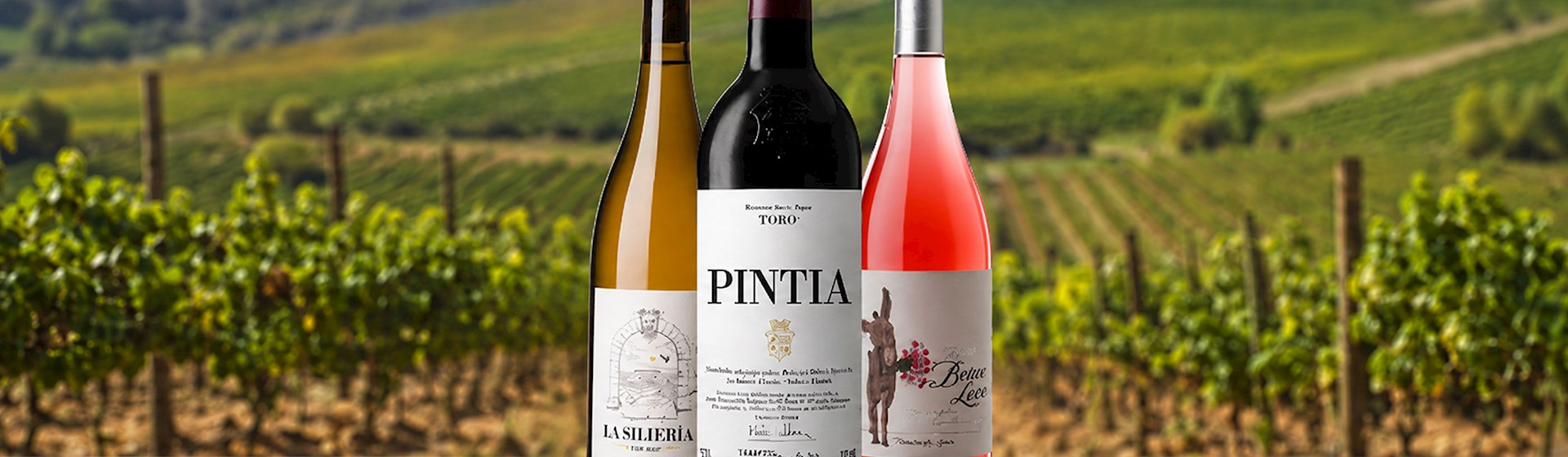
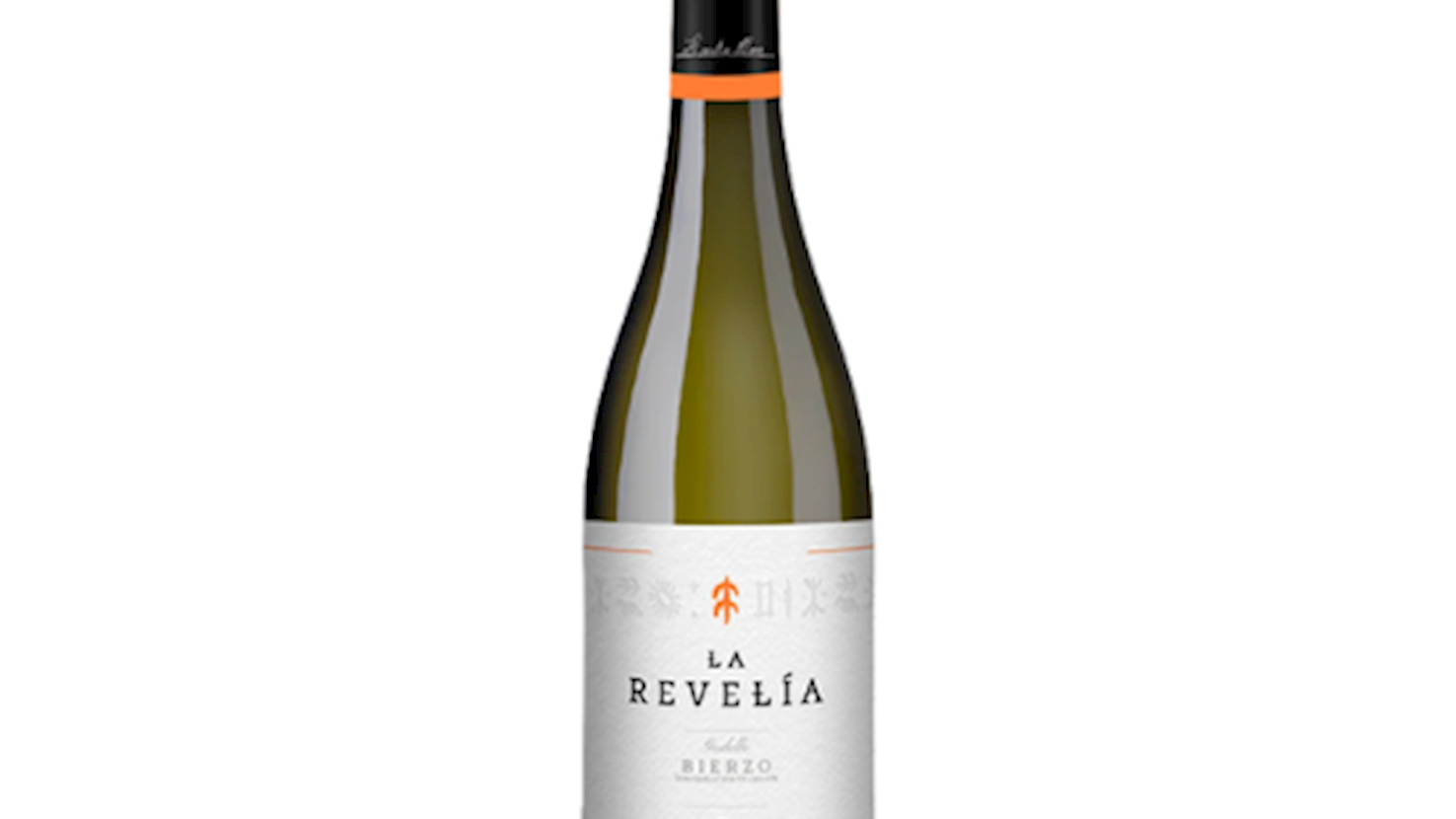
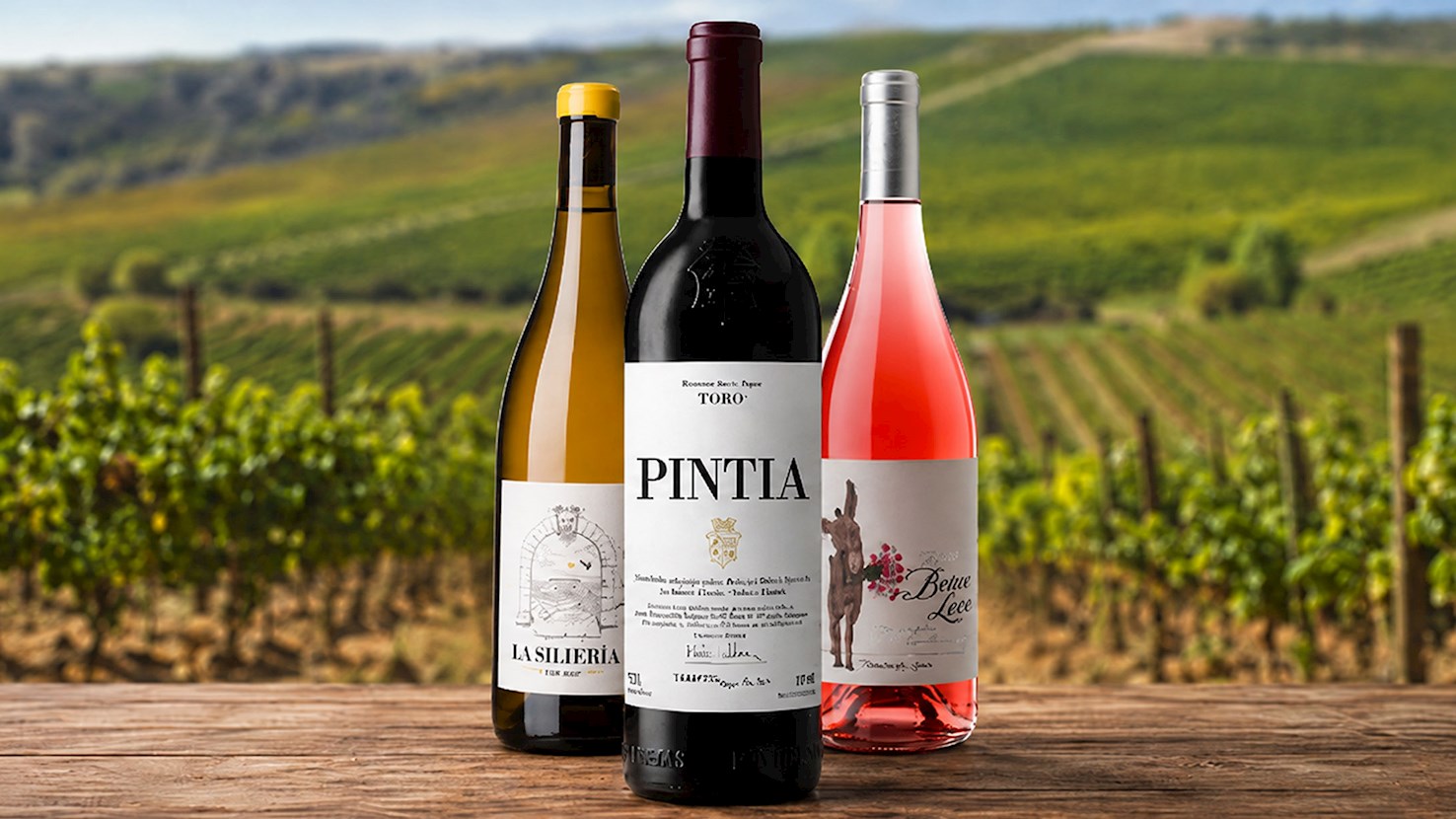
Raúl Pérez is one of the most influential contemporary winemakers in Spain, known for his authentic philosophy and minimal-intervention approach to winemaking. His winery is located in the village of Valtuille de Abajo in the Bierzo region, where he works primarily with the native variety Mencía and old vineyards planted on steep terraces. His focus is on low yields, hand harvesting, and preserving the unique character of each vineyard without aggressive technological interference. Fermentation occurs spontaneously with indigenous yeasts, sometimes using whole clusters to add complexity and fine tannic structure. Oak is used thoughtfully, mostly older barrels, so it does not dominate the wine’s aromatics or identity. Beyond Bierzo, he develops projects in other regions such as Rías Baixas and Ribeira Sacra, exploring the potential of local varieties and diverse terroirs. His wines are characterized by elegance, freshness, minerality, and a clear sense of place. Raúl Pérez believes that a winemaker should not shape the wine, but rather allow it to express its own nature. Thanks to this philosophy, he is considered a pioneer of modern Spanish winemaking and one of the key figures responsible for putting Bierzo back on the global wine map. Today, his wines are highly regarded by collectors and gastronomic professionals alike.
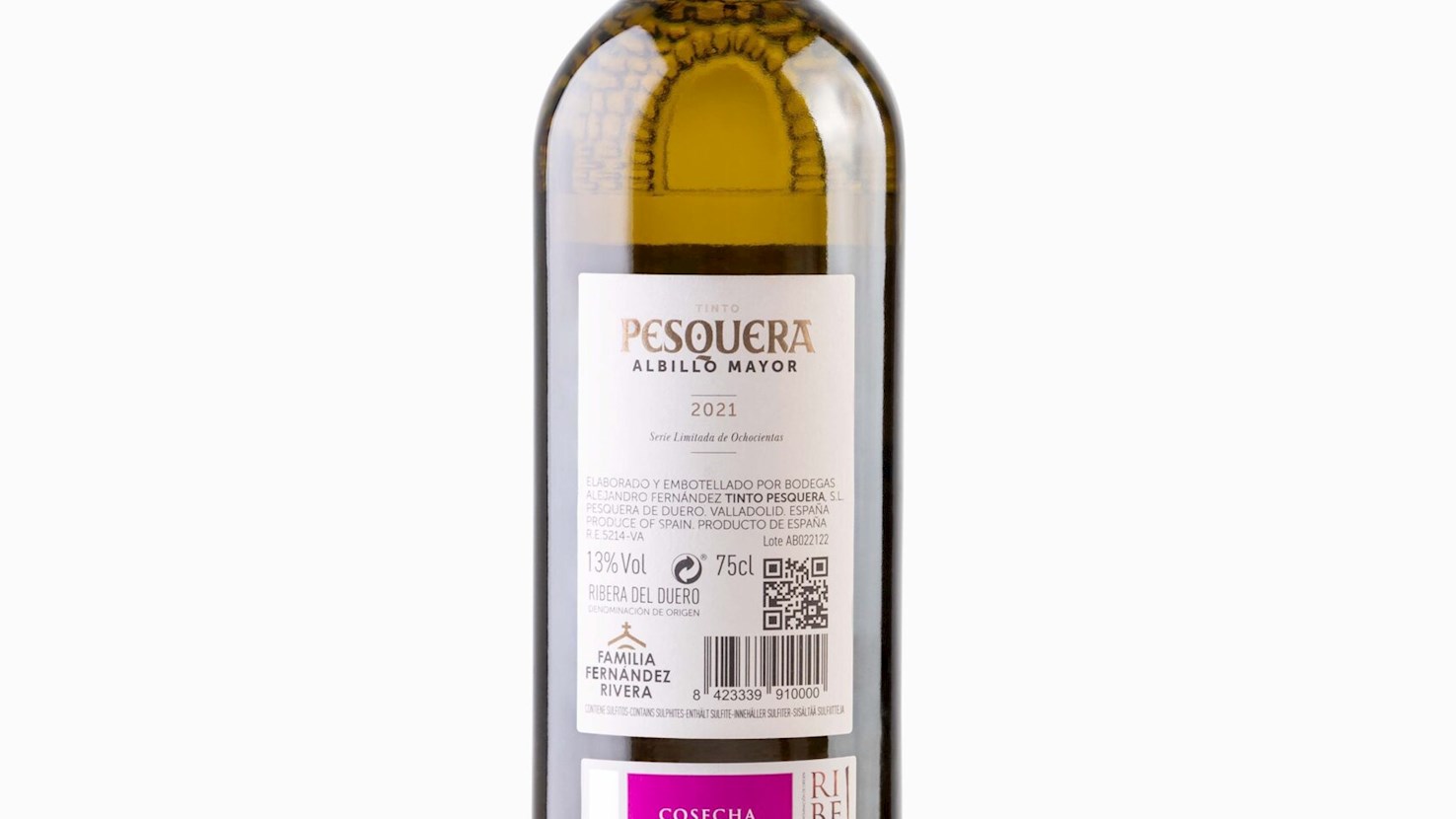
Bodegas Emilio Moro is a family-run winery based in Pesquera de Duero, in the heart of the Ribera del Duero region, with deep roots in viticulture that go back more than a century. Although the winery was officially founded in 1987, the Moro family’s connection to vineyards and winemaking spans several generations. The estate has built its identity around Tinto Fino, the local expression of Tempranillo, which forms the backbone of almost its entire production. Their vineyards are spread across different altitudes and soil types, allowing the wines to express multiple facets of Ribera del Duero’s terroir. Old vines play a particularly important role, providing grapes with natural concentration and balance. The winery’s philosophy combines respect for family tradition with a modern, technically precise approach to winemaking. In the cellar, vinification is carefully controlled, with strict grape selection and temperature-regulated fermentation. Ageing usually takes place in a combination of French and American oak barrels, creating a balance between fruit expression and complexity. Emilio Moro wines are known for their full body, firm structure, and clearly defined aromas of ripe dark fruit, spice, and subtle toasted notes. On the palate, they are powerful yet generally well balanced, with tannins that provide longevity without harshness. Special recognition is given to the Malleolus range, produced from selected plots and considered the pinnacle of the winery’s portfolio. These wines highlight the ageing potential and depth that Ribera del Duero can achieve. The estate continues to invest in sustainable vineyard practices and ongoing innovation. Preserving old vineyards and regional identity remains a core priority. Today, Emilio Moro stands as one of the most recognizable names in modern Ribera del Duero winemaking, with wines featured on wine lists around the world and regarded as a reference for a style that unites strength with elegance.
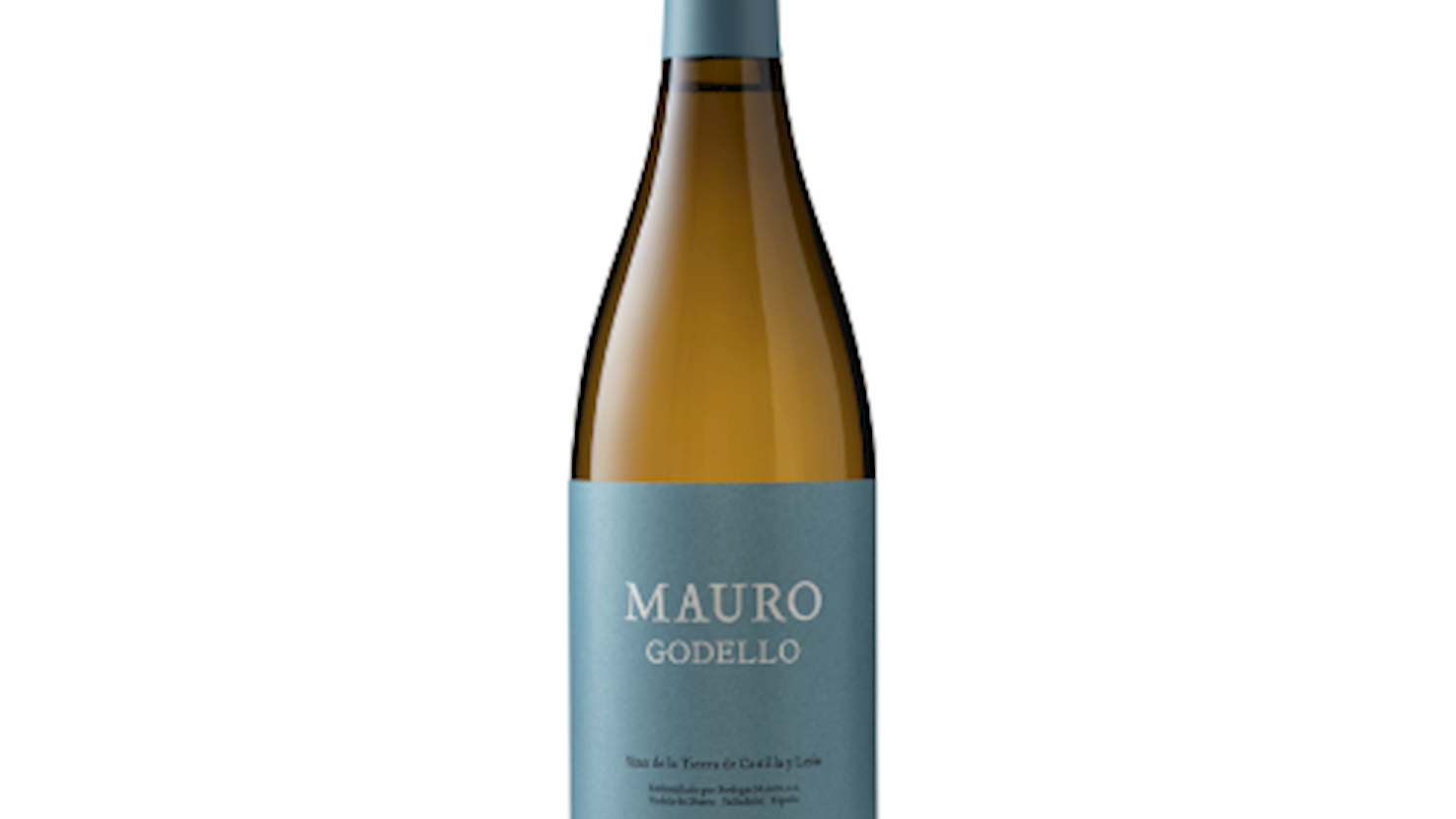
Bodegas Mauro is a family-owned winery based in Tudela de Duero, in the province of Valladolid, founded in 1980 by Mariano García, one of the most influential winemakers in modern Spanish wine, with the aim of creating wines that combine the structure of Ribera with elegance and long aging potential. Although located just outside the official boundaries of the DO Ribera del Duero, Mauro quickly established itself as a reference point in the region thanks to its consistent quality and clearly defined style. The vineyards are planted on limestone- and clay-rich soils, with old vines of Tinto Fino complemented by smaller proportions of Cabernet Sauvignon and Syrah, adding depth and complexity to the wines. In the vineyard, sustainable practices are applied with a strong focus on yield control and optimal grape maturity. In the cellar, winemaking is carried out with great precision and without aggressive intervention, allowing the purity of fruit to remain central. Aging takes place in a combination of French and American oak barrels, as well as larger wooden vats, enabling a gradual development of structure without oak dominance. The style of the wines is marked by ripe dark fruit, finely textured tannins, and stable acidity that supports long-term aging.
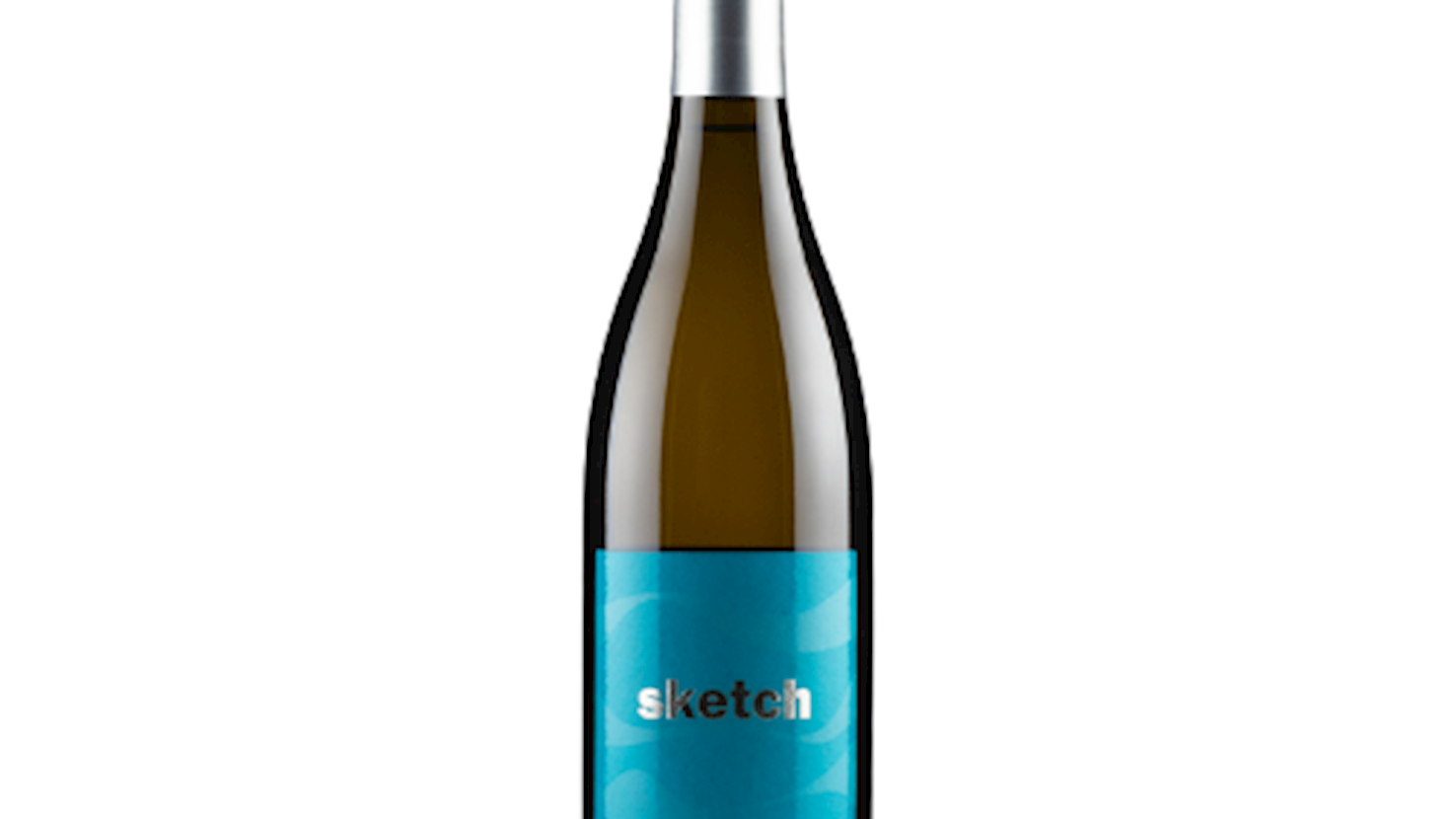
Barco del Corneta is a small, artisanal wine project based in La Seca, in the Castilla y León region, dedicated to an authentic, terroir-driven expression of Verdejo through organic farming and minimal intervention. The winery is run by Beatriz Herranz and Félix Crespo, with a clear intention to move away from the overtly aromatic, commercial style often associated with the variety. The vineyards are located at higher elevations on poor, sandy and gravelly soils, with many parcels planted to old vines that naturally yield low quantities and greater concentration. Harvesting is done by hand, and fermentations take place spontaneously using native yeasts, most often in oak barrels. The wines are aged on their fine lees, adding texture and depth while preserving freshness and precision. The resulting style is serious, mineral and restrained, focused on structure, balance and ageing potential rather than primary aromatics, positioning Barco del Corneta as a reference point for contemporary, terroir-focused Verdejo in Spain.
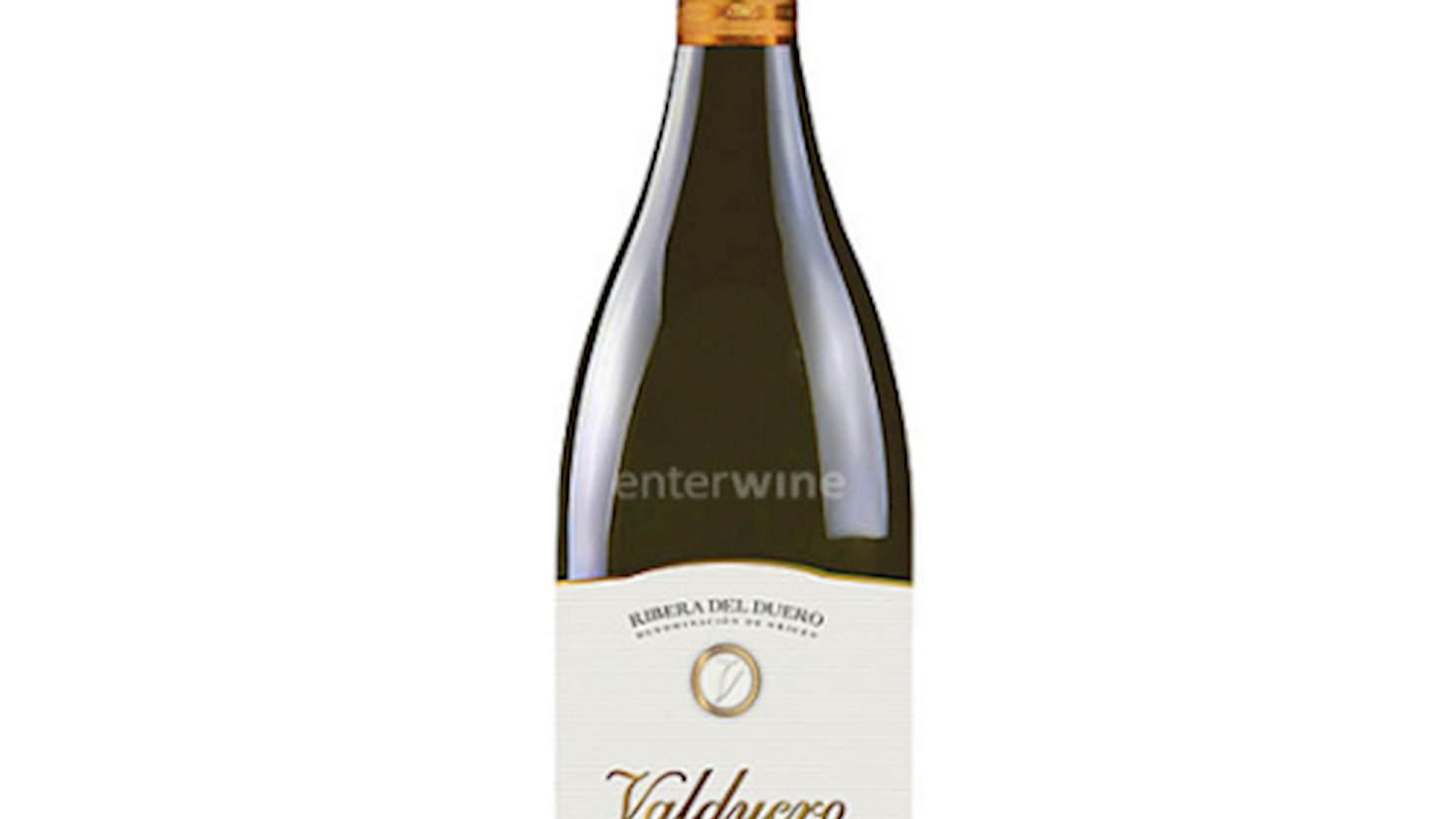
Bodegas Valduero is a family-owned winery based in Gumiel de Mercado, in the heart of the prestigious DO Ribera del Duero region, founded in 1984 as one of the first independent estates in the area to produce and bottle wines under its own name. From the very beginning, the winery has focused on long-term quality and ageing potential, guided by the philosophy that wine should spend sufficient time in the cellar before being released to the market. Its vineyards are planted mainly with old vines of Tempranillo, locally known as Tinto Fino, grown without irrigation and at very low yields, which contributes to the concentration and structure of the wines. In the cellar, Valduero follows a classic Ribera del Duero approach, with extended ageing in oak barrels and even longer maturation in bottle. The estate is particularly well known for its Reservas and Gran Reservas, as well as for its innovative work with the white grape variety Albillo Mayor, from which it produces serious wines with remarkable ageing potential. The house style is defined by firm structure, clearly shaped tannins, and an elegance that develops over time. Today, Bodegas Valduero is regarded as one of the reference producers of Ribera del Duero, recognized for its consistency, patience in winemaking, and loyalty to the region’s classic expression.
Awards
Decanter World Wine Awards - Best in Show
(2024, 2019)
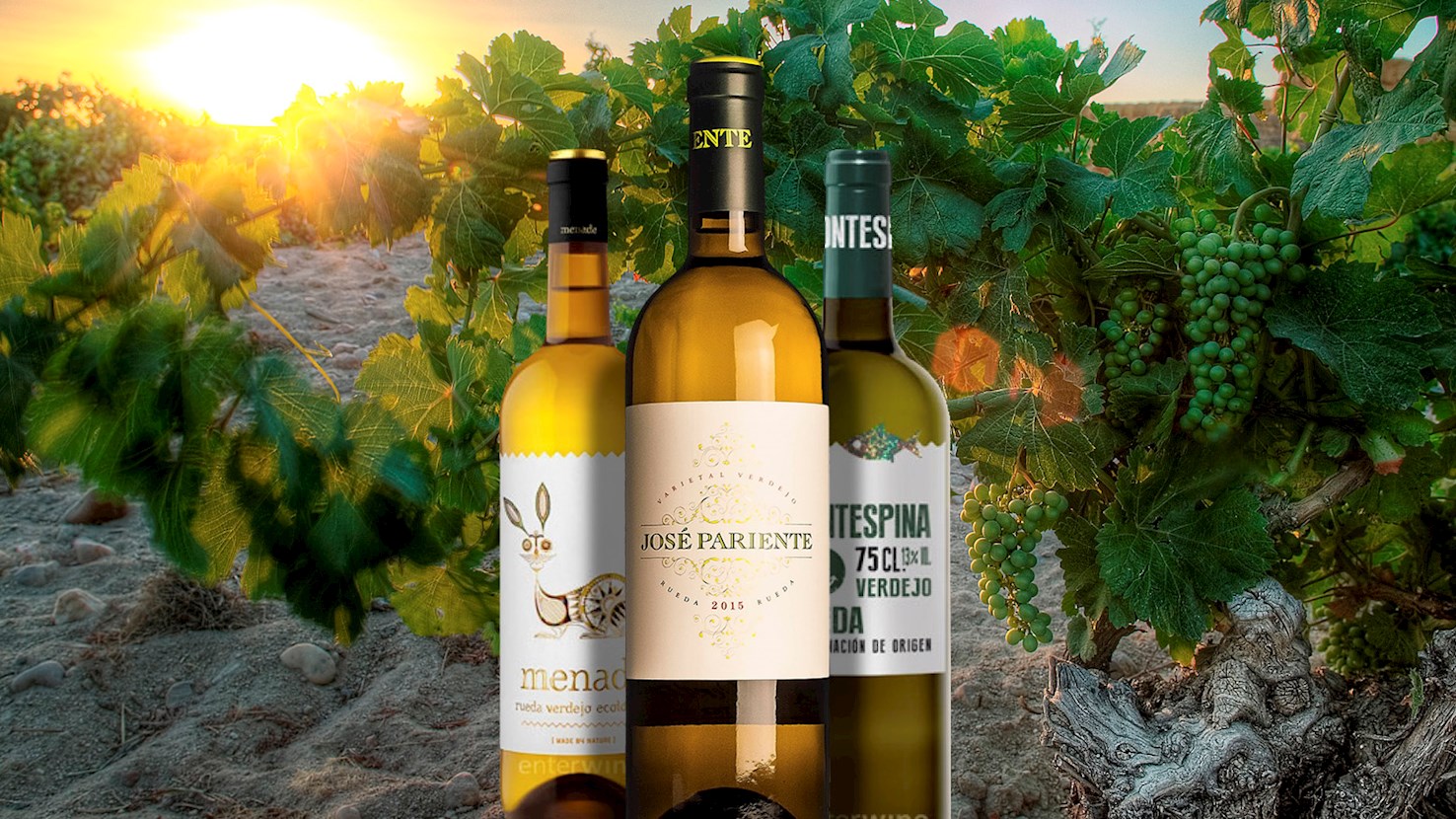
This white grape variety probably originated in North Africa from where it was imported to the Iberian Peninsula, and today it is mainly known as the principal grape used in Rueda (DO), both in blends and as a varietal wine. The wines produced from Verdejo are typically light-bodied, fruit-forward, fresh, and lively, with well-balanced acidity that is accompanied by bright and herbaceous flavors of citrus, fruit, and fennel. With age, some varieties may develop nutty almond flavors. Because of its character, Verdejo is great enjoyed on its own, but it is also a food-friendly wine, and while young Verdejo is an excellent accompaniment to grilled and fried seafood, vegetables, salads, and fresh cheese, aged varieties may match paella and heartier fish or meat dishes.
Vino de la Tierra de Castilla y León is a Spanish Protected Geographical Indication (PGI) for wines produced across the entirety of the autonomous community of Castile and León. Established in 2000 and officially recognized by the European Union in 2004, this PGI functions as a flexible quality framework for winemakers operating outside the more restrictive rules of the region's various Denominations of Origin (DOs). The geographical area encompasses the vast northern plateau of Spain, characterized by a Mediterranean-Continental climate with long, cold winters, short, hot summers, and high-altitude vineyards mostly situated between 600 and 1,000 meters above sea level. Viticulture in this territory was introduced by Roman settlers and later expanded by monastic orders who managed extensive vineyard estates throughout the Middle Ages. The modern PGI status was developed to allow producers to experiment with grape varieties and techniques that fall outside local PDO specifications while still certifying the geographical origin and quality of the fruit. This has allowed the region to remain a center for innovation, especially for estates that prioritize specific soil expressions over rigid administrative categories. Preparation of these wines utilizes a wide selection of authorized grapes, including red varieties like Tempranillo, Syrah, Cabernet Sauvignon, and Mencía, as well as whites such as Verdejo, Godello, and Sauvignon Blanc. Production standards permit a maximum yield of 16,000 kilograms of grapes per hectare. The winemaking process often involves cold maceration and fermentation in stainless steel or oak, followed by aging periods that vary according to the style of the wine—ranging from young, unoaked bottles to those aged in French or American oak barrels for several years. White and rosé wines are typically served chilled at 8°C to 10°C, while reds are served at 16°C to 18°C to ensure the balance of tannins and fruit. A distinct feature of the Castilla y León PGI is the "Vino de overripe grapes" category and quality sparkling wines made using the same method as Champagne, with secondary fermentation in the bottle. These wines are consumed in domestic and international markets, often appearing on the wine lists of restaurants that highlight modern Spanish viticulture. Food pairings for these wines are centered on the robust ingredients of the Spanish interior. Red wines are commonly paired with roasted meats like lechazo (suckling lamb) or cochinillo (suckling pig), as well as cured meats such as jamón ibérico and cecina de León. White varieties like Verdejo or Godello pair with local legumes, such as the white beans from El Barco de Ávila, and semi-cured sheep’s milk cheeses like Queso Zamorano. The sparkling and rosé variants are frequently served with appetizers including marinated olives, Marcona almonds, or fatty tinned fish.
Abadía Retuerta is a Spanish wine producer and estate located in Sardón de Duero, within the province of Valladolid and the autonomous community of Castilla y León. Situated along the banks of the Duero River, the estate operates under the Protected Designation of Origin (PDO) status known as DOP Abadía Retuerta, a classification specifically granted to single estates of exceptional quality. The vineyard covers 204 hectares of a larger 700-hectare property that sits at the western edge of the Ribera del Duero region. The geography is characterized by a Mediterranean-Continental climate and a diverse soil composition resulting from fluvial deposits, including gravel, sand, clay, and limestone. The viticultural presence on this land was established in 1146 by the Premonstratensian Order following the construction of the Santa María de Retuerta monastery. For centuries, the monks managed the land, identifying the specific plots most suitable for vine cultivation. In the late 20th century, specifically starting in 1991, a comprehensive restructuring of the estate took place involving a detailed geological study that divided the vineyard into 54 distinct plots based on soil type and microclimate. This scientific approach led to the planting of Tempranillo, Cabernet Sauvignon, Syrah, Merlot, and Petit Verdot in the precise locations where each variety could achieve optimal maturation. Preparation of the wine follows a gravity-flow system designed to handle the grapes with minimal mechanical intervention. After manual harvesting and selection, the fruit is moved through the winery using natural descent to avoid the friction and oxidation associated with electric pumps. Fermentation occurs in stainless steel or oak vats depending on the specific plot of origin, followed by aging in French and American oak barrels located in a cellar integrated into the hillside to maintain constant temperature and humidity. Red wines from the estate are best served at temperatures between 16°C and 18°C. One specific technical feature of the production is the use of a patented "hydropress" system that applies uniform, gentle pressure to the skins, ensuring the extraction of stable tannins without bitterness. The wine is primarily consumed in formal dining settings and is the central offering at the estate’s onsite restaurant, Refectorio. It is served in large-bowled crystal glasses to facilitate aeration and the release of complex volatile compounds. In terms of food pairings, the high structure and acidity of the Tempranillo-led blends make them suitable for roasted red meats such as Castilian suckling lamb or beef tenderloin. The Syrah and Petit Verdot components allow the wine to pair effectively with game birds, stews, and aged sheep’s milk cheeses like Manchego. The estate also produces a white wine, predominantly from Sauvignon Blanc and Godello, which is frequently paired with fatty fish, white meats, or dishes featuring local forest mushrooms.
TasteAtlas food rankings are based on the ratings of the TasteAtlas audience, with a series of mechanisms that recognize real users and that ignore bot,
nationalist or local patriotic ratings, and give additional value to the ratings of users that the system recognizes as knowledgeable.
For the “Top 8 Castilian-Leonese White Wines” list until June 15, 2026, 51 ratings were recorded, of which 39 were recognized by the system as legitimate.
TasteAtlas Rankings should not be seen as the final global conclusion about food. Their purpose is to promote excellent local foods,
instill pride in traditional dishes, and arouse curiosity about dishes you haven’t tried.
The initial list of top producers was compiled based on available reviews, awards, local recommendations, media and blog coverage, and consumer reviews.
The list will be updated with ratings from TasteAtlas local ambassadors and TasteAtlas users.