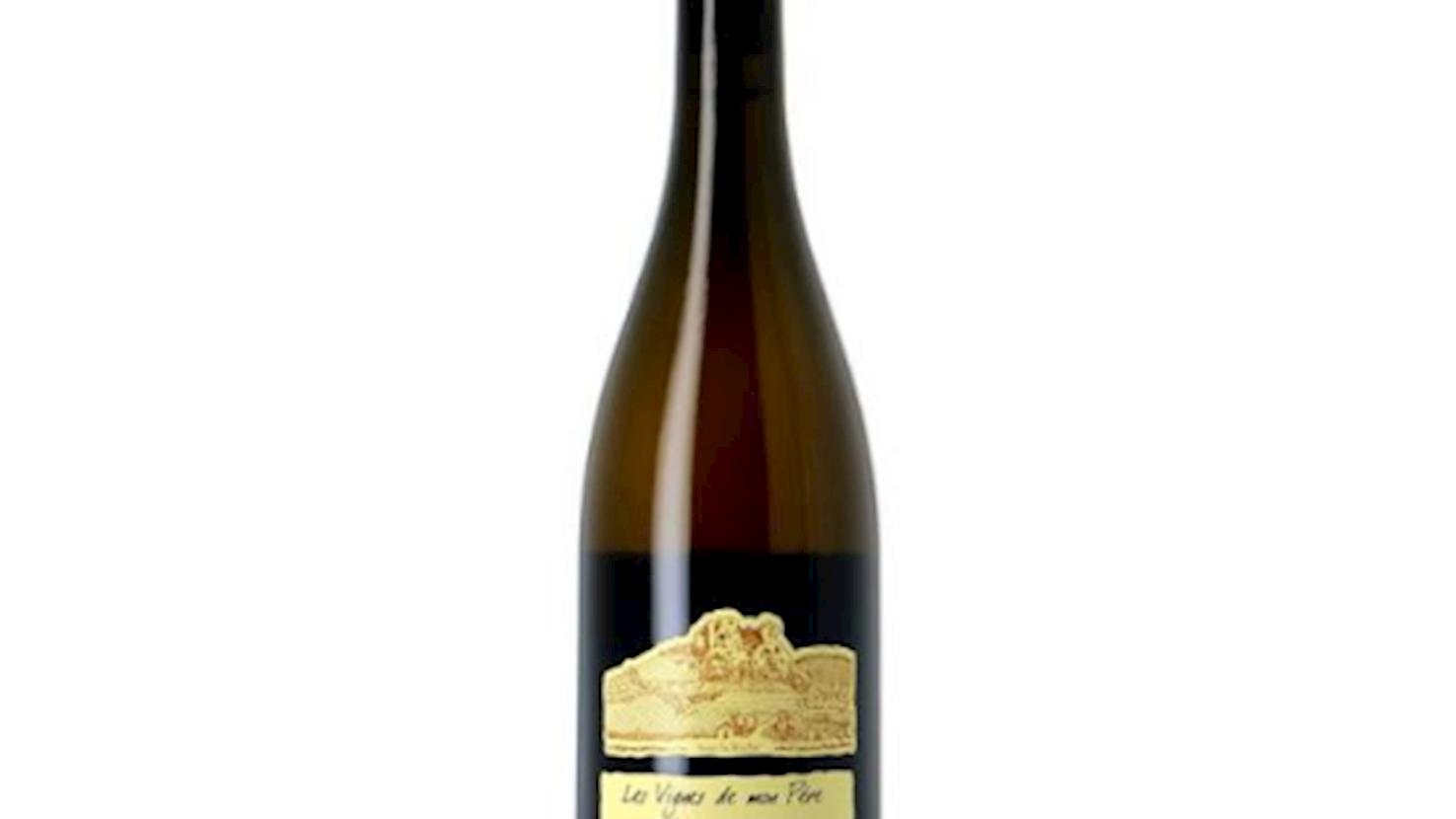
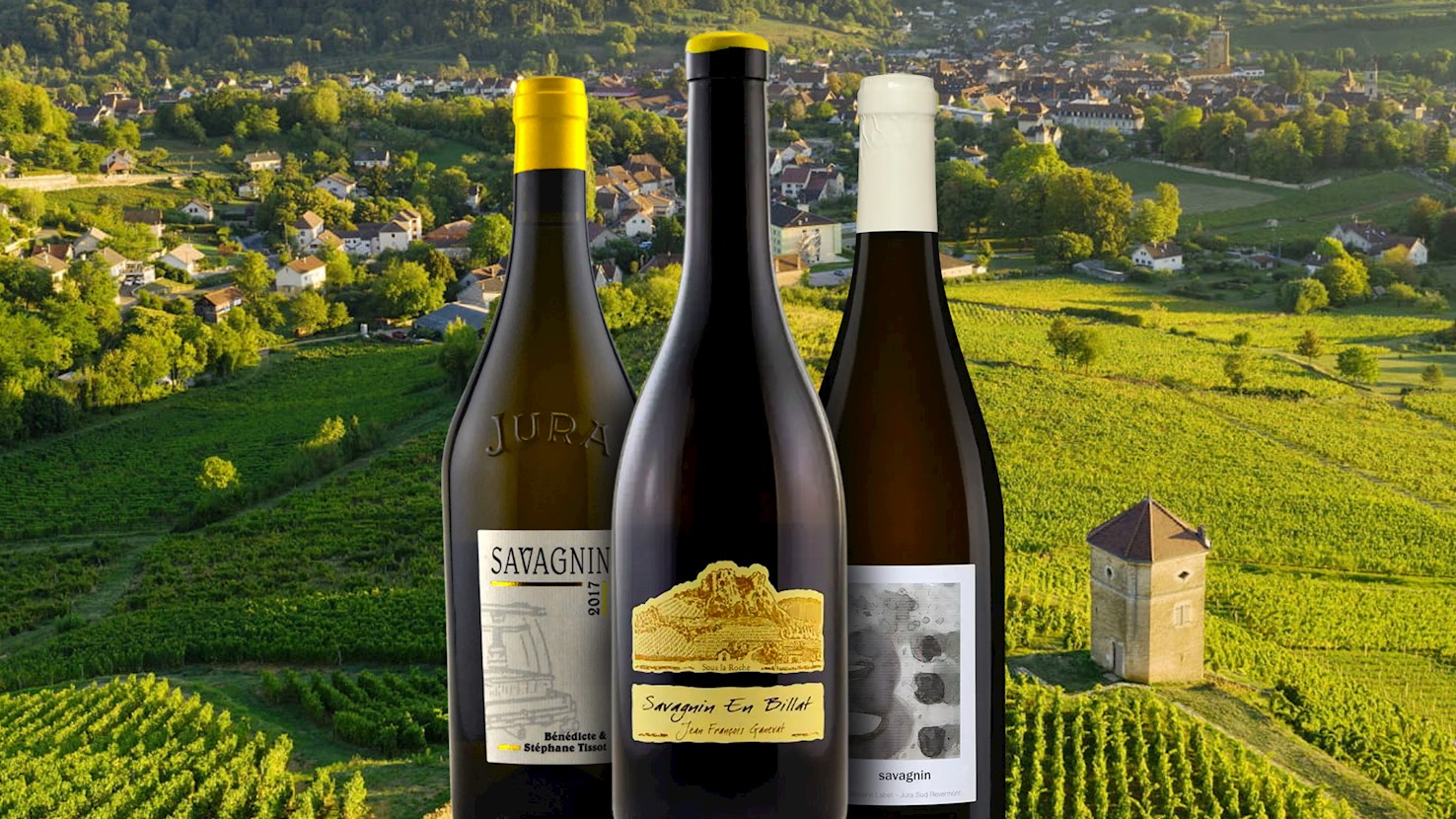
Domaine Ganevat is a family-run winery located in the village of Rotalier in the Jura region of France, known for extremely small production batches and a strong focus on authentic terroir expression. The estate is led by Jean-François Ganevat, who took over in the late 1990s and gradually transformed it into one of the most respected small domaines in France. The vineyards are farmed according to organic and biodynamic principles, relying on manual work and avoiding chemical inputs. In the cellar, the approach is minimal intervention - fermentation with native yeasts, aging on the lees, and avoiding sulfur additions whenever possible. Ganevat cultivates old Jura varieties such as Savagnin, Poulsard, and Trousseau, while also working with Chardonnay and Pinot Noir, which he vinifies with exceptional precision and purity. Many of the vines are over a hundred years old, giving the wines notable complexity and depth. In addition to wines from their own parcels, Ganevat produces a separate line of labels sourced from small growers who share the same philosophy. Due to limited production and high demand, Domaine Ganevat wines often sell out before they officially reach the market. They are considered a benchmark of natural winemaking in France and beyond, successfully combining the traditions of Jura with a contemporary minimal-intervention approach.
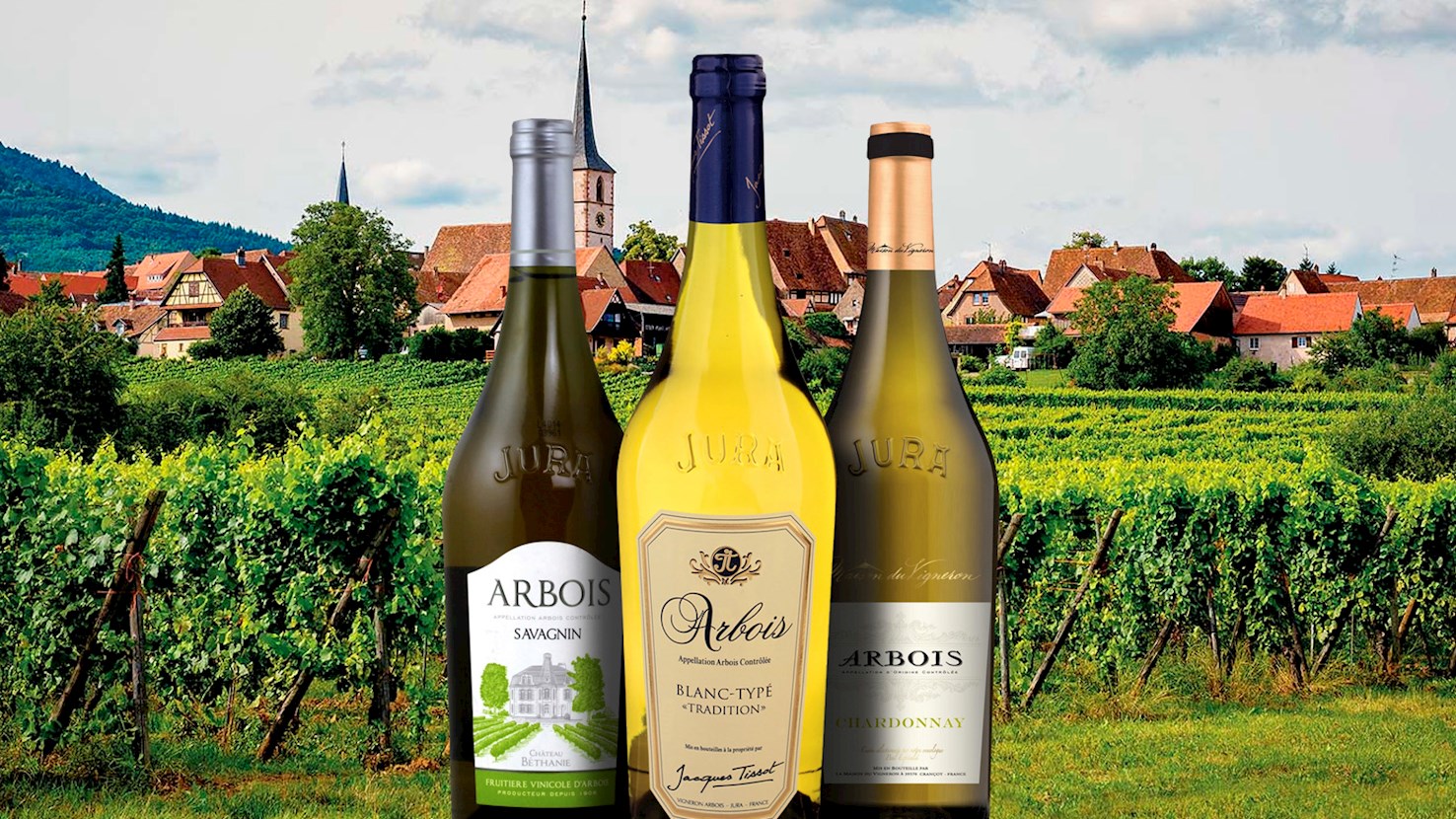
Arbois blanc is a white wine hailing from the namesake wine-producing region located in the department of Jura that also produces red, rosé, and sparkling wines, as well as yellow (vin jaune) and straw wine (vin de paille). White Arbois wines are made from Chardonnay, Pinot Blanc, and Savagnin grapes. These golden-colored wines tend to display crisp aromas of nuts, green apples, and white fruit. They are rich and opulent and tend to have an exceptionally long finish. Arbois blanc pairs well with cheese, seafood, cream sauces, and poultry.
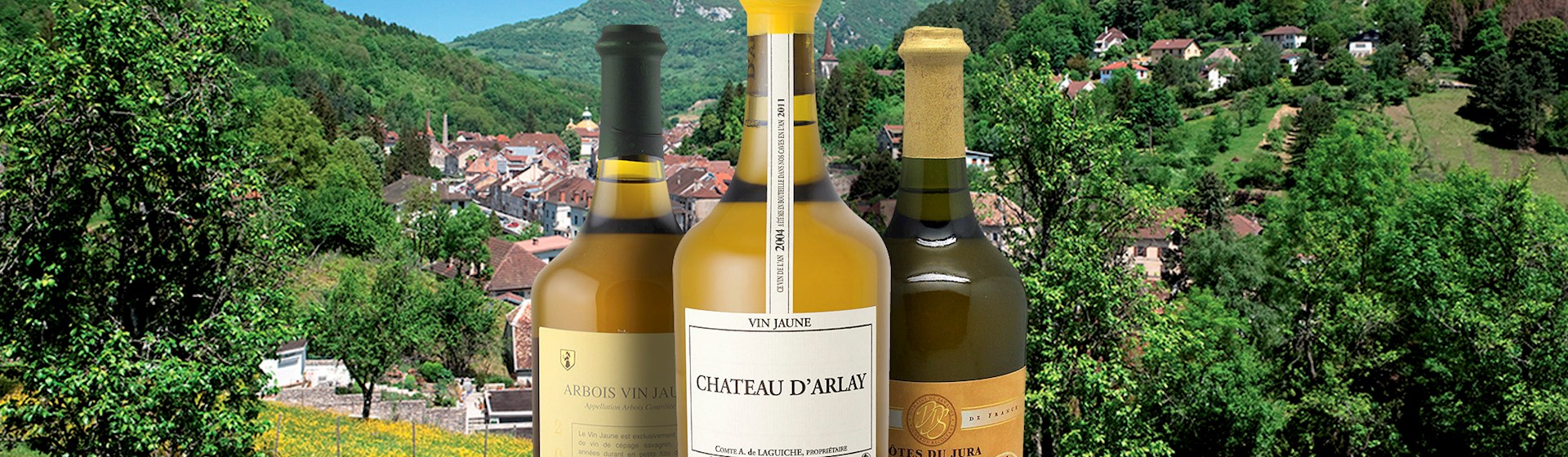
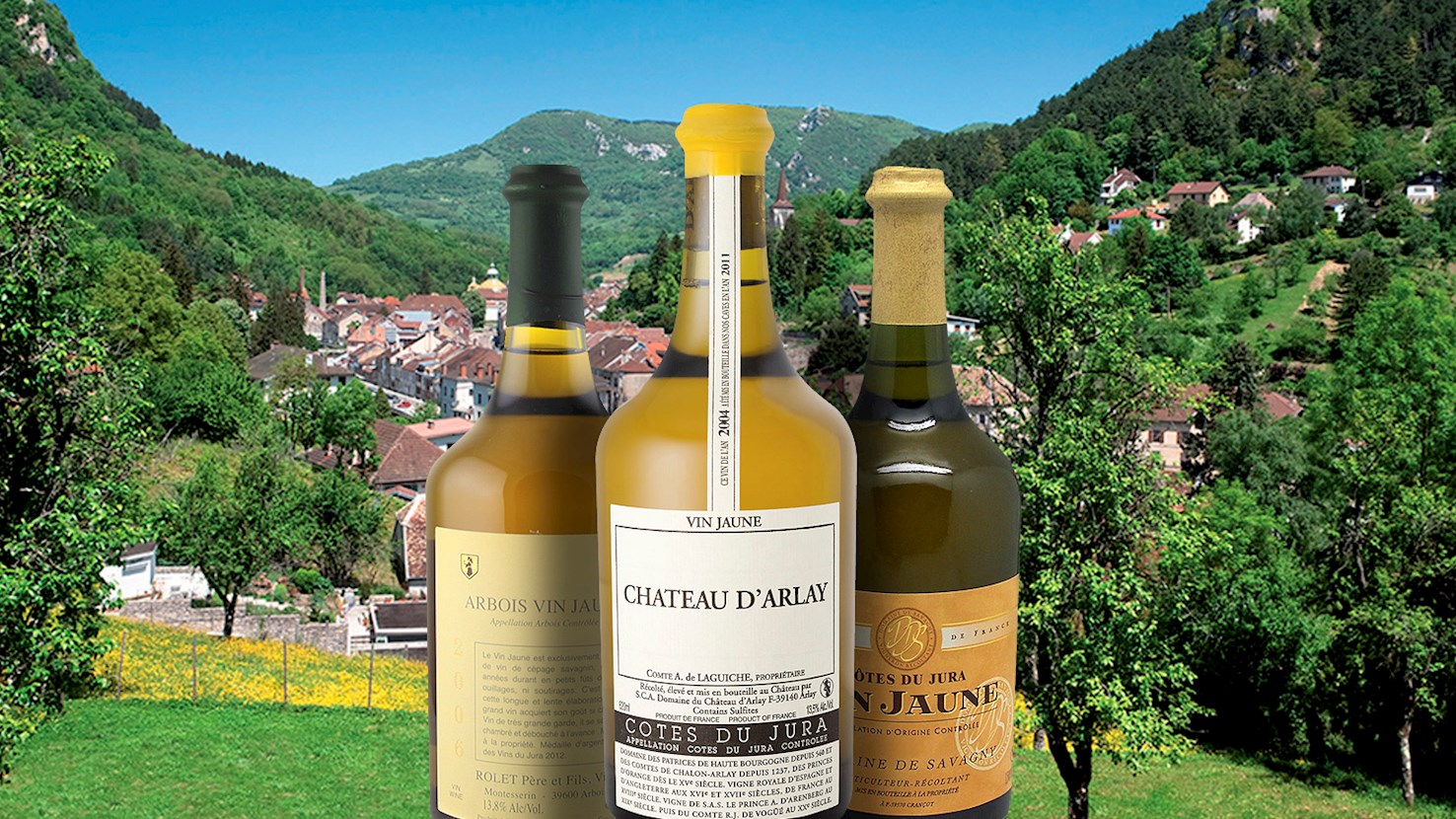
Translated as yellow wine, this unique dry French wine is produced in the Jura region from the late harvest Savagnin grapes. Several appellations are allowed to produce vin jaune, including Arbois, Côtes du Jura, Etoile, and Château-Chalon, with the latter only producing vin jaune style. Vin jaune shares some similarities with Fino sherry—both wines are aged under a layer of yeast (voile), but unlike sherry, vin jaune is not fortified. These wines are typically golden yellow, bright and crispy, with flavors and aromas of dried fruit, nuts, spices, white fruit, and flowers. They are bottled in special clavelin bottles, which contain 620 ml of wines—the exact amount of wine that is left after six years of aging. Vin jaune is a great match to cheese, white meat, and seafood.
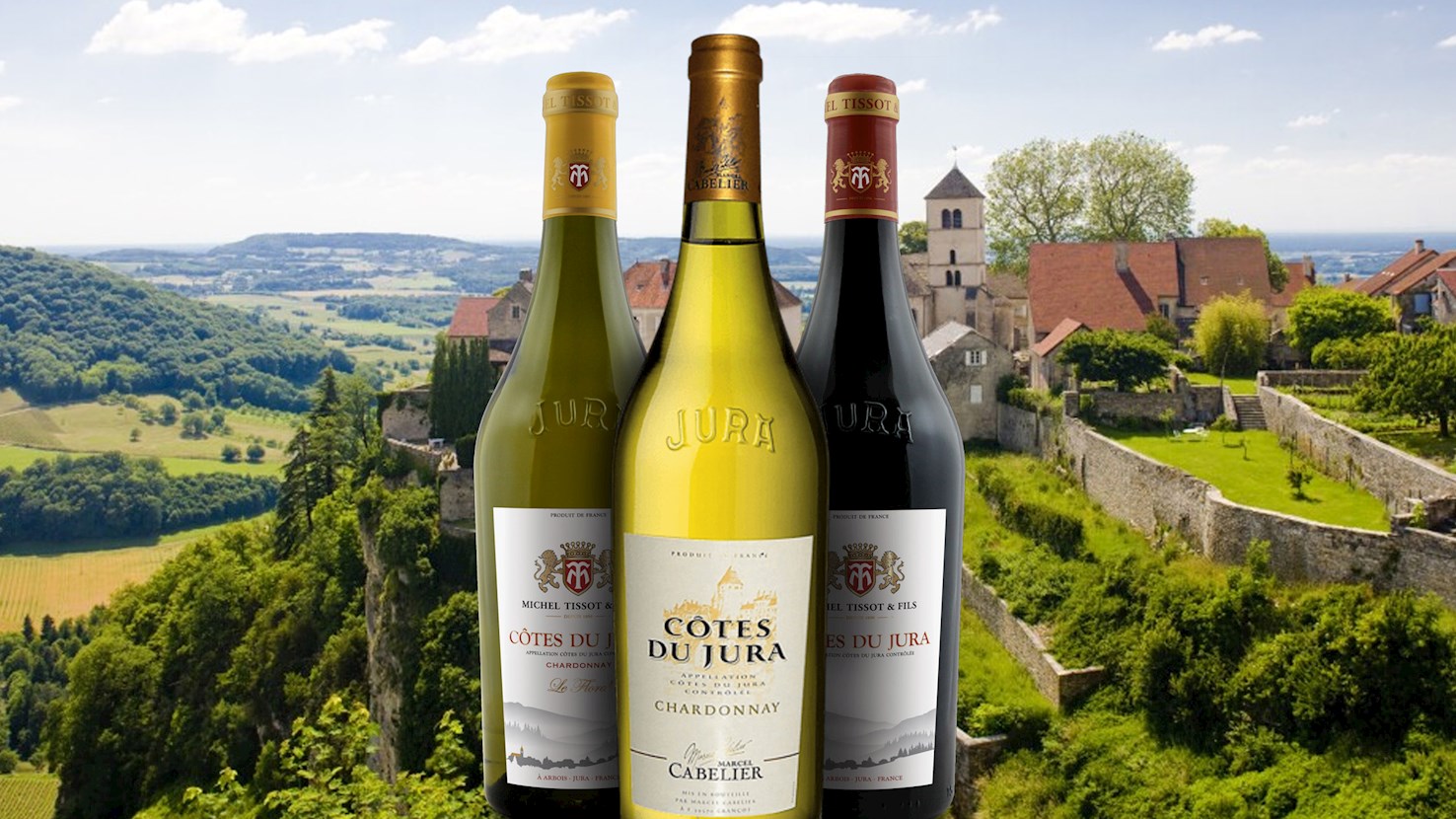
Côtes du Jura is an appellation from the Jura region in eastern France, covering a long and narrow stretch of vineyards that run along the western edge of the Jura mountains. It is known for producing red, white, and rosé wines as well as oxidative styles that are characteristic of the area, with permitted grape varieties including Savagnin, Chardonnay, Poulsard, Trousseau, and Pinot Noir. Its development is tied to longstanding viticulture in the region, shaped by the geological setting of marl and limestone soils and by vineyard practices that were already established when the appellation system was formalized in the mid-twentieth century to organize the diverse wine styles produced across Jura. Winemaking methods vary according to grape type and the style being made; whites may be produced in a non-oxidative manner similar to other French regions, or aged under a layer of yeast known as the voile for extended periods, a process that creates the nutty and saline profile associated with some Jura wines. Reds are typically lighter in color and body, often fermented and aged in a way that preserves the fruit character of Poulsard and Trousseau, and rosés are made through short macerations that highlight the naturally pale pigments of local grapes. A notable aspect of Côtes du Jura is the wide stylistic range permitted within a single appellation, allowing producers to bottle oxidative wines, classic whites, and light reds under the same designation, which is less common in many French wine regions. It is consumed throughout France and increasingly found abroad in restaurants and wine shops where Jura wines have gained attention, served with cheeses from the region such as Comté, poultry dishes with cream sauces, charcuterie, mushrooms, freshwater fish, and lighter red meats; in international settings it pairs well with nut-forward dishes, roasted vegetables, and foods that benefit from either the crispness of the non-oxidative wines or the savory depth of the oxidative styles.
Savagnin is a white grape variety primarily grown in the Jura wine region of France. It is known for producing distinctive and aromatic wines, including the famous Vin Jaune (yellow wine) of the Jura. The grape is characterized by its high acidity and complex flavor profile, often exhibiting notes of green apple, nuts, spices, and sometimes a hint of oxidation, which is a typical feature of wines from this region. Savagnin is closely related to other grape varieties such as Traminer and Gewürztraminer, and it thrives in the cool climate and limestone-rich soils of the Jura. Wines made from Savagnin are appreciated for their ability to age well and their unique, terroir-expressive qualities.
TasteAtlas food rankings are based on the ratings of the TasteAtlas audience, with a series of mechanisms that recognize real users and that ignore bot,
nationalist or local patriotic ratings, and give additional value to the ratings of users that the system recognizes as knowledgeable.
For the “Top 4 Franc-Comtois White Wines” list until June 03, 2026, 9 ratings were recorded, of which 4 were recognized by the system as legitimate.
TasteAtlas Rankings should not be seen as the final global conclusion about food. Their purpose is to promote excellent local foods,
instill pride in traditional dishes, and arouse curiosity about dishes you haven’t tried.
The initial list of top producers was compiled based on available reviews, awards, local recommendations, media and blog coverage, and consumer reviews.
The list will be updated with ratings from TasteAtlas local ambassadors and TasteAtlas users.