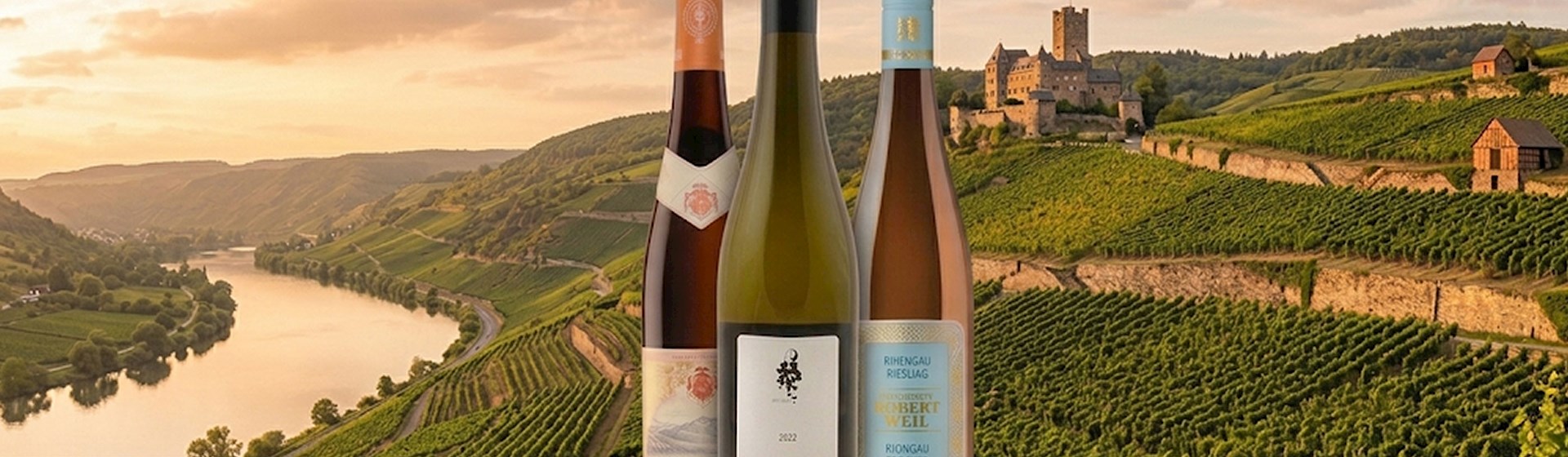
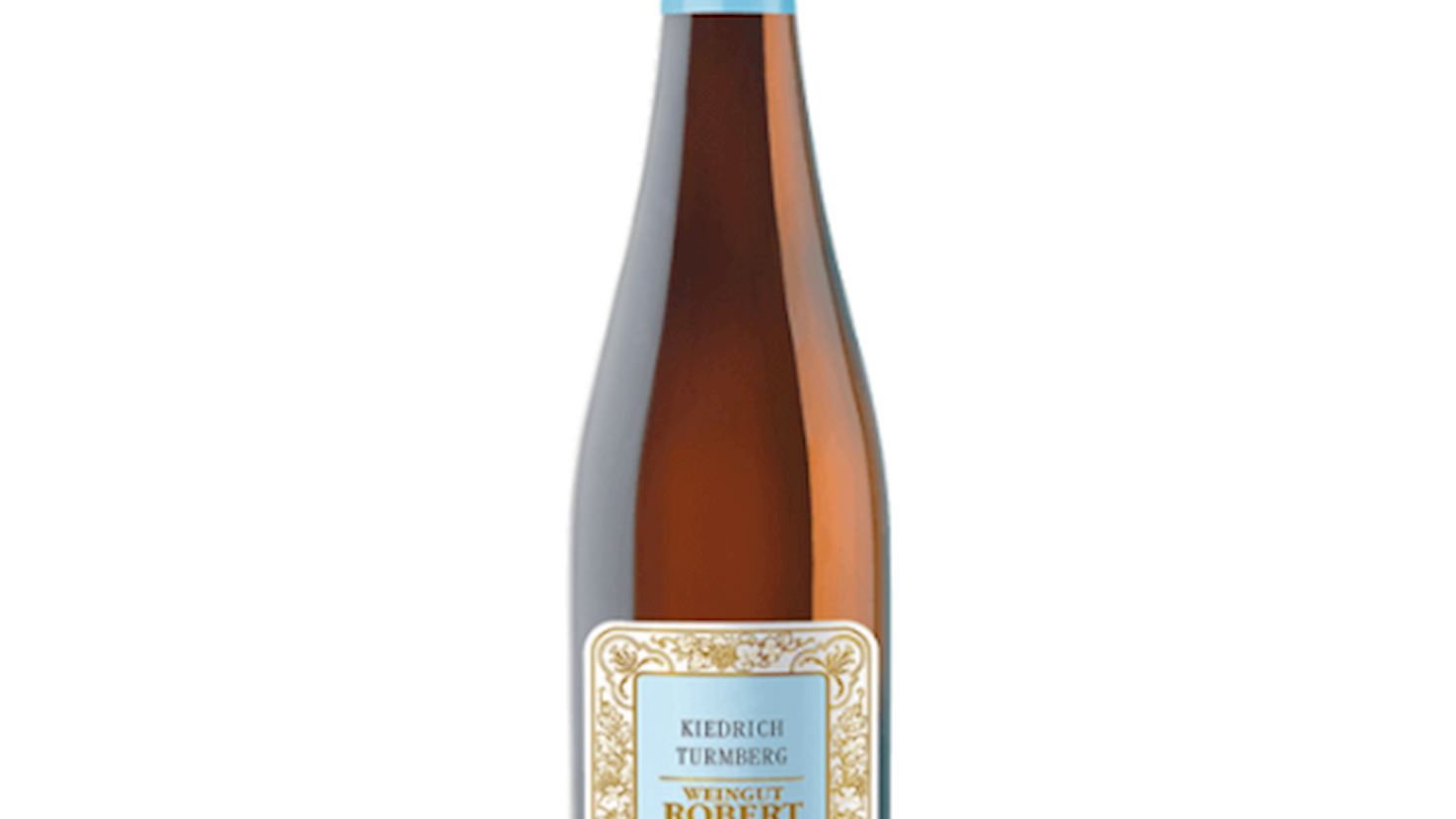
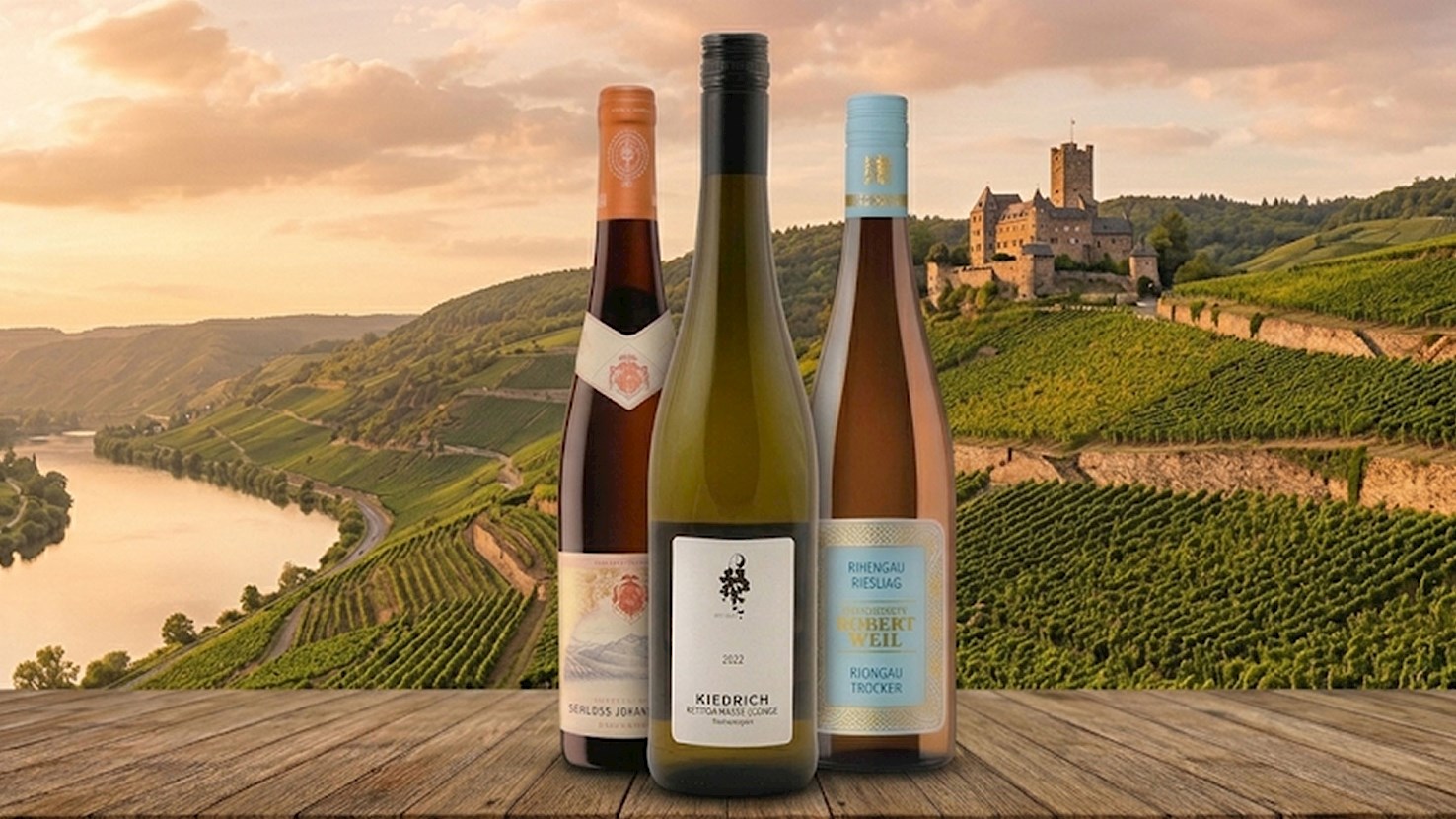
Weingut Robert Weil, located in Kiedrich, Germany, is one of the most renowned wineries in the Rheingau region, celebrated for its exceptional Riesling wines. Founded in 1875, the estate has built a reputation for quality and tradition, producing wines that express the unique terroir of the region. The vineyards, primarily planted with Riesling, benefit from the mineral-rich soils and a mild climate, ideal for cultivating grapes with vibrant acidity and complex flavors.
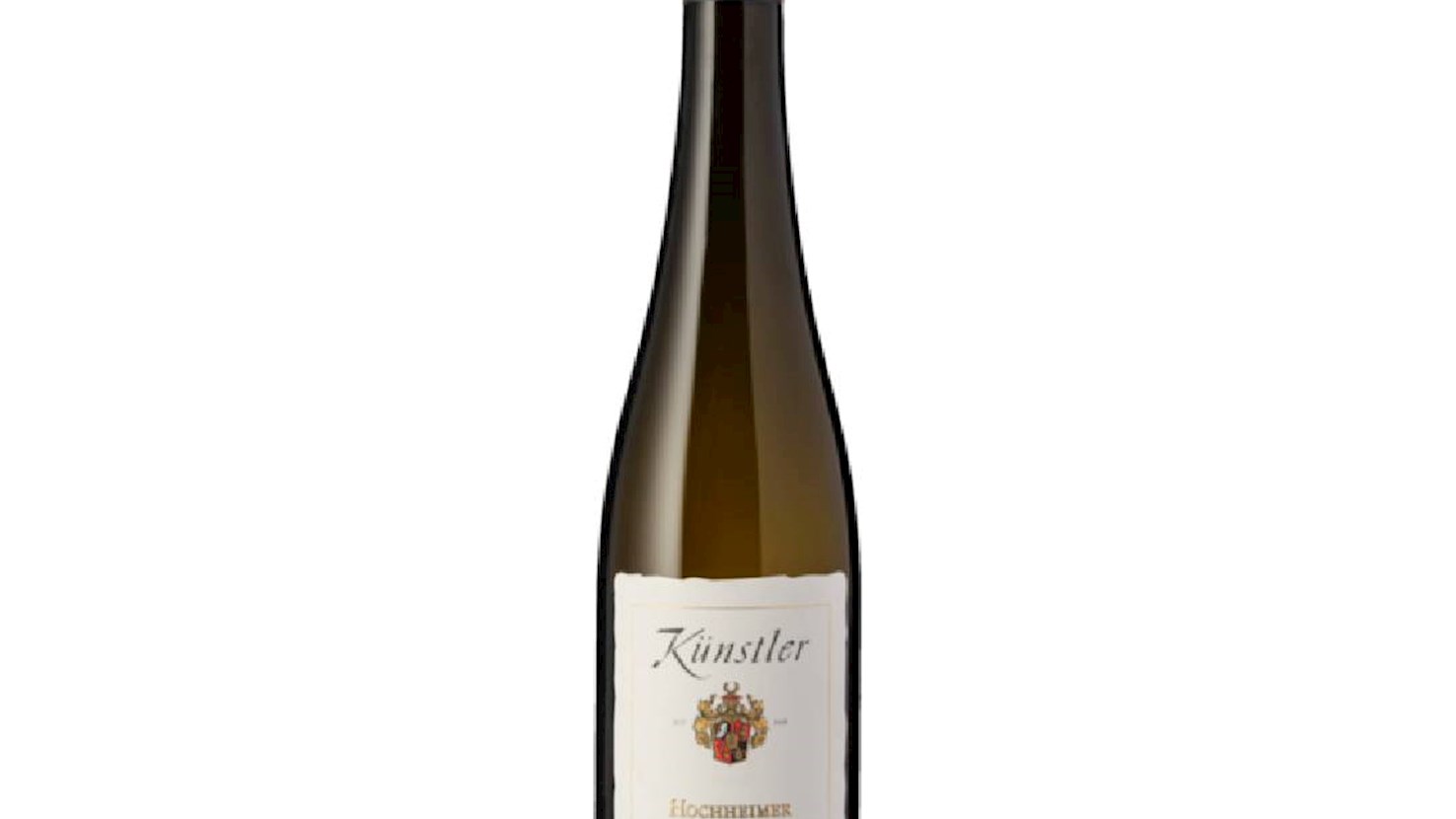
Weingut Künstler is a renowned family-owned winery located in Hochheim am Main, Hesse, Germany. The winery's history dates back to 1648 in Southern Moravia, with the Künstler family reestablishing the estate in Hochheim in 1965 after displacement post-World War II. Under the leadership of Gunter Künstler, the winery has gained national and international acclaim, producing high-quality wines from esteemed vineyards in the Rheingau region. Their portfolio includes exceptional Rieslings and Spätburgunders, reflecting a commitment to meticulous vineyard management and respect for nature. The estate spans approximately 65 hectares, with vineyards in prestigious sites such as Hochheimer Hölle, Reichestal, and Kirchenstück.
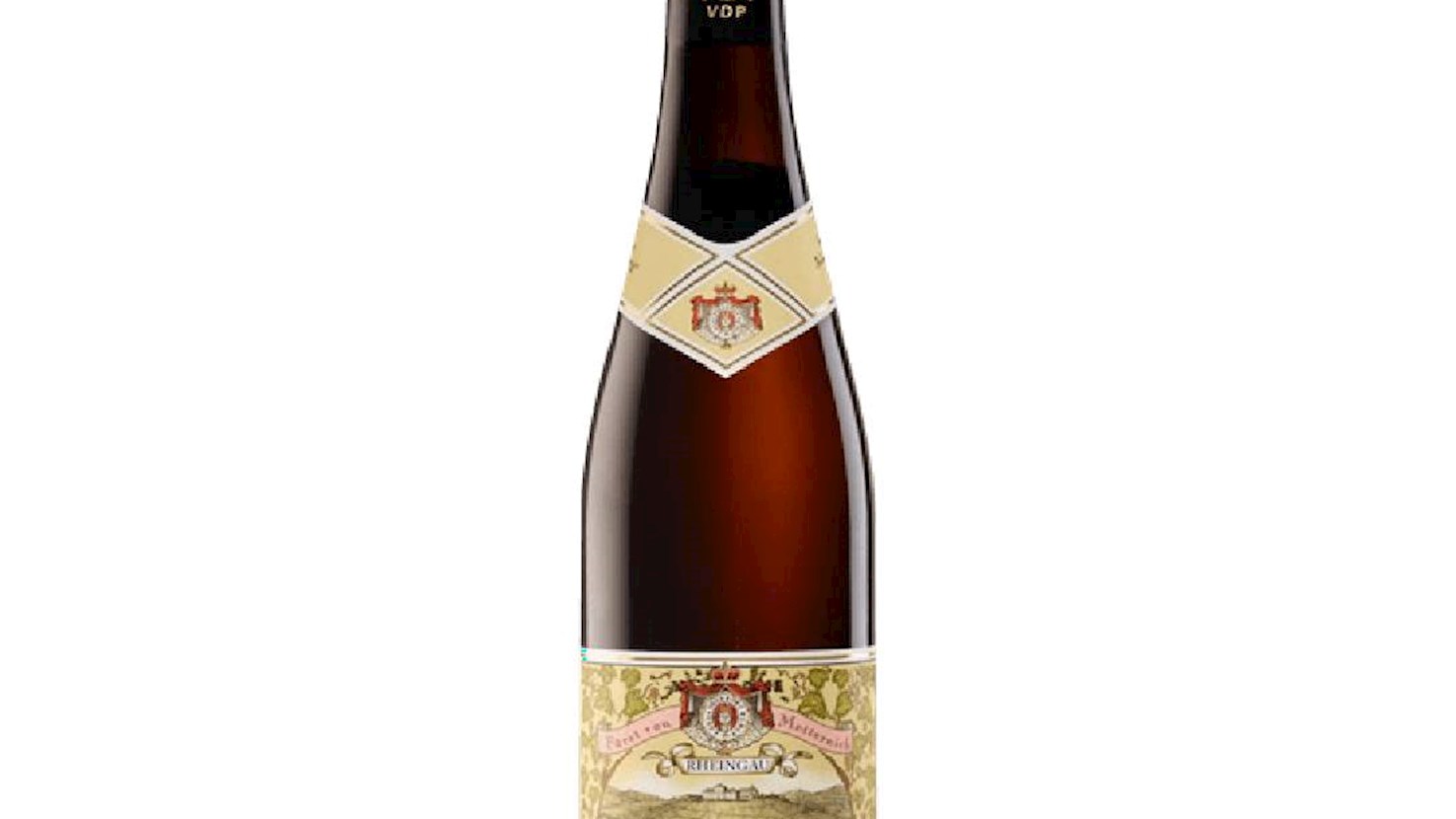
Schloss Johannisberg is a historic wine estate in Germany’s Rheingau region, recognized as one of the most important sites in the world for Riesling. Viticulture on this hill has been documented as early as the year 817, when the area belonged to a Benedictine monastery. In 1720, the entire vineyard was planted exclusively with Riesling, making Schloss Johannisberg the first known single-varietal vineyard dedicated to that grape. The estate is also known for a landmark moment in wine history: in 1775, the first Spätlese was produced here by accident, after grapes were picked later than planned and developed noble rot on the vines, creating a new style of Riesling. The vineyard lies on south-facing slopes with a quartzite subsoil, which provides excellent drainage and contributes to the elegance, minerality, and aromatic precision of the wines. Schloss Johannisberg combines deep tradition, a distinctive terroir, and an unwavering focus on Riesling, making its wines reference points for this grape on the global market.
Awards
Decanter World Wine Awards - Platinum
(2021, 2019)
Weingut Georg Breuer is a family-owned winery based in Rüdesheim am Rhein in Germany’s Rheingau region, with roots dating back to 1880. The estate is named after Georg Breuer, whose work in the late 20th century shaped its modern identity, defined by a clear commitment to dry, terroir-driven Rieslings. Today, the winery is led by Theresa Breuer, representing the fourth generation, and continues to follow a philosophy centered on low yields, selective hand harvesting, and minimal intervention in the cellar. The vineyards cover around 40 hectares and include some of the most prestigious sites in Rheingau, such as Berg Schlossberg, Berg Rottland, Berg Roseneck, and the monopole Rauenthal Nonnenberg. Riesling is the dominant variety, complemented by a smaller production of Spätburgunder (Pinot Noir). The wines are known for their pronounced minerality, precision, structural depth, and strong aging potential, consistently expressed in a firmly dry style. Sustainability is a core principle, and the estate is a founding member of the Fair’n Green certification. Weingut Georg Breuer is widely regarded as one of the benchmark producers of contemporary German Riesling, with a strong presence on top international wine lists.
Weingut Peter Jakob Kühn is a historic family-owned German winery with origins dating back to 1786, located in Oestrich-Winkel in the Rheingau. Over generations, the estate has evolved from a traditional producer into one of the pioneers of biodynamic viticulture in the region, holding Demeter certification as a reflection of its commitment to natural and sustainable practices. Today, it is led by Angela and Peter Jakob Kühn, with the next generation increasingly involved, maintaining a clear focus on expressing terroir. The vineyards include well-regarded sites such as Doosberg, Sankt Nikolaus, and Lenchen, where soils of loess, quartzite, and slate contribute to the wines’ complexity. Riesling is the core variety, producing wines defined by minerality, precise acidity, and depth, often in dry or off-dry styles. Winemaking relies on spontaneous fermentation, minimal intervention, and extended lees aging, enhancing texture and structure. The wines are characterized by restrained concentration, elegance, and strong aging potential rather than overt power. Weingut Peter Jakob Kühn is now regarded as one of the benchmark producers of biodynamic Riesling in Germany, combining tradition, natural principles, and a precise, terroir-driven style.
Weingut Balthasar Ress is a historic yet forward-looking estate in the Rheingau, founded in 1870 in Hattenheim and still family-owned across generations. Over time, it has evolved from a small hospitality-linked operation into a recognized VDP member, combining tradition with a modern, quality-driven approach. The estate is strongly focused on organic viticulture, having completed its conversion in recent years and becoming one of the largest organic wineries in the Hessen region. Its vineyards are predominantly planted with Riesling, complemented by smaller plantings of Spätburgunder, reflecting the classic varietal identity of the Rheingau. The wines are defined by a balance of ripeness and structure, showing expressive fruit alongside firm acidity and a clear mineral backbone. Winemaking follows a gentle, low-intervention philosophy aimed at preserving purity and site expression rather than imposing stylistic influence. In addition to still wines, the estate also produces sparkling wines and spirits, expanding its portfolio while maintaining a consistent quality standard. A notable aspect of Balthasar Ress is its continued connection to hospitality, with wine bars and visitor experiences that reinforce the link between wine, place, and lifestyle. Stylistically, the wines bridge traditional Rheingau depth with a cleaner, more contemporary sense of precision and drinkability.
Weingut Leitz is a family-owned winery based in Rüdesheim am Rhein in Germany’s Rheingau region, widely recognized for its clear, terroir-focused approach to Riesling. Although the estate’s history dates back to the 18th century, its modern reputation was shaped under the leadership of Johannes Leitz, who transformed the winery into one of Rheingau’s most internationally visible producers. The vineyards include a significant share of steep, slate- and quartzite-rich sites such as Berg Schlossberg, Berg Kaisersteinfels, and Berg Roseneck, which strongly influence the structure and mineral profile of the wines. Riesling is the undisputed focus, expressed across a wide stylistic range but consistently marked by precision, freshness, and site transparency. In the cellar, vinification is restrained and technically precise, allowing fruit purity and acidity to remain central. Leitz wines are known for their balance between accessibility and seriousness, combining clear fruit definition with firm structure. In addition to classic dry Rieslings, the estate is also internationally known for its high-quality alcohol-free wine range, produced with the same attention to detail as its traditional wines. Weingut Leitz is considered a benchmark producer for contemporary Rheingau Riesling, with strong presence on global wine lists and markets.
Rüdesheim is a wine-growing town in the Rheingau region of the German state of Hesse. It is located at the southern gateway to the UNESCO World Heritage Upper Middle Rhine Valley, where the Rhine River turns north into a narrow gorge. The viticultural area is defined by south-facing slopes with gradients reaching 70%, specifically in the Rüdesheimer Berg sector. The geological composition consists of Taunus quartzite and Magdalene slate. These rocky soils function as thermal reservoirs, absorbing solar radiation during the day and releasing heat at night, which assists in ripening grapes in a cool-climate environment. Viticulture in this location dates to the Roman era, around 50 BCE, when settlers introduced vines to the riverbanks. Archaeological evidence of Roman walls and agricultural tools supports this early establishment. By the 11th century, the town had become a significant center for the wine trade, and in 1074, it received its first official written mention. During the 12th century, the archbishops of Mainz constructed the Brömserburg castle, which served as a fortified residence and a hub for monitoring river traffic and wine commerce. In the 19th century, following the re-establishment of the German Empire, the region's Rieslings gained international prominence, being served at state banquets and exported as high-value commodities. Preparation primarily involves the Riesling grape, which accounts for 80% of the vineyard area, along with Spätburgunder (Pinot Noir) in the Assmannshausen district. Because of the extreme incline of the terraced hillsides, mechanical harvesting is impossible in the best sites, necessitating manual labor. The grapes are gently pressed and fermented in temperature-controlled stainless steel tanks to preserve citrus and floral aromatics, or in large neutral oak barrels to add structural depth. Serving temperatures for the white wines are 8°C to 10°C, while the red Spätburgunder is served at 14°C to 16°C. A unique feature of the Rüdesheimer Berg is its proximity to the Rhine Gorge, where the river narrows and creates a "lake effect" that reflects additional sunlight onto the steep cliffs, significantly increasing the cumulative heat units for the vines compared to flatter inland areas. Consumption of Rüdesheim wine is integrated into regional and international culinary practices. Dry Rieslings from the steep slate slopes are characterized by high minerality and acidity, making them a pairing for freshwater fish, such as pike-perch or trout, and dishes containing white asparagus. The wine's structural intensity allows it to accompany roasted poultry and veal. Because of the distinct saline and mineral profile, it is also served with salty appetizers like charcuterie and hard cheeses. Sweet varieties, including Spätlese and Auslese, are paired with spicy Asian dishes or fruit-based desserts, where the residual sugar balances capsaicin heat or fruit acidity. Spätburgunder from the nearby slopes is commonly consumed with game meats, mushrooms, and earthy vegetable stews.
Kiedrich is a wine-growing village in the Rheingau region of Hesse, located on the southern slopes of the Taunus Mountains. The area covers 200 hectares, primarily planted with Riesling on high-elevation sites reaching 240 meters. The soil consists of phyllite slate, loess, and quartzite, providing high mineral content and drainage that forces roots to penetrate deep into the rock. Documented viticulture began here in the 12th century, coinciding with the construction of Burg Scharfenstein in 1160. The Cistercian monks of Eberbach Abbey developed the vineyard systems, with the Gräfenberg site first recorded in 1258. In the late 19th century, the expansion of the Robert Weil estate brought international attention to the village, as its high-grade Rieslings were sought by European royal courts. Production involves manual harvesting on inclines of up to 60%. The grapes undergo gentle pressing followed by fermentation in stainless steel or neutral oak barrels to define the wine's structure. Serving temperatures are 8°C to 10°C for dry styles and 6°C to 8°C for sweet varieties. Kiedrich is distinct for the Turmberg vineyard, a 3.8-hectare monopole on barren phyllite slate that produces wines with prominent salinity. The village is also recognized for its ability to produce every quality level, from dry to noble sweet, in nearly every vintage due to its consistent microclimate. Kiedrich Riesling is consumed alongside light proteins such as trout, poultry, and shellfish. Its acidity and mineral profile make it suitable for pairing with spicy Thai or Japanese cuisine. Dry, high-quality site wines accompany roasted vegetables or goat cheese, while sweet Auslese styles are served with fruit tarts or blue cheese.
Rheingau wine is a viticultural product from the central German region of the same name, located primarily on the right bank of the Rhine River between the cities of Wiesbaden and Lorch. The development of viticulture in this area was significantly advanced during the twelfth century by Cistercian monks at Kloster Eberbach and Benedictine monks at Schloss Johannisberg, who utilized the unique southern orientation of the riverbanks. Because the Rhine flows westward for twenty-eight kilometers in this specific section, the vineyards face south, maximizing solar radiation and protection from cold northern winds provided by the Taunus Mountains. The soil composition consists of quartzite and slate on the upper slopes, while the lower elevations near the river contain layers of loess, clay, and gravel. Preparation of the wine centers on the Riesling grape, which accounts for approximately eighty percent of the vineyard area, along with Spätburgunder, also known as Pinot Noir. Winemaking processes include temperature-controlled fermentation in stainless steel or large neutral oak casks to maintain the natural acidity and aromatic profile of the fruit. Serving these wines involves chilling the white varieties to approximately eight to ten degrees Celsius, while the red varieties are best presented at sixteen degrees Celsius. In 1775, the late harvest category known as Spätlese was identified at Schloss Johannisberg after a messenger delivering the official harvest permit was delayed, resulting in the discovery that grapes affected by Botrytis cinerea, or noble rot, produced a concentrated sweet wine. The region also utilizes a specific classification for dry wines from superior sites. Dry Rieslings are frequently paired with freshwater fish such as trout or pike, as well as poultry and seasonal white asparagus. The Spätburgunder wines accompany roasted meats and game, while the sweeter Auslese and Beerenauslese bottlings are served with blue cheeses or fruit-based desserts to balance the sugar levels.
TasteAtlas food rankings are based on the ratings of the TasteAtlas audience, with a series of mechanisms that recognize real users and that ignore bot,
nationalist or local patriotic ratings, and give additional value to the ratings of users that the system recognizes as knowledgeable.
For the “Top 12 Hessian White Wines” list until June 03, 2026, 4 ratings were recorded, of which 3 were recognized by the system as legitimate.
TasteAtlas Rankings should not be seen as the final global conclusion about food. Their purpose is to promote excellent local foods,
instill pride in traditional dishes, and arouse curiosity about dishes you haven’t tried.
The initial list of top producers was compiled based on available reviews, awards, local recommendations, media and blog coverage, and consumer reviews.
The list will be updated with ratings from TasteAtlas local ambassadors and TasteAtlas users.