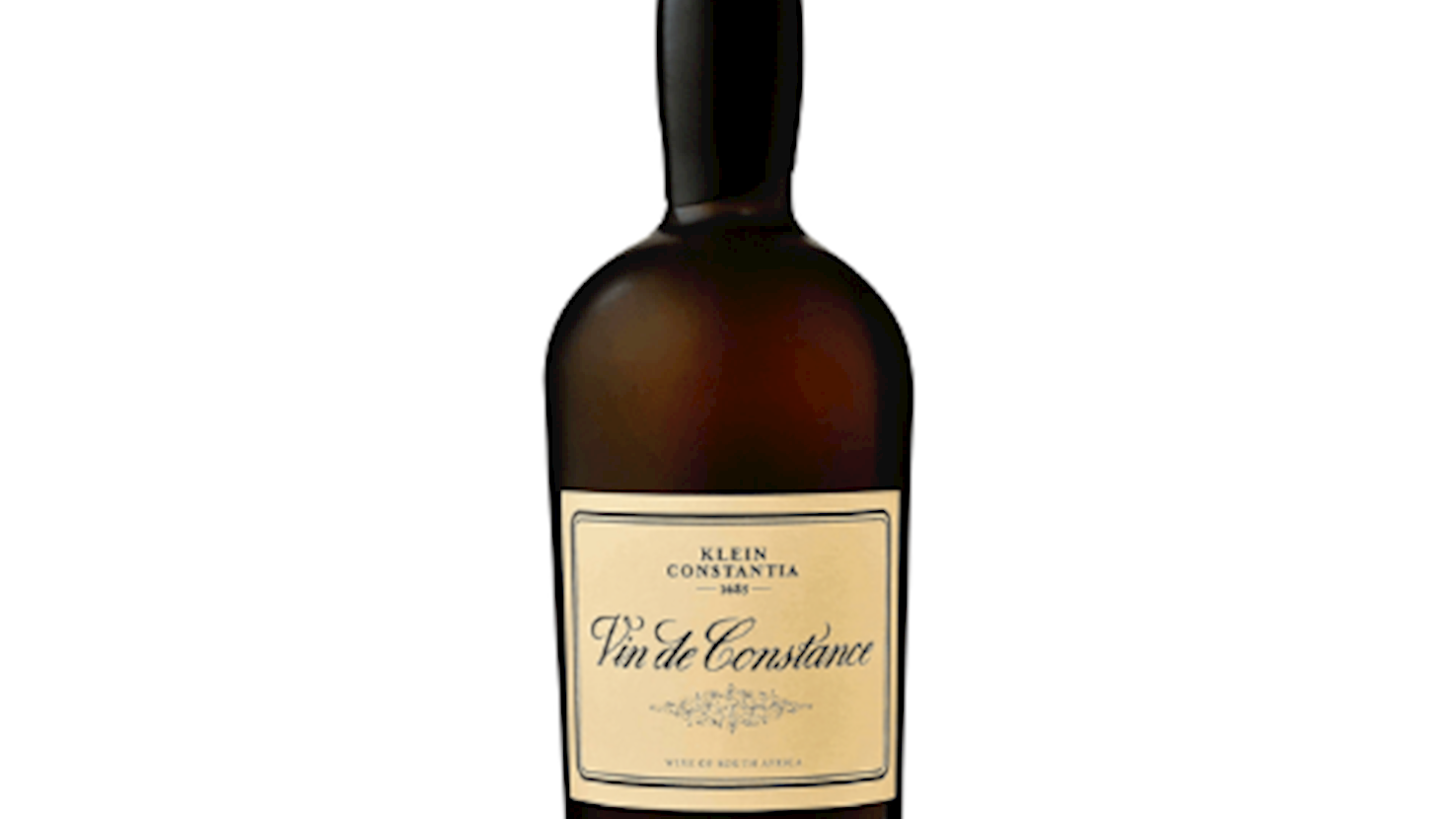
Klein Constantia Estate is one of South Africa’s most historic and influential wineries, with origins dating back to 1685 when it was established by Simon van der Stel in the Constantia Valley near Cape Town. Located on the slopes of the Constantiaberg mountain range, the estate benefits from decomposed granite soils and a cool maritime climate influenced by False Bay, conditions that contribute to wines of freshness, precision, and longevity.
During the 18th and 19th centuries, wines from Constantia - particularly the renowned sweet wine Vin de Constance - were among the most sought-after in the world, enjoyed by European royalty and referenced in classical literature. After a period of decline, Klein Constantia played a key role in reviving this historic wine in the late 20th century, restoring its global reputation.
Today, the estate combines heritage with a modern, sustainability-driven approach to viticulture and winemaking, focusing on expressing site-specific characteristics. In addition to Vin de Constance, the portfolio includes high-quality Sauvignon Blanc, Riesling, and single-vineyard wines that highlight the diversity of the terroir.
The wines are defined by aromatic clarity, vibrant acidity, and a refined mineral structure, positioning Klein Constantia as one of the leading producers in South Africa, where tradition and innovation are closely intertwined.
Awards
Decanter World Wine Awards - Platinum
(2020)
Decanter World Wine Awards - Best in Show
(2018, 2017)
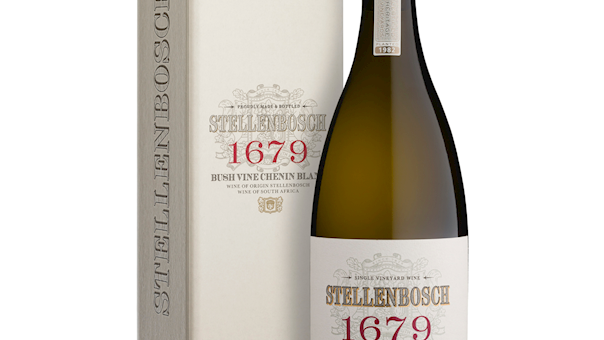
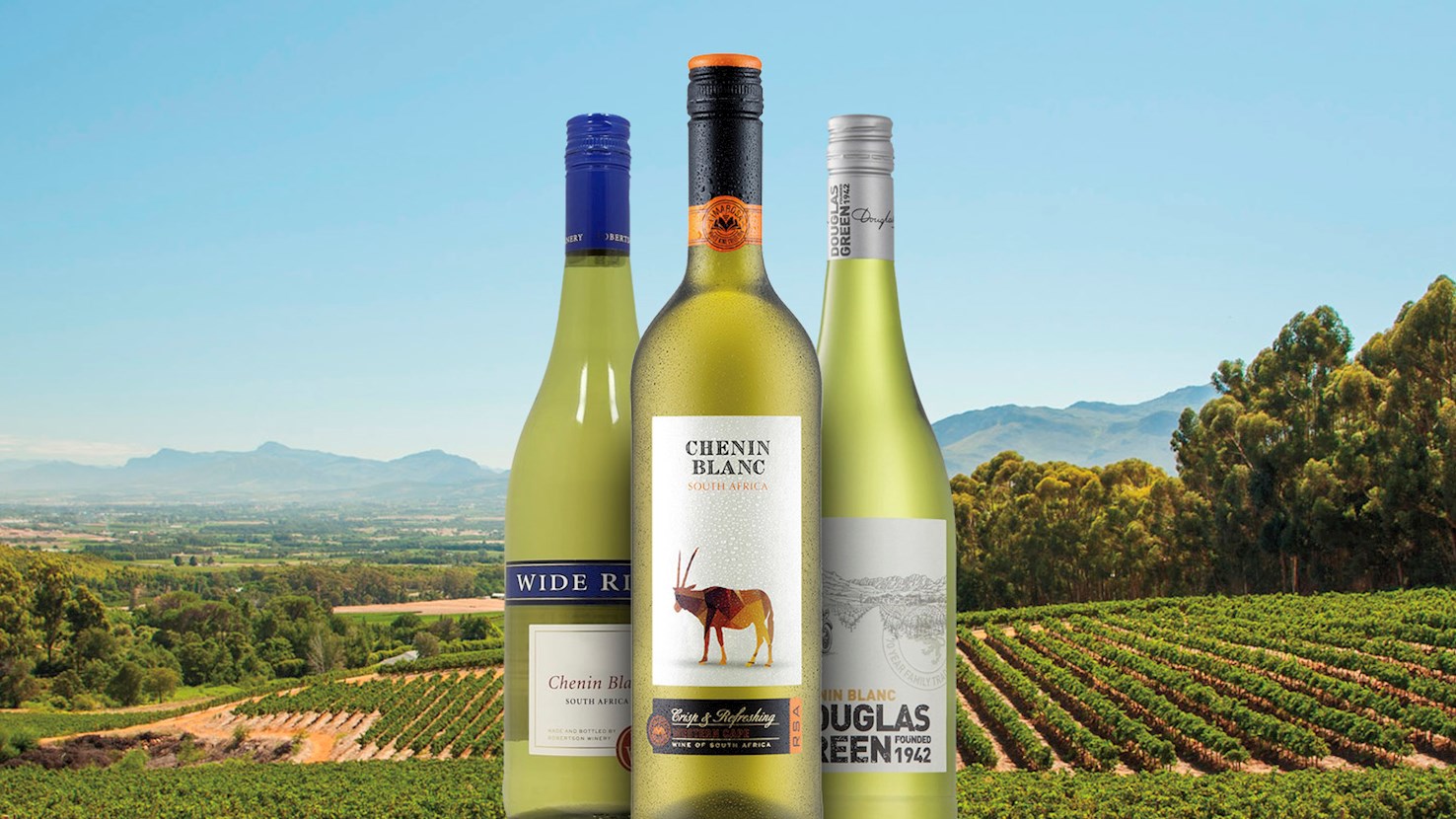
Although Chenin Blanc has its origins in the French Loire valley, it is often cultivated in other wine regions. It has shown great success in South Africa—where it remains the most planted variety and where it is known as Steen. Because it is planted in all wine regions of South Africa, the wines can slightly differ in character depending on the climate and soil composition. Cooler climates will typically result in fruity, citrusy, and light Chenin, while those from warmer areas tend to display notes of ripe tropical fruit, such as melon, mango, or pineapple. Food pairing depends on the style and sweetness, but Asian cuisine or seafood dishes would pair well with this wine.
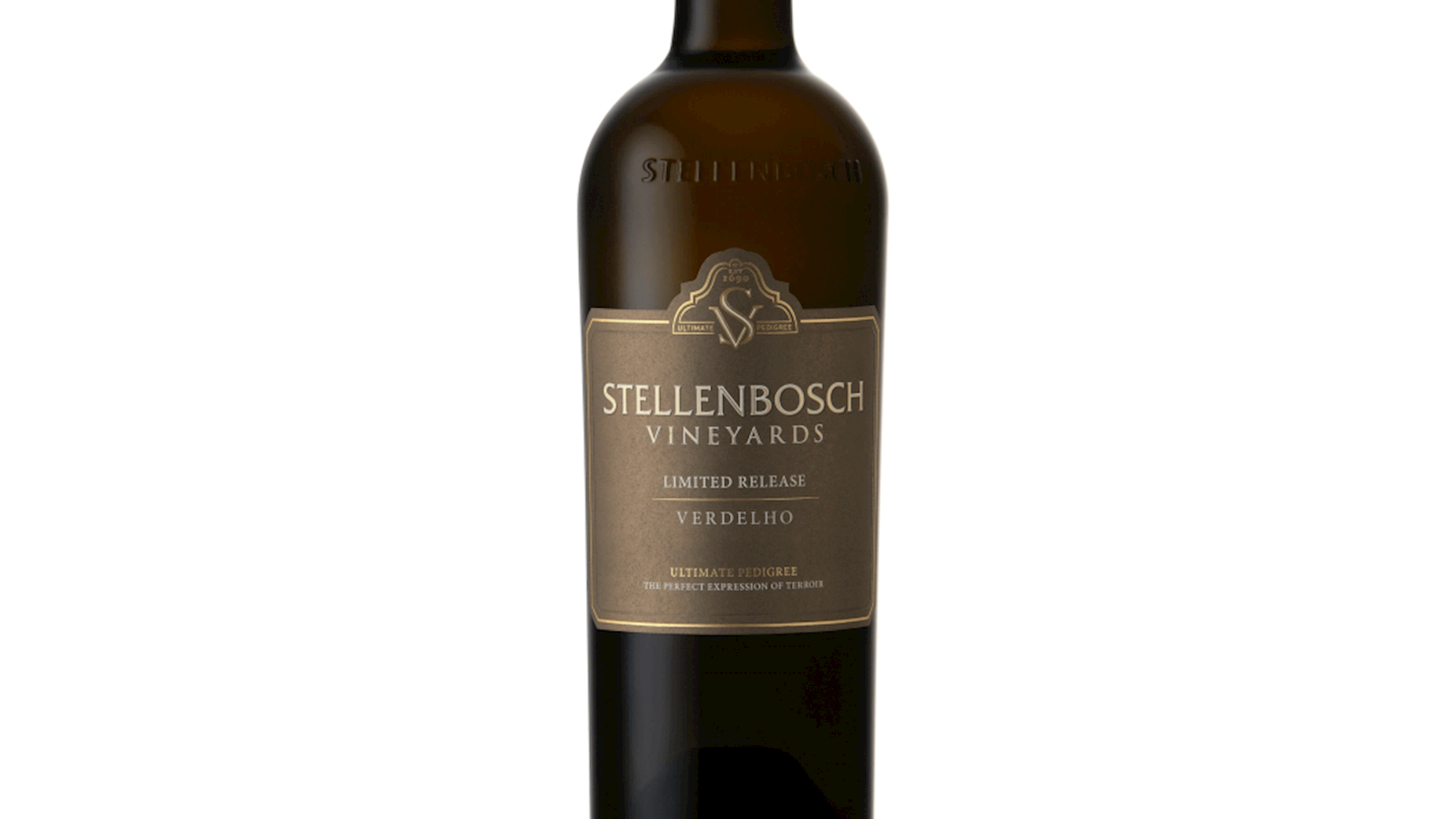
Stellenbosch wine is a collection of premium wine styles produced within the officially designated Wine of Origin Stellenbosch district, a prominent viticultural zone situated along the Eerste River valley approximately fifty kilometers east of Cape Town in the Western Cape province of South Africa and bordered by the prominent Simonsberg, Stellenbosch, and Helderberg mountain ranges. The foundational layout of this agricultural zone commenced in 1679 when Simon van der Stel, the Dutch colonial governor of the Cape Colony, explored the river valley and named the settlement after himself, granting the first agricultural land plots to European colonists who immediately planted grapevine cuttings, a development that expanded significantly in 1688 with the arrival of French Huguenot settlers who integrated specialized viticultural techniques into the local farming systems, leading to the establishment of the Stellenbosch Wine Route in 1971 as the country's first organized wine tourism framework and the formalization of specialized sub-wards based on distinct mesoclimates, including Simonsberg-Stellenbosch, Jonkershoek Valley, and Helderberg. Preparation involves the close monitoring and cultivation of dominant grape varieties, most notably Cabernet Sauvignon, Shiraz, and Merlot for red expressions, alongside Chenin Blanc and Sauvignon Blanc for white expressions, which are harvested by hand or specialized machinery during the warm summer months, followed by systematic cluster sorting, destemming, and prolonged skin contact optimization, with the premium red varieties undergoing fermentation in temperature-regulated stainless steel or concrete vessels before maturing for twelve to twenty-four months inside small French oak barrels to build structural complexity, while white varieties like Chenin Blanc are frequently fermented in older wood barrels on their fine lees to add texture. Stellenbosch wine is served poured into targeted stemmed wine glasses designed to focus specific varietal aromatic profiles, with the full-bodied Cabernet Sauvignon and Bordeaux-style red blends maintained at sixteen to eighteen degrees Celsius and the crisp Chenin Blanc and Sauvignon Blanc variations chilled to eight to twelve degrees Celsius, utilizing clear glass carafes for young, high-tannin red vintages to allow oxygen exposure and accelerate the softening of phenolic compounds before consumption. It is consumed within high-end hospitality venues, estate tasting rooms, private cellars, and international luxury markets across the globe, serving as the central economic and quality benchmark for South African viticulture. For food and beverage pairings, the pronounced tannins, rich fruit extraction, and oak-derived spice profiles of the red selections complement heavy animal fats and charred surface proteins, meaning it is consumed alongside wood-fired prime ribeye steaks, roasted rack of lamb with rosemary, venison stews, and slow-braised beef short ribs, whereas the crisp acidity and textured mouthfeel of the old-vine Chenin Blanc expressions pair with pan-seared kingklip, roasted pork belly with apple compote, cream-based poultry dishes, and mature local cheeses like aged gouda.
The Hemel-en-Aarde Valley wine appellation is an officially designated viticultural zone located within the Walker Bay district just outside the coastal town of Hermanus in the Western Cape province of South Africa. The development of this specific wine zone began in 1975 when Tim Hamilton Russell, an advertising executive seeking an exceptionally cold, maritime climate to grow premium Burgundy varieties, acquired property in the valley after meteorological evaluations indicated the area had some of the lowest average summer temperatures in the country, planting the first Pinot Noir and Chardonnay vines that would yield their inaugural commercial vintage in 1981 and prompt a structural subdivision of the valley into three distinct Wine of Origin wards (Hemel-en-Aarde Valley, Upper Hemel-en-Aarde Valley, and Hemel-en-Aarde Ridge) as more producers recognized the microclimatic benefits. Preparation requires the manual harvesting of fragile Pinot Noir and Chardonnay clusters, which are immediately brought to gravity-fed cellars to avoid skin bruising, followed by whole-bunch pressing for the Chardonnay and a mixture of whole-cluster and destemmed maceration for the Pinot Noir, with the whites undergoing fermentation and regular lees stirring inside French oak barrels, and the reds undergoing cool fermentation before aging for eleven to sixteen months in tight-grained oak barrels to structuralize the phenolic composition. Hemel-en-Aarde Valley wine is served poured into targeted large-bowled, thin-rimmed varietal glasses to direct the aroma profile, with the Chardonnay served chilled at ten to twelve degrees Celsius to preserve the linear acidity, and the Pinot Noir variants kept at fourteen to sixteen degrees Celsius, utilizing clean glass carafes if the red wine exhibits reduction or intense youthfulness. It is consumed in upscale coastal restaurants, international fine dining establishments, and dedicated estate tasting venues across the Western Cape, serving as a prominent benchmark for premium Southern Hemisphere cold-climate winemaking. For food and beverage pairings, the high natural acidity, mineral salinity, and moderate alcohol structures of the white selections balance rich oils and marine proteins, meaning it is consumed alongside pan-seared local yellowtail, West Coast rock lobster with butter sauce, grilled kingklip, and delicate chicken terrines, whereas the earthy undertones, fine-grained tannins, and crisp red berry characteristics of the Pinot Noir selections pair with roasted duck breast, seared ostrich carpaccio, pan-fried wild mushrooms, and herb-crusted rack of lamb.
The Paarl wine appellation is an officially designated Wine of Origin district located along the Berg River valley approximately sixty kilometers northeast of Cape Town, situated within the coastal region of the Western Cape province in South Africa and bordered by the prominent granite outcrops of Paarl Mountain. The structural development of this viticultural area commenced in 1687 when European colonists were granted agricultural plots along the river banks by the Dutch East India Company, which subsequently expanded in 1688 with the arrival of French Huguenot refugees who introduced specific European vinification techniques to the region, eventually leading to the establishment of the Koöperatieve Wijnbouwers Vereniging van Zuid-Afrika (KWV) in Paarl in 1918, which centralized and regulated the country's entire wine industry for most of the twentieth century. Preparation involves the strategic farming of heat-tolerant grape varieties, predominantly Shiraz, Cabernet Sauvignon, Pinotage, and Chenin Blanc, which are machine or hand-harvested during the hot summer months, followed by structural destemming, fermentation in temperature-controlled steel tanks or open-top concrete fermenters to handle the high sugar concentrations, and prolonged maturation inside toasted American and French oak barrels to soften the naturally robust tannins developed by the warm climate. The Paarl wine is served poured into large, wide-bowled stemmed glasses, with the full-bodied red varietals maintained at sixteen to eighteen degrees Celsius and the rich Chenin Blanc expressions chilled to ten to twelve degrees Celsius, utilizing glass decanters for the bolder red blends to accelerate oxygenation and integrate the oak-derived spice compounds before consumption. It is consumed inside commercial urban restaurants, private estate tasting rooms, and international export venues, operating as one of the foundational volume and premium production sectors of South African viticulture. For food and beverage pairings, the elevated alcohol levels, dense fruit sugars, and structural wood components of the red selections require charred proteins and intense, earthy flavors to balance the palate, meaning it is consumed alongside barbecued beef brisket, wood-fired venison steaks, roasted lamb shanks with rosemary, and spiced game sausages, whereas the texturally rich Chenin Blanc and white blends pair with cream-based poultry dishes, roasted pork belly, grilled yellowtail, and mature cheddar or gouda cheeses.
Elgin wine is a cool-climate wine style produced within an officially designated high-altitude Wine of Origin district located on an inland plateau approximately seventy kilometers southeast of Cape Town, nestled inside the Overberg region of the Western Cape province in South Africa and entirely encircled by the Hottentots Holland and Groenland mountain ranges. The development of this specific viticultural zone began relatively late compared to coastal regions, transitioning during the late twentieth century from a territory exclusively dominated by commercial apple and pear orchards when pioneer farmers conducted climatic and geological surveys in the mid-nineteen-eighties, establishing the first commercial vineyard blocks by 1986 under the realization that the high elevation and specific meteorological conditions matched premium cool-climate growing sectors globally. Preparation involves the precise cultivation of specialized grape varieties, most notably Sauvignon Blanc, Chardonnay, and Pinot Noir, which undergo hand-harvesting later in the calendar year than the rest of the country, followed by gentle cluster de-stemming, temperature-controlled fermentation in stainless steel tanks to lock in aromatic compounds, and selective maturation inside neutral and low-toast French oak barrels for the red and Chardonnay iterations to minimize strong wood flavors. Elgin wine is served poured into targeted stemmed varietal glasses, with the white expressions chilled to eight to ten degrees Celsius to retain their linear mineral profiles and the Pinot Noir variants kept at fourteen to sixteen degrees Celsius, using clear glass carafes for dense red selections to separate fine sediment and encourage aerated flavor release. It is consumed across high-end domestic restaurants, private estate tasting rooms, and selective international import markets, acting as a prominent standard for elevated maritime viticulture. For food and beverage pairings, the piercing natural acidity, precise structure, and lower alcohol volumes of the white selections complement rich dairy fat and fresh marine elements, meaning it is consumed alongside grilled sea bass, fresh oysters, seared trout, and artisanal soft cheeses, whereas the delicate berry notes and earthy undercurrents of the red Pinot Noir selections pair with roasted duck breast, pork loin with plum sauce, seared tuna, and mushroom-heavy pasta dishes.
The Constantia wine appellation is an officially designated Wine of Origin ward situated on the eastern slopes of the Constantiaberg mountain range within the Cape Peninsula of South Africa. The geographical footprint of this wine production area was established in 1685 when Simon van der Stel, the Dutch colonial governor of the Cape Colony, granted himself land along the mountain slopes due to the favorable microclimatic wind and temperature conditions, establishing the vineyard boundaries that would subsequently produce the sweet wines exported extensively to European monarchies and historical figures, including Napoleon Bonaparte during his nineteenth-century confinement on Saint Helena, throughout the following two hundred years. Preparation involves the close monitoring of distinct grape varieties, including Sauvignon Blanc and Cabernet Sauvignon for dry expressions, alongside Muscat de Frontignan for sweet expressions, which undergo manual harvesting, followed by careful cluster sorting, destemming, and skin contact optimization, with the dry white varieties fermented under temperature-controlled conditions in stainless steel and the famous non-botrytized sweet variants subjected to prolonged raisining on the vine followed by several years of structural maturation inside French oak barrels. Constantia wine is served poured into targeted stemmed wine glasses, with the dry Sauvignon Blanc variations chilled to eight to ten degrees Celsius to enhance herbal and flinty qualities, and the dense, gold-colored unfortified sweet variations presented at ten to twelve degrees Celsius in smaller dessert vessels to display the viscous texture. It is consumed within upscale hospitality venues, private collector cellars, and estate tasting rooms across South Africa and international luxury markets, standing as the continent's primary historic luxury wine style. For food and beverage pairings, the crisp acidity and prominent minerality of the dry whites complement delicate fats and marine salinity, meaning it is consumed alongside fresh Atlantic oysters, pan-seared scallops, line fish, and local goat cheese salads, whereas the unfortified sweet Muscat expressions pair with rich duck liver pâté, roquefort or gorgonzola blue cheeses, salted nut tarts, and citrus-infused desserts.
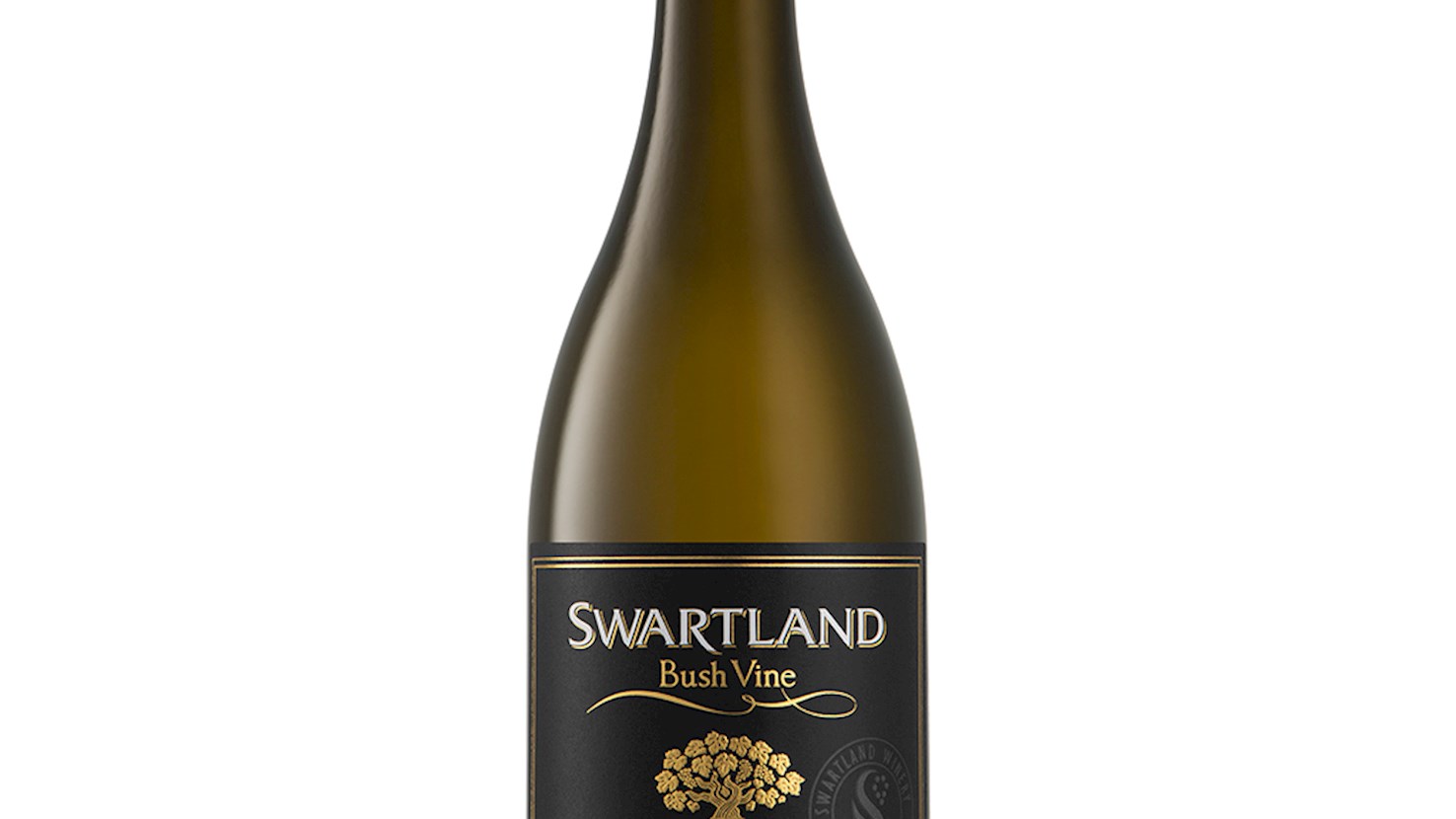
Swartland wine is a warm-climate wine produced from grapevines grown in the Swartland district, a large designated Wine of Origin region located roughly fifty kilometers north of Cape Town in the Western Cape province of South Africa, stretching across an expansive plain bounded by the Atlantic Ocean to the west and large mountain ranges to the east. The development of this wine started in the late seventeenth century when European settlers noted the presence of dark indigenous rhinoceros bushes that turned black after rains, inspiring the name Black Land or Swartland, though the transformation into a premium viticultural sector accelerated significantly during the late twentieth century and early two-thousands when an independent collective of small-scale winemakers relocated to the region to utilize existing, low-yielding crop plantings that had historically been diverted into bulk co-operative production factories, shifting the focus toward localized estate bottling. Preparation involves the close monitoring of robust grape varieties, primarily Syrah, Grenache, and Mourvèdre for red expressions, and Chenin Blanc, Grenache Blanc, and Roussanne for white expressions, which are harvested manually from non-irrigated bush vines, followed by fermentation often utilizing indigenous wild yeast strains inside neutral concrete vessels or old foudres rather than new oak, minimizing mechanical interventions to retain structural grape identities. Swartland wine is served poured into large-bowled stemmed wine glasses, with the red blends maintained at sixteen to eighteen degrees Celsius to preserve dark fruit structures and the white blends presented at ten to twelve degrees Celsius, utilizing glass decanters for full-bodied red expressions to allow heavy tannin integration with air before consumption. It is consumed inside international fine dining venues, domestic metropolitan restaurants, and private regional tasting facilities, serving as a prominent representation of modern South African low-intervention viticulture. For food and beverage pairings, the robust body, dark spice characteristics, and firm tannin matrices of the red selections require rich proteins, dense fats, or smoky elements to balance the palate texture, meaning it is consumed alongside charcoal-grilled ribeye steaks, slow-roasted venison, wild boar stews, and flame-cooked boerewors sausages, whereas the textured, high-viscosity white variations pair with roasted pork belly, Cape Malay chicken curries, braised yellowtail fish, and mature, hard cheeses.
Walker Bay wine is a cool-climate wine produced from grapes grown in the Walker Bay district, a designated Wine of Origin region located along the southern coast of the Western Cape province in South Africa, centered surrounding the coastal town of Hermanus and extending inland into the Hemel-en-Aarde Valley. The development of this specific wine initiated during the late nineteen-seventies when pioneer viticulturists recognized the structural similarities between the coastal topography and the premium grape-growing regions of Europe, leading to the planting of the first commercial wine vines in 1975 by Tim Hamilton Russell, which established the area as a dedicated zone for cultivation techniques specialized for cool-climate cultivars that diverged from the heat-dominant wine styles historically prevalent in the interior valleys of the country. Preparation involves the close monitoring of grape varieties, most notably Pinot Noir and Chardonnay, alongside Sauvignon Blanc and Syrah, which undergo manual harvesting during early morning shifts, followed by gentle pneumatic pressing, deliberate whole-bunch fermentation for specific red batches, and controlled aging inside French oak barrels for durations typically spanning nine to eighteen months to allow for slow tannic integration. Walker Bay wine is served poured into varietal-specific stemmed glassware, with the Pinot Noir variations kept at fourteen to sixteen degrees Celsius to maintain fruit clarity and the Chardonnay expressions presented at ten to twelve degrees Celsius, utilizing glass decanters for older vintages to separate organic tartrate sediment and promote aroma development. It is consumed across domestic fine dining establishments, regional estate tasting venues, and international export markets, functioning as a premium standard of South African maritime viticulture. For food and beverage pairings, the pronounced acidity, delicate earthiness, and fine-grained tannins of the red selections require lean proteins or savory, mushroom-based elements to complement the mouthfeel, meaning it is consumed alongside pan-seared duck breast, roasted quail, mushroom risotto, and grilled line fish like kingklip, whereas the crisp, mineral-heavy white variations pair with local fresh seafood, grilled prawns, Atlantic oysters, and soft, artisanal goat cheeses.
TasteAtlas food rankings are based on the ratings of the TasteAtlas audience, with a series of mechanisms that recognize real users and that ignore bot,
nationalist or local patriotic ratings, and give additional value to the ratings of users that the system recognizes as knowledgeable.
TasteAtlas Rankings should not be seen as the final global conclusion about food. Their purpose is to promote excellent local foods,
instill pride in traditional dishes, and arouse curiosity about dishes you haven’t tried.
The initial list of top producers was compiled based on available reviews, awards, local recommendations, media and blog coverage, and consumer reviews.
The list will be updated with ratings from TasteAtlas local ambassadors and TasteAtlas users.







What People Say