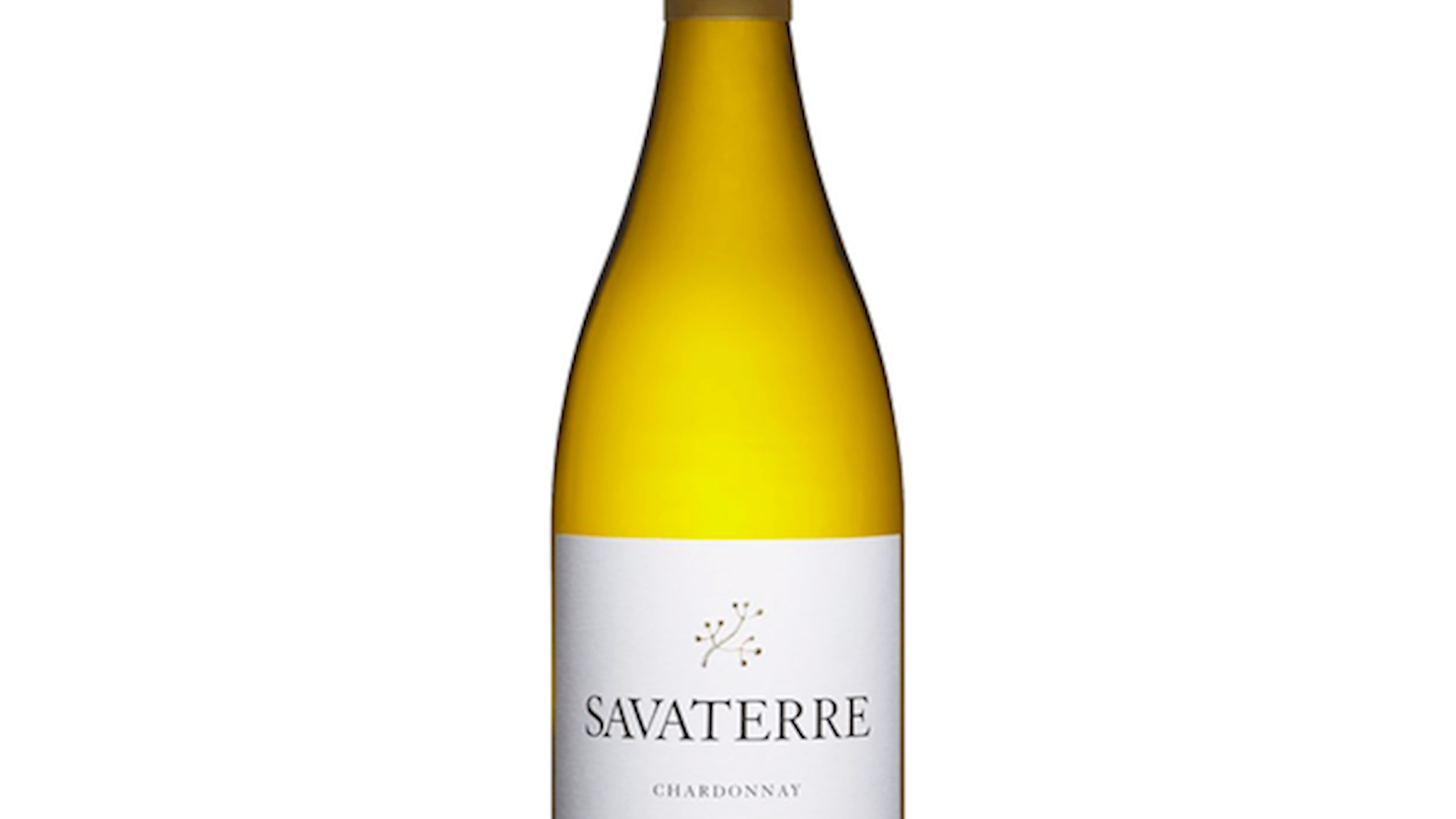
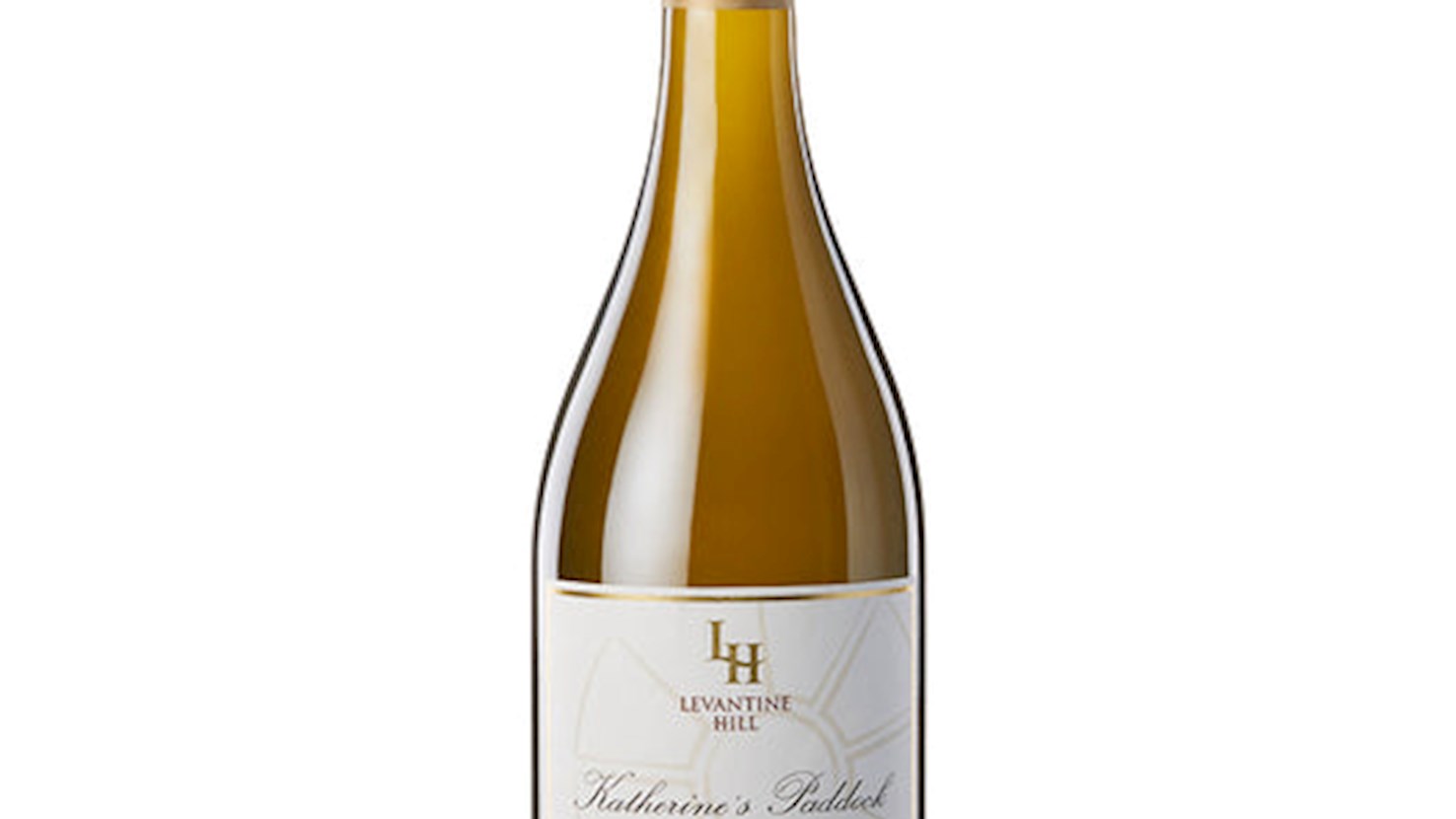
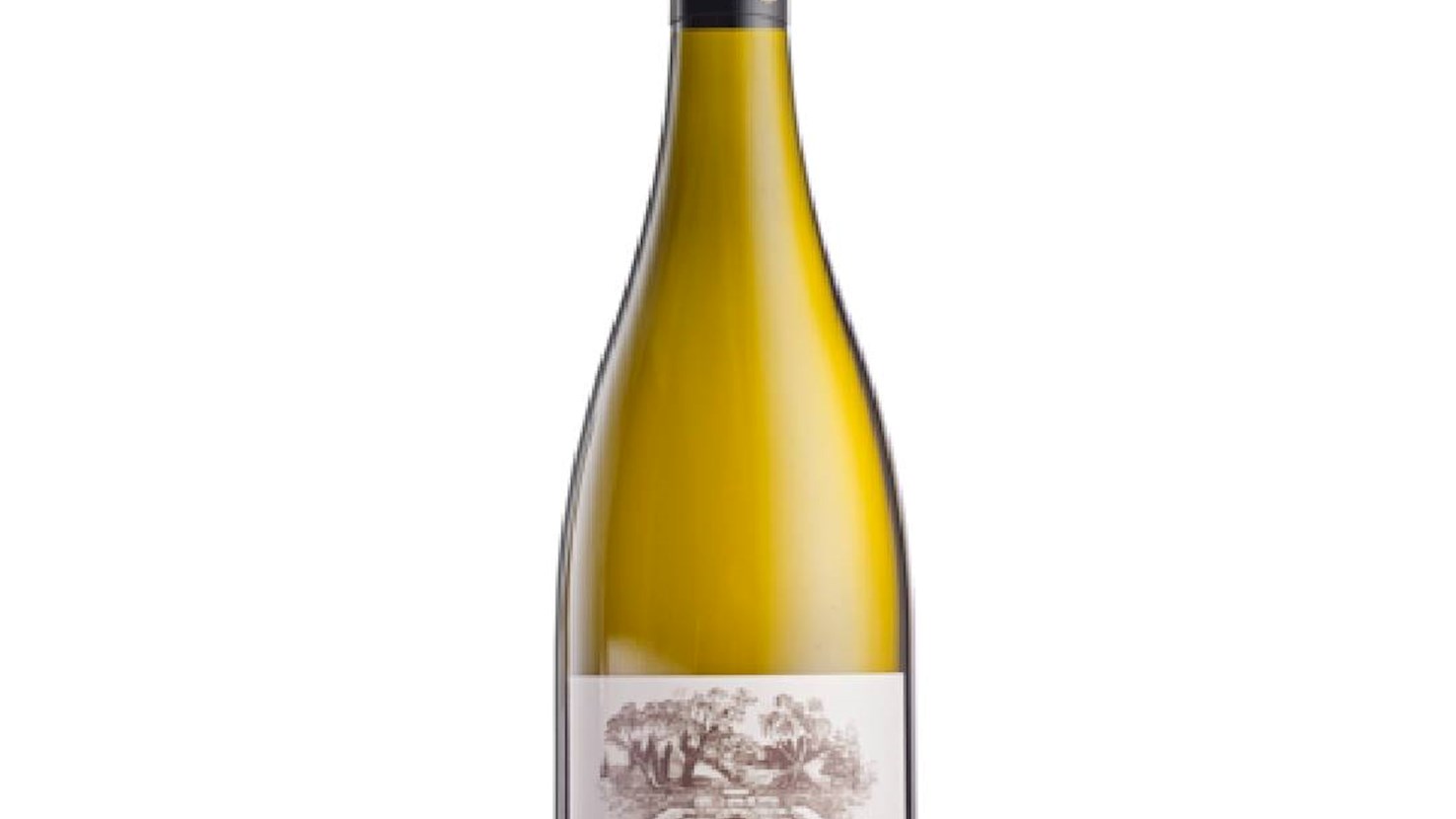
Giaconda is a highly regarded, small-scale winery based in Beechworth, Victoria, founded in the 1980s by Rick Kinzbrunner. The estate is known for its uncompromising focus on site expression, low yields, and meticulous vineyard management, producing wines in very limited quantities. Giaconda gained international recognition primarily for its Chardonnay, which is widely considered one of Australia’s benchmark examples of the variety, combining citrus, white peach, and mineral tension with subtle, well-integrated oak. The wines are typically fermented with wild yeasts and matured in carefully selected French oak barrels, emphasizing texture and structure rather than overt richness. In addition to Chardonnay, the portfolio includes Shiraz, Pinot Noir, and Roussanne, each reflecting the cool-climate, granitic soils of Beechworth. The style is defined by precision, balance, and long aging potential, often developing complex tertiary nuances over time. Giaconda remains one of Australia’s most sought-after producers, recognized for consistency, longevity, and a strong sense of terroir identity.
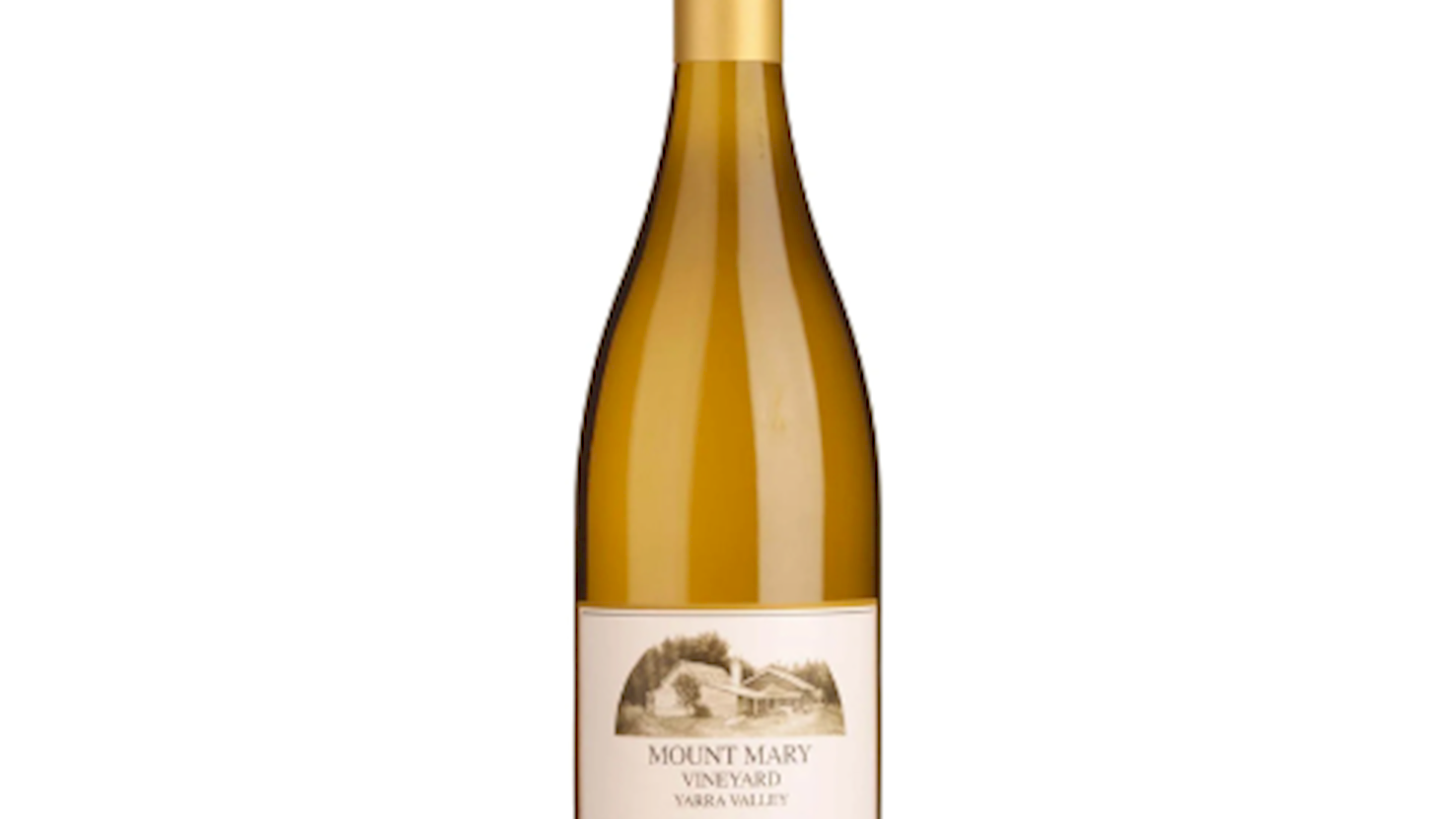
Mount Mary Vineyard is a family-owned estate located in the Yarra Valley in Victoria, Australia, founded in 1971 with the clear intention of producing age-worthy, terroir-driven wines. Established by John and Marli Middleton at a time when Yarra Valley was not yet widely recognized as a premium wine region, the vineyard was planted with a vision inspired by the classic styles of Bordeaux and Burgundy. From the outset, the focus has been on low yields and meticulous vineyard management, principles that continue to define the estate’s philosophy. All wines are produced exclusively from estate-grown fruit, ensuring full control from vineyard to bottle. The winemaking approach emphasizes balance, moderate extraction, and careful, integrated use of oak rather than power or overt ripeness. Sustainable vineyard practices are applied with attention to soil health and biodiversity, though without a formal organic certification. Today, the winery remains under family leadership, maintaining continuity in style and long-term quality focus. Over decades, Mount Mary has built a reputation for consistency across vintages and wines that evolve steadily in bottle. This disciplined, estate-driven approach has positioned it among the most respected producers in Australia.
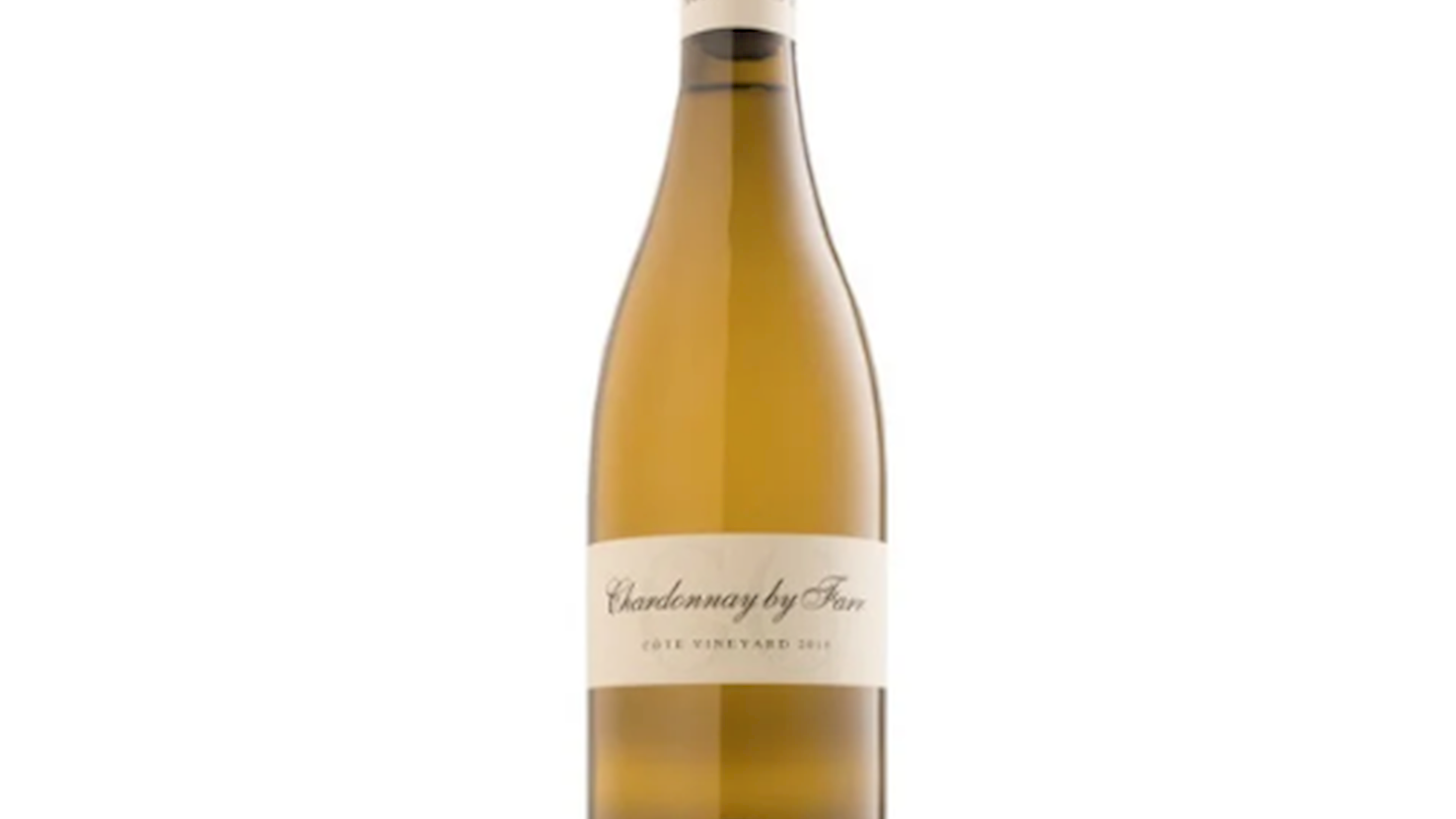
By Farr is a family-owned winery based in the Moorabool Valley within the Geelong region of Victoria, Australia, where a cool maritime climate allows for slow ripening and the preservation of natural acidity. Founded in 1994 by Gary Farr, following his winemaking experience in Burgundy, the estate is now led by his son Nick Farr, who has further strengthened its reputation as one of Australia’s benchmark producers of Pinot Noir and Chardonnay. The vineyards are planted on volcanic and limestone-rich soils, with a strong focus on meticulous vineyard work and low yields to achieve concentration and clarity in the wines. In the cellar, the approach emphasizes minimal intervention, natural fermentations, and carefully judged oak maturation, ensuring that site expression remains central. Alongside its flagship Pinot Noir and Chardonnay, the winery also produces Shiraz, Viognier, and Gamay, maintaining a consistent style defined by structure, texture, and aging potential. By Farr wines are recognized for their layered aromatics, fine tannin structure, and long, balanced finishes, often cited as leading examples of cool-climate Australian winemaking. Production remains relatively limited, reinforcing the winery’s position in the premium segment and its appeal among collectors and critics alike.
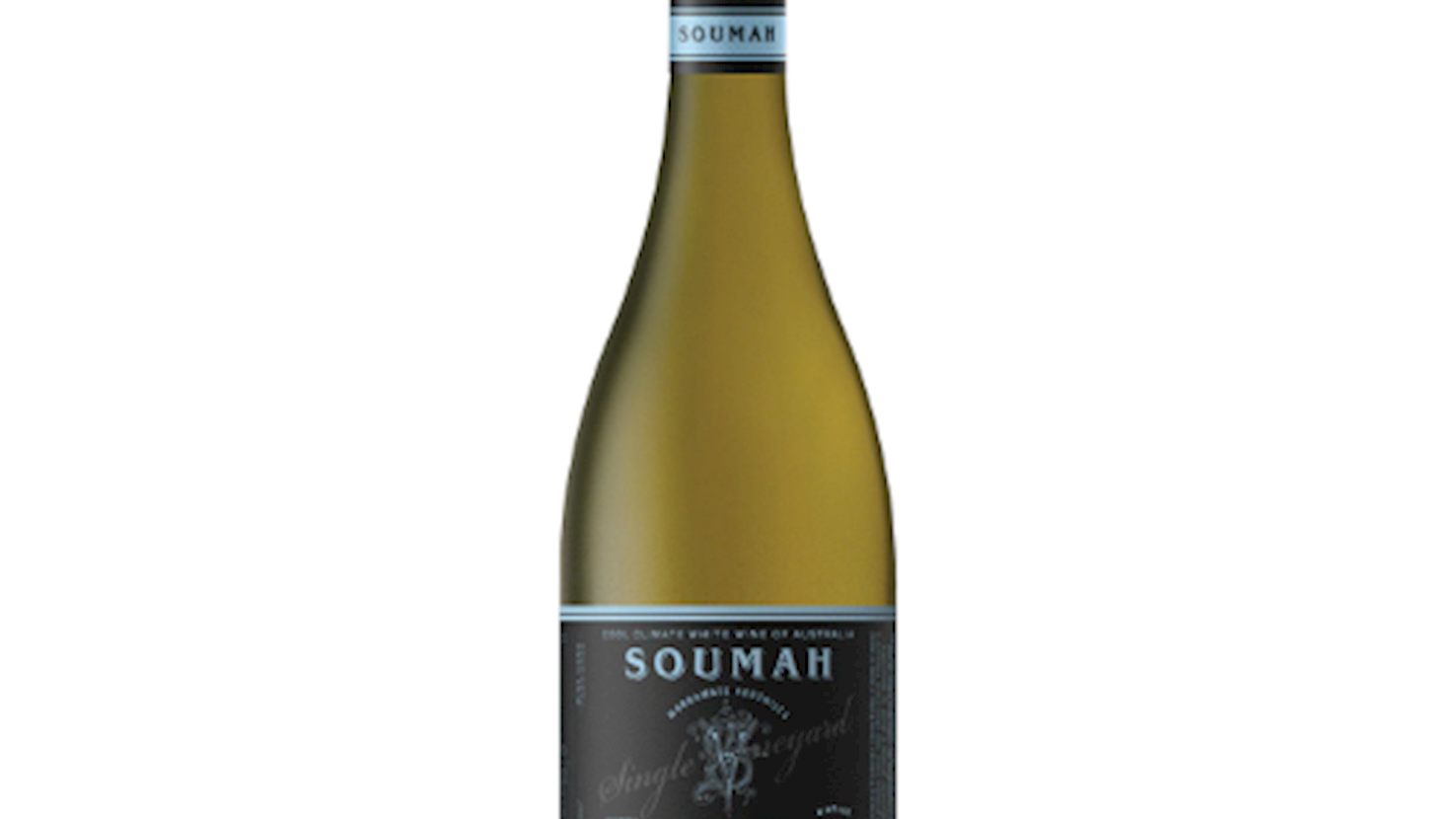
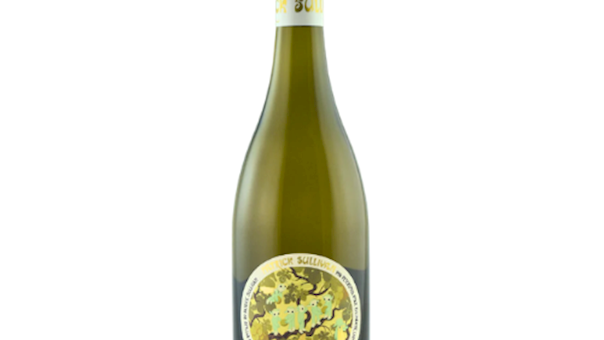
Soumah is a boutique winery located in the Yarra Valley, a renowned cool-climate region about an hour from Melbourne. Established in 1997, the estate was built with the vision of combining the elegance of the Yarra Valley with the character of northern Italian grape varieties. The vineyards are situated in the elevated Gruyere area, where cooler temperatures and slow ripening help preserve acidity and aromatic complexity. Soumah is particularly known for producing both classic regional wines such as Chardonnay and Pinot Noir, as well as Italian varieties like Nebbiolo, Brachetto, Savarro, and Marzemino. The winemaking approach focuses on precision, site expression, and balance, resulting in structured, food-friendly wines. The portfolio includes fresh varietal wines alongside more complex single-vineyard and reserve releases, reflecting differences in terroir. Soumah stands out within the Yarra Valley for its distinctive blend of cool-climate finesse and Italian-inspired diversity.
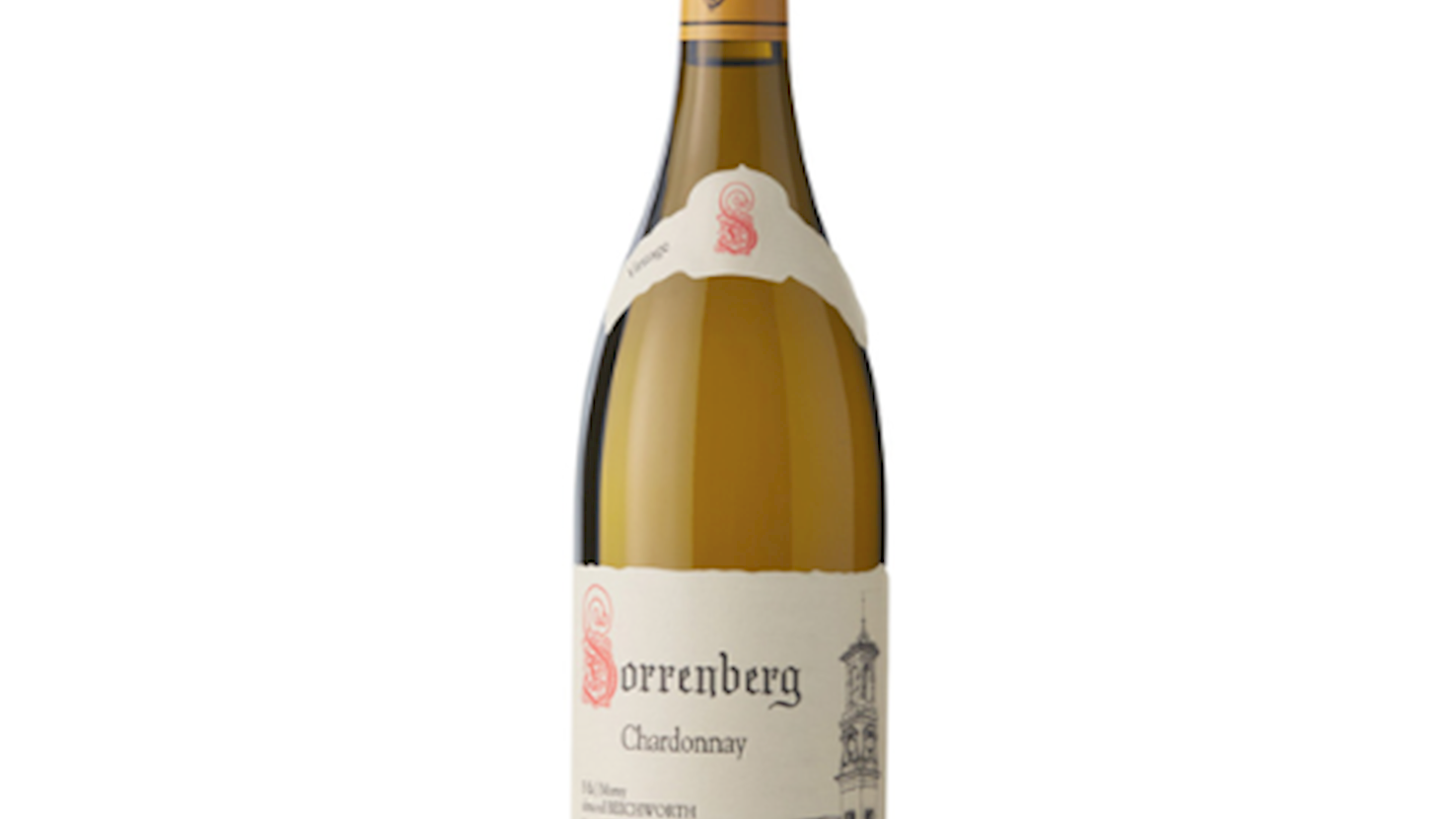
Sorrenberg is a small, family-owned winery located in the Beechworth region of Victoria, Australia, established in the mid-1980s by Barry and Jan Morey. The vineyard is planted on granitic soils at moderate elevation, where cool-climate conditions allow for slow ripening and the preservation of natural acidity. Sorrenberg farms its vines using biodynamic principles and has long been certified by Demeter, reflecting a strong commitment to soil health and ecological balance. The estate is planted to a mix of varieties including Chardonnay, Sauvignon Blanc, Semillon, Gamay, Cabernet Sauvignon, Cabernet Franc and Merlot, enabling a diverse yet tightly managed portfolio. Winemaking is traditional and hands-on, with small-batch fermentation and maturation in French oak, allowing careful barrel selection and blending. The wines are known for their structure, clarity and textural depth rather than overt power, with particular acclaim for the Gamay and the Sauvignon Blanc–Semillon blend. Production is limited, and releases are often tightly allocated, reinforcing Sorrenberg’s reputation as a precise, terroir-driven producer within Beechworth.
The Heathcote Geographical Indication (GI) in Central Victoria, located between the Goulburn Valley and Bendigo, provides the specific viticultural environment for the production of high-quality wine. The region is defined by a temperate climate and its position along the Mt Camel Range, which provides varying elevations and a specific orientation for vineyard placement. Viticultural development began in the mid-19th century following the Victorian gold rush, though the modern industry accelerated in the 1970s with significant plantings by producers like Alberici and later the establishment of the Jasper Hill and Wild Duck Creek estates. The geological profile is dominated by a strip of Cambrian-era greenstone, which has weathered into deep, red calcium-rich clay soils that are approximately 500 million years old. Preparation of Heathcote wine is primarily focused on Shiraz, with winemaking techniques calibrated to manage the high sugar ripeness and phenolic density characteristic of the area. Shiraz grapes are often fermented in open-top fermenters and matured in a combination of French and American oak to balance the natural power of the fruit with structural tannins. A technical attribute unique to the Cambrian soil is its ability to retain moisture deep within the clay profile while the surface remains dry, allowing vines to maintain hydration during the warm summer months without excessive irrigation. The wines are served at temperatures that allow the high alcohol and dense fruit profiles to remain balanced, with red varieties typically served at 16°C to 18°C and the smaller volume of white varieties, such as Viognier or Marsanne, served at 10°C to 12°C. Heathcote wines are consumed as premium varietal selections and are frequently sought after for their significant aging potential and deep color extraction. They are frequently paired with high-protein and savory dishes, such as Shiraz served with slow-roasted lamb shoulder, wagyu beef, or game meats like venison and kangaroo.
The viticultural products of Gippsland consist of the diverse range of wines sourced from the Gippsland Geographical Indication (GI), an expansive territory in southeastern Victoria, that reaches from the urban fringes of Melbourne to the border of New South Wales. The region is functionally divided into three distinct zones: West Gippsland, centered around Warragul and the Strzelecki Ranges; South Gippsland, characterized by maritime influence near Leongatha and Inverloch; and East Gippsland, extending from the Gippsland Lakes toward the snowy river country. Modern viticulture began in the early 1970s with plantings by pioneers such as the Stubbs and Guy families, though commercial momentum accelerated in 1979 with the establishment of high-density vineyards by Phillip Jones at Bass Phillip. The geological profile is highly variable, featuring the deep red volcanic loams (basalt) of the Thorpdale and Strzelecki areas, ancient sedimentary clays in the south, and alluvial river flats in the central and eastern sections. Preparation of Gippsland wine is primarily focused on Pinot Noir and Chardonnay, with winemaking techniques calibrated to the region’s high natural rainfall and cool maritime climate. Pinot Noir is often produced with a focus on structural elegance and earthy complexity, while Chardonnay styles range from lean and citrus-driven in the cooler south to more texturally generous iterations in the west. A technical attribute specific to this region is the presence of the giant Gippsland earthworm, which contributes to the high levels of soil aeration and nutrient cycling in the deep, mineral-rich red soils of the southern vineyards. The wines are served at temperatures that respect their aromatic delicacy, with Chardonnay served at 9°C to 12°C and Pinot Noir served at 14°C to 16°C. Gippsland wines are consumed as premium accompaniments to the region's diverse agricultural output and are a staple of the "paddock-to-plate" culinary scene in Victorian regional centers. They are frequently paired with local dairy and seafood, such as Chardonnay served with Lakes Entrance scallops or soft brie-style cheeses, and Pinot Noir paired with grass-fed Gippsland beef, lamb, or wild-foraged mushrooms.
Macedon Ranges identifies the range of high-altitude wines produced within the Macedon Ranges Geographical Indication (GI), situated in the Great Dividing Range of central Victoria, approximately 60 kilometers northwest of Melbourne. The region is defined by its status as the coldest wine-growing district on the Australian mainland, with vineyard elevations ranging from 400 to 800 meters above sea level and a climate characterized by high rainfall and significant frost risk. Modern viticultural development in the area was initiated in 1968 with the planting of the Virgin Hills vineyard by Tom Lazar, followed by the establishment of Granite Hills by the Knight family in 1970 and Hanging Rock Winery in 1983. The geological composition of the region is predominantly divided between ancient granitic outcrops and weathered Ordovician shale and sandstone soils. Preparation of Macedon Ranges wine is centered on Chardonnay, Pinot Noir, and sparkling wine production, with winemaking techniques adapted to manage the exceptionally high natural acidity and low pH levels achieved in the fruit. Pinot Noir is typically fermented using a high proportion of whole bunches to introduce savory tannins and spice, while Chardonnay is often fermented and matured in French oak to balance its intense linear acidity with textural complexity. A specific technical attribute of the region is its extreme diurnal temperature range, which often necessitates the use of overhead frost protection systems and specialized canopy management to ensure fruit reaches phenolic ripeness before the onset of winter. The wines are served at temperatures that preserve their structural tension, with sparkling and white varieties served at 7°C to 10°C and Pinot Noir served at 14°C to 16°C. Macedon Ranges wines are consumed as premium table selections in domestic and international fine dining markets and are highly sought after by collectors for their longevity. They are frequently paired with regional Victorian agricultural products, such as Pinot Noir served with roasted lamb, game birds, or truffles, and Chardonnay and sparkling wines paired with local trout, hazelnuts, or hard alpine-style cheeses.
Mornington Peninsula designates the range of wines produced within the Mornington Peninsula Geographical Indication (GI), a maritime wine-growing zone located approximately 75 kilometers south of Melbourne. The region is defined by its coastal geography, being surrounded by Port Phillip Bay, Western Port Bay, and Bass Strait, which results in a cool, maritime climate with a narrow diurnal temperature range and high wind exposure. Small-scale viticulture in the area was documented in the late 19th century, specifically by the Swan family in the 1880s, but the modern industry was established in 1972 when Baillieu Myer planted the first modern commercial vines at Elgee Park. Following this, significant expansion occurred during the late 1970s and 1980s as producers identified the red volcanic soils of the "Up-Hill" sub-regions and the yellow brown clays of the "Down-Hill" coastal sites as suitable for early-ripening varieties. Preparation of Mornington Peninsula wine focuses heavily on Pinot Noir and Chardonnay, with winemaking techniques utilized to manage the high natural acidity and fruit purity provided by the long growing season. Pinot Noir is typically fermented in small open-top fermenters, often incorporating whole-bunch fermentation to introduce structural complexity and savory tannins before maturation in French oak. Chardonnay production frequently involves barrel fermentation and lees stirring to balance the citrus-driven acidity with textural weight. A specific technical attribute of the region is the prevalence of Pinot Gris and Pinot Grigio, as the area produces the highest volume of premium iterations of these varieties in Australia, utilizing two distinct styles: the rich, barrel-fermented "Gris" and the crisp, stainless steel-fermented "Grigio." The wines are served at specific temperatures to preserve their delicate volatile compounds, with white wines served at 8°C to 11°C and Pinot Noir served at 14°C to 17°C to avoid masking its aromatic profile with excessive heat. Mornington Peninsula wines are consumed as premium table selections and are integral to the region's culinary tourism sector. They are frequently paired with regional Victorian produce, such as Pinot Noir served with roasted duck, lamb, or game meats, and Chardonnay and Pinot Grigio paired with locally caught King George Whiting, calamari, or soft goat cheeses.
Geelong designates the range wines produced within the Geelong Geographical Indication (GI), a maritime wine-growing zone in southern Victoria, encompassing the Bellarine Peninsula, the Moorabool Valley, and the Surf Coast. The region is defined by a cool, maritime climate influenced by the Southern Ocean and Port Phillip Bay, which results in a long, temperate growing season and high natural acidity in the fruit. Commercial viticulture was established in the 1840s by Swiss settlers, notably at Neuchatel and Pollocksford, making it one of the earliest wine-producing districts in the state. Following an outbreak of phylloxera in the late 19th century which forced the total removal of vines, the region was replanted in the 1960s by producers seeking the limestone and volcanic soil profiles found in the Moorabool Valley and the black basalt soils of the Bellarine. Preparation of Geelong wine focuses primarily on Chardonnay, Pinot Noir, and Shiraz, with the cool climate producing a medium-bodied style characterized by structural elegance rather than high alcohol concentration. Chardonnay is often fermented in French oak with a portion of malolactic fermentation to balance its sharp acidity, while Pinot Noir is typically fermented in small batches with varying degrees of whole-bunch inclusion to enhance aromatic complexity. A unique technical aspect of the region is the "Bellarine" sub-zone, where the proximity to water reduces the diurnal temperature range, resulting in different tannin ripeness compared to the more inland Moorabool Valley sites. The wines are served at specific temperatures to maintain their aromatic integrity; white wines are served between 8°C and 11°C, while Pinot Noir and Shiraz are served at 14°C to 17°C to highlight their spice and red fruit notes. Geelong wines are consumed as a staple of Victorian gastronomy and are increasingly prominent in specialty wine markets. They are frequently paired with regional produce, such as local seafood and Portarlington mussels for the white varieties, or roasted duck and lamb for the Pinot Noir and Shiraz.
Beechworth wine is sourced from the Beechworth Geographical Indication (GI) located in the foothills of the Victorian Alps in northeast Victoria, at elevations ranging from 400 to 700 meters. The area is defined by a temperate climate with high sunshine hours and cool overnight temperatures, facilitating a long ripening period that preserves natural acidity in the fruit. Viticulture in this district commenced in the 1850s, driven by the population increase of the Victorian gold rush, where settlers established small-scale vineyards to supply local demand. Following a decline in the early 20th century, the region was revitalized in the late 1970s when producers identified the site's fractured granite and shale soils as ideal for premium cool-climate varieties. The geological composition of the region is highly specific, consisting primarily of Ordovician mudstone and granite, which provides excellent drainage and limits vine vigor. Preparation of Beechworth wine focuses predominantly on Chardonnay and Shiraz, though significant plantings of Nebbiolo and Sangiovese also exist. Chardonnay production typically involves whole-bunch pressing and fermentation in French oak barrels using indigenous yeasts, often resulting in a wine with high structural tension and mineral characteristics. Shiraz from this region is often fermented with a portion of whole bunches to introduce savory, peppery aromatics and fine-grained tannins. A unique technical aspect of the region is its small-scale, artisanal approach, as there are no large-scale industrial wineries; most production occurs in small lots with minimal filtration and fining. The wines are served at specific temperatures to reflect their complexity, with Chardonnay served between 10°C and 13°C and red varieties like Nebbiolo and Shiraz served at 16°C to 18°C. Beechworth wines are consumed as premium table accompaniments in high-end culinary settings and are exported in limited quantities due to low regional yields. Chardonnay is paired with roasted poultry, creamy risotto, or local trout, while the high-tannin red wines like Nebbiolo are paired with slow-cooked lamb, game meats, or aged hard cheeses.
Yarra Valley wine is a classification of viticultural products grown and fermented within the Yarra Valley Geographical Indication (GI), a cool-climate region encompassing the Yarra River catchment area in the state of Victoria. This region is defined by its diverse topography, ranging from the flat valley floor at 50 meters elevation to steep slopes reaching 400 meters, which creates distinct microclimates suitable for various grape varieties. Commercial viticulture began in 1838 when the Ryrie brothers planted the first vines at Yering Station, followed by significant expansions in the 1860s by Swiss settlers who recognized the area's potential for European-style production. Although the industry faced a complete shutdown in the early 20th century due to economic shifts and a preference for fortified wines, it was successfully replanted and revitalized in the late 1960s and 1970s. The region's geology consists primarily of two soil types: the older, gray-brown sandy loams of the valley floor and the younger, fertile red volcanic soils of the Upper Yarra. Preparation of Yarra Valley wine centers on the cool-climate expressions of Pinot Noir and Chardonnay, which together represent over 60% of the total production. Chardonnay is typically fermented using wild yeasts and matured in French oak to emphasize citrus and flinty mineral characteristics, while Pinot Noir is processed with varying percentages of whole-bunch fermentation to introduce structural tannins and savory, stalky notes. A unique aspect of the region's production is its pioneering role in Australian sparkling wine, particularly through the establishment of Domaine Chandon in 1986, which utilizes the region’s high-acid grapes for Méthode Traditionnelle production. The wines are served at temperatures calibrated to their style: 10°C to 12°C for white wines and 14°C to 16°C for reds. Yarra Valley wines are consumed as premium accompaniments to modern Australian cuisine in both domestic and international markets. Chardonnay is paired with roasted poultry or local freshwater fish such as trout, while Pinot Noir is served with duck, forest mushrooms, or dishes featuring beetroot. The region's sparkling wines are frequently paired with oysters or salty appetizers to balance their crisp acidity.
TasteAtlas food rankings are based on the ratings of the TasteAtlas audience, with a series of mechanisms that recognize real users and that ignore bot,
nationalist or local patriotic ratings, and give additional value to the ratings of users that the system recognizes as knowledgeable.
For the “Top 16 Victorian White Wines” list until June 10, 2026, 0 ratings were recorded, of which 0 were recognized by the system as legitimate.
TasteAtlas Rankings should not be seen as the final global conclusion about food. Their purpose is to promote excellent local foods,
instill pride in traditional dishes, and arouse curiosity about dishes you haven’t tried.
The initial list of top producers was compiled based on available reviews, awards, local recommendations, media and blog coverage, and consumer reviews.
The list will be updated with ratings from TasteAtlas local ambassadors and TasteAtlas users.