

shutterstock

Top 4 Chinese Wild Cabbages

Last updated on June 24, 2026
01

Bok choy

3.9 ·

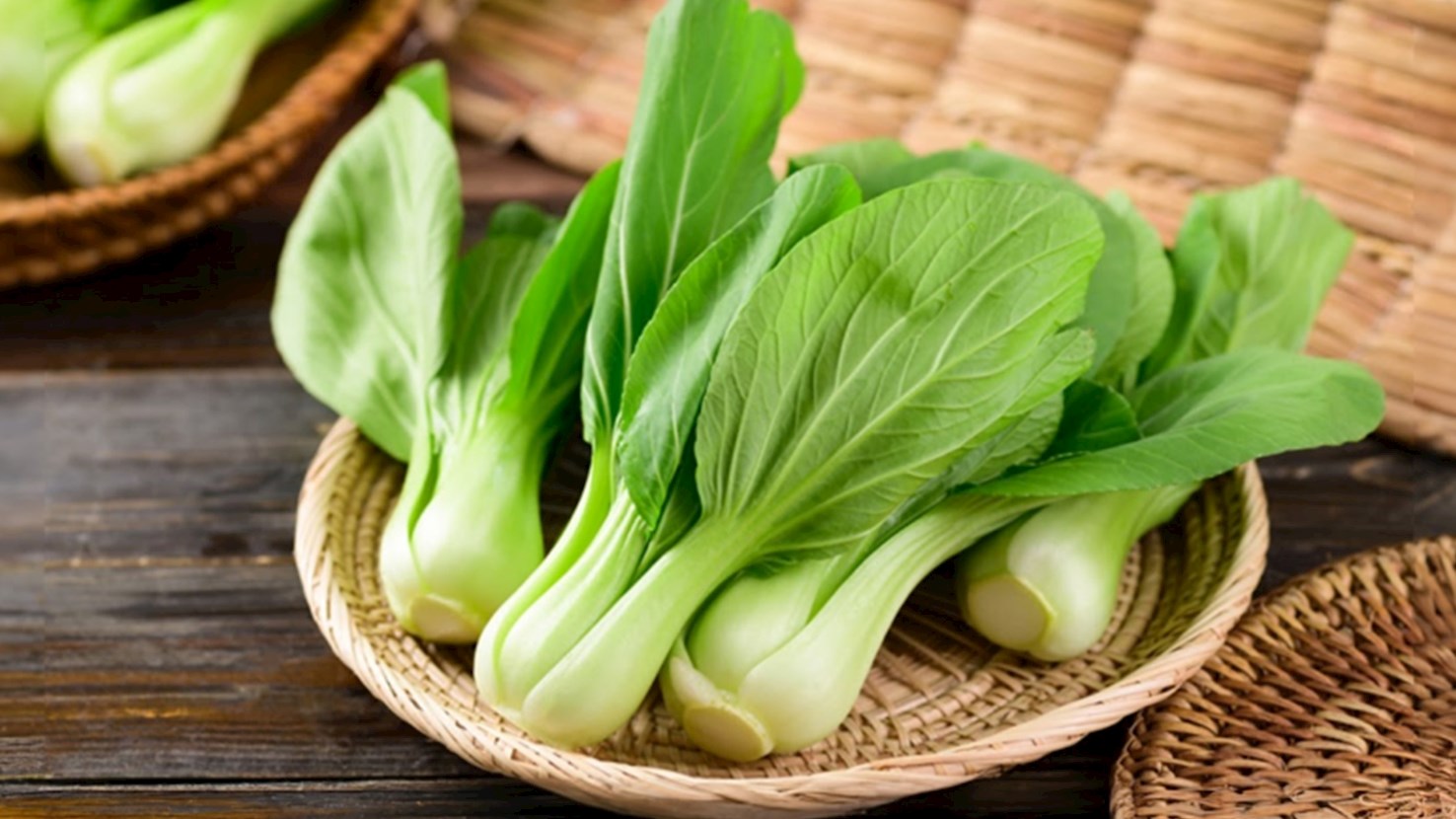
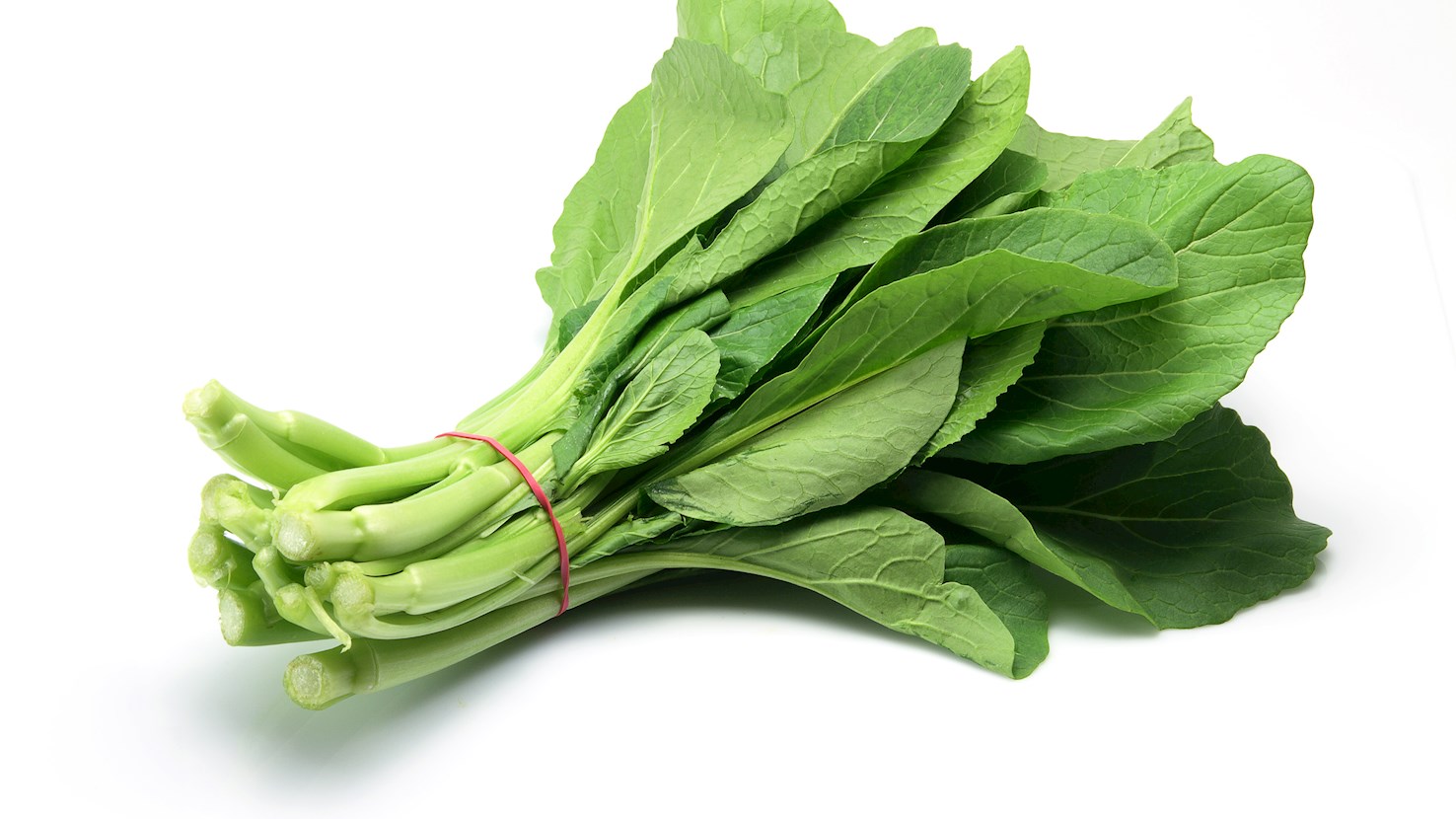
Bok choy is a type of Chinese cabbage (lat. Brassica rapa subsp. chinensis) that features dark green leaves and white to pale green stalks, forming a cluster akin to mustard greens or celery but with a softer texture and a milder taste. Nutritionally, bok choy is low in calories but high in vitamins A, C, and K, as well as minerals like calcium and iron. It also contains important antioxidants and is a good source of fiber. Bok choy is a staple in Asian cuisine, especially in Chinese cooking. It is prized for its crisp, tender stalks and slightly sweet, earthy leaves. The vegetable can be prepared in various ways, including steaming, boiling, stir-frying, and braising. It is often used in soups, stir-fries, and as a side dish, sometimes simply sautéed with garlic.

02

Da bai cai (Napa cabbage)

3.9 ·

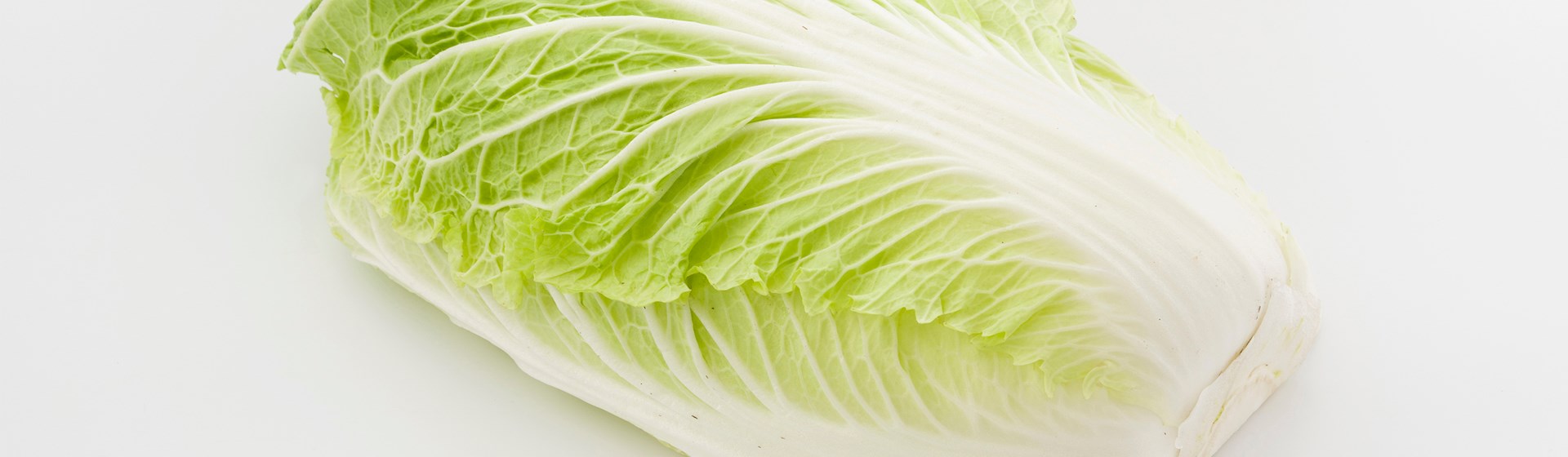
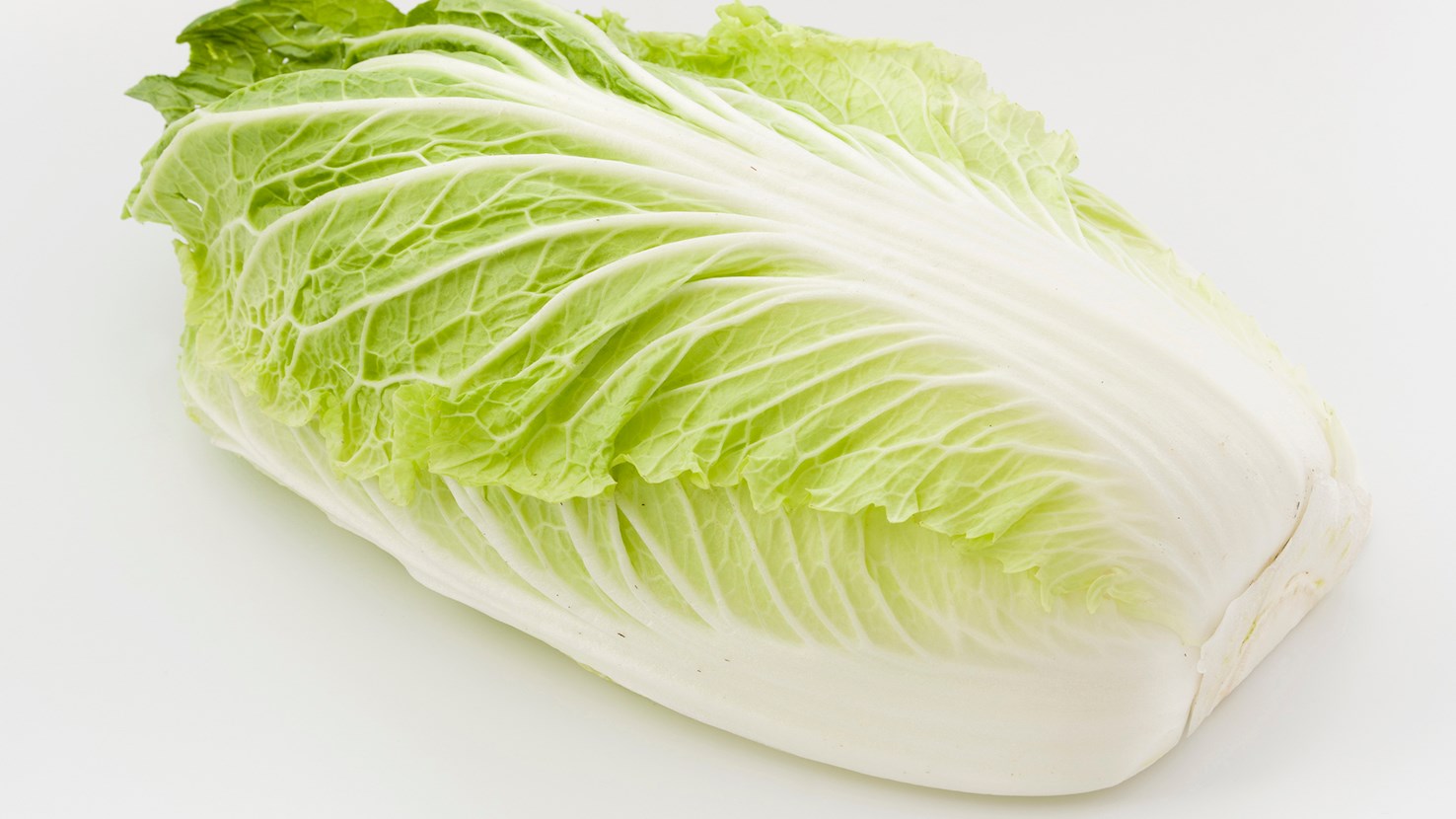
Napa cabbage (lat. Brassica rapa subsp. pekinensis) is a type of Chinese cabbage characterized by its elongated head, pale green leaves, and white stalks that are crinkly and tightly packed together. Unlike the round shape of common green cabbage, Napa cabbage has an oblong shape. The leaves are tender and have a mild, sweet flavor when cooked, making it a versatile vegetable in the kitchen. Rich in vitamins C and K, as well as dietary fiber, Napa cabbage offers numerous health benefits. It's also a good source of folate and contains antioxidants that may contribute to overall health. Napa cabbage is a staple ingredient in East Asian cuisines, particularly in Chinese, Korean, and Japanese cooking. It is widely used in a variety of dishes, including stir-fries, soups, hot pots, and salads. Napa cabbage is perhaps best known as the main ingredient in traditional Korean kimchi, where it is fermented with a mix of seasonings including chili pepper, garlic, ginger, and scallions.

03

Chinese cabbage

3.9 ·

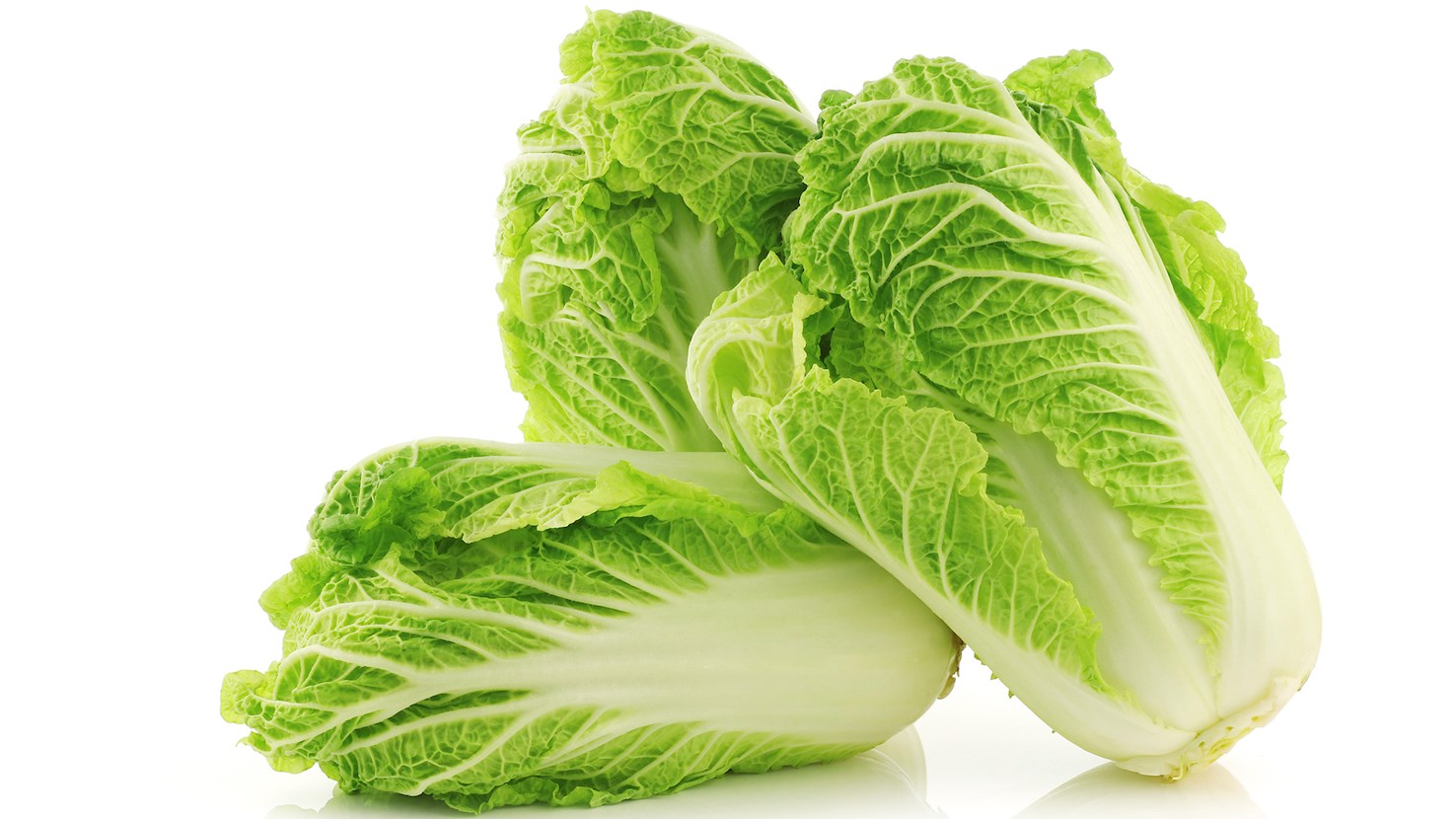
Chinese cabbage primarily refers to two types of leafy greens that are integral to Chinese cuisine and widely cultivated across the country: napa cabbage and bok choy. Originally, it was grown in the Yangtze River Delta region and it was popularized for its medicinal qualities. Today, it is a staple of Chinese cuisine and it is widely used for pickling, but it is also often consumed raw, baked, or braised. The vegetable is commonly used in China, Japan, and Korea. In Japan, it is a symbol of prosperity, while in Korea it is used to produce the popular kimchi. When stir-fried, Chinese cabbage is often accompanied by mushrooms, tofu, or zucchini in order to create a variety of flavorful and healthy dishes.

04

Choy sum (Chinese flowering cabbage)

3.6 ·

Choy sum is a leafy vegetable with widespread use in both Asian and Western cuisines. It belongs to the pak choy cabbage family and is characterized by tender, white or green stalks, with oval-shaped green leaves and tiny yellow flower buds on top. The stalks have a delicious, mustard-like flavor and a crunchy texture. Both the stalks and the tiny flowers of the plant are edible, typically used fresh in salads, or either blanched or stir-fried and paired with meat dishes or prawns.

Read more
View all
View map
About this ranking

TasteAtlas food rankings are based on the ratings of the TasteAtlas audience, with a series of mechanisms that recognize real users and that ignore bot, nationalist or local patriotic ratings, and give additional value to the ratings of users that the system recognizes as knowledgeable. For the “Top 4 Chinese Wild Cabbages” list until June 24, 2026, 314 ratings were recorded, of which 291 were recognized by the system as legitimate. TasteAtlas Rankings should not be seen as the final global conclusion about food. Their purpose is to promote excellent local foods, instill pride in traditional dishes, and arouse curiosity about dishes you haven’t tried.

Similar lists