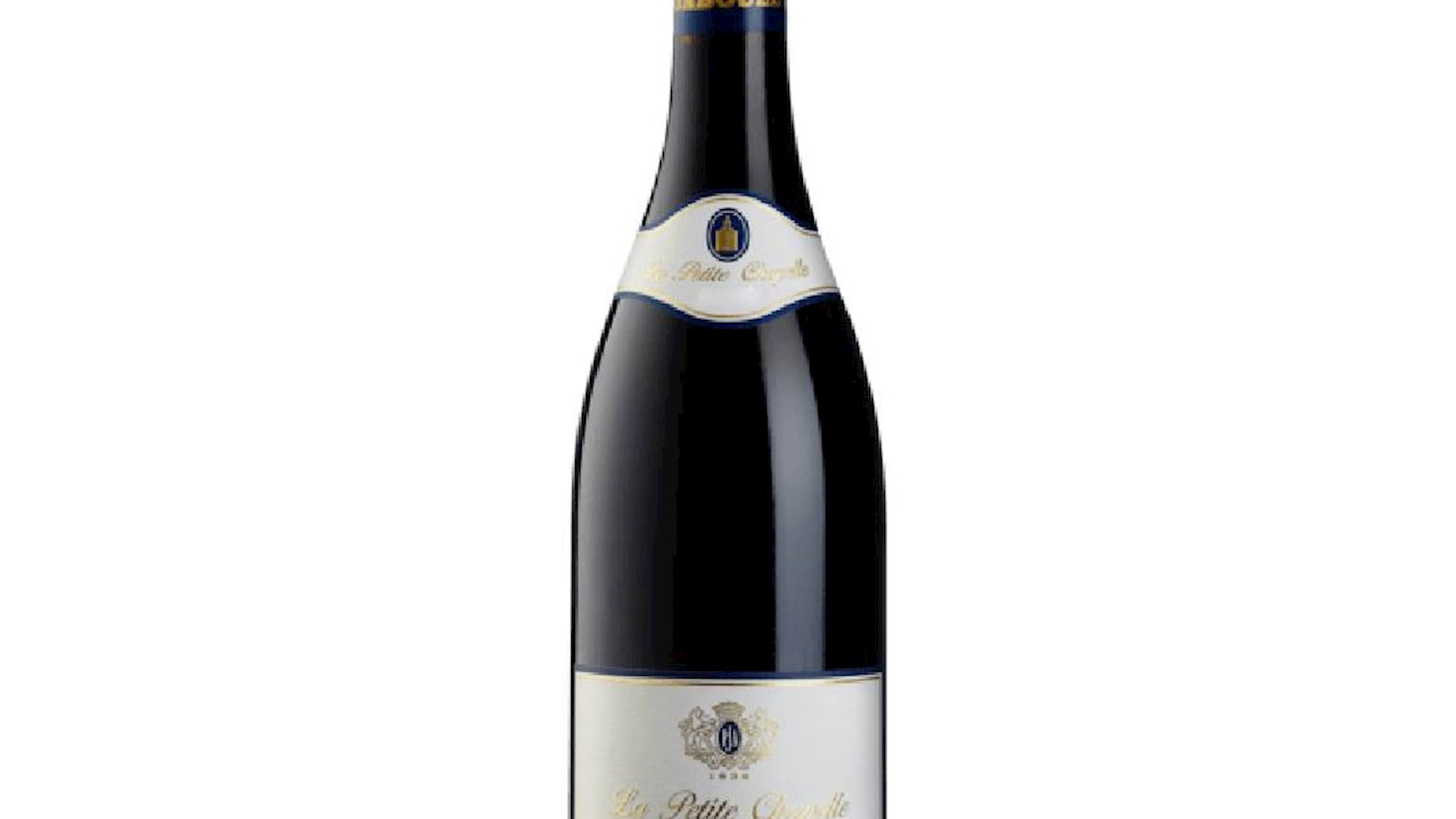
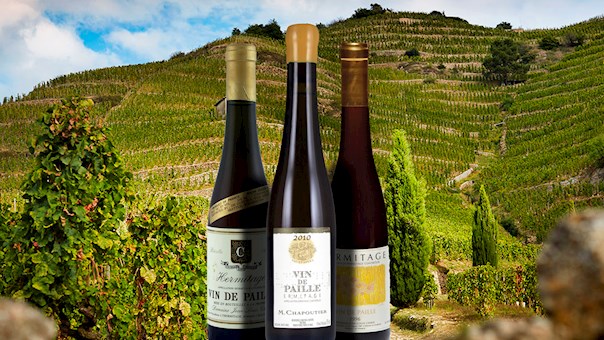
Paul Jaboulet Aîné is a name spoken with respect in the Northern Rhône. The vineyards on Hermitage and the surrounding slopes hold a natural balance of sun, wind and stone, and from that quiet come wines of clear character and refined poise. Work in the cellar is patient and precise so that each parcel can speak in its own voice. The glass shows pure fruit, a supple frame and a long, harmonious finish. Behind every bottle lie tradition and skill, joined by a modern care for the land. This is a house that avoids showiness and builds a subtlety that lingers.
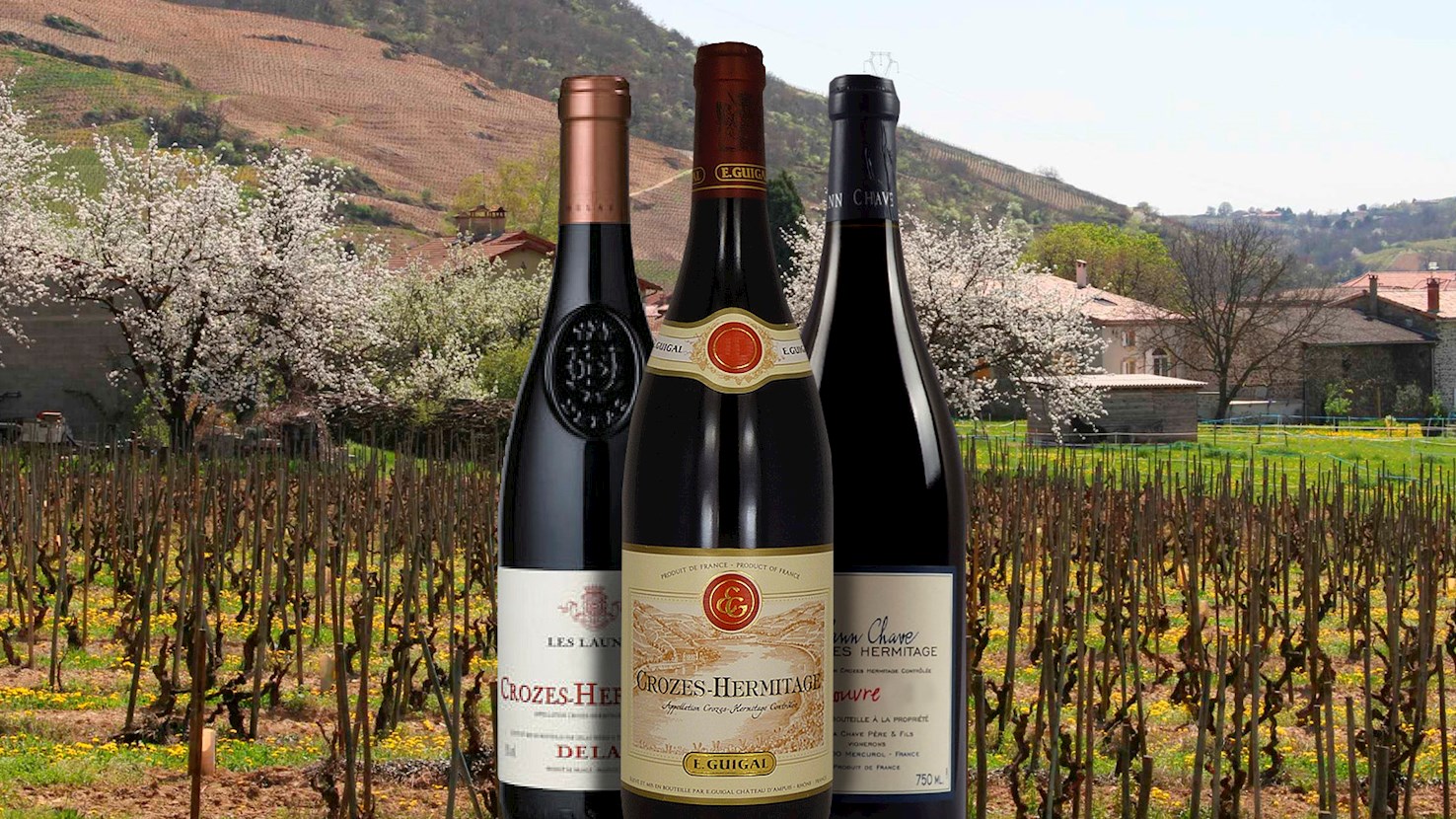
Located on the eastern bank of Rhône, Crozes-Hermitage is a French appellation that mainly produces Syrah-based red wines, though the official guidelines also allow the production of whites from Marsanne and Roussanne grapes. Red Crozes-Hermitage wines are light, elegant, fruity, and floral, usually displaying bright red and black fruit aromas, which can develop into spicy notes over the years. These easy-drinking and approachable wines are usually enjoyed young, and they perfectly pair with roasted poultry, pork, lamb, or stews, while vintages may be an excellent match to game or red meat.
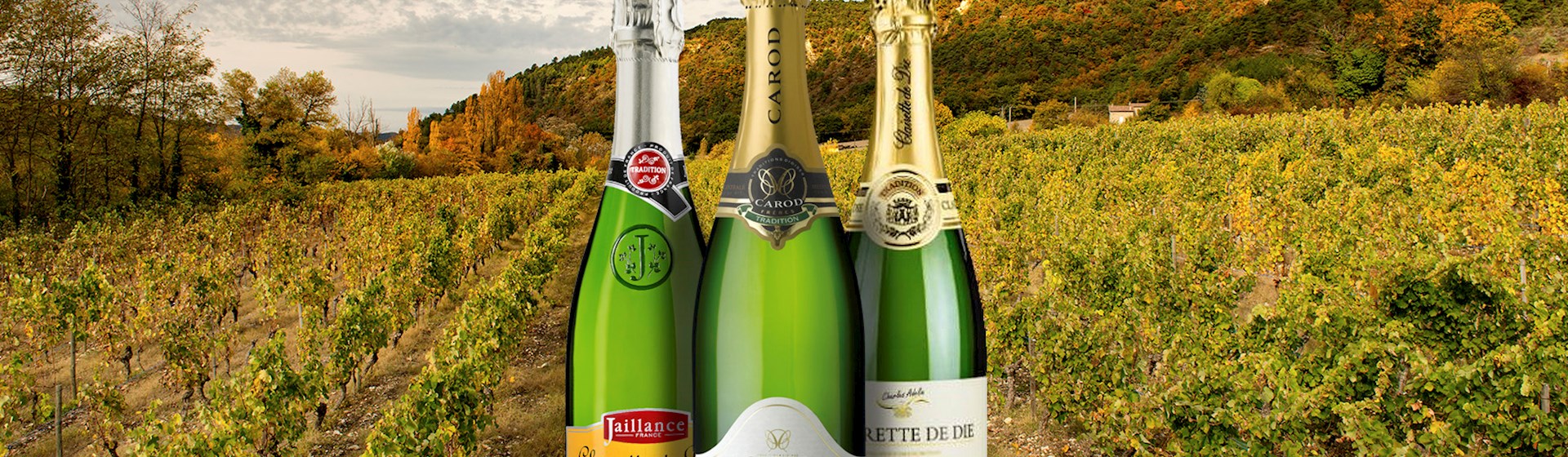
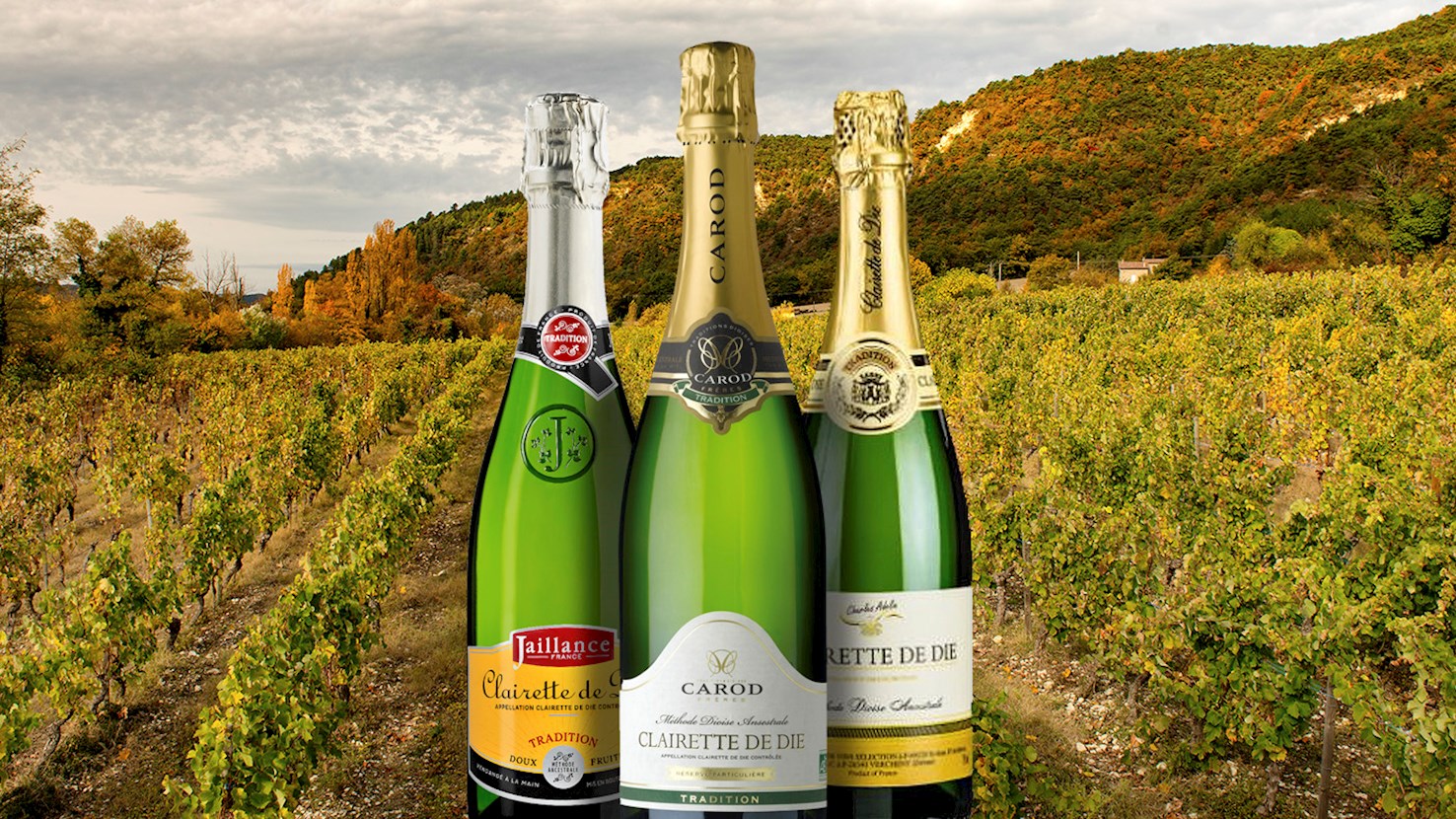
Clairette de Die is a small French appellation located in the department of Drôme that produces sparkling wines based on Muscat Blanc à Petits Grains and Clairette grapes. They are produced with méthode dioise ancestrale—a unique technique in which the wine is fermented once, starting in the tanks and continuing in the bottle, without the addition of yeast or sugars. These light and fruity wines are usually enjoyed young, while their aromatic profile usually displays aromas of peaches, apricots, roses, and citrus. It is recommended to serve them well-chilled, preferably in champagne glasses. The wines can pair well with canapés, foie gras, fruit salads, and fruit tarts, but they also make a great aperitif.
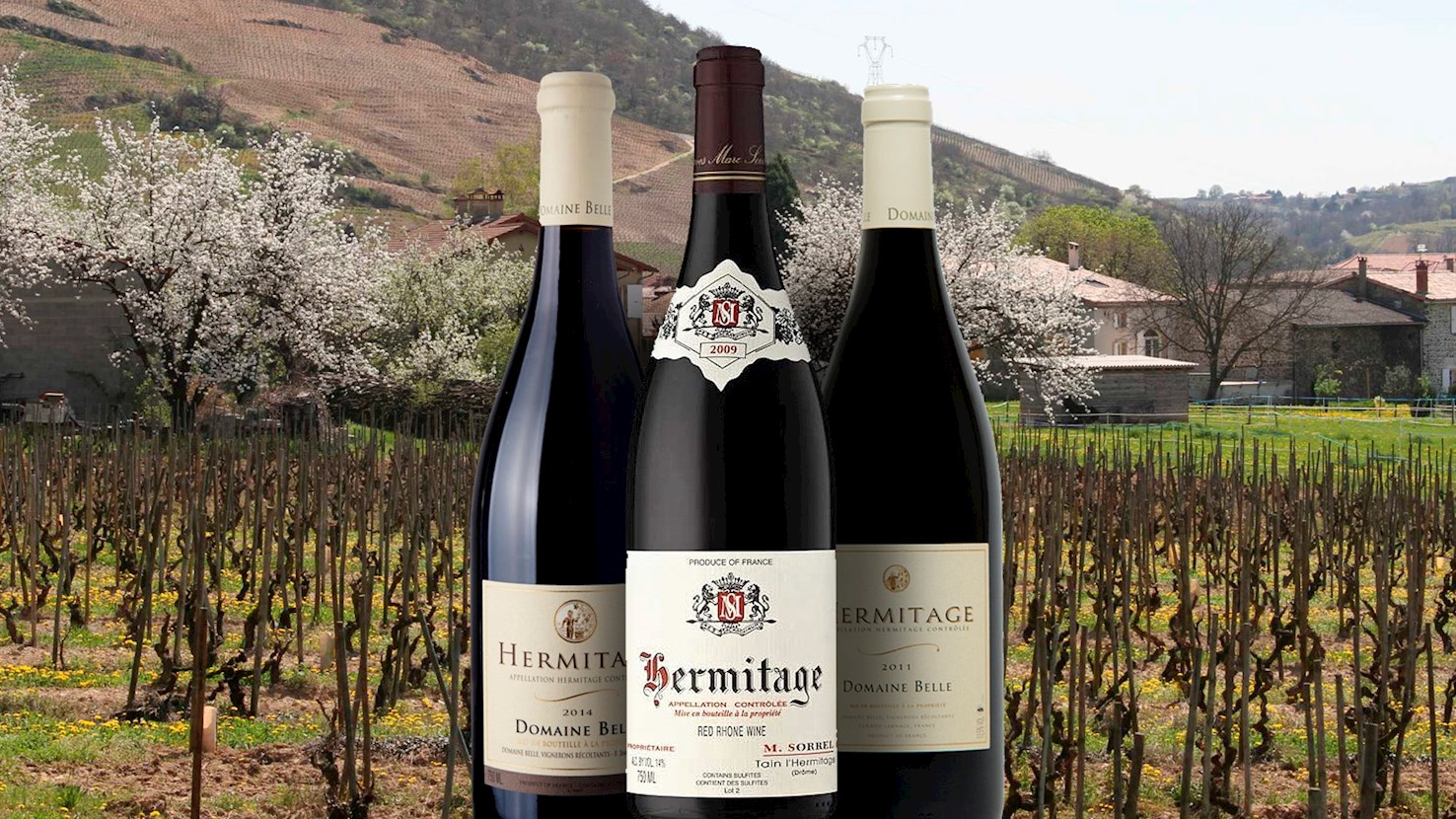
Often considered as one of the most exceptional wines in the world, red Hermitage wines are produced in the northern Rhône with Syrah as the principal grape variety. Especially praised for their longevity, these powerful, full-bodied, complex, and great-quality wines can also be opulent in their youth, displaying bright aromas of red fruit, as well as spicy and floral nuances. However, best Hermitage reds are long-lived and can be aged for decades, becoming more robust and harmonious with beautiful roundness and a long finish, while the complex aromatics display licorice, minerals, herbs, tobacco, and spices. These master-class wines can match a variety of dishes, and they naturally pair with game and beef, as well as truffles, terrines, and hearty stews.
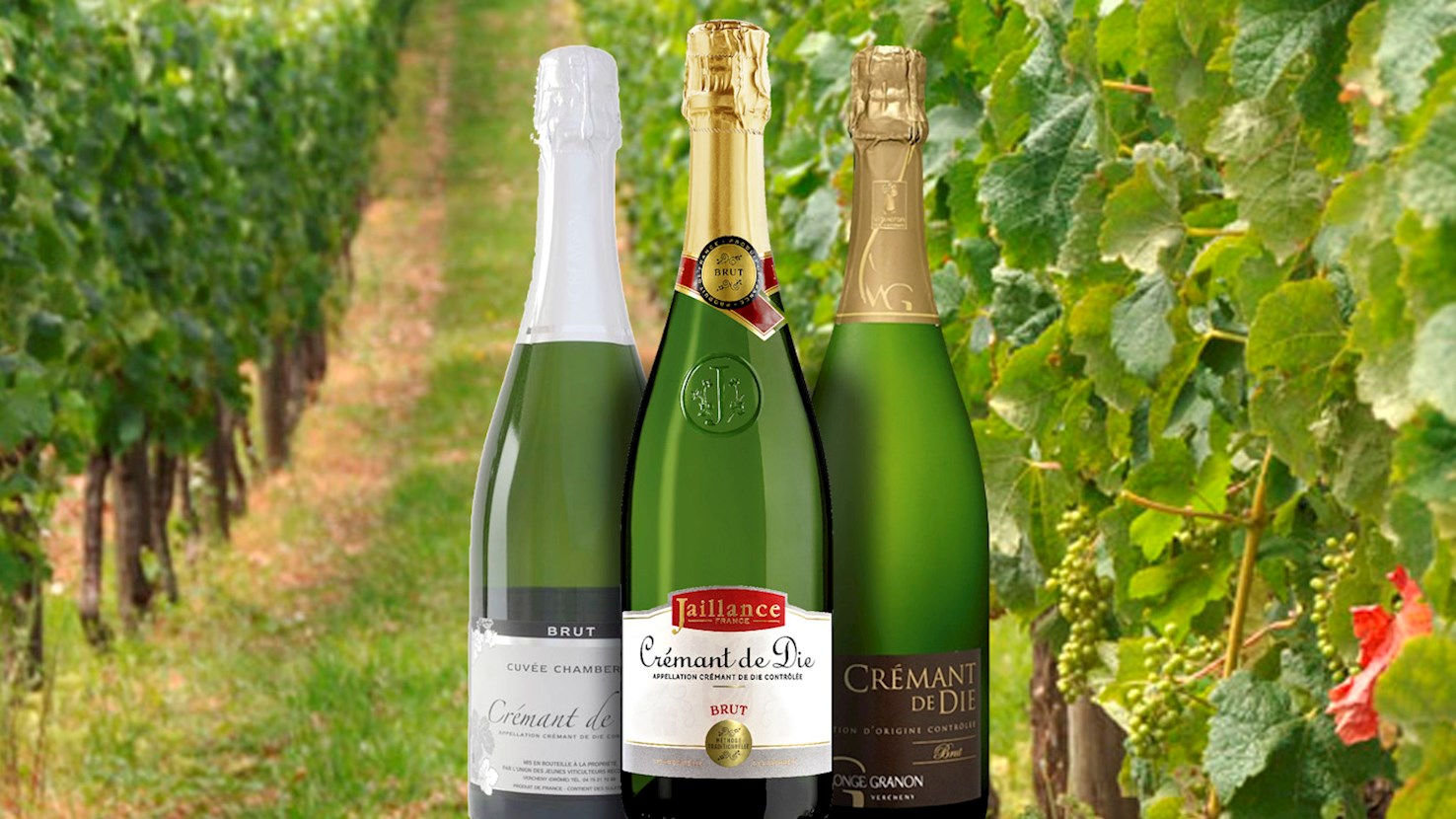
Crémant de Die is a French appellation located in the Drôme department (Rhône wine region). Although in the past these sparkling wines were based only on Clairette grapes, today the production also includes Muscat Blanc à Petits Grains and Aligote. Crémant de Die wines are produced with méthode traditionnelle—in which the second fermentation takes place in the bottle. The wines are characterized by their pale gold color streaked with green hues, and typical aromas of green fruit and white flowers, which are often complemented by butter and brioche notes. These elegant and fresh wines make a great aperitif, but they can also be a great match to foie gras, fruit tarts, and fruit-based desserts
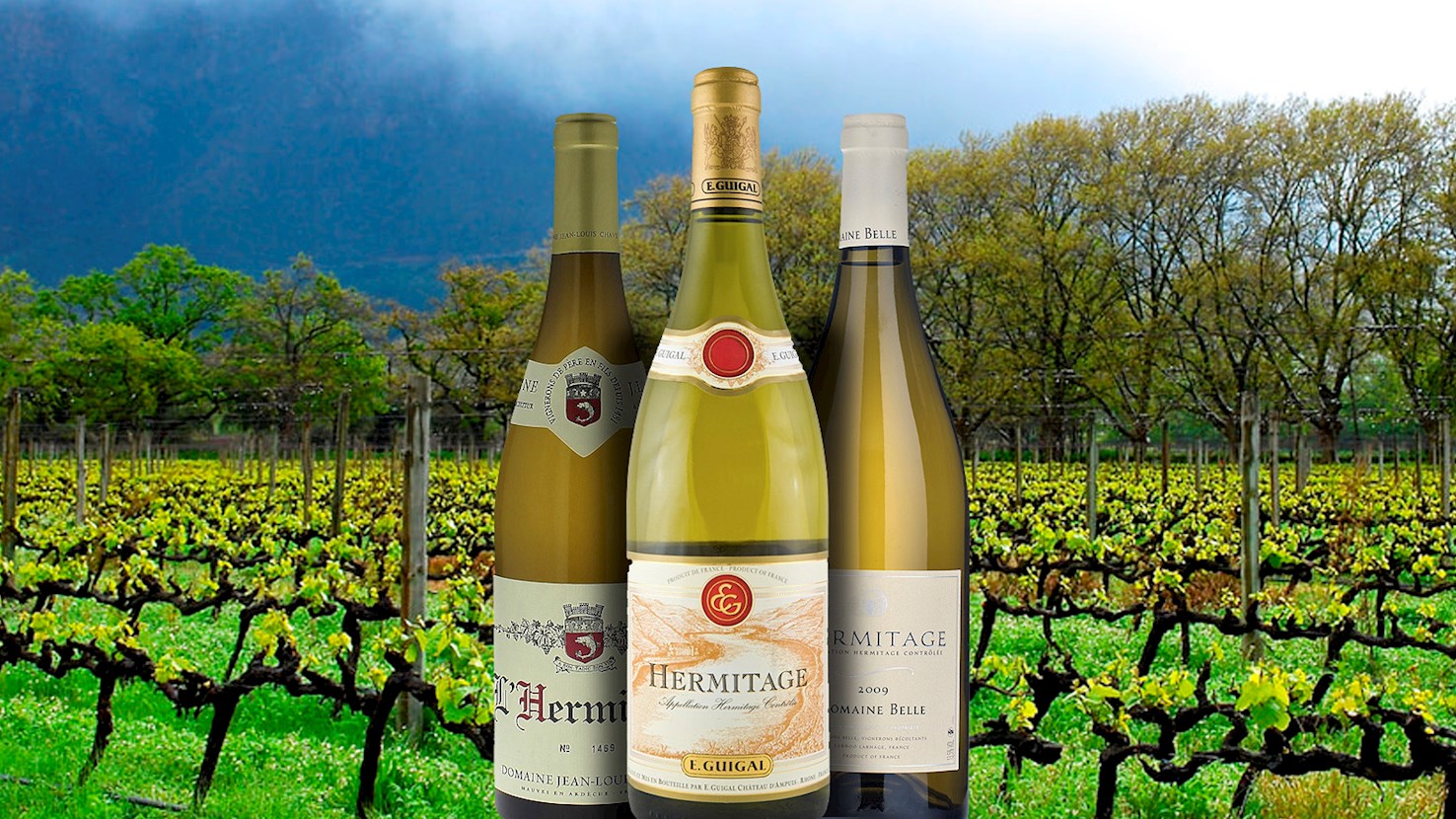
Although less renowned than red wines from the region, white Hermitage wines also display great finesse and have exceptional aging potential. They are mostly produced from Marsanne and Roussanne grape varieties and are characterized by their pale golden color which is often streaked with green hues. These wines are praised for their dense texture, well-balanced acidity, and a long finish, while their aromatic profile usually includes floral aromas that are complemented by notes of dry and candied fruit which can develop into creamy aromas of almonds and honey. White Hermitage should always be served slightly chilled, and it perfectly pairs with creamy dishes prepared with crustaceans, fish, shellfish, as well as white meat such as poultry or pork.
Situated in and around its namesake village, Côtes du Rhône Villages Puyméras is a distinguished French appellation dedicated exclusively to crafting red wines. Its roots trace back to viticulture established on the hillsides of the area by Roman settlers and monastic orders, with records showing that vine cultivation persisted through medieval times and over time local growers refined their vineyards until the appellation was officially recognised in 2005. The vineyards lie at altitudes between roughly 220 and 600 metres on terraced slopes composed of caillouteous (pebbled) soils and red sandy-clay substrates, with grapes such as Grenache Noir, Syrah and Mourvèdre dominate the plantings; after harvest the grapes are fermented in vats with strict controls on yield and ripeness, and wines may be aged partly in oak or large neutral vessels before bottling under the Puyméras name. Among the variations available from the appellation are wines that emphasize fresher fruit and early drinking via limited ageing and minimal oak, versus richer, more structured selections that receive longer maturation and include a higher proportion of Syrah or Mourvèdre; a defining feature of Puyméras wines is a refined mineral streak alongside notes of red fruit. Puyméras wines are served with lamb, game, stews or mature cheeses, and they work well with robust reds for hearty meals, and simplify to lighter-style pairings such as grilled vegetables and rustic bread when chosen young.
The French wine appellation of Côtes du Rhône Villages Massif d’Uchaux encompasses red wines produced across the neighboring communes of Lagarde-Paréol, Mondragon, Piolenc, Sérignan-du-Comtat, and Uchaux. Grapevines in this area have been documented since Roman times, when the Via Agrippa passed through the region and wine was already being sold in Mondragon by the late 13th century. The modern appellation began development in the 20th century and achieved named-village status within the Côtes du Rhône Villages framework in 2005. The vineyards lie on slopes ranging from 100 to 280 meters altitude, planted on soils of siliceous sandstone and limestone with red clay, under a Mediterranean climate with strong Mistral winds that protect the vines; the certified wine production is restricted to red wine only, made primarily from Grenache Noir (minimum 40 %), Syrah and Mourvèdre (combined at least 25 %), with more modest percentages of accessory grapes. During vinification the grapes are harvested when fully ripe, fermented in vats, sometimes with a portion aged in oak barrels or large neutral vessels to refine tannins and structure, then bottled with the appellation’s name. Variations within the appellation come from the proportion of varietals, the decision to age in oak or not, and subtle differences in soil composition across parcels; one distinctive element is that the wines display a combination of rich red-fruit flavors, pepper and spice, with marked mineral character derived from the stony soils of the massif, setting them apart within the Côtes du Rhône Villages tier. Côtes du Rhône Villages Massif d’Uchaux wines are served in homes, bistros and fine-dining restaurants, paired with hearty dishes such as grilled lamb, stews or matured cheeses, and they match well with full-bodied reds or aged whites whose structure can support the depth and spice of the wine.
Côtes du Rhône Villages Rousset les Vignes is a wine appellation producing red, white, and rosé wines on the steep slopes of the massif de la Lance within the commune of Rousset-les-Vignes. The vineyards were elevated to the “Village” level of the Côtes du Rhône appellation in 1969, marking recognition of their quality and distinctiveness. With only about 21 hectares under this specific designation today, the site stands out for its modest scale and elevated terrain. The vines grow on soils known as “safres,” a mix of sand, fossil-rich marine deposits, and pebbles laid down millions of years ago, and the climate—Mediterranean with influence from the mistral wind—helps preserve freshness and refine tannins. Vinification is typical of the southern Rhône style: for red wines, the dominant varieties are Grenache Noir, Syrah, and Mourvèdre, which are hand-harvested, destemmed, and fermented in vats, sometimes with a portion of new oak to add complexity; after fermentation, the wines are aged in barrels or vats before bottling. Although the appellation allows small volumes in white and rosé, about 94% of production is red, with the rest split between white and rosé. Whites are produced from Grenache Blanc, Marsanne, Roussanne, and Viognier, and are vinified with care to preserve aromatic purity and freshness, whereas the rosés display bright red fruit and bright acid. Red wines vary from a full-bodied red meant for ageing—with tannic structure and secondary aromas of leather and truffles as it matures—to more approachable early-drinking reds showing vivid red-fruit character. The white versions vary from lighter, crisp wines to richer, aromatic styles. A unique aspect of this appellation is its perched altitude—approximately 430 meters above sea level—making it one of the highest villages in the southern Rhône realm and giving its wines elevated freshness and distinctive minerality. These wines are best served according to type: reds at 16-18 °C alongside grilled lamb, game stews, or aged cheeses; rosés at 10-12 °C with charcuterie or summer fare; and whites at 10-13 °C paired with seafood, goat cheese, or poultry in cream sauces.
Côteaux des Baronnies is a French wine appellation located in the Drôme department that holds an Indication Géographique Protégée (IGP) status for producing red, white, and rosé wines. Viticulture on the mid-mountain slopes of the Baronnies area traces back to the Roman era and persisted through the Middle Ages. After facing various interruptions and revivals over the centuries, the vineyards earned a Vin de Pays classification in 1974 before advancing to full IGP recognition in 2011. The vines grow at varying altitudes on soils composed of limestone marls, schist, and sandstone, benefiting from a Mediterranean climate with distinctly dry summers and the cooling effects of the mistral wind. Vineyard workers primarily harvest the grapes by hand before the fruit is destemmed and fermented in vats. Red wines often age in oak barrels to develop complexity, whereas white wines usually ferment and mature in stainless-steel tanks to maintain their crisp profile. The red blends utilize Syrah, Grenache, Merlot, Cinsault, and Carignan, while the white wines are crafted from Viognier, Clairette, Roussanne, Marsanne, Chardonnay, and Grenache Blanc. Winemakers produce several stylistic variations across the appellation: specific reds emphasize Syrah for enhanced structure and ageability, while others lean heavily on Grenache for a fruit-forward expression. White wines range from highly aromatic Viognier-driven vintages to lighter Marsanne and Clairette blends, and the rosés are generally designed for early consumption. A distinct feature of Côteaux des Baronnies is its compact vineyard footprint, combined with a high-elevation setting, which yields wines with a characteristic hillside freshness and influences similar to those of the nearby Rhône valley, even though the region remains less recognized than the major Rhône AOCs. These beverages are widely enjoyed with specific temperature and food pairings depending on the style. The white and rosé wines are served chilled between 10 and 12 °C alongside seafood, goat cheese, or light meals, while the reds are poured at 15 to 18 °C to accompany grilled meats, lamb, regional stews, and mature cheeses.
Côteaux de Montélimar is a French wine region with an Indication Géographique Protégée (IGP) classification, located in the Drôme department of the Rhône Valley, and yields red, rosé, and white wines. Viticulture in this area stretches back to the Roman era, eventually expanding across the terraces and the Valdaine basin surrounding the town of Montélimar. The geographic zone earned its initial Vin de Pays designation in 1968 before officially transitioning to the Côteaux de Montélimar IGP label in 2009, operating within the larger IGP Méditerranée framework. Vineyards are planted on a mix of granite, marl, and limestone soils, thriving under a Mediterranean climate characterized by intense sunshine and the sweeping mistral wind, which together promote hardy vines and concentrated grape flavors. Vintners utilize a specific roster of approved grape varieties, with reds and rosés relying on Syrah, Mourvèdre, Pinot Noir, Cabernet Sauvignon, Cinsault, Carignan, and Marselan, while white wines are crafted from Chardonnay, Marsanne, Roussanne, Viognier, Muscat, and Grenache Blanc. During winemaking, red grapes are typically destemmed and fermented in oak or stainless-steel vats, often undergoing barrel aging to enhance their structural depth and complexity. Conversely, white grapes are usually subjected to direct pressing and cool fermentation to preserve their crisp minerality and fresh aromatics. Depending on the vintage conditions and the producer's choices, the resulting wines can range from bright, fruit-centric profiles to robust, barrel-aged expressions. Production is heavily skewed toward red blends, leaving white wines to account for a much smaller share of total output, though many estates highlight single-grape bottlings, such as a pure Syrah cuvée or a premium Chardonnay. What distinctly sets Côteaux de Montélimar apart is its status as a micro-appellation nestled within the expansive Rhône territory, restricted to a strictly defined, compact geographical footprint along the Valdaine corridor that ensures both a highly specific terroir identity and limited production quantities. Diners can best enjoy these local beverages by serving the whites at roughly 12 °C alongside poultry, seafood, or creamy vegetable plates, while the rosés are ideally chilled to 10-12 °C to complement light charcuterie and summer salads. The region's red wines are best served at 16 to 18 °C, making them an excellent match for regional cheeses, grilled meats, and hearty main courses from the Drôme.
TasteAtlas food rankings are based on the ratings of the TasteAtlas audience, with a series of mechanisms that recognize real users and that ignore bot,
nationalist or local patriotic ratings, and give additional value to the ratings of users that the system recognizes as knowledgeable.
For the “Top 14 Local Wine Appellations in Drôme” list until June 24, 2026, 46 ratings were recorded, of which 38 were recognized by the system as legitimate.
TasteAtlas Rankings should not be seen as the final global conclusion about food. Their purpose is to promote excellent local foods,
instill pride in traditional dishes, and arouse curiosity about dishes you haven’t tried.
The initial list of top producers was compiled based on available reviews, awards, local recommendations, media and blog coverage, and consumer reviews.
The list will be updated with ratings from TasteAtlas local ambassadors and TasteAtlas users.