Top 15 Local Wine Appellations
in the Province of Asti

Last updated on June 15, 2026

Best Province of Asti Wine Appellations
01

La Spinetta

4.6 ·
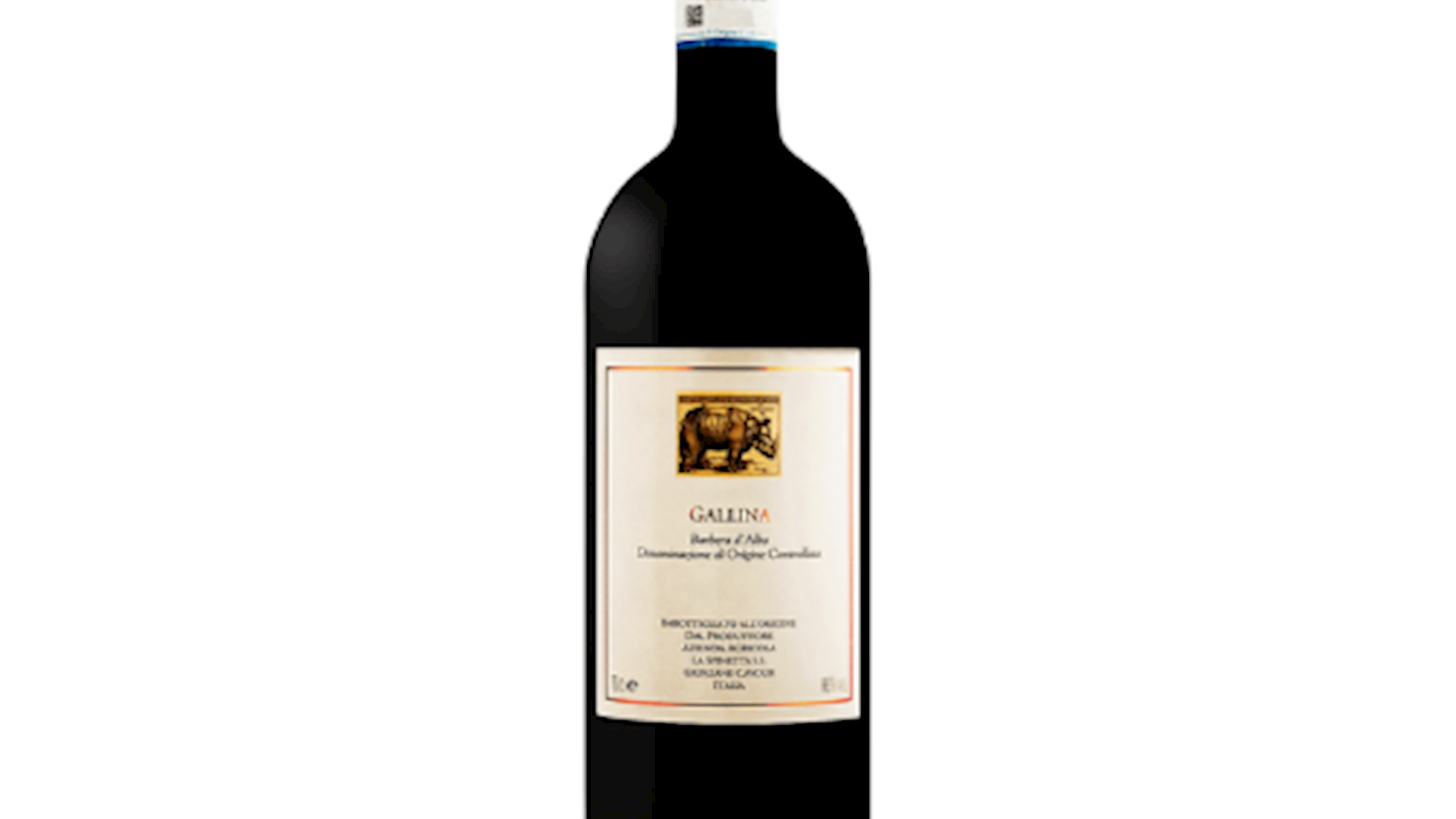
La Spinetta is a family-owned winery founded in 1977 in Castagnole delle Lanze, Piedmont, by the Rivetti family, with a clear vision of combining strong territorial identity with a modern, precision-driven approach to winemaking. Today, the estate owns vineyards in both Piedmont and Tuscany, working exclusively with estate-grown fruit and following sustainable, organically oriented practices. La Spinetta is especially renowned for its Nebbiolo-based wines, including single-vineyard Barbaresco crus such as Gallina, Starderi and Valeirano, as well as Barolo Campè, which express depth, structure and site specificity. In Tuscany, under the Casanova della Spinetta estate, the family produces Sangiovese-based wines that reflect the character of the local terroir. The house style emphasizes concentration, clarity of fruit and structural precision, supported by meticulous vineyard work and careful cellar management. The iconic rhinoceros on the label, inspired by Albrecht Dürer’s artwork, symbolizes strength, individuality and determination. Today, La Spinetta is widely regarded as one of Italy’s leading modern wineries, known for wines of character, longevity and a strong sense of place.
Awards
Vivino - 4.2
Wine-Searcher - 91/100
02

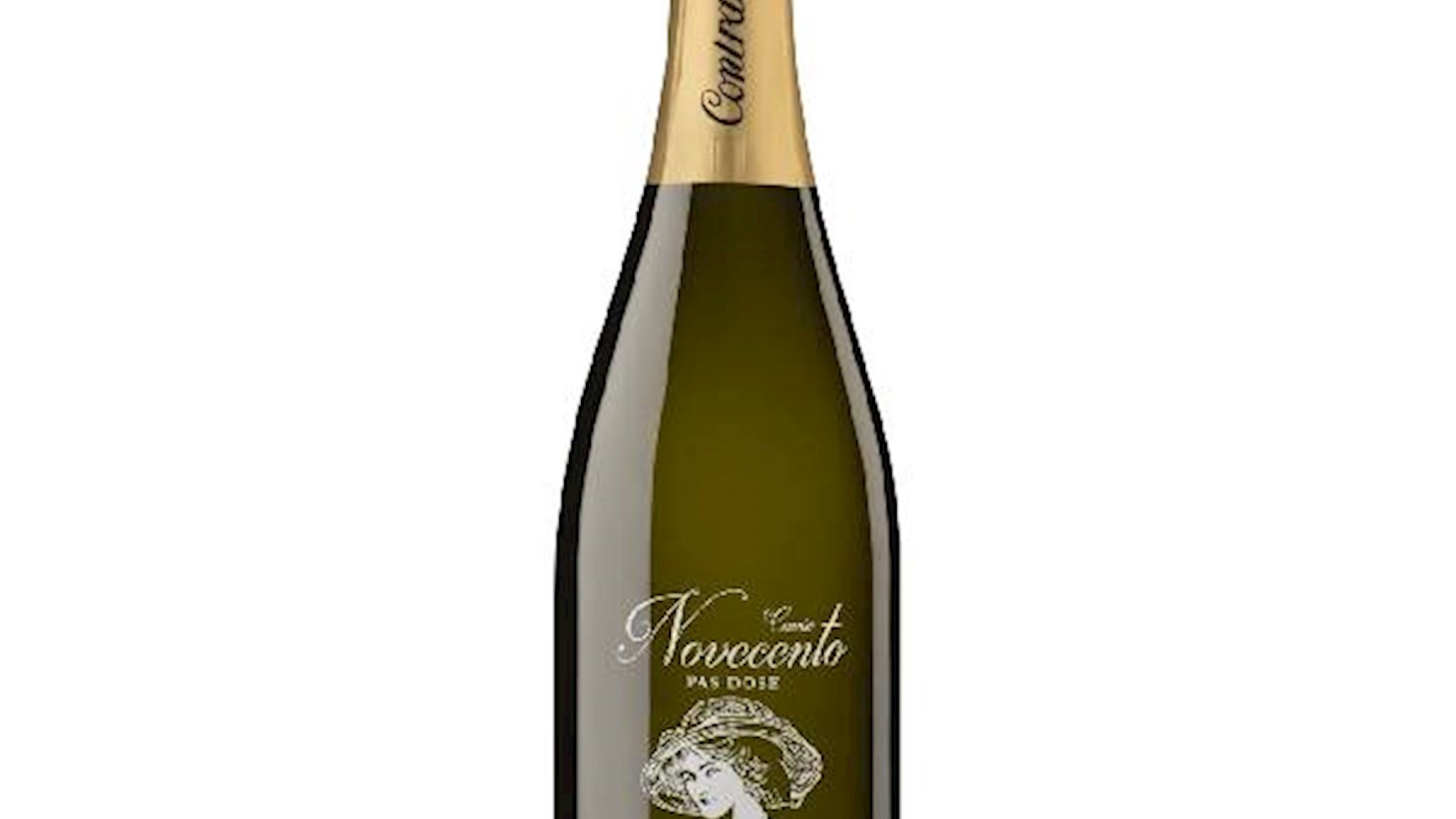
Contratto Winery

4.4 ·
Contratto is a renowned Italian wine producer, known for its long-standing tradition and innovations in the world of sparkling wines. In addition to sparkling wines, since 1920, they have also been producing vermouths and liqueurs, using original recipes that have remained unchanged. Today, the winery is part of the UNESCO World Heritage thanks to its historic cellars, known as the "Cathedral of Wine," which were manually excavated and span 5,000 square meters. Contratto continues to blend tradition and innovation, crafting high-quality wines that captivate wine enthusiasts around the globe.
03

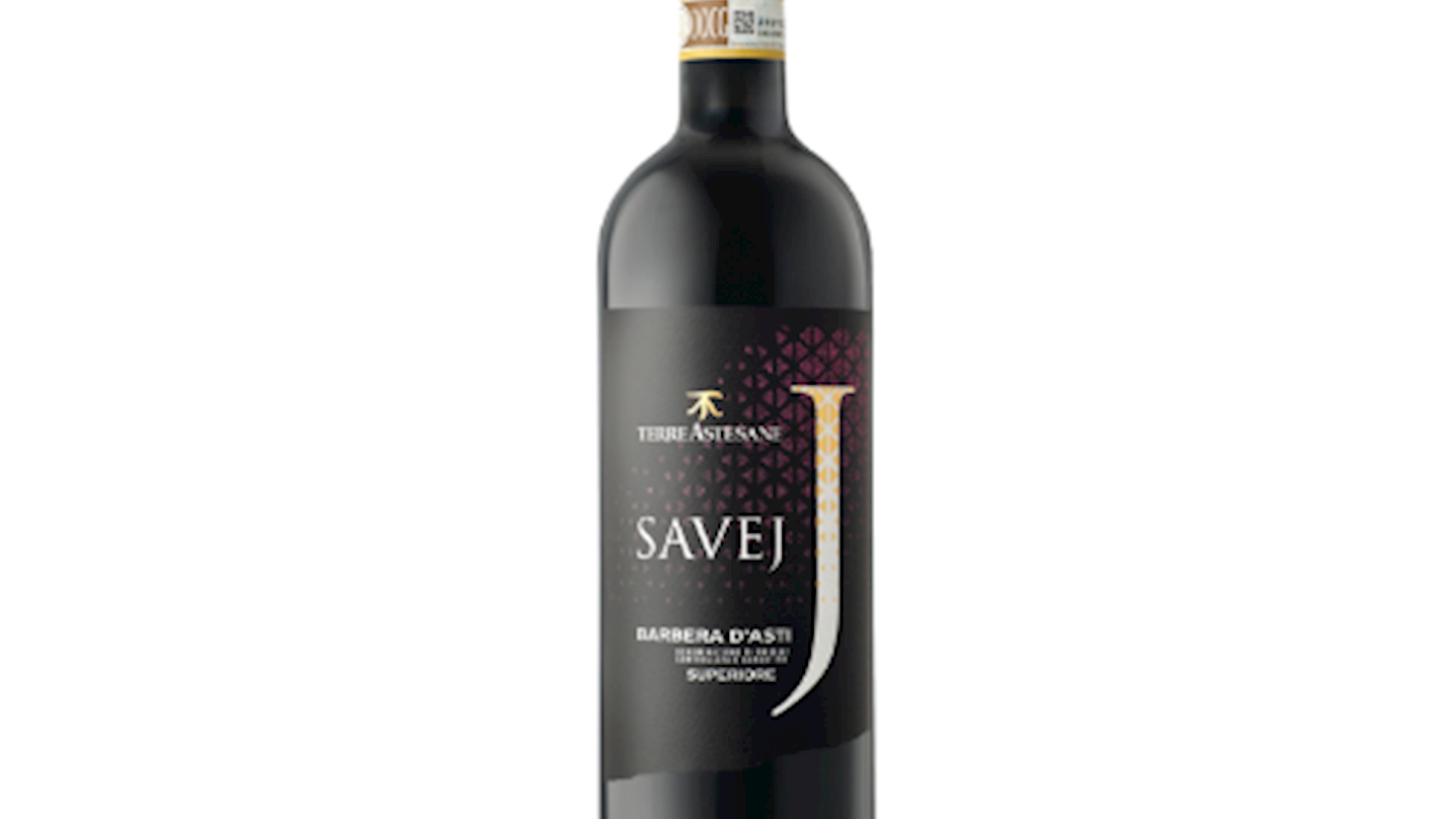
Cantina Terre Astesane Mombercelli

4.2 ·
Cantina Terre Astesane Mombercelli is a historic cooperative winery from Piedmont, founded in 1901 in the town of Mombercelli, at the heart of the Asti and Monferrato wine areas. It brings together numerous local growers who cultivate vineyards across the surrounding hills, working collectively to preserve and promote the region’s traditional grape varieties. The winery focuses on classic Piedmont denominations such as Barbera d’Asti, Nizza DOCG, Grignolino, Dolcetto, Ruchè, and Moscato d’Asti, as well as selected white varieties like Cortese and Arneis. Its wines are shaped by the hilly landscape and calcareous soils typical of the area, resulting in expressive aromas, lively acidity, and strong varietal identity. Cantina Terre Astesane Mombercelli combines long-standing winemaking heritage with modern production standards, offering a wide portfolio that ranges from everyday wines to more structured and appellation-driven labels. The cooperative plays an important role in preserving local viticultural traditions while making Piedmontese wines accessible and consistent in quality.
Awards
Vivino - 4.0
Wine-Searcher - 89/100

Best Province of Asti Wine Appellation Types
01

Moscato d'Asti

4 ·

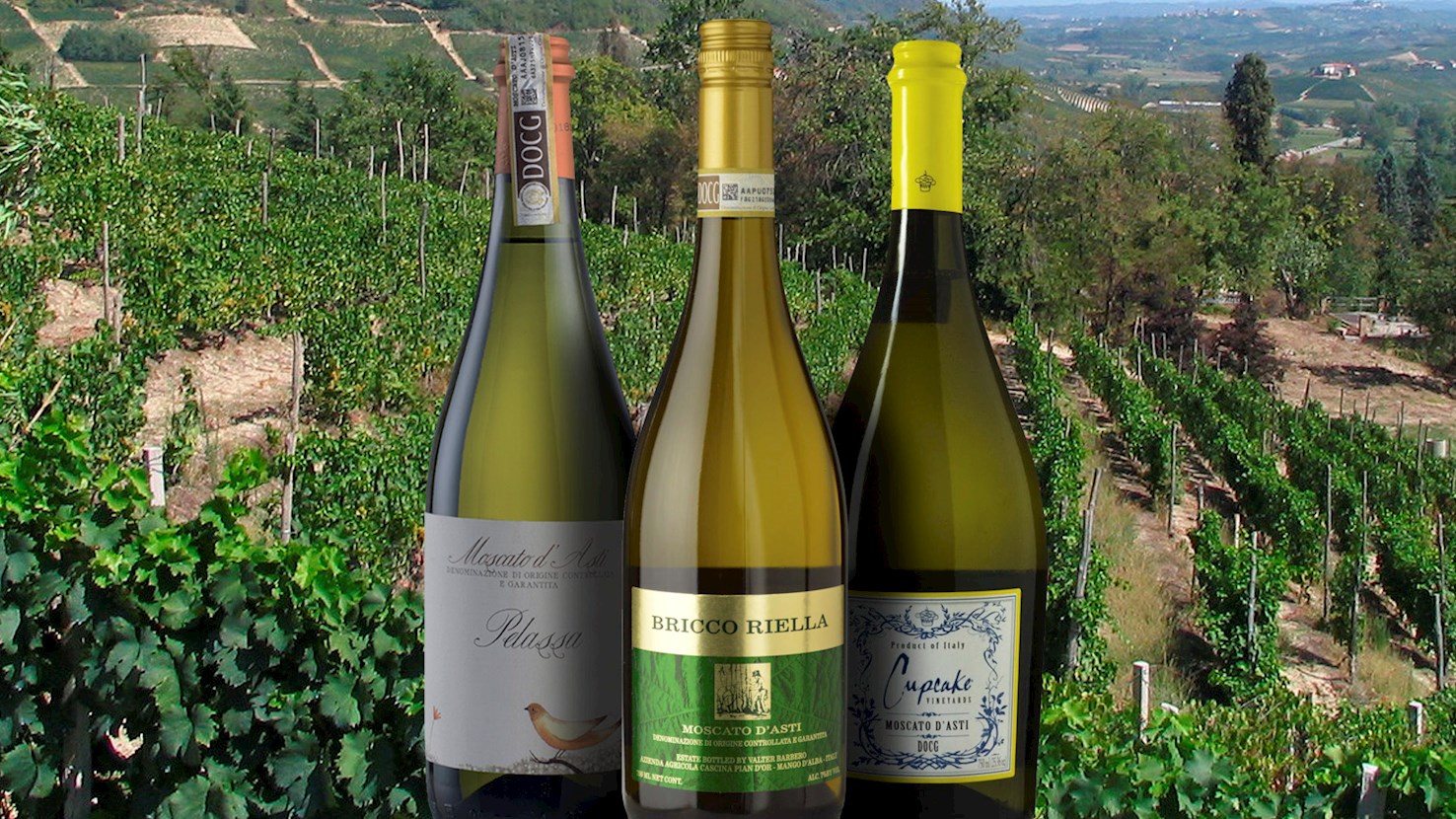
Made entirely from the Moscato Bianco grapes, Moscato d'Asti is a fragrant, not overly sweet fizzante (semi-sparkling) wine that is produced mainly in the province of Asti and the nearby Alessandria and Cuneo. The wine is delicate, floral, and aromatic, with hints of peach, apple, pear, pineapple, sage, lime, and orange. Because it is sweet and low in alcohol, it naturally pairs with desserts, especially those made with apples, berries, peaches, hazelnut, and lemon, but it also works well with fresh salads, charcuterie, antipasto plates, or cheese. The wine should not be confused with Asti Spumante, a fully sparkling version that falls under the same Asti DOCG.

02

Asti Spumante

3.3 ·

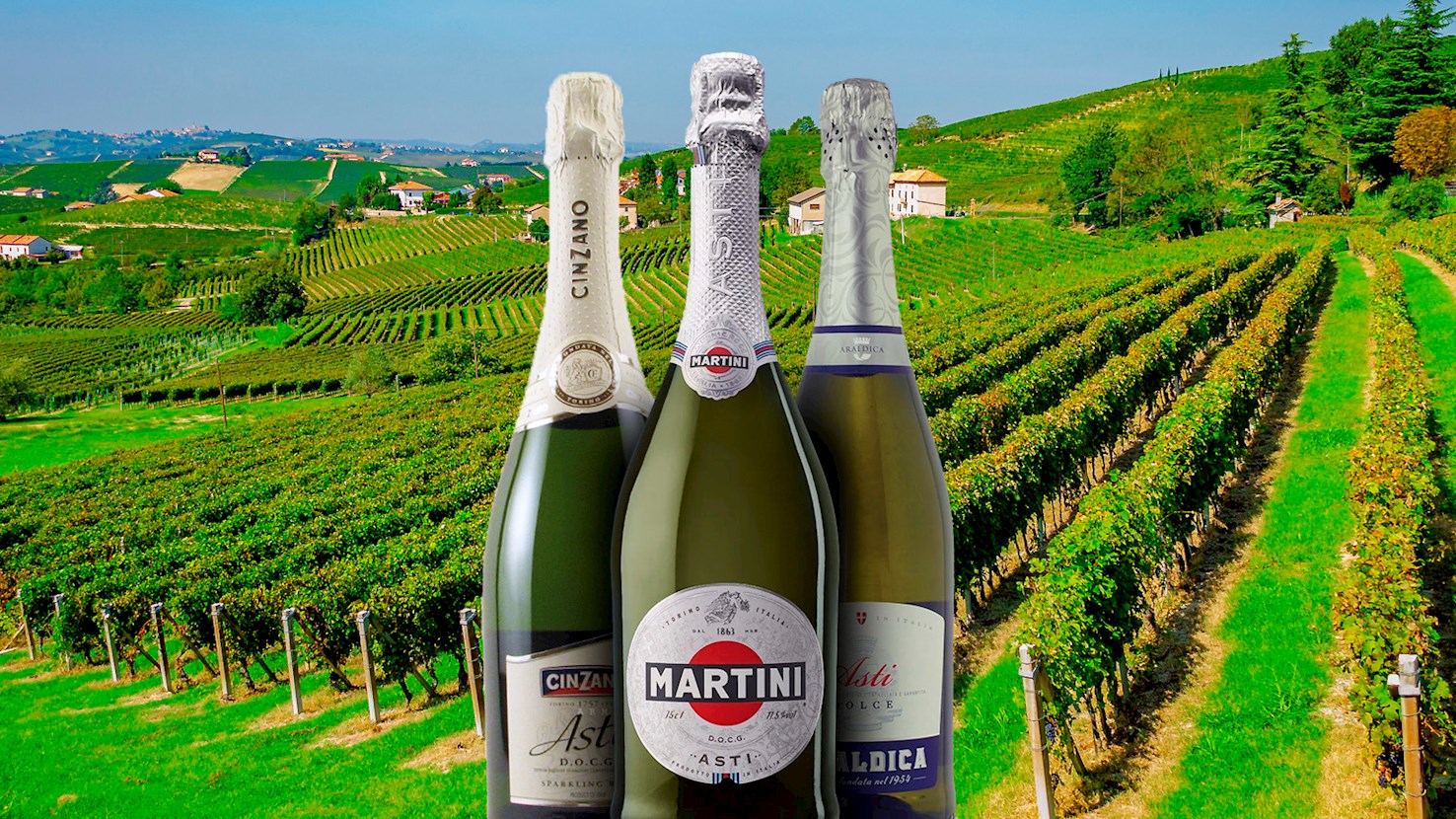
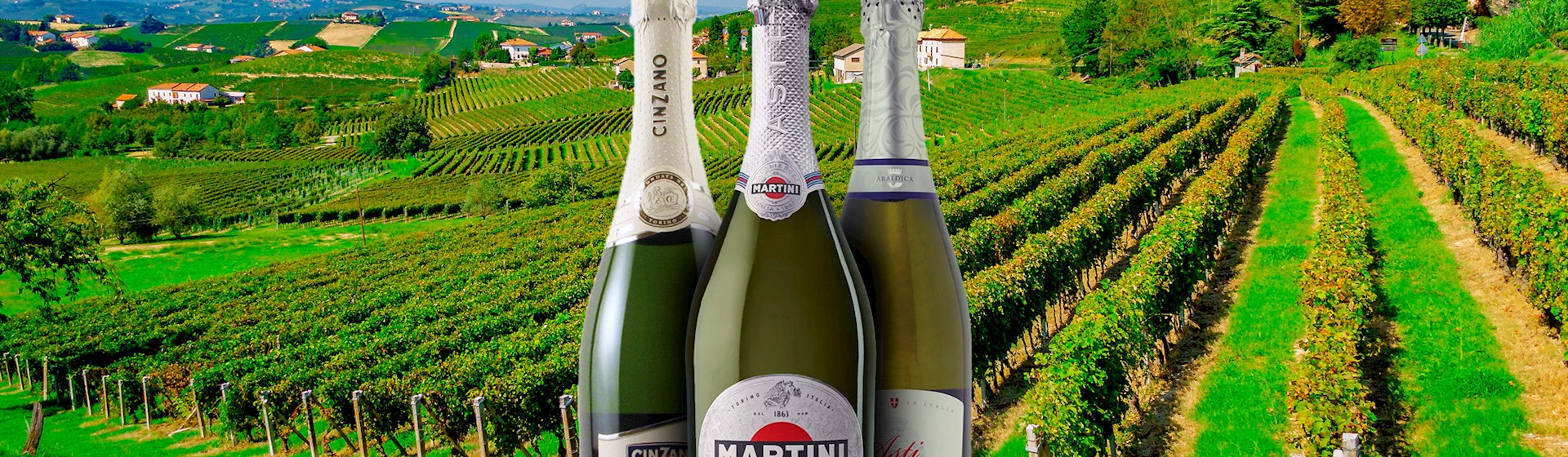
Asti Spumante is a fully sparkling wine produced under Asti DOCG appellation. It is made from Moscato Bianco grapes and most commonly by Charmat method, in which fermentation takes place in pressurized tanks. If it is made using the traditional method, where the wine undergoes a second fermentation in the bottle, it is labeled Asti Spumante metodo classico. The best examples of Asti Spumante are light, fresh, and sweet, without being cloying. Flavors and aromas are floral and fruity, reminiscent of peaches, pears, oranges, acacia, and honeysuckle. Asti Spumante wines are traditionally paired with desserts, but they also make a great aperitif and go well with charcuterie. The same appellation also includes the more prestigious Moscato d'Asti. Though the wines are often mixed up, Asti Spumante has more bubbles, slightly higher alcohol content (between 7 and 9% ABV), and less aromatic complexity than Moscato d'Asti. Asti Spumante is usually more affordable.

03

Grignolino d’Asti

n/a ·

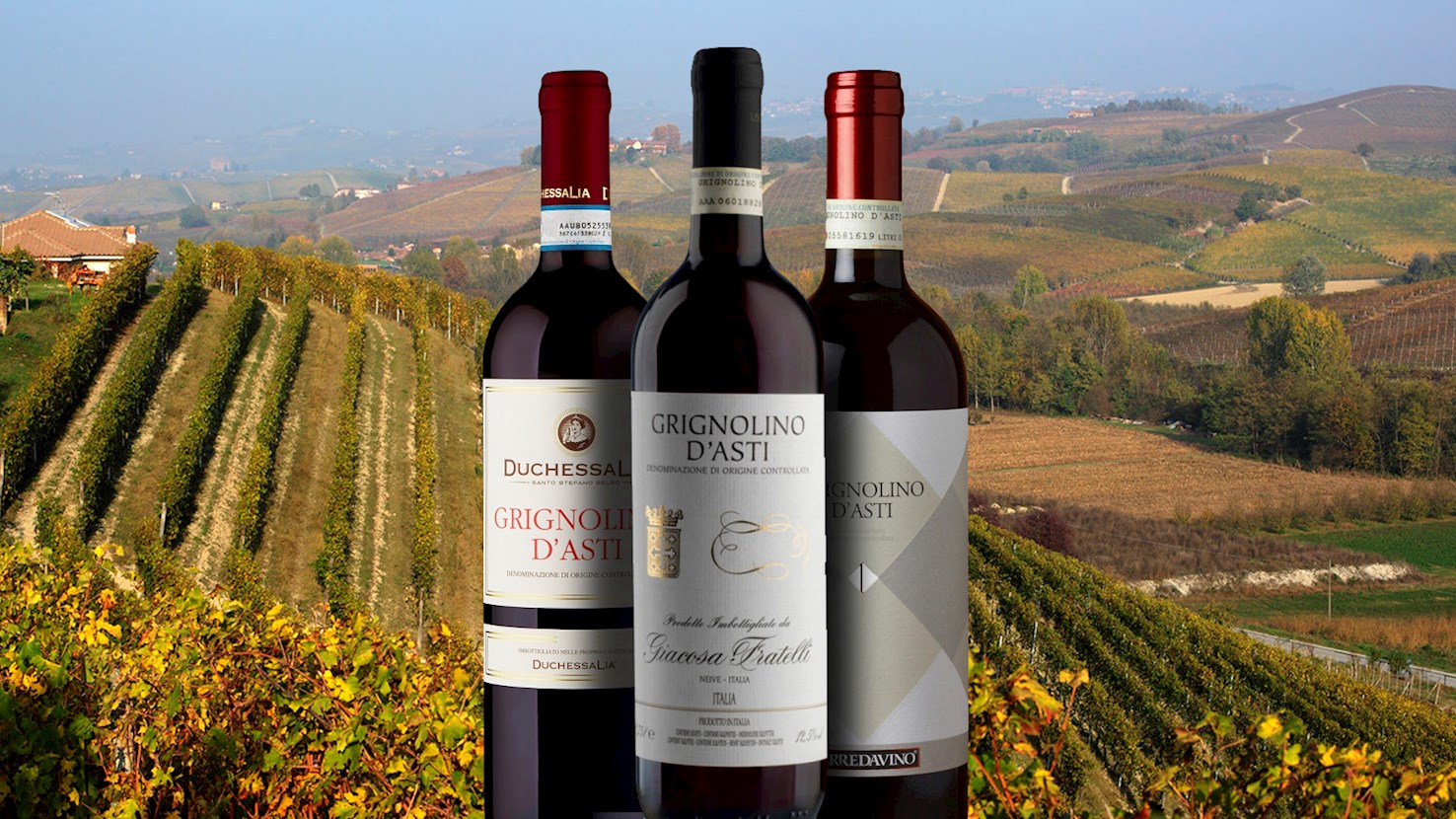
This red Italian wine is produced in the province of Asti with Grignolino as its principal grape variety. The wines produced in the region are fresh, bright, and pleasant, with light tannins and good acidity. They typically display delicate floral aromas with subtle underlying notes of berries and spices. Usually described as food friendly, they can be enjoyed with cold cuts, pasta dishes, or soups, as well as poultry, red meat, and fish courses.

04

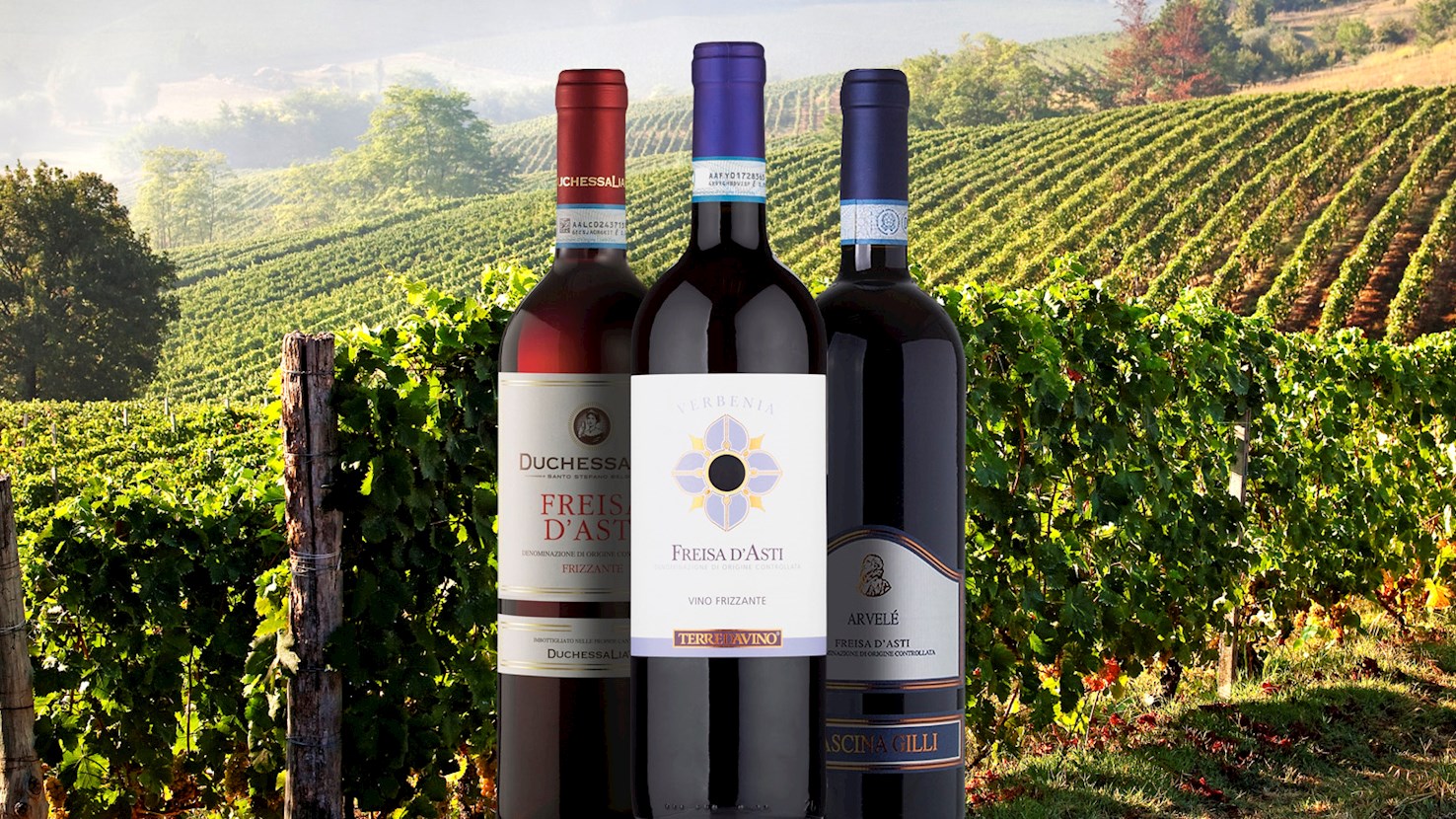
Freisa d’Asti

n/a ·

Produced in the province of Asti, this red Italian wine is exclusively made from Freisa grape variety. The region predominantly produces still red wine that is characterized by its floral and fruit notes, reminiscent of roses and raspberries. Freisa d’Asti can benefit from aging, and its Superiore label must be aged for a minimum of 12 months. The wines pair well with northern Italian classics such as pasta and ragù sauces, bagna càuda, ravioli alla Genovese, and charcuterie. Apart from dry version, the wine also comes as a sparkling (spumante) variety that is typically enjoyed as an aperitif or an accompaniment to antipasti plates and seafood.

05

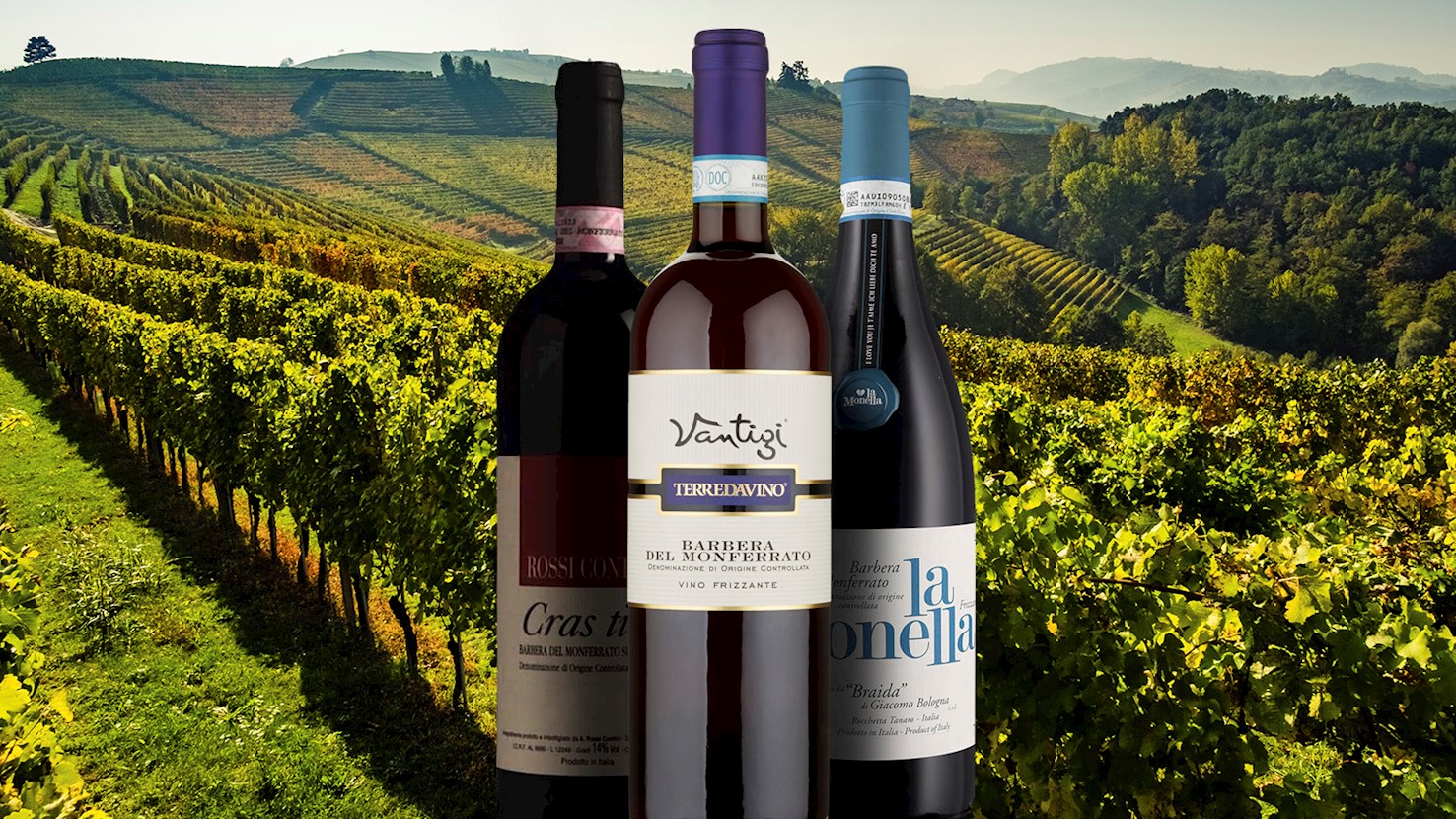
Barbera del Monferrato

n/a ·

This ruby red wine is produced in the provinces of Asti and Alessandria in Piedmont. The wine must be made with a minimum of 85% of Barbera grapes, while the rest may be made up with Freisa, Grignolino, and Dolcetto. Barbera del Monferrato is typically medium-bodied and comes as a dry, still wine that is less robust than other Barbera-based wines. The wine is characterized by the notes of ripe fruit, low tannins, and well-structured acidity, which makes it work well with charcuterie, meat or tomato-based pasta dishes, and braised, grilled, or roasted meat.

06

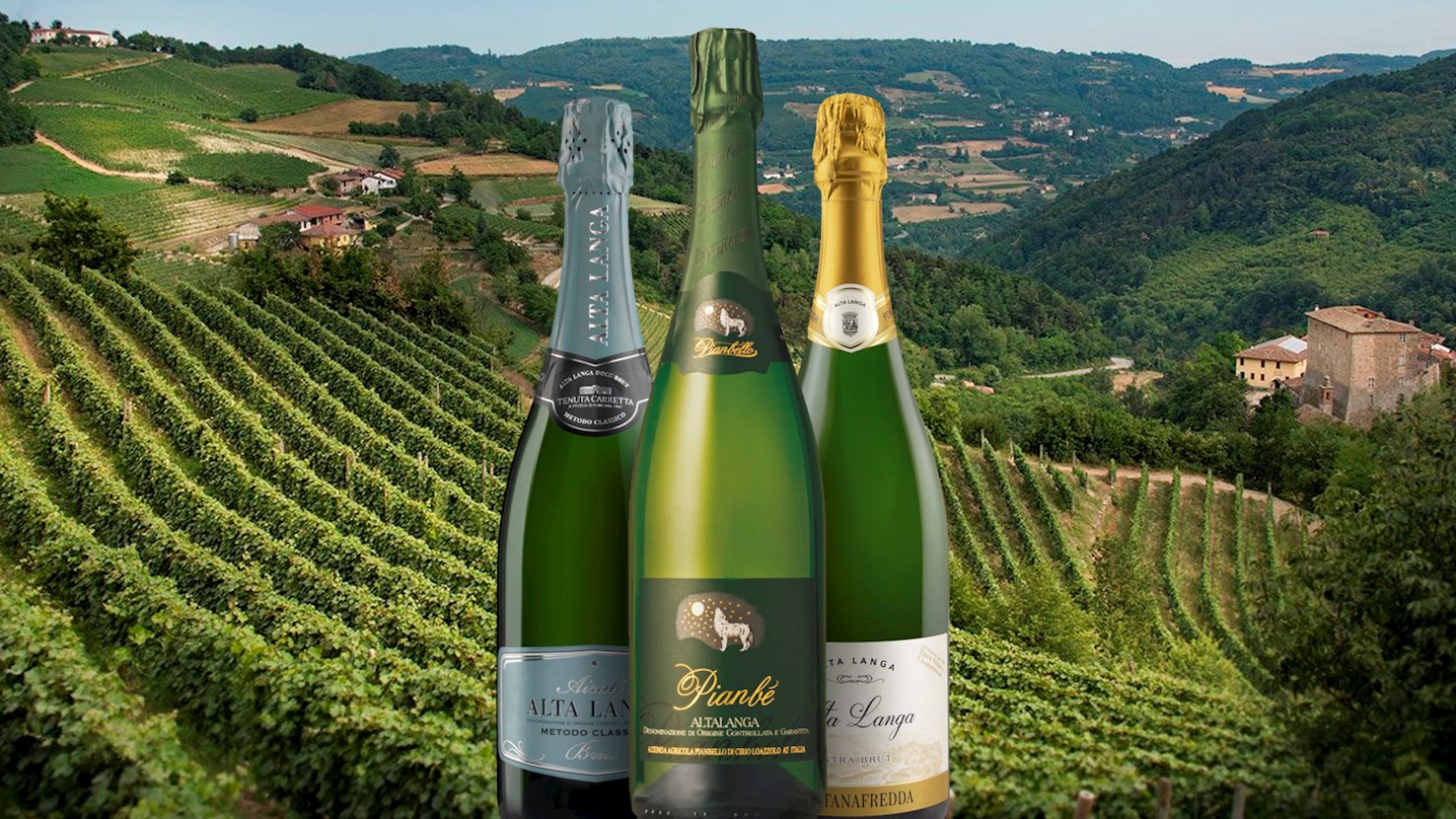
Alta Langa

n/a ·

Alta Langa is an Italian appellation for white and rosé sparkling wines located in the provinces of Alessandria, Asti, and Cuneo. Chardonnay and Pinot Nero (Pinot Noir) are the principal grape varieties in the appellation. All the wines are produced with the traditional method (metodo classico or méthode champenoise) in which the second fermentation takes place in the bottle. Although the appellation was only recognized in 2011, the history of these sparkling wines dates back to the 19th century. Typical aromas found in these bright and velvety sparkling wines include white and exotic fruit as well as notes of brioche, honey, and butter. Alta Langa wines can be enjoyed with all courses, including appetizers, light fish or meat dishes, or desserts.

07

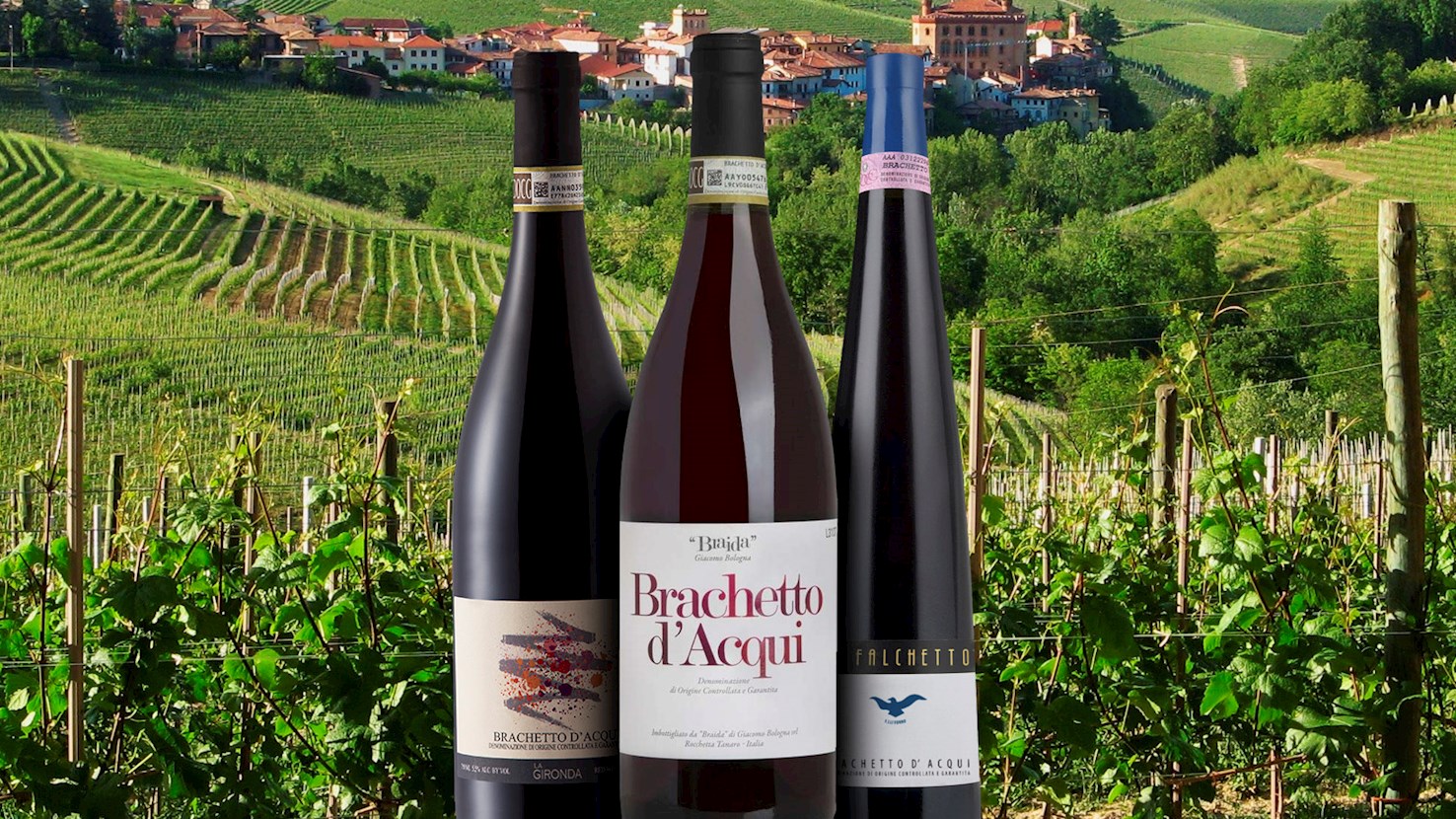
Brachetto d’Acqui

n/a ·

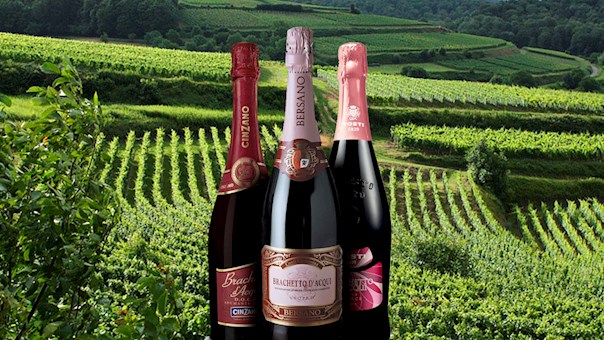
Brachetto d’Acqui is an Italian appellation located in Piedmont, in the provinces of Asti and Alessandria. All the wines are produced with the local Brachetto grape, and they come in several styles, including still red wine that can be lightly fizzy, as well as sparkling spumante version and the subtly sweet passito style. The predominant style is a light-bodied ruby red wine that usually displays floral and fruity aromas reminiscent of roses, strawberries, and raspberries. These wines are best enjoyed young, and they are usually paired with appetizers or desserts, but they also make an excellent aperitif and can also be used as an ingredient in long drinks.

08

Canelli

n/a ·

Canelli refers to a sparkling white wine produced in and around the town of Canelli in the province of Asti, within the Piedmont of Italy, and is regulated under the Canelli DOCG, made exclusively from the Moscato Bianco grape and distinguished from Asti and Moscato d’Asti by production method and structure. The wine’s development is tied to Canelli’s long-standing role as a center of Italian sparkling wine production, where underground cellars and technical experimentation supported the refinement of fermentation techniques, leading to a style that favors bottle fermentation and extended contact with lees rather than rapid production for immediate sweetness. Canelli wine is produced by fermenting Moscato Bianco to full dryness or near dryness, followed by a secondary fermentation in bottle and mandatory aging on lees, which contributes stability, complexity, and a finer mousse compared to tank-fermented counterparts, with strict regulations governing minimum aging periods and alcohol levels to ensure consistency across producers. A defining aspect of Canelli is the use of the Moscato grape in a format more commonly associated with drier sparkling wines, resulting in a profile where aromatic intensity is balanced by structure and fermentation-derived elements rather than residual sugar. It is served chilled and consumed primarily as a table wine rather than a dessert wine, often at the beginning of meals or alongside light courses, and it pairs well with raw fish, shellfish, delicate appetizers, mild cheeses, and vegetable-based dishes, while also being consumed on its own in social settings where a restrained, aromatic sparkling wine is preferred over sweeter expressions.

09

Cisterna d'Asti

n/a ·

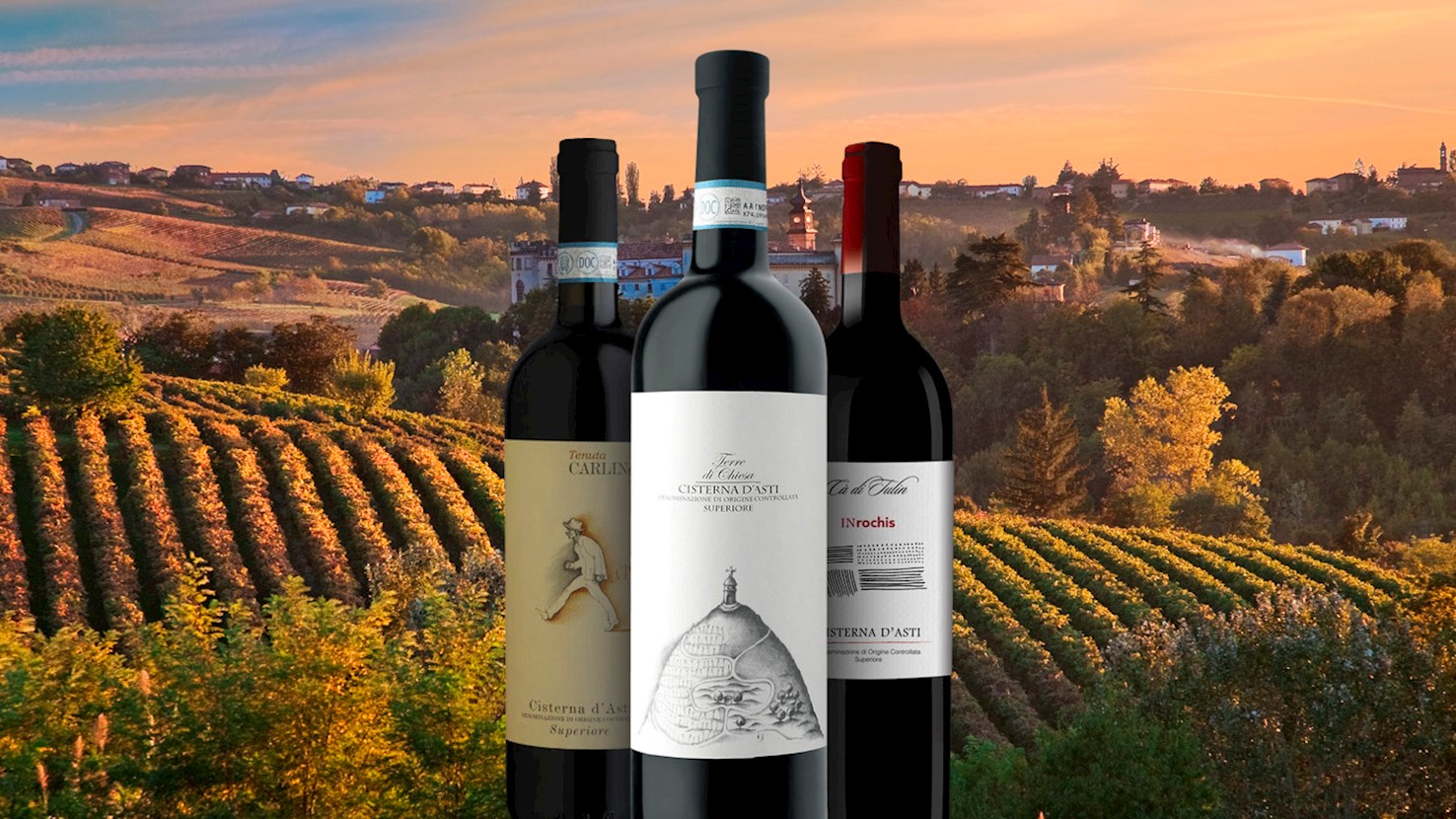
Cisterna d'Asti is an Italian appellation for red wines made from Croatina, a native Italian grape variety mostly associated with Oltrepò Pavese. The region is located in the provinces of Asti and Cuneo in Piedmont. It is a relatively new DOC introduced in 2002. Croatina has to make at least 80% of the blend, and the Superior label has to be aged for ten months. Cisterna d'Asti wines are dark, tannic, and aromatic. They usually have a fruity aroma reminiscent of red berries, often accompanied by spicy, peppery, and balsamic nuances. The wines are well structured with soft tannins, balanced freshness, and good acidity. They are best paired with charcuterie, pasta dishes, and braised or roasted red meat.

10

Malvasia di Casorzo

n/a ·

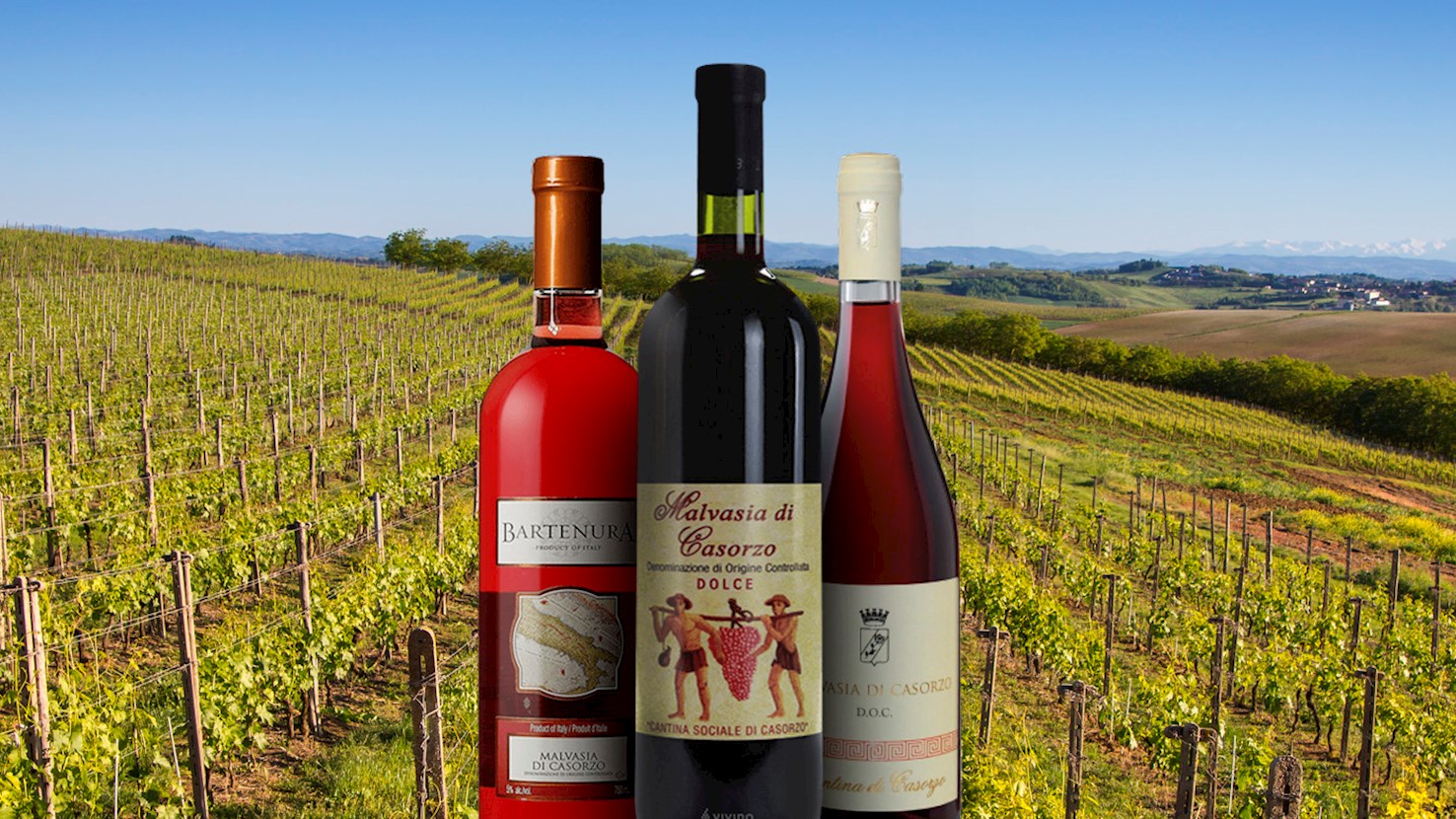
Malvasia di Casorzo is an Italian appellation located mostly around Casorzo in the province of Asti in Piedmont. The region is small and produces red wines from the local Malvasia di Casorzo—a rarely seen variety of dark-skinned Malvasia. Blending partners often include Freisa, Grignolino, and Barbera. The wines can be dry, sparkling (spumante), and sweet (passito). Malvasia di Casorzo wines are quite aromatic. They typically display floral and fruity aromas reminiscent of raspberries and currants. The wines are not overly complex, but they are pleasant and approachable, with a subtly sweet finish accompanied by some freshness. They typically have low alcohol content. Passito is slightly darker, more complex, and more aromatic.

About this ranking

TasteAtlas food rankings are based on the ratings of the TasteAtlas audience, with a series of mechanisms that recognize real users and that ignore bot, nationalist or local patriotic ratings, and give additional value to the ratings of users that the system recognizes as knowledgeable. For the “Top 15 Local Wine Appellations in the Province of Asti” list until June 15, 2026, 105 ratings were recorded, of which 72 were recognized by the system as legitimate. TasteAtlas Rankings should not be seen as the final global conclusion about food. Their purpose is to promote excellent local foods, instill pride in traditional dishes, and arouse curiosity about dishes you haven’t tried.

The initial list of top producers was compiled based on available reviews, awards, local recommendations, media and blog coverage, and consumer reviews. The list will be updated with ratings from TasteAtlas local ambassadors and TasteAtlas users.

Similar lists