Top 6 Umbrian Wine Appellations

Last updated on June 10, 2026

Best Umbrian Wine Appellations
01

Antonelli San Marco

4.5 ·
Antonelli San Marco is a family-owned winery located in the heart of Umbria, in the Montefalco area, with a winemaking tradition dating back to the late 19th century. The estate lies on gently rolling hills between 300 and 450 meters above sea level, with soils rich in clay and limestone that contribute structure and a strong sense of place to the wines. The winery is fully committed to organic viticulture, with certified vineyards and a clear focus on sustainability, biodiversity, and landscape preservation. Antonelli San Marco is especially known for its work with indigenous varieties, particularly Sagrantino and Sangiovese, expressed through wines such as Montefalco Sagrantino DOCG and Montefalco Rosso DOC. The style is defined by precision, balance, and clarity, with controlled extraction and careful use of oak. By combining deep local knowledge with modern enological practices, Antonelli San Marco produces wines that are authentic, age-worthy, and closely tied to the Umbrian terroir.
Awards
Vivino - 4.1
Wine-Searcher - 91/100
02

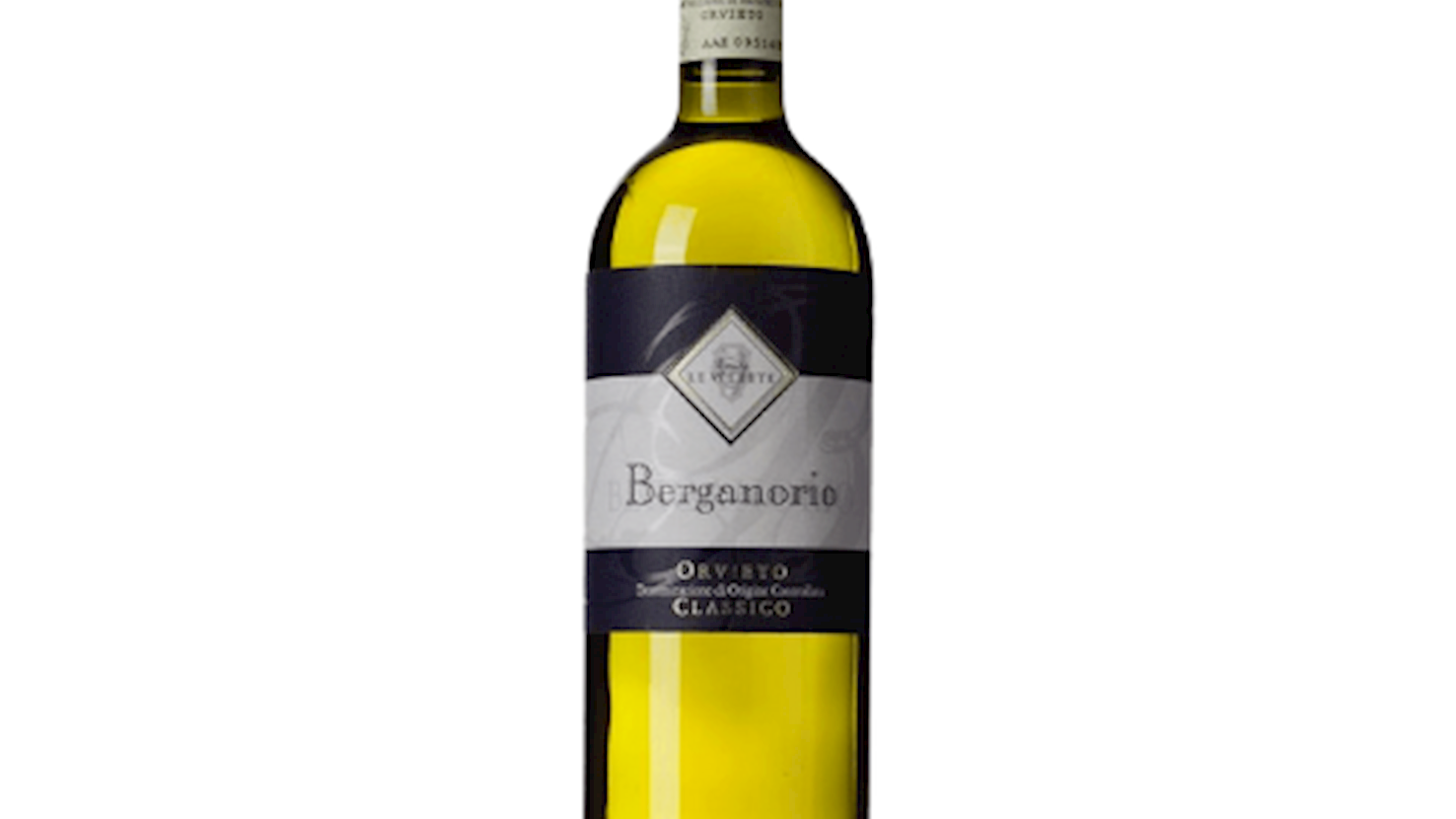
Tenuta le Velette

3.9 ·
Tenuta Le Velette is a family-owned winery located in Umbria, on the hills overlooking the historic town of Orvieto, with a winemaking tradition dating back to 1877, when the Felici family first acquired the estate. The property is deeply connected to the area’s ancient wine culture, including Etruscan underground cellars carved into volcanic tuff, which are still part of the estate today. Over time, the winery evolved from traditional farming into a modern wine producer, with a dedicated cellar built in the 1960s to support bottled wine production. Today, Tenuta Le Velette is run by the Bottai family, who continue to focus on expressing the unique character of the Orvieto terroir. The vineyards are planted on volcanic and limestone-rich soils that contribute freshness and structure to the wines. The estate is especially known for its Orvieto Classico DOC, the historic white wine of the area, alongside a broader range of white and red wines made from both local and international varieties. Tenuta Le Velette combines historical heritage, site-driven viticulture, and a strong sense of place, offering wines that reflect the long-standing winemaking identity of Orvieto.
Awards
Vivino - 3.7
Wine-Searcher - 87/100

Best Umbrian Wine Appellation Types
01

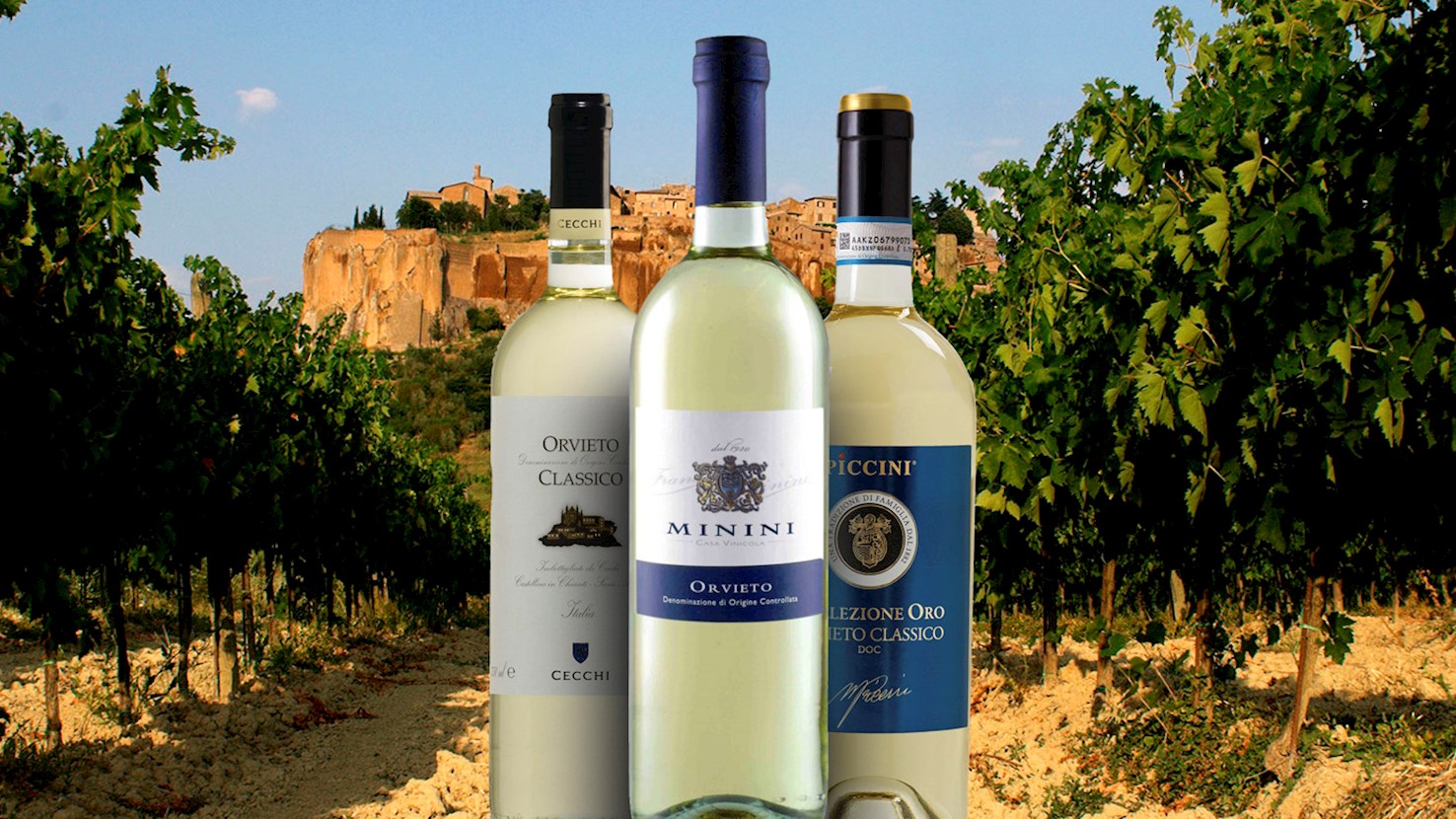
Orvieto DOC

3.3 ·

Orvieto is the most important wine appellation for white wine in Umbria. The wines produced in the region are based on Grechetto (minimum 60%), while the blends often also include Trebbiano Toscano (locally known as Procanico) or other permitted white varieties. Although the appellation also covers sweet wines—including noble rot style Muffa Nobile and late harvest Vendemmia Tardiva—which were once flagship styles, modern production is mostly oriented towards light and approachable dry white wines. Dry styles are easy-drinking, straw-colored wines that usually have a clean and crisp character and moderate acidity. The aromas are reminiscent of white fruit, white flowers, and hazelnuts, while the best examples, mainly those from the Classico subzone, often have a mineral profile. They can also have a slightly bitter aftertaste. The appellation covers the Classico label produced from the grapes cultivated in the oldest and best locations around Orvieto and the Superiore label that has to be aged for at least four months and reach 12% ABV. Dry Orvieto wines pair well with vegetables of fish soups, seafood, pasta dishes, pizza, appetizers, and light meat dishes. They can also make an excellent aperitif. Most of the appellation is located in Umbria, with only a small part in the neighboring Lazio.

02

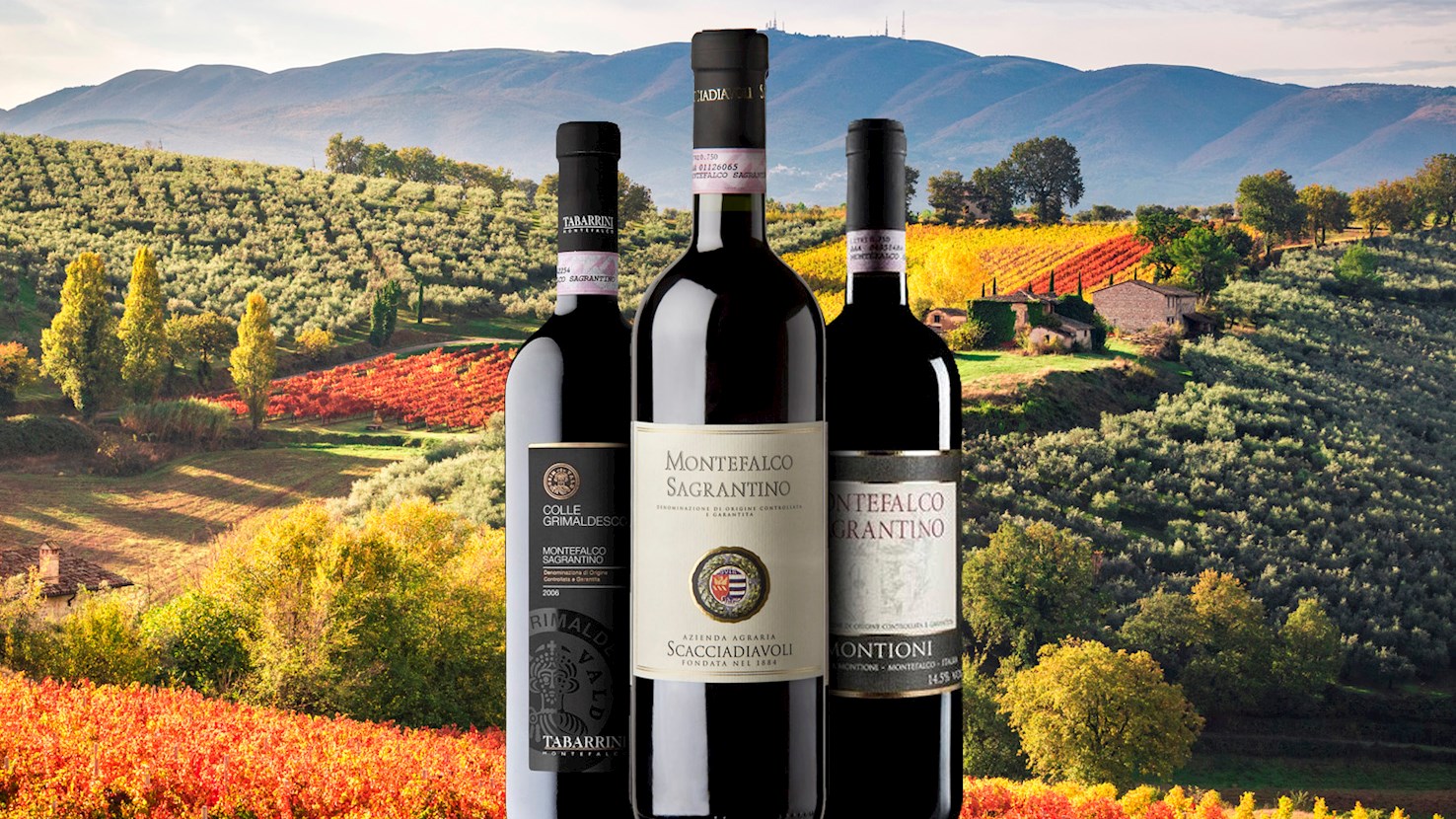
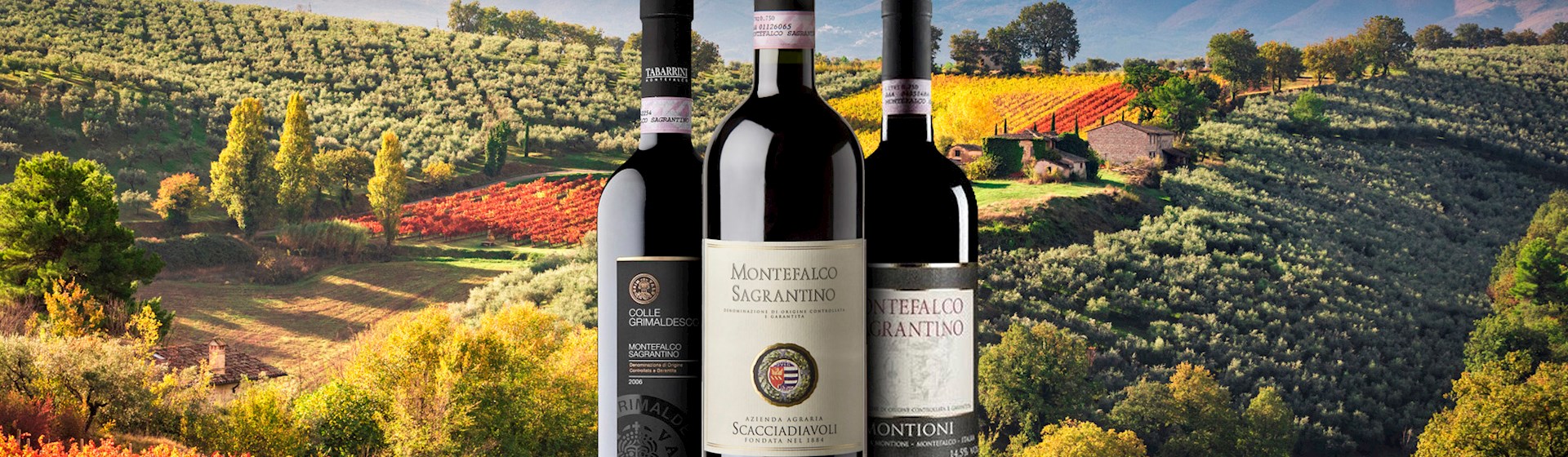
Montefalco Sagrantino

n/a ·

Montefalco Sagrantino is an Italian appellation for dry red wines that are made exclusively from the local Sagrantino grapes. The wines are incredibly tannic, full-bodied, and powerful, with delicate aromas of red and dark fruits, star anise, as well as hints of violets, tobacco, vanilla, licorice, and leather. Because of high tannins, Montefalco Sagrantino ages exceptionally well, and though the minimum aging period is 37 months, out which one year must take place in oak, most varieties will benefit from longer aging. It is also recommended to decant the wine before serving. These bold wines are best matched with roasted meat, lamb, game, truffles, stews, and aged cheese.

03

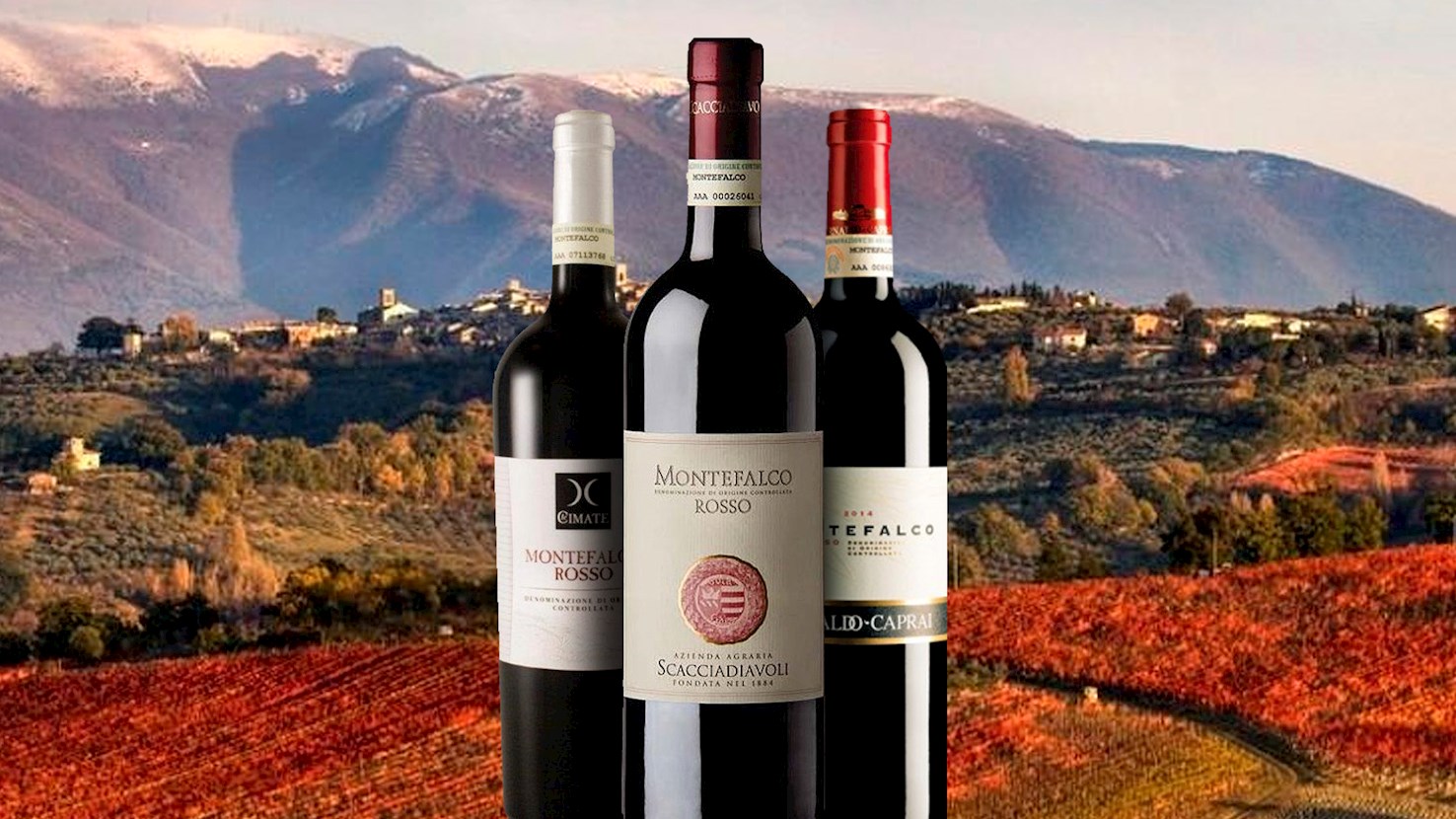
Montefalco Rosso

n/a ·

Montefalco Rosso is an Italian appellation located in Umbria that produces fruity red wines with at least 60% Sangiovese and a minimum of 10% Sagrantino grapes. The rest of the blend can be made with other red grapes cultivated in the region. Montefalco Rosso will usually have a fruity and subtly spicy character, pleasant acidity, and well-structured tannins. These wines are not over-powering and may be enjoyed with various courses, but they work especially well with white meat, pasta dishes, charcuterie, soups, and vegetables.

04

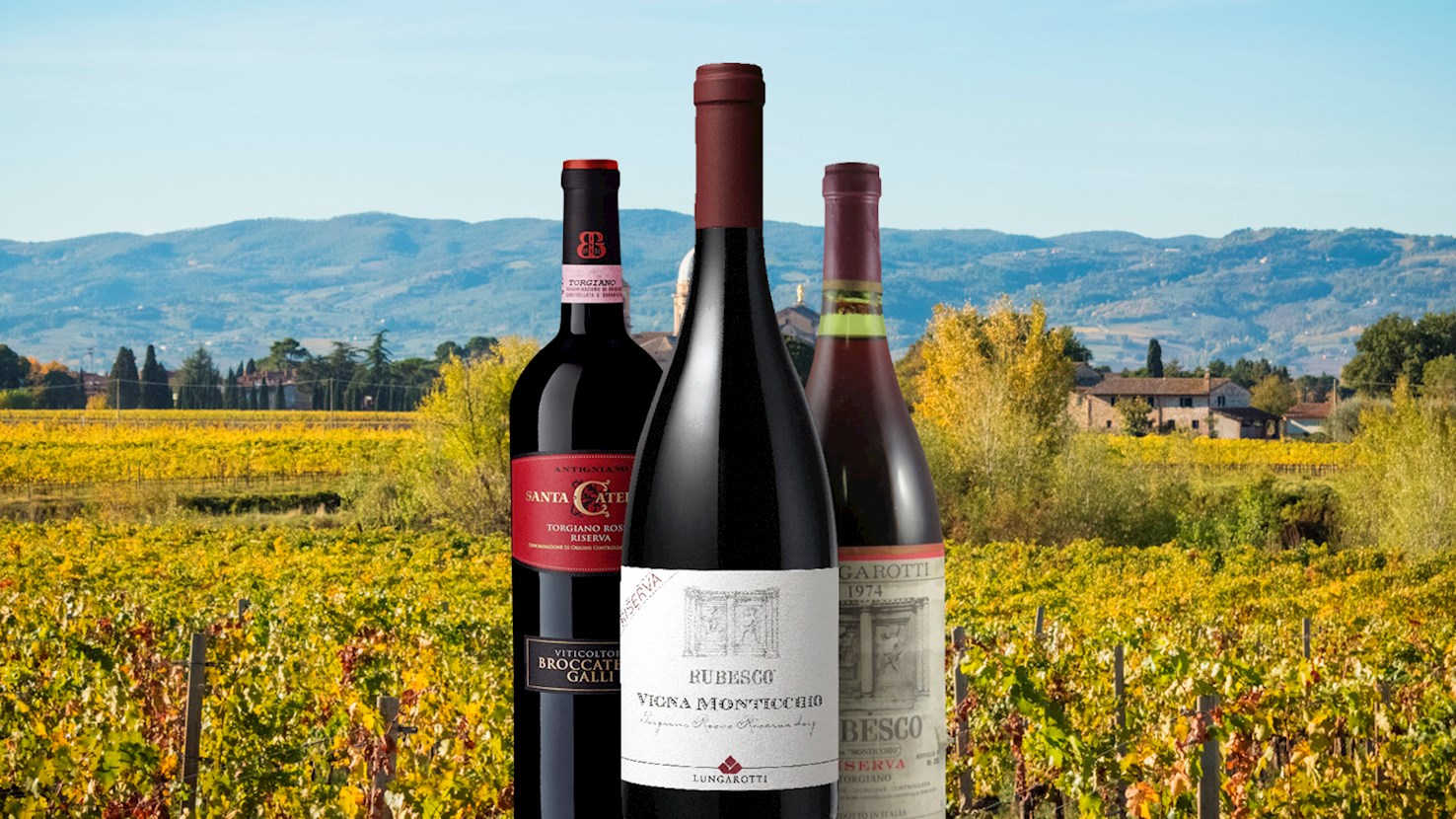
Torgiano Rosso Riserva

n/a ·

Torgiano Rosso Riserva is an Italian DOCG appellation located around Torgiano, Perugia. The region produces complex and elegant red wines based on Sangiovese, which has to make a minimum of 70 %. Other permitted varieties include Cabernet Sauvignon, Merlot, Canaiolo, and Colorino. The wines are floral and fruity, with aromas that are reminiscent of violets, roses, cherries, and plums. These wines can age exceptionally well. As they age, they tend to develop jammy, toasty, and leather notes with hints of spice. On the palate, they are incredibly well structured, powerful, and round, with good acidity, freshness, and fine tannins. Because of their complexity, Torgiano Rosso Riserva wines are best paired with rich meat dishes, meat ragus, and game. They are a good pairing with mushrooms and truffles.

05

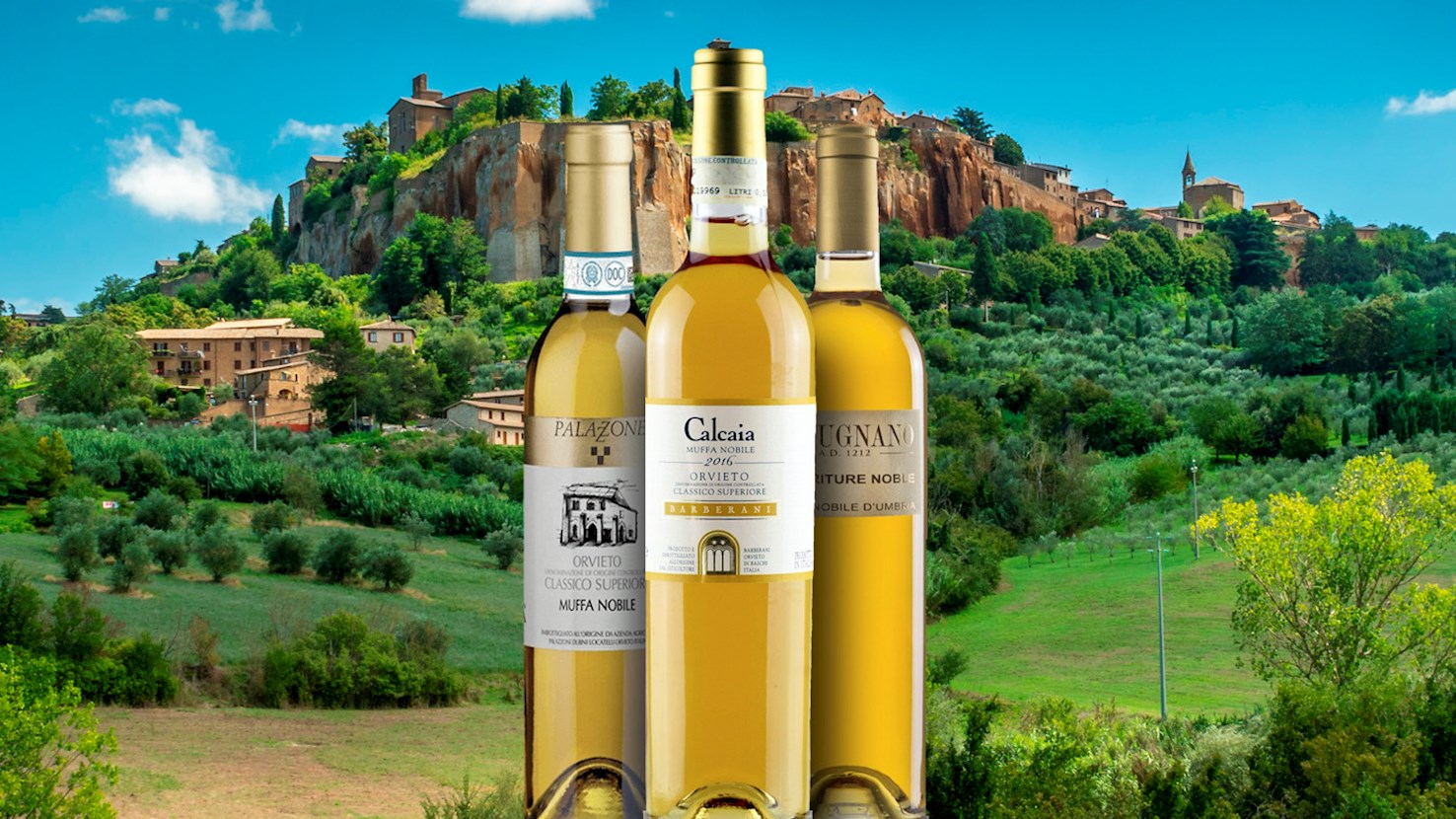
Muffa Nobile Orvieto

n/a ·

Muffa Nobile Orvieto is a sweet, botrytized wine that belongs to Orvieto DOC—the appellation mostly located in Umbria and based on Grechetto grapes. Apart from dry white wines, which became a predominant style in recent years, the region has long been known for its distinctive sweet wines, which were even favored by the popes who spent their summers at Lake Corbara. To make this wine, the grapes are left on the vine until the flavor develops and sugar gets super concentrated. In the fall, as the moisture increases, the grapes are usually affected by a fungus called Botrytis cinerea (noble rot). This is the desired process in winemaking, which intensifies sweetness and flavor in the grapes, giving the wine a somewhat honey-like character. These prized wines are rich, thick, and sweet but remain well balanced with subtle acidity. Their color can range from golden yellow to amber. On the palate, they are long, soft, and harmonious, while the aromas are often reminiscent of dried and caramelized fruit, honey, yellow flowers, and candied citrus zest. This wine is a natural pairing with desserts, but it can also pair well with spreads, pâtés, and cheese.

06

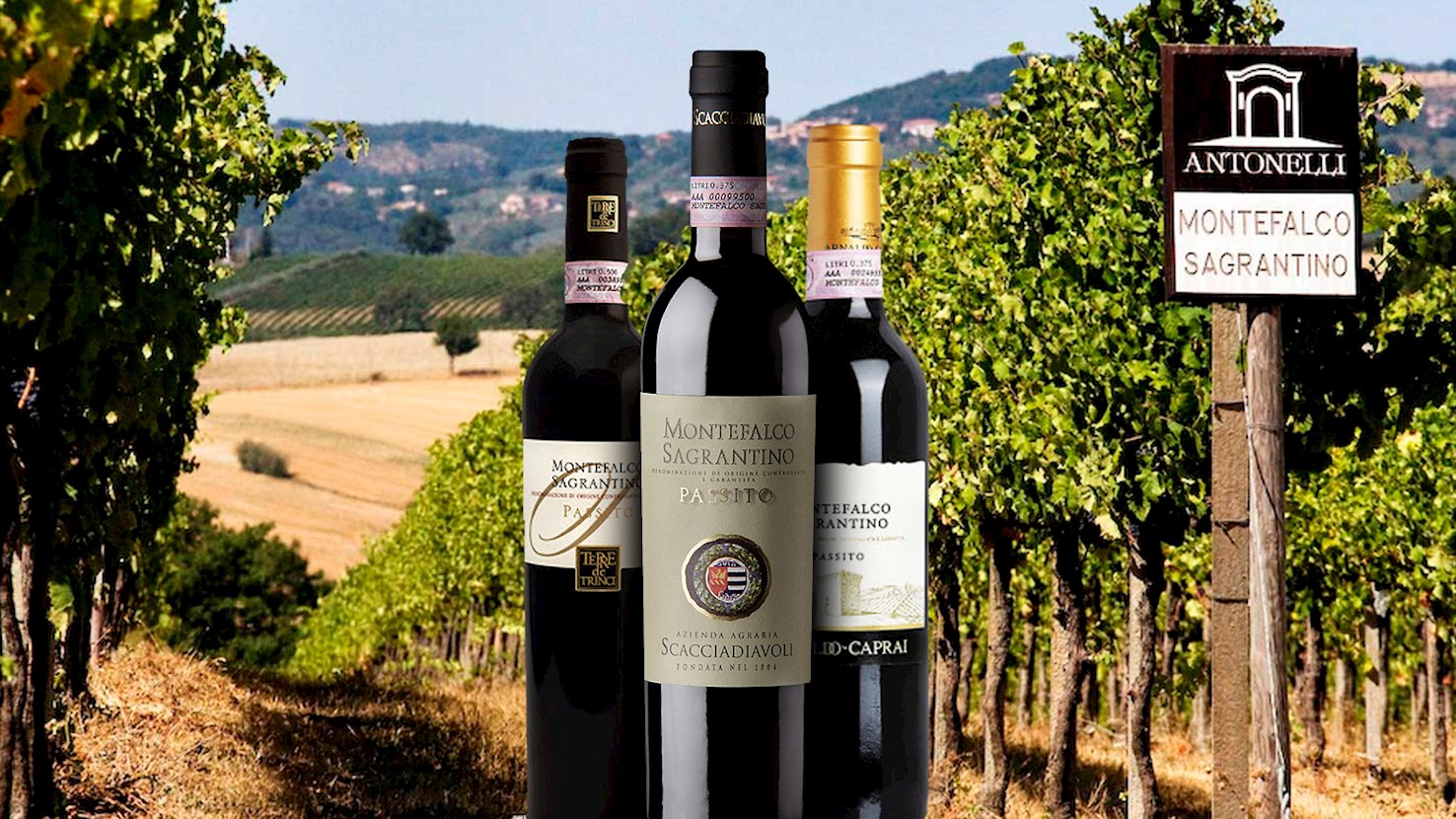
Montefalco Sagrantino Passito

n/a ·

Montefalco Sagrantino Passito is an Italian appellation for sweet dessert wines made from the local Sagrantino grape variety. These straw (passito) wines are made with grapes that were air-dried for two months. The process results in concentrated, smooth, dense, and full-bodied wines with typical fruit jam notes and well-balanced acidity. They are best paired with dry desserts and creamy or aged cheese varieties. These wines belong to the larger Montefalco Sagrantino appellation that also includes dry red wines.

Read more
View all
View map
About this ranking

TasteAtlas food rankings are based on the ratings of the TasteAtlas audience, with a series of mechanisms that recognize real users and that ignore bot, nationalist or local patriotic ratings, and give additional value to the ratings of users that the system recognizes as knowledgeable. For the “Top 6 Umbrian Wine Appellations” list until June 10, 2026, 16 ratings were recorded, of which 8 were recognized by the system as legitimate. TasteAtlas Rankings should not be seen as the final global conclusion about food. Their purpose is to promote excellent local foods, instill pride in traditional dishes, and arouse curiosity about dishes you haven’t tried.

The initial list of top producers was compiled based on available reviews, awards, local recommendations, media and blog coverage, and consumer reviews. The list will be updated with ratings from TasteAtlas local ambassadors and TasteAtlas users.

Similar lists