

Top 5 Local Wine Appellations
in the Valtellina

Last updated on June 04, 2026
01

Sassella

n/a ·

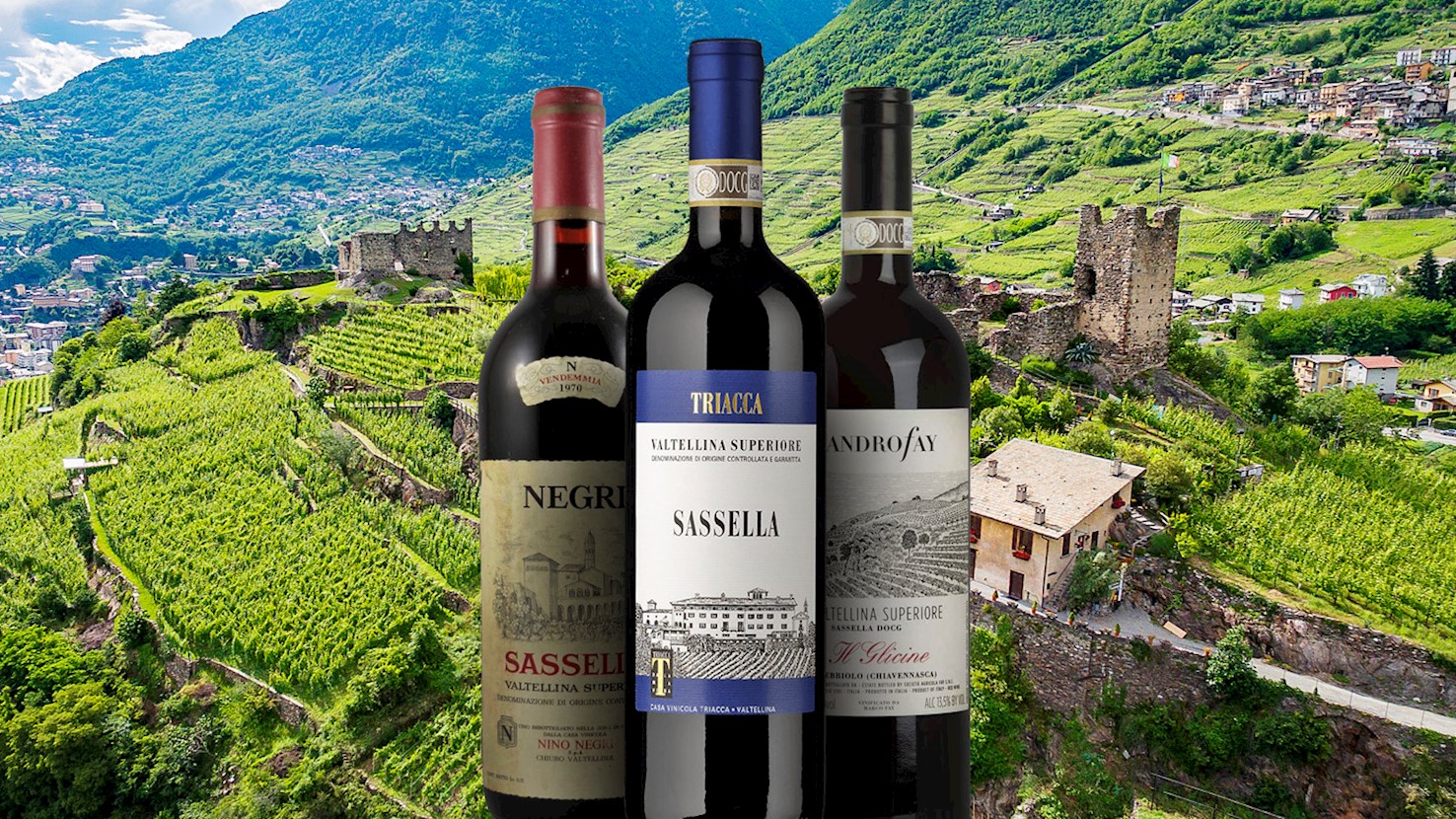
Sassella is one of the subregions of the Valtellina Superiore appellation in Lombardy. Considered one of the finest Valtellina areas, Sassella is the second-largest subzone, located on the steep slopes west of Sondrio. Like all Valtellina wines, they are made with a minimum of 90% Nebbiolo, locally known as Chiavennasca. The location gets a lot of sunlight, resulting in rich and concentrated wines with aromas of red fruit and roses, often with hints of plums and licorice. On the palate, the wines are smooth and elegant, with well-integrated tannins. They will typically benefit from age. Sassella wines pair well with red meat, game, and local specialties.

02

Sforzato di Valtellina

n/a ·

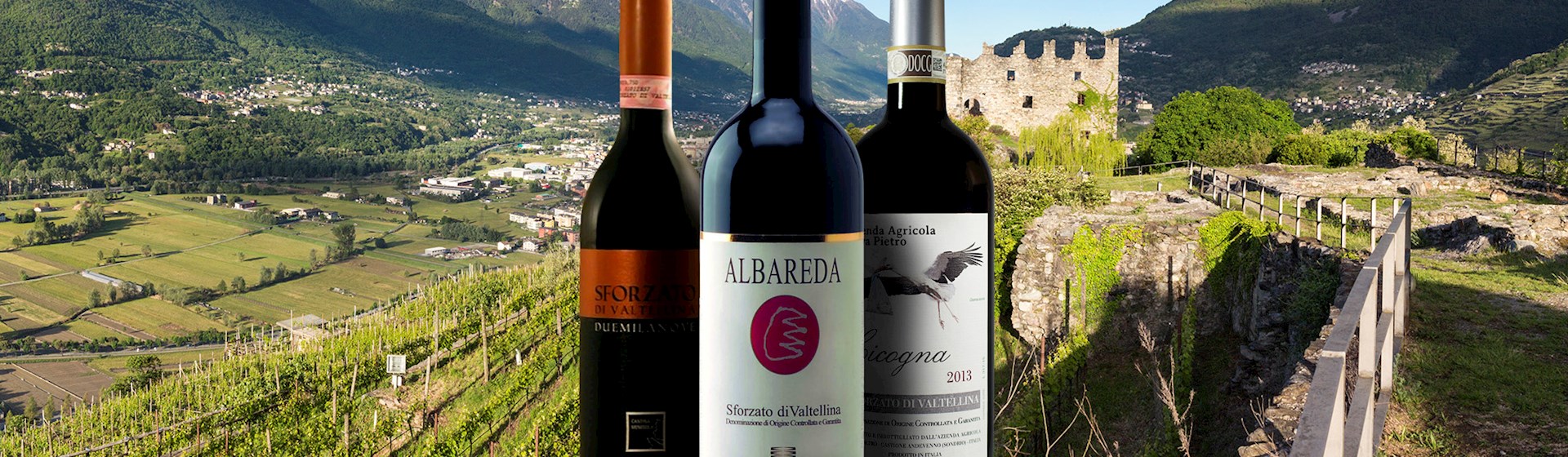
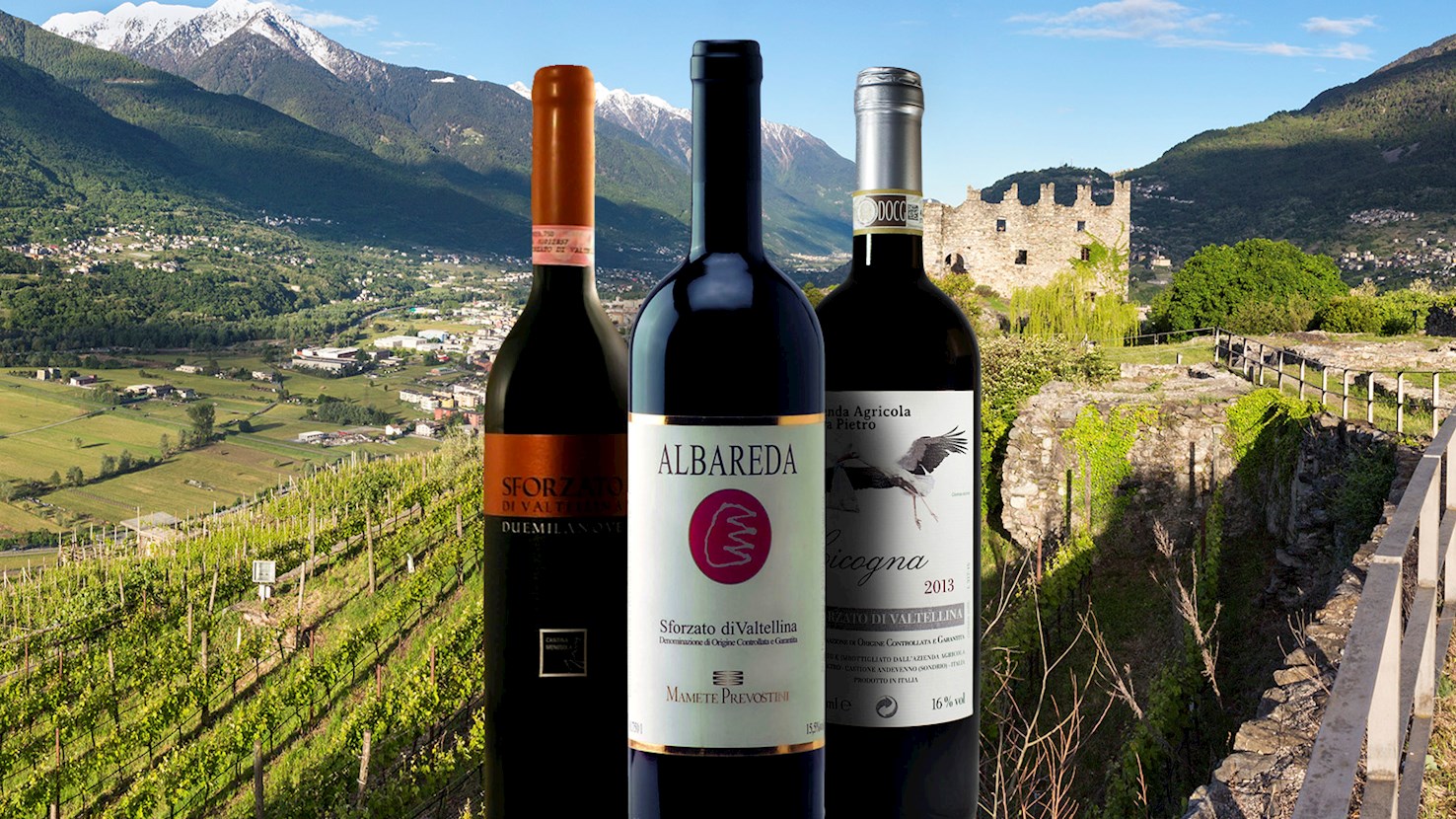
Sforzato is a dry Valtellina wine produced on the steep slopes in Sondrio, Lombardy, with a minimum of 90% Nebbiolo grapes, locally known as Chiavennasca. The wines are produced in a passito process—drying or raisinating the grapes before vinification—which concentrates sugars and acidity. The resulting wines are full-bodied, intense, and concentrated, with slightly higher alcohol content. They are aged for at least 20 months, with at least 12 in a barrel. These powerful wines usually display a complex aroma reminiscent of sweet spices, ripe fruit, and fruit jam, along with hints of balsamic notes, tobacco, and coffee. Sforzato is a wine with a bold and rich character that can be enjoyed on its own. It would also pair with red meat, game, and local specialties. Interestingly, Sforzato was the first raisin wine in Italy with a DOCG status.

03

Inferno

n/a ·

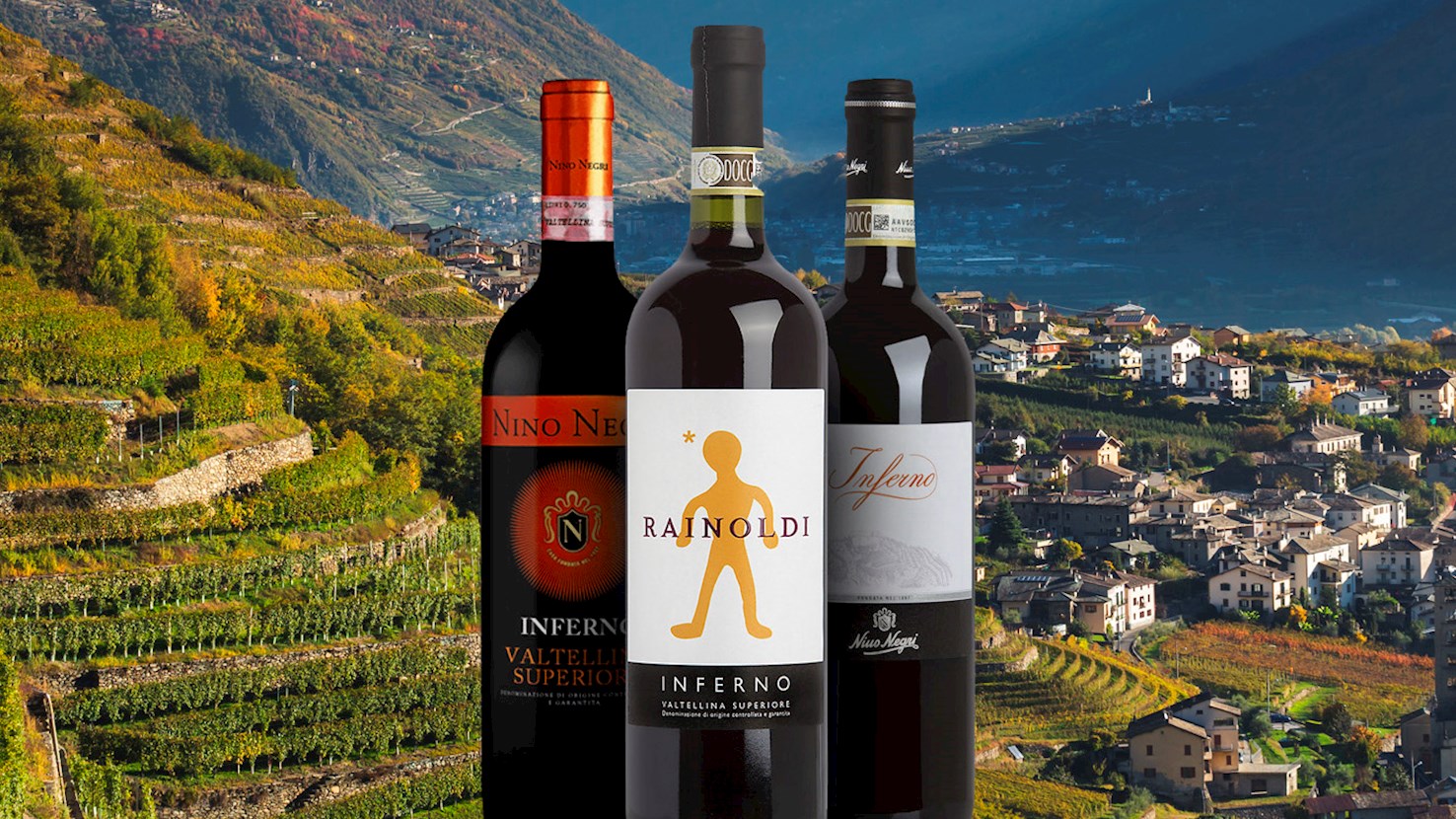
Inferno is a type of wine produced under Valtellina Superiore appellation in Lombardy. It is the smallest subregion in Valtellina, occupying small terraces dispersed around Montagna, Poggiridenti, and Tresivio. The wines are made from Nebbiolo (minimum 90%), which is locally known as Chiavennasca. Inferno wines are usually full-bodied, rich, and dense, with well-balanced tannins and crisp acidity. The aroma is intense, reminiscent of ripe red fruit, plums, and roses, along with herbal, mineral, spice, and tobacco-like notes. These wines can age well, becoming softer and elegant with age. They are food-friendly, pairing exceptionally well with richly-flavored meat dishes, including red meat, game, or lamb, but they also pair well with aged cheese. Inferno, which translates as hell, refers to the high heat typical for the rugged terrain of terraced slopes where the vineyards are located.

04

Valtellina Superiore

n/a ·

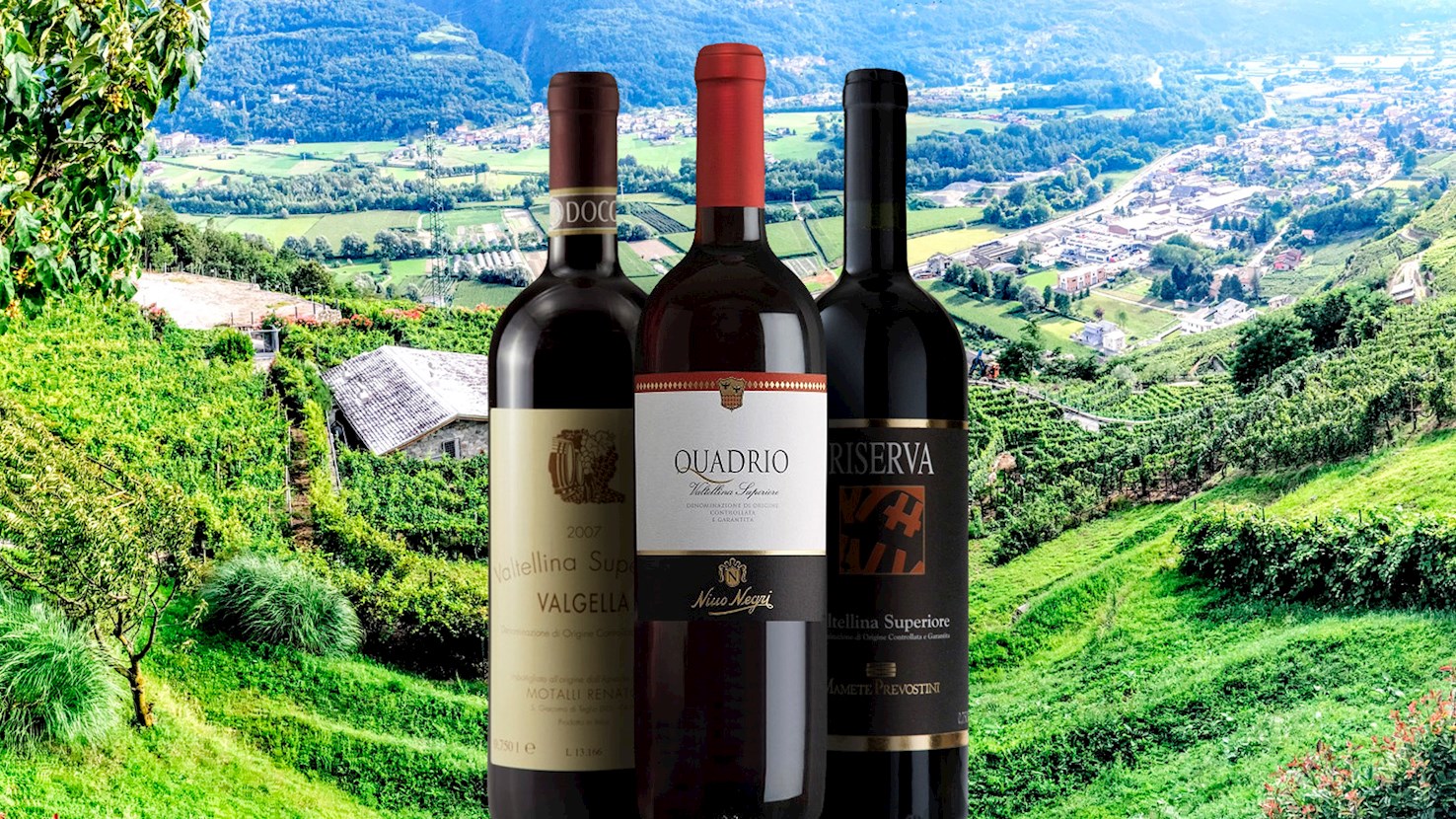
Valtellina Superiore is an Italian wine region located in Sondrio, Lombardy, that produces dry red wines from the prized Nebbiolo grape, which is locally known as Chiavennasca. The vineyards are located on steep terraces with differing microclimates, creating five officially recognized geographic subzones: Grumello, Inferno, Maroggia, Sassella, and Valgella. The names may be added to the official DOCG label, and though very similar, they tend to show slight differences in character. It is mainly believed that elevation affects the final character of these wines. Grumello is the lightest version, with smooth tannins showing typical Nebbiolo notes of red fruit, violets, and leather, while Inferno wines display aromas of ripe and dry fruit, with underlying notes of spices. The intense Sassella wines are characterized by complex notes aromas of dry flowers, violets, and ripe fruit, with hints of fruit preserve and prunes. Both Valgella and Maroggia labels display floral and fruit aromas, while the former may have earthy hints of tobacco. Valtellina Superiore wines are some of the best expressions of Nebbiolo. They are complex but remain elegant and approachable. Most of these wines will pair well with traditional Valtellina dishes. They can be served with red meat, game, braised or roasted red meat, game, and aged cheese.

05

Rosso di Valtellina

n/a ·

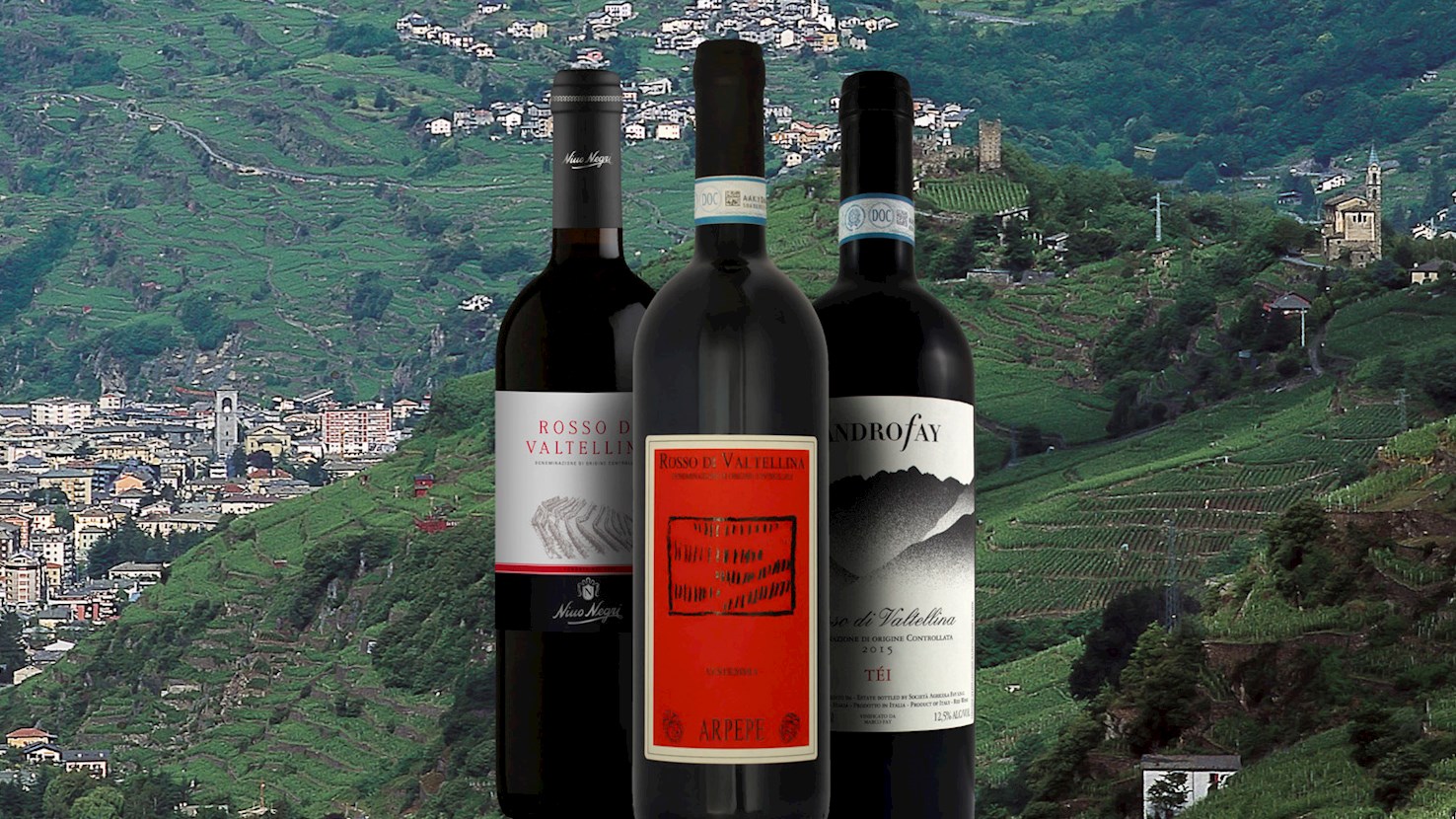
This full-bodied Italian wine is produced in the Valtellina region, more precisely in the province of Sondrio, with at least 90% Nebbiolo (Chiavennasca) grapes, while the rest 10% may include other Lombardian grape varieties such as Rossola, Pignola, and Brugnola. Considered to be the subtlest of all Valtellina wines, Rosso di Valtellina is harmonious and fresh, with typical fruity notes and hints of spices and dry flowers. Because of its well-balanced character, it pairs well with pasta dishes, various appetizers, poultry, Piemontese bollito misto (mixed boil meat), and traditional Lombardian classics such as pizzoccheri alla Valtellinese.

About this ranking

TasteAtlas food rankings are based on the ratings of the TasteAtlas audience, with a series of mechanisms that recognize real users and that ignore bot, nationalist or local patriotic ratings, and give additional value to the ratings of users that the system recognizes as knowledgeable. For the “Top 5 Local Wine Appellations in the Valtellina” list until June 04, 2026, 25 ratings were recorded, of which 14 were recognized by the system as legitimate. TasteAtlas Rankings should not be seen as the final global conclusion about food. Their purpose is to promote excellent local foods, instill pride in traditional dishes, and arouse curiosity about dishes you haven’t tried.

Similar lists