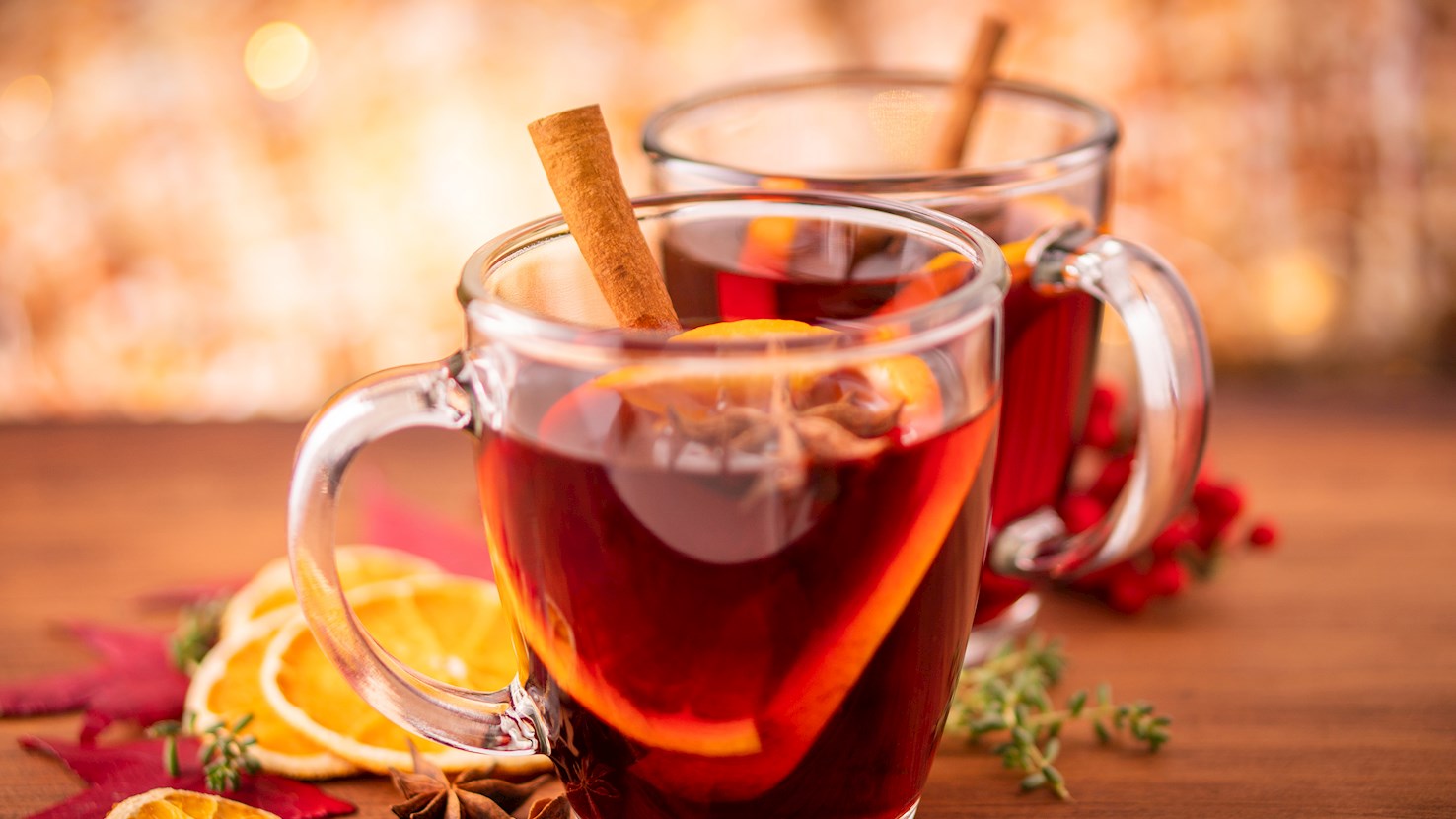
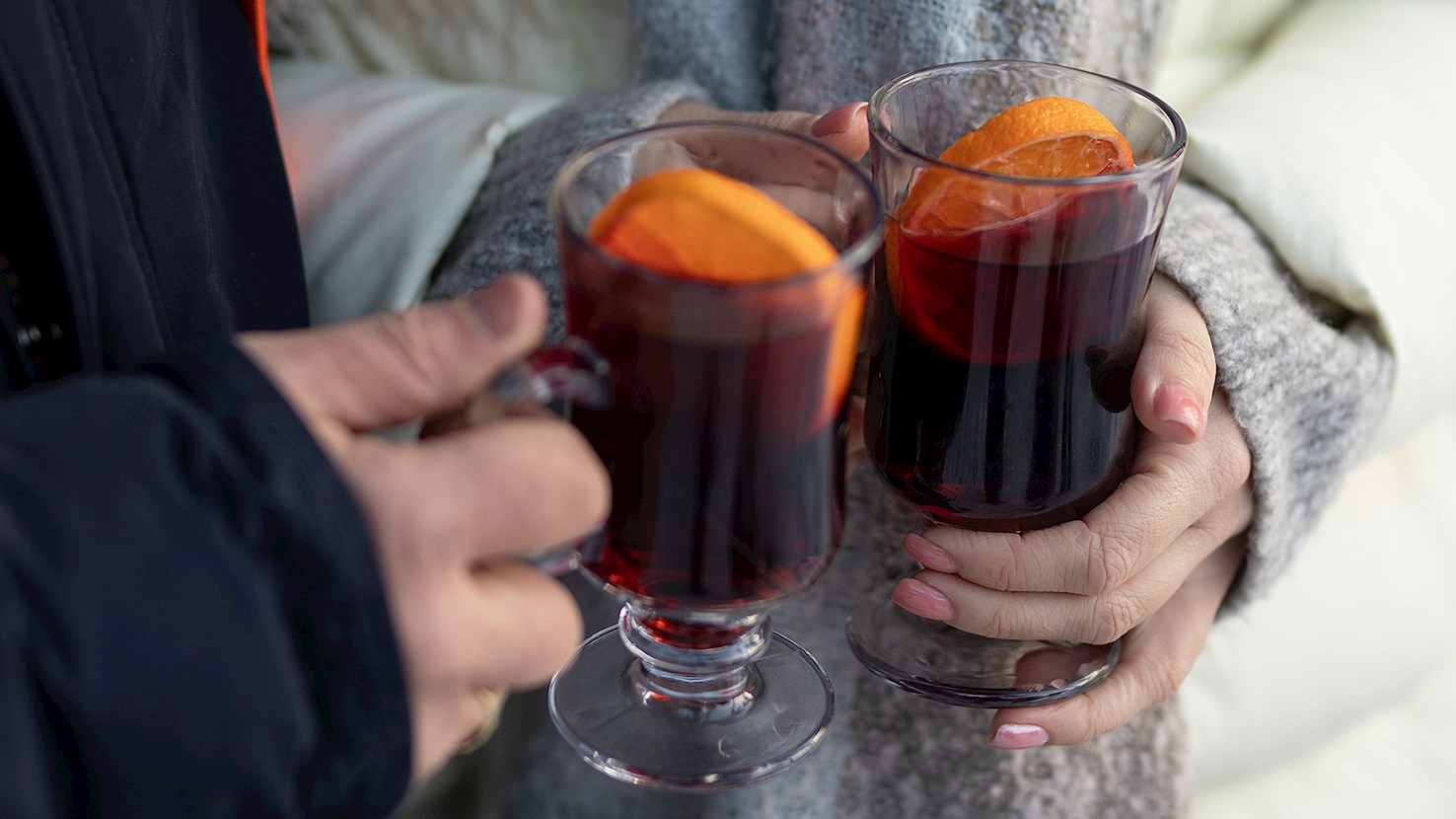
Glühwein is a type of mulled wine enjoyed in Germany, Austria, and Switzerland. It is a staple at Christmas markets and is often enjoyed as an après-ski drink. This German version is a classic, combining red wine, citrus zest, and spices such as anise, cinnamon, and cloves. It is usually sweetened to taste. The ingredients are mixed and heated and should never be boiled. Variations sometimes use white instead of red wine, and some versions come with a liquor shot (mit Schuss). First bottled versions of German mulled wine appeared in Augsburg in the 1950s, and often these pre-sweetened and pre-spiced versions are reheated and served at Glühwein stands. One of the most interesting variations of the drink is called Feuerzangenbowle. It is made with a rum-soaked sugarloaf that is suspended over mulled wine and set on fire. The sugar then melts and slowly drips into the wine.
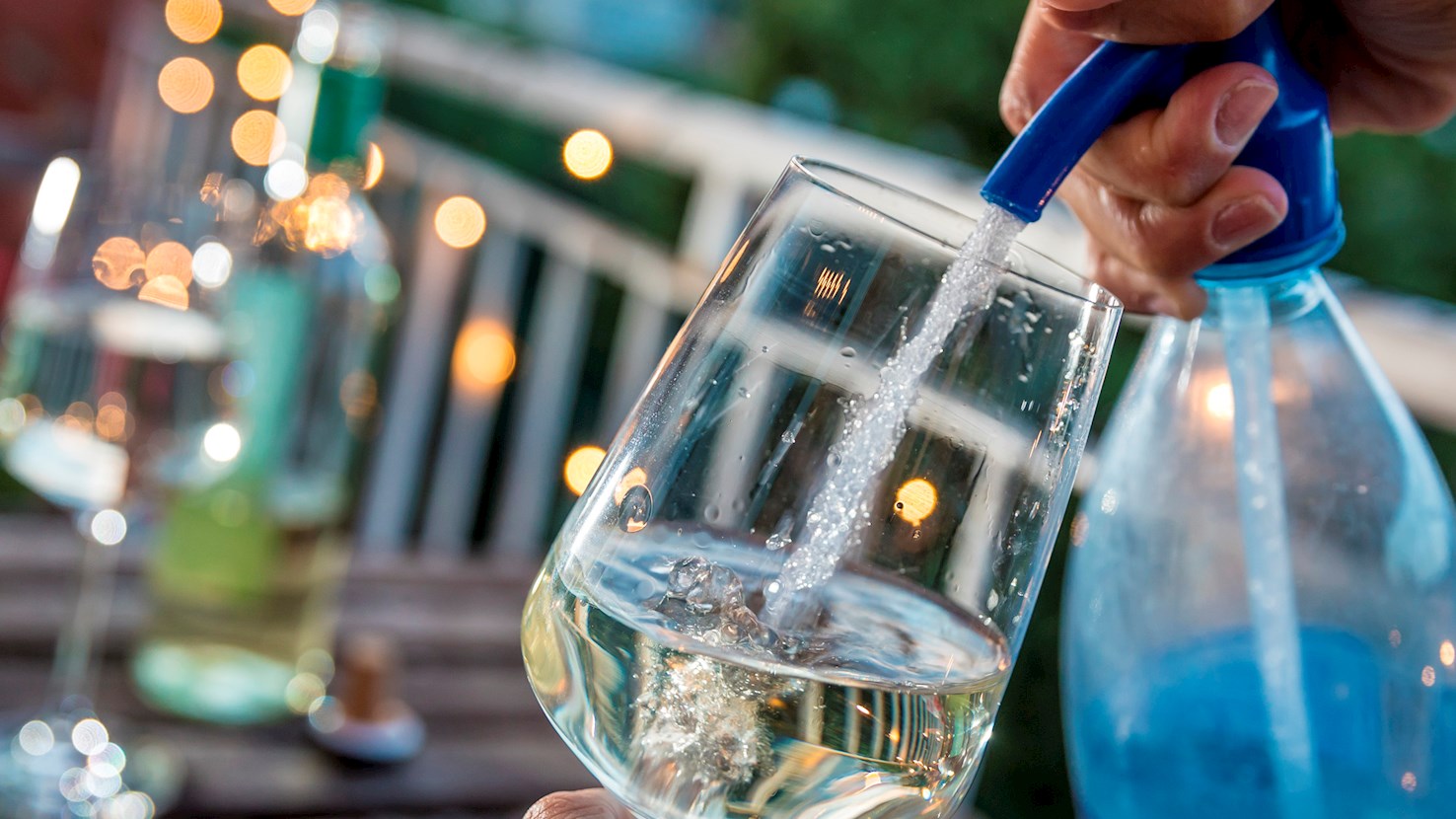
The light and bubbly Spritzer is a refreshing beverage made with a combination of white wine and club soda. Although there is a story about its possible Hungarian origin, it is typically dismissed as a legend, and most sources claim that it originated in 19th-century Austria, when it was invented as a way to create bubbly wine. Spritzers are usually prepared in a tall glass with 3 parts white wine and 1 part club soda, and the beverage is especially popular during summertime. The name is derived from the German word spritzen, which means spray, squirt, or spatter, referring to the practice of diluting the wine with water.
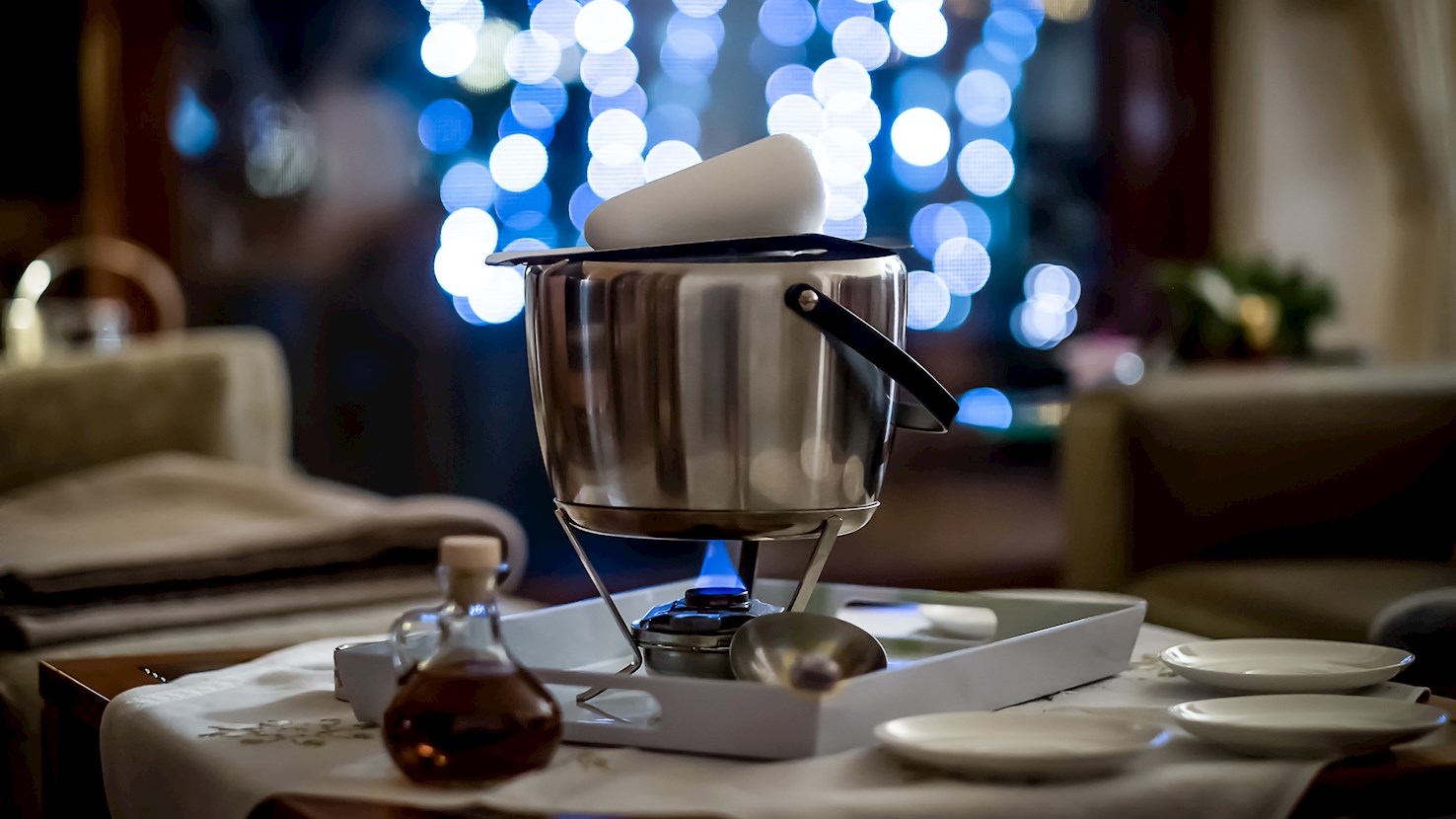
Feuerzangenbowle is a traditional Christmas beverage in which rum-soaked sugarloaf (zuckerhut) is suspended over a bowl of mulled wine (glühwein). The sugar is placed on a metal grate and is then lit on fire, slowly melting and dripping into mulled wine. The wine is usually made in a special clay or glass vessel similar to a fondue bowl and placed over a small burner. The sugarloaf has to be soaked in overproof rum (a type of rum that contains more than 50 percent alcohol by volume) so that it could be set on fire. As the sugar drips in the wine, it gives it a sweeter and somewhat caramelized flavor. Feuerzangenbowle is traditionally served at German Christmas markets. It became popular after the 1944 comedy Die Feuerzangenbowle.
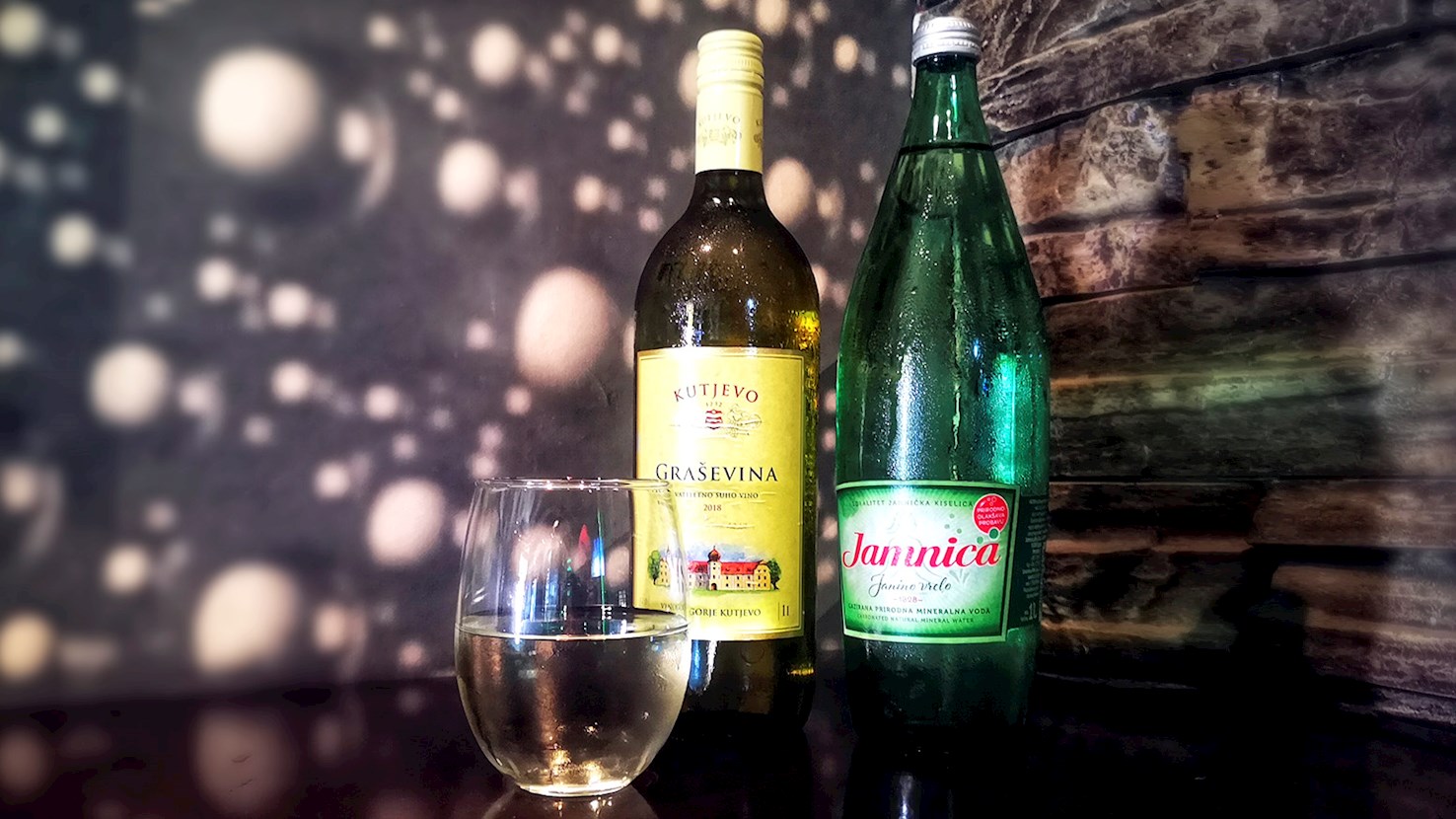
Gemišt is a Croatian cocktail made with a combination of white wine and sparkling mineral water. In order to prepare it, it is enough to simply mix the two well-chilled ingredients together in a glass. It is recommended to use dry white wines with higher acids such as Rajnski Rizling, Graševina, Škrlet, Moslavac, and Kraljevina. The name gemišt is derived from the German word gemischt, which means mixed. It is especially popular in central Croatia during summer, and it has been found out that continental Croatians enjoyed gemišt as early as the 19th century. There is also a similar drink that is traditionally prepared in the Croatian south, where red wine is mixed with still water, creating bevanda in the process.
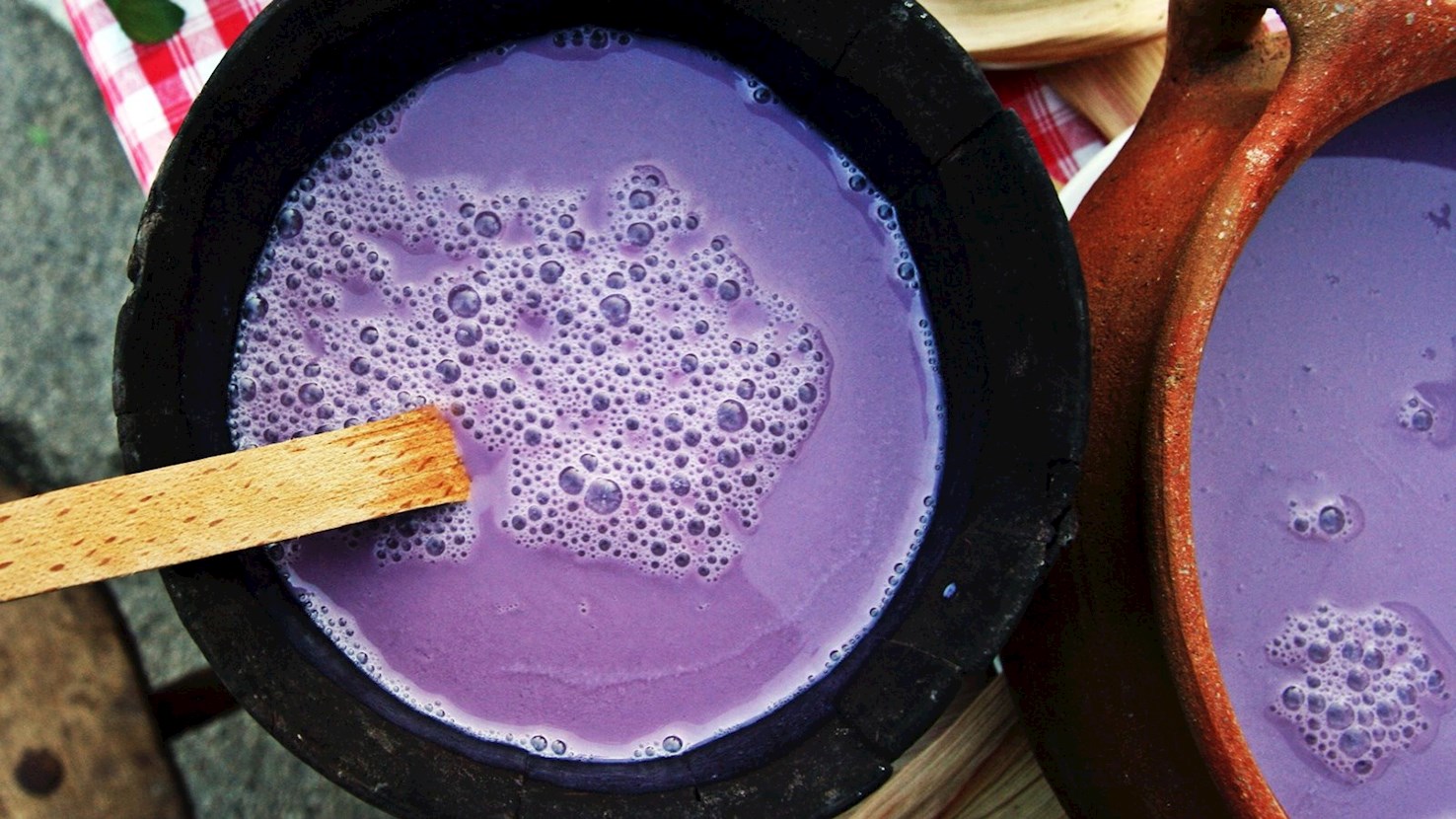
Bikla is a Croatian drink mainly associated with Dalmatia, including the islands and the hinterland. It is an unusual combination of red wine (traditionally young wine) and milk—both cow or goat milk are used. It is usually made with equal amounts of both ingredients, and it is traditionally made in a vessel in which it is later served. The resulting drink has an intriguing, vibrant purple color. The first written mention of bikla dates back to the 19th century, but it is assumed that the drink existed before that. It was most likely introduced by Greeks, primarily to Croatian islands. The drink is rarely seen nowadays, but local communities try to keep the tradition alive. In Vrgorac—a small town in the Croatian hinterland—there is even a festival exclusively dedicated to this regional specialty.
Teranino spritz is a ruby-red sparkling cocktail made with Teranino, dry sparkling wine, and soda water. It combines dark berry, cherry, and warm-spice notes with fresh acidity and carbonation. The exact origin of the cocktail has not been documented. It appears to have developed in Istria as a regional alternative to spritzes based on bitter orange aperitifs. It became increasingly common in coastal bars, wineries, festivals, and producer promotions during the 2010s as Teranino gained wider recognition. Aura Distillery helped popularize the liqueur, but there is no firm evidence that the company invented the spritz or introduced a definitive formula in 2015. A common version follows a 3–2–1 ratio: three parts dry sparkling wine, two parts Teranino, and one part soda water. A large balloon-shaped wine glass is filled generously with ice. The sparkling wine is poured first, followed by the liqueur and soda water. Since Teranino is denser than the other ingredients, the drink is stirred once or twice with a long bar spoon to create an even ruby or magenta color without flattening the bubbles. The proportions vary between bars and producers. Some versions use less Teranino for a lighter and drier result, while others replace soda water with tonic. Tonic adds quinine bitterness and helps balance the sweetness of the liqueur. Ginger ale or citrus soda may also be used, creating a sweeter and more aromatic variation. Prosecco is a common choice, but sparkling Malvazija Istarska gives the drink a stronger regional character. Its floral aroma, crisp acidity, citrus, and green-apple notes work well with the darker berry and spice profile of Teranino. The cocktail is served immediately after mixing so that it remains cold and fully carbonated. A thick orange wheel or strip of orange peel is the most natural garnish, adding fresh citrus aroma. A cinnamon stick or star anise may be added during colder months to emphasize the warm spices already present in the liqueur. Teranino spritz is commonly served as an aperitif. Its acidity and bubbles pair well with cured ham, firm sheep’s-milk cheese, aged cow’s-milk cheese, olives, and other salty foods. Soda or tonic keeps the sweet base from becoming too heavy, while the berry and spice notes complement smoked meat and mature cheese.
Vin chaud is a heated wine drink from France and Switzerland prepared by gently warming red wine with honey and whole spices such as cinnamon, cloves, star anise, and citrus peel, creating a dark, aromatic beverage with a smooth texture, rounded sweetness, softened acidity, and a warming profile shaped by infusion rather than fermentation or aging. The drink developed as wine consumption adapted to colder climates, where heating wine improved comfort and stability, and the use of honey as a sweetener reflects periods when honey was more accessible than refined sugar, anchoring the drink in winter household practice before it became a fixture of public seasonal gatherings. Preparation centers on slowly heating red wine without boiling, dissolving honey evenly, and infusing whole spices and citrus over low heat so aromas are extracted gradually while alcohol remains largely intact, followed by brief resting to allow flavors to integrate. Common variations adjust spice selection, citrus type, or sweetness level, and later adaptations may substitute or supplement honey with sugar, while the defining feature remains gently heated wine sweetened with honey and perfumed by whole spices. Vin chaud is consumed hot, served in mugs or heat-resistant glasses, most often during cold weather, enjoyed at markets and in homes, and paired with pastries, roasted nuts, simple cakes, and mildly sweet baked goods that complement spice and warmth without overwhelming the drink
Nürnberger Glühwein is a spiced mulled wine that originates in the German city of Nuremberg, a place well known for its centuries-old Christmas market, the Christkindlesmarkt. This warm beverage is prepared by gently heating red wine together with a mixture of spices such as cinnamon, cloves, star anise, and sometimes citrus peel, allowing the flavors to infuse gradually without boiling. The result is a fragrant, comforting drink served during the colder months, particularly throughout Advent and the Christmas season, when visitors gather in the market squares to sip glühwein alongside roasted nuts, gingerbread, and sausages. In Nuremberg, producers of Glühwein follow specifications that emphasize the use of quality wine and balanced spicing rather than excessive sweetness. Some versions are made exclusively from Franconian red wines sourced from vineyards surrounding the region, while others blend wines from across Germany. Although red wine is the most common base, white glühwein is also available. Vendors heat the wine to a precise temperature to avoid evaporating the alcohol or damaging the delicate notes of the spices. The drink is traditionally ladled into mugs or decorative ceramic cups, sometimes bearing the crest of Nuremberg or the logo of the Christkindlesmarkt. The process of making Nürnberger Glühwein involves steeping whole spices and occasionally slices of orange or lemon in the wine for several hours. Sugar or honey is added to create a smooth, balanced taste without overwhelming the wine’s natural acidity. Recipes differ slightly from producer to producer, giving each stall its own distinct flavor profile. Bottled versions of Nürnberger Glühwein are sold throughout Germany and exported, clearly labeled with protected geographical indication status to distinguish it from other mulled wines.
Thüringer Glühwein is a spiced mulled wine from Thuringia, a central region of Germany known for its Christmas markets and cold winter evenings. The drink is prepared by gently heating red wine with a blend of spices and citrus until it becomes aromatic and deeply flavored without reaching a boil. The most common spices include cinnamon, cloves, star anise, and sometimes a hint of cardamom or allspice. Fresh orange or lemon slices are added to balance the richness of the wine with a lively acidity. Thüringer Glühwein is typically sweetened with sugar or honey and served hot in ceramic mugs. This version of Glühwein has been associated with the festive atmosphere of Thuringian towns, where it is sold in market stalls alongside gingerbread, roasted nuts, and grilled sausages. The preparation relies on high-quality wine as the base, which is gently warmed to preserve its character while infusing it with spice. Vendors and home cooks alike often have their own preferred recipes, varying the proportions of spices and citrus to create a signature flavor. While red wine is most common, some producers in Thuringia also make white Glühwein using Müller-Thurgau or Silvaner grapes. Glühwein has long been a feature of German winter celebrations, but Thuringia’s version is known for having a slightly more pronounced spice profile compared to other regions. It is usually made in larger batches to accommodate gatherings and is often enjoyed outdoors during Advent. Because the drink should never be allowed to boil, careful temperature control is considered important to avoid bitterness and preserve the wine’s aroma. In Thuringia, Glühwein is sometimes sold in bottles with labels that specify the regional origin, which helps support local vintners and small-scale producers. The beverage has gained popularity with visitors who associate it with Christmas markets in cities such as Erfurt and Weimar. Over time, Thüringer Glühwein has also been adapted by small wineries that produce limited seasonal editions flavored with additional ingredients like vanilla or dried fruits.
Savoy Affair is a cocktail made with a combination of champagne, brandy (preferably peach), strawberry liqueur, passionfruit juice, and lime juice. In order to prepare it, the rim of a double-cocktail glass should first be rubbed with lime, then dipped in sugar. All ingredients are then poured into the glass and garnished with a sugar-dipped strawberry before serving. This decadent cocktail was invented by Joe Gilmore at the Atlantic Hotel in Hamburg, Germany.
TasteAtlas food rankings are based on the ratings of the TasteAtlas audience, with a series of mechanisms that recognize real users and that ignore bot,
nationalist or local patriotic ratings, and give additional value to the ratings of users that the system recognizes as knowledgeable.
For the “Top 10 Central European Wine Cocktails” list until July 22, 2026, 439 ratings were recorded, of which 381 were recognized by the system as legitimate.
TasteAtlas Rankings should not be seen as the final global conclusion about food. Their purpose is to promote excellent local foods,
instill pride in traditional dishes, and arouse curiosity about dishes you haven’t tried.