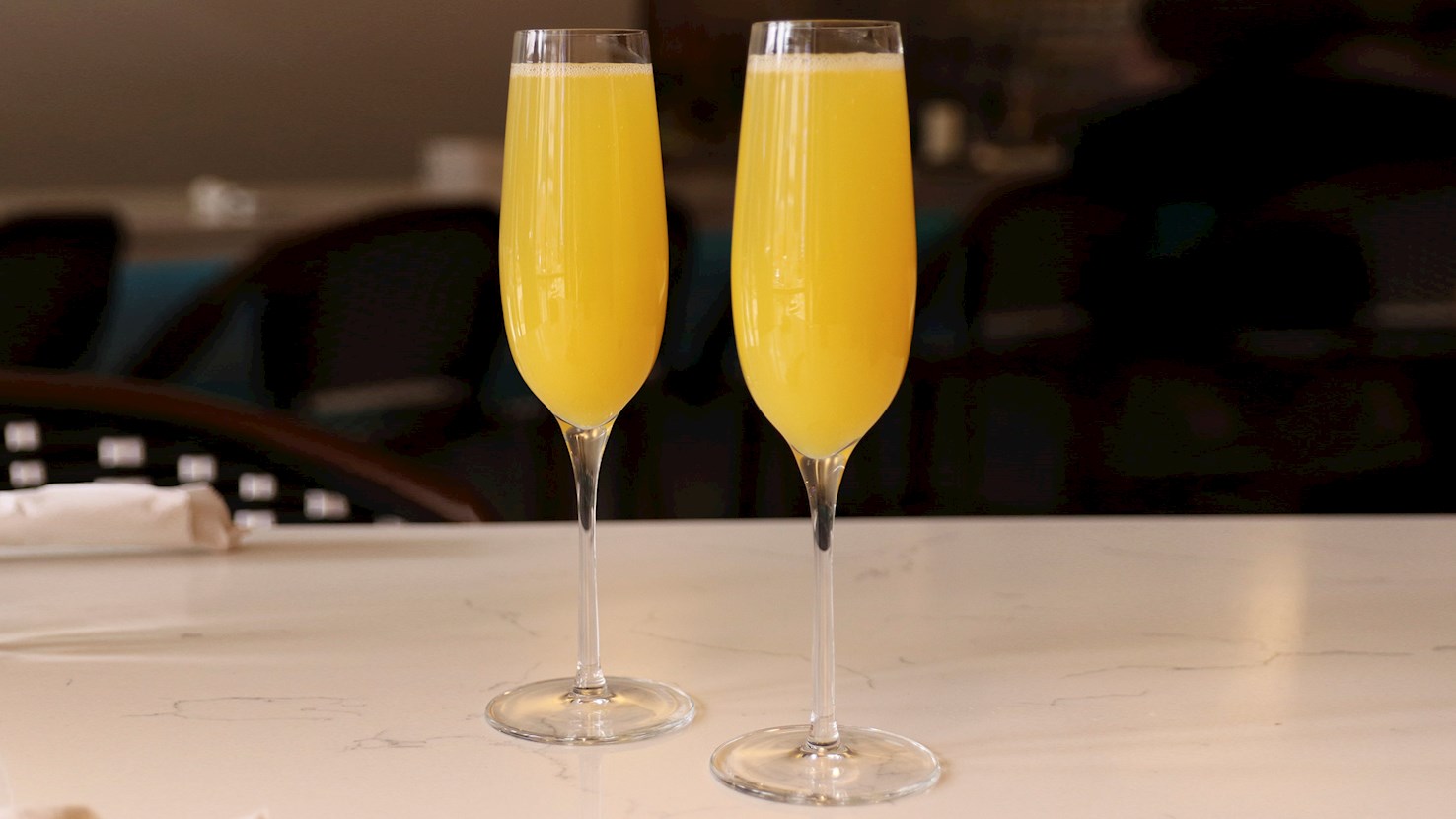
Mimosa is a classic breakfast cocktail that transforms a simple morning meal into a decadent event. The cocktail is made with freshly squeezed orange juice and Champagne or any dry sparkling wine. Grand Marnier or bitters can also be added in order to elevate the flavors even further. To prepare it, orange juice is poured into a champagne flute, and it is then topped with Champagne or sparkling wine. It is believed that the famous director Alfred Hitchcock introduced the Mimosa as a brunch staple in the United States in the 1940s. The cocktail is named after an Australian flower that was introduced to Europe by Captain Cook, and the first Mimosa was supposedly served in Paris in 1925 by Frank Meier, who was the head barman at The Ritz at the time.
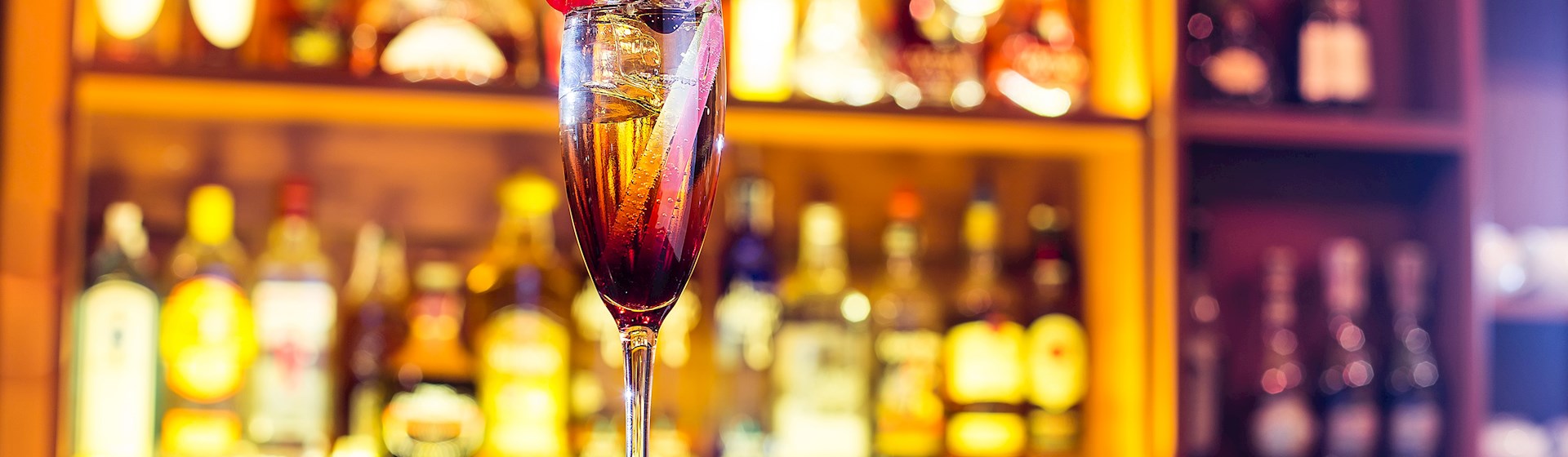
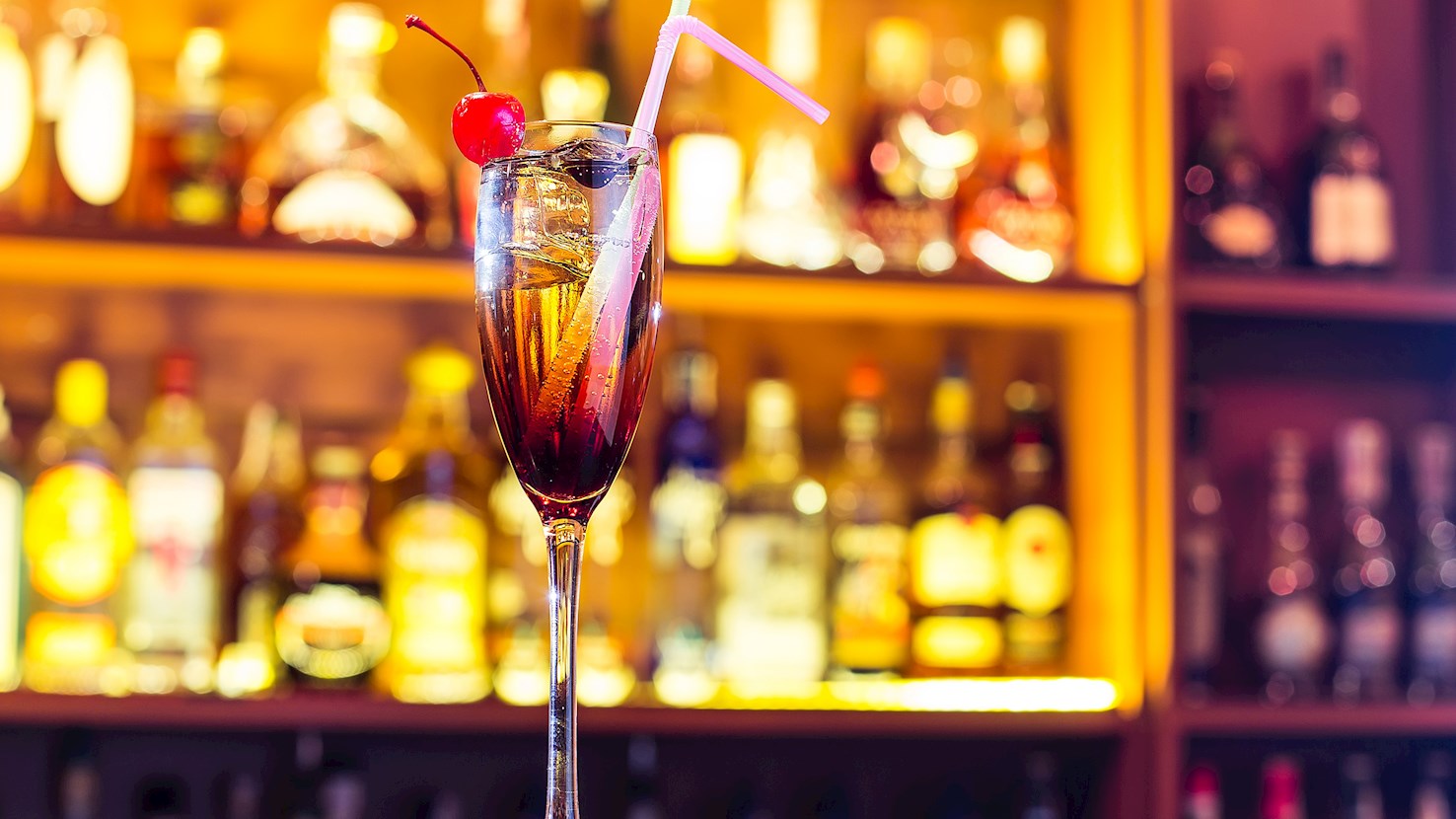
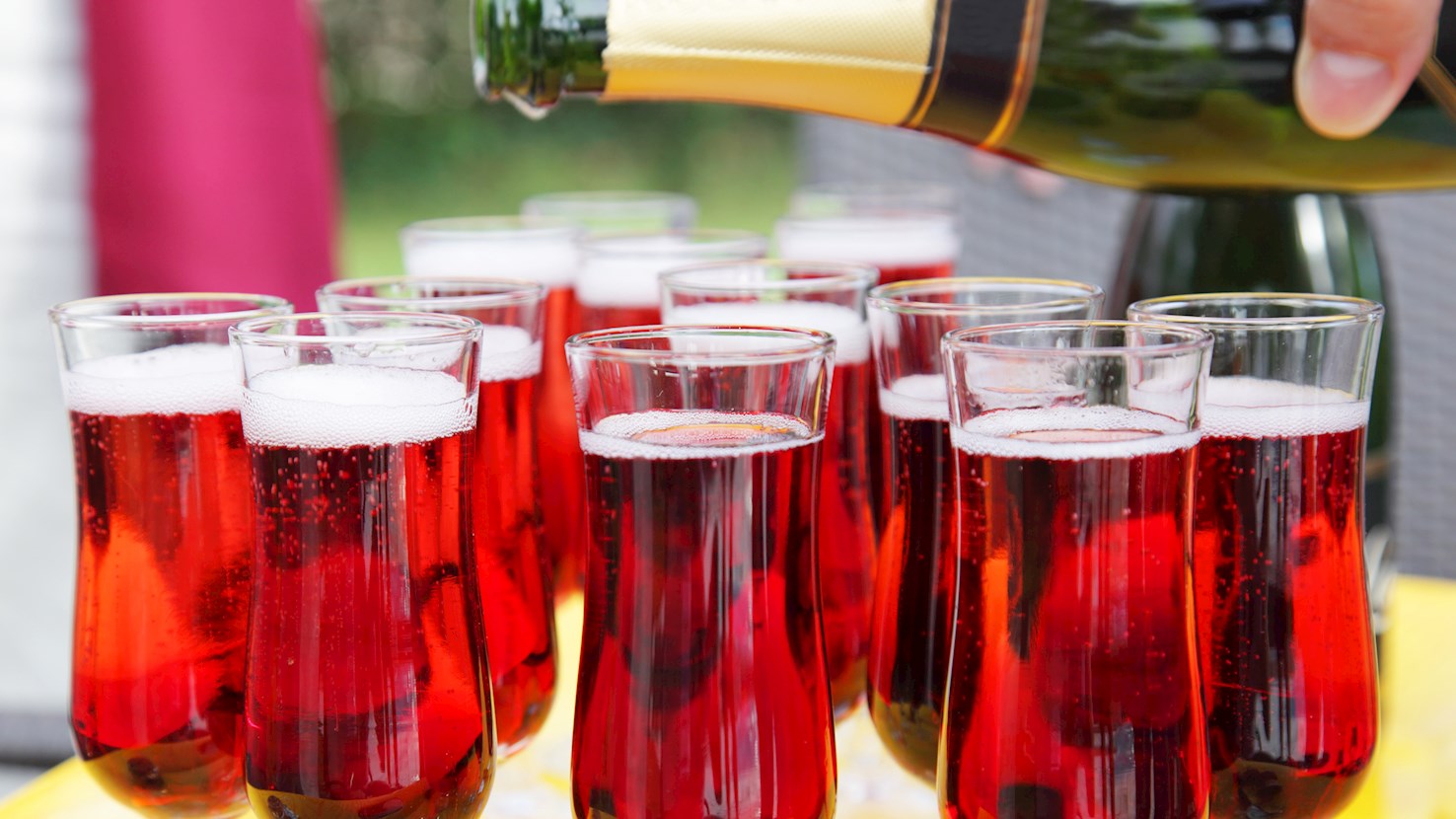
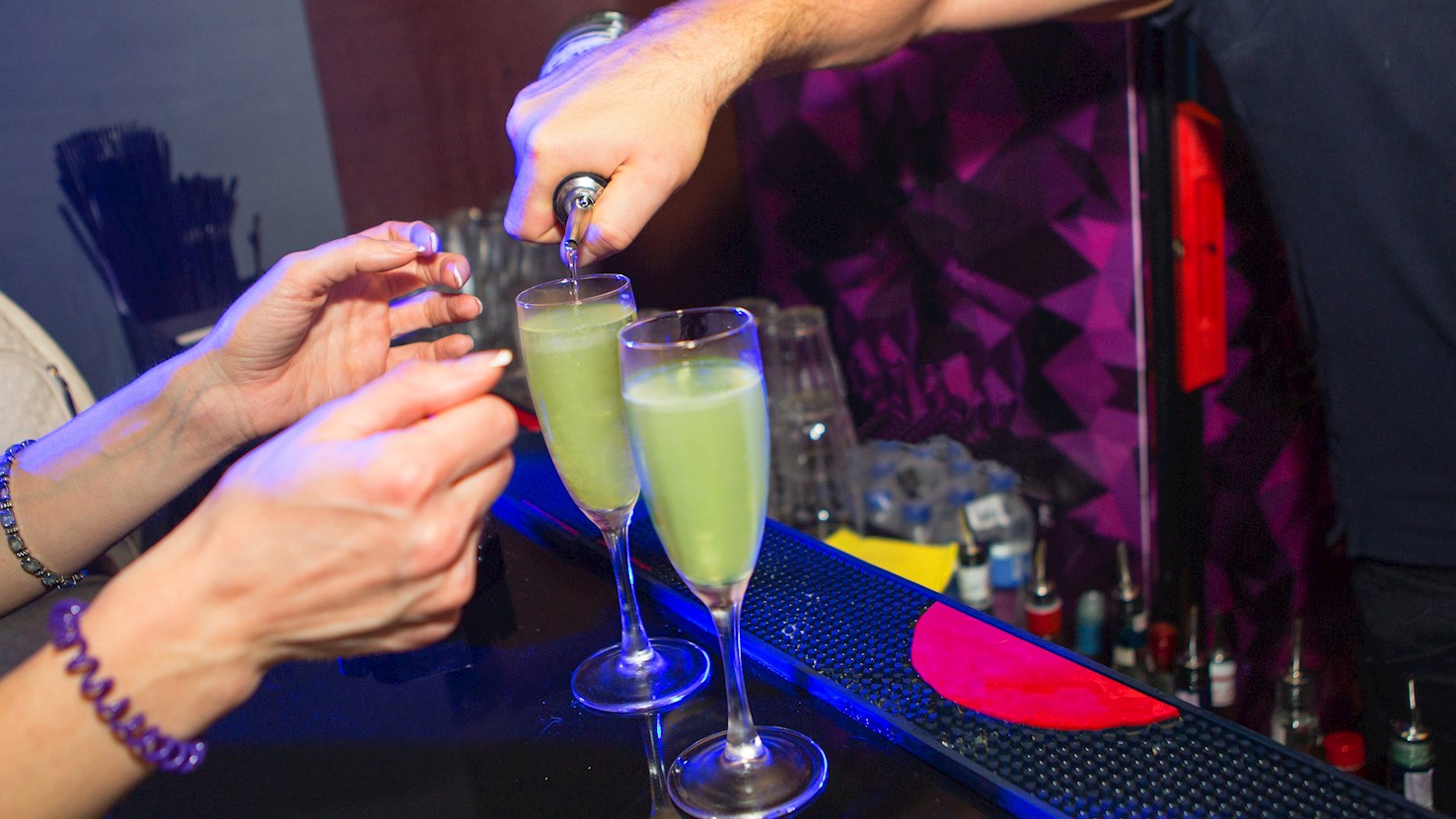
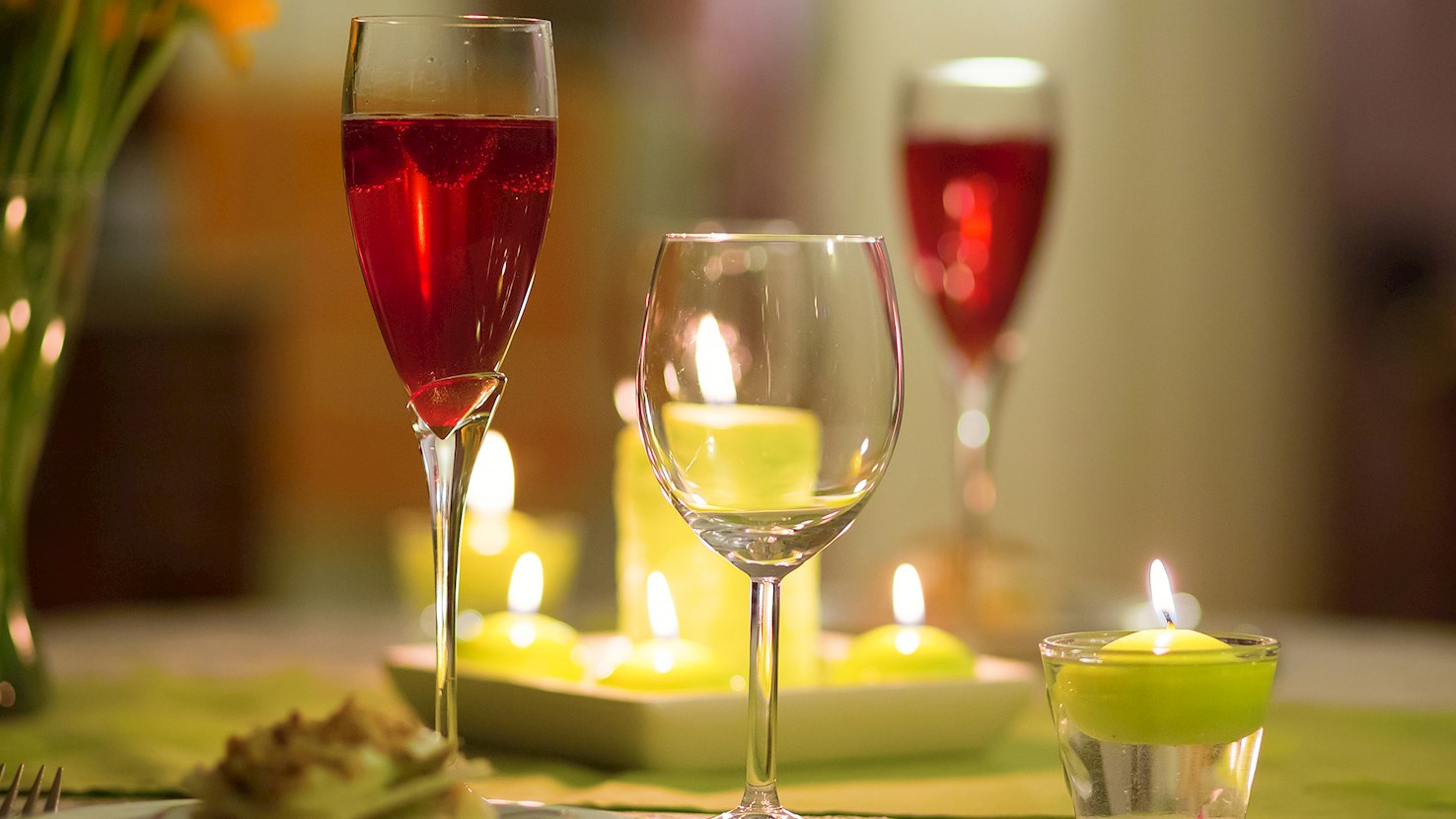
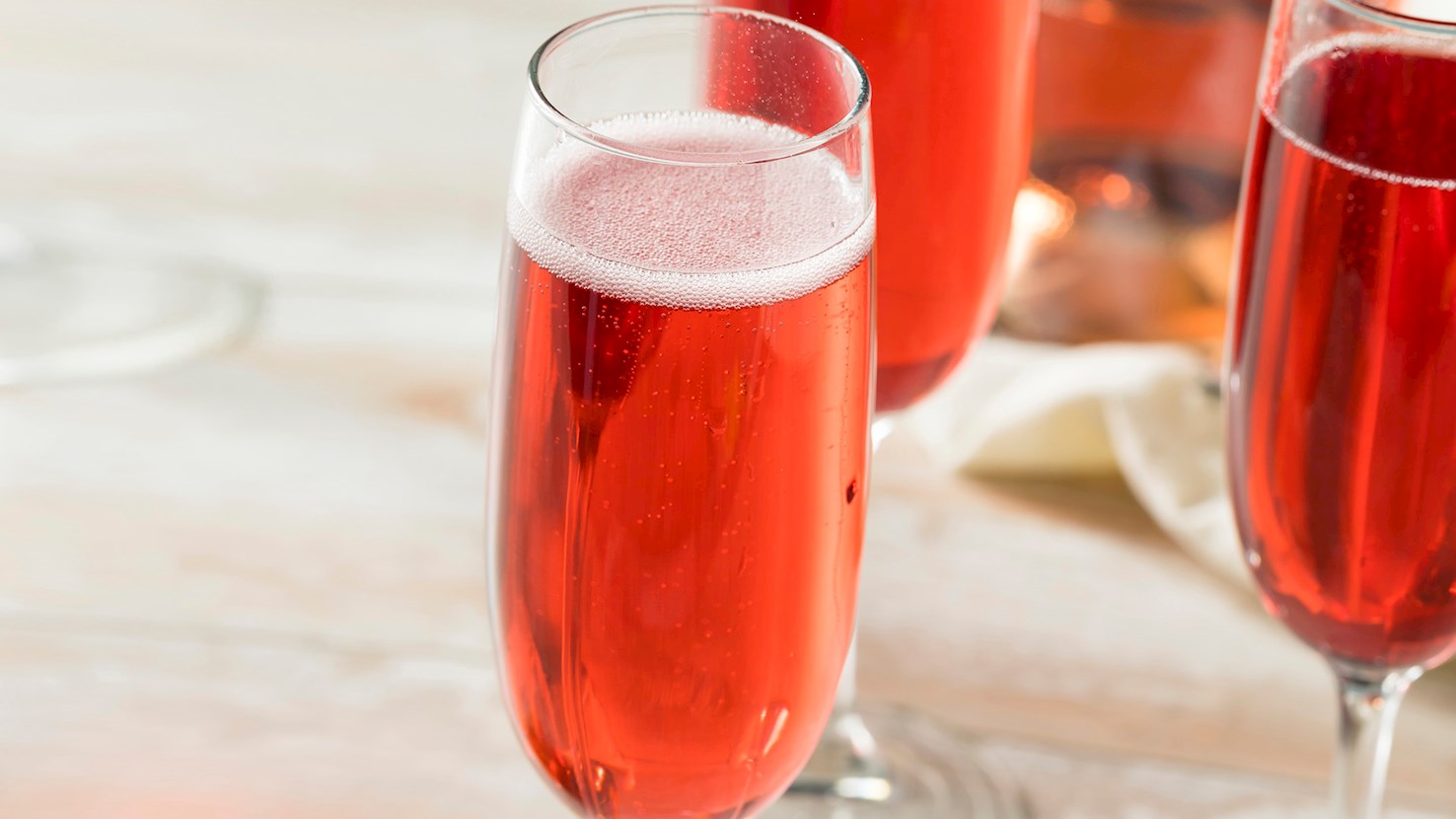
Kir Royale is a French cocktail consisting of crème de cassis and Champagne. It is a modern version of traditional Kir which is made with crème de cassis and white wine. Just like regular Kir, the Royale variety is also served in a flute glass without garnishes, usually as an apéritif. If the cocktail is made with raspberry liqueur instead of crème de cassis, it is then called Kir Impérial.
A cocktail made with blackcurrant liqueur (typically crème de cassis) and white wine is known as Kir, a traditional French beverage that is usually consumed as an apéritif. The cocktail got its name after Felix Kir, who popularized it after World War II through the twinning movement, which promoted friendship between towns, cities, countries, and cultures. In the past, it was called blanc-cassis, when it was made exclusively with a measure of liqueur topped up with Bourgogne Aligoté, but nowadays it is reinvented and includes various white wines in the preparation process. Traditional Kir is typically served in a flute glass, but if Champagne is added instead of white wine, it becomes Kir Royale. Depending on the ingredients used in this cocktail, there are also numerous other variations of Kir such as Kir Berrichon, Kir Bianco, Kir Breton, Kir Impérial, Kir Pêche, Pink Russian, and Tarantino.
A decadent cocktail made with absinthe and champagne is known as Death in the Afternoon. Thanks to its inventor - Ernest Hemingway, it is often referred to as the Hemingway Champagne, or simply The Hemingway. The cocktail originates from 1930's Paris, when the writer spent time in the city writing and enjoying absinthe. Due to the emulsification of absinthe, the cocktail is milky in appearance, with a bubbly structure, and Hemingway’s instructions were to drink three to five of these cocktails slowly from a champagne glass.
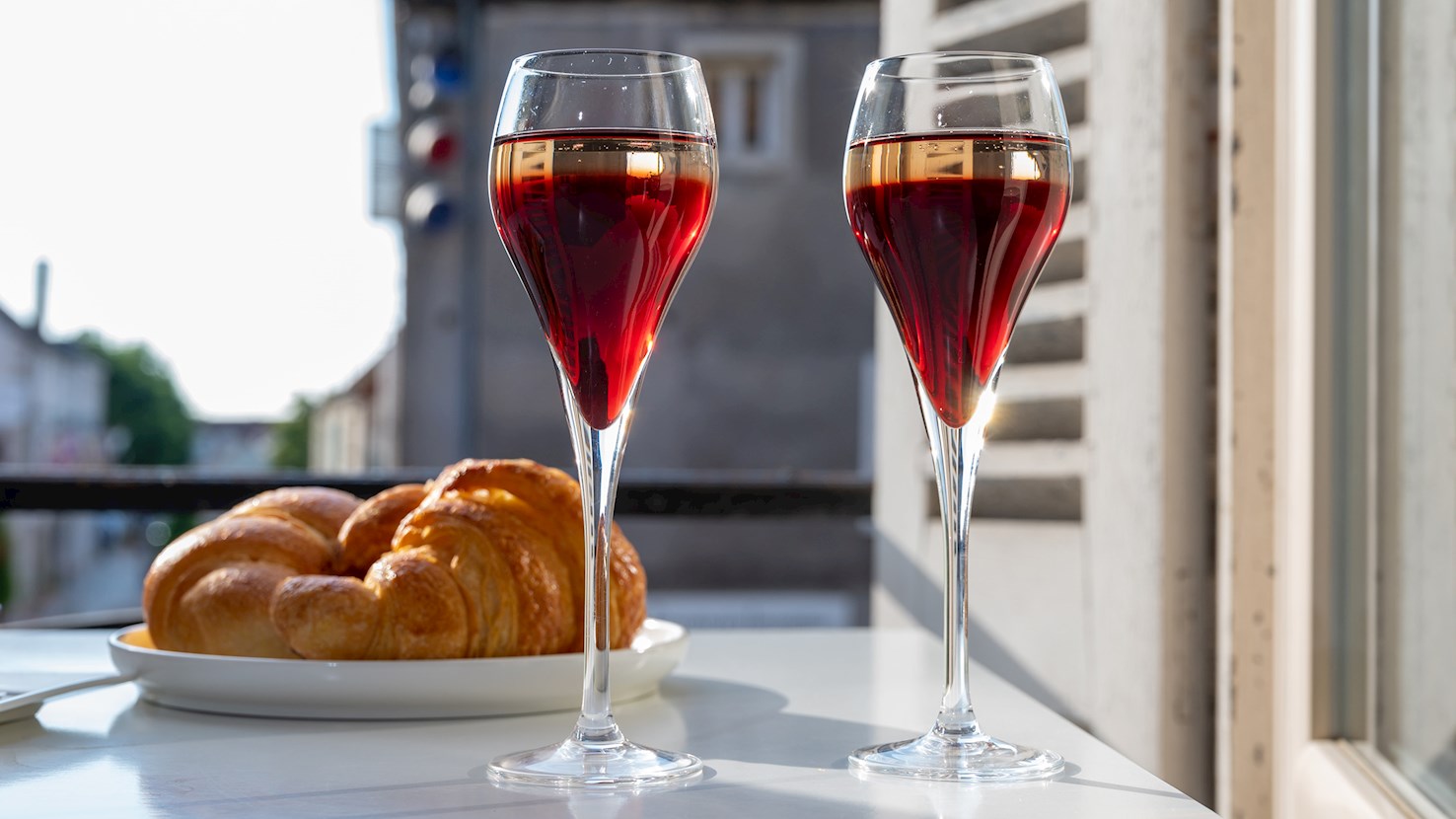
A French apéritif from Burgundy known as Cardinal is a version of the traditional Kir cocktail made with a small amount of crème de cassis which is topped with red wine instead of white wine. The preparation of Cardinal usually includes dry red wine with high acidities, such as Pinot Noir, but when it is replaced by Beaujolais, it becomes Communard. In order to prepare it, crème de cassis is first poured into a wine glass filled with ice, followed by red wine, which mixes the drink to completion. This refreshing and slightly sweet short drink is typically served in a regular wine glass, with blackberries and raspberries placed on the rim of the glass as a garnish.
Kir Impérial is a modern version of Kir Royale. The cocktail is made with Champagne and black raspberry liqueur instead of crème de cassis. This elegant sparkling apéritif should not be overly sweet, so it needs a small amount of liqueur - typically Chambord - to add a subtle flavor of raspberries. It is typically served chilled in a flute glass during holidays and celebrations, and it is often garnished with various fruits, depending on personal preferences.
Kir Savoyard is a variation of the famous French cocktail kir, made with blackcurrant liqueur crème de cassis and white wine from the French region Savoy, hence the name. The most popular types of wine used are roussette de Savoie, apremont, and abymes. Alternatively, crème de mûres, a blackberry liqueur can be used instead of crème de cassis. As is the case with almost all kir cocktails, this one is also typically served in a flute glass.
Kir Pétillant is a variety of the popular Kir, and it is made with a combination of crème de cassis and sparkling wine. In order to prepare it, crème de cassis should first be poured into the bottom of a wine glass, and it is then topped with sparkling wine. The sparkling wine should be poured slowly and carefully to preserve as many bubbles as possible. The combination of tart blackcurrant and sparkling wine create delicious bubbles on the tongue, which is a possible reason for the drink’s popularity.
Lillet spritz is a sparkling aperitif made by combining Lillet with tonic water, Prosecco, Champagne, club soda, or another carbonated mixer. The name does not refer to one fixed formula. Instead, it covers a family of light, wine-based drinks centered on Lillet Blanc, Rosé, or Rouge, along with ice, bubbles, and fresh garnishes. No reliable source identifies a single inventor, bar, or exact birthplace for the Lillet spritz. The cocktail developed from the established custom of serving Lillet chilled over ice with citrus, then lengthening it with tonic or soda. Its most influential modern form was Lillet Vive, a mixture of Lillet Blanc and tonic water garnished with cucumber, strawberry, and mint. The drink became especially popular in Germany, Austria, and Switzerland during the 2010s and helped establish Lillet as a base for long, sparkling aperitifs. The release of Lillet Rosé in 2011 encouraged further versions made with grapefruit soda, berries, and other fruit-led mixers. A Prosecco-based version commonly uses equal parts Lillet Blanc and sparkling wine, with a splash of soda water. The official formula calls for seven centiliters of Lillet Blanc, seven centiliters of Prosecco, and a small amount of soda. A tonic-based Lillet Vive follows a lighter one-to-two ratio, using five centiliters of Lillet Blanc and ten centiliters of tonic water. An equal-parts club soda version may use three ounces each of Lillet and soda. A large stemmed balloon glass is filled generously with solid ice cubes. The chosen Lillet is poured over ice, then the carbonated mixer is added. The liquids are stirred once or twice with a long bar spoon, just enough to combine them without releasing too much carbonation. The drink should remain cold, light, and lively rather than becoming diluted or flat. The chosen Lillet determines much of the final flavor. Lillet Blanc creates the lightest version, with floral, citrus, honeyed, and softly bittersweet notes. Lillet Rosé brings red berries, orange blossom, and grapefruit, giving the drink a fresher and fruitier profile. Lillet Rouge produces a fuller spritz with blackberry, plum, ripe berries, fresh orange, vanilla, delicate spice, and a richer wine character. The mixer changes the balance just as strongly. Tonic water adds quinine bitterness and a dry finish, while club soda leaves the fruit and wine aromas more exposed. Prosecco contributes acidity, fruit, and softer bubbles. Equal measures of Lillet Blanc and dry Champagne create a sharper, more wine-focused version known as the Lillet Royal, commonly garnished with lemon and fresh grapes. Ginger beer adds sweetness and a stronger spicy bite. Fresh garnishes are an important part of the drink. Thin cucumber slices, strawberry halves, and mint are closely associated with Lillet Vive. Orange works particularly well with Lillet Blanc and Rouge, while grapefruit matches the citrus and berry character of Lillet Rosé. Lemon, grapes, raspberries, and other fresh fruit may also be added to the ice, where they gradually release their aroma into the liquid. Compared with spritzes based on strongly bitter aperitifs, the Lillet version is generally softer, more floral, and more focused on wine and fruit. Tonic gives it the firmest bitterness, sparkling wine makes it fuller and more aromatic, and club soda creates the cleanest and lightest result.
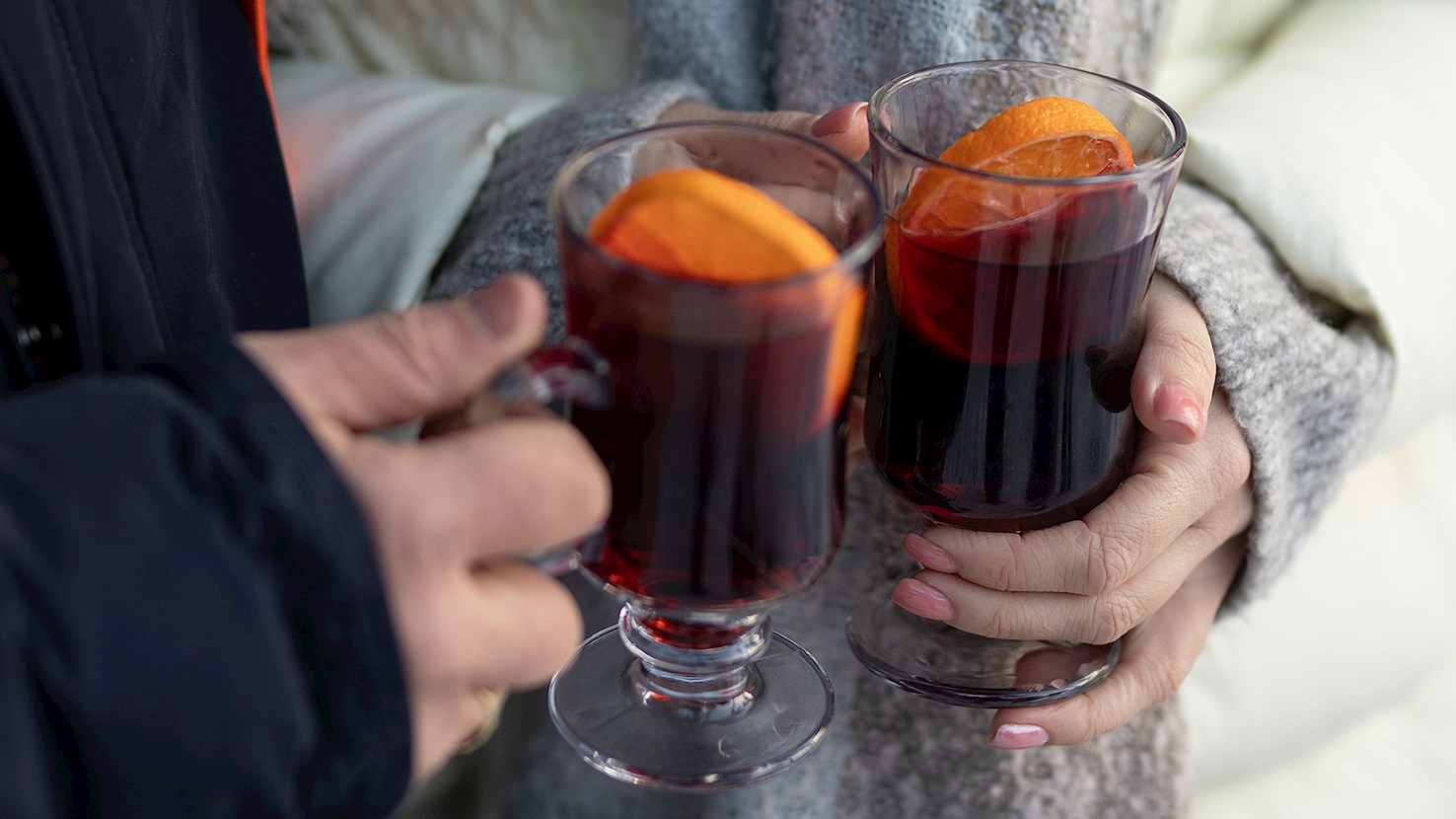
Vin chaud is a heated wine drink from France and Switzerland prepared by gently warming red wine with honey and whole spices such as cinnamon, cloves, star anise, and citrus peel, creating a dark, aromatic beverage with a smooth texture, rounded sweetness, softened acidity, and a warming profile shaped by infusion rather than fermentation or aging. The drink developed as wine consumption adapted to colder climates, where heating wine improved comfort and stability, and the use of honey as a sweetener reflects periods when honey was more accessible than refined sugar, anchoring the drink in winter household practice before it became a fixture of public seasonal gatherings. Preparation centers on slowly heating red wine without boiling, dissolving honey evenly, and infusing whole spices and citrus over low heat so aromas are extracted gradually while alcohol remains largely intact, followed by brief resting to allow flavors to integrate. Common variations adjust spice selection, citrus type, or sweetness level, and later adaptations may substitute or supplement honey with sugar, while the defining feature remains gently heated wine sweetened with honey and perfumed by whole spices. Vin chaud is consumed hot, served in mugs or heat-resistant glasses, most often during cold weather, enjoyed at markets and in homes, and paired with pastries, roasted nuts, simple cakes, and mildly sweet baked goods that complement spice and warmth without overwhelming the drink
TasteAtlas food rankings are based on the ratings of the TasteAtlas audience, with a series of mechanisms that recognize real users and that ignore bot,
nationalist or local patriotic ratings, and give additional value to the ratings of users that the system recognizes as knowledgeable.
TasteAtlas Rankings should not be seen as the final global conclusion about food. Their purpose is to promote excellent local foods,
instill pride in traditional dishes, and arouse curiosity about dishes you haven’t tried.






What People Say