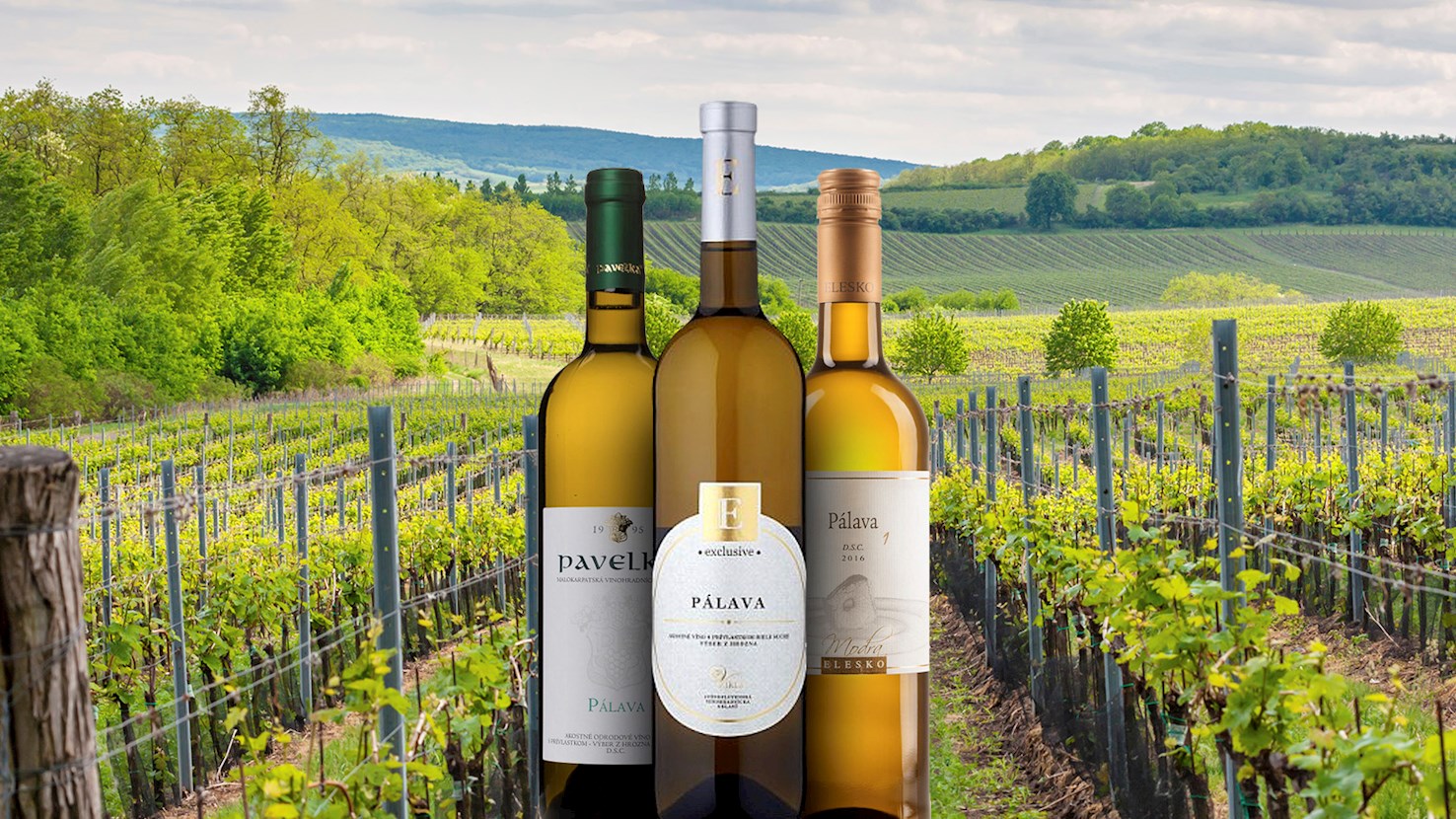
Pálava is a Czech grape variety that was created as a cross between Müller Thurgau and Gewürztraminer (Tramín červený). In 1977, this hybrid was officially recognized as a grape variety. It is mainly cultivated in Moravia, on the foothills of the eponymous mountain, where it was first created. Apart from the Czech Republic, it is only found in neighboring Slovakia. Pálava wines are typically full-bodied and aromatic, and though they are subtly sweet, the best examples are usually well-balanced with acidity and freshness. These golden-yellow wines tend to display aromas of roses, vanilla, and tropical fruit, while their typical characteristic is subtle spiciness reminiscent of pepper and nutmeg. Pálava wines are an excellent match to spicy dishes, white meat, desserts, and cheese, especially smoked, blue, or washed rind varieties.
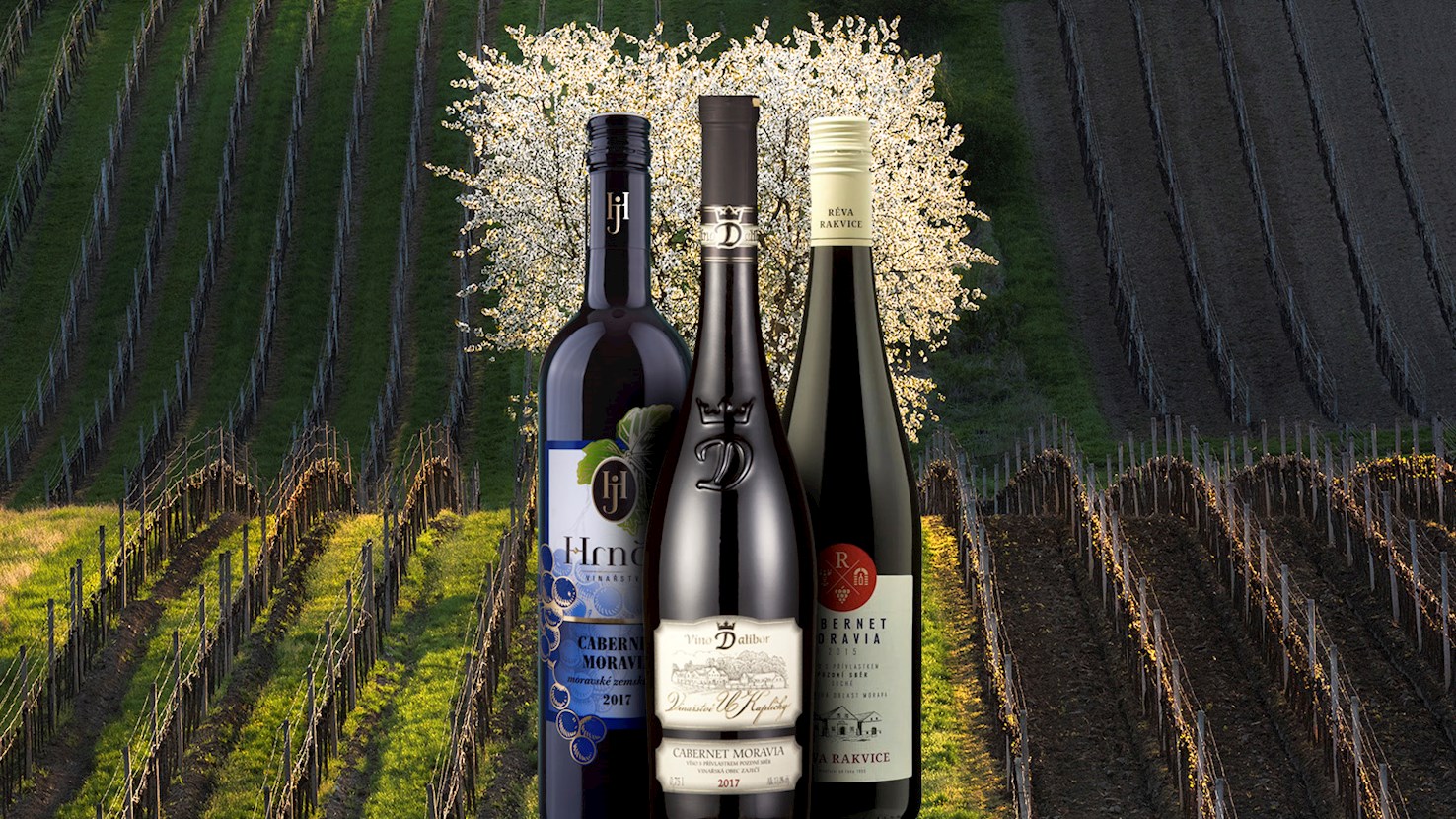
Cabernet Moravia is a hybrid grape from the Czech Republic that was created by crossing Zweigelt (Zweigeltrebe) and Cabernet Franc varieties. The grape was created by Lubomír Glos from Moravská Nová Ves, and although it was first crossed in the 1970s, it was officially registered in 2001. Plantings of Cabernet Moravia are not abundant, but the grape has shown great potential in South Moravia. The best examples made with Cabernet Moravia are usually dark garnet in color, with typical aromas of black currant, cherries, blueberries, and peppery nuances. They can age well while their tannins are typically firm and well-structured. These wines would be a good match to game dishes and red meat. They can also pair well with spicy sauces, smoked meat, and soft or aged cheese.
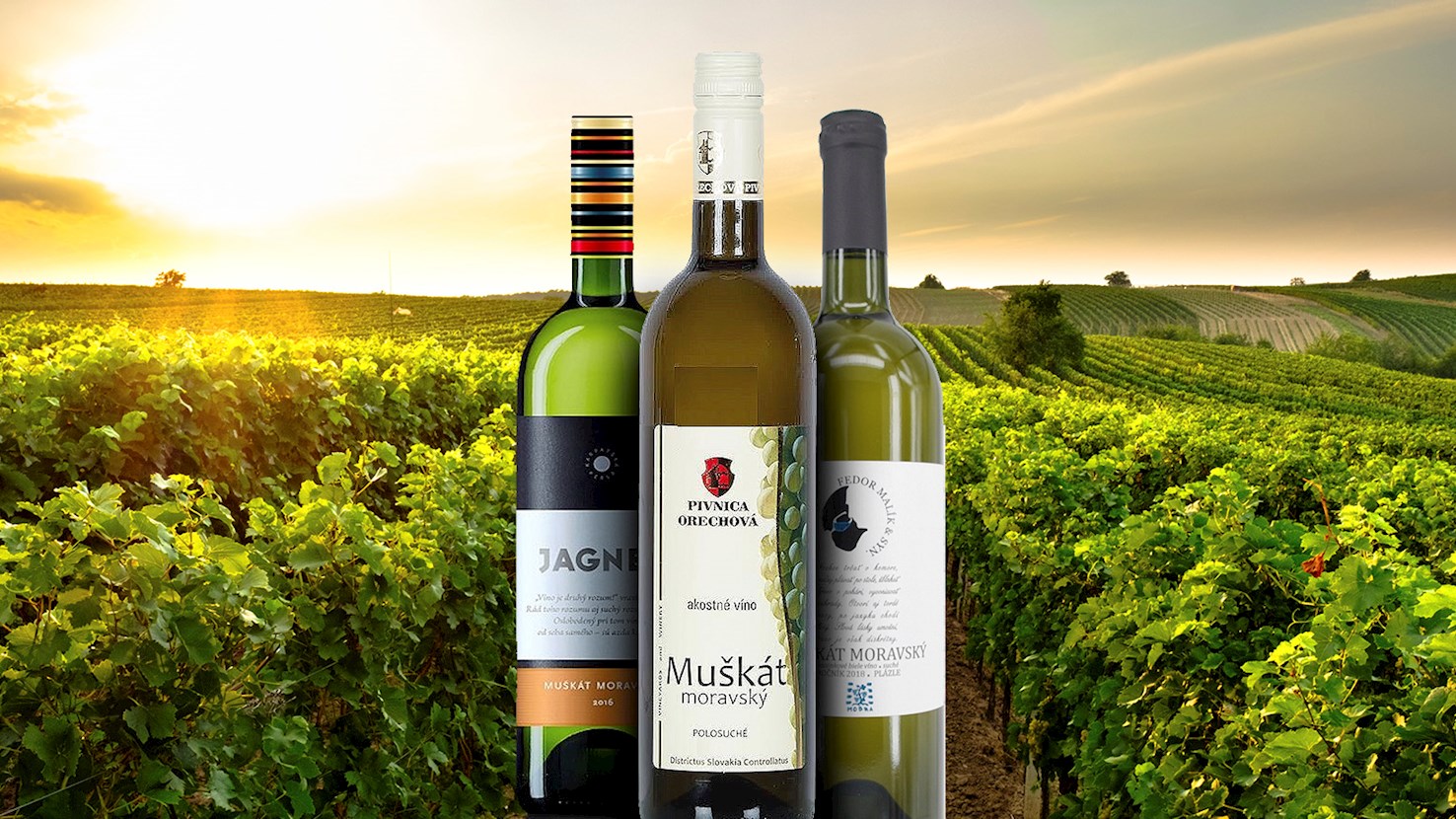
Moravian muscat is a Czech grape variety that was created by crossing Muscat Ottonel and the rare Prachtraube grape. Although the grape is also suitable for the production of sweet and sparkling wines, it is mostly used as a blending grape and in production of dry varietal wines. Dry wines produced from Muškát moravský are golden-colored with typical spicy notes and floral, herbal, and citrusy aromas. They are usually light and aromatic, while the best examples will have an excellent balance of residual sugars and acidity. These wines are best enjoyed young and should be well-chilled. They can be a good match to fruit desserts, pastries, and aged cheese, but they can also pair well with some spicy dishes or pâtés.
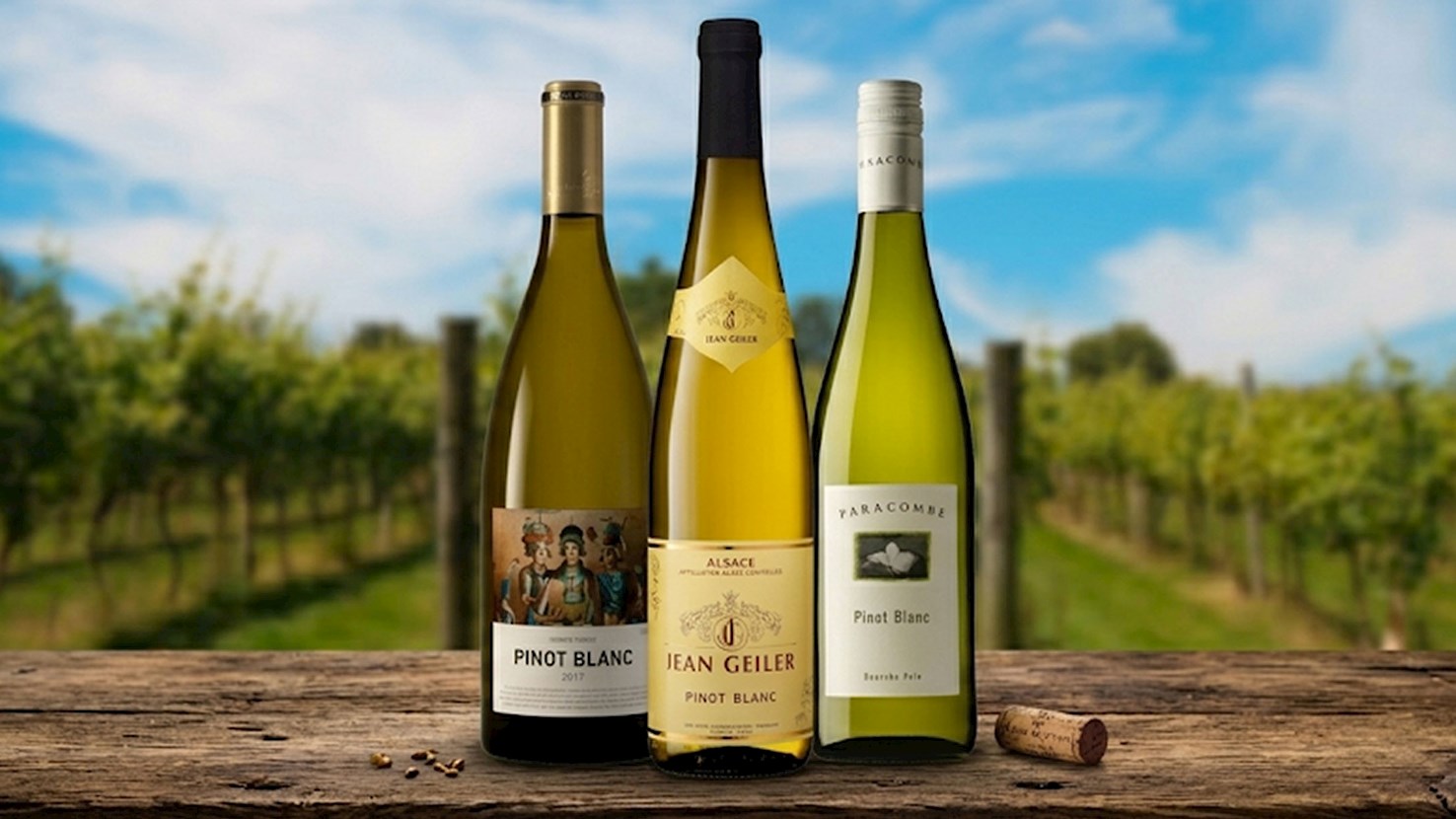
Pinot Blanc is a white wine grape variety used to produce dry white wines in regions such as Alsace, Germany, Austria, and parts of Italy, where it is valued for moderate acidity, pale color, and a restrained aromatic profile. The variety developed as a natural mutation within the Pinot family, closely related to Pinot Noir and Pinot Gris, and its cultivation spread through Central Europe via monastic vineyards and regional plant exchanges during the medieval period, where growers selected it for reliability and adaptability rather than intensity, leading to its steady presence in cooler and temperate climates. Winemaking typically involves gentle pressing of the grapes, fermentation at controlled temperatures to preserve freshness, and aging in stainless steel or large neutral vessels, though some producers use oak or extended lees contact to add texture without dominating the wine’s character. Pinot Blanc is generally bottled dry and served cool, allowing its subtle fruit and structure to remain balanced, and it is rarely decanted unless made in a fuller-bodied style. A defining aspect of Pinot Blanc is its role as a neutral but structured wine that reflects site and winemaking choices more than varietal aroma, which has led to stylistic diversity across regions while maintaining a consistent framework. Pinot Blanc is consumed primarily with meals, paired with foods such as fish, shellfish, poultry, veal, mild cheeses, and vegetable-based dishes, and it is also used as an everyday table wine in Central European dining, where its moderate alcohol and restrained profile allow it to accompany a wide range of cuisines without overpowering the food.
TasteAtlas food rankings are based on the ratings of the TasteAtlas audience, with a series of mechanisms that recognize real users and that ignore bot,
nationalist or local patriotic ratings, and give additional value to the ratings of users that the system recognizes as knowledgeable.
For the “Top 4 Czech Wine Varieties” list until June 24, 2026, 69 ratings were recorded, of which 59 were recognized by the system as legitimate.
TasteAtlas Rankings should not be seen as the final global conclusion about food. Their purpose is to promote excellent local foods,
instill pride in traditional dishes, and arouse curiosity about dishes you haven’t tried.