Top 14 Wine Varieties
in East Asia

Last updated on July 01, 2026

Best Wine Varieties in the World
01

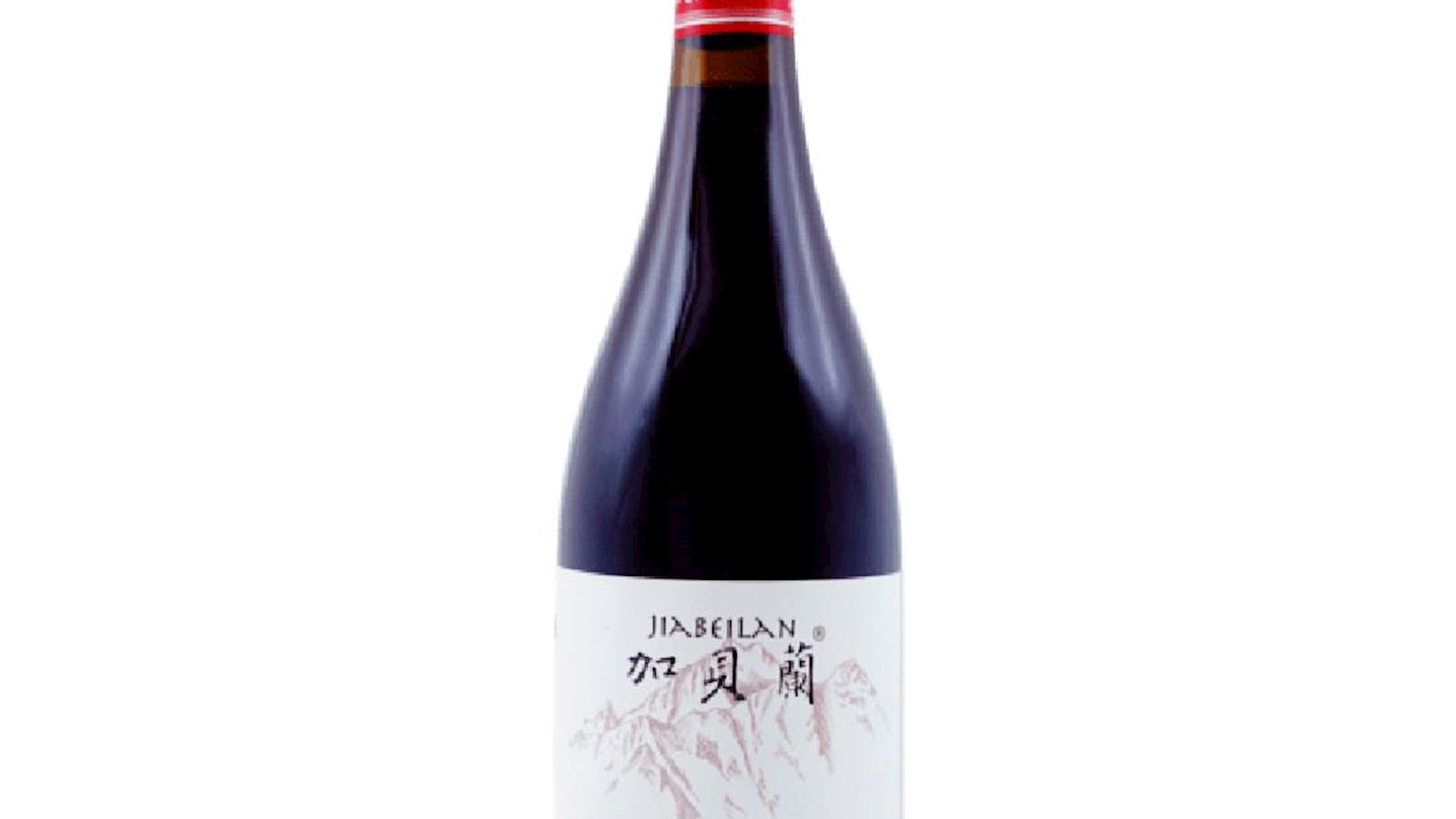
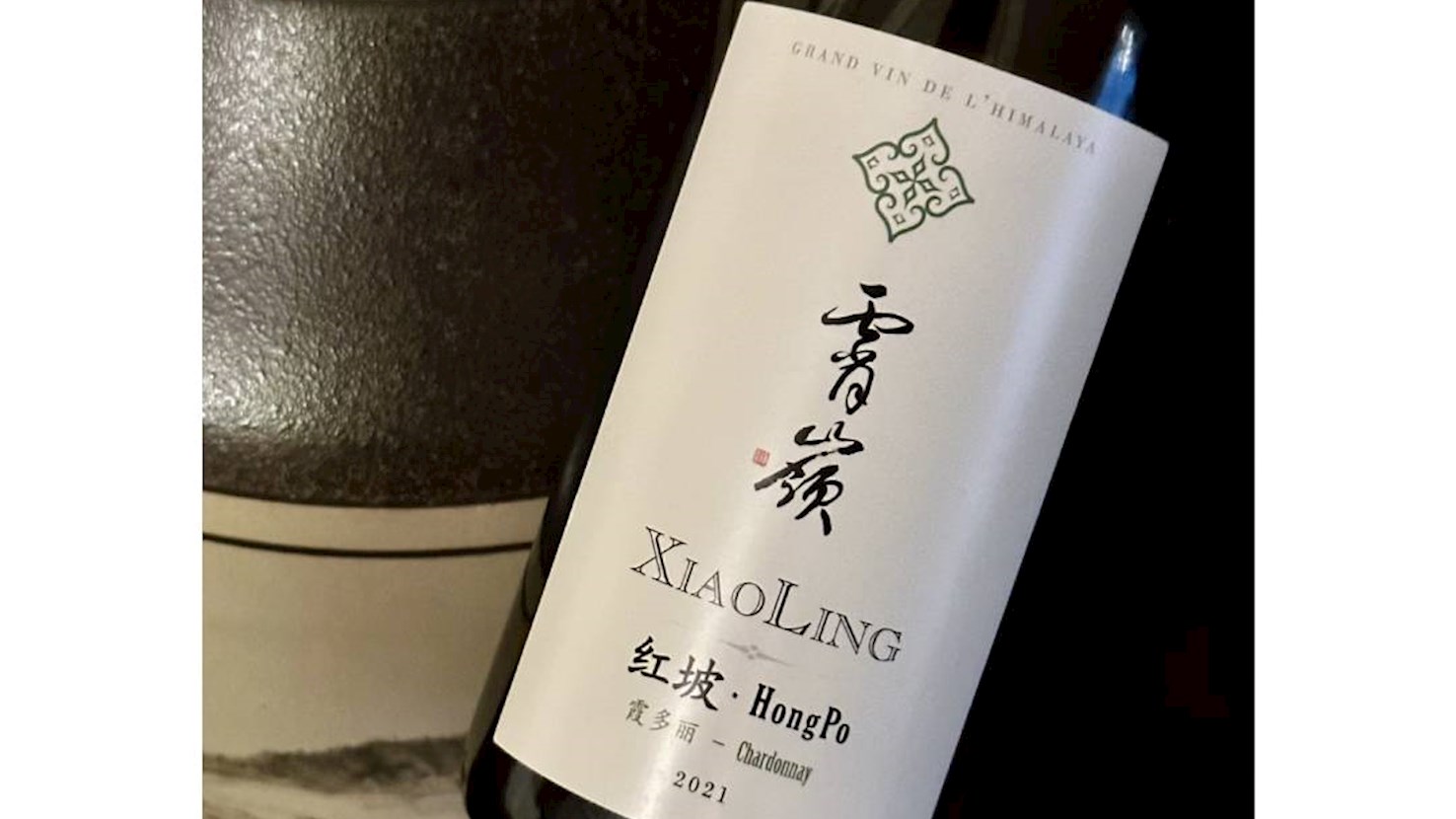
Xiao Ling

4.7 ·

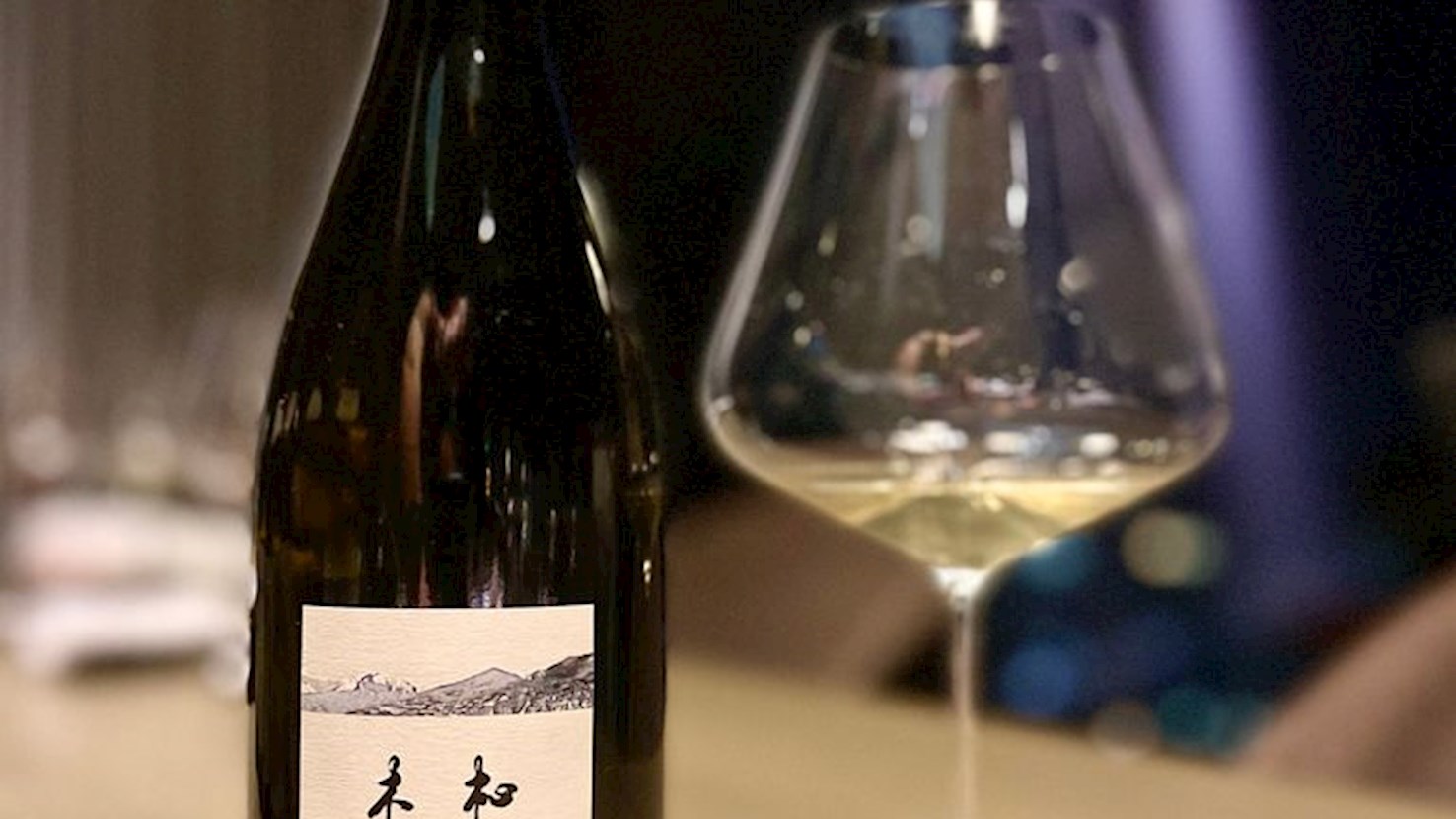
Xiaoling Estate is a winery located in the complex and steep region of the Tibetan border in Yunnan Province, China. It is situated near the Kawa Kharpo mountain range, a sacred site for Tibetan Buddhism, with peaks reaching nearly 7,000 meters and forming a natural boundary with Tibet.

The name "Xiaoling" in Mandarin translates to "cloudy mountain peak," reflecting the majestic landscape and the spirit of the proud inhabitants of this region. The winery is dedicated to producing high-quality wines that elegantly express the nature and labor of the people from these remote villages.

The vineyards are located at an altitude of 2,000 meters, with diverse soil compositions, including alluvial rocks in the lower areas, marl in the higher sections, and limestone throughout the layers. The varietal selection includes Cabernet Sauvignon, Carménère, and Merlot.

Awards
James Suckling - 97 points (2024)
James Suckling - 96 points (2024)
02

Domaine Muxin

4.7 ·

Domaine Muxin, located in the picturesque region of Yunnan, is quickly gaining recognition as one of China's standout wineries. Founded and led by owner and winemaker Mu Chao, the estate benefits from his extensive experience and expertise, honed during his studies in Burgundy and his work at prestigious wineries such as Clos de Tart, Clos des Fées, Jean-Louis Chave, and Vérité.

Specializing in small-batch, meticulously crafted wines, Domaine Muxin produces an elegant, Cabernet-based red wine renowned for its harmonious balance, depth, and refined structure. Additionally, their mineral-driven Chardonnay stands out for its liveliness and vibrant character, offered in extremely limited quantities.

Experience the artistry of Mu Chao’s winemaking and discover the exceptional wines of this breathtaking region through a special tasting and dinner, showcasing the unique terroir and vision behind Domaine Muxin.

Awards
James Suckling - 96 points (2024)
03

Ao Yun

4.6 ·

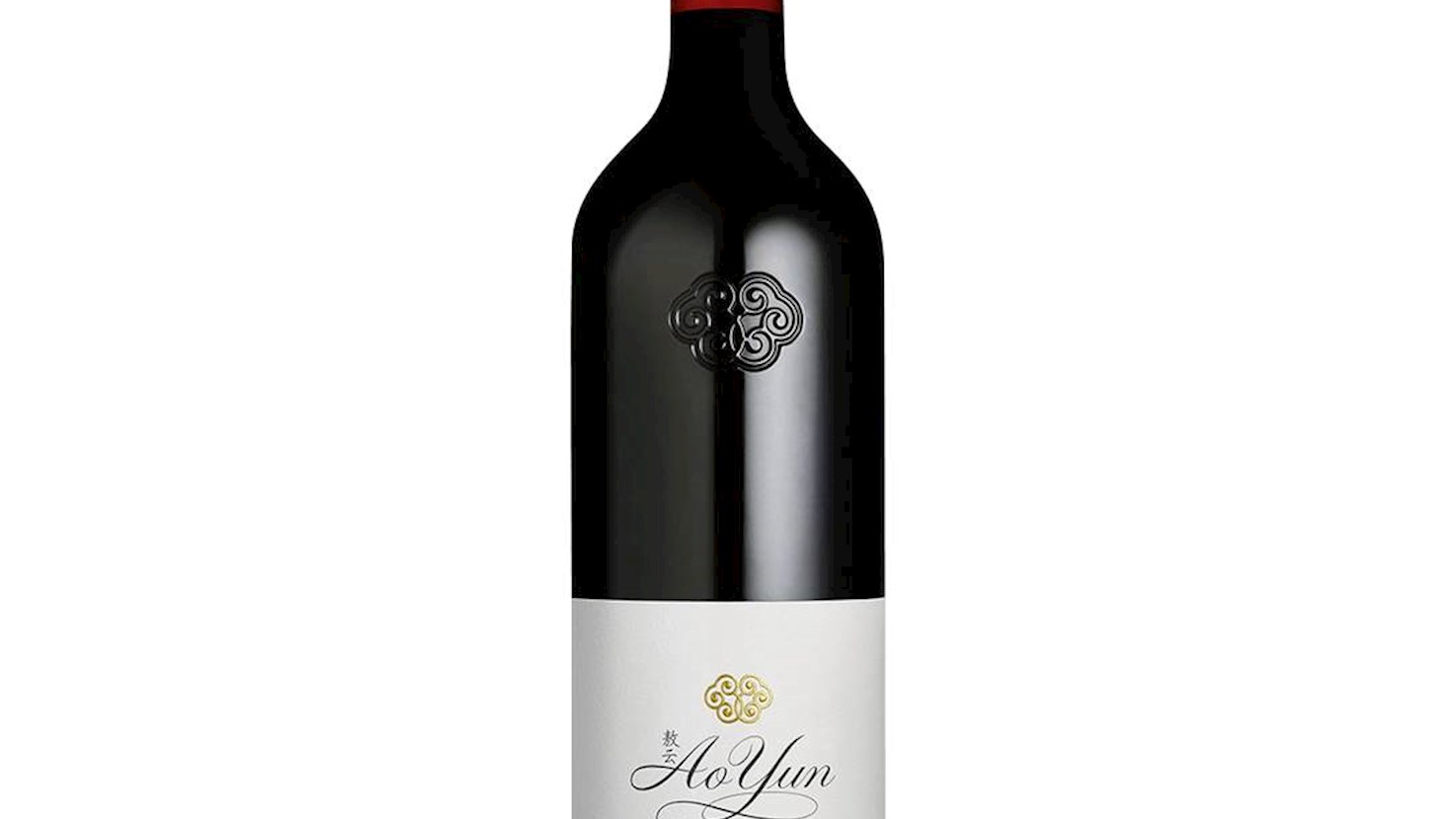
Ao Yun is a distinguished winery located in the Himalayan region of Yunnan, China. The name "Ao Yun" translates to "flying above the clouds," reflecting its unique high-altitude vineyards situated between 2,200 and 2,600 meters above sea level.

Established by Moët Hennessy, Ao Yun embarked on an ambitious journey to craft world-class wines in China. After a four-year search for the ideal terroir, the vineyards were planted in 2013 across four villages: Xidang, Sinong, Shuori, and Adong.

These locations offer diverse soil types, sun exposure, and microclimates, contributing to the complexity and distinctiveness of Ao Yun's wines. Ao Yun's wines are celebrated for their harmony, elegance, and complexity.

The high-altitude conditions result in grapes with thicker skins, leading to wines with soft, dense tannins and a long, salty mineral finish. The winery's meticulous approach to viticulture and winemaking, combined with the unique Himalayan terroir, has positioned Ao Yun as a pioneer in the Chinese wine industry, producing wines that have garnered international acclaim.

Awards
James Suckling - 99 points (2024)
Vivino - 4.1
04

Longting Vineyard

4.5 ·

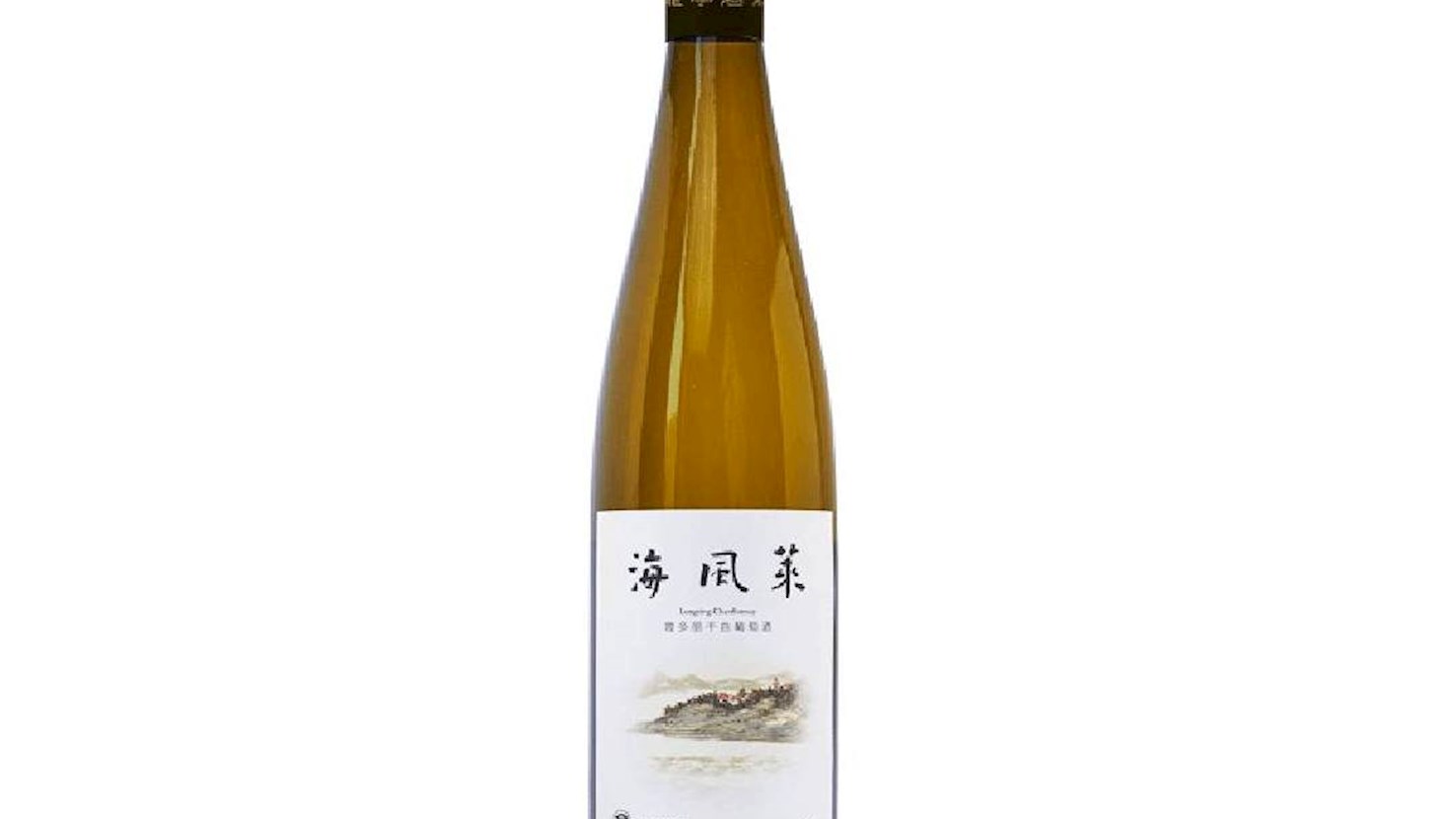
Longting is a heritage Chinese boutique winery, located on the eastern slop of Mount Feng in Penglai where is the northernmost in Shandong peninsula. Longting vineyard occupies 68 hectares, and half of the estate is dedicated to vines. 50,000 bottles of high-end wines are produced per year, including dry white, dry red, rosé and dessert wines.

The vineyard is planted primarily to Petit Manseng, Marselan, Cabernet Franc, Chardonnay, Petit Verdot and Vidal. The tourist reception hall has an area of ​​2600㎡, the cellar covers 3700㎡, and an area of ​​4000㎡ for guest rooms and pastoral restaurants.

Longting vineyard is located on a wide stretch with the most fascinating forests, valleys and fresh air.

Awards
James Suckling - 93 points (2024)
Concours Mondial de Bruxelles - Grande Médaille d'or (2024)
05

Grace Wine

4.5 ·

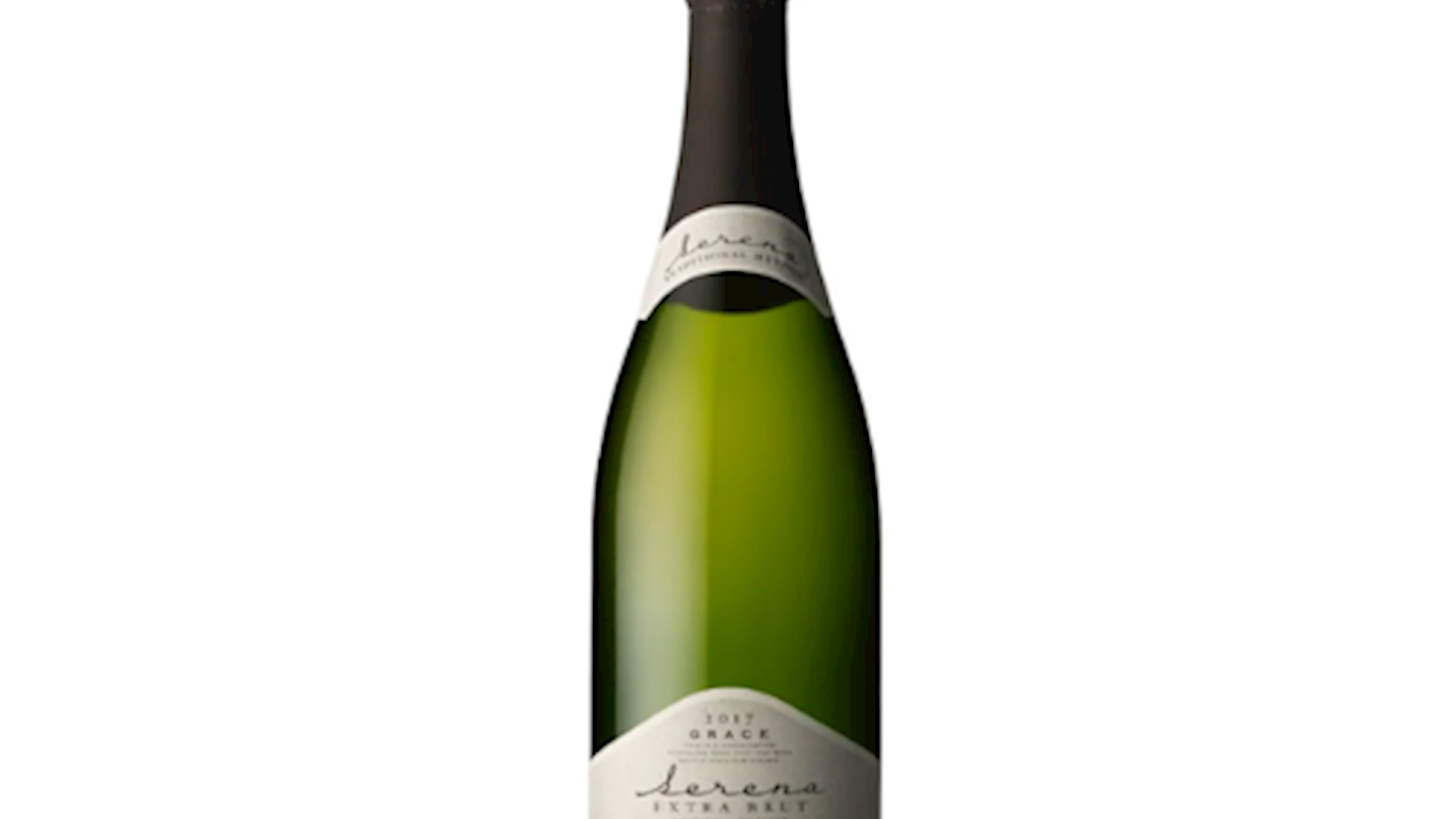
Grace Wine is a family-owned winery in Japan, founded in 1923 in Katsunuma, Yamanashi Prefecture, a region considered the cradle of Japanese winemaking. The winery’s main focus is the indigenous Japanese grape Koshu, a delicate white variety with pink-tinged skins that produces wines known for their minerality and subtlety.

The vineyards are located at higher elevations, often above 700 meters, where cool nights and strong air circulation allow slow ripening and preserve natural acidity. The soils are rich in volcanic and alluvial sediments, contributing to the wines’ clean and linear profile.

Their Koshu wines are characterized by elegance, discreet citrus notes, a saline mineral finish, and remarkable purity. In addition to Koshu, Grace Wine also produces red wines and traditional-method sparkling wines, but Koshu remains the defining element of the winery’s identity.

Their wines pair exceptionally well with light and refined cuisine - especially fish, sashimi, and sophisticated Asian fusion dishes. Thanks to authenticity, consistent quality, and a long winemaking tradition, Grace Wine is considered a benchmark producer of Koshu in Japan.

The winery preserves tradition while simultaneously pushing the boundaries of modern Japanese wine.

Awards
Decanter World Wine Awards - Platinum (2017, 2016)
Vivino - 4.1
06

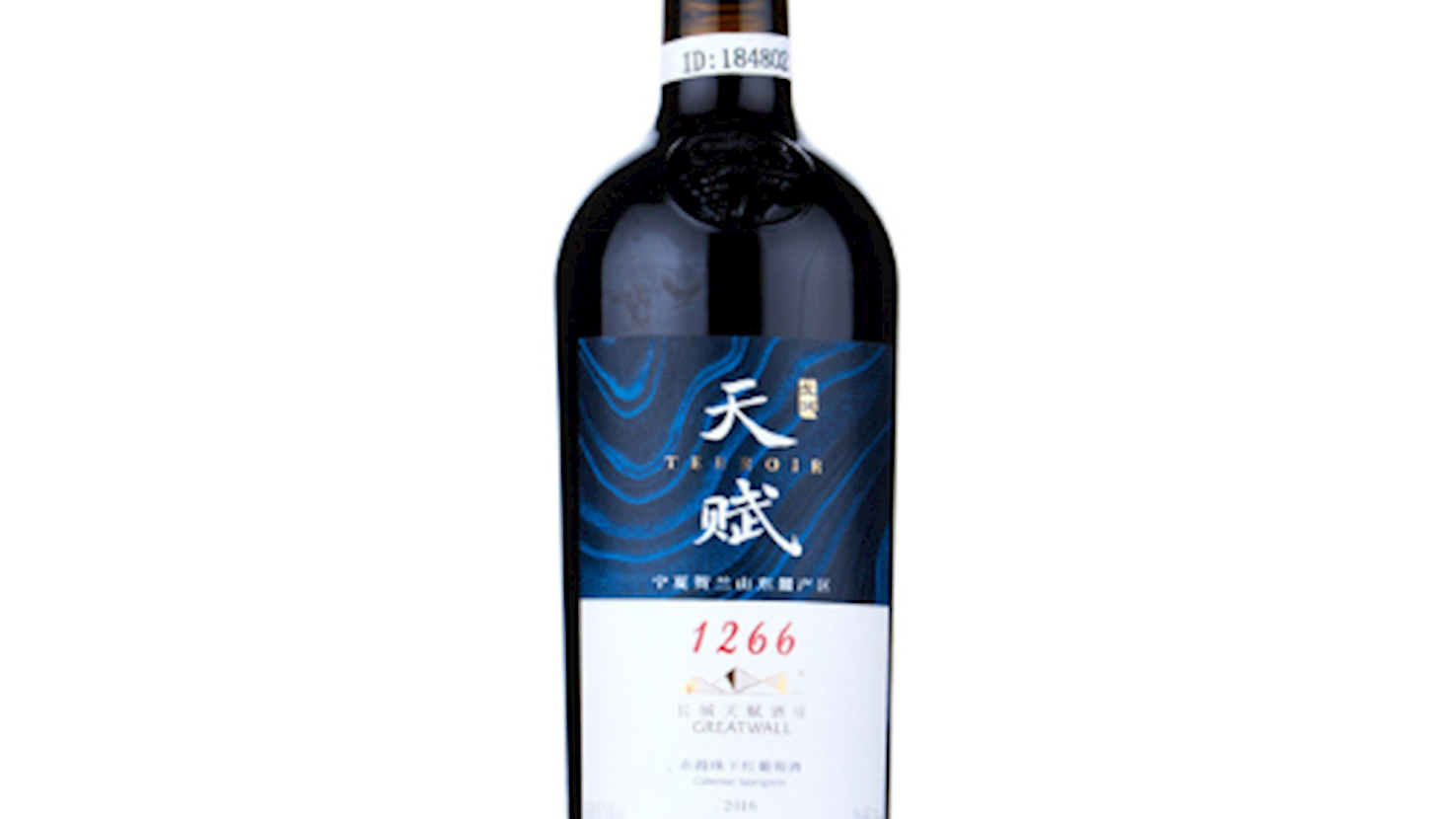
Cofco - Great Wall Wine

4.4 ·

COFCO Great Wall Wine is a domestic wine business operating platform managed by COFCO Group, which owns the No. 1 brand in China's wine industry, "Great Wall Wine". COFCO Great Wall Wine has 6 factories, 5 wineries, 24 war zones and more than 2,000 employees. As a leading brand in China's wine industry, Great Wall Wine produced China's first bottle of dry red, dry white and traditional method sparkling wine, laying the foundation for the formalization and standardization of China's wine industry.

Its production, sales and market share have led the industry for many years.

Awards
Concours Mondial de Bruxelles - Grande Médaille d'or (2020)
07

Canaan Winery

4.4 ·

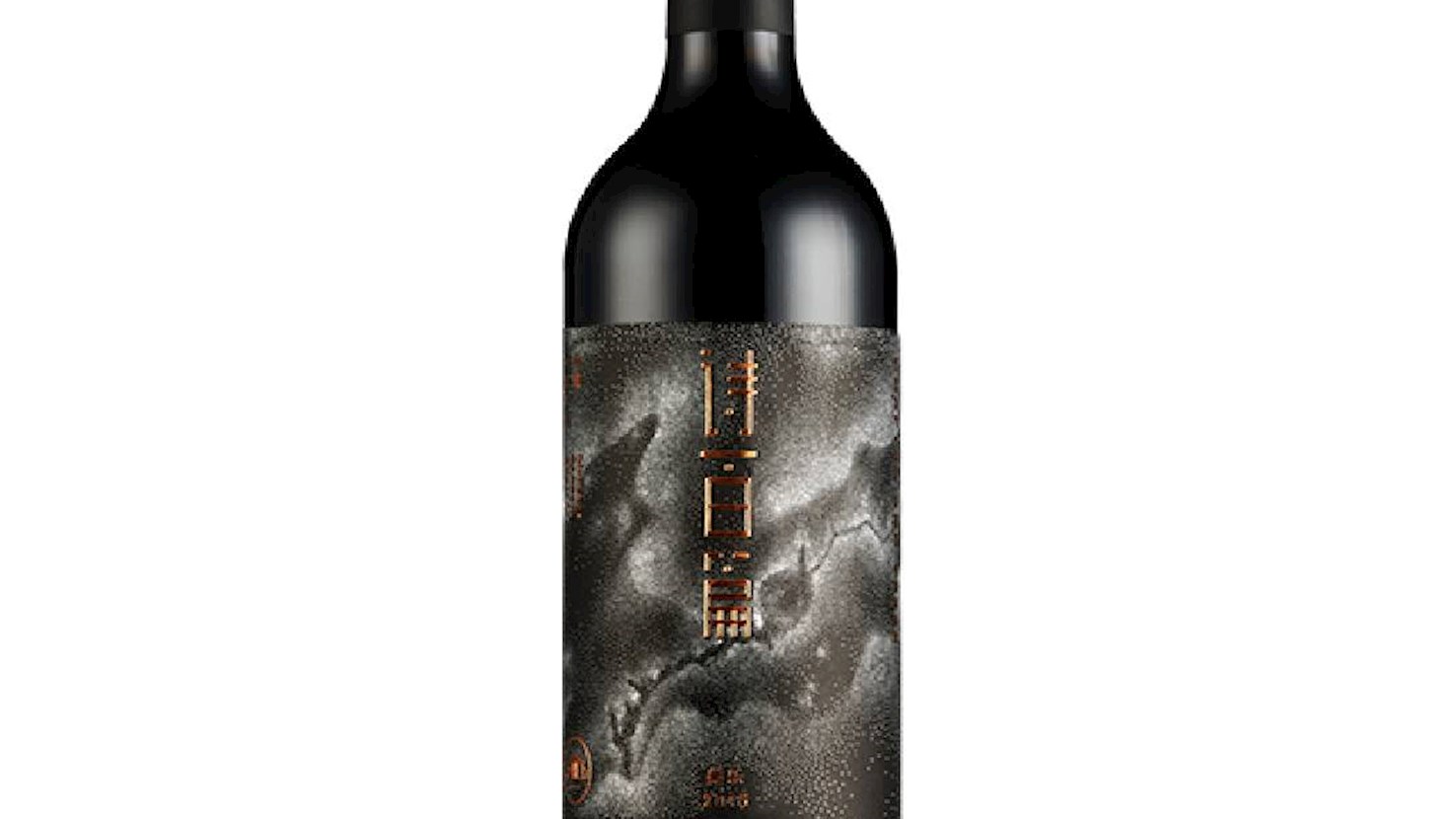
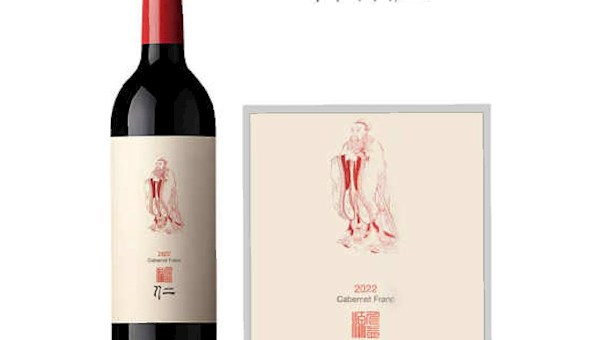
Canaan Winery’s Chapter and Verse (Shi Bai Pian) brand derives its name from the ancient Chinese poem Eight Immortals of the Wine Cup penned by renowned Tang poet-sage Du Fu. Canaan Winery’s Chapter and Verse (Shi Bai Pian) brand derives its name from the ancient Chinese poem Eight Immortals of the Wine Cup penned by renowned Tang poet-sage Du Fu. "Chapter" embodies the many aspects that make winemaking so dynamic— from the climate to the grape variety, the terroir to the passage of time. Our winemakers are attuned to these elements, expertly weaving them together to create wines that are truly one-of-a-kind. "Verse" represents our wines as works of art, masterfully crafted with unparalleled quality, each exuding sophistication and elegance.

Chapter and Verse is here to journey with you through the vicissitudes of time. Paying homage to Chinese ingenuity and honoring the tireless winemakers who imbue each bottle with passion and devotion, the brand showcases the allure of Chinese wine to wine aficionados around the world.

Let’s raise a glass of Chapter and Verse—here’s to the winemakers, to the wine lovers, and to Chinese wine.

Awards
James Suckling - 95 points (2024)
08

Kanaan Winery

4.4 ·

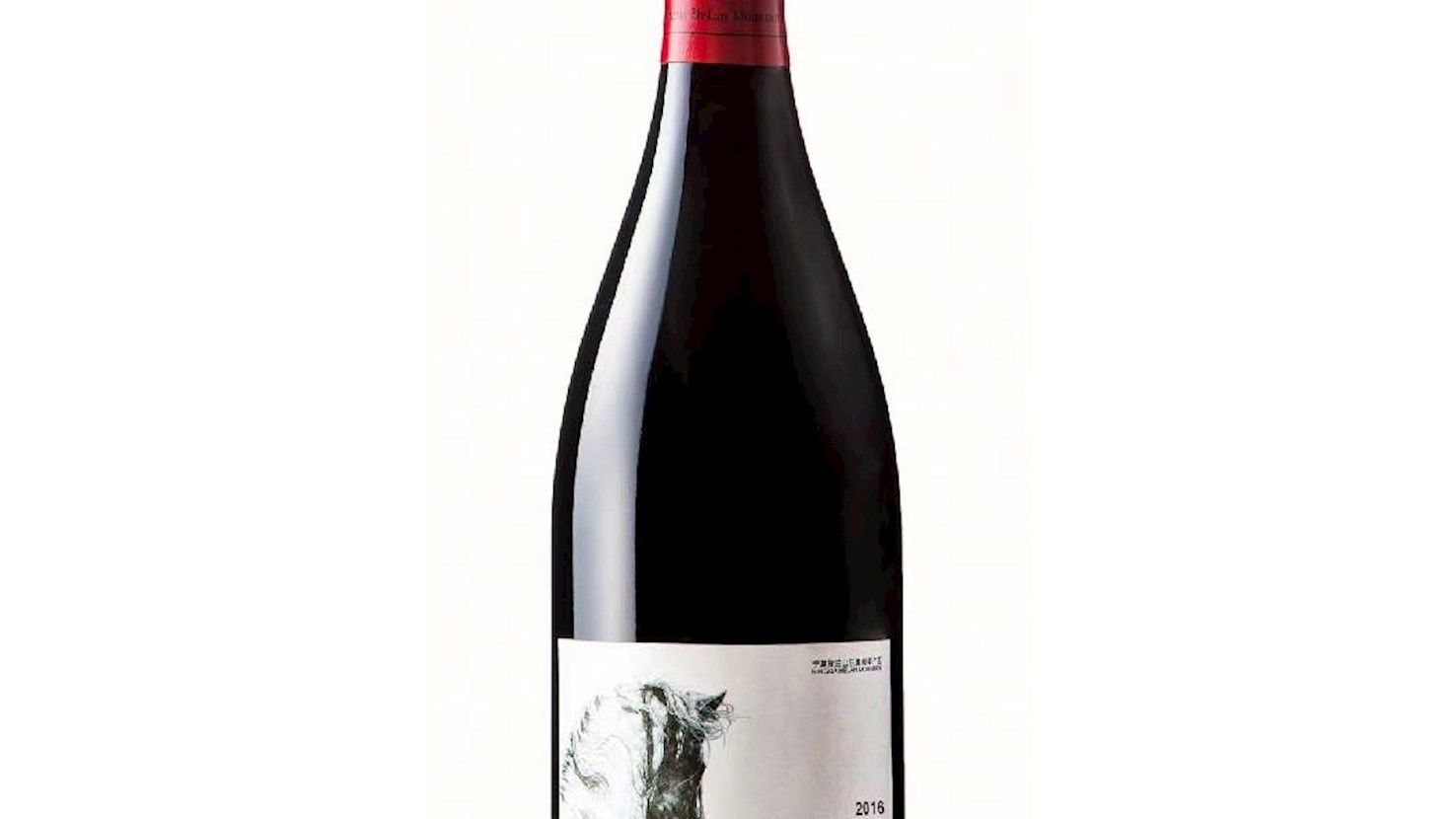
Kanaan Winery, established in 2011 by Wang Fang, is a boutique winery located at the picturesque eastern foothills of the Helan Mountains in Ningxia, China. The winery spans approximately 16 hectares and has an annual production of about 100,000 bottles, making it one of the most renowned boutique wineries in China. Wang Fang, also known as "Crazy Fang," is recognized for her bold and unconventional winemaking approach.

Coming from a family with a rich winemaking heritage—her father being one of the pioneers of fine wine in Ningxia—she combines traditional techniques with innovative methods to produce wines of exceptional quality. Kanaan Winery has garnered numerous awards in both domestic and international competitions.

Their wines are celebrated for their excellence, complexity, and depth, leading to increasing acclaim and recognition.

Awards
James Suckling - 95 points (2024)
James Suckling - 94 points (2024)
09

Puchang Vineyard

4.4 ·

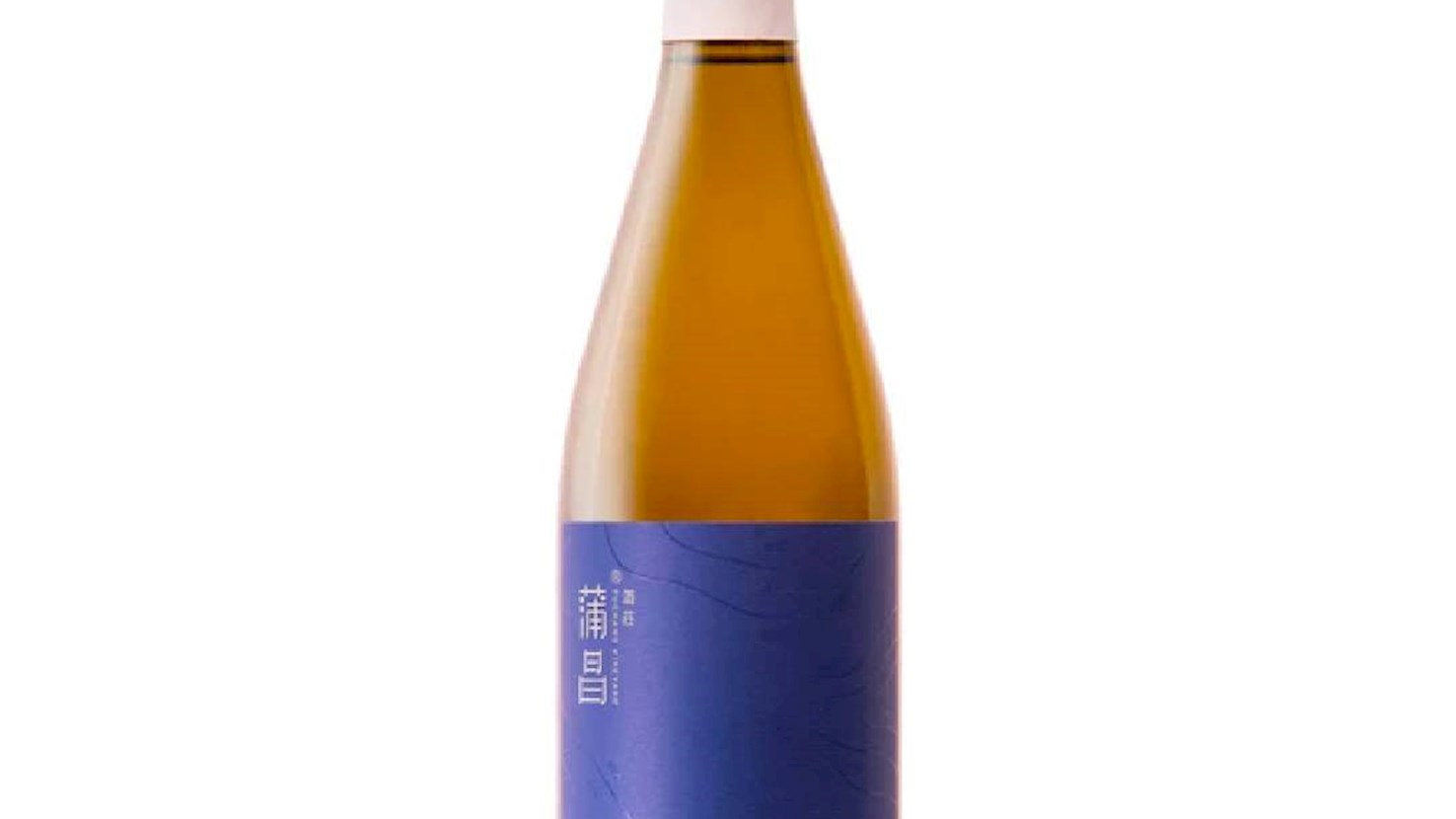
Puchang Vineyard is a renowned winery located in the Turpan Valley of the Xinjiang Autonomous Region in China. Established in 1975, the winery was acquired in 2008 by Hong Kong entrepreneur K.K.

Cheung, who shifted its focus towards organic wine production. Puchang Vineyard stands out for cultivating indigenous and rare grape varieties such as Beichun, Saperavi, Rkatsiteli, and Chinese Muscat, which reflect the unique terroir of the Turpan Valley.

Thanks to the extreme desert climate, the vineyards are almost entirely pest-free, allowing for organic farming without the use of pesticides or herbicides. The winery has gained international recognition, winning the title of "China Winery of the Year" at the Berlin International Wine Competition in 2017.

Awards
James Suckling - 94 points (2024)
10

Helan Qingxue

4.4 ·

Helan Qingxue Vineyard, the first demonstration vineyard in Ningxia, is located at the foot of Helan mountain at an altitude of 1,138 metres. With a 2.6-hectare vineyard of Chardonnay, Merlot, Cabernet Sauvignon, Marselan, Malbec among other varieties, the winery produces 60,000 bottles of wines per year.

In 2005, two legendary figures in the local wine industry, Rong Jian and Wang Fengyu, accompanied by a young winemaker, Zhang Jing, founded the winery, inviting Professor Li Demei to be their wine consultant. Helan Qingxue Vineyard shows full respect to nature and the soil and is regarded as one of China’s great wineries.

Helan Qingxue and its people are committed to producing wines of great distinction, with a sense of place.

Awards
James Suckling - 94 points (2024)
About this ranking

TasteAtlas food rankings are based on the ratings of the TasteAtlas audience, with a series of mechanisms that recognize real users and that ignore bot, nationalist or local patriotic ratings, and give additional value to the ratings of users that the system recognizes as knowledgeable. For the “Top 14 Wine Varieties in East Asia” list until July 01, 2026, 0 ratings were recorded, of which 0 were recognized by the system as legitimate. TasteAtlas Rankings should not be seen as the final global conclusion about food. Their purpose is to promote excellent local foods, instill pride in traditional dishes, and arouse curiosity about dishes you haven’t tried.

The initial list of top producers was compiled based on available reviews, awards, local recommendations, media and blog coverage, and consumer reviews. The list will be updated with ratings from TasteAtlas local ambassadors and TasteAtlas users.

Similar lists