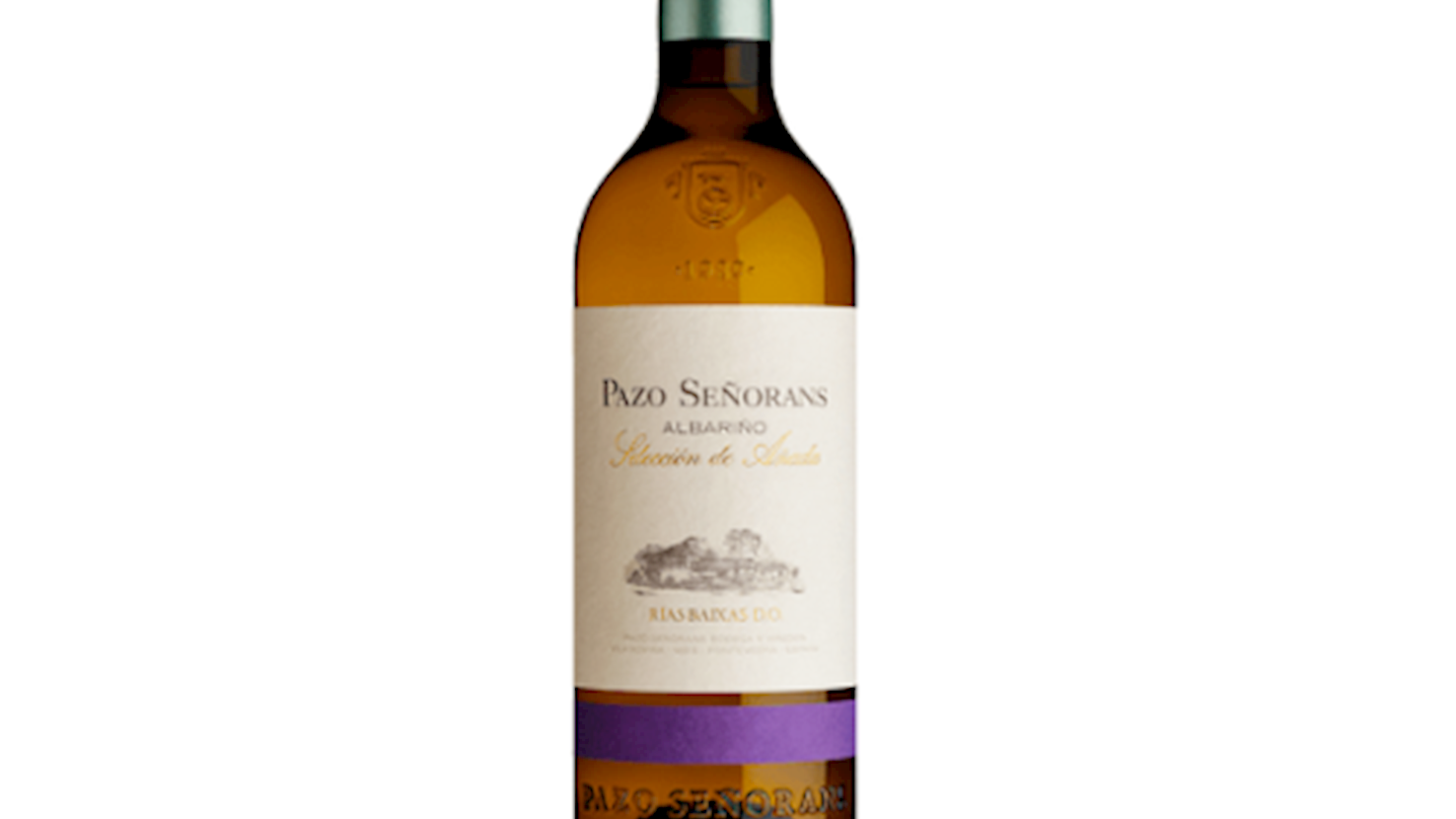
Pazo Señorans is a historic family-owned winery from the Rías Baixas region in Galicia, widely regarded as one of the key reference points for the quality and identity of Albariño. It was founded in 1989 by Marisol Bueno and Javier Mareque, who launched the project on their estate in the Salnés Valley near the village of Meis, set in a traditional Galician pazo - a 16th-century manor house that gives the winery its distinctive character. From the very beginning, the estate has focused exclusively on Albariño, with vineyards located close to the Atlantic Ocean on soils combining slate, sand, and gravel, which lend the wines pronounced minerality and natural freshness. Over the decades, Pazo Señorans has built a reputation for showing that Albariño can be both elegant and approachable, yet also serious and complex with real aging potential. The winery is particularly known for wines that spend extended time aging on fine lees, gaining additional texture and aromatic depth. Their style is defined by pure fruit expression, precise acidity, and a clear sense of place. Today, Pazo Señorans stands as a benchmark producer for authentic Galician white wines and a symbol of the modern success of the Rías Baixas appellation.
Awards
Decanter World Wine Awards - Platinum
(2020, 2018, 2016)
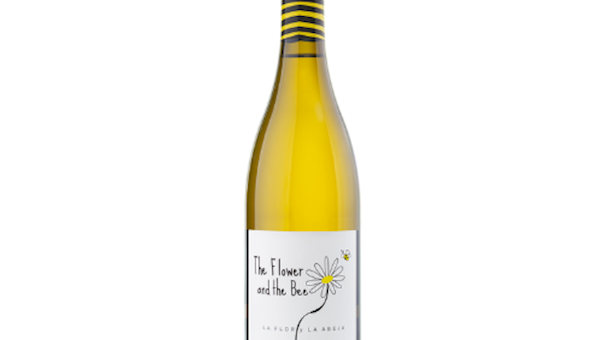
Notas Frutales is a modern winery located in the Rías Baixas appellation, specifically in the Condado de Tea subzone in Galicia, Spain, an area well known for producing high-quality Albariño wines. The vineyards are situated on rolling hills along the Miño River at elevations between 200 and 350 meters, where Atlantic climatic influences provide freshness while sufficient sun exposure ensures proper ripening of the grapes. The winery focuses primarily on the Albariño variety, aiming to highlight its aromatic intensity, natural acidity, and strong connection to terroir. Winemaking combines careful vineyard management with modern vinification techniques, including temperature-controlled fermentation in stainless steel to preserve primary fruit aromas. The resulting wines are typically vibrant and expressive, showing notes of citrus, stone fruit, and white flowers, supported by a crisp, mineral-driven backbone. The style emphasizes clarity, freshness, and varietal precision rather than heavy oak influence or excessive complexity. The portfolio includes labels such as La Trucha and Finca Garabelos, along with different interpretations of Albariño, including versions with partial oak fermentation or aging. Overall, Notas Frutales represents a contemporary expression of Galician winemaking, focused on fruit purity, balance, and regional identity.
Rafael Palacios is a winery based in the Valdeorras region of northwestern Spain and one of the key forces behind the modern revival of the white grape variety Godello. The project was founded in 2004 by Rafael Palacios, a member of a renowned winemaking family, who deliberately chose to focus his work on white wines and the untapped potential of this long-overlooked grape. His vineyards are located in the Val do Bibei subzone, on steep slopes and terraced sites with granite soils at higher altitudes, giving the wines marked minerality and natural freshness. Particular value is placed on old Godello vines from small, historic plots cultivated according to organic and partly biodynamic principles. In the cellar, a minimalist approach is followed, with spontaneous fermentations and extended aging on the lees to preserve the authenticity of both variety and terroir. Wines typically mature in neutral barrels or larger wooden vessels, avoiding overt oak influence. The style of the winery is defined by precision, textural depth, and a clearly structured acidity. The portfolio is focused almost entirely on Godello, ranging from more approachable wines to highly limited single-parcel bottlings. Today, Rafael Palacios is regarded as one of the most important white wine producers in Spain. His work has played a major role in shaping Valdeorras’ reputation as a serious region for top-quality white wines.
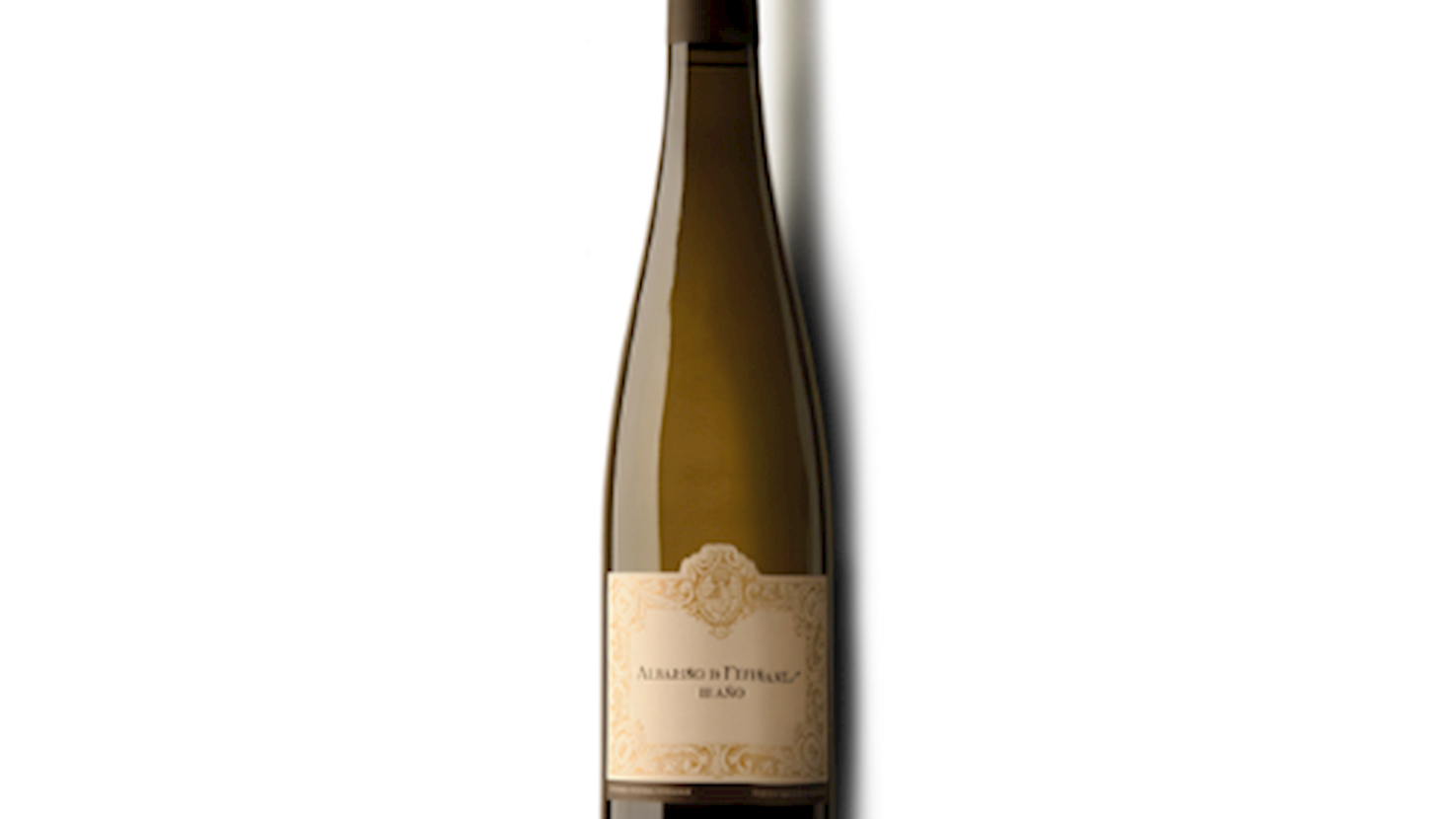
Bodegas del Palacio de Fefiñanes is one of the oldest and most influential wineries in the Rías Baixas region, housed in the historic 17th-century Palacio de Fefiñanes in the heart of Cambados, often considered the cradle of Albariño. The estate played a pivotal role in shaping the identity of the variety, being among the first to bottle and market Albariño as a distinct wine in 1928, long before the DO Rías Baixas appellation was officially established. Production is based on long-standing partnerships with local growers in the Salnés Valley, where vineyards are traditionally trained on pergolas, well suited to the humid Atlantic climate. The house style is defined by clarity, freshness, and vibrant acidity, with aromas of citrus, green apple, and white flowers, supported by a characteristic mineral backbone. Alongside its classic Albariño de Fefiñanes, the winery also produces more complex cuvées aged longer on fine lees, highlighting the grape’s capacity for depth and longevity. Their approach blends deep respect for tradition with careful modern winemaking precision. Today, Palacio de Fefiñanes is widely regarded as a cornerstone of Albariño’s heritage and a key reference point for understanding the style of Rías Baixas wines.
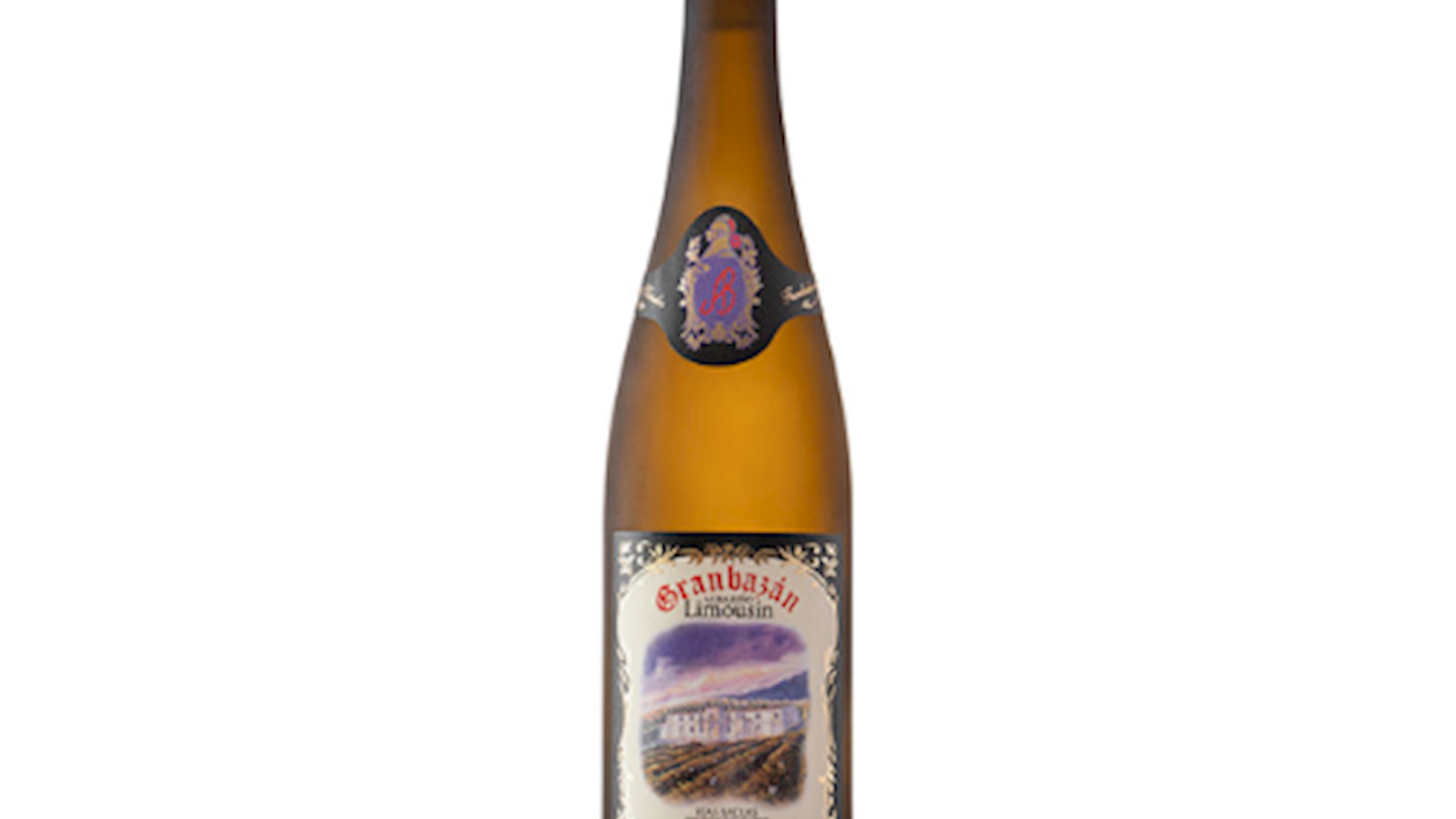
Bodega Granbazán is one of the pioneering wineries in the Rías Baixas region, founded in 1981 in the Salnés Valley with a clear mission to establish Albariño as a top-quality variety with a distinctive Atlantic character. Granbazán is among the founders of the DO Rías Baixas appellation and remains one of the key estates behind its international recognition. Their work is almost entirely focused on Albariño, with a portfolio that spans different styles - from pure, aromatic wines to more complex expressions aged in oak. The winery’s striking building, decorated with blue tiles, has become one of the visual symbols of the region and an important destination for wine tourism in Galicia. In practical terms, Agro de Bazán is the company’s official corporate name, while Granbazán is the brand under which the wines are marketed, so the two names often appear side by side and refer to the same winemaking project. Today, Granbazán is regarded as a benchmark producer for Albariño, known for wines that combine aromatic clarity, vibrant freshness, and a strong sense of place.
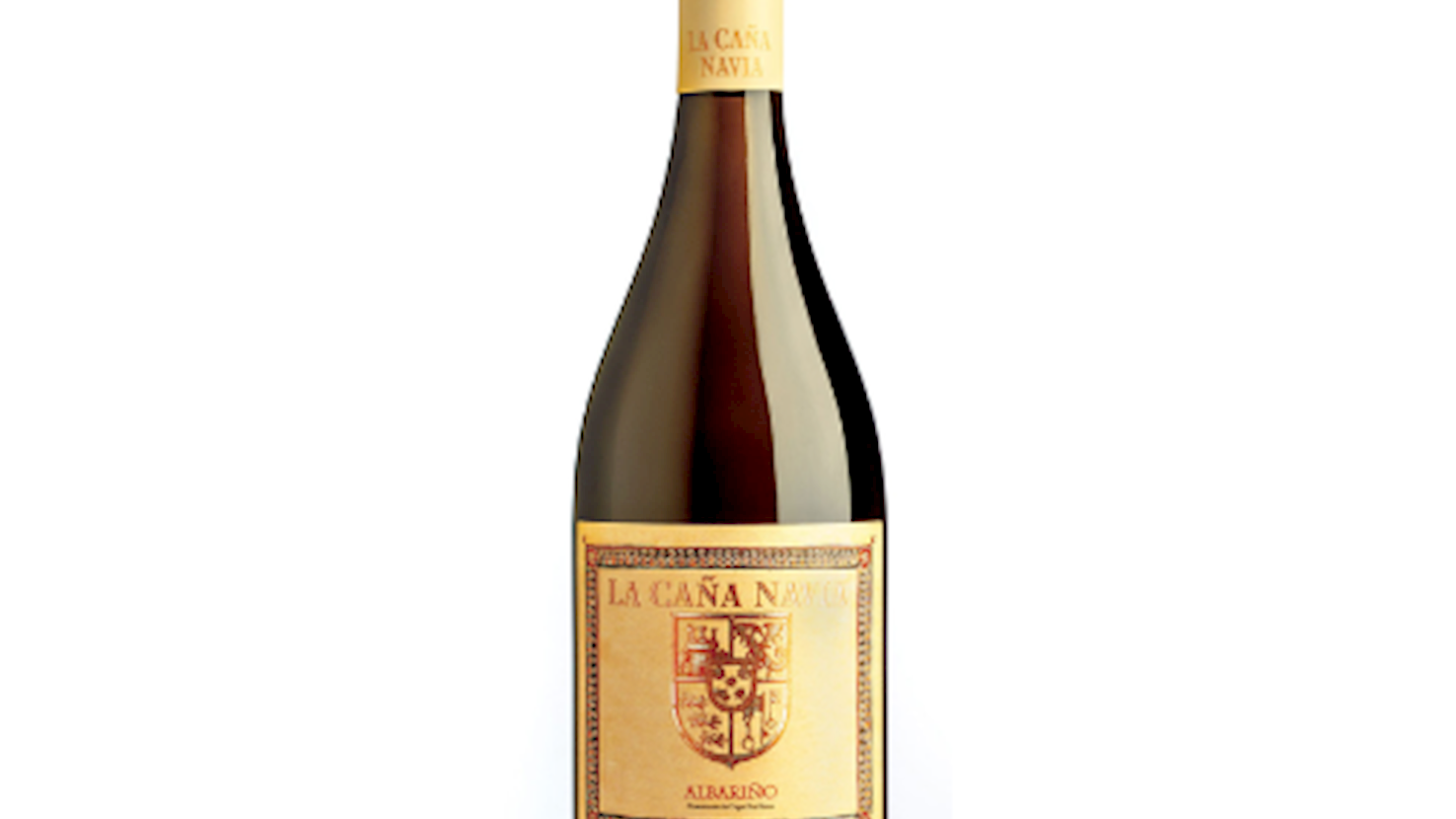
La Caña is a wine project from the Rías Baixas region, launched in 2003 by Jorge Ordóñez with the aim of revealing the more serious, terroir-driven potential of the Albariño grape. The winery is based in the Salnés Valley, where granite and sandy soils, combined with strong Atlantic influence, give the wines their distinctive freshness and aromatic clarity. La Caña focuses on producing precise, characterful white wines that balance vibrant fruit with structure, without losing varietal identity. The grapes come from carefully selected parcels, and winemaking blends a modern approach with traditional techniques such as aging on fine lees to build texture and depth. Their wines typically show notes of citrus, peach, and green apple, supported by a subtle mineral edge derived from the granite soils. The style is energetic yet never simplistic, with enough structure to allow both immediate enjoyment and short-term aging. Over time, La Caña has earned a reputation for treating Albariño not just as a light summer wine, but as a grape capable of producing serious, expressive whites. Today, the project is considered one of the reference points for modern Albariño from Rías Baixas.
Bodegas Albamar is a family-owned winery from the Rías Baixas region in Galicia, founded in 2006 by Xurxo Alba, who continued his family’s long tradition of working vineyards in the Salnés Valley, close to the Atlantic coast. The name Albamar combines the family name Alba with the word “mar”, highlighting the deep connection between the wines and the sea-influenced terroir. The vineyards are spread across small parcels with granite, sandy, and slate soils, where the oceanic climate brings freshness, minerality, and a distinctive saline touch to the grapes. Vineyard work is based on sustainable practices, with hand harvesting and great care for maintaining natural balance. Winemaking relies on native yeasts and minimal intervention, allowing each wine to express its place of origin with clarity and authenticity. Albamar is best known for its Albariño wines, which combine energy, precision, and clean aromatic definition, but the estate also produces more serious, parcel-driven bottlings that show the full potential of the variety. Their wines are marked by vibrant acidity, clear mineral structure, and a strong Atlantic identity. The house style is understated and balanced, avoiding excessive extraction or heavy oak influence. Today, Bodegas Albamar is considered one of the most authentic contemporary producers in Rías Baixas, especially appreciated by those who seek terroir-driven expressions of Albariño.
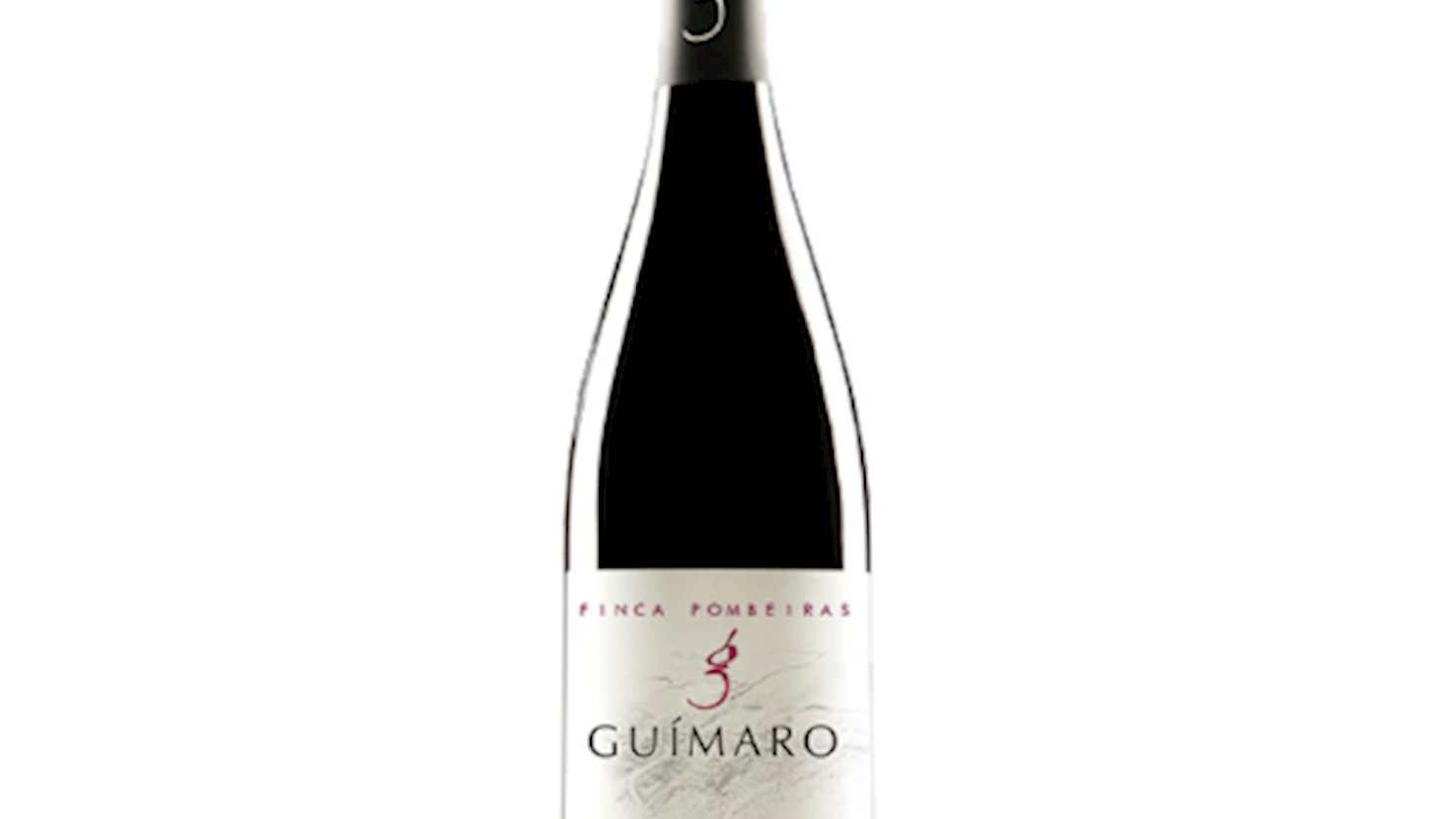
Adegas Guímaro is a family-run winery from the Ribeira Sacra region in Galicia, widely recognized for wines that faithfully express the authentic character of this mountainous, Atlantic-influenced terroir. It is located in the prestigious Amandi subzone, where vineyards are planted on steep terraces above the Sil River, in conditions that demand entirely manual work and deep commitment to viticulture. The name Guímaro comes from a local nickname meaning “the rebel,” symbolizing the independent spirit behind the winery’s philosophy. Adegas Guímaro was part of the modern revival of Ribeira Sacra in the early 1990s, focusing on preserving traditional grape varieties and old vines. The backbone of their wines is Mencía, supported by native varieties such as Sousón, Caíño, and Brancellao, which add complexity and regional identity. Vineyard work is carried out by hand, avoiding industrial methods and ensuring close control over grape quality. In the cellar, the winery follows a low-intervention approach, with spontaneous fermentations and careful ageing in used oak barrels. This philosophy helps preserve purity of fruit and a strong mineral expression. Guímaro wines are known for their lighter color, fresh profile, and vibrant red-fruit aromas. The acidity is lively and the tannins are fine-grained, giving the wines elegance and longevity. Their style is subtle yet complex, always driven by a clear sense of place. Particular attention is given to single-vineyard bottlings, which highlight the diversity of micro-terroirs within the Amandi area. Today, Adegas Guímaro is regarded as one of the reference producers of Ribeira Sacra. Their wines represent a compelling balance of tradition, authenticity, and a modern understanding of terroir.
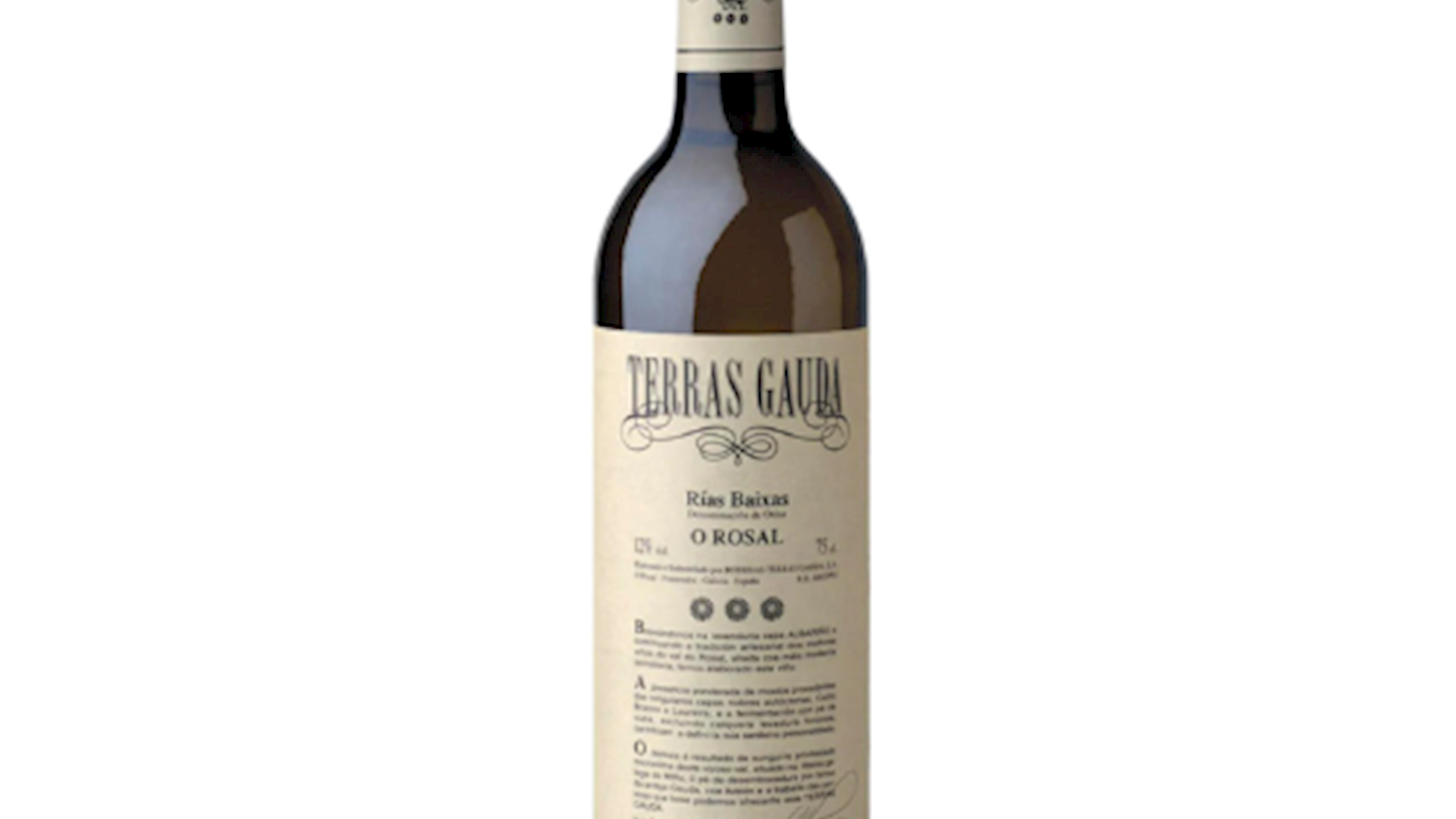
Terras Gauda is a renowned winery from the Rías Baixas region in Galicia, located in the O Rosal subzone and widely recognized for white wines that express the distinctive Atlantic character of northwestern Spain. Founded in the late 20th century, the estate set out with a clear ambition to elevate the quality and reputation of local grape varieties, especially Albariño, alongside lesser-known indigenous grapes such as Caiño Blanco and Loureiro. The vineyards stretch across hillsides overlooking the Miño River, where the combination of oceanic climate and granite- and slate-based soils gives the wines pronounced freshness, minerality, and aromatic clarity. Terras Gauda has played a key role in preserving and reviving nearly forgotten varieties, particularly Caiño Blanco, which has become an essential part of their identity. Winemaking is built on careful grape selection and a modern approach that respects the natural expression of terroir. The wines are known for layered aromas of citrus, stone fruit, white flowers, and Mediterranean herbs, supported by vibrant, refreshing acidity. Their style is clean, energetic, and strongly food-oriented, especially well suited to seafood and fish-based cuisine. Today, Terras Gauda stands as one of the benchmark producers of Rías Baixas, recognized both in Spain and internationally for wines with a clear and authentic sense of place.
Bodegas Forjas del Salnés is a small family-run winery from the Rías Baixas region, created with a clear focus on presenting Albariño in its most authentic, terroir-driven form. The vineyards are located in the Salnés Valley on sandy and granite-based soils under strong Atlantic influence, which gives the wines their distinctive freshness, minerality, and subtle saline character. Vineyard work follows sustainable practices, with hand harvesting and close attention to preserving the identity of each parcel. Winemaking relies on spontaneous fermentation with native yeasts and minimal intervention in the cellar, avoiding heavy oak or intrusive techniques. Their wines, especially Albariño, are defined by clean aromas of citrus, green fruit, and white flowers, supported by vibrant acidity and a clear structural line. The house style is precise and understated, focused more on expressing place than on winemaking effects. Today, Forjas del Salnés is regarded as one of the most authentic contemporary producers in Rías Baixas, particularly appreciated by those who seek wines that truly reflect the Atlantic terroir.
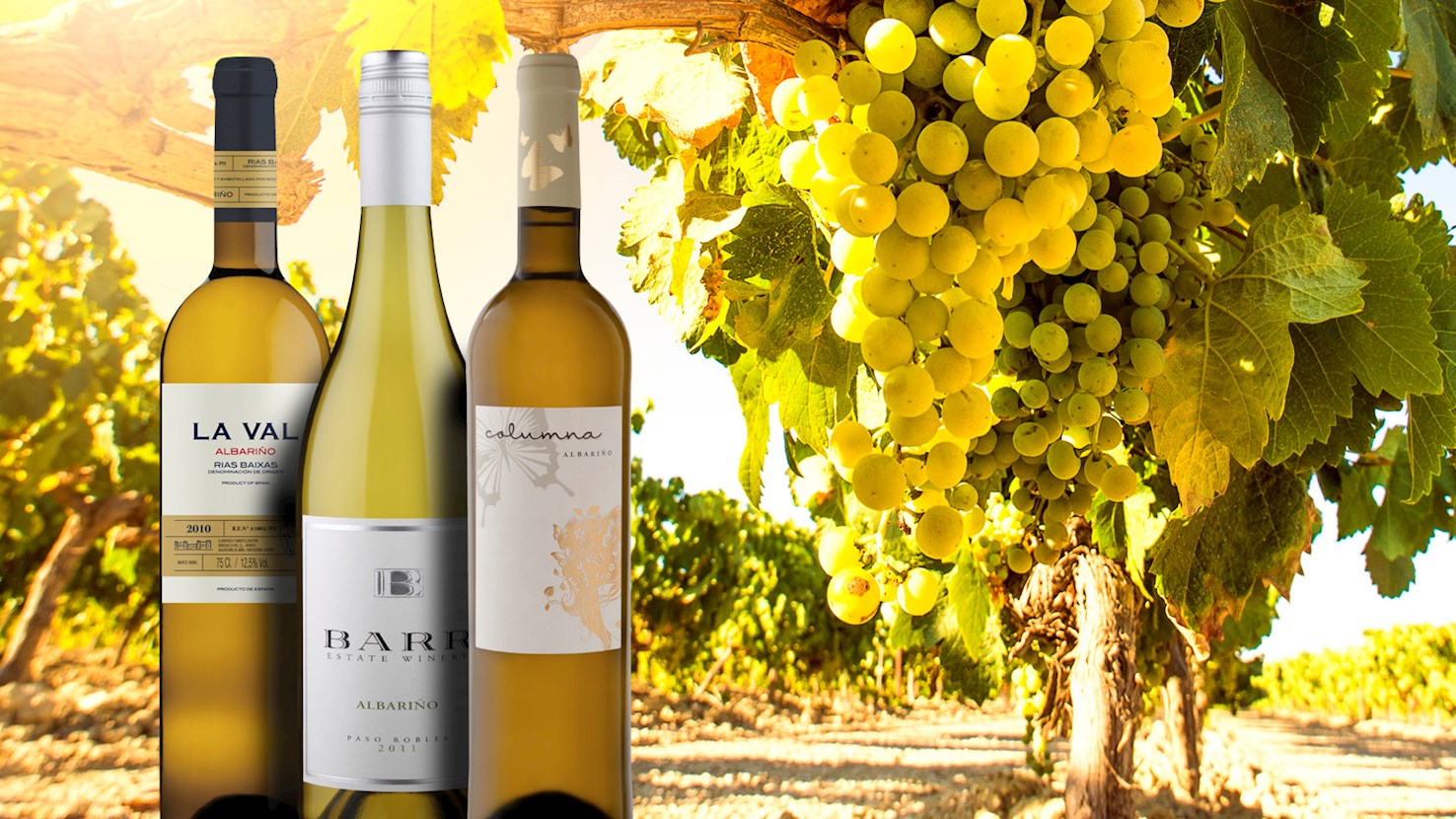
Albariño is a white grape variety grown in northwest Spain (Galicia) and northwest Portugal (Monção and Melgaço) where it is used to make varietal white wines. Albariño wines are very light, fresh, crisp, with high acids and of a rich, floral, and aromatic character. Its specific aromas often include white peach, apricot, melon, pineapple, mango, and honeysuckle with an underlying minerality. Albariño wines are very versatile when it comes to food pairing, with seafood being the most obvious choice, along with a variety of dishes from Chinese, Indian, and Thai cuisine.
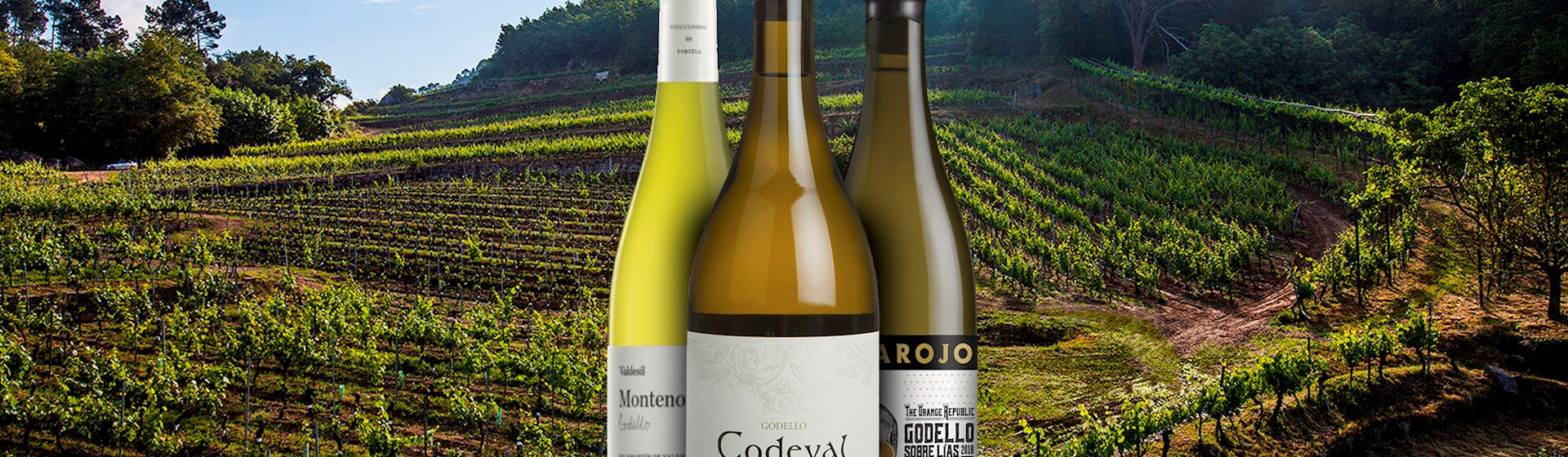
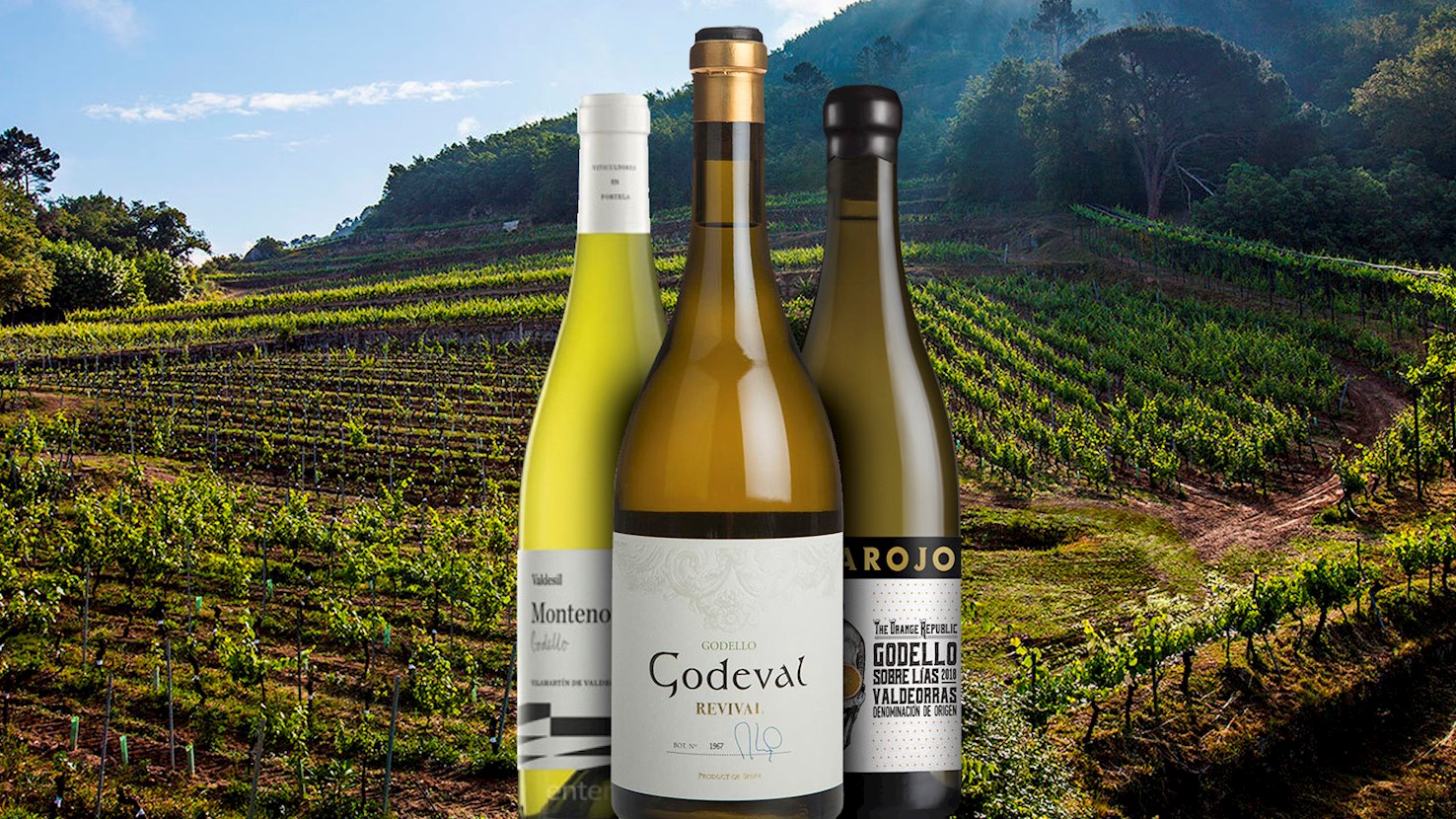
Godello is a Spanish grape variety that has recently risen in popularity after it had nearly gone extinct after the 1970s. The grape shows the best results in Valdeorras in Galicia, though it is planted in other Spanish regions, as well as Portugal. The wines made from Godello are usually full-bodied and dense but remain bright and mineral. Their character may vary, and while those aged in steel tanks tend to be lighter and fruiter, oak-aged styles are more creamy and rich. Godello wines will typically include notes of citrus and white fruit, with accompanying nuances of honeysuckle and chamomile. These wines are an excellent match to rich seafood dishes, especially lobster or scallops. They can also pair well with poultry.
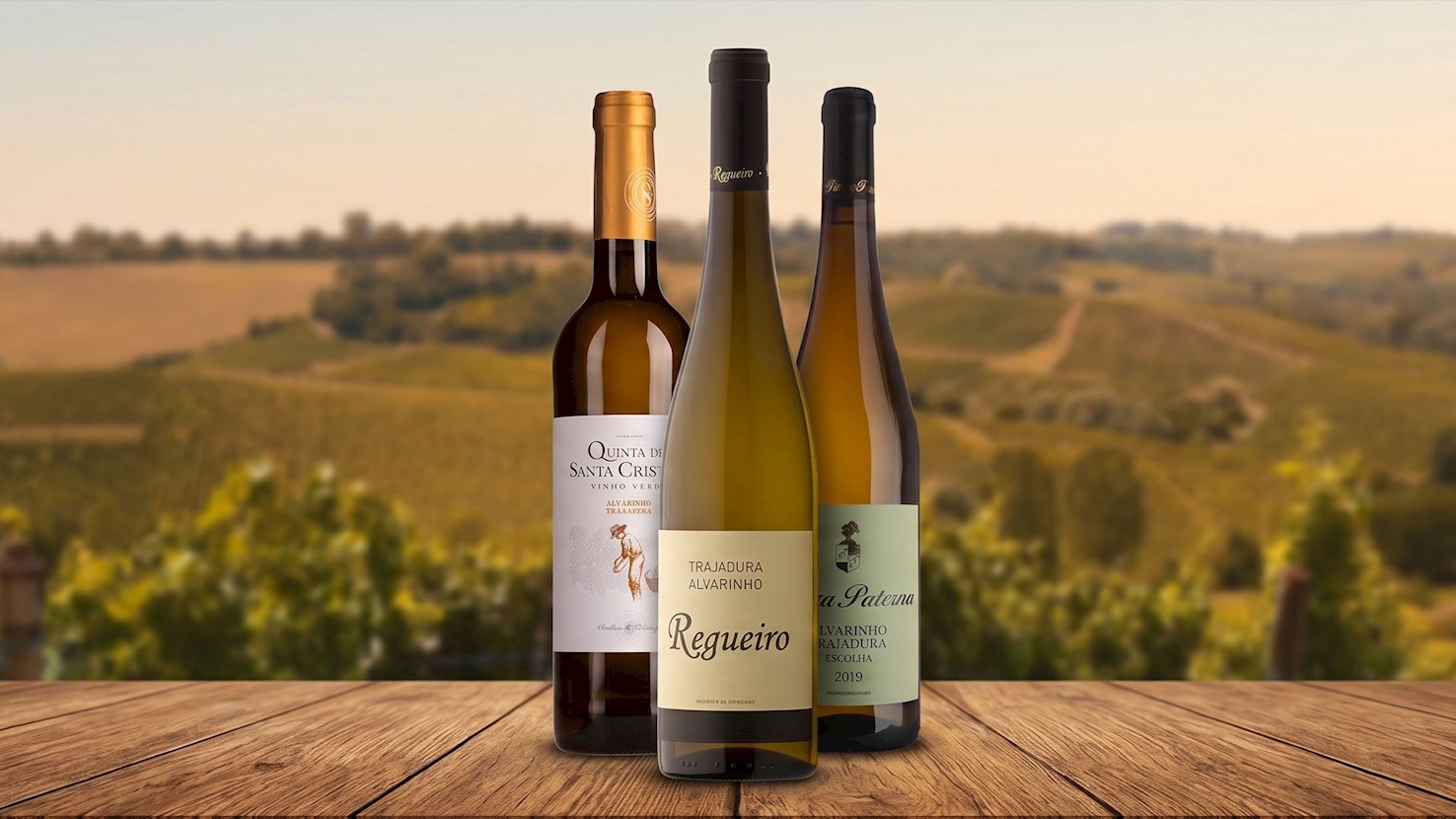
Trajadura (and its Spanish synonym Treixadura) is a white wine grape variety predominant in the Atlantic-influenced regions of the northwestern Iberian Peninsula. In Portugal, where it is primarily known as Trajadura, it is a fundamental component of the Vinho Verde region, particularly in the sub-regions of Monção and Melgaço. Across the border in Galicia, Spain, it is referred to as Treixadura and serves as the signature grape of the Ribeiro region. The vine is characterized by high vigor and late-ripening berries with thin skins, requiring well-drained soils and careful canopy management to prevent rot in the humid climate of the Minho and Miño river basins. The variety originated in the river valleys that form the natural border between Portugal and Spain. Historical documentation from the 1700s identifies it as a highly valued vine in the monastery-managed estates of Ribeiro and the noble houses of the Minho. For centuries, it served a functional role in the vineyard: because it naturally reaches a higher sugar concentration (and thus higher alcohol) than most Atlantic varieties, it was used to provide "weight" and structural density to wines that were otherwise light and excessively acidic. While it fell into a secondary role during the 20th-century trend toward high-yielding hybrids, a dedicated recovery began in the 1980s, re-establishing it as a premium variety in both the Vinho Verde and Ribeiro appellations. Preparation involves specific handling due to the grape's low acidity relative to its neighbors. In Portugal, Trajadura is often harvested early to maintain freshness and is frequently blended with Loureiro (for aromatics) and Alvarinho (for structure). In Spain, Treixadura is often produced as a single-varietal wine, frequently subjected to "sobre lías" (aging on fine lees) in stainless steel tanks for six to nine months to enhance its creamy texture. It is served chilled, between 8°C and 11°C. A specific viticultural characteristic is its compact bunch architecture; the grapes are packed so tightly that they can burst during sudden late-summer rains, requiring precise timing for the harvest to avoid oxidation. The wine is characterized by a "velvety" mouthfeel and a low-to-medium acid profile. Its aromatic spectrum focuses on pome fruits, specifically green apple and Williams pear, alongside lemon blossom and honeyed undertones. In Portugal, it is commonly used in the production of light, slightly effervescent Vinho Verde, whereas in Spain, it produces still, structured wines with significant aging potential. A unique application in the Ribeiro region is its use in Vino Tostado, a sweet wine where the Trajadura/Treixadura grapes are dried on racks for several months to concentrate the nectar. Trajadura is consumed as a culinary wine, suited for dishes that require a beverage with more body than a standard light white. In Portugal, it is paired with arroz de marisco (seafood rice), grilled sardines, and spicy poultry dishes like frango assado. In Spain, it is the standard accompaniment for vieiras (scallops), baked turbot, and the local lacón con grelos (ham hock with turnip tops). The wine's stone-fruit notes and structural roundness also make it an effective pairing for soft, creamy cheeses and mildly spiced Asian cuisine, such as vegetable tempura or sushi.
TasteAtlas food rankings are based on the ratings of the TasteAtlas audience, with a series of mechanisms that recognize real users and that ignore bot,
nationalist or local patriotic ratings, and give additional value to the ratings of users that the system recognizes as knowledgeable.
For the “Top 12 Galician Wine Varieties” list until June 15, 2026, 83 ratings were recorded, of which 59 were recognized by the system as legitimate.
TasteAtlas Rankings should not be seen as the final global conclusion about food. Their purpose is to promote excellent local foods,
instill pride in traditional dishes, and arouse curiosity about dishes you haven’t tried.
The initial list of top producers was compiled based on available reviews, awards, local recommendations, media and blog coverage, and consumer reviews.
The list will be updated with ratings from TasteAtlas local ambassadors and TasteAtlas users.