Top 3 Romanian Wine Varieties

Last updated on August 19, 2026

Best Romanian Wine Varieties
01

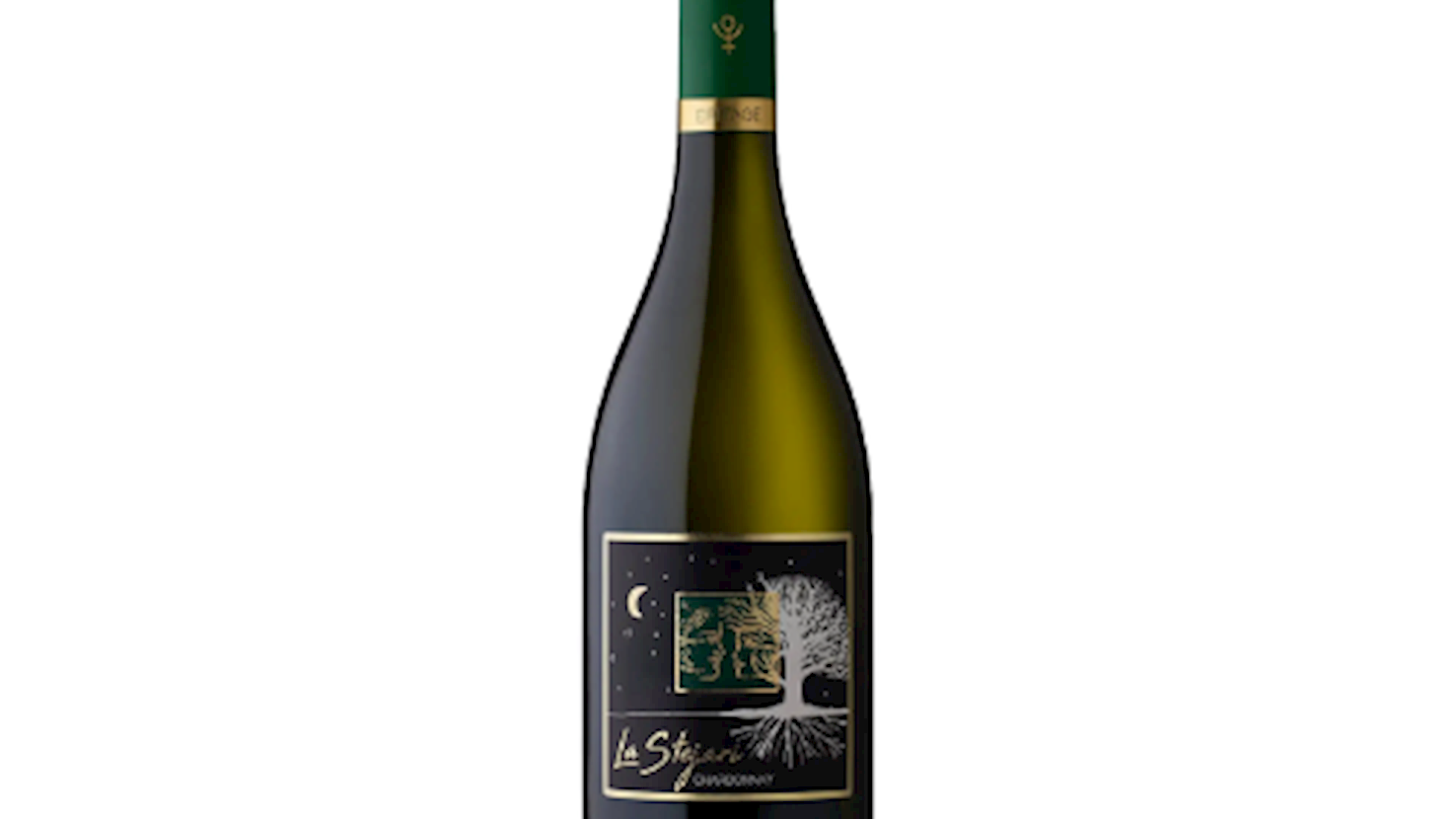
Cramele Recaș

4.7 ·

Cramele Recaș is one of the most significant and most modern wineries in Romania. The vineyards cover around 1,150-1,200 hectares, placing the winery among the largest private producers in the country.

The terroir consists of limestone and clay soils with southern and southwest exposures, allowing optimal grape ripening while preserving freshness. The portfolio includes international varieties such as Sauvignon Blanc, Chardonnay, Merlot, and Cabernet, as well as Romanian indigenous varieties like Fetească Regală.

Production spans a wide range of styles: from light and fresh white wines, through fruit-forward reds, to more complex, barrel-aged labels and limited editions. Cramele Recaș successfully demonstrates that Romania can offer wines with a clear identity and a modern style, competitive on the European market.

The winery balances large-scale production with an authentic expression of terroir, making it a relevant producer to watch on the contemporary wine scene.

Awards
Vivino - 4.3
Vivino - 4.0
02

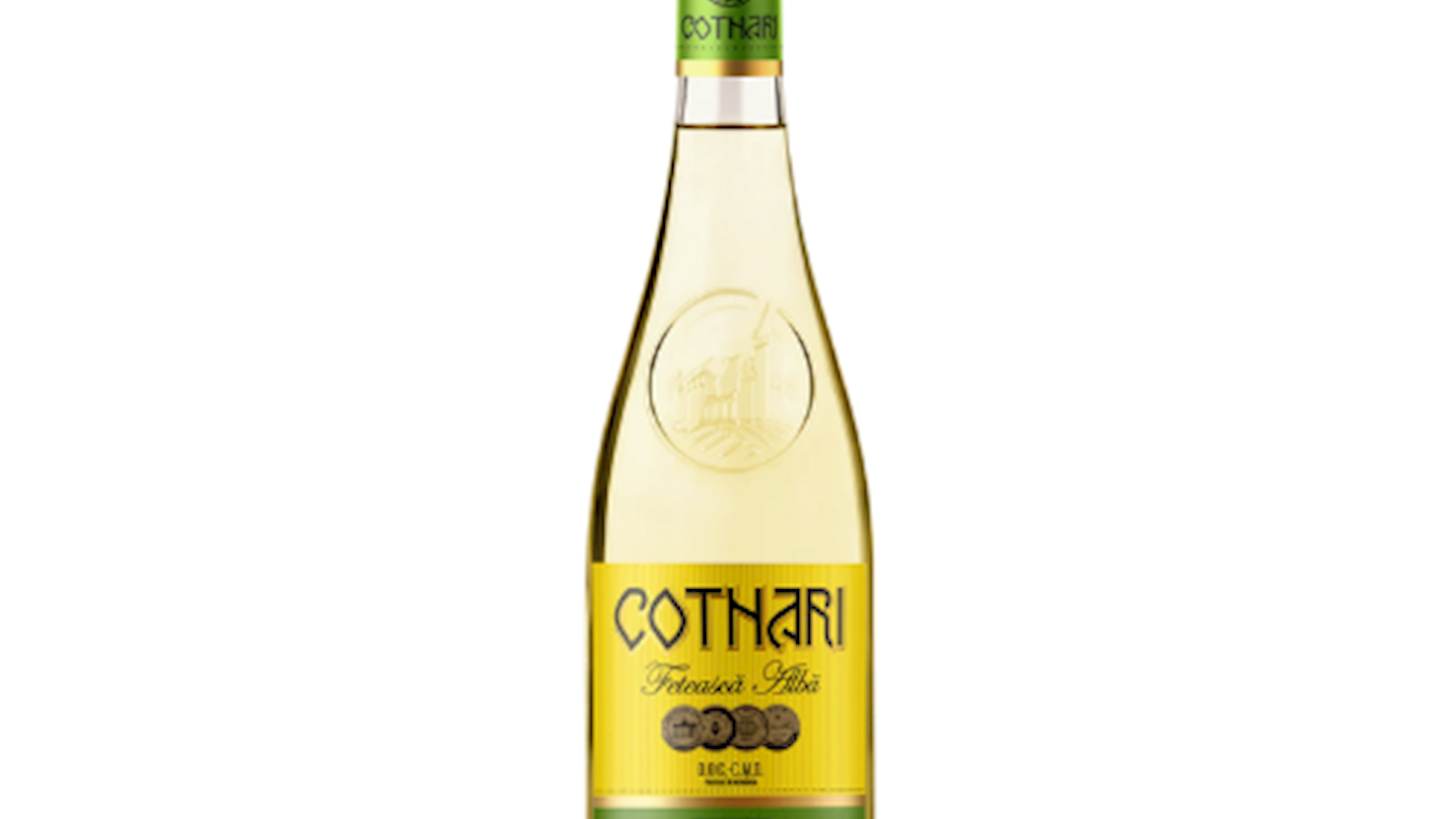
Cotnari

3.2 ·

The COTNARI company is the heart of the Cotnari vineyard since 1948. The love of locals for the growth and fruit of the vine has taught us to cherish every sun-carrying bean and to share with others the joy of life.

The wine road is long but full of rewards. We take care of the over 1,700 hectares of vineyards through high-performance agricultural work.

Our specialists work in the laboratory of the compound or in the vineyard to obtain new varieties of vines and new wine varieties.

Awards
Berlin Wine Trophy - Grand Gold (2022, 2020, 2018)
Portugal Wine Trophy - Grand Gold (2021, 2019, 2018, 2017)

Best Romanian Wine Variety Types

01

Fetească Neagră

4.0 ·

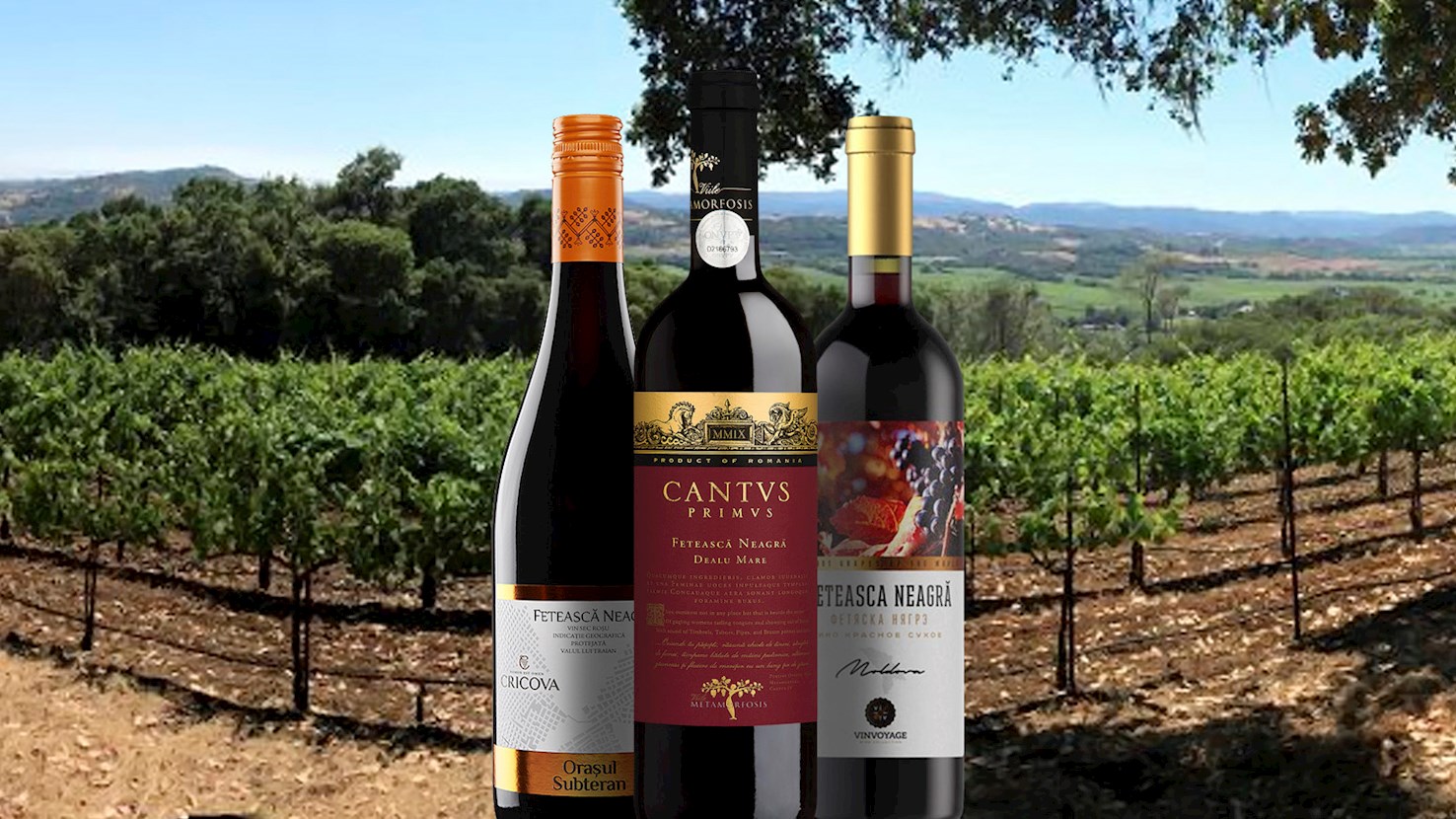
Fetească Neagră, which translates as black maiden, is a thin-skinned red grape variety whose origins are believed to be in the historical region of Moldavia, but the grape is nowadays mainly cultivated in Romania. Fetească is one of the most widespread grapes in Romania, and though in the past it was often used in the production of sweet styles, nowadays it is mostly used for dry varietal wines. Depending on the region, dry Fetească Neagră wines can slightly differ in character, but they typically have moderate acidity and are usually not too overpowering or tannic. Typical aromas and flavors include dark fruits such as blackberries or plums, while oak-aged varieties tend to have spicy and toasty nuances. Fetească is an excellent match to roasted, braised or grilled meat, especially lamb or beef, and it can also work well with spicy dishes, rich stews, and aged cheese. Some varieties may even be a good match to chocolate-based desserts.

02

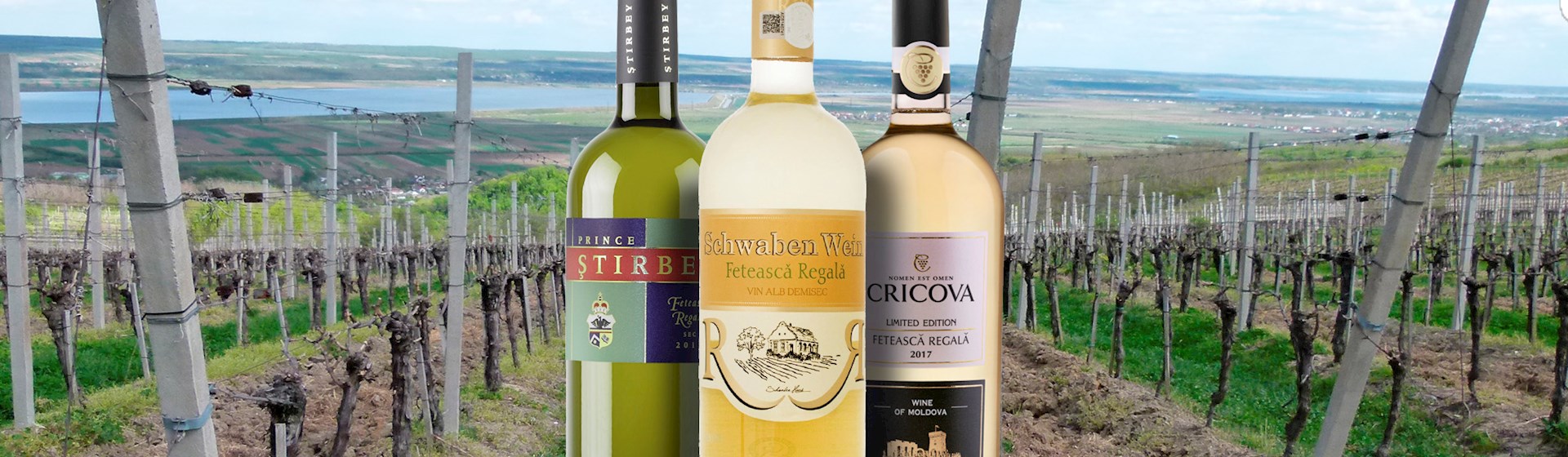
Fetească Regală

3.9 ·

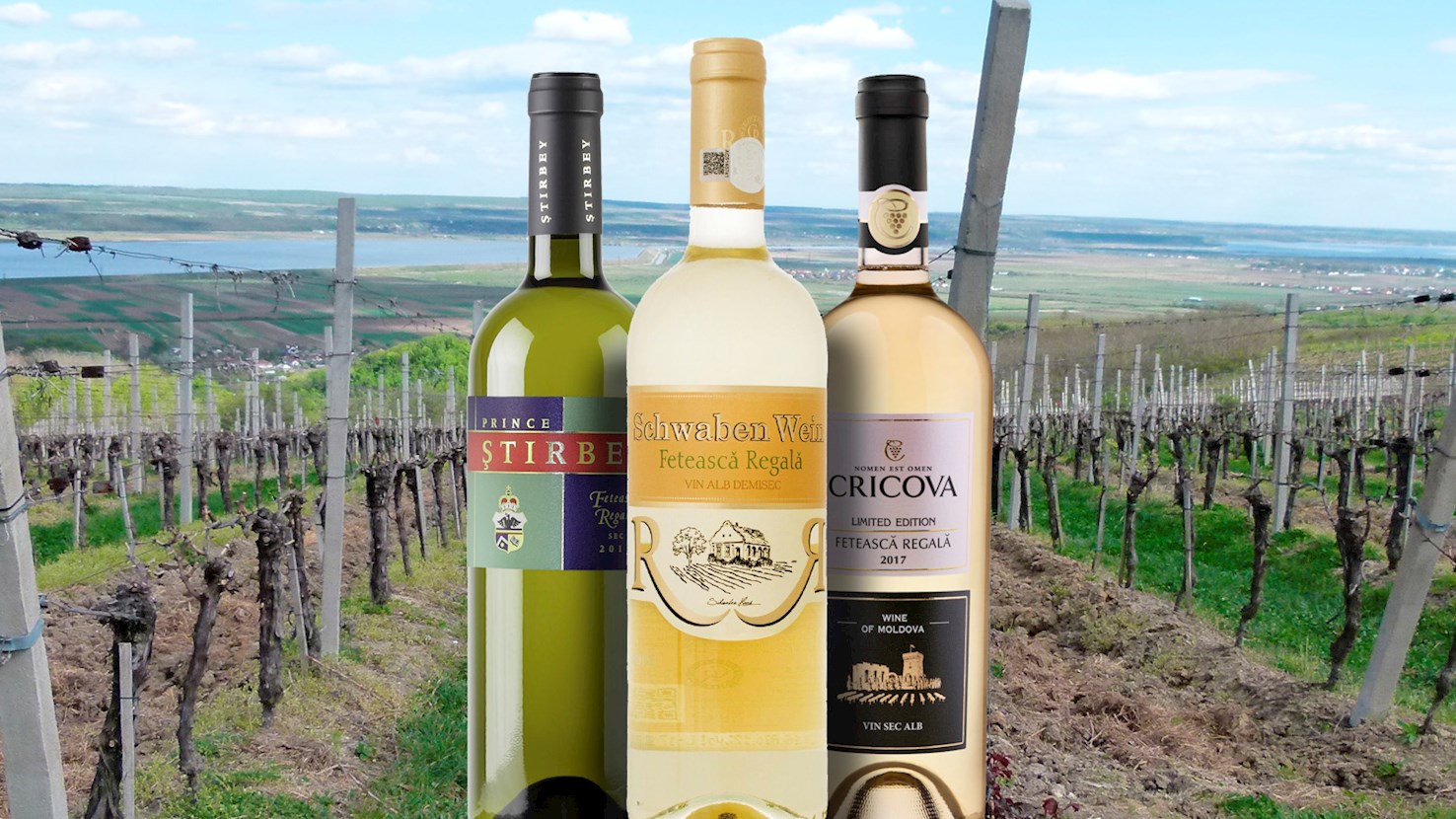
Fetească Regală is a native Romanian white grape variety that first appeared in the 1920s in Transylvania. For a long time, it was believed that Regală was a hybrid between Koverszolo (Grasa de Cotnari) and Fetească Alba, but recent findings show no specific parent-offspring relationship. During the communist regime, the grape was especially favored because it was suitable for mass production. Nowadays, Regală is used for dry and sparkling wines, and it is the most planted grape in Romania. The best expressions of dry Regală are fresh and aromatic with typical aromas of white fruit, roses, and white flowers. Young varieties are usually light-bodied, but the grape has excellent aging potential, and when aged in oak, the wines tend to be full-bodied and more intense, sometimes with almond notes. Regală wines pair well with fish and white meat, as well as with some classic Romanian dishes.

Best producers
03

Fetească Alba

3.8 ·

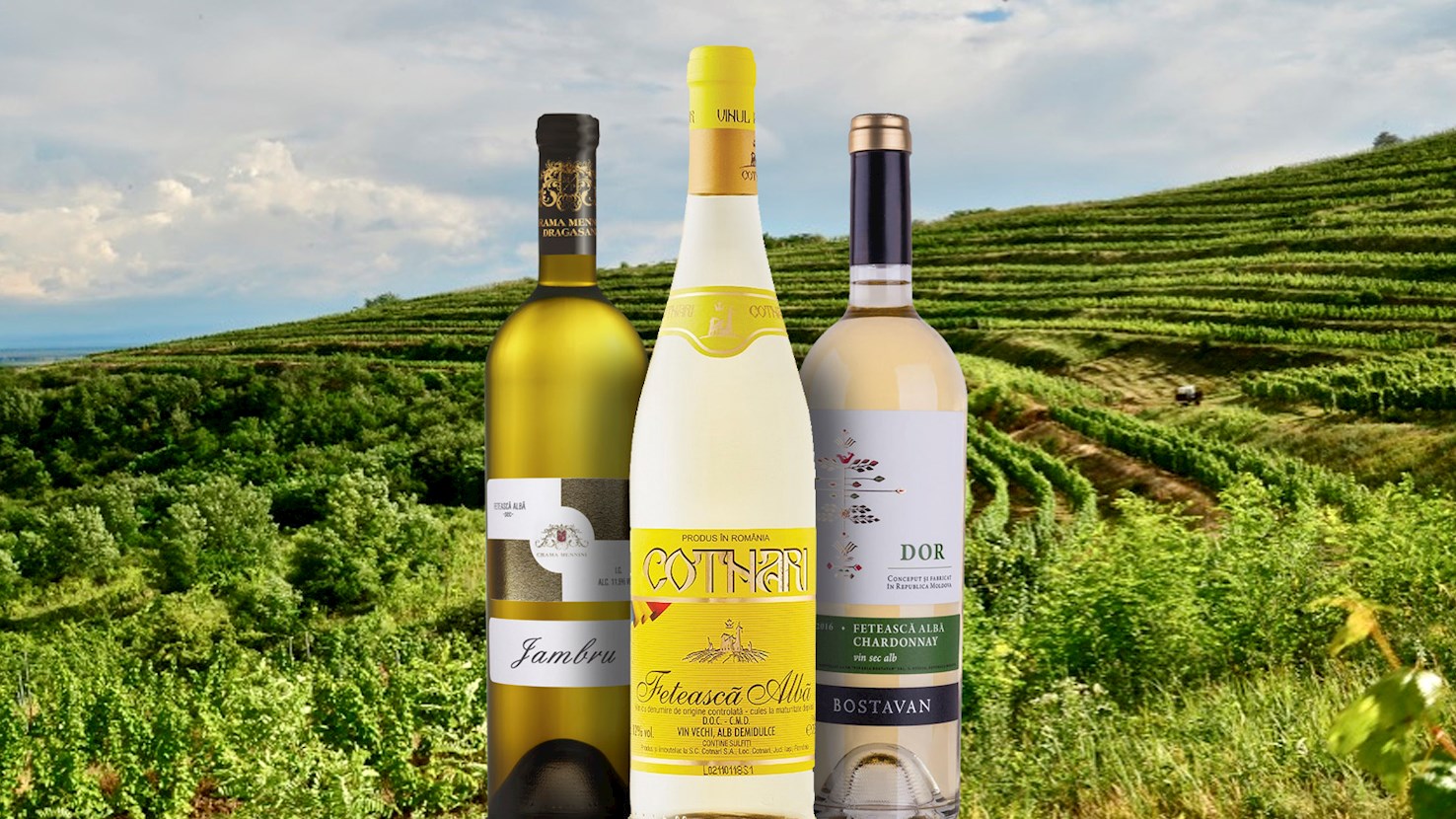
Fetească Alba (White Maiden) is a Romanian white grape variety that is closely related to Fetească Regală variety and the red-skinned Fetească Neagră. It is cultivated in various Romanian regions as well as Moldova and Hungary—though it was often mistaken with Hungarian Leanyka variety. Fetească Alba is mostly used in dry varietal wines, but some blends, sparkling and sweet styles may be available on the market. Dry varietal wines are typically fragrant with medium acidity and citrus and floral aromas, which may be accompanied by nuances of stone fruit such as peach or apricots. These wines pair well with light dishes, including poultry, fish, and salads. They are mostly enjoyed young, but some of the best examples can be aged for several years.

Best producers
About this Ranking

TasteAtlas food rankings are based on the ratings of the TasteAtlas audience, with a series of mechanisms that recognize real users and that ignore bot, nationalist or local patriotic ratings, and give additional value to the ratings of users that the system recognizes as knowledgeable.

TasteAtlas Rankings should not be seen as the final global conclusion about food. Their purpose is to promote excellent local foods, instill pride in traditional dishes, and arouse curiosity about dishes you haven’t tried.

The initial list of top producers was compiled based on available reviews, awards, local recommendations, media and blog coverage, and consumer reviews. The list will be updated with ratings from TasteAtlas local ambassadors and TasteAtlas users.

What People Say

Similar Lists