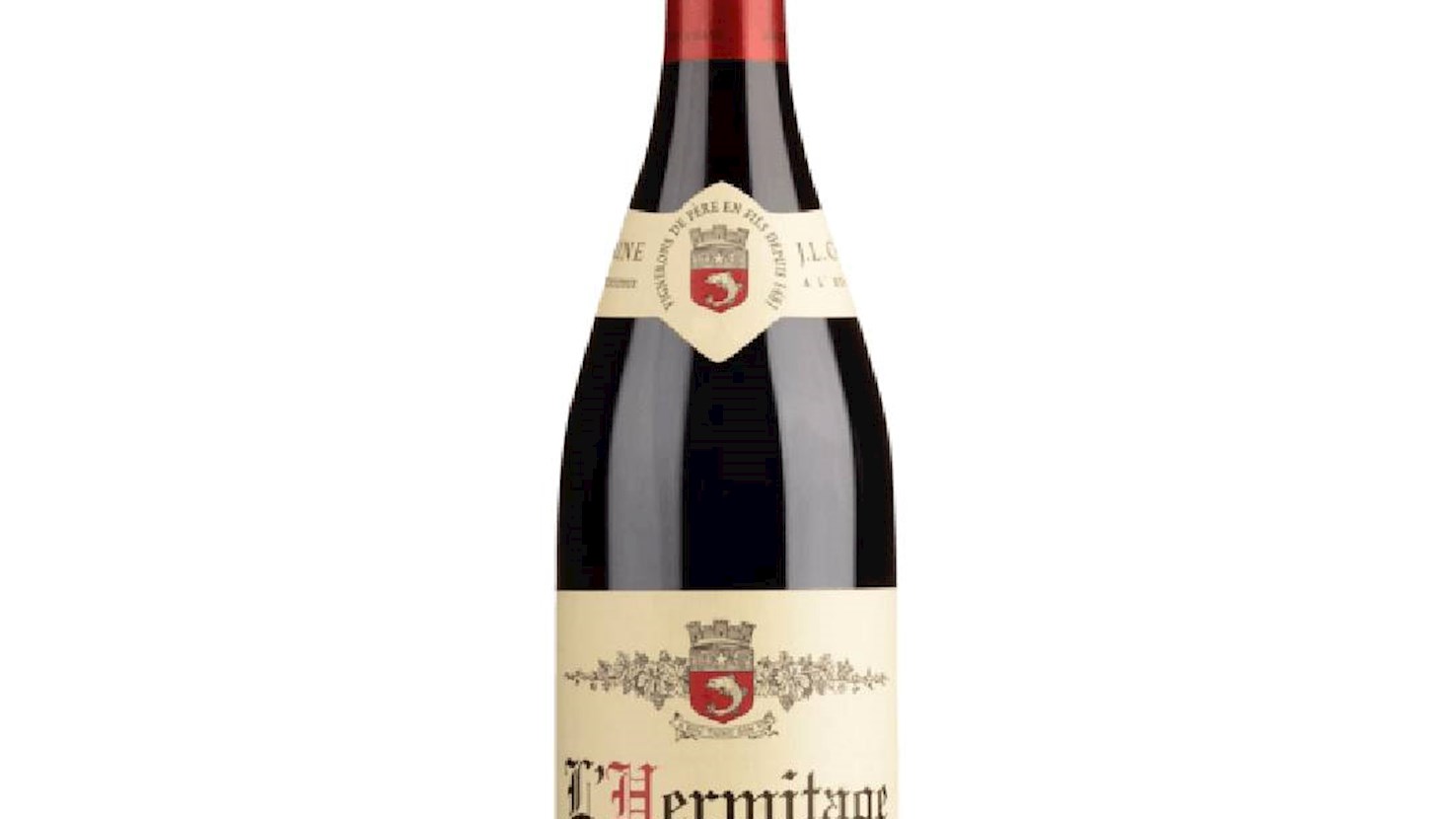
Domaine Jean-Louis Chave is a prestigious wine producer located in the village of Mauves, in the Saint-Joseph region, across the Rhône River from Hermitage - the source of their most renowned wines. The Chave family has been cultivating vines since 1481.
Today, Jean-Louis Chave leads the estate, which encompasses 14.5 hectares in Hermitage, making them one of the largest landowners in the appellation. Their wines, including both red and white Hermitage, are crafted primarily from Syrah, Marsanne, and Roussanne grape varieties.
These wines rank among the most esteemed in the Rhône Valley, consistently achieving high prices and exceptional ratings. The Chave family is renowned for their commitment to traditional winemaking techniques.
They practice organic farming, prioritize low yields, harvest grapes at full ripeness, minimize the use of new oak, and avoid filtration, focusing on minimal intervention. Their goal is to produce wines that authentically express the noble terroir of Northern Rhône.
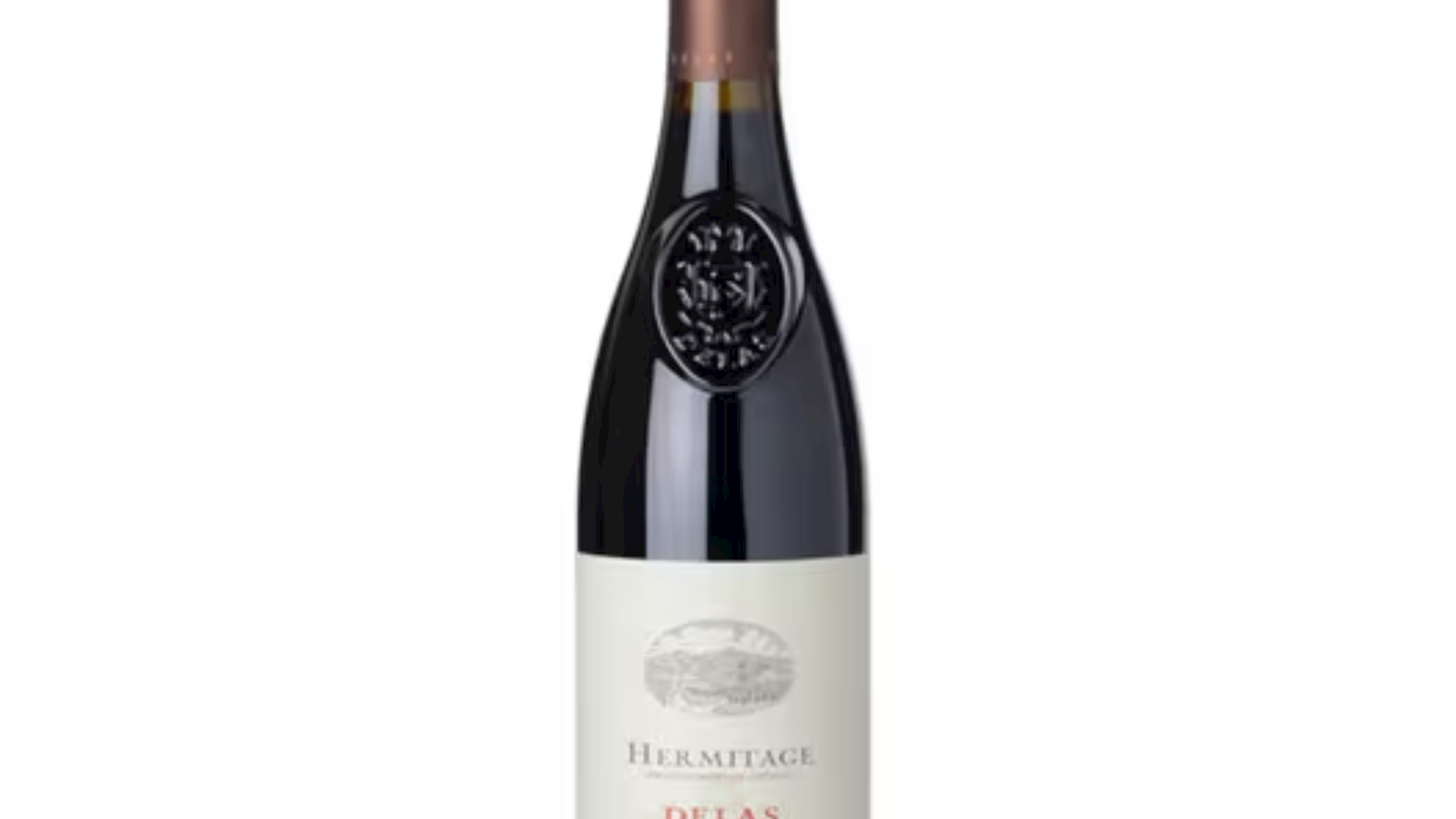
Maison Delas Frères is one of the oldest and most respected wine houses in France’s Rhône Valley. Founded in 1835 by Philippe Delas and Charles Audibert in Tournon-sur-Rhône, the estate has built a long-standing reputation for producing high-quality wines that express the distinctive terroirs of both the Northern and Southern Rhône.
In 1924, the company adopted the name Delas Frères, under which it became internationally recognized for its wines from prestigious appellations such as Hermitage, Côte-Rôtie, Crozes-Hermitage, Saint-Joseph, Cornas, Condrieu, and Châteauneuf-du-Pape. Since becoming part of the Louis Roederer group in 1993, the house has undergone significant investment in both vineyards and winemaking facilities while maintaining its commitment to tradition and terroir expression.
Today, Delas Frères owns and manages vineyards in some of the Rhône Valley’s most celebrated sites, including parcels on the famous Hermitage hill. Its wines are known for their elegance, depth, balance, and aging potential, making the house one of the benchmark producers of the Rhône region.
Awards
Decanter World Wine Awards - Best in Show
(2026)
Decanter World Wine Awards - Platinum
(2022, 2018)
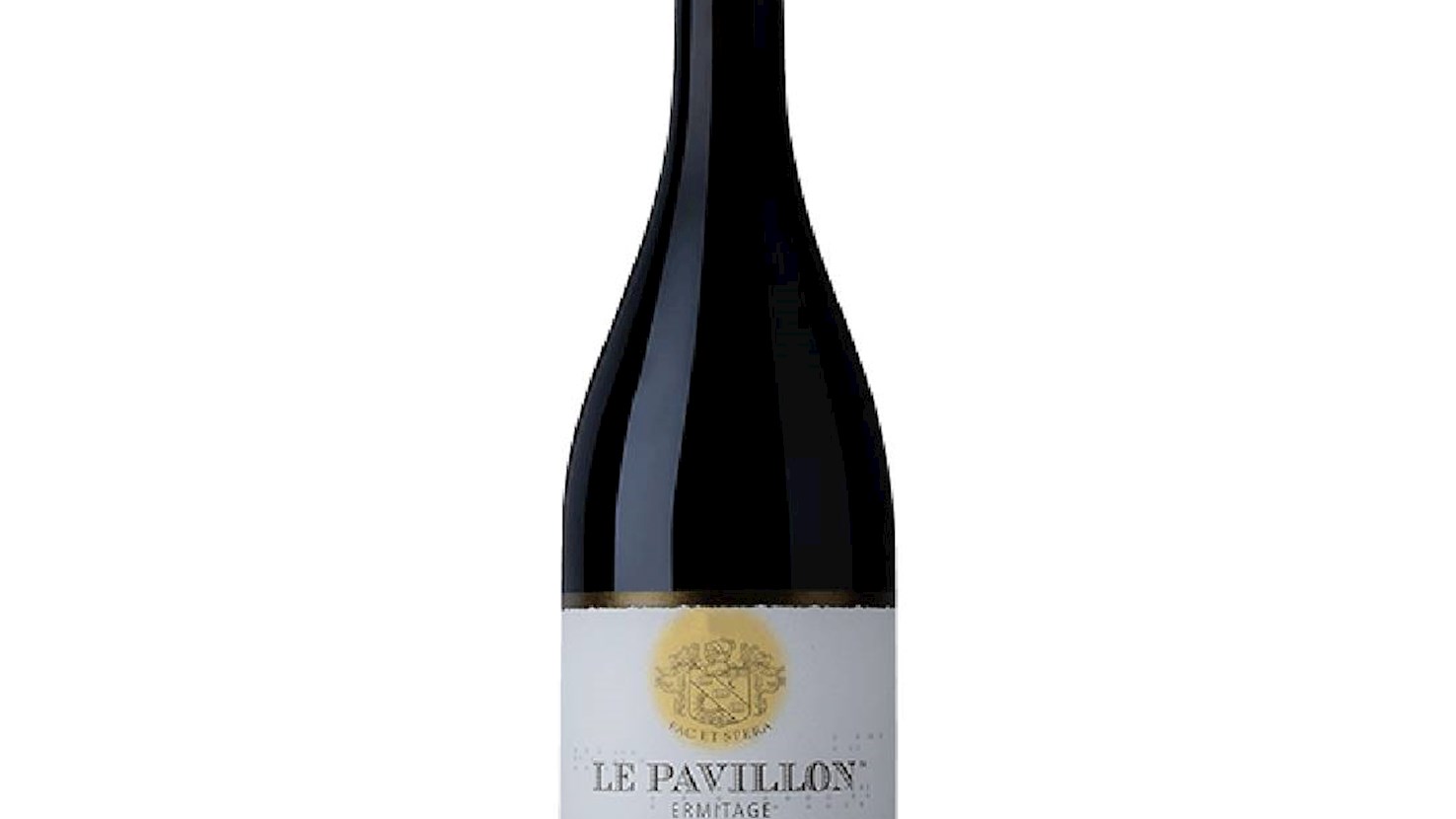
Maison M. Chapoutier is a prestigious winery with a long-standing tradition, founded in 1808 in the heart of the Rhône Valley.
Under the visionary leadership of Michel Chapoutier, who took the helm in 1990, the estate has become synonymous with innovation and the authentic expression of terroir. Michel introduced biodynamic viticulture as a core philosophy, cultivating vineyards in harmony with the natural rhythms of the earth, sun, moon, and seasons.
Renowned for its unique approach, the winery has included Braille on all its labels since the mid-1990s, symbolizing inclusivity and respect for all wine lovers.
Today, Maison M. Chapoutier extends beyond the celebrated appellations of the Northern Rhône to vineyards in Australia, Portugal, Spain, Alsace, Provence, and Roussillon, always remaining true to its biodynamic principles.
A fusion of tradition, passion, and an unwavering pursuit of excellence has made M.
Chapoutier one of the most respected names in the world of wine, with its creations earning top accolades and the admiration of connoisseurs worldwide.
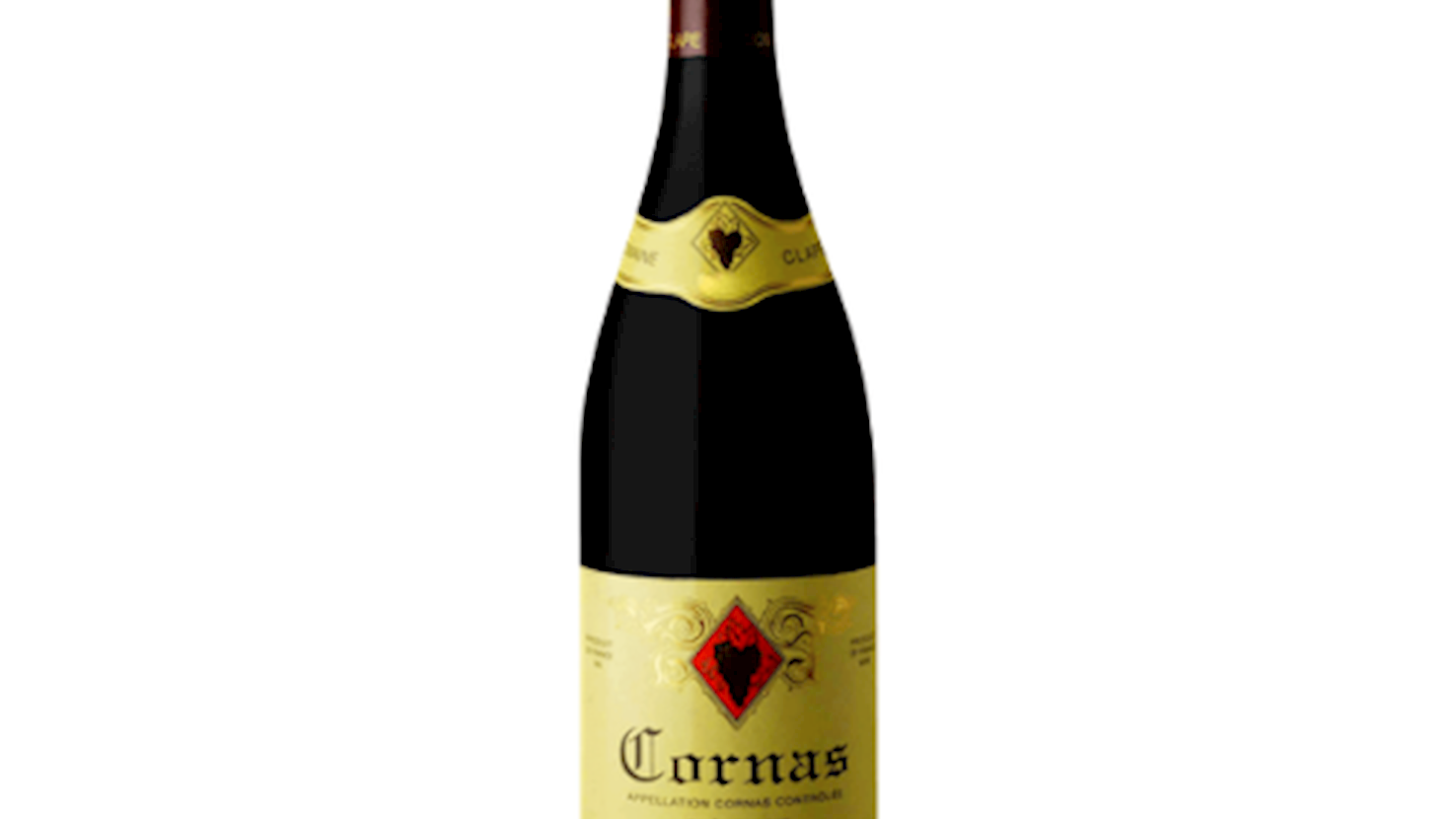
Domaine Auguste Clape is a family-run winery based in the Cornas appellation in the Northern Rhône, widely regarded as one of the most authentic expressions of Syrah in France. Its modern history began in 1949 when Auguste Clape started bottling wines under his own name, becoming one of the pioneers who helped establish the reputation of Cornas.
The vineyards are located on steep granite slopes and are worked entirely by hand, which directly contributes to the concentration and quality of the fruit. The winemaking approach remains strictly traditional, with whole-cluster fermentation and aging in large, old oak casks, without the influence of new wood.
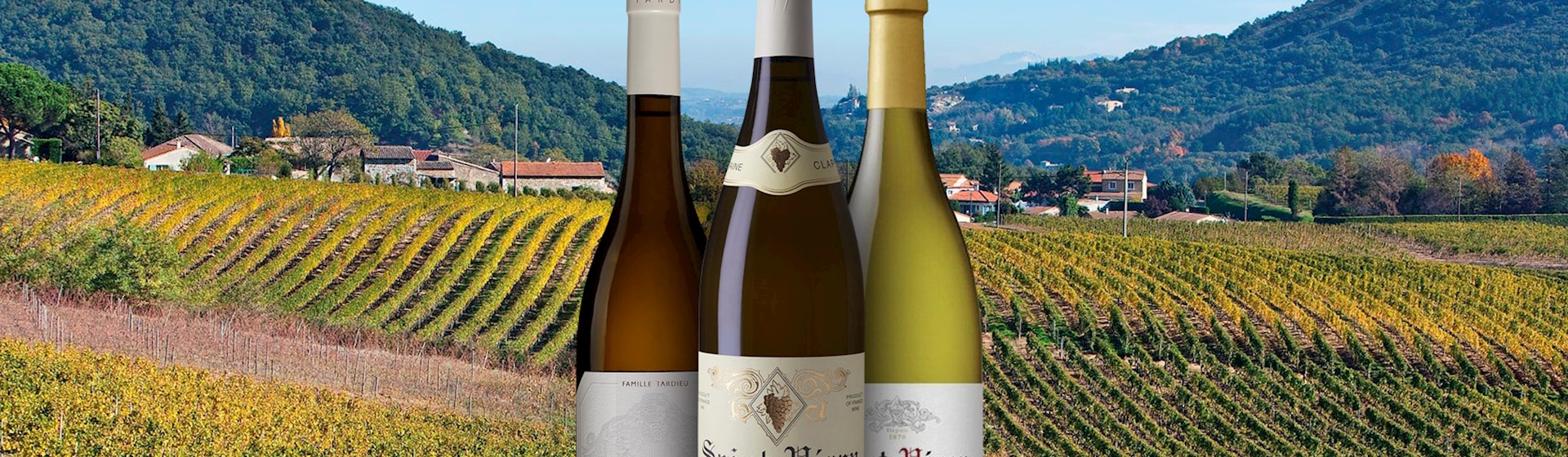
The wines are structured and powerful, often requiring time to fully open, but rewarding with complex notes of dark fruit, spice, leather, and pronounced minerality. In addition to Cornas reds, the domaine also produces white wines from Marsanne in the Saint-Péray appellation.
Today, the estate is run by Pierre and Olivier Clape, who continue the family philosophy without modern intervention. Production remains limited but highly consistent, reinforcing its strong reputation among wine enthusiasts and collectors.
Domaine Clape is frequently considered a benchmark for traditional Northern Rhône Syrah. Its wines are particularly valued for their aging potential and their ability to clearly reflect terroir.
This consistency and authenticity firmly position the domaine among the most respected producers in Cornas.
Domaine Marc Sorrel is a distinguished winery located in Tain-l'Hermitage, within the northern Rhône Valley of France. Established in 1928 by Félix Sorrel, the estate has been under the stewardship of the Sorrel family for generations.
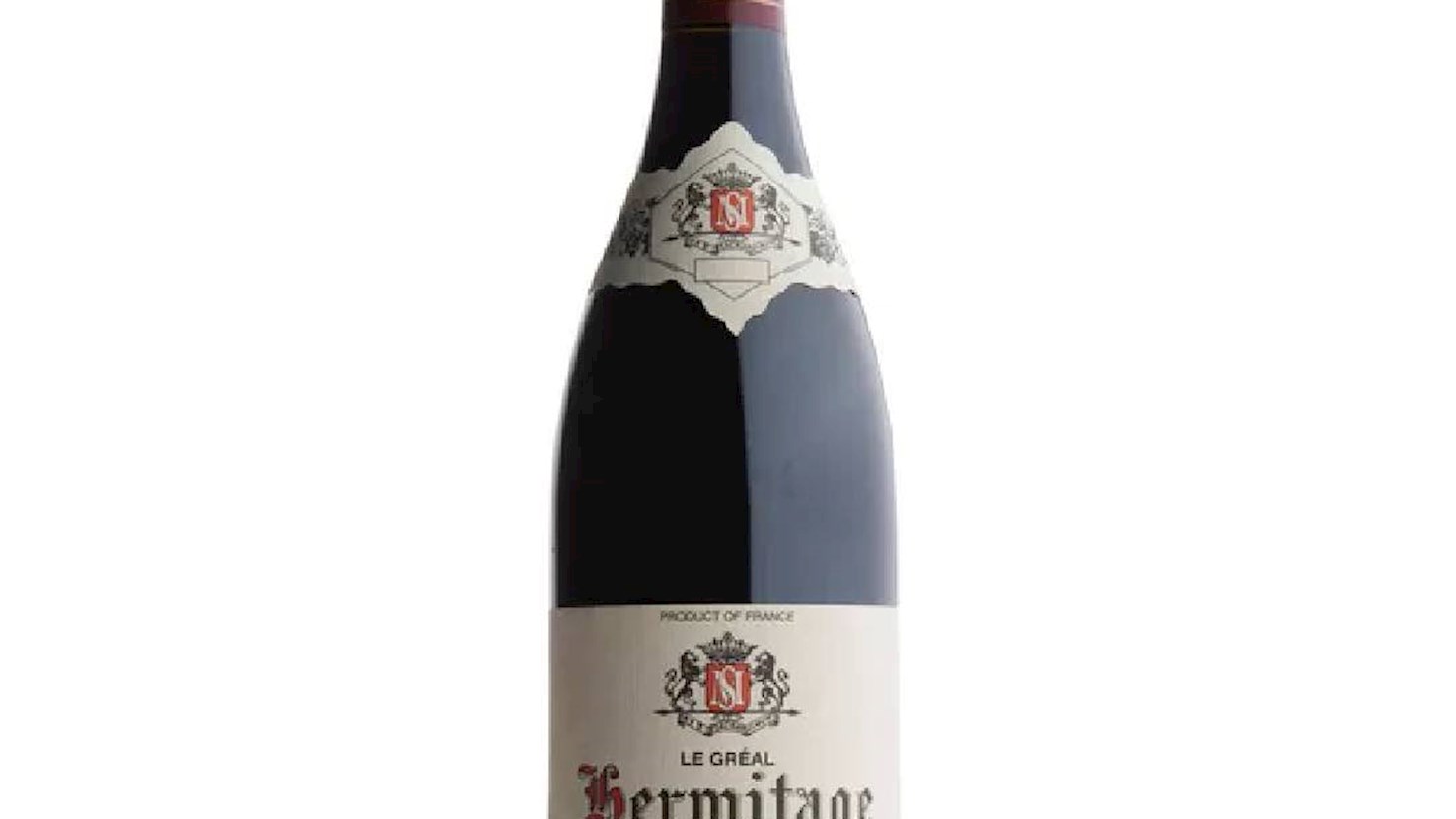
In 1984, Marc Sorrel took over the domaine, cultivating some of the most prestigious plots on the Hermitage hillside, including Le Méal and Les Rocoules. Since 2019, Marc's son, Guillaume Sorrel, has been at the helm, continuing the family's legacy of producing exceptional wines. The estate's portfolio includes notable cuvées such as "Le Gréal," a red Hermitage crafted from select old-vine parcels, and "Les Rocoules," a powerful and refined white Hermitage.
These wines are highly regarded for their purity, balance, and aging potential, reflecting the unique characteristics of their respective terroirs.
Chatus is a red wine grape variety from Ardèche, France. It has been documented since at least 1600 when Olivier de Serres cited it in his work on agriculture under the name “chatus” in the region now known as Ardèche. The variety was once more widely planted across the Massif Central, Drôme and Isère but suffered a dramatic decline following the phylloxera epidemic; in the late 20th century it was revived and re-planted on terraced vineyards in the Cévennes-Ardèche region. Chatus vines are upright and vigorous, producing compact elongated clusters of small, deep bluish-black berries with high skin-to-pulp ratio; the grains ripen late (often in mid-October) and the vines perform best on siliceous or granite soils, while on calcareous soils they show greater sensitivity to mildew and oidium. Wines from Chatus are very deeply colored, often intensely tannic when young and built for aging; their aromatic spectrum includes wild blackberry, blackcurrant, pepper, licorice and reminiscences of undergrowth, while the palate shows strong tannins, lively acidity and excellent structure, resulting in wines that benefit from several years of cellaring. Some growers vinify Chatus in 100 % varietal form with aging in oak barrels for up to 18–24 months, while others blend it with Syrah or other Rhône varieties to add softness and roundness; modern producers may reduce extraction to yield younger-drinking versions with softer tannins and emphasize fruit over austerity. It remains rare outside Ardèche and is thus often sought by enthusiasts of heritage grape varieties. Chatus-based wines are best served at around 16-18 °C after decanting, and pair especially well with robust cuisine such as grilled red meats, game, mushroom ragouts or aged cheeses, whose weight and depth balance the tannic backbone and deep fruit of the wines.
Côtes du Vivarais is an appellation for red, white, and rosé wines from Ardèche and Gard, France. Viticulture in the Vivarais area dates back to the Roman era, when vines were cultivated by the Helvii tribe, and later expanded under monastic influence during the Middle Ages, supplying wine to nearby Rhône valley markets. In the modern period, wine production was revived after a decline caused by phylloxera and rural depopulation, leading to the area being classified as a VDQS in 1962 and later recognized as an Appellation d’Origine Contrôlée (AOC) in 1999. The vineyards extend across parts of the Ardèche and Gard departments, situated on limestone, marl, and sandstone soils at elevations that lend freshness to the wines. The appellation covers both the northernmost zone of the southern Rhône and the southernmost slopes of the Massif Central, creating a climatic transition that influences the balance of fruit and minerality in the wines. The grape varieties authorized under the AOC vary by wine color but emphasize blends rather than single-varietal expression. For red and rosé wines, Grenache Noir and Syrah dominate, with Syrah required to represent at least 40% of the blend and Grenache at least 30%. Complementary grapes include Cinsault, Carignan (allowed until 2017), Mourvèdre, and Counoise. For white wines, Grenache Blanc is the principal variety, accompanied by Clairette Blanche, Marsanne, Roussanne, and Viognier, which contribute aromatic and textural complexity. Vinification typically involves mechanical or manual harvesting followed by destemming or light crushing, temperature-controlled fermentation in stainless-steel or concrete vats, and minimal oak aging to maintain fruit purity. Reds are macerated on the skins for structure and color, rosés are produced through brief maceration or direct pressing, and whites are fermented at lower temperatures to preserve freshness. The wines display distinctive regional typicity: reds show aromas of blackcurrant, blackberry, and spices with moderate tannins; rosés are pale and fruit-driven with notes of strawberry and citrus; and whites exhibit floral and stone-fruit scents balanced by minerality. A notable feature of Côtes du Vivarais lies in its dual identity between Mediterranean warmth and Central French altitude, producing wines that are simultaneously ripe and tense. Côtes du Vivarais wines are enjoyed both locally and beyond, served with foods that complement their balance of fruit and structure. Reds pair well with grilled meats, game, or stews, rosés accompany salads, charcuterie, or light summer dishes, and whites go well with seafood, goat cheese, or simple vegetable preparations.
Coteaux-de-l’Ardèche is an appellation for red, white, and rosé wines from France. Viticulture in the Ardèche region developed strongly during the mid-20th century when local growers began defining a distinctive identity for their wines, leading to the recognition of Coteaux-de-l’Ardèche as a Vin de Pays in 1968. In 2011, it became part of the French designation Indication Géographique Protégée (IGP), a national label that identifies products whose quality and reputation are linked to a specific geographic origin and whose production, transformation, and elaboration all occur within that defined area. The vineyards extend across diverse soils, including limestone, clay-marl, sandstone, and ancient alluvial terraces, benefiting from the varied topography and exposure of the Ardèche landscape. The IGP authorizes a broad range of grape varieties, reflecting the diversity of terroirs. For reds and rosés, these include Cabernet Franc, Cabernet Sauvignon, Caladoc, Carignan, Chatus, Cinsault, Gamay, Grenache, Marselan, Merlot, Pinot Noir, and Syrah. For whites, the permitted grapes are Chardonnay, Clairette, Grenache Blanc, Marsanne, Muscat Petits Grains, Roussanne, Sauvignon, Ugni Blanc, and Viognier. Vinification practices vary according to the type of wine: red wines are generally fermented on the skins to extract color and tannin, while rosés are obtained by short maceration or direct pressing, and whites are fermented at lower temperatures to preserve aromatic freshness. Wines are often matured in stainless-steel tanks to maintain fruit purity, though some producers use barrels for added complexity. Among the variations, the red blends dominated by Syrah and Grenache show ripe fruit and spice, while lighter Gamay-based wines emphasize freshness and early drinkability; rosés from Cinsault and Grenache display pale hues and delicate aromas of red berries; and white wines based on Viognier or Marsanne offer floral and stone-fruit notes balanced by a mineral finish. What distinguishes Coteaux-de-l’Ardèche is the flexibility of its IGP status, allowing producers to adapt to local microclimates while still maintaining strict geographic and quality standards under French law. The wines are widely enjoyed for their versatility and are served with grilled meats, roasted vegetables, or charcuterie for the reds, with seafood, poultry, or summer salads for the rosés, and with soft cheeses or light fish dishes for the whites, offering a full spectrum of pairings suited to modern dining.
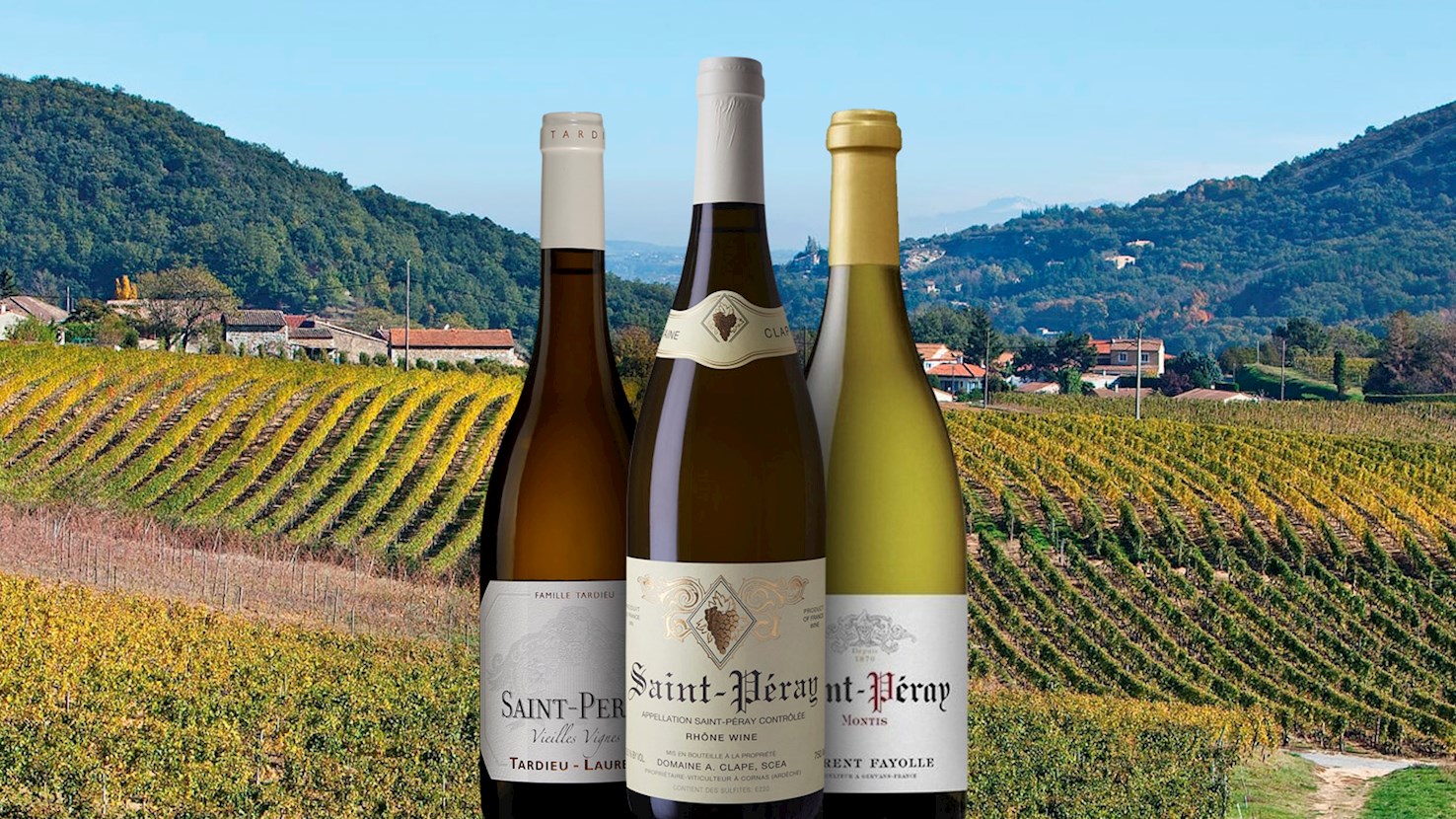
Saint-Péray is a small appellation in Northern Rhône that produces dry and sparkling white wines. The appellation allows the use of Marsanne and Roussanne varieties, with the former being the dominant variety. Although they are mostly used in blends, there are some varietal examples. Roussanne lends fragrance, while Marsanne gives these wines body and structure. Saint-Péray wines are quite aromatic. They tend to display strong floral notes, along with hints of citrus and yellow fruit. The best examples are well balanced, though they may range from light and fresh to rich, full-bodied styles. These wines are mostly soft and rounded and should always have a particular fresh note. Most examples are enjoyed young, but the wines do have some aging potential. Around 15% of production in Saint-Péray is focused on the production of lively and refreshing sparkling wines (Saint-Péray mousseux), which are made with methode Champenoise. Sparkling Saint-Péray wines make an excellent aperitif, while dry white wines pair well with fish served in creamy sauces or veal.
TasteAtlas food rankings are based on the ratings of the TasteAtlas audience, with a series of mechanisms that recognize real users and that ignore bot,
nationalist or local patriotic ratings, and give additional value to the ratings of users that the system recognizes as knowledgeable.
TasteAtlas Rankings should not be seen as the final global conclusion about food. Their purpose is to promote excellent local foods,
instill pride in traditional dishes, and arouse curiosity about dishes you haven’t tried.
The initial list of top producers was compiled based on available reviews, awards, local recommendations, media and blog coverage, and consumer reviews.
The list will be updated with ratings from TasteAtlas local ambassadors and TasteAtlas users.






What People Say