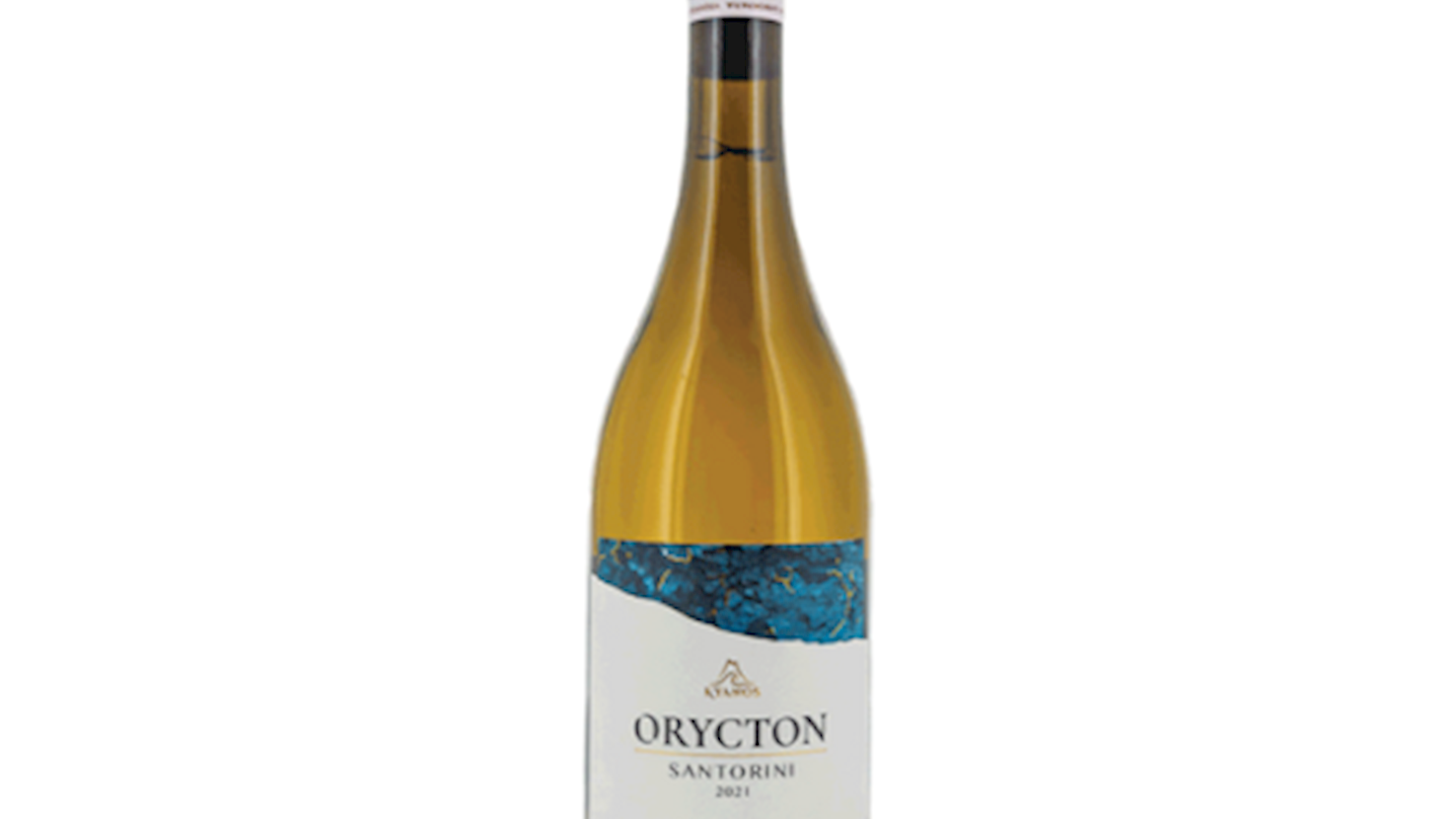
Kyanos Wines is a small, artisanal winery closely associated with Santorini, although its communication address is based in Athens - a common setup for boutique producers on the island. The estate is best known for Orycton, a wine crafted from Assyrtiko sourced from old vineyards in Akrotiri, Pyrgos, and Megalochori.
Production relies on micro-vinification, meticulous handwork, and minimal intervention to preserve the pure expression of Santorini’s volcanic terroir. The wine shows pronounced minerality, vibrant acidity, and citrus–herbal aromas, with a linear and focused texture.
Orycton has gained international recognition for its precision, elegance, and depth, placing it firmly within the premium segment of Greek white wines. Due to its limited production, Kyanos Wines offers a selective portfolio aimed at enthusiasts of authentic, terroir-driven styles and those seeking wines with a strong sense of identity.
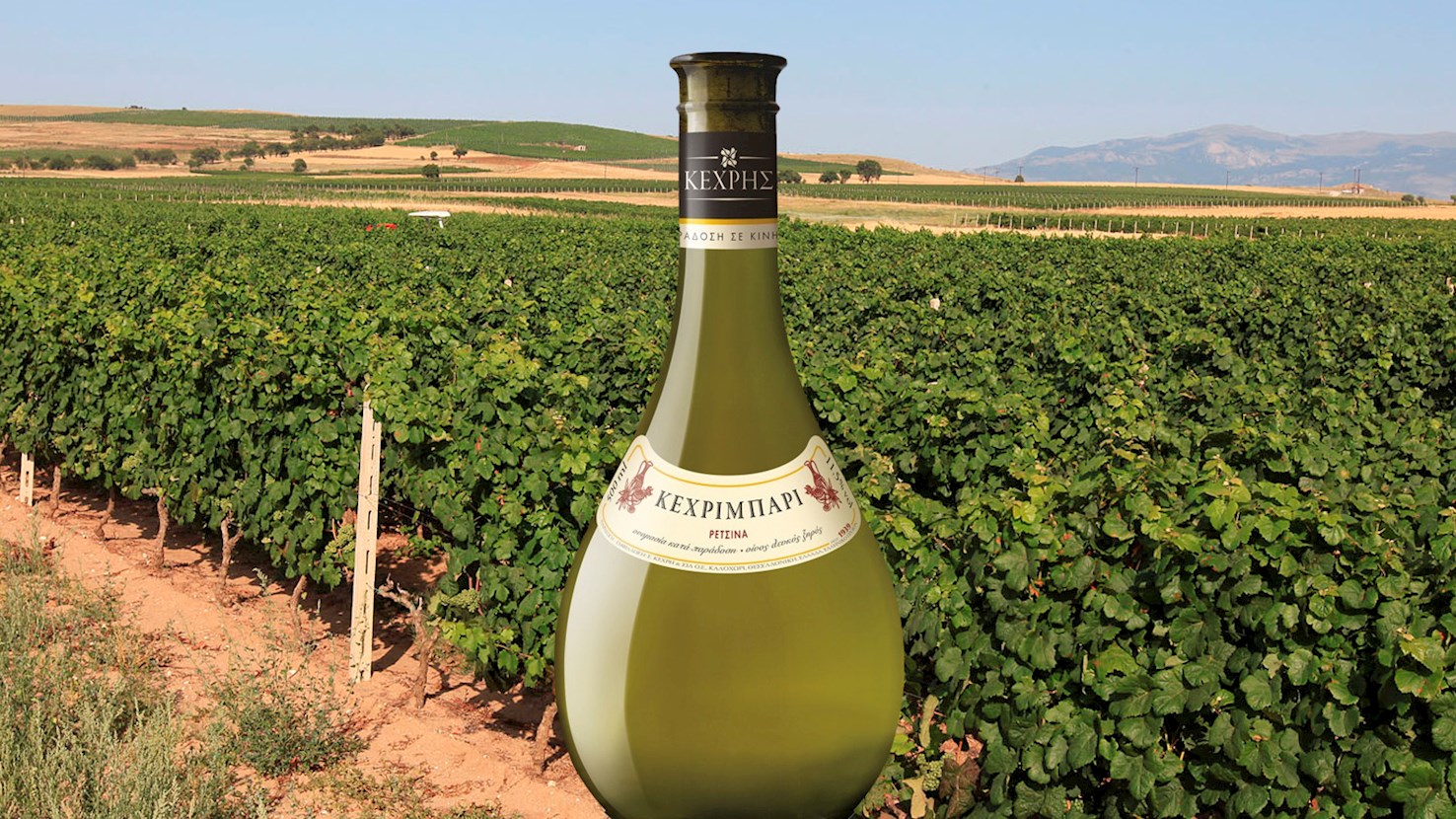
Retsina is an ancient Greek wine that is flavored with resin—a sticky sap that is typically secreted by pine trees. Historians believe that the resin has been used in Greece for over four thousand years, and while its initial purpose was to seal and insulate wine in clay amphorae, it was also used as a preservative, flavoring, and medicine. For modern Retsina wines, natural resin, usually Aleppo pine, is added to the wine during fermentation. It is traditionally made with white or in some cases rosé wines, while the typical grapes include the native Savatiano, Assyrtiko, Rhoditis, and Athiri. Although this wine style is produced in different regions, it is mostly associated with Boeotia and Euboea, but Attica has remained its most important stronghold. Retsina has seen a significant upsurge in popularity in the mid-20th century, which eventually caused an influx of low-quality wines, in which resin was mainly used to cover up the poor flavor. In the years that followed, this led to a decrease in popularity and loss of reputation, and it was mainly considered as a bland table wine served in Greek taverns. Despite its bad reputation, in recent years, some producers were determined to put Retsina back on the market by producing great-quality versions with exceptional base wine. The best expressions of modern Retsina do not have much in common to the low-quality styles from the past. They are typically more delicate, and though they can significantly vary in style, most wines are crisp, aromatic, and herbaceous, while the aromas often include herbs, green fruit, citrus, or flower blossoms, and naturally, all wines will have a subtle pine flavor. Retsina should always be served well-chilled, and it pairs well with bold and flavorful dishes. It is an excellent accompaniment to Greek meze, fried seafood, vegetables, grilled meat, and traditional Greek dishes.
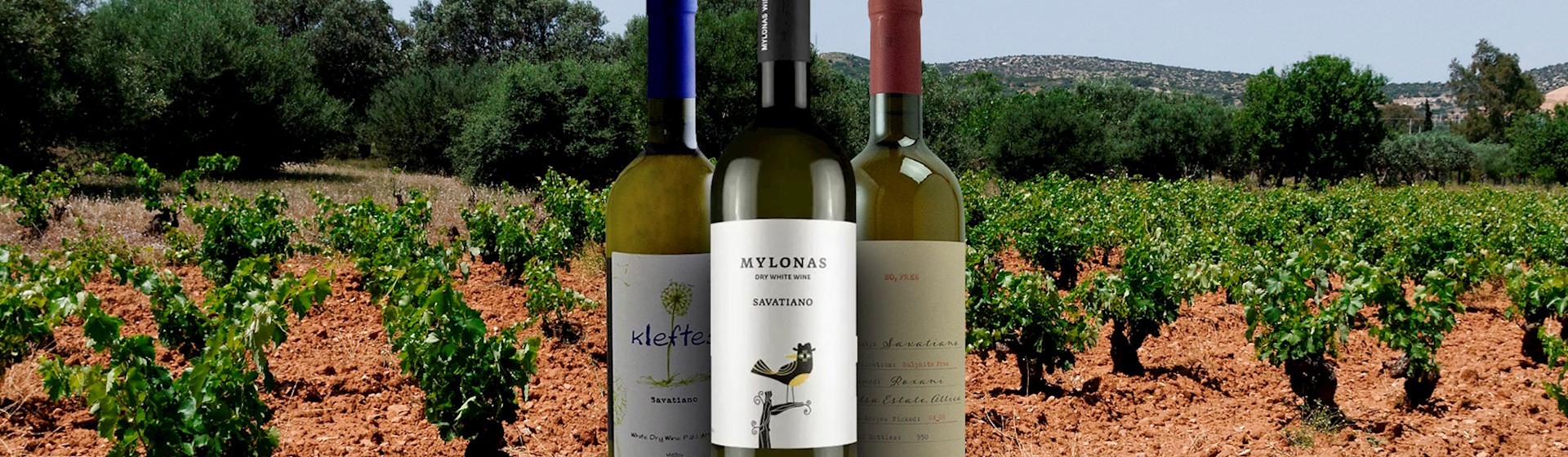
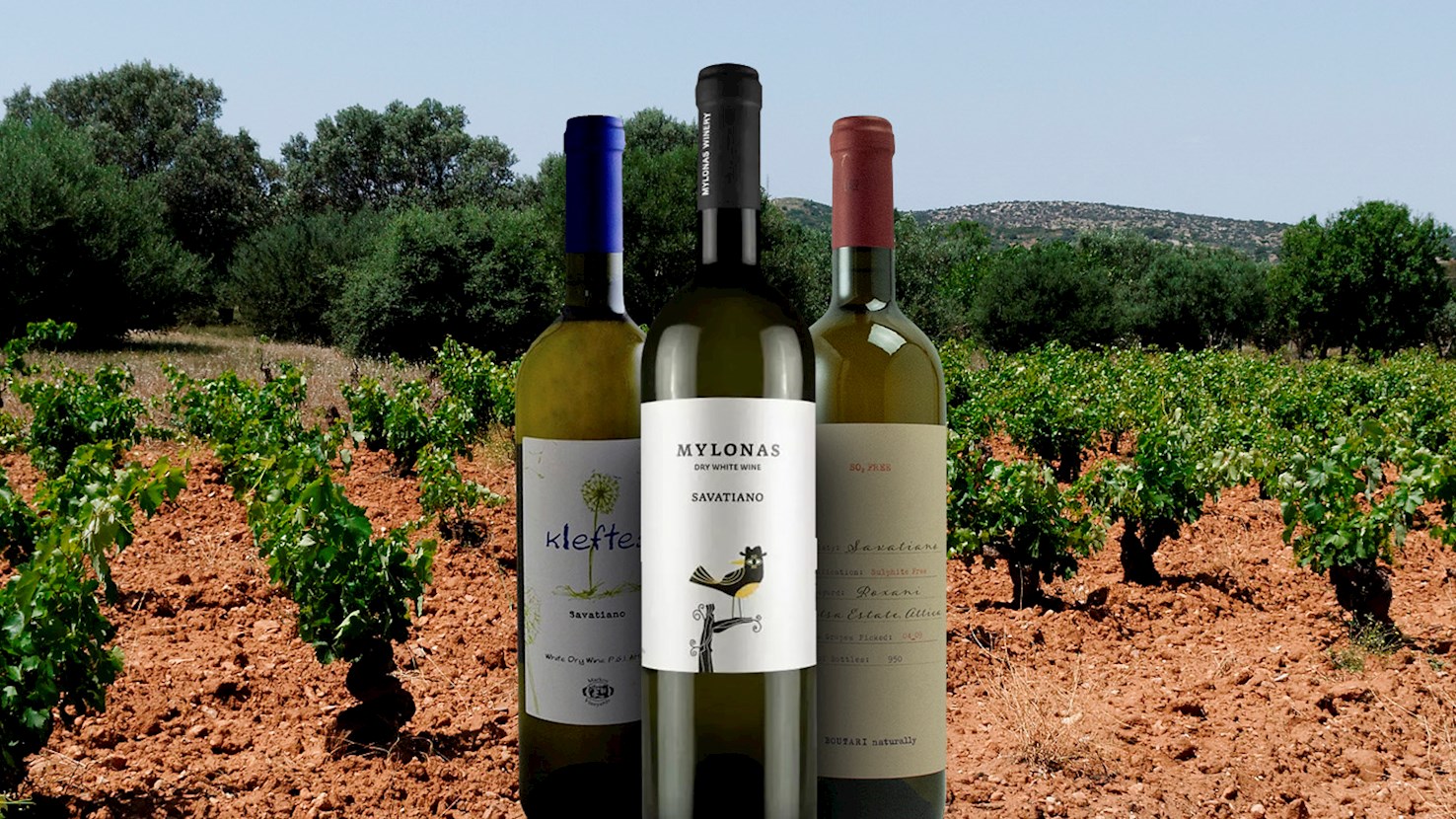
Savatiano is a white grape native to Greece, where it is used in varietal and blends. It was mostly used for unimpressive and bland table wines and the somewhat infamous Greek retsina—wine flavored with pine tree resin. Savatiano is still one of the most popular varieties, but producers now usually turn to quality rather than quantity. By choosing cooler sites and earlier harvesting, winemakers allow the grape to retain acidity. Along with this shift, varietal Savatiano has become more prominent on the market. Dry Savatiano wines have citrus, apple, and floral notes, along with medium-body and medium to low acidity. Mineral and herbaceous notes are also common. Some producers experiment with skin-contact wines and oak, showing that Savatiano can create wines of great character that are rich and creamy, with juicy yellow fruit nuances. Depending on their style, dry Savatiano wines can be paired with lighter and more complex dishes. They are best served with seafood, white meat, vegetable dishes, and Mediterranean specialties. This is a great wine to pair with classic Greek dishes. Savatiano probably originated in Attica, and its name stems from savvato, meaning Saturday.
Attiki is a Protected Geographical Indication regulating the production of dry white, rose, red, and sweet wines within the administrative borders of the Attica region in central Greece. Archaeological remnants, including classical storage amphorae and epigraphical records from ancient Athenian city-states, establish that organized viticulture has operated continuously across the undulating plains of the Mesogaia peninsula and the surrounding mountainous fringes for over three thousand years. This continuous agricultural activity persisted as a primary economic driver through the Roman and Byzantine periods, supplied the bulk of the domestic Greek market during the nineteenth and twentieth centuries, and underwent a extensive qualitative transformation in recent decades as modern estates shifted production focus from bulk volume toward low-yield, mono-varietal expressions of native grapes. Vineyards are managed primarily on flat plains and gentle hills at elevations up to four hundred meters above sea level, where the vines grow in poorly irrigated, limestone-rich clay soils under a semi-arid Mediterranean microclimate marked by low annual rainfall, hot summers, and constant marine breezes that naturally suppress fungal grape diseases. The regional production framework relies predominantly on the indigenous white Savatiano variety, which accounts for the vast majority of planted acreage, alongside secondary native grapes like Roditis, Malagousia, and Assyrtiko, as well as red varieties including Cabernet Sauvignon and Merlot. Vinification procedures for modern white PGI Attiki wines mandate immediate protective destemming, cool pressing, and temperature-controlled stainless steel fermentation kept strictly between fifteen and eighteen degrees Celsius to preserve volatile primary aromas, contrasting with alternative vinification variants where winemakers deliberately add Pinus halepensis pine resin during fermentation to produce Retsina under a specific geographic designation, or age the wines on fine lees to introduce structural complexity. White PGI Attiki wines are cooled and served at a temperature between eight and ten degrees Celsius in standard tulip-shaped glasses to focus delicate aromas of yellow fruit, herbs, and citrus, whereas red variants are served at sixteen to eighteen degrees Celsius, and resinated Retsina versions are presented at seven to nine degrees Celsius in simple tumblers or white wine glasses. These wines are consumed across global distribution networks, regional Greek dining venues, and domestic households during casual and formal multi-course meals. The crisp acidity and subtle herbal properties of the standard white expressions make them effective pairings for grilled sardines, baked cod, tzatziki, spanakopita, and fresh feta cheese, while the resinated variations pair precisely with fried small fish, roasted lamb seasoned with garlic, and heavily spiced appetizers, and the red blends complement grilled pork chops and stewed Mediterranean vegetables.
TasteAtlas food rankings are based on the ratings of the TasteAtlas audience, with a series of mechanisms that recognize real users and that ignore bot,
nationalist or local patriotic ratings, and give additional value to the ratings of users that the system recognizes as knowledgeable.
For the “Top 3 Local Wines in Attica” list until July 22, 2026, 115 ratings were recorded, of which 65 were recognized by the system as legitimate.
TasteAtlas Rankings should not be seen as the final global conclusion about food. Their purpose is to promote excellent local foods,
instill pride in traditional dishes, and arouse curiosity about dishes you haven’t tried.
The initial list of top producers was compiled based on available reviews, awards, local recommendations, media and blog coverage, and consumer reviews.
The list will be updated with ratings from TasteAtlas local ambassadors and TasteAtlas users.