
Top 6 Local Wines
in Aude

Last updated on June 15, 2026

Best Aude Wines

01

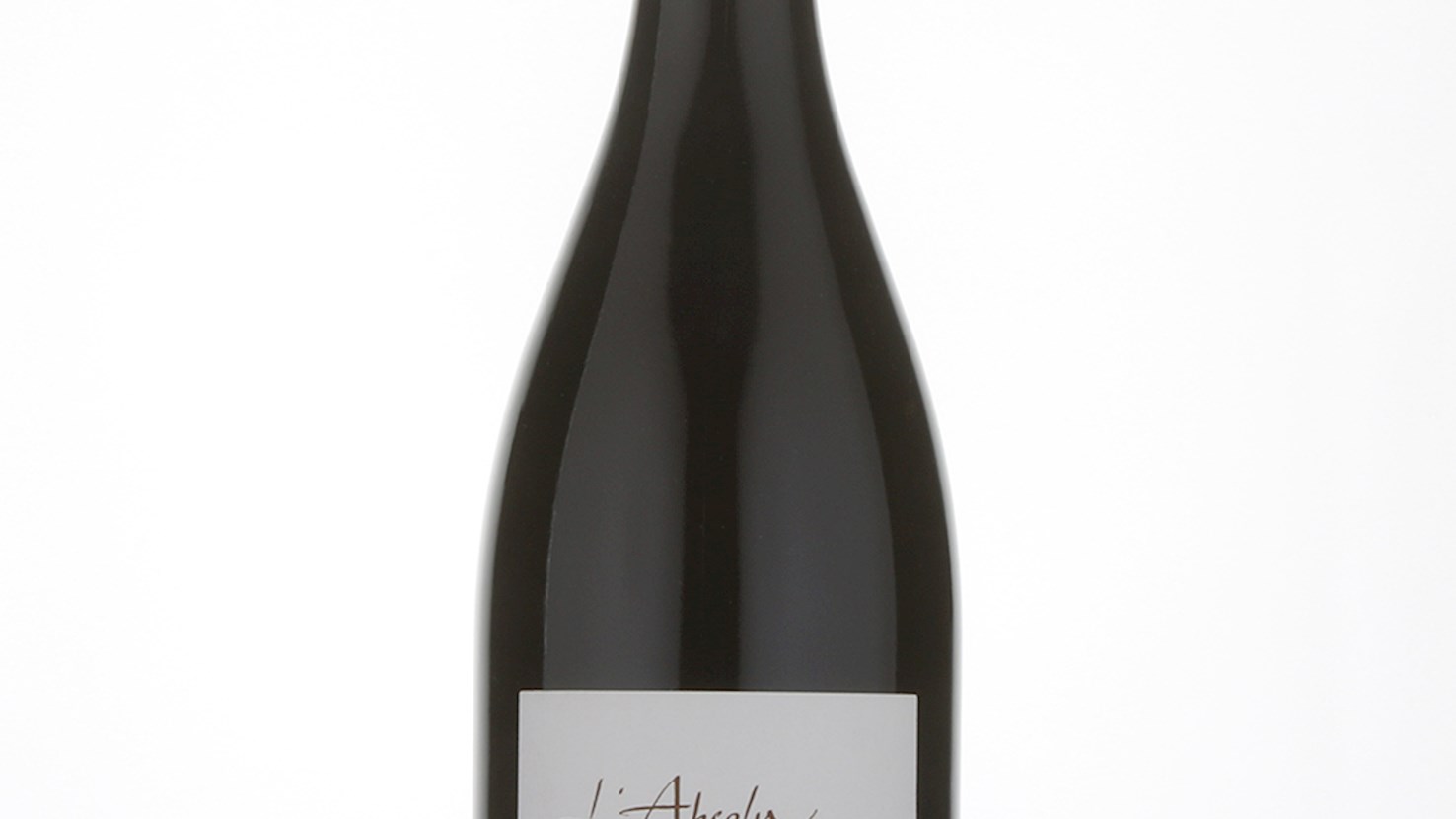
Château Rouquette sur Mer

4.9 ·
Awards
Decanter World Wine Awards - Platinum (2020, 2018)
02

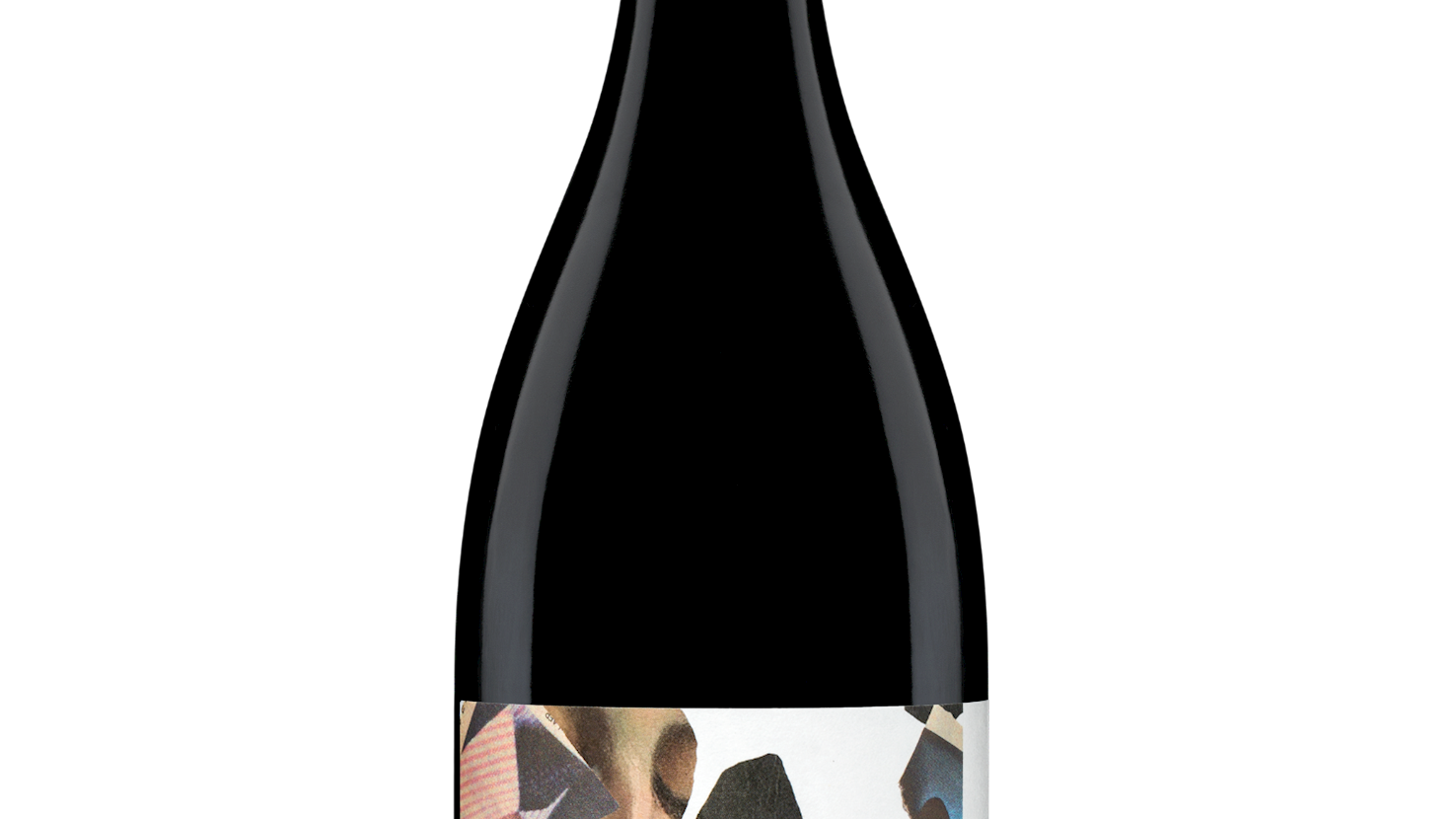
Aubert & Mathieu

4.9 ·
Awards
Decanter World Wine Awards - Platinum (2022)
03

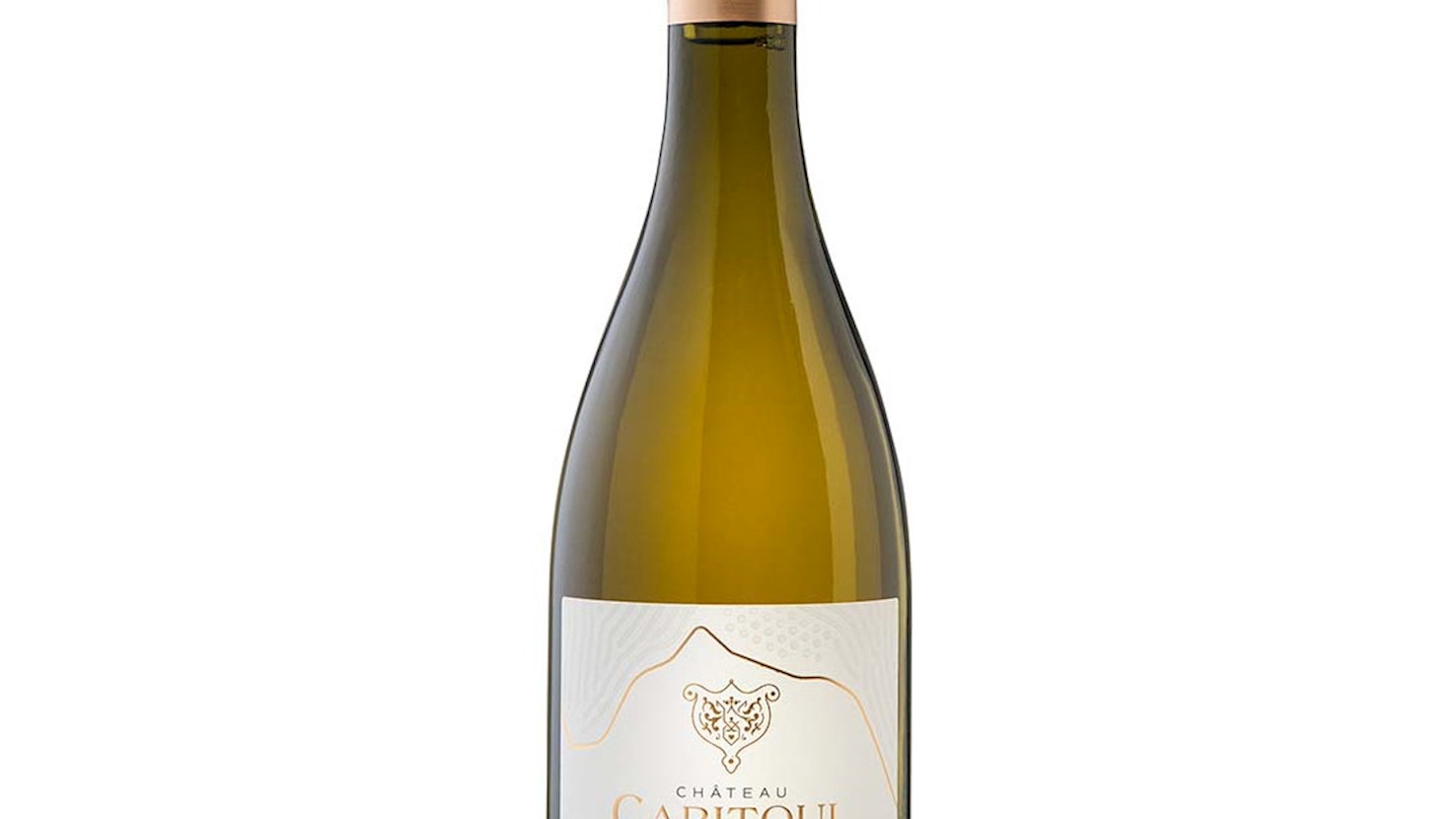
Château Capitoul

4.9 ·
Awards
Decanter World Wine Awards - Platinum (2017)
04

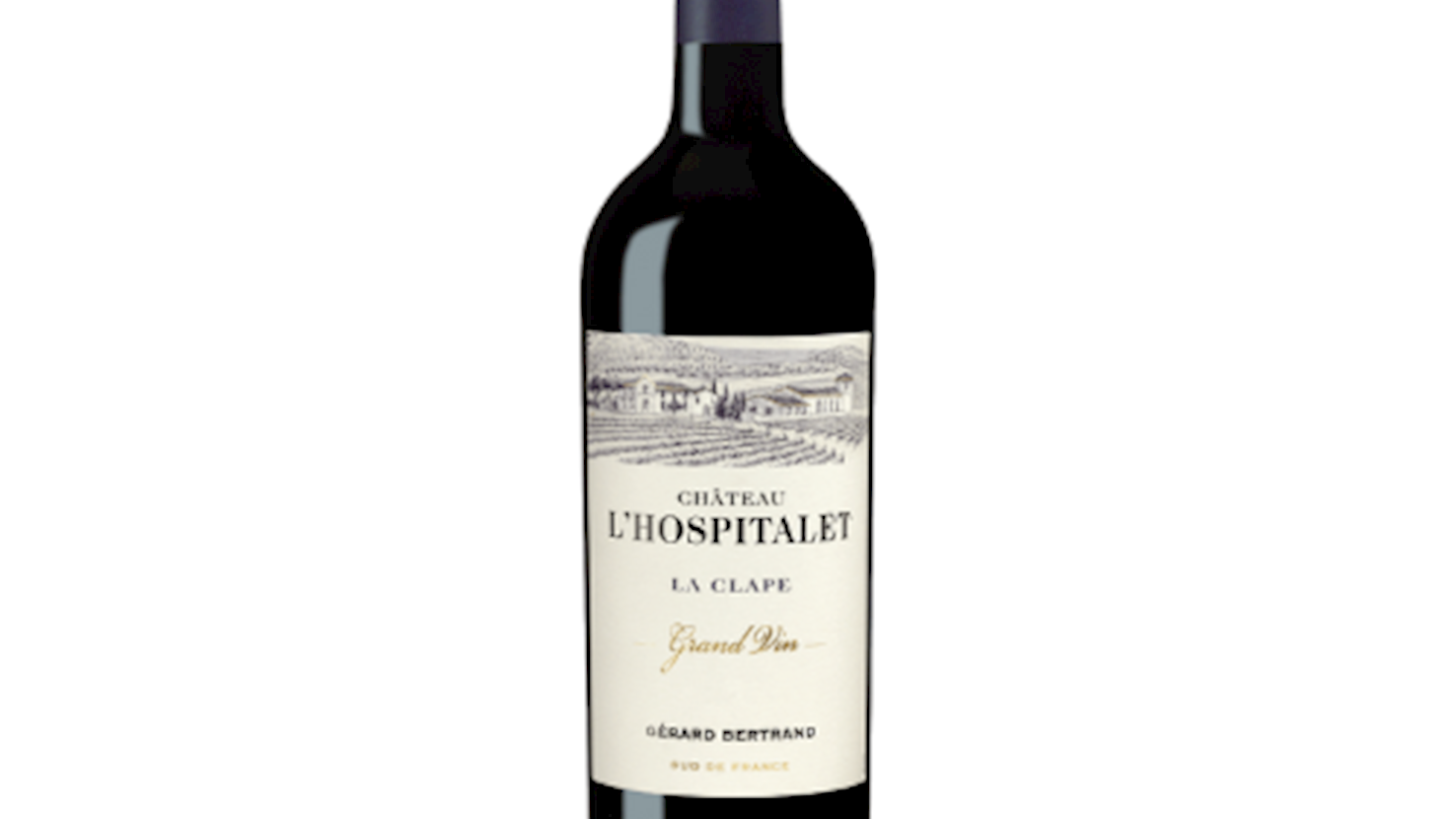
Gérard Bertrand

4.7 ·
Gérard Bertrand Winery is a renowned wine estate located in the Languedoc region of southern France, known for its commitment to sustainable and organic viticulture. Founded by Gérard Bertrand, the winery produces a wide range of high-quality wines that reflect the unique terroir of the region. The estate's vineyards, including the famous Château de L'Hospitalet, are farmed with eco-friendly practices, using solar energy and organic methods. Bertrand is a pioneer in biodynamic wine production, aiming to reduce environmental impact and preserve biodiversity. The winery’s wines, such as Clos d'Ora and Château de L'Hospitalet, have received international acclaim for their quality and character. Gérard Bertrand also focuses on creating an exceptional visitor experience, with wine tastings and tours available at his beautiful estates. With a strong commitment to both tradition and innovation, the winery is a leader in modern French winemaking.
Awards
Decanter World Wine Awards - Platinum (2022)
Vivino - 4.2
05

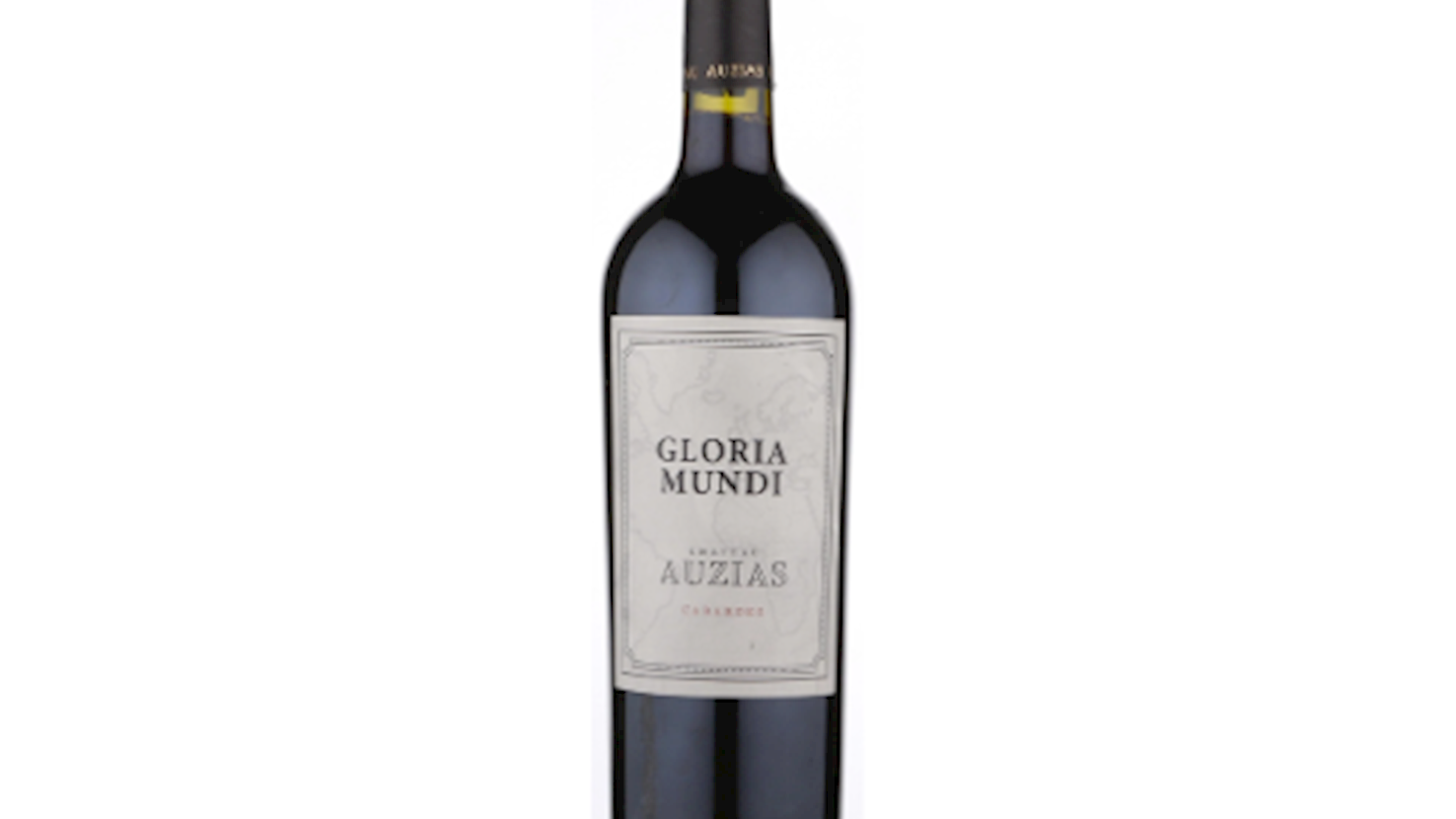
Château Auzias

4.5 ·
Château Auzias is a historic estate located near Carcassonne in the Languedoc region, an area known for its diverse terroirs and Mediterranean climate. The property dates back several centuries and has evolved into a modern winery that combines tradition with contemporary winemaking techniques. Surrounded by vineyards influenced by both Atlantic and Mediterranean conditions, the estate benefits from a balance of warmth and freshness that shapes the style of its wines. The portfolio includes a range of varietal and blended wines, often based on grapes such as Merlot, Cabernet Sauvignon, Syrah, and Chardonnay. The wines typically show ripe fruit character, soft tannins, and approachable structure, reflecting the accessible style of the region. Winemaking focuses on preserving fruit expression while ensuring balance and consistency, with careful use of oak where appropriate. Château Auzias is positioned as a reliable producer within Languedoc, offering well-crafted wines that combine regional identity with everyday drinkability.
Awards
Decanter World Wine Awards - Best in Show (2018)
Vivino - 4.0
06

Lgi Wines

4.4 ·
Awards
USA Wine Ratings - Gold (2019)

Best Aude Wine Types

01

Fitou

n/a ·

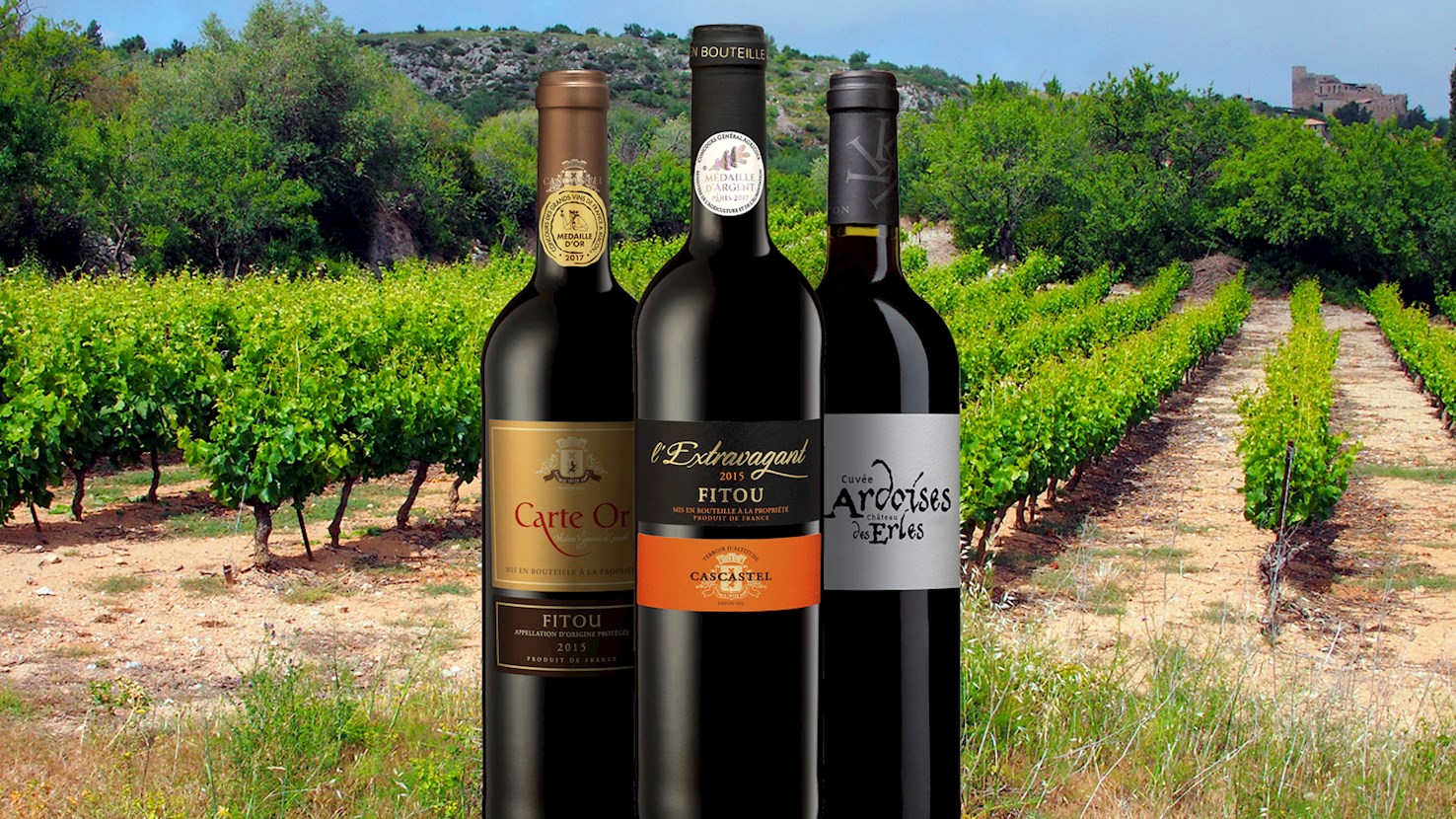
Fitou is a French appellation located in Languedoc (Aude) that produces full-bodied red wines primarily based on Carignan and Grenache, with small percentages of Mourvedre and Syrah. These wines are characterized by typical aromas of ripe red and black fruits, hints of violets, spices, or herbs, as well as nuances of vanilla and oak that develop with age. Although they can be enjoyed young, Fitou wines greatly benefit from aging. In their youth, these wines can be an excellent accompaniment to white meat or charcuterie, while the well-balanced tannins of aged varieties perfectly complement red meat, game, or stews.

02

Crémant de Limoux

n/a ·

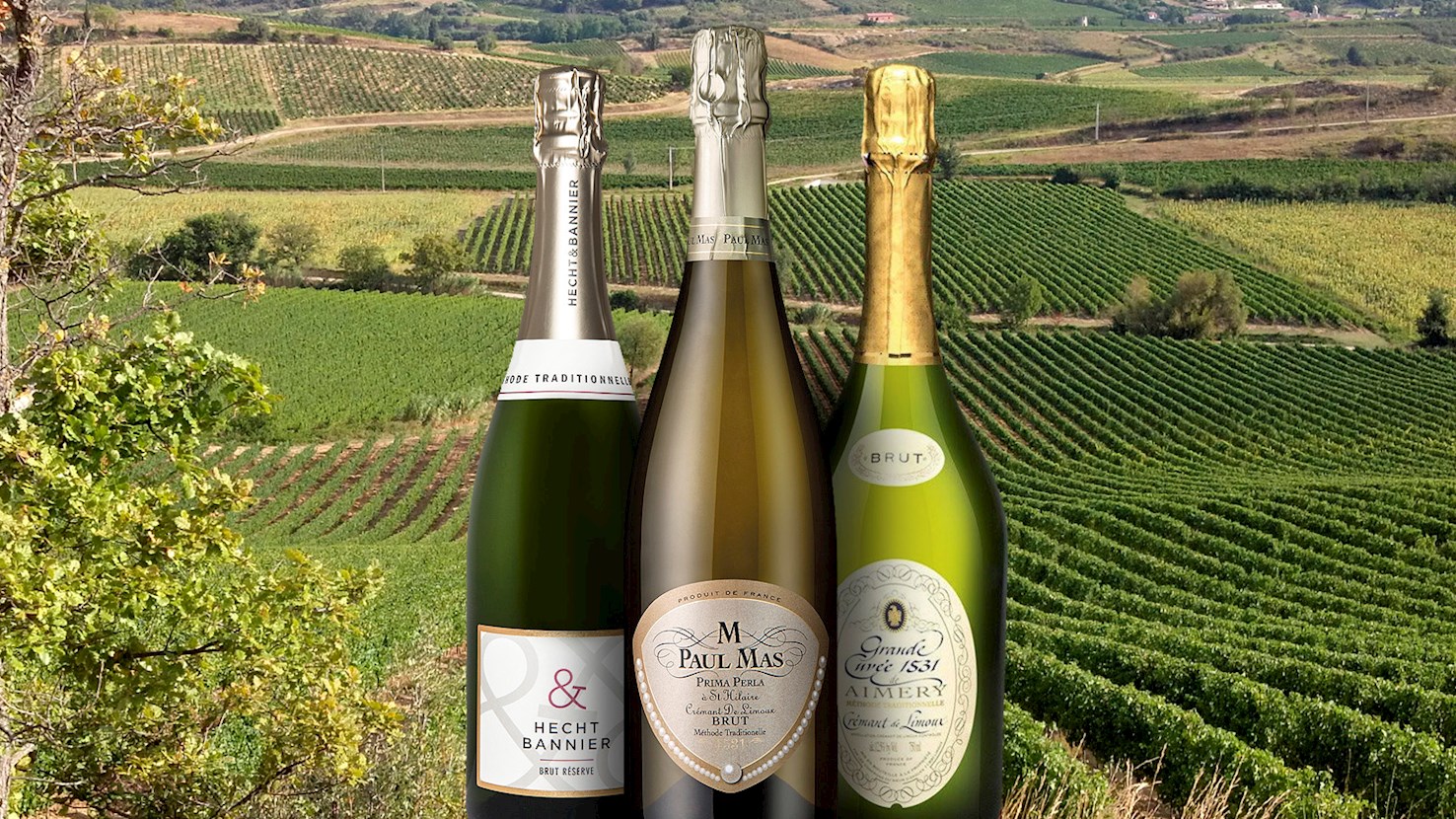
These sparkling French wines are produced in the Limoux wine region (Aude department) with varying percentages of Chardonnay, Chenin Blanc, local Mauzac, and Pinot Noir. Although the region is said to be one of the first to perfect the method of sparkling wine production—going back to the 16th century—this young appellation was created in 1990, as an attempt to slightly modernize the approach, which was mainly focused on the production of Mauzac-based Blanquette de Limoux. The vibrant Crémant de Limoux wines are typically fresh, aromatic, and smooth, with subtle acidity, fine bubbles, floral notes, and apple nuances. They are best served well-chilled as an aperitif, but they can also pair with appetizers, fish, seafood, white meat, or goat cheese, while some rosé varieties may be a good match to desserts.

03

Blanquette de Limoux

n/a ·

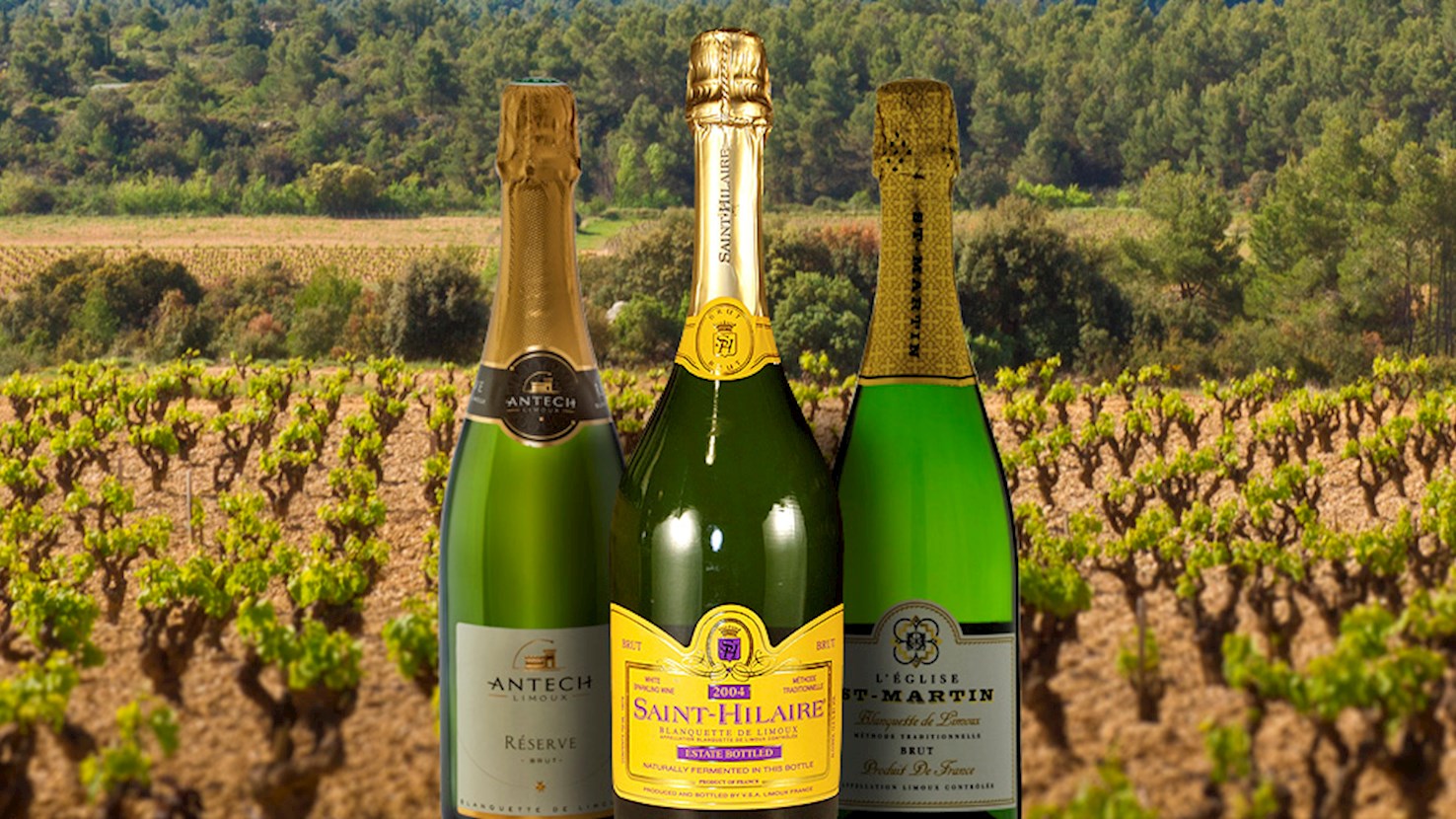
These sparkling wines are produced in the Limoux wine region, located in the department of Aude, with Mauzac (Blanquette) as its principal grape variety and small percentages of Chardonnay and Chenin Blanc. The wines are produced with a traditional method in which the second fermentation takes place in the bottle. Blanquette de Limoux wines are crisp, clean, and fresh with distinctive apple aromas. They are best served well-chilled, as an aperitif or an accompaniment to various appetizers, but they can also match foie gras and rustic, local dishes.

04

Cartagène

n/a ·

Cartagène is a fortified wine from the Languedoc. Its origins lie in the vineyards planted in antiquity around the Mediterranean coast and inland inland from Marseille toward Béziers, with the vine cultivated since Roman times and fortified sweet wines appearing later on. Production of Cartagène involves fresh grape must drawn from local grape varieties, which is immediately fortified by addition of a high-proof grape spirit (or marc from the same grapes) that halts fermentation and preserves the natural sugars in the must. Traditionally the ratio is between four and seven parts must to one part of approximately 94 % alcohol, resulting in a final strength of 16 % to 18% alcohol by volume. After mixing the must and spirit, the blend is filtered and bottled, or sometimes aged in large oak or chestnut casks (foudres) for several years during which the color deepens and nutty, prune and dried-fruit notes develop. Common variations of Cartagène arise from the choice of must (white grape, red grape or rosé), the grape varieties (Grenache blanc, Grenache noir, Roussanne, etc.), and whether the spirit used is a neutral grape brandy or the local marc, which affects aromatics considerably. A particular characteristic of Cartagène is that its name likely derives from the proportion of must to spirit (four parts must to one of liquor) rather than any connection to the city of Cartagena, making it unique among mistelles. This beverage is typically served chilled as an aperitif in Languedoc wine-bars, and it also performs well as a digestif or paired with foie gras, chocolate desserts, dried fruit or blue cheeses; it can equally accompany a melon at the start of the meal or be sipped slowly at the end.

About this ranking

TasteAtlas food rankings are based on the ratings of the TasteAtlas audience, with a series of mechanisms that recognize real users and that ignore bot, nationalist or local patriotic ratings, and give additional value to the ratings of users that the system recognizes as knowledgeable. For the “Top 6 Local Wines in Aude” list until June 15, 2026, 19 ratings were recorded, of which 13 were recognized by the system as legitimate. TasteAtlas Rankings should not be seen as the final global conclusion about food. Their purpose is to promote excellent local foods, instill pride in traditional dishes, and arouse curiosity about dishes you haven’t tried.

The initial list of top producers was compiled based on available reviews, awards, local recommendations, media and blog coverage, and consumer reviews. The list will be updated with ratings from TasteAtlas local ambassadors and TasteAtlas users.

Similar lists