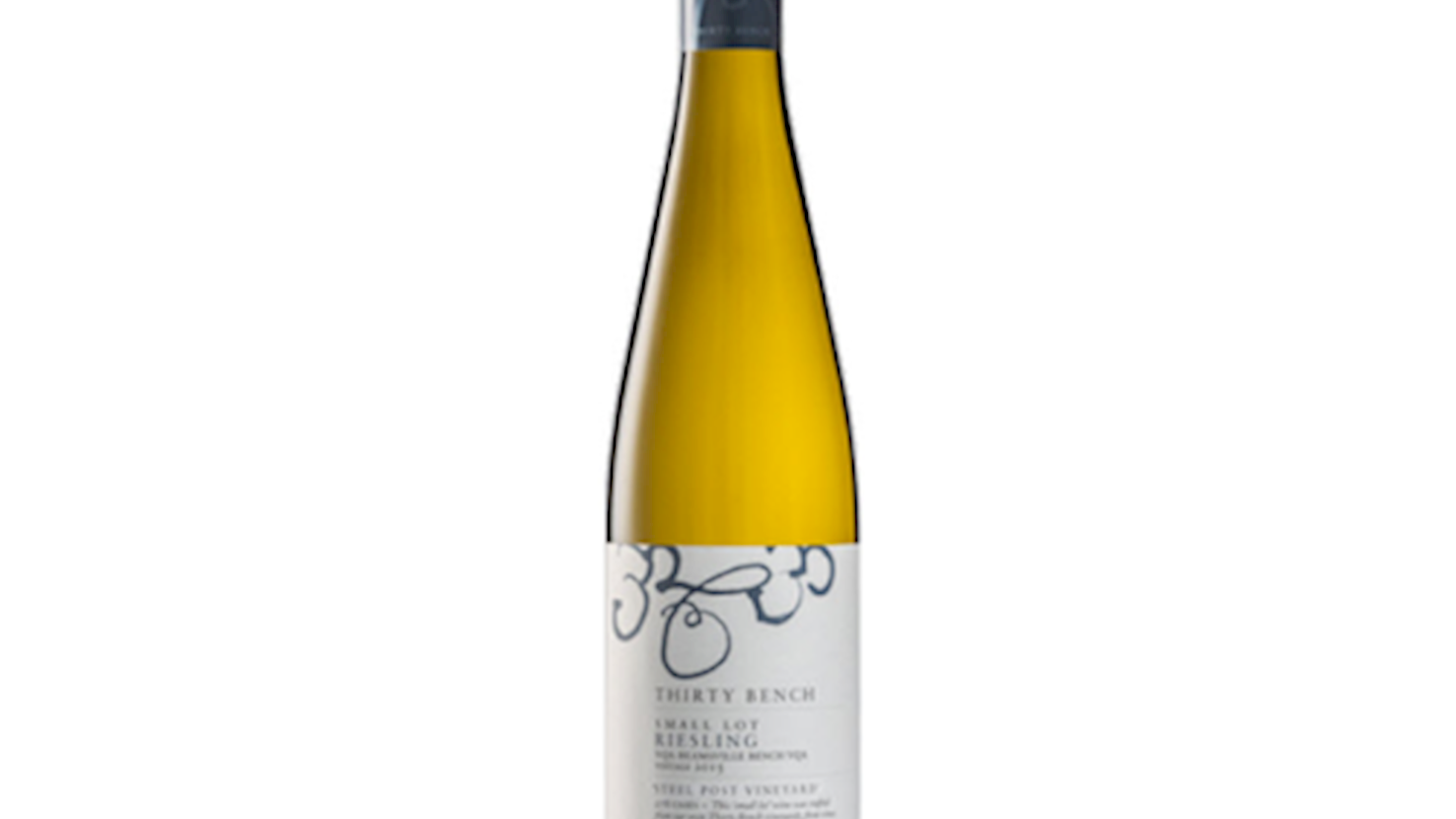
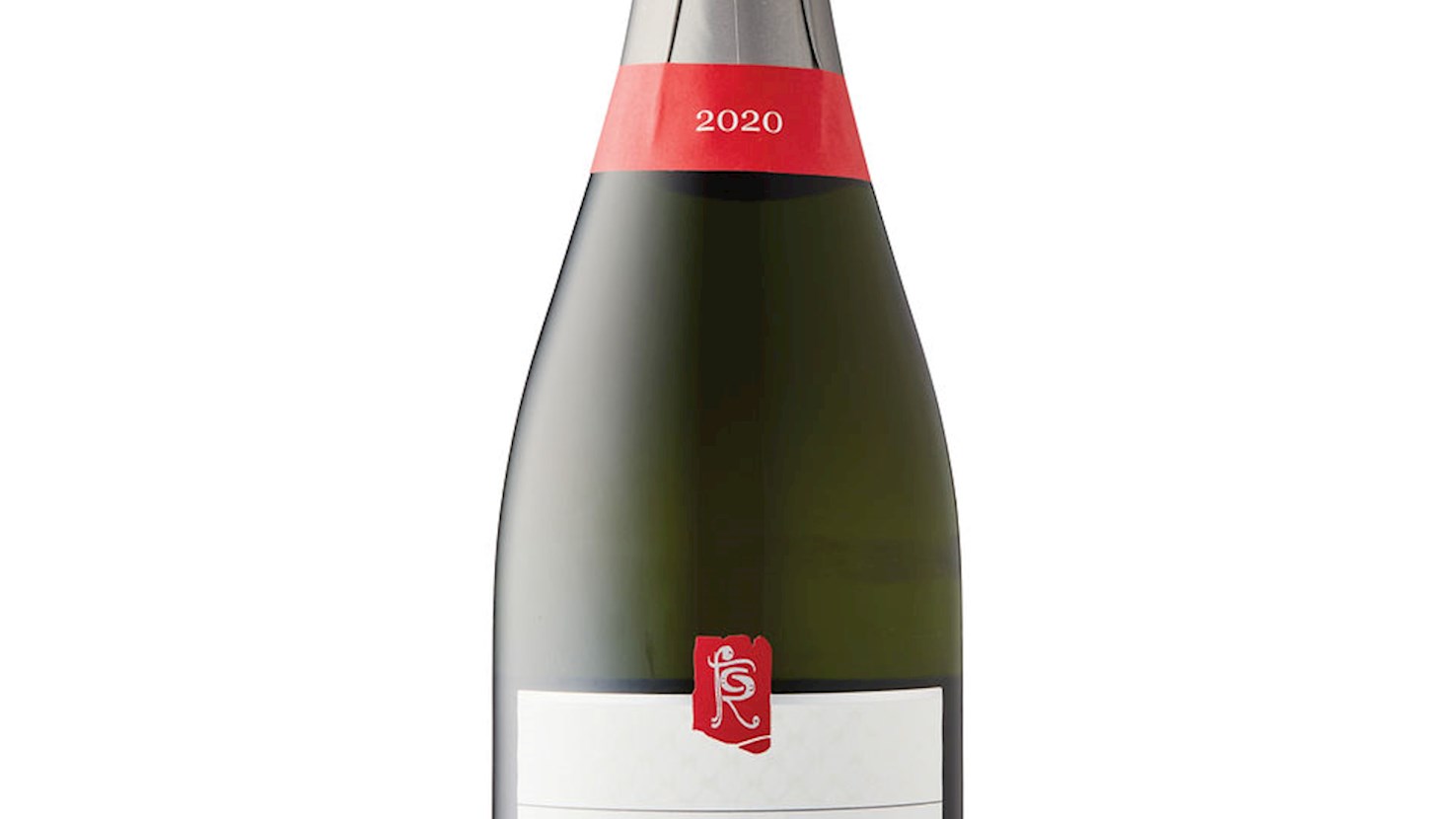
Thirty Bench Wine Makers is a boutique winery located on the Beamsville Bench within the Niagara Peninsula, one of Canada’s most respected cool-climate wine regions. Founded in 1990, the winery quickly built a reputation for producing high-quality, small-lot wines with a strong focus on vineyard expression. The estate is particularly known for its work with Riesling, which thrives in the limestone-rich soils and benefits from the moderating influence of Lake Ontario. Wines are often crafted from individual vineyard blocks, highlighting subtle differences in terroir and structure. The style emphasizes precision, balance, and aging potential, especially in their Riesling portfolio, which ranges from dry to off-dry expressions. In addition to Riesling, Thirty Bench produces Chardonnay, Pinot Noir, and red blends that reflect the cool-climate character of the region. Winemaking is focused on minimal intervention and careful cellar practices to preserve purity of fruit and site specificity. Today, Thirty Bench is widely regarded as one of the leading producers on the Beamsville Bench, known for refined, terroir-driven wines with strong identity.
Awards
Decanter World Wine Awards - Best in Show
(2018)
Decanter World Wine Awards - Platinum
(2018, 2017)
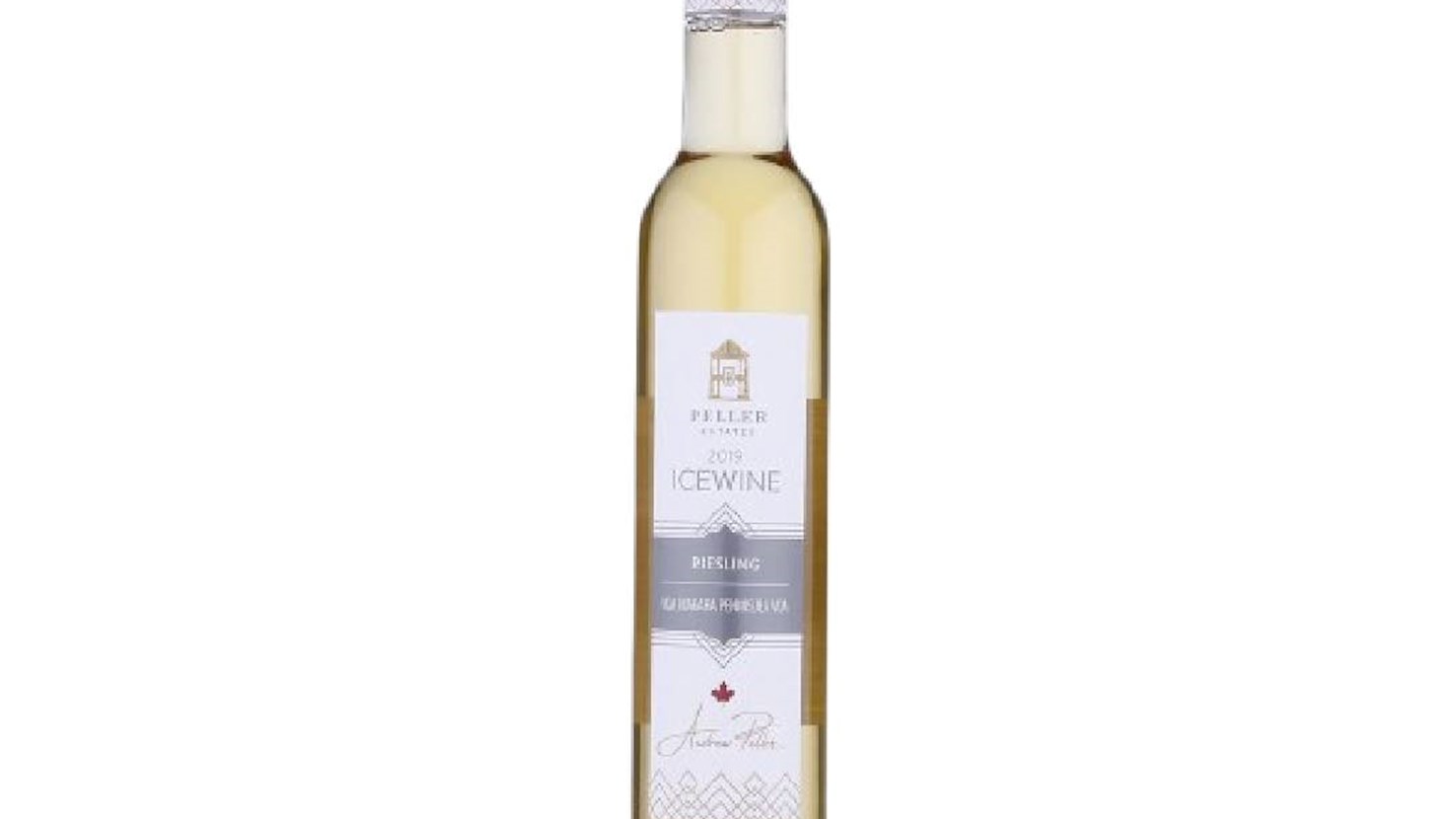
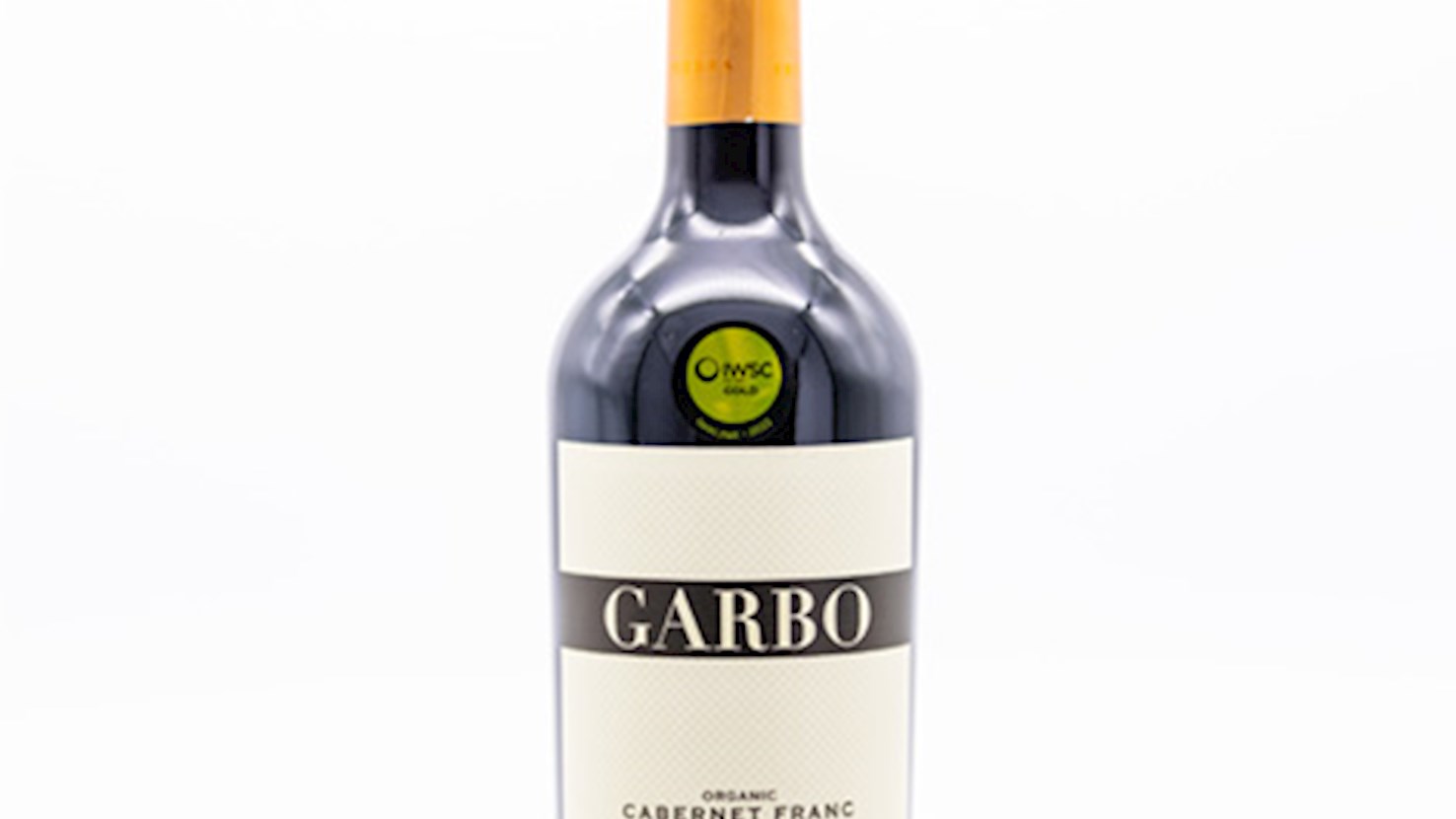
Peller Estates Winery is a renowned Canadian winery located in the heart of the Niagara Peninsula, one of Canada's most celebrated wine regions. With over 50 years of experience, Peller Estates has become synonymous with high-quality Canadian wines that reflect the richness of the region's terroir.
The winery is known for its handcrafted production and innovative winemaking techniques, using the finest grapes from its vineyards and other local sources. Peller Estates produces a wide range of wines, from Riesling, Chardonnay, and Cabernet Franc, to the iconic Icewine varieties, which are a true Canadian hallmark.
Peller Estates is committed to sustainability and eco-friendly practices, striving to create wines that not only reflect quality and tradition but also respect the environment. Their philosophy is based on a blend of passion, craftsmanship, and innovation, making them one of the most respected wine brands in Canada, known for their award-winning wines and unique experiences for visitors.
Awards
Decanter World Wine Awards - Platinum
(2021, 2020)
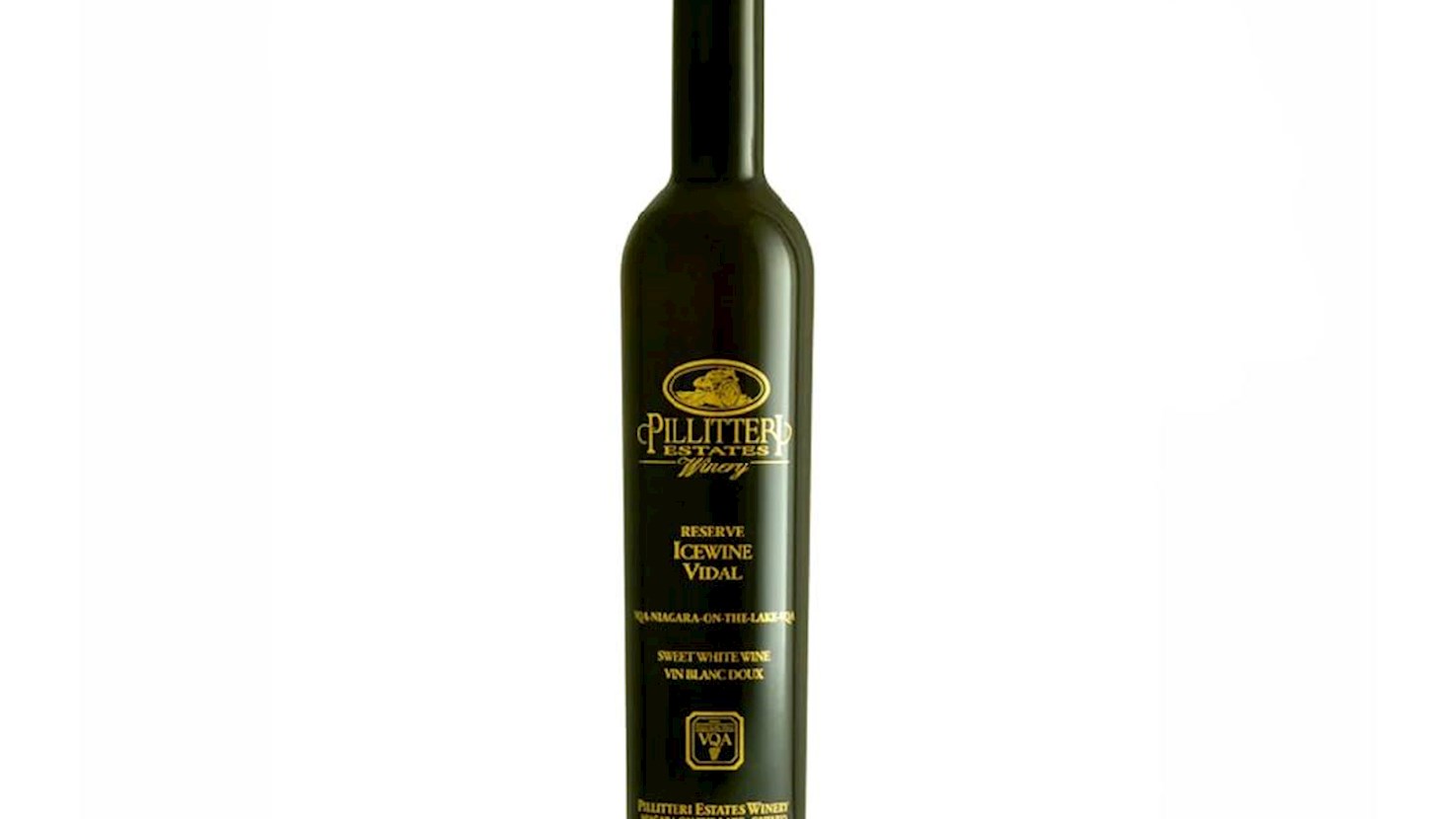
Pillitteri Estates Winery represents the pinnacle of dedication, tradition, and innovation in the world of winemaking. Their wines reflect a deep respect for nature and the art of crafting authentic flavors. Specializing in Icewine, Pillitteri stands out as one of the most awarded producers of this prestigious style globally. With carefully cultivated vineyards and a meticulously controlled production process, each bottle offers exceptional aroma, balance, and elegance. Their portfolio includes both classic and innovative wines, crafted for true enthusiasts and connoisseurs. Family values and a passion for excellence are woven into every step of their winemaking. The winery continuously pushes boundaries through unique styles, collaborations, and memorable visitor experiences. Pillitteri wines are not just products—they are an expression of culture, commitment, and a desire to share the very best in every glass.
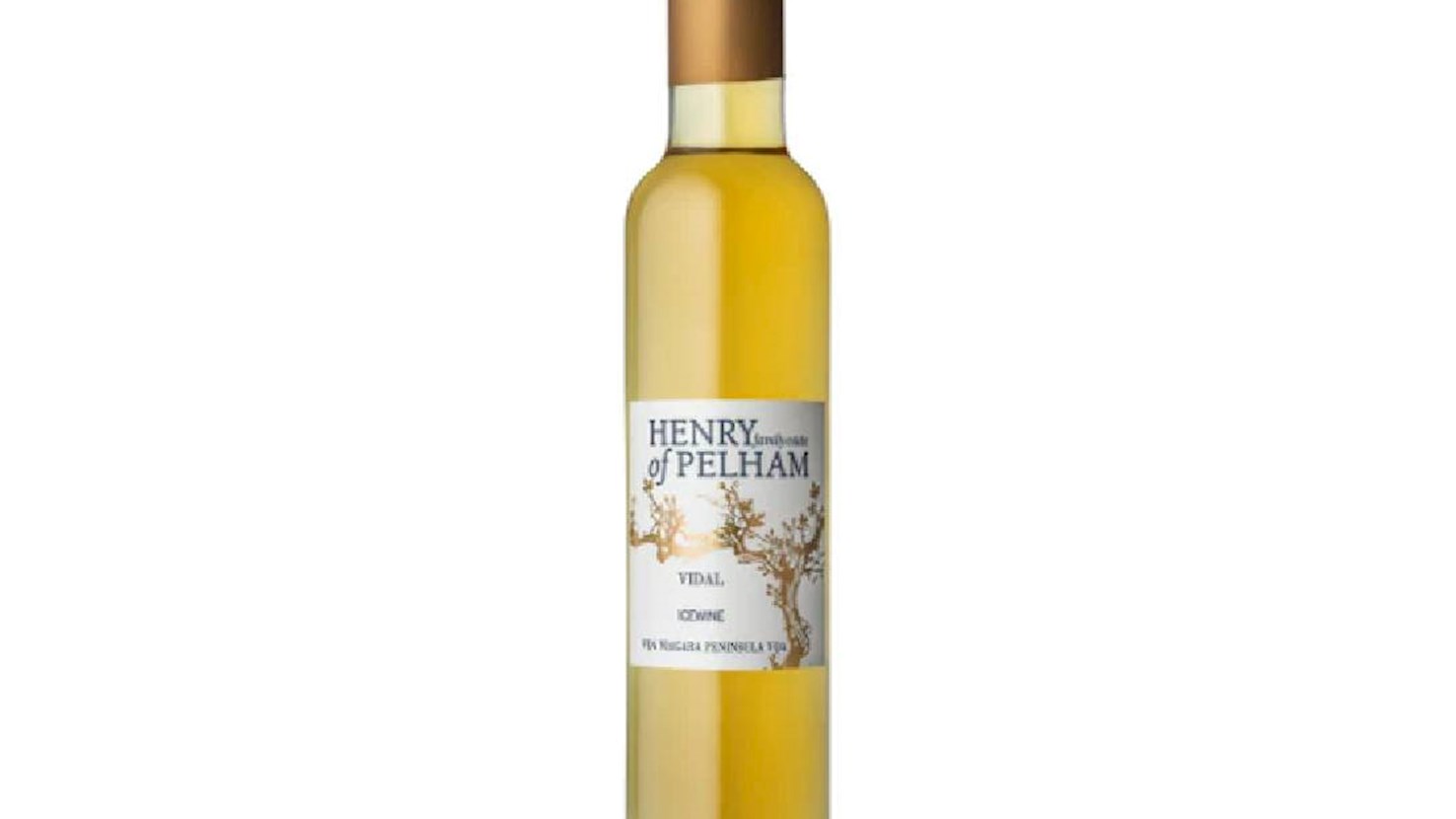
Henry of Pelham crafts wines with true character, deeply rooted in the terroir of the Niagara region. Their carefully cultivated varieties reflect a perfect balance of tradition, expertise, and respect for the land. Renowned for their exceptional expressions of Baco Noir, Chardonnay, Pinot Noir, and Riesling, the winery also produces award-winning sparkling wines under the Cuvée Catharine label. Each bottle carries the mark of authenticity—crafted with precision and a passion passed down through generations. The wines are known for their purity, freshness, and expressive aromatic profiles, making them perfect for both everyday enjoyment and special occasions. Henry of Pelham doesn’t just make wine—they create an experience that celebrates nature, family, and the art of winemaking.
Big Head Wines is a winery located in the heart of the Niagara-on-the-Lake wine region in Ontario, Canada. It is known for producing high-quality wines, with a special emphasis on innovative production techniques and unique flavors. Big Head Wines is dedicated to crafting wines with character, using methods such as wild fermentation, the appassimento method, and various aging vessels to enhance the depth and flavor of their wines. The winery focuses on small-batch wines, allowing for greater control over quality and experimentation with different styles. The winery is open to visitors and offers various wine tasting options
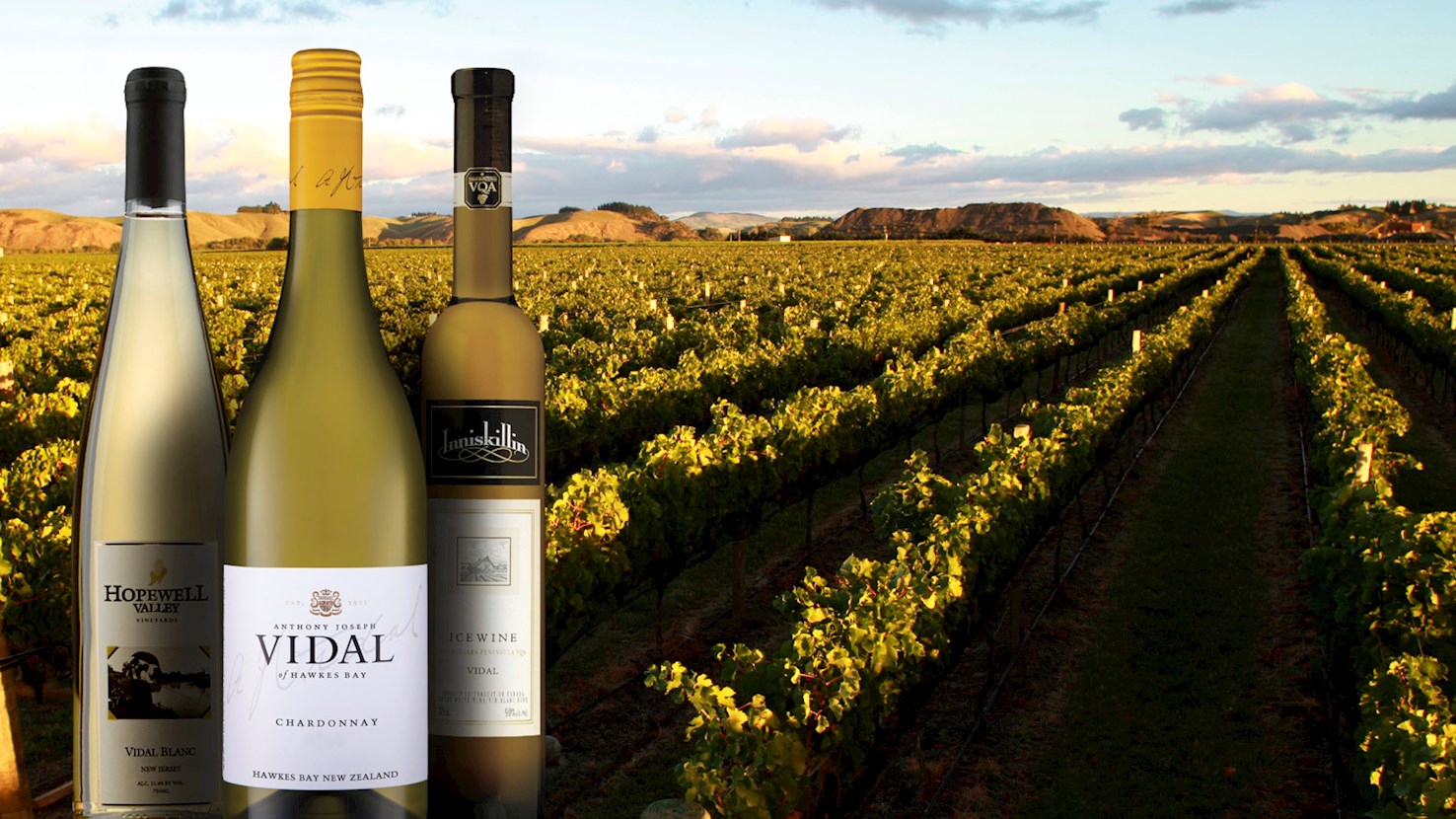
Vidal Blanc, commonly known as Vidal, is a dry white wine produced from the Vidal hybrid grape variety that is grown in Ontario and the northeastern United States. The Vidal hybrid is a cross between the French Ugni Blanc and Rayon d'Or. This hardy variety with thick skin is very resistant to cold, has high natural acidity and sugar levels, and it is very low in tannins. As a result, Vidal wine can be made in two varieties: medium-bodied dry and off-dry variety, but it can also be vinified into a luscious dessert wine or ice wine. Regardless of the variety, Vidal always has strong fruity and floral flavors with tropical aromas of peaches and mangoes, while the flavors and aromas of caramel, apricots, honey, and butterscotch can be experienced in its ice wine variety. While off-dry Vidal pairs well with pork, ham, cold cuts, fruit salads, and dishes from Tex-Mex, Chinese, Mexican, and Cajun cuisines, the dry variety is best paired with light seafood dishes, chicken, salads, smoked meat dishes, and numerous dishes from Asian cuisine. The sweet variety of Vidal can be consumed as a dessert wine on its own, but it can also be combined with cheese-based desserts, fruits, and blue cheese.
The Twenty Mile Bench sub-appellation is a legally protected viticultural area that yields highly structured, mineral-driven white or medium-bodied red wines, located on the complex limestone ledges of the Niagara Escarpment within the larger Niagara Peninsula Vintners Quality Alliance (VQA) wine region of Ontario, spanning a distinct geographical area south of Highway 8 across the towns of Lincoln and Beamsville. The agricultural development of this narrow, north-facing bench land began with fruit orchard cultivation in the nineteenth century, but its modern viticultural specialization emerged during the late twentieth century when pioneering independent estates recognized the temperature-moderating influence of Lake Ontario, resulting in the formal scientific demarcation and legal codification of the sub-appellation boundaries by the provincial government in 2005 to isolate and protect wines produced from its distinct, clay-loam glacial soils. The preparation of Twenty Mile Bench wine targets specific grape varieties that excel in cool climates, prioritizing Riesling and Chardonnay for white profiles, alongside Pinot Noir, Cabernet Franc, and specific allocations of Gamay Noir for red variants. White grape varieties undergo mechanical sorting, immediate pneumatic pressing, and cool fermentation inside stainless steel tanks at thirteen to fifteen degrees Celsius to retain sharp varietal typicity, with premium Chardonnay lots frequently redirected into French oak barrels or concrete vessels for ambient fermentation and subsequent lees stirring to enhance mid-palate weight. Red grape varieties undergo sorting, de-stemming, cold maceration on the skins to maximize anthocyanin extraction without introducing bitter seed phenols, and fermentation in small open-top vats at twenty-four to twenty-eight degrees Celsius, followed by systemic maturation in neutral or low-percentage new French oak barrels for twelve to eighteen months to soften the naturally taut, structural tannins. The wine is distributed across fine dining restaurant networks, state-regulated retail systems, and boutique winery tasting rooms internationally, served at 8 to 10 degrees Celsius in narrow, upright glasses for Riesling to preserve the petrol and citrus zest aromatics, or at 14 to 16 degrees Celsius in wide-bowled Pinot Noir glasses to allow the delicate aromas of tart red cherry, beetroot, and damp earth to fully volatilize. For food and beverage pairings, the piercing, precise organic acidity and fine-grained tannin structure of Twenty Mile Bench wines slice through heavy starches and balance lean proteins, meaning it is eaten alongside pan-seared freshwater trout, lake whitefish served with lemon-butter reductions, roasted poultry, grilled pork chops with apple compote, duck breast duck confit, fresh local oysters, and creamy semi-soft cheeses like brie or aged, crumbly white cheddar.
Niagara Peninsula is a diverse, cool-climate white, red, or sweet dessert wine produced within the legally protected Niagara Peninsula Vintners Quality Alliance (VQA) appellation, which encompasses the entire viticultural landmass bordered by Lake Ontario to the north, the Niagara River to the east, and the steep ridge of the Niagara Escarpment in southern Ontario, Canada. The structural establishment of commercial winemaking in this lake-moderated zone began in 1874 when the Ontario Fruit Growers' Association documented the first successful plantings of Vitis vinifera cultivars, though the regional industry relied heavily on native Vitis labrusca varieties until 1975, when the provincial government granted the first modern winery license specifically dedicated to testing cold-hardy European vine selections, culminating in the formal legislative creation of the VQA system in 1988 to define geographical boundaries, ban hybrid fillers from premium labels, and establish ten distinct sub-appellations based on localized glacial soil deviations. The preparation of Niagara Peninsula wine adheres to separate physical processing tracks depending on the targeted wine style. Dry white wines, including Riesling, Chardonnay, and Sauvignon Blanc, are harvested under strict temperature protocols, pressed immediately to isolate clear juice, and fermented in stainless steel at twelve to fifteen degrees Celsius, with premium Chardonnay frequently undergoing malolactic fermentation in French oak casks. Dry red wines, centered on Cabernet Franc, Pinot Noir, and Merlot, require systematic sorting, complete de-stemming, and skin-contact fermentation at twenty-six to thirty degrees Celsius, followed by barrel maturation for twelve to twenty-four months to integrate wood-derived compounds. The distinct ice-wine category requires an entirely separate physical process where grapes, predominantly Vidal Blanc or Riesling, are left unharvested into the winter months until ambient outdoor temperatures drop below minus eight degrees Celsius, freezing the water content within the pulp so that manual pressing yields an extremely concentrated juice high in natural sugars and organic acids, which is then subjected to a prolonged, cold fermentation lasting several months. The wine is served throughout domestic hospitality channels, international state monopolies, and global fine dining operations, poured at 8 to 10 degrees Celsius in narrow, tapered glasses for dry white varietals, at 6 to 8 degrees Celsius in small, small-bowled dessert glasses for concentrated icewines to focus the unctuous honeyed notes, or at 15 to 17 degrees Celsius in standard red wine glasses to highlight the red berry and herbal characteristics of Cabernet Franc. For food and beverage pairings, the pronounced organic acid matrix and variable sugar levels of Niagara Peninsula wines allow them to complement diverse culinary fats and proteins, meaning it is eaten alongside pan-seared lake trout, roasted turkey with savory herb stuffing, grilled pork tenderloin served with berry reductions, fresh Atlantic oysters, rich foie gras pâtés, and sharp blue or aged white cheddar cheeses.
TasteAtlas food rankings are based on the ratings of the TasteAtlas audience, with a series of mechanisms that recognize real users and that ignore bot,
nationalist or local patriotic ratings, and give additional value to the ratings of users that the system recognizes as knowledgeable.
For the “Top 26 Ontarian Wines” list until June 10, 2026, 11 ratings were recorded, of which 11 were recognized by the system as legitimate.
TasteAtlas Rankings should not be seen as the final global conclusion about food. Their purpose is to promote excellent local foods,
instill pride in traditional dishes, and arouse curiosity about dishes you haven’t tried.
The initial list of top producers was compiled based on available reviews, awards, local recommendations, media and blog coverage, and consumer reviews.
The list will be updated with ratings from TasteAtlas local ambassadors and TasteAtlas users.