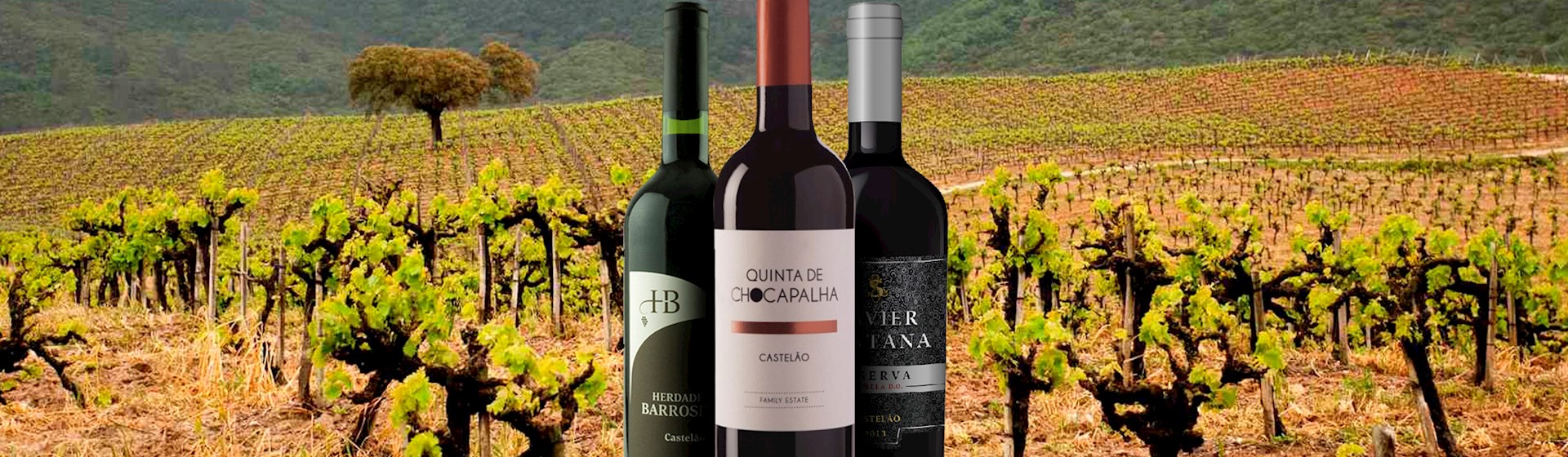
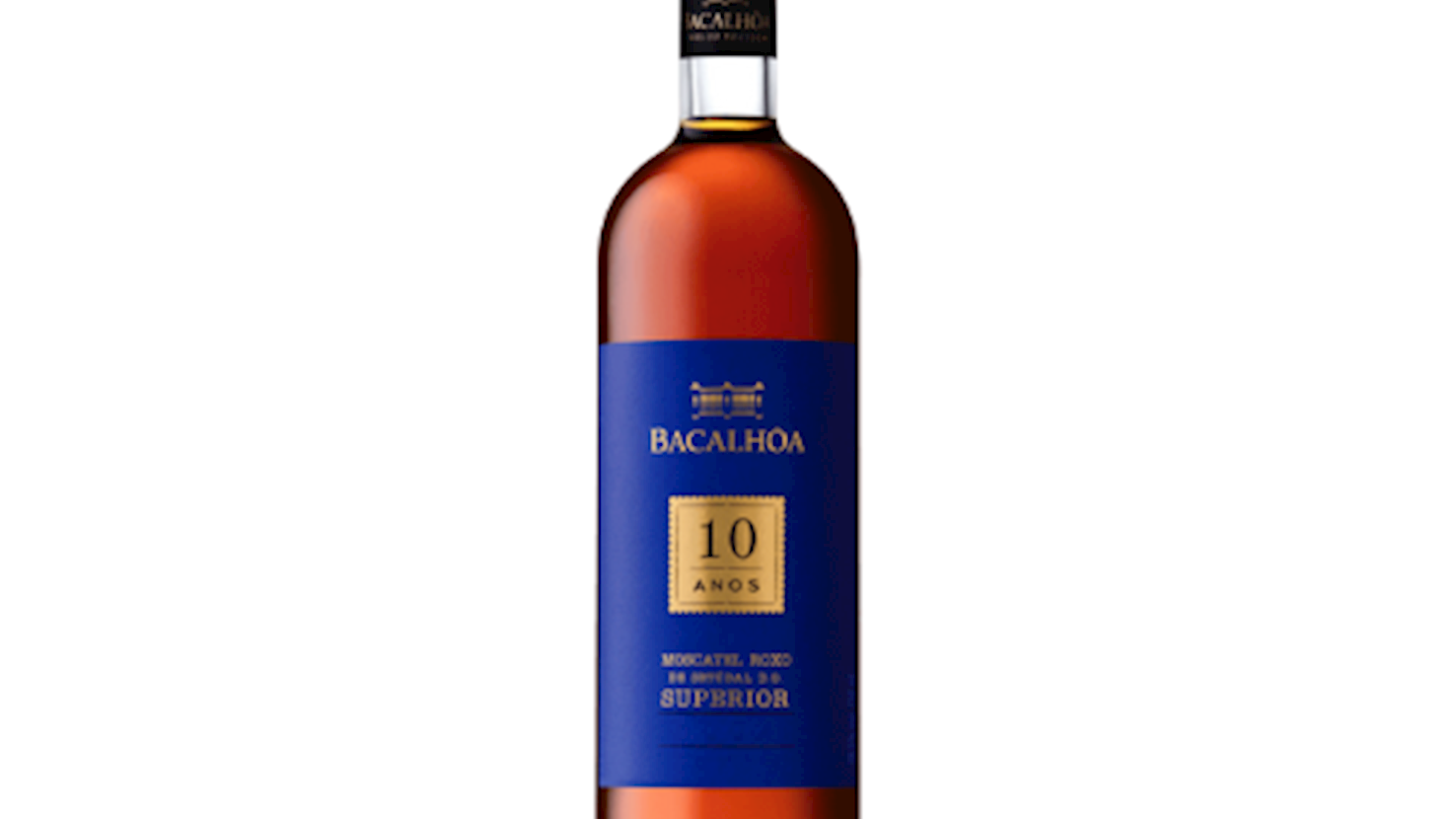
Bacalhôa is one of the most important and innovative wine producers in Portugal, with roots dating back to 1922 and vineyards and cellars spread across several key regions, including Alentejo, Setúbal, Dão and Douro. The group manages around 1,200 hectares of vineyards and works with a wide range of native and international grape varieties, which enables a diverse and comprehensive portfolio. At the core of its identity is the historic Quinta da Bacalhôa estate in Azeitão, renowned for its Renaissance palace, gardens and cultural heritage that reflects the company’s philosophy of “Art, Wine & Passion”. Bacalhôa played a central role in modernizing Portugal’s wine industry in the late 20th century, shifting from bulk production toward premium, technologically refined winemaking. Its wines are characterized by balance, clarity of expression and strong regional identity, while visits to its estates offer a distinctive enotourism experience that blends wine, architecture and art.
Awards
Decanter World Wine Awards - Best in Show
(2024, 2016)
Decanter World Wine Awards - Platinum
(2024, 2021, 2016)
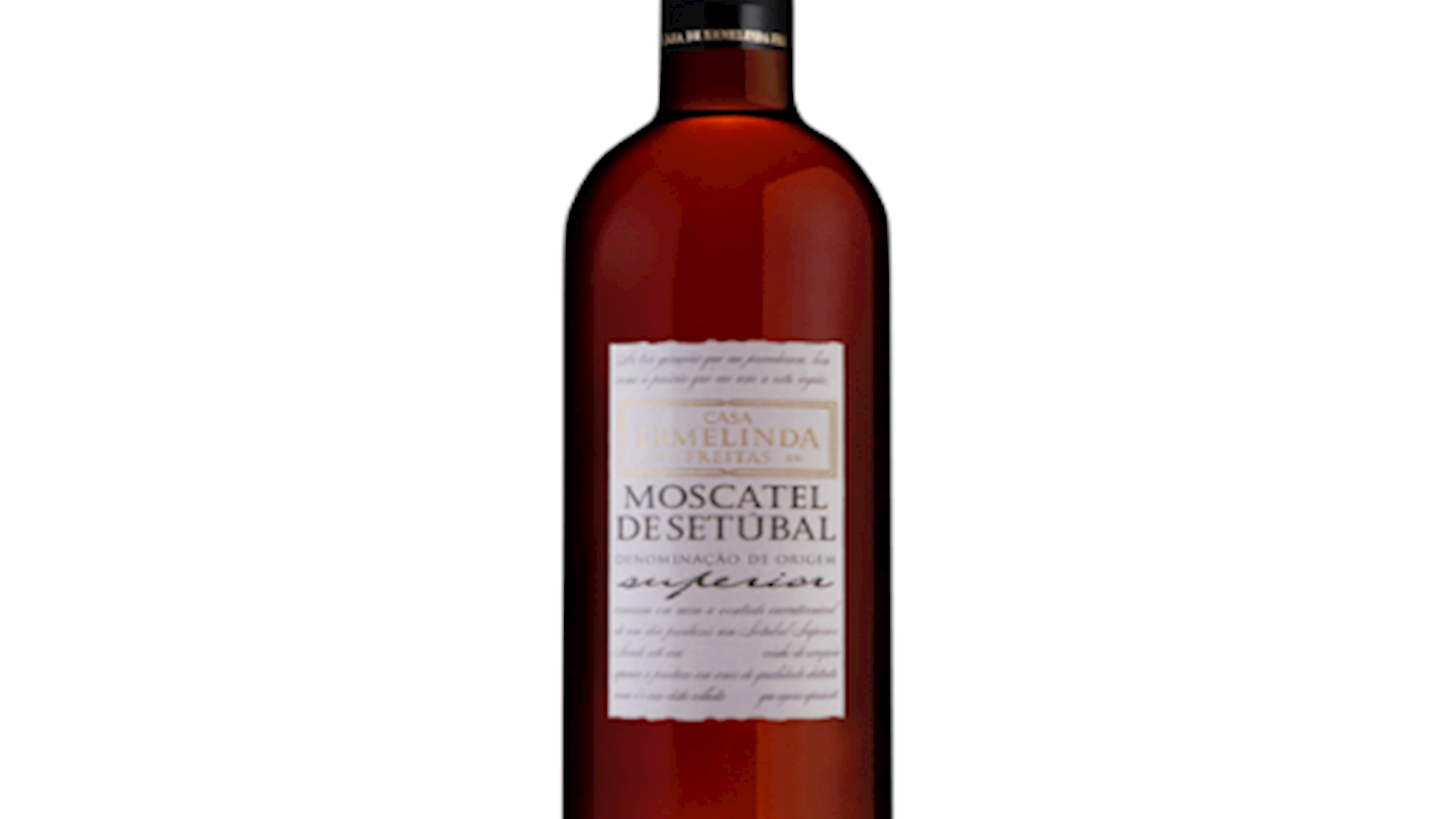
Casa Ermelinda Freitas has been producing wine since 1920. The 550 hectares of vineyards are located in Fernando Pó, a prime area in the region of Palmela, 60% of which is dedicated to the Castelão variety, 20% to red varieties such as Touriga Nacional, Trincadeira, Syrah, Aragonês, Alicante Bouschet, Touriga Franca, Merlot, Petit Verdot, Pinot Noir, Trincadeira, Petite Sirah, Carmenére, Moscatel Roxo, and 20% to white grapes, such as Fernão Pires, Chardonnay, Arinto, Verdelho, Sauvignon Blanc, Moscatel de Setúbal, Viosinho, Encruzado, Alvarinho, Pinot Grigio, Viognier, Vermentino and Gewürztraminer, making a total of 29 different varieties currently being cultivated at Casa Ermelinda Freitas.
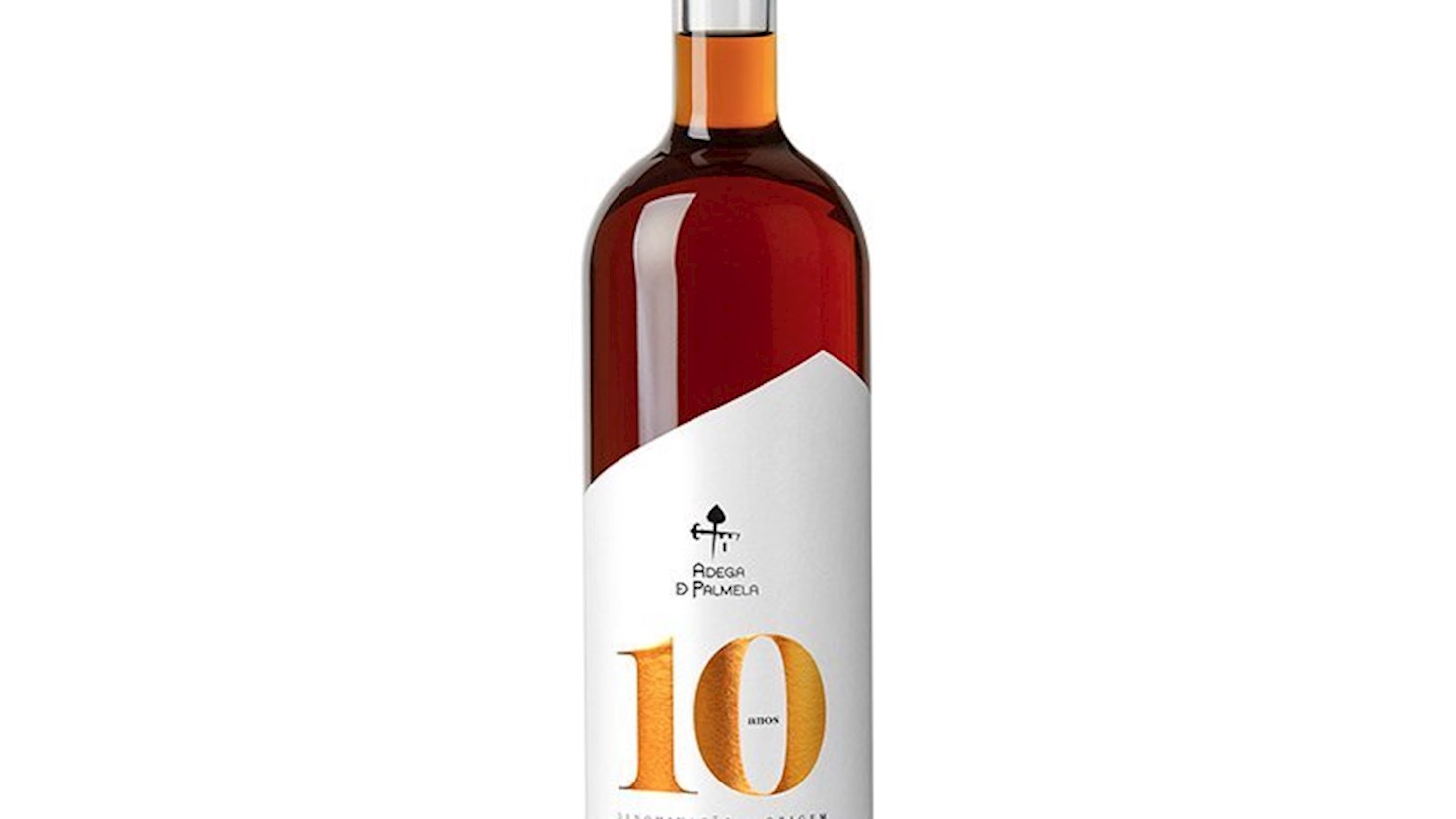
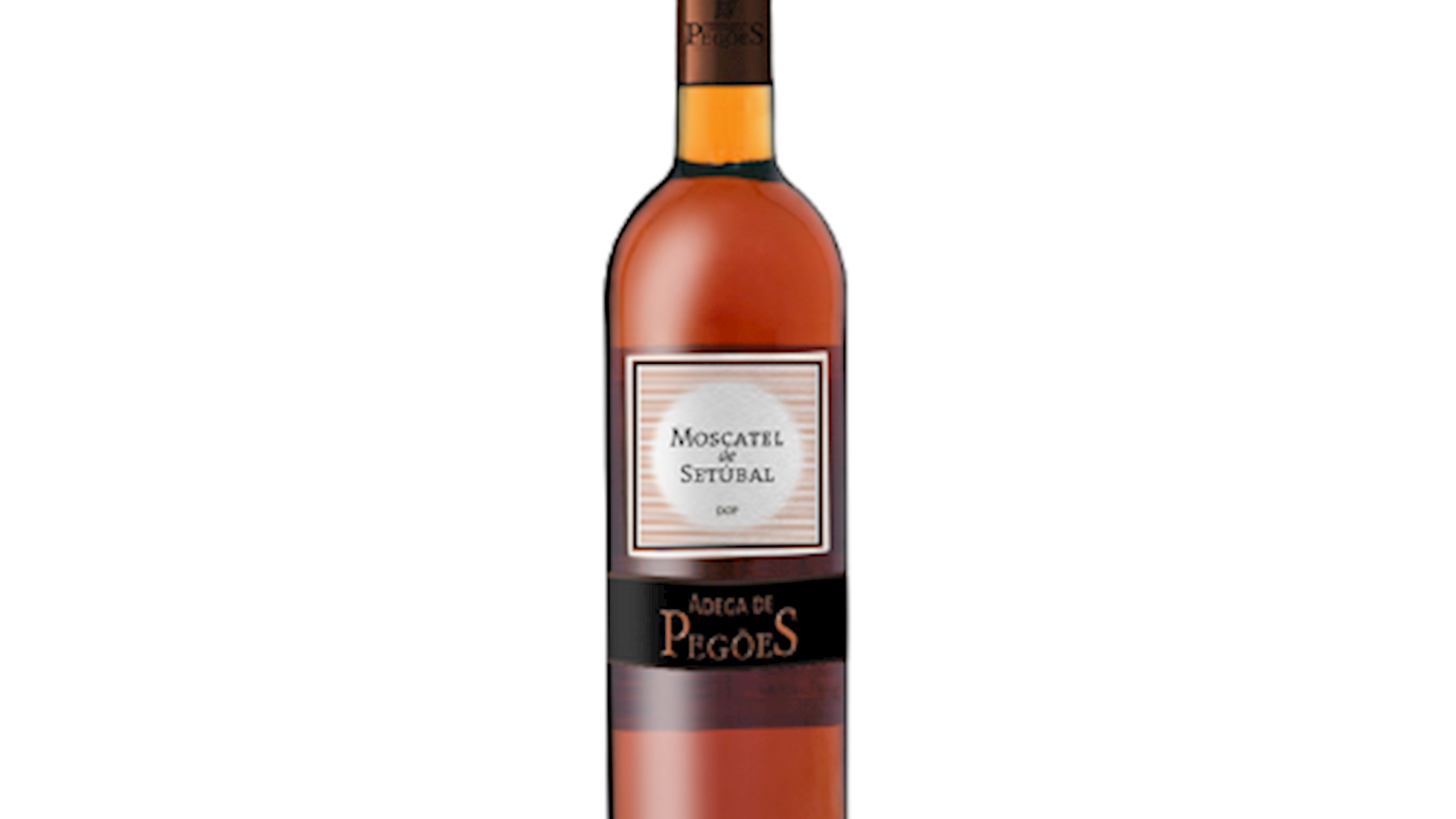
Adega de Pegões is a Portuguese wine cooperative founded in 1958 in Pegões Velhos, south of Lisbon. It brings together local growers cultivating vineyards planted on sandy soils shaped by the Tagus and Sado rivers, conditions that contribute to aromatic intensity and balanced structure in the wines. The warm, dry summers and mild winters of the region support the ripening of varieties such as Touriga Nacional, Syrah, Trincadeira, Alicante Bouschet, and Fernão Pires. The portfolio ranges from fresh, fruit-driven whites and approachable reds to more structured selections under labels like Selected Harvest and Grand Reserve, as well as sparkling wines marketed as Santo Isidro de Pegões. Winemaking combines temperature-controlled fermentation with oak aging for premium cuvées, supported by modern quality control systems. The cooperative has established a strong presence in export markets and has received numerous awards in national and international competitions. Its cooperative structure ensures production stability while maintaining a focus on regional identity, technological development, and consistent quality.
Awards
IWSC- International wine & spirit competition - Gold
(2022)
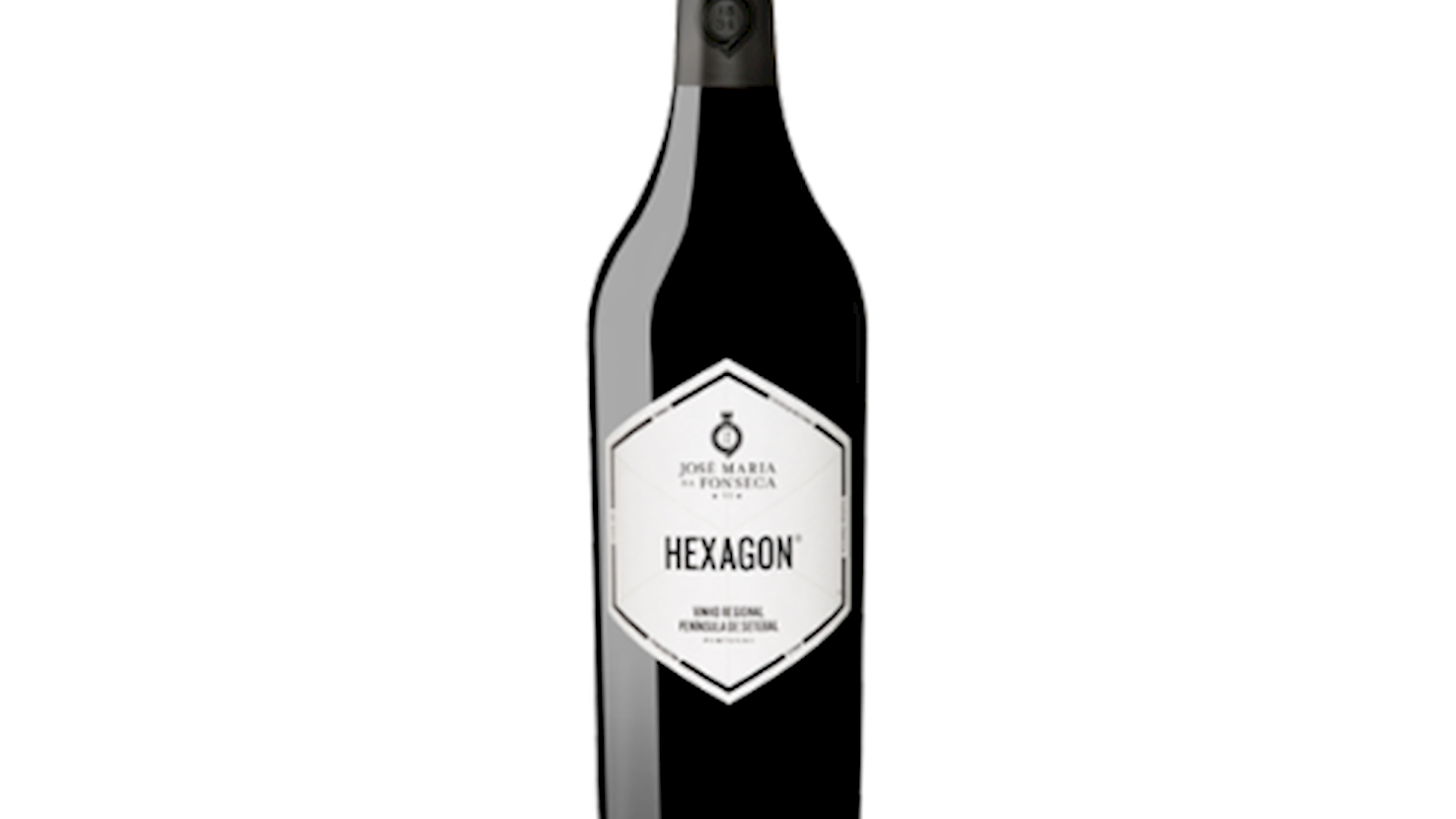
José Maria da Fonseca is one of Portugal’s most important wine producers, founded in 1834 in Azeitão, in the Setúbal region, where its headquarters remain today. As a family-owned winery managed by the same family for seven generations, it has built a strong identity based on continuity, tradition, and a long-term approach to winemaking. The company operates vineyards across several Portuguese regions, including Setúbal, Alentejo, and Douro, allowing for a diverse portfolio and the use of numerous indigenous grape varieties. It is particularly known for the Periquita brand, one of the oldest bottled wine brands in Portugal, as well as for its Moscatel de Setúbal wines, which are a key part of its heritage. The style of its wines reflects a balance between accessibility and regional character, combining traditional methods with modern production techniques. In recent years, the winery has also emphasized sustainability and responsible resource management. Thanks to its long history, broad portfolio, and strong export presence, José Maria da Fonseca holds a prominent position among leading Portuguese wine producers.
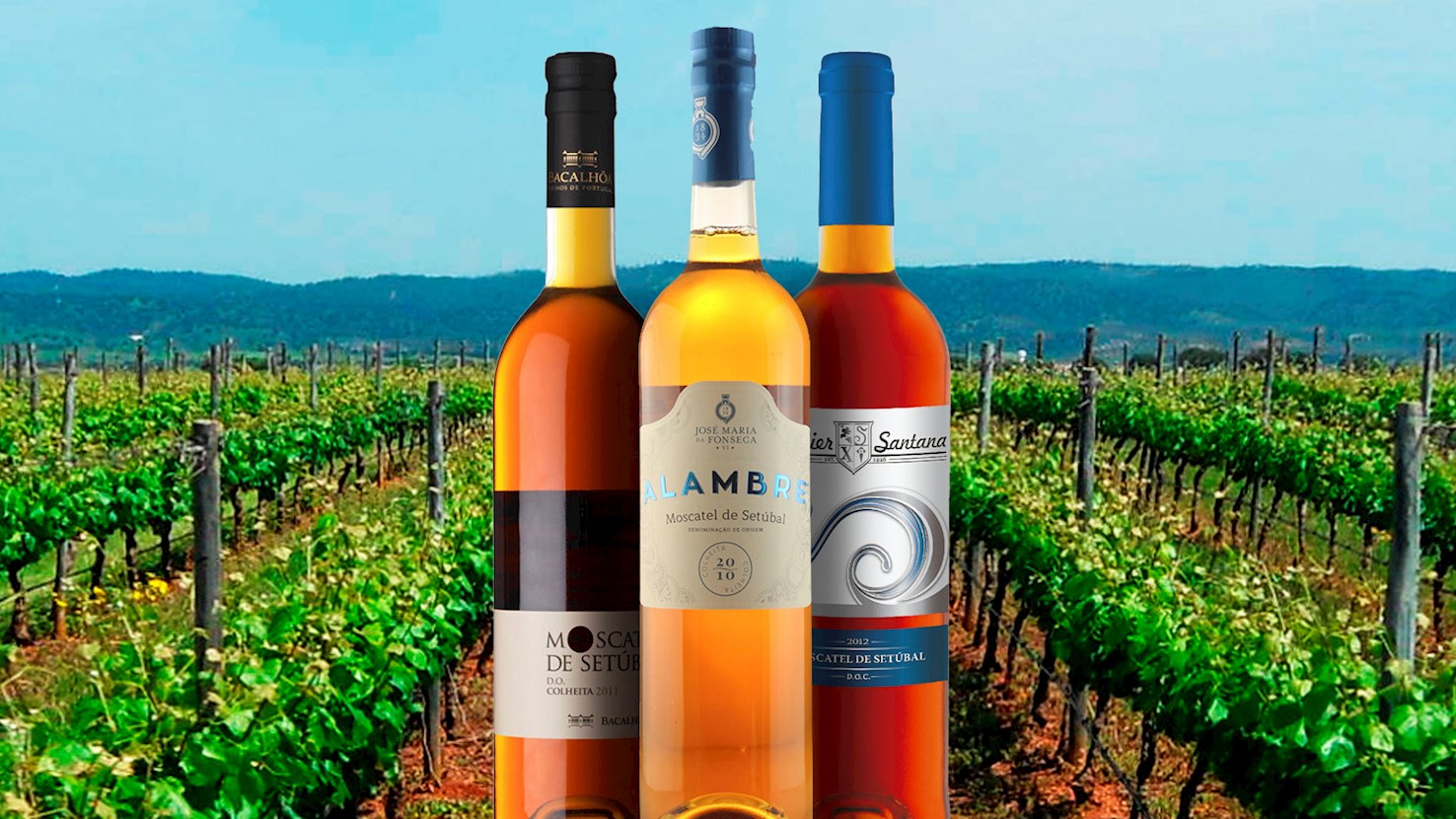
Moscatel de Setúbal is a fortified dessert wine produced on the Portuguese Setúbal peninsula. Primarily made from Moscatel de Setúbal, internationally known as Muscat of Alexandria, the wines are fortified with grape brandy and are then aged for a minimum of eighteen months. The color of these sweet wines ranges from golden to amber, and their main aromas include a complex combination of honey, caramel, orange blossom, spices, and acacia notes. These luscious wines are great enjoyed on their own, but they also naturally pair with caramel-based or dry desserts and soft-centered cheese.
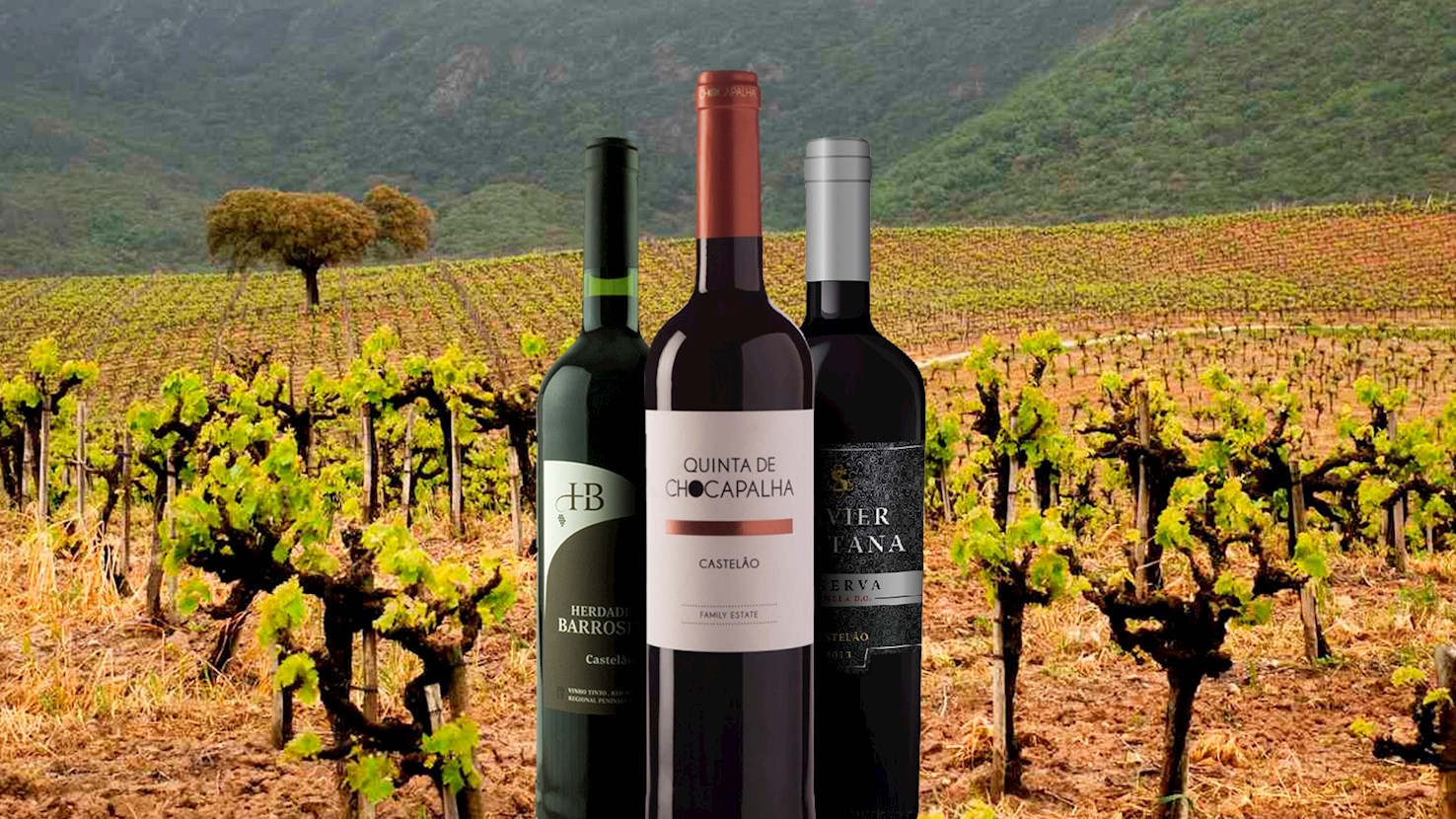
Castelão is a native Portuguese red-skinned grape that is mostly associated with sandy soils of Setúbal, but it is also grown in Tejo and Alentejo. It is one of the most commonly planted Portuguese grapes that is known under various synonyms and is used for both varietals and blends. Although the character of these wines can slightly differ depending on soil and the region, the best expressions of Castelão will result in somewhat rustic, well-structured wines with bright acidity and firm tannins. With age, the tannins tend to become more mellow and softer. These fruity wines will usually display aromas and flavors of red currant, plum jam, and berries. They are typically food-friendly and can be an excellent match to various red meat, poultry, or seafood dishes and charcuterie.
Península de Setúbal is a Portuguese wine region located south of Lisbon, extending across the district of Setúbal between the estuaries of the Tagus and Sado rivers. It is defined by two distinct topographical zones: the mountainous Serra da Arrábida, which features clay-limestone soils and a cooler maritime climate, and the vast sandy plains of Palmela and Pegões, which experience higher thermal amplitudes. The region produces a diverse range of items, including the red wines of the Palmela DOC, the fortified Moscatel de Setúbal DOC, and various regional wines under the Península de Setúbal IG (Geographical Indication) status. Viticulture in this territory was established by the Phoenicians around 600 BC, who introduced grapevines and olive trees to the Sado estuary. The region's modern regulatory framework was initiated in 1907 with the official demarcation of the Setúbal region, making it the second oldest demarcated wine region in Portugal. Preparation of the region's wines varies by style but is centered on specific varietal requirements. Red wines from the Palmela DOC must contain at least 67% of the Castelão grape, which thrives in the deep sandy soils to produce structured wines with cherry and raspberry notes. The fortified Moscatel de Setúbal is produced by adding grape brandy (aguardente) to halt fermentation, followed by a unique post-fortification maceration where the wine remains in contact with the grape skins for three to six months to extract intense floral and citrus aromatics. Serving standards for the red wines suggest a temperature of 16°C to 18°C, while the fortified Moscatel is served chilled at 10°C to 12°C as an aperitif, or slightly warmer at 14°C to 16°C when aged. A specific technical phenomenon historically associated with this region is the torna-viagem (return trip); in the 19th century, barrels of Moscatel were transported on long sea voyages to Brazil or India, where the heat and motion of the ship accelerated the aging process and increased the wine's concentration. The wine is consumed in conjunction with the robust gastronomy of the Setúbal district and is a standard offering in Portuguese garrafeiras and restaurants. It is paired with grilled sardines or black pork (Porco Preto), as the acidity of the regional reds and whites balances the oils and fats of these proteins. In terms of beverage pairings, the fortified Moscatel de Setúbal is served with Azeitão cheese, a local sheep's milk cheese with a characteristic salty and creamy profile, or with citrus-based desserts and dark chocolate, which echo the wine's orange peel and honey notes. For non-alcoholic alternatives, the palate is often refreshed with chilled sparkling water with a slice of orange or earl grey tea, which provides a similar tannic and citrus backbone to the experience.
TasteAtlas food rankings are based on the ratings of the TasteAtlas audience, with a series of mechanisms that recognize real users and that ignore bot,
nationalist or local patriotic ratings, and give additional value to the ratings of users that the system recognizes as knowledgeable.
For the “Top 5 Setúbal Wines” list until June 02, 2026, 75 ratings were recorded, of which 50 were recognized by the system as legitimate.
TasteAtlas Rankings should not be seen as the final global conclusion about food. Their purpose is to promote excellent local foods,
instill pride in traditional dishes, and arouse curiosity about dishes you haven’t tried.
The initial list of top producers was compiled based on available reviews, awards, local recommendations, media and blog coverage, and consumer reviews.
The list will be updated with ratings from TasteAtlas local ambassadors and TasteAtlas users.