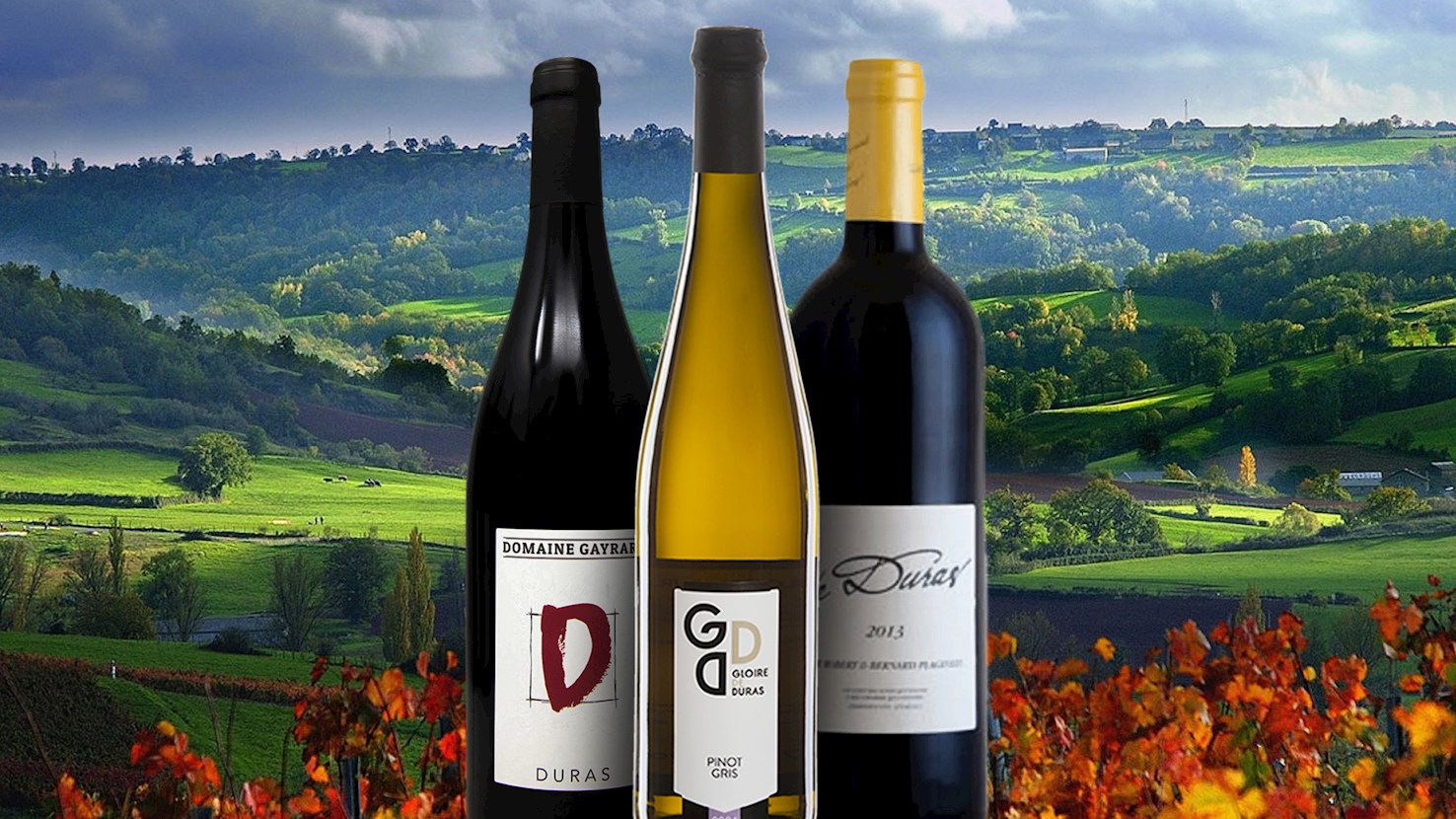
Duras is a red wine grape variety native to the Tarn Valley in the southwest of France, particularly associated with the Gaillac wine region. It is known for producing robust and spicy wines with good structure and aging potential. Duras is one of the traditional grape varieties of the Gaillac appellation and has been cultivated in the region for centuries. Wines made from Duras grapes typically exhibit deep, dark colors and a medium to full body. The flavor profile often includes dark fruit notes such as blackberries, black cherries, and plums, complemented by distinctive spicy and peppery aromas. Additionally, Duras wines may have earthy undertones and hints of tobacco or leather, particularly as they age. Duras is often blended with other local grape varieties, such as Braucol (also known as Fer Servadou) and Syrah, to create well-balanced wines with added complexity and depth. The blending helps to soften the tannins of Duras and enhance the overall aromatic profile of the wine. The grape's natural acidity and tannic structure make Duras wines suitable for aging, allowing them to develop more complex flavors over time. However, they can also be enjoyed young, where their bold fruit and spice characteristics are most prominent. In terms of food pairing, Duras wines are versatile and can complement a wide range of dishes. They pair particularly well with hearty and flavorful foods, such as grilled or roasted meats, stews, game, and dishes with rich sauces. The spiciness of Duras wines also makes them a good match for Mediterranean cuisine and foods with aromatic herbs and spices.
Gaillac Méthode Ancestrale is a lightly sparkling wine from Tarn in the southwest France, produced primarily from the Mauzac grape. It is distinguished by its low alcohol content—typically between 7% and 9%—and fine, natural effervescence. The profile is defined by soft acidity and a gentle sweetness resulting from unfermented sugars, with dominant notes of green apple, pear, and fresh grape. Depending on the finishing style, the wine may appear clear or slightly cloudy due to suspended yeast. This style of winemaking predates modern sparkling wine techniques, originating from a time when fermentation was naturally interrupted by the region's cold winters. When temperatures rose in the spring, the dormant yeast would reactivate, finishing the fermentation process inside the bottle and creating natural carbonation. This "ancestral method" has been preserved in the Gaillac region for centuries as a continuous tradition. Production starts with an early harvest to ensure high acidity and limit potential alcohol. The juice undergoes partial fermentation in tanks but is bottled while sugar remains. The fermentation then concludes within the sealed bottle, generating carbon dioxide without the addition of a liqueur de tirage (sugar and yeast mixture) used in other sparkling methods. This single-fermentation process results in lower pressure than standard sparkling wines and preserves the primary fruit character of the Mauzac grape without the bready, autolytic notes found in Champagne. The primary variation concerns clarity and texture: some producers disgorge the bottles to remove the sediment for a clear appearance, while others sell the wine with the lees (spent yeast) intact, resulting in a hazy, more textural beverage. Sweetness levels also range from off-dry to moderately sweet, depending on when the fermentation stops. Gaillac Méthode Ancestrale is intended to be consumed young and is served well-chilled. It is a popular choice for an aperitif or a brunch wine due to its lightness. It pairs exceptionally well with fruit-based desserts (such as apple tarts or poached pears), light pastries, and mild cheeses, fitting comfortably into casual dining and daytime celebrations.
Gaillac is a diverse wine designation in Southwest France that encompasses red, white, rosé, and sparkling wines. The appellation is defined by its reliance on indigenous grape varieties, producing wines that balance moderate alcohol with distinct varietal expression. The flavor profiles vary significantly, ranging from crisp, floral whites to robust, tannic reds, all united by a fresh character and balanced acidity. Viticulture in the region is ancient, with roots stretching back to the Roman era. The wine trade expanded significantly during the Middle Ages, driven by the needs of religious institutions and access to river-based trade routes. This established a deep tradition of winemaking that has maintained a continuous lineage of production through centuries of economic shifts and recovery. Winemaking relies on managing yields and utilizing both manual and mechanical harvesting, depending on the estate. Production techniques are tailored to the style: white wines are fermented at cool temperatures to retain aromatic freshness, while reds are typically vinified in stainless steel or concrete vats, with some receiving oak aging. Sparkling wines are notably produced using the ancestral method, where a single fermentation is completed inside the bottle to create natural bubbles. The character of the wine varies based on the winemaker's approach and the specific blend of grapes. Red wines primarily utilize Duras, Braucol (Fer Servadou), and Syrah, while white wines feature Mauzac, Loin de l’Œil, Sauvignon Blanc, and Muscadelle. Styles range from light, thirst-quenching bottles to complex, age-worthy examples. The sparkling Méthode Ancestrale is particularly distinct for its lower alcohol and gentle effervescence compared to standard sparkling wines. Gaillac wines are designed as versatile food partners rather than standalone tasting samples. They are enjoyed locally and internationally as staples for both daily meals and special occasions. Common pairings include grilled meats, poultry, and charcuterie for reds, while whites and sparkling versions accompany freshwater fish, mild cheeses, and regional specialties.
TasteAtlas food rankings are based on the ratings of the TasteAtlas audience, with a series of mechanisms that recognize real users and that ignore bot,
nationalist or local patriotic ratings, and give additional value to the ratings of users that the system recognizes as knowledgeable.
For the “Top 3 Local Wines in Tarn” list until June 02, 2026, 3 ratings were recorded, of which 3 were recognized by the system as legitimate.
TasteAtlas Rankings should not be seen as the final global conclusion about food. Their purpose is to promote excellent local foods,
instill pride in traditional dishes, and arouse curiosity about dishes you haven’t tried.