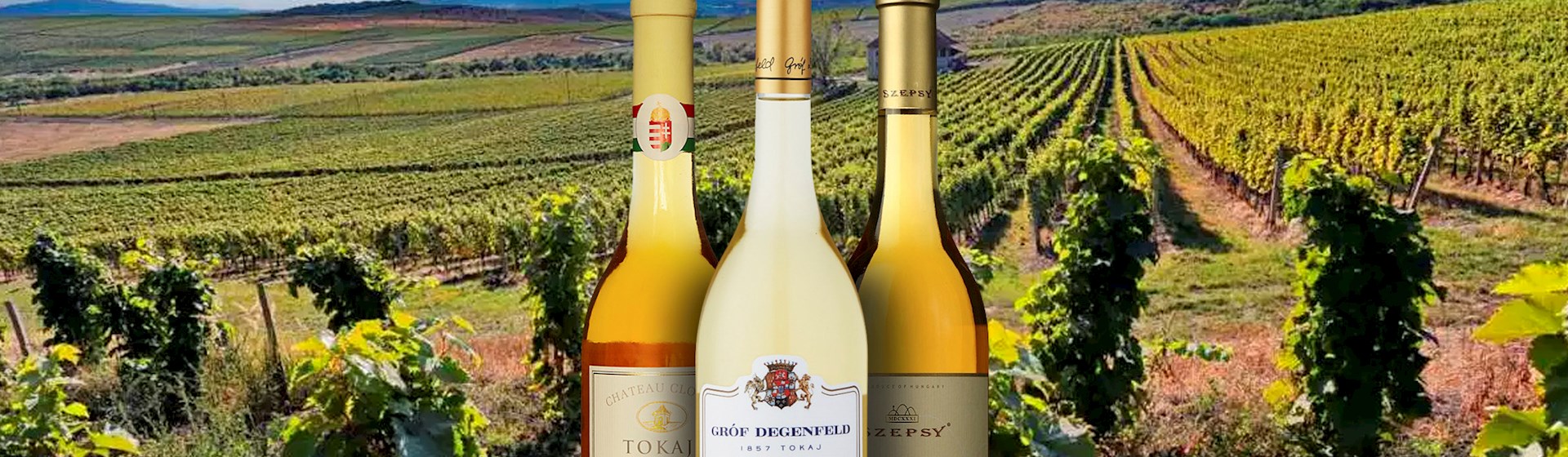
Top 6 Northern Hungarian Wines

Last updated on June 15, 2026

Best Northern Hungarian Wines
01

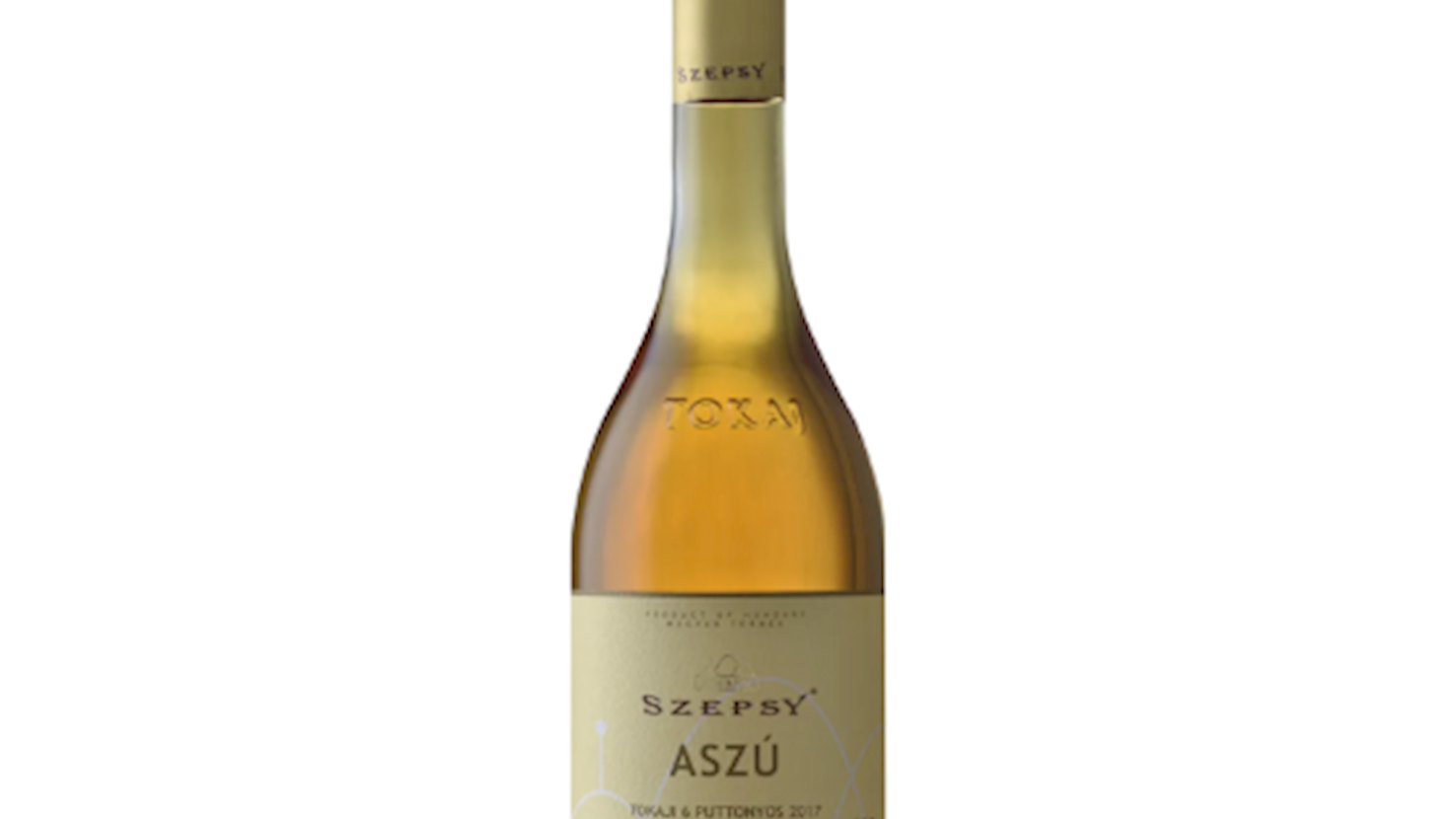
Szepsy

5 ·
Szepsy is one of the most prestigious and influential wineries in the Tokaj region of northeastern Hungary, with a documented family winemaking history dating back to the 16th century. One of their ancestors, Szepsy Laczko Máté, was the first to record the method of producing Tokaji Aszú in 1631, laying the foundation for the identity of this iconic wine style. Today, the winery is led by István Szepsy, a visionary widely regarded as a “Tokaj legend” thanks to his uncompromising precision in both viticulture and winemaking. His philosophy revolves around terroir and micro-parcel selection - each vineyard plot is vinified separately so that Furmint and Hárslevelű can fully express their specific site characteristics. The vineyards sit on steep terraces around the village of Mád, rooted in volcanic soils rich in quartz, tuff and zeolite, which give the wines their distinctive minerality. The vines are notably old, averaging 40-50 years, and yields are intentionally kept extremely low to achieve maximum concentration and purity of flavor. Szepsy was one of the pioneers of high-quality dry Furmint in Tokaj, demonstrating that the region can offer more than its traditional sweet wines. Szepsy wines have an exceptional capacity for aging due to their vibrant acidity and firm structure. The winery is a key force behind the modern renaissance of Tokaj and is largely responsible for restoring the region to the global fine-wine stage. Their work unites tradition, terroir, and a contemporary approach with no compromise on quality. Szepsy represents a rare combination of history, precision and passion, making it one of the most important producers of both dry and sweet wines in the world.
Awards
Vivino - 4.7
Vivino - 4.5
02

Gizella Winery

5 ·
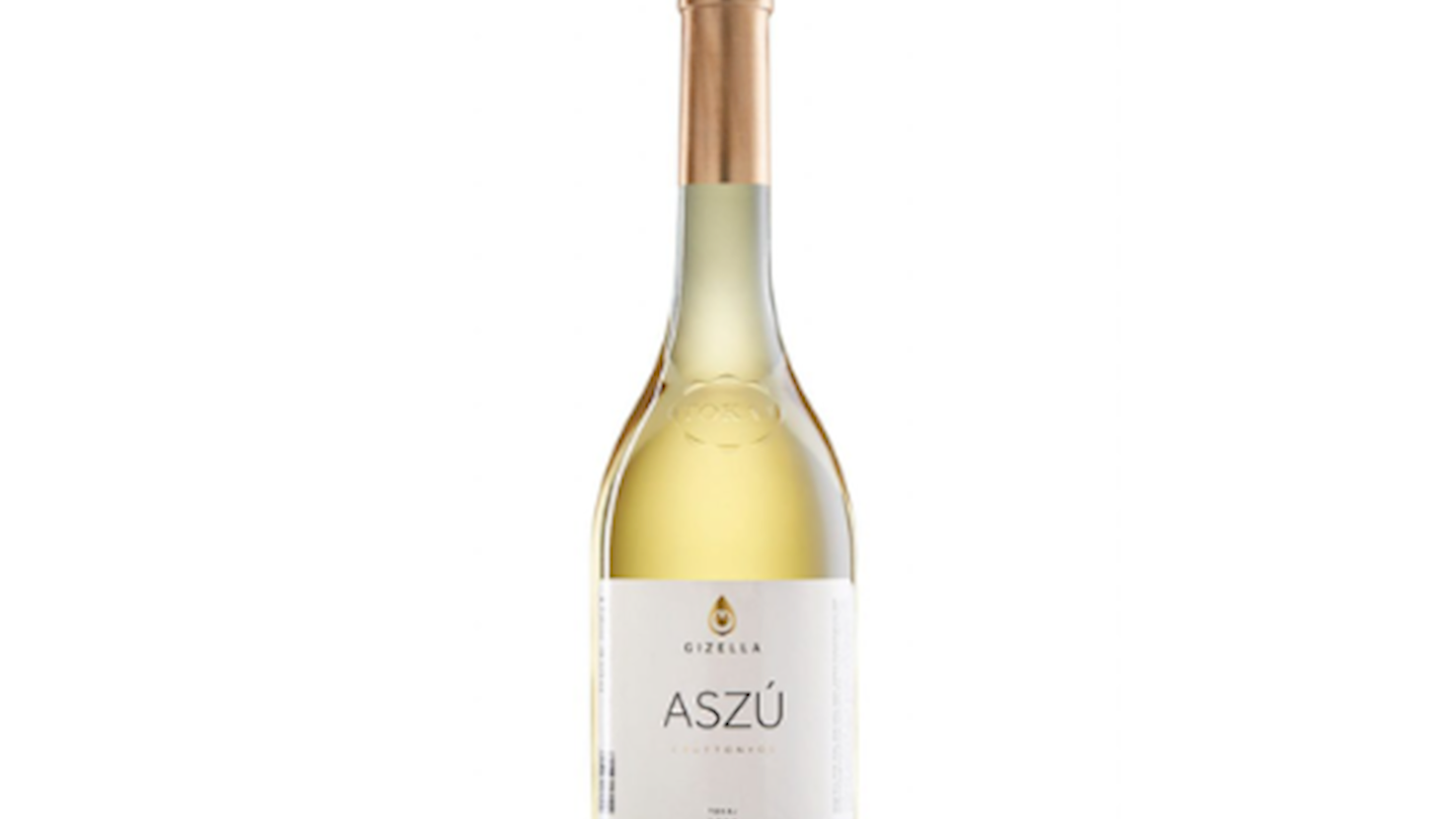
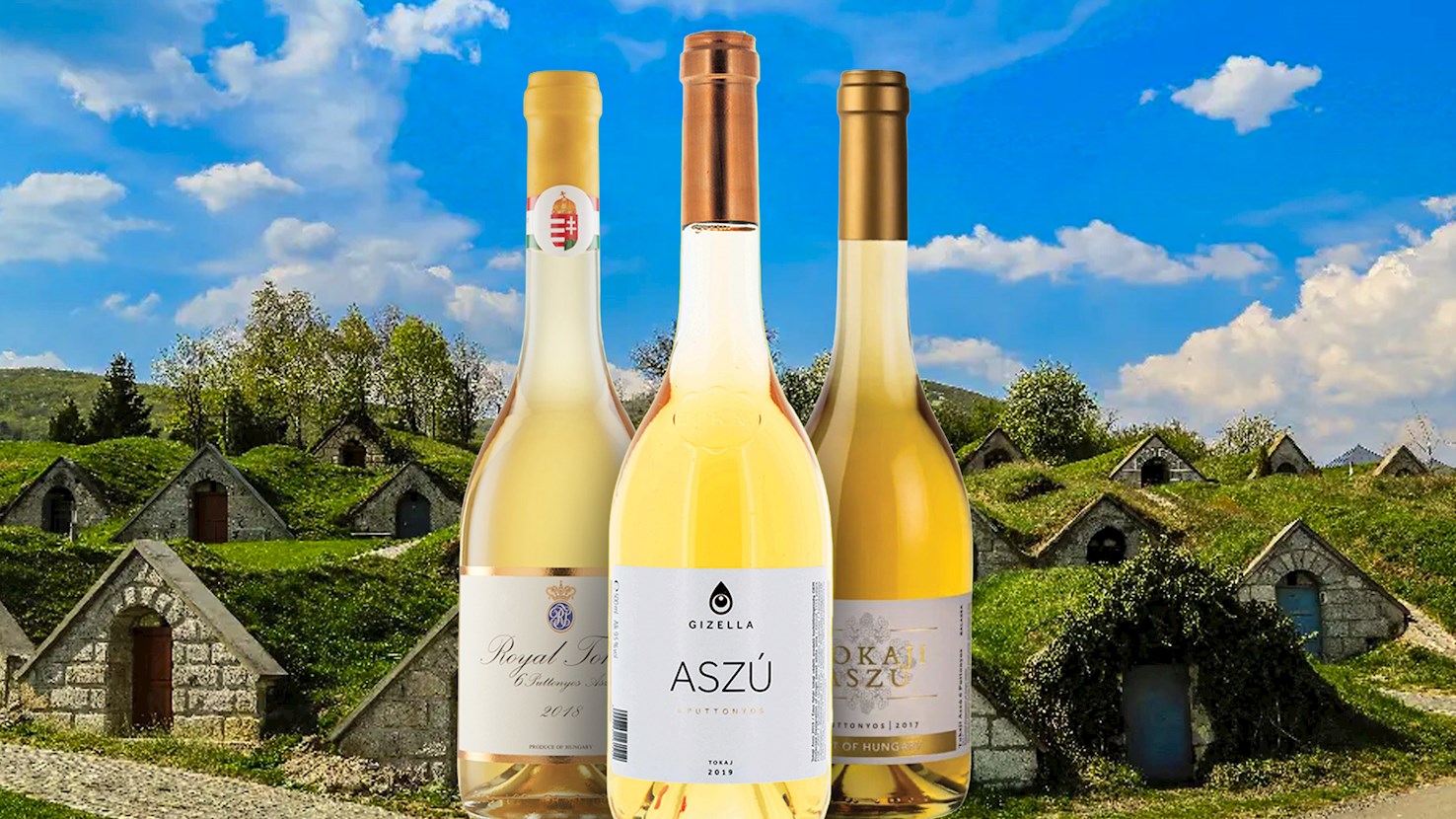
Gizella Winery is a family-run estate located in the renowned Tokaj region of Hungary, known for both its historic sweet wines and increasingly refined dry styles. The winery is led by László Szilágyi, who took over the estate in 2005 and developed it into a terroir-focused operation with vineyards spread across several key sites. The soils are predominantly volcanic - ter and structural depth. Gizella produces both dry and sweet wines, including traditional styles such as Szamorodni and Aszú, often made from botrytized grapes. The main varieties include Furmint, Hárslevelű, and Sárgamuskotály, each contributing to the winery’s diverse portfolio. The wines are typically defined by purity, vibrant acidity, and a clear expression of fruit, whether in fresh, mineral-driven dry wines or concentrated, long-lived sweet cuvées. Winemaking combines traditional methods, such as aging in historic volcanic cellars, with modern precision and a sustainable approach in the vineyards. Overall, Gizella Winery offers a contemporary interpretation of Tokaj, balancing heritage with clarity and finesse.
Awards
Decanter World Wine Awards - Best in Show (2024)
Decanter World Wine Awards - Platinum (2023)
03

Royal Tokaji

4.9 ·
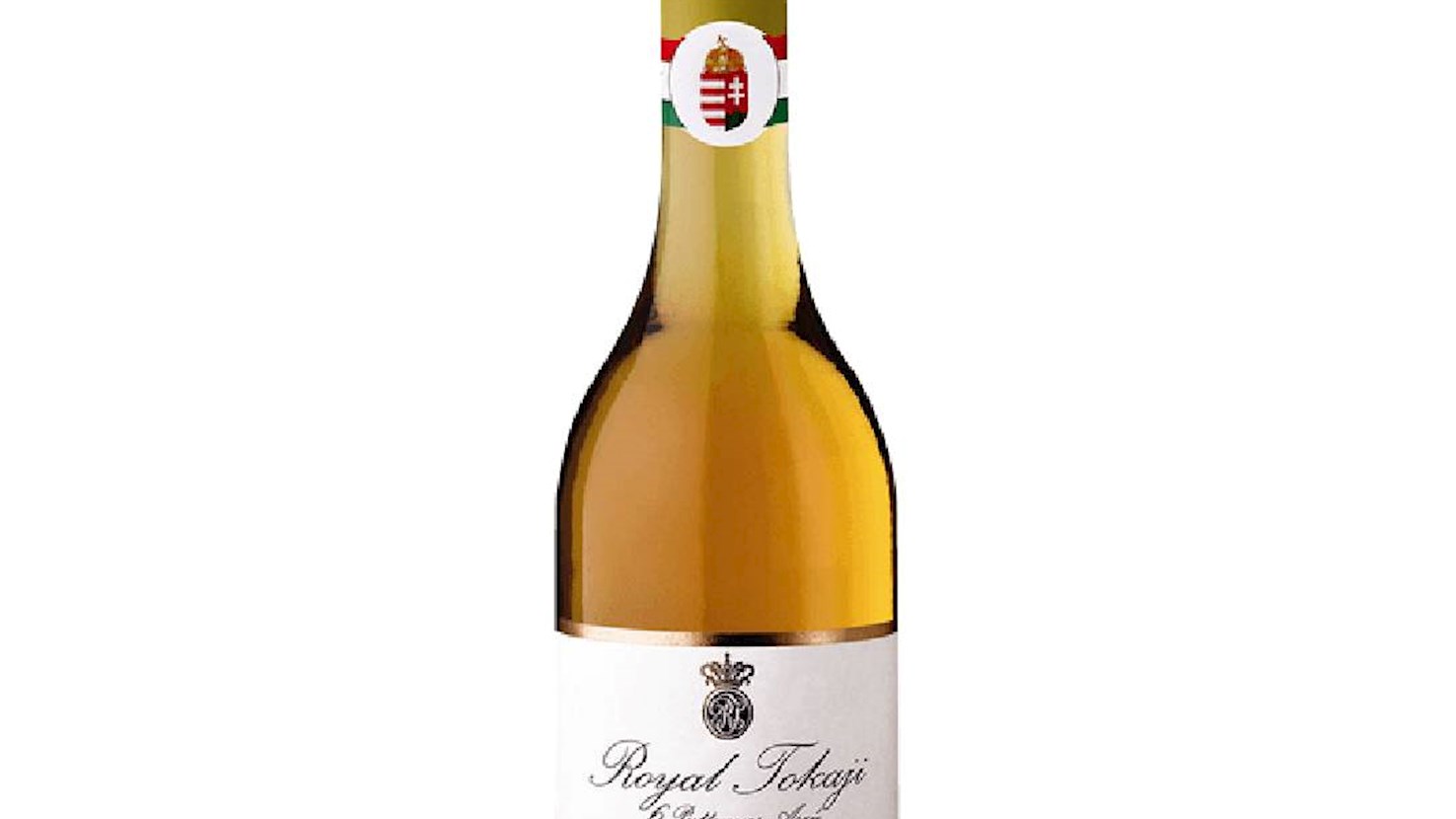
The Royal Tokaji Wine Company is one of the most renowned producers in Hungary’s historic Tokaj region, founded in 1990 by celebrated wine expert Hugh Johnson together with local growers and investors. From the very beginning, the winery set out to revive the prestige of Tokaji wines—once praised by Louis XIV as “the wine of kings and the king of wines” and cherished by figures like Goethe, Beethoven, and Catherine the Great. With a deep respect for tradition and a focus on quality, Royal Tokaji cultivates some of the region’s most prestigious single-vineyard sites, including Mézes Mály, Nyulászó, Szt. Tamás, and Betsek. Their wines, made primarily from native varieties such as Furmint, Hárslevelű, Muscat de Lunel, and Kabar, range from the legendary sweet Aszú and rare Essencia to elegant late-harvest and fresh, expressive dry whites. Today, Royal Tokaji is recognized worldwide for its excellence, with an impressive collection of awards and exports to more than 30 countries. Each bottle reflects the unique terroir of Tokaj and the winery’s dedication to producing wines of exceptional character, elegance, and longevity.
Awards
Vivino - 4.5
Vivino - 4.4
04

Sauska

4.9 ·
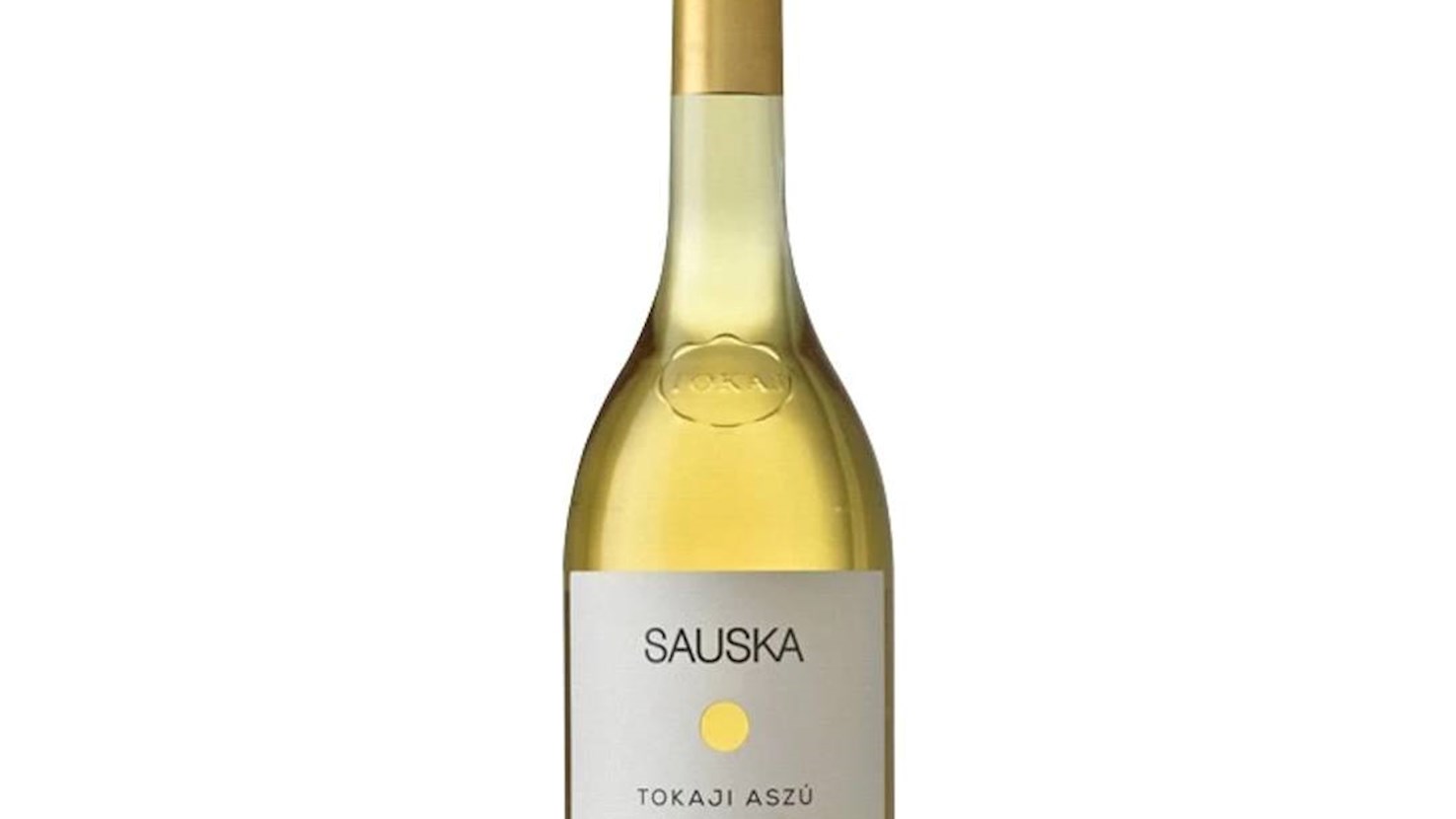
Sauska is a family-owned winery with vineyards in both Tokaj and Villány, Hungary. They produce a diverse range of wines, including sparkling, still, dry, and sweet varieties, utilizing both indigenous and international grape varieties. The winery employs gravity flow and ambient yeasts in their winemaking process to craft precise and elegant wines that honor nature, terroir, and tradition. In Tokaj, Sauska focuses on traditional Hungarian varietals such as Furmint and Hárslevelű, producing both sparkling and still wines that reflect the region's rich winemaking heritage. In Villány, the winery is known for its sophisticated and expressive red wines, including Cabernet Franc and Cabernet Sauvignon, which have garnered multiple accolades.
Awards
James Suckling - 96 points (2023)
Decanter World Wine Awards - Platinum (2024, 2020, 2018)
05

Béres Szőlőbirtok

4.6 ·
Awards
Decanter World Wine Awards - Platinum (2019)

Best Northern Hungarian Wine Types
01

Tokaji Aszú

4.3 ·

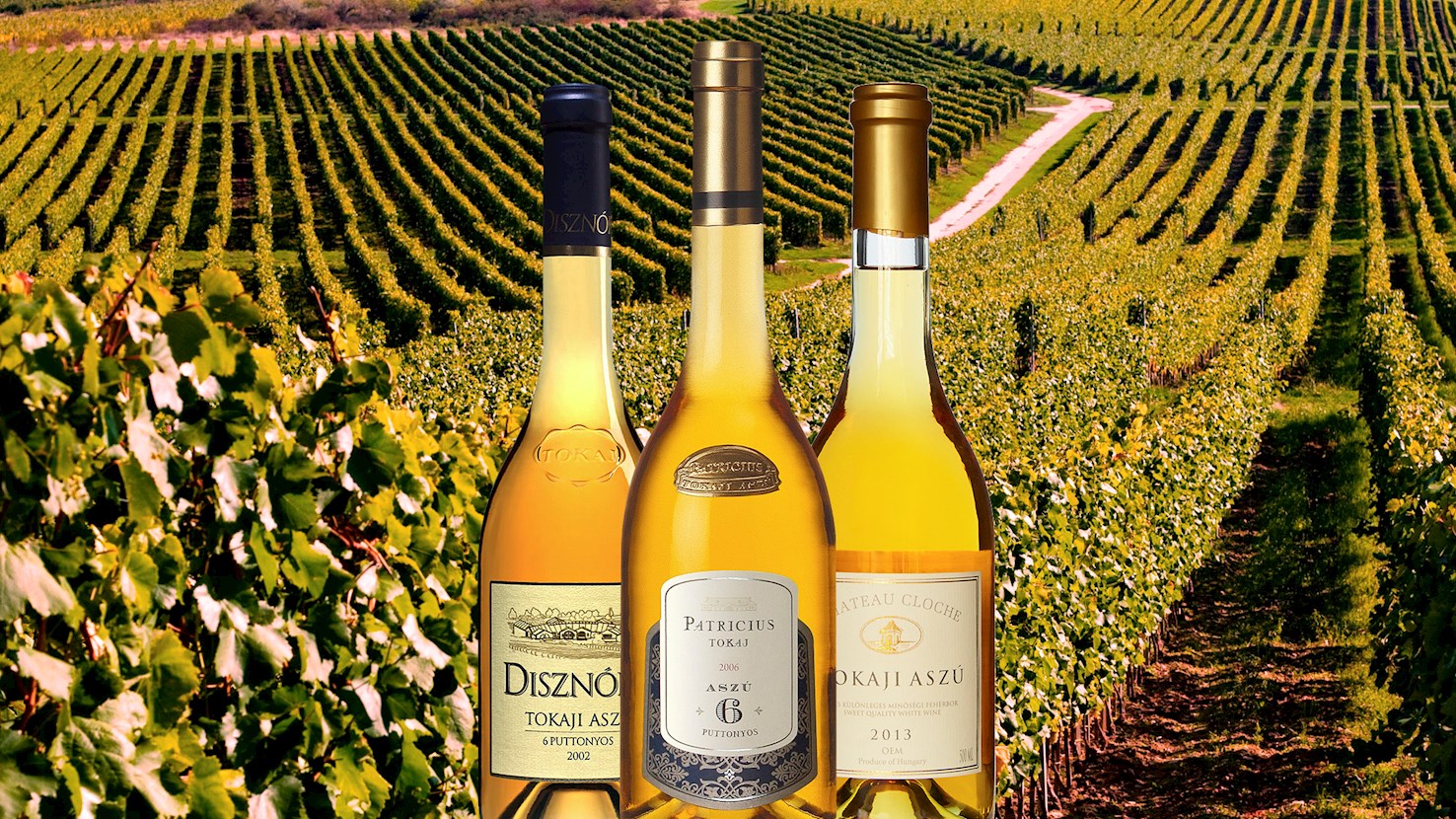
Tokaji Aszú (vyber) is a full-bodied dessert wine produced in the Tokaj wine region, which is shared by Hungary and Slovakia. It is produced from six grape varieties including Furmint as the predominant grape, but also Hárslevelü, Kabar, Kövérszölö, Zéta, and Sárgamuskotály (Muscat Blanc). The wine is made from grapes that have been affected by noble rot and are then mixed into a fermenting must or a new wine. The noble rot concentrates the sugars and gives aszú its complex and fragrant aromas of honey, fruit, and spices, which are usually complemented by rich minerality. The wines must be aged for a minimum of eighteen months, and are classified by their sweetness, that is, the amount of residual sugar which is expressed in puttonyos. Although often labeled as a dessert wine that works especially well with fruit, Tokaji Aszú can also pair well with foie gras and blue cheeses.

02

Tokaji Szamorodni

4.1 ·

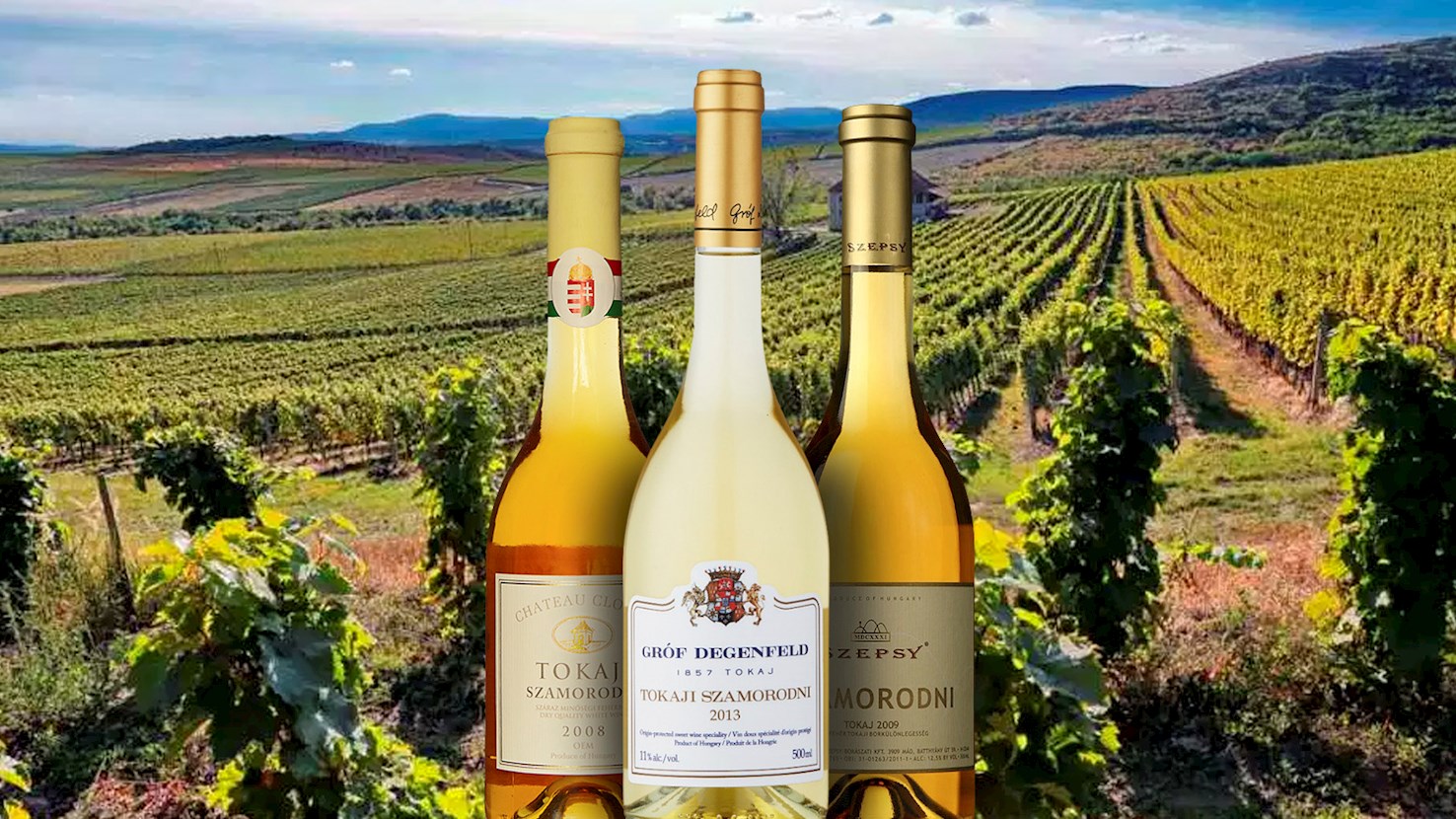
Szamorodni is a variety of Tokaji wine produced in the Tokaj wine region (Tokaj-Hegyalja) predominately from Furmint, and some amount of Hárslevelü, Kabar, Kövérszölö, Zéta, and Sárgamuskotály (Muscat Blanc) grape varieties. The wines are produced from grape clusters containing ripe, overripe, and moldy grapes, and it can be made as a sweet (édes) style—which has a higher amount of residual sugar—or as the dry (száraz) style. Depending on the age, the final taste profile of this prized wine can vary from fruity to nutty, while their character is often compared to some dry sherry styles. The wine can age well, while its color ranges from light yellow to amber. Both dry and sweet styles are great aperitif wines, while dry szamorodni can also work well with meat or seafood.

03

Tokaji

3.8 ·

Tokaj is a wine from northeastern Hungary, produced within the Tokaj-Hegyalja region, an area defined by volcanic soils, a cool continental climate, and autumn humidity influenced by the Bodrog and Tisza rivers. The region is protected under a controlled designation of origin and is known for white wines made from Furmint, Hárslevelű, and Sárgamuskotály, with production ranging from dry wines to sweet styles dependent on the development of botrytis cinerea on late-harvested grapes. The wine culture of Tokaj formed in an environment where long, mild autumns allowed noble rot to appear with consistency, giving growers the ability to harvest shriveled aszú berries that contributed concentrated sugar and acidity to various categories of wine. Records from the seventeenth century document the organized production of sweet wines from botrytised berries, the use of cellar systems carved into volcanic rock for stable maturation, and the integration of defined categories such as Aszú, Szamorodni, Fordítás, Máslás, and Eszencia. Over time, both domestic and foreign markets recognized the region’s capacity to produce wines with high natural sugar, firm acidity, and long aging potential. Preparation depends on the category. Dry and late-harvest wines are produced through standard white-wine vinification using ripe grapes pressed and fermented in stainless steel or oak. Sweet wines involving botrytised grapes follow a different process: in Aszú wine, individually selected aszú berries are collected, macerated in must or finished wine, pressed, and then fermented slowly to create a dense, sweet wine with elevated acidity. Szamorodni is made from whole clusters containing a mixture of healthy and botrytised berries, resulting in a wine that may be dry or sweet depending on concentration. Eszencia is produced from the free-run juice that drips naturally from aszú berries, forming a syrup-like must that ferments extremely slowly due to its immense sugar concentration. Tokaj wines are consumed in a range of contexts: dry Furmint is served with seafood, poultry, and light dishes; sweet Aszú appears at the end of meals, with pastries, foie gras, blue cheeses, or on its own; Szamorodni and late-harvest styles accompany mild desserts or soft cheeses. Eszencia is consumed in small amounts due to its density and is generally served alone or with neutral pastries. These wines are enjoyed both within Hungary, particularly in restaurants in Tokaj, Budapest, and regional wine towns, and internationally, where they appear in cellars, tastings, and fine-dining settings that highlight wines with strong acidity and long-lived sweetness.

04

Egri Bikavér

3.5 ·

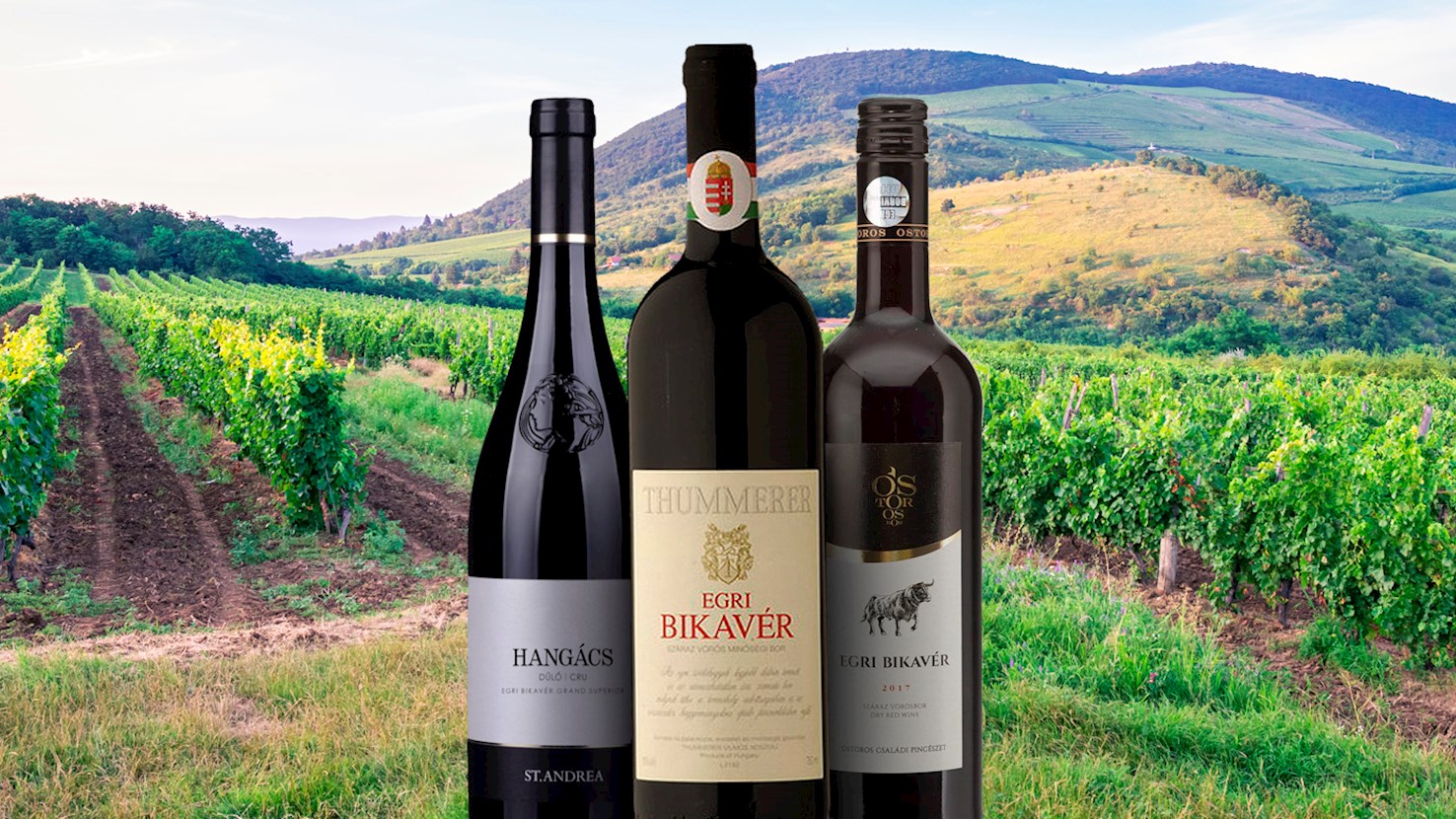
Egri Bikavér is a red blend that is probably the most popular Hungarian red wine. It is produced in the south near Szekszárd and around Eger in the northeast. Bikavér is always a blend, usually of at least three different grapes. Kékfrankos (Blaufränkisch) is the flagship variety, along with Kadarka, Cabernet Sauvignon, Cabernet Franc, Merlot, Zweigelt, Pinot Noir, and other regional and international varieties. As it is a cold-climate red blend, Egri Bikavér is typically fresh and approachable. The wines are spicy and fruity, with a medium body and good aging potential. Their final profile depends on the grape selection, terroir, and vinification, but the best contemporary examples show finesse, balance, and elegance. In the past, especially during Communist rule, emphasis was put on quantity and mass production rather than quality. As a result, most of the wines were simple, somewhat rustic, and often low in quality, giving Egri Bikavér an overall bad reputation. The quality has significantly improved in the last two decades, and producers now show that Egri Bikavér can be excellent quality wine. Egri Bikavér has three quality designations, Classicus, which needs to have at least three varieties in the blend, and Superior and Grand Superior, which need to include at least five grapes. The name Egri Bikavér, translated as bull's blood from Eger, allegedly came up when Eger was under Ottoman siege in 1552. As the legend says, the locals drank a copious amount of wine to prepare for the fight and supposedly added some bull's blood to the wine. The locals managed to overturn the attackers, and the legend and the name were later associated with regional wines.

05

Furmint

n/a ·

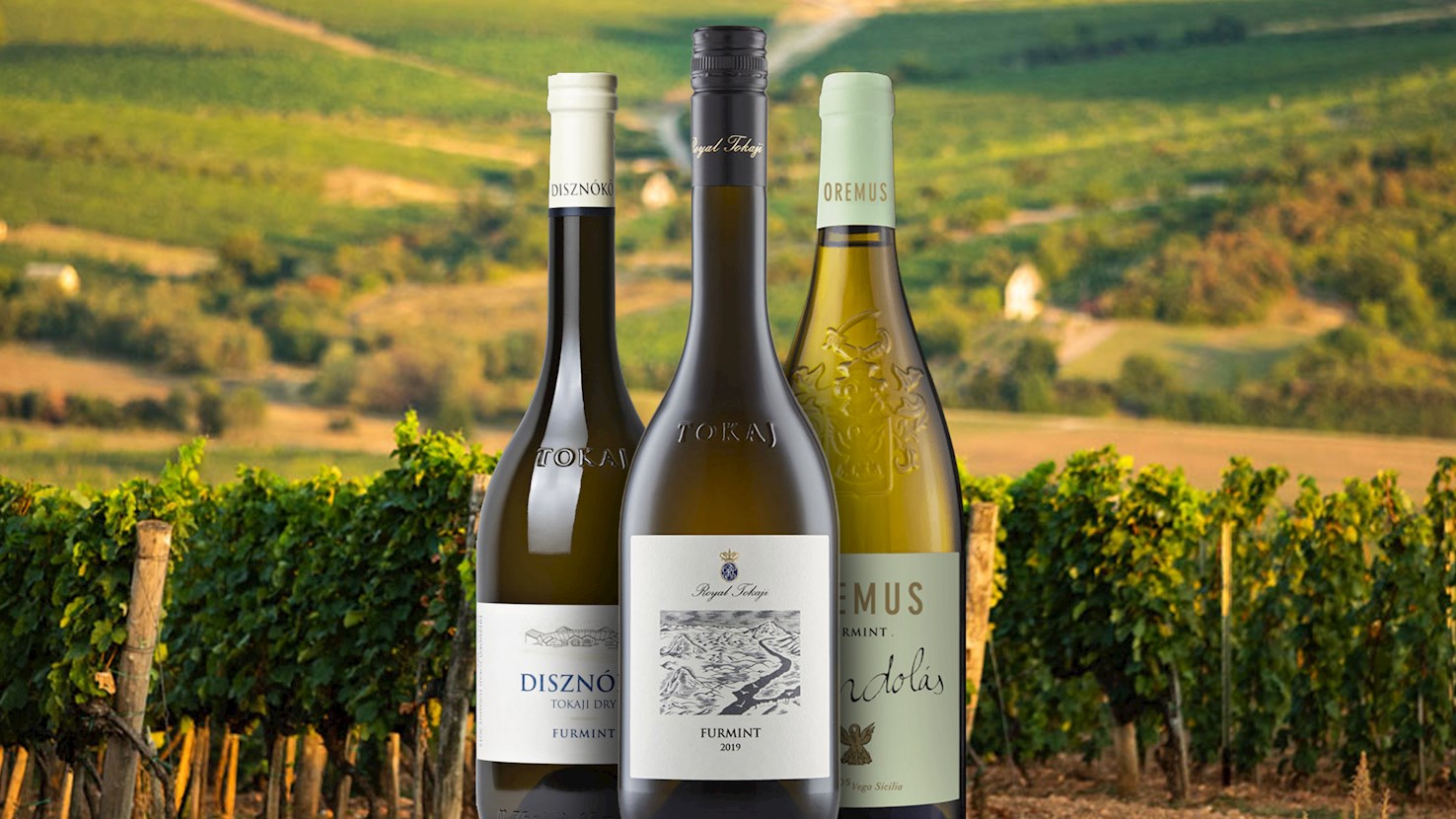
Furmint is a white wine grape variety native to northeastern Hungary, particularly rooted in the Tokaj region, where it plays a central role in the creation of both dry and sweet wines. It is believed to be descended from the ancient Gouais blanc grape and may be the parent to other varieties like Hárslevelű and the Swiss Plantscher. Its presence in Tokaj goes back to at least the late 16th century, with written records dating from 1571 and even the early 17th century, indicating its deep integration in local viticulture. By the late 18th century, it was already recognized as the principal grape behind the celebrated Tokaji Aszú sweet wines. In terms of winemaking, Furmint is valued for its versatility. It is used to make wines across the spectrum: from crisp, bone-dry whites to richly botrytized sweet wines like Tokaji Aszú and the ultra-luxurious Essencia. The dry versions are known for their high acidity and clear expression of terroir, with flavours such as green apple, quince, stone fruit, and mineral notes. In sweet wines, especially Tokaji Aszú, Furmint grapes affected by noble rot (Botrytis cinerea) develop deeper aromas of honey, apricot, ginger, and marzipan. A defining feature of Furmint is how well it captures the nuances of the land it comes from. Its dry wines with volcanic or loess soils show distinctive minerality and structure, while single-vineyard bottlings highlight the range of terroirs within Tokaj. In sweet wine form, its remarkable acidity ensures that even very high sugar concentrations remain balanced, preventing the wine from tasting overly cloying. Furmint is enjoyed in many ways. Dry expressions are often served well-chilled as an aperitif or paired with starters, delicate fish dishes, or light poultry, while sweeter versions match well with rich desserts or cheeses. Tokaji Aszú, in particular, has garnered historical prestige as “wine of kings, king of wines” and has adorned royal tables across Europe for centuries.

Best producers
06

Tokaji Eszencia

n/a ·

Tokaji Eszencia is a Hungarian sweet wine from the Tokaj region in the northeast of the country, produced from free-run juice that seeps naturally from individually hand-selected aszú berries affected by botrytis cinerea. It is one of the most concentrated sweet wines in the world, defined by its exceptionally high sugar content and very low alcohol, a consequence of the juice’s density and the slow, limited fermentation that occurs under natural cellar conditions. The production method formed in an area where volcanic soils, long autumn ripening periods, and the humidity of the Bodrog and Tisza rivers created consistent conditions for noble rot to develop, allowing growers to collect shriveled berries whose minimal moisture produced a syrup-like must. Over centuries, estates in Tokaj learned to handle this juice by allowing it to ferment at a gradual pace that could span years, resulting in a product closer to a nectar than to conventional wine. The preparation at the cellar level involves gathering aszú berries by hand, placing them in large containers where their own weight releases the thick juice, and transferring this juice to small barrels or glass vessels in cool underground cellars where fermentation proceeds slowly until the natural yeast activity ceases. Because the sugar concentration can exceed several hundred grams per liter, alcohol typically remains low, sometimes near or below three percent, while the acidity inherent to the region’s grape varieties, primarily Furmint and Hárslevelű, keeps the result balanced. Tokaji Eszencia is consumed in small amounts due to its intensity, usually at the end of a meal or in contexts where rare dessert wines are appreciated, and it is often presented on its own to highlight its density and aromatic complexity. When paired, it is served with mild desserts, blue cheeses, or foie gras, and it can also accompany simple pastries or neutral biscuits that allow its sweetness and acidity to dominate.

Read more
View all
View map
About this ranking

TasteAtlas food rankings are based on the ratings of the TasteAtlas audience, with a series of mechanisms that recognize real users and that ignore bot, nationalist or local patriotic ratings, and give additional value to the ratings of users that the system recognizes as knowledgeable. For the “Top 6 Northern Hungarian Wines” list until June 15, 2026, 193 ratings were recorded, of which 144 were recognized by the system as legitimate. TasteAtlas Rankings should not be seen as the final global conclusion about food. Their purpose is to promote excellent local foods, instill pride in traditional dishes, and arouse curiosity about dishes you haven’t tried.

The initial list of top producers was compiled based on available reviews, awards, local recommendations, media and blog coverage, and consumer reviews. The list will be updated with ratings from TasteAtlas local ambassadors and TasteAtlas users.

Similar lists