


Fumigiku Shuzō
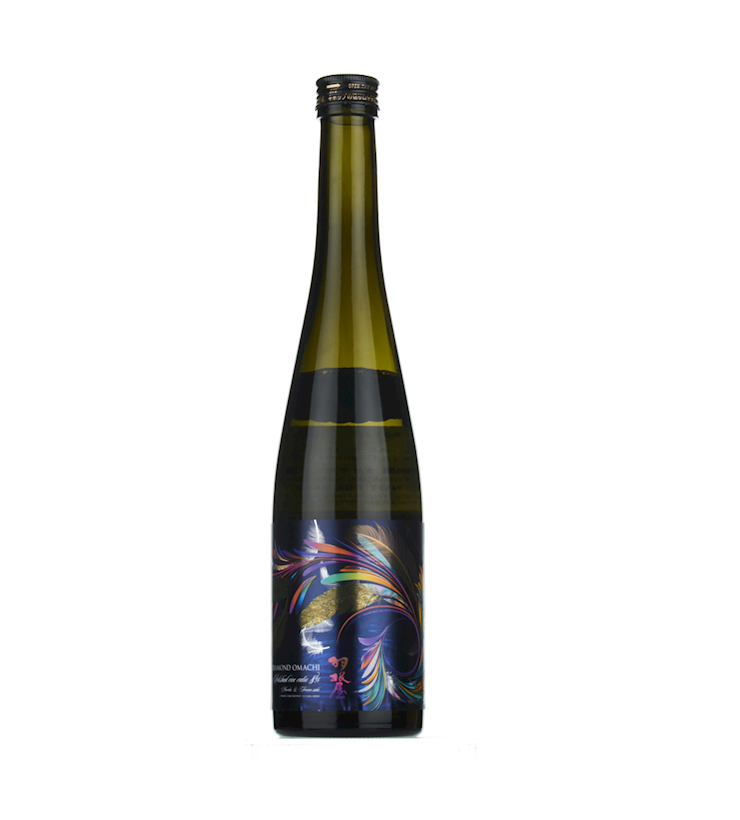
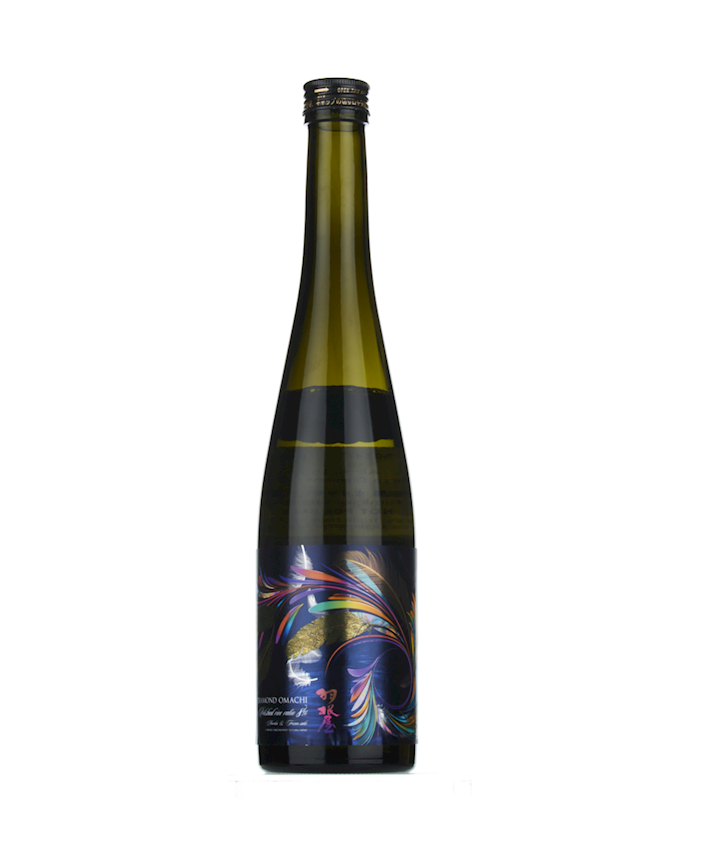
Haneya Diamond Omachi



Alcoholic
Beverages

Haneya Diamond Omachi is a sake produced by Fumigiku Shuzō in Toyama City, Toyama Prefecture, Japan. It is made as muroka nama genshu - without activated charcoal filtration, pasteurization, or dilution with water after brewing.
It is crafted from Omachi rice grown in Toyama Prefecture, polished to just 8% of its original grain weight. This exceptionally high degree of polishing gives the sake its Diamond name, softening Omachi’s robust character and creating a more elegant flavor. Its ingredients are rice, rice kōji, and water, with no added distilled alcohol. The sake contains 15% alcohol by volume.
It combines fullness, a silky texture, and pronounced fruity aromas. Tasting notes include pear, apple, white flowers, and tamarind, with vibrant flavors and a finish reminiscent of green apple skin. It pairs well with sashimi, white fish dishes, shellfish, and crustaceans, while serving it chilled highlights its freshness and delicate aromas.
Producer

Fumigiku Shuzō is a Japanese sake brewery founded in 1916 in Toyama City, Toyama Prefecture. It produces sake under the Fumigiku and Haneya brands, with Haneya made in limited quantities for distribution throughout Japan.
The development of Haneya reflects owner and master brewer Keiki Hane’s ambition to give commercial releases the same care usually reserved for the finest daiginjō sake. The brewery operates year-round, using natural water from the Jōganji River system, which originates in the Tateyama mountain range. Rice is processed in small batches with precisely controlled water absorption, while kōji is cultivated in small boxes and shallow trays under constant supervision. Haneya releases use the middle fraction collected during pressing, known as nakadori. The sake is stored in bottles, with premium releases kept refrigerated to preserve their freshness.
The range includes tokubetsu junmai, junmai ginjō, junmai daiginjō, and daiginjō sake, alongside unpasteurized, sparkling, and seasonal releases. Fumigiku Shuzō maintains small-scale production while serving the Japanese market and distributing internationally, including in Thailand. Its future development centers on refining quality, exploring new brewing possibilities, and expressing Toyama’s regional character through local water and rice.