

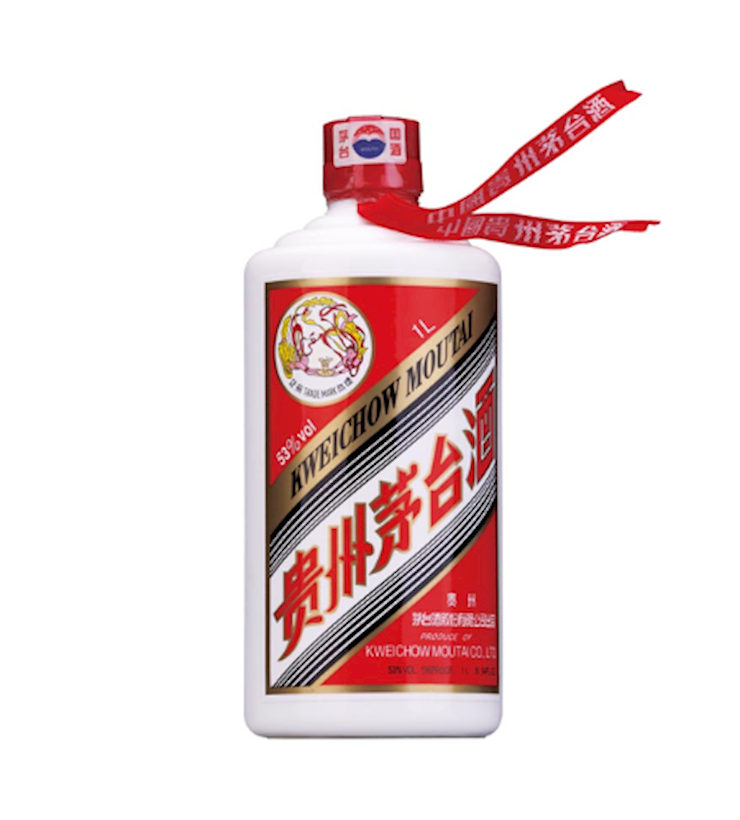
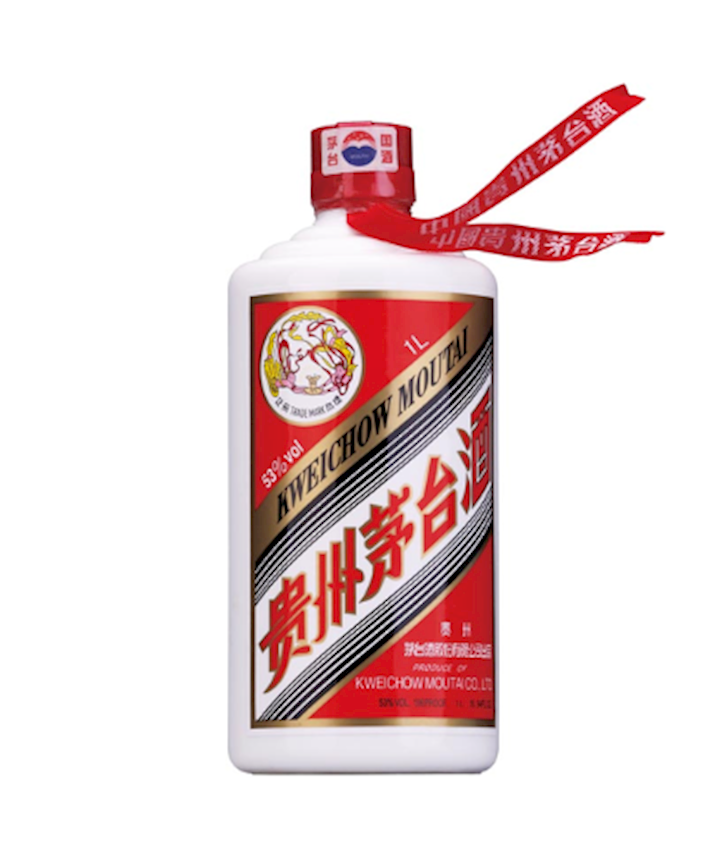

Moutai Baijiu is an iconic “jiang-flavour” spirit made from red waxy sorghum (hongyingzi) and a wheat-based starter culture known as daqu. It is produced through solid-state fermentation in earthen stone pits, following a unique year-long cycle of “9 steaming, 8 fermentations, and 7 distillations” after which the base liquor is aged in ceramic vessels for several years.
The final flavor is achieved by carefully blending different fractions and vintages, resulting in a stable profile with around 53% ABV and a long, powerful finish. Its aromatic spectrum is highly layered: warm umami notes reminiscent of soy sauce and fermented grains are complemented by hints of roasted nuts, sesame, caramel, dried fruit, and earthy minerality.
On the palate it is dense, rounded, and dry, with controlled alcoholic warmth and a persistent aftertaste. It is best enjoyed neat, at room temperature, in small glasses without ice, to highlight its aromatic complexity.
Moutai Baijiu pairs beautifully with spicy Chinese cuisine (such as Sichuan and Guizhou dishes), meals featuring fermented ingredients, roast duck, and savory appetizers. Thanks to its prestige and consistent quality, it is often chosen as a protocol gift and a sought-after collector’s item.
Producer

Kweichow Moutai is China’s leading producer of the traditional spirit baijiu, headquartered in Guizhou Province and renowned for its distinctive “jiang-flavour” profile and complex fermentation and distillation process. Its most famous product, Moutai Baijiu, is characterized by a high alcohol content (around 53%), rich aromas combining nutty, earthy, and fermented notes, and a long finish that sets it apart in the world of spirits.
The company is a national symbol of China and is frequently featured in official ceremonies and diplomatic gifts, further affirming its prestige. In the domestic market, it enjoys enormous demand and the status of a luxury product, while internationally it is positioned through duty-free channels, exclusive restaurants, and specialized retailers.
Its strength lies in cultural value and premium perception, but challenges include regulatory barriers, limited accessibility outside China, and a distinctive taste that requires consumer education. Nevertheless, Kweichow Moutai remains a synonym for tradition, luxury, and a unique tasting experience.