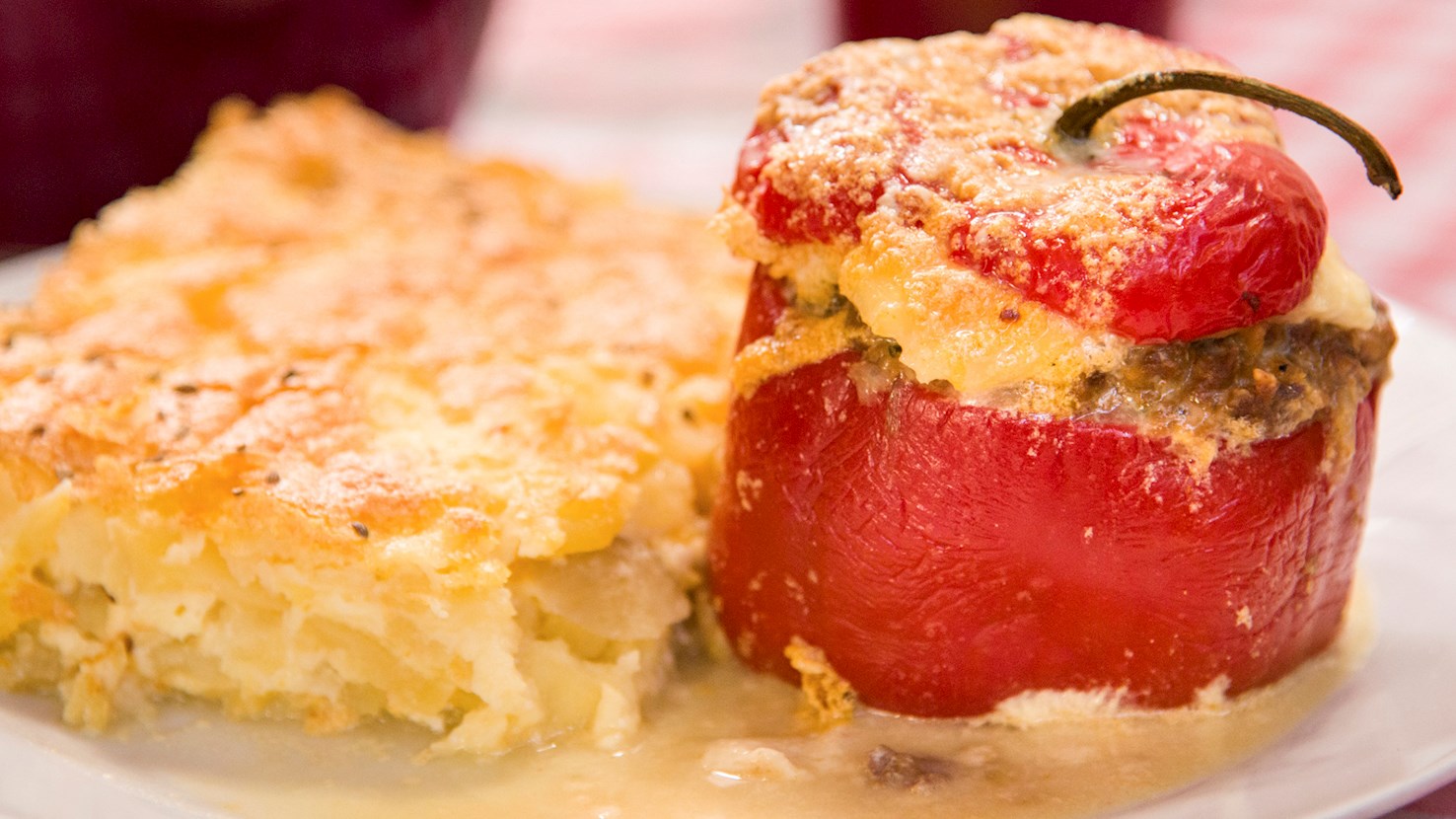
Rocoto relleno is the most famous appetizer from the Peruvian city of Arequipe, consisting of a spicy, oven-baked rocoto chili pepper stuffed with ground beef, onions, and pieces of hard-boiled eggs. The stuffing is traditionally seasoned with cumin, chili paste, salt, and ground pepper. Rocoto is often served with a slice of queso fresco cheese melted on top of the stuffing. This flavorful appetizer is often accompanied by baked potatoes or various salads on the side.
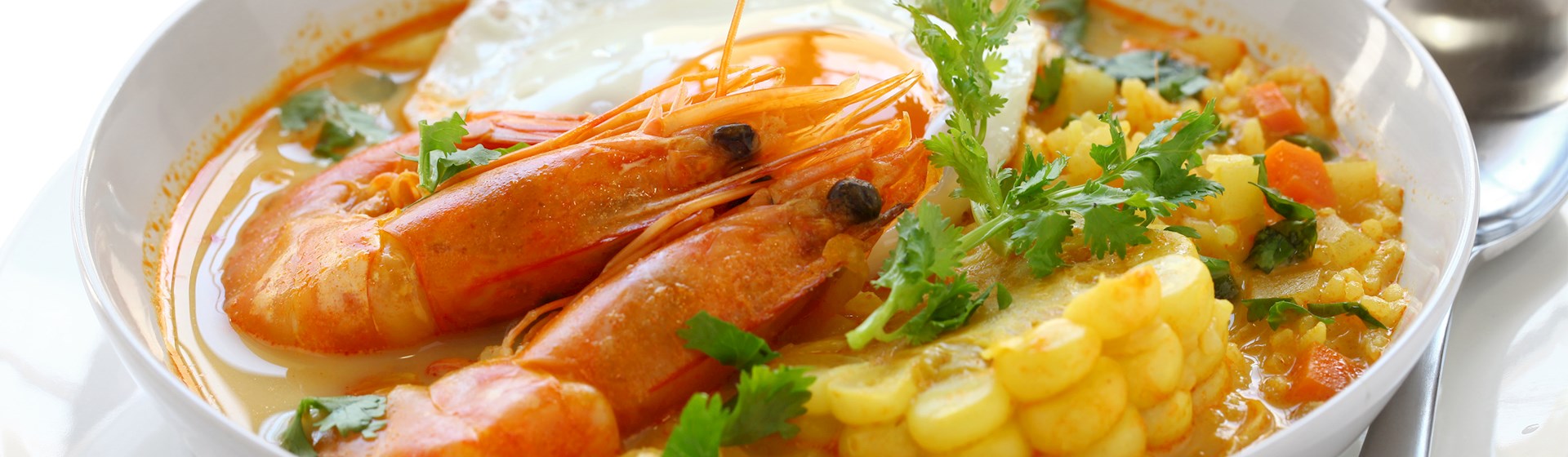
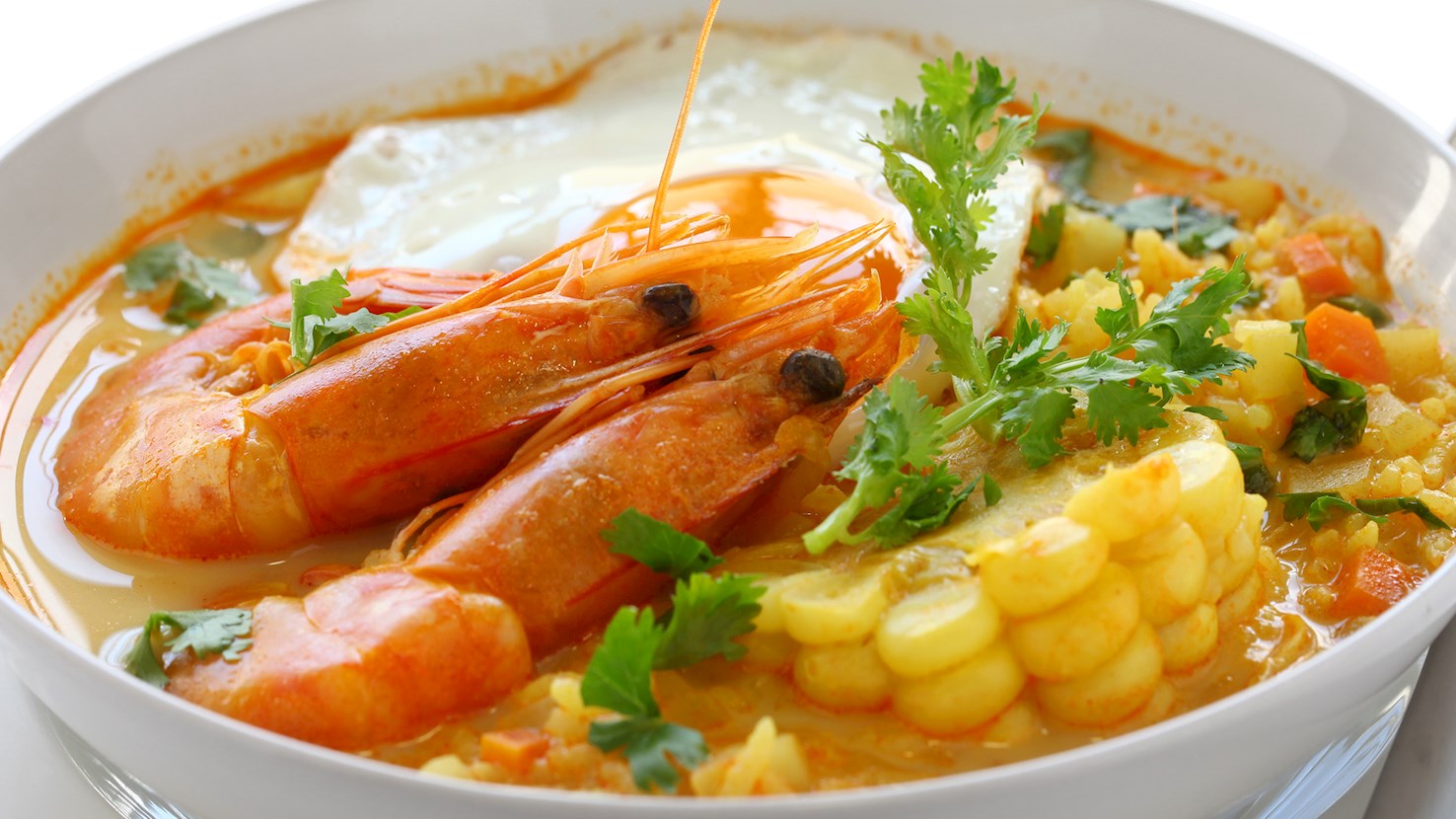
Chupe de camarones is a popular Peruvian shrimp (or prawn) chowder with a long and unusual history. The chowder is typically made with fish stock, fresh shrimps, onions, garlic, and yellow potatoes, while rice, beans, carrots, and peas are used often, but not always. The dish is traditionally served in deep bowls and garnished with parsley. In recent years, food historians have revealed that chupe de camarones actually evolved from a thick Arequipeño stew made with potatoes, llama meat, and herbs. The dish was called chuwa misa (lit. deep bowl) and was prepared before the 16th century. After the Spanish conquest, locals started to catch shrimps, preparing shrimp ceviche and shrimp sauteé in the process. The Spaniards brought some new ingredients to the region, such as milk and cheese, and added them to the shrimp sautée, resulting in the creation of chupe de camarones.
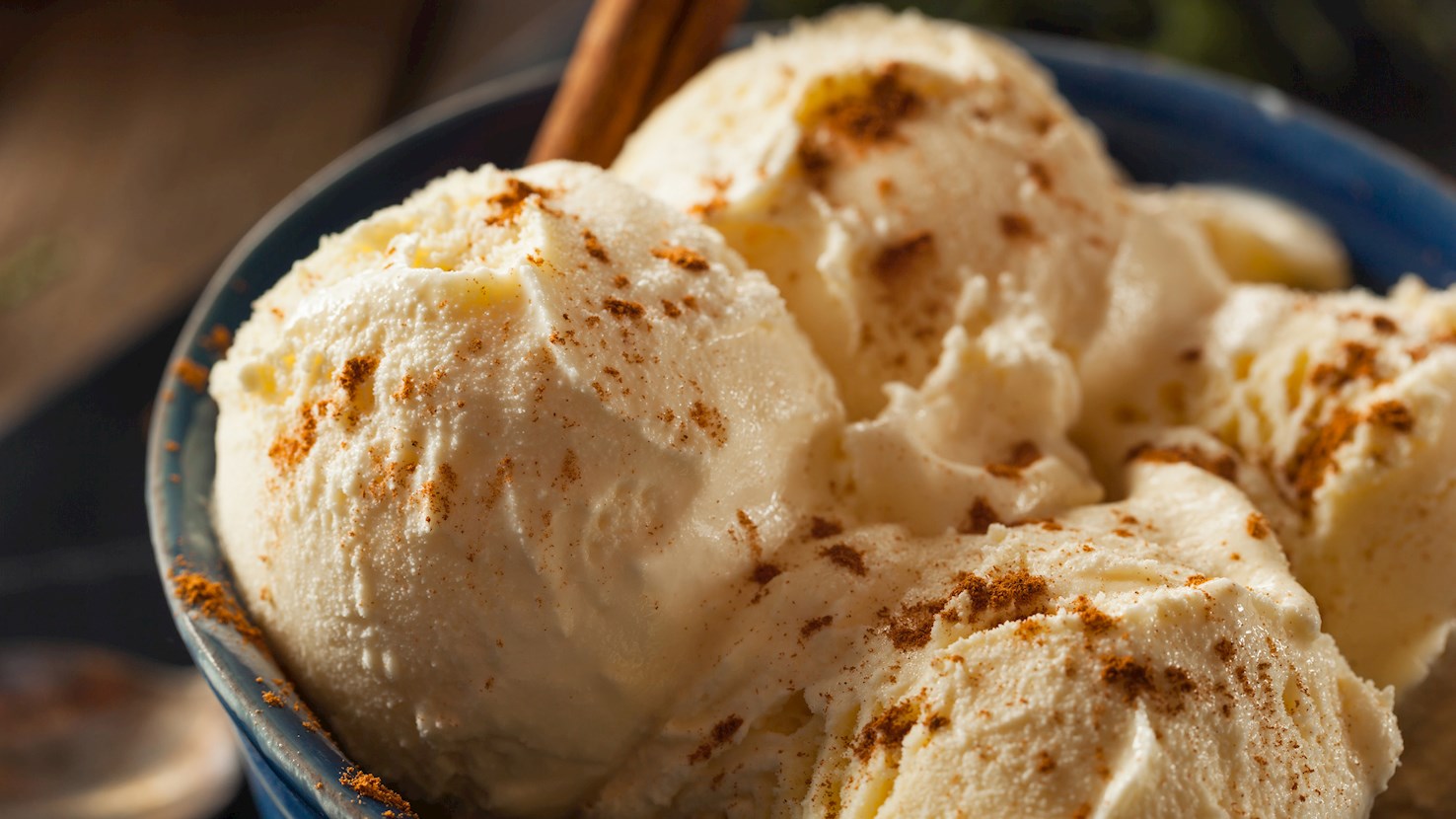
Queso helado is a Peruvian dessert that's very similar to ice cream, and it originates from Arequipa. It's usually made with a combination of whole milk, evaporated milk, cinnamon, cloves, desiccated coconut, sugar, and egg yolks. Both types of milk are simmered with cinnamon, cloves, coconut, and sugar. The pan is taken off the heat, the egg yolks are added to the pan one by one, and it's then returned to the heat and simmered for a few minutes. The mixture is strained in order to remove the spices, and it's then placed in the freezer until frozen. After a few hours, queso helado is served in bowls, dusted with cinnamon. It is believed that the first queso helado was made at the Arequipa convent of Santa Catalina as an ice cream substitute.
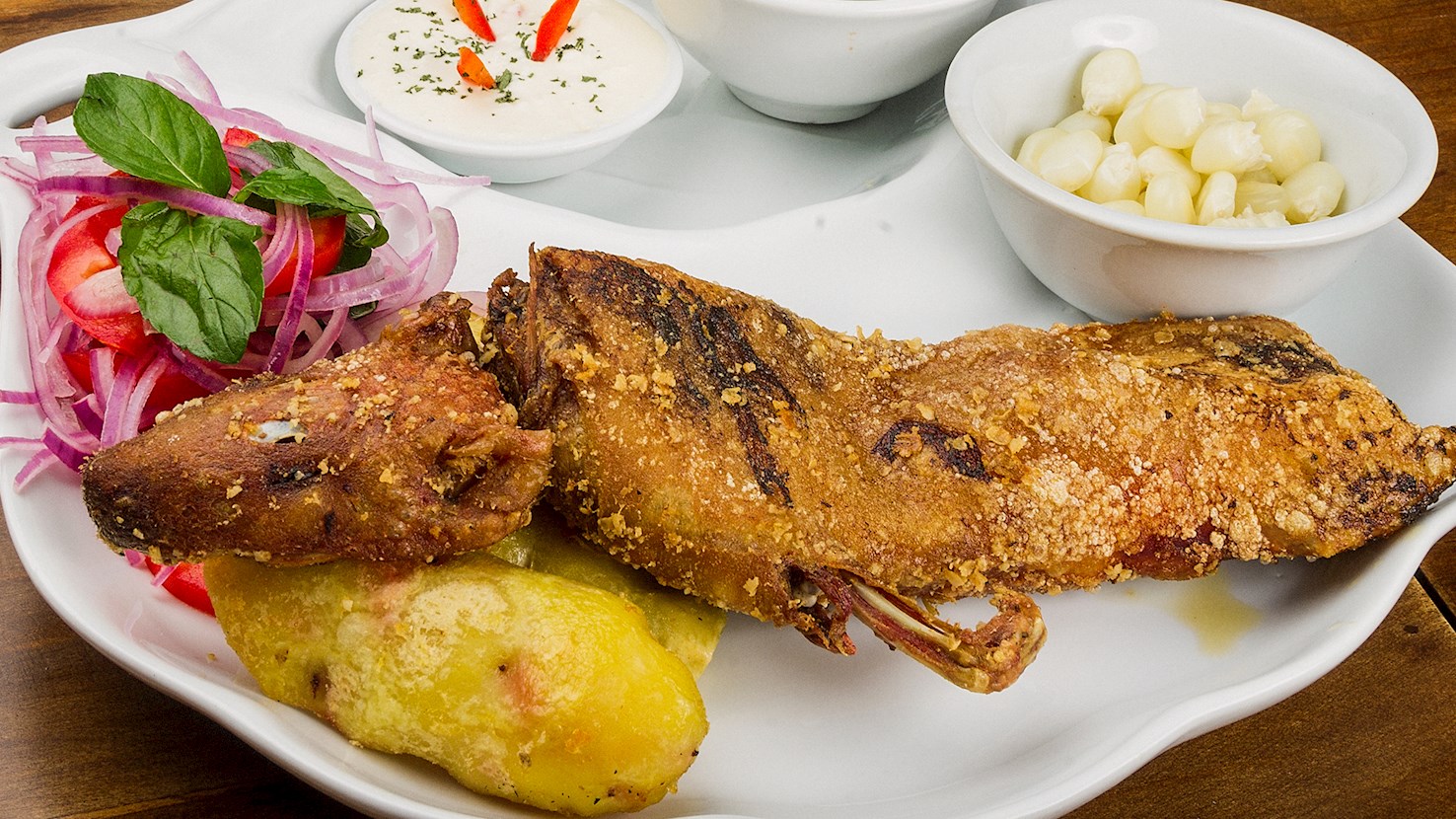
Cuy frito or cuy chactado is one of the oldest traditional Peruvian dishes that has been consumed since Incan times. It is made with guinea pigs, which are obviously not kept as pets in Peru – instead, they are fried to crispy perfection. The fried guinea pigs are said to taste similar to chicken (or as a cross between rabbit a chicken), but with a fattier flavor. The head is also edible, and that's the favorite part for many people. Cuy frito is usually eaten with your hands, and it's recommended to keep some napkins on hand as things can get a bit messy while eating it. This dish is typically served in cuyerías with corn on the cob, rice, potatoes, sweet potatoes, salsas, and salads.
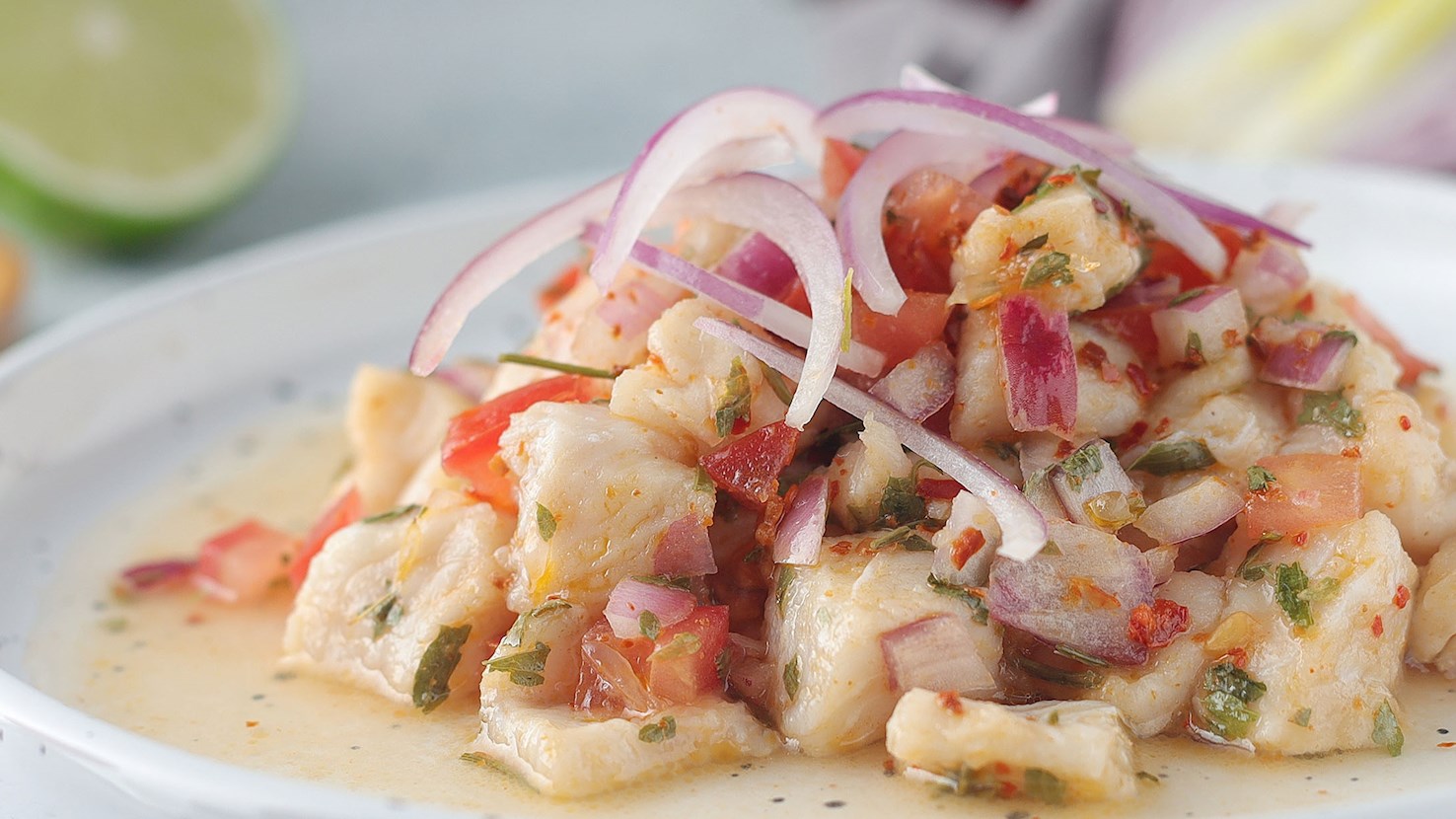
Ceviche is the national dish of Peru consisting of slices of raw fish or shellfish that is spiced with salt, onions, and chili peppers, then marinated in lime juice. Due to the acidity of lime juice, the texture of the fish changes, as does its color – from pink to white. The acidic marinade, also known as leche de tigre (lit. tiger's milk) "cooks" the meat without any heat involved in the process. For ceviche, fresh fish is an imperative, as fish and shellfish that are not fresh can cause food poisoning. Peruvians are used to fresh ingredients, so the fish will sometimes be prepared for ceviche less than an hour after being caught. Fish for ceviche can be divided into three categories: firm, medium, and soft. The dish was originally made by the natives who marinated fish and amarillo chiles in the juices of a native fruit called tumbo, which was replaced by lime juice when the Spanish brought limes and onions to the country. The flavors of ceviche are slightly acidic and spicy, with an intense aroma of the sea. Traditionally, it is served on a bed of lettuce with tiny pieces of corn, chunks of sweet potato, and boiled yuca. Cancha, a variety of popcorn made from large corn kernels toasted in salt and oil provides an ideal side dish. The dish is traditionally served at cevicherias, specialized ceviche restaurants that can be found all over the country, and it is so popular that it even has its day, known as National Ceviche Day.
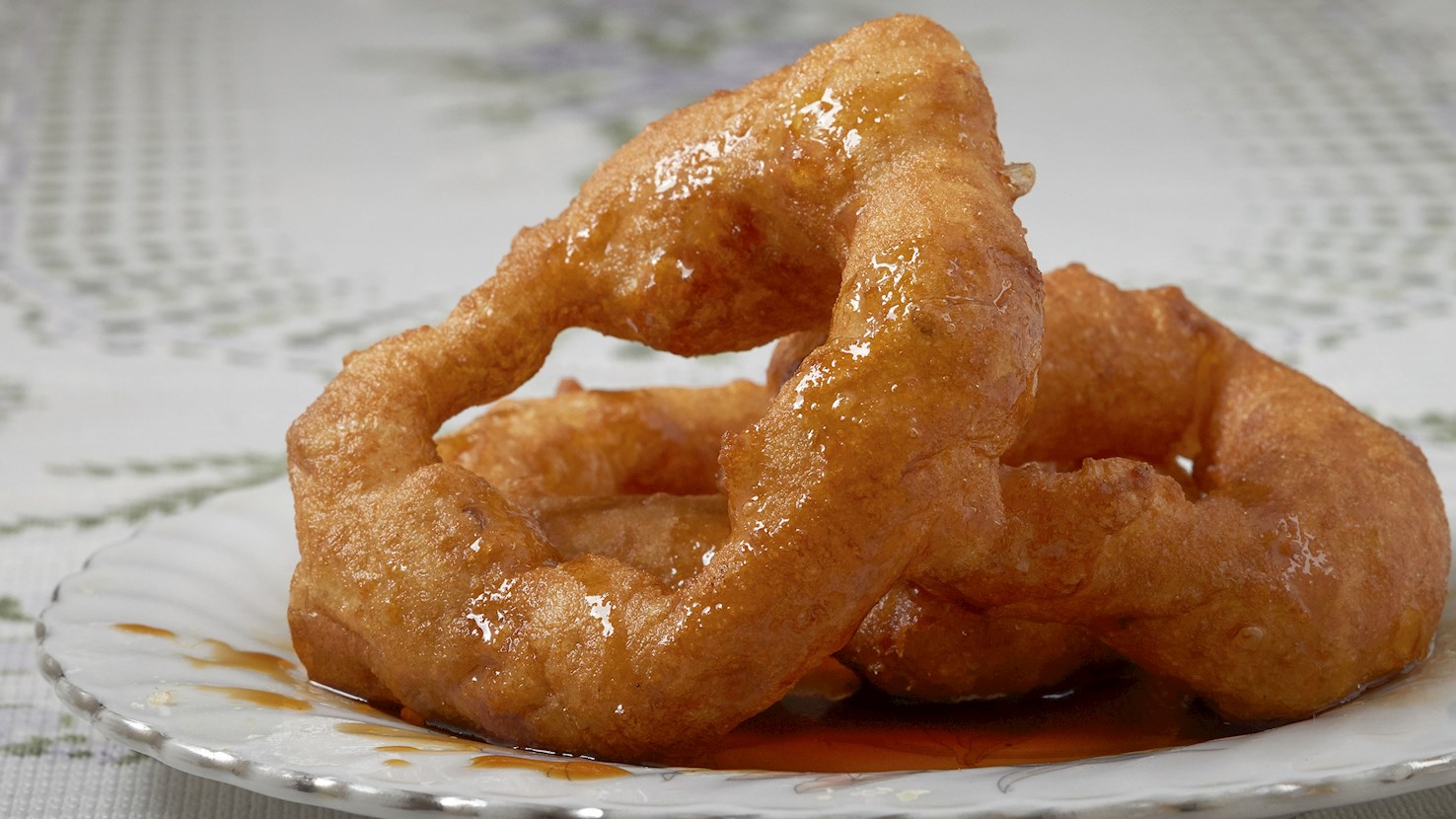
Picarones are a staple of Peruvian street food, the tasty, deep-fried treats that are also often referred to as the "Peruvian doughnuts". The dough is shaped into a ring and fried in hot oil, and picarones are then drizzled with a sweet cane syrup. It is believed that they were first prepared during the Spanish Viceroyalty in Lima and they were probably based on the Spanish buñuelos. The recipe was adapted by the locals who added sweet potatoes and squash to the dough, and a new dish was created. Picarones were later popularized by the nuns of Saint Claire's convent, and today they are especially popular during the religious festivities in October.
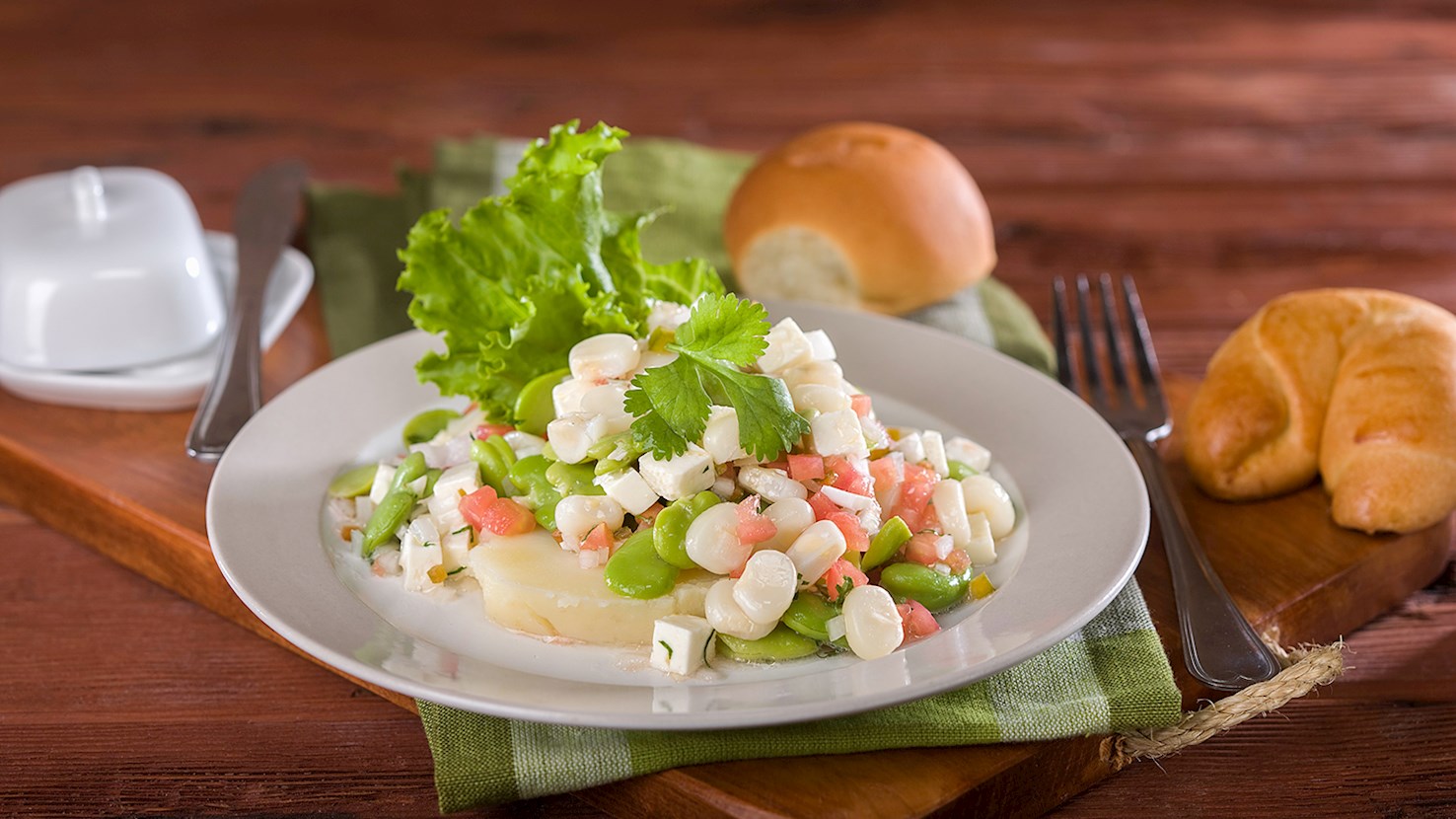
Soltero de queso is a traditional salad originating from Arequipa. Although there are as many versions of soltero de queso as there are cooks, this refreshing salad is usually made with a combination of fava beans, onions, tomatoes, corn, diced queso fresco, rocoto pepper, red or white wine vinegar, olive oil, olives, parsley, salt, and pepper. The ingredients are coarsely chopped, then combined in a bowl and served. This healthy salad is praised because it's easy and cheap to make.
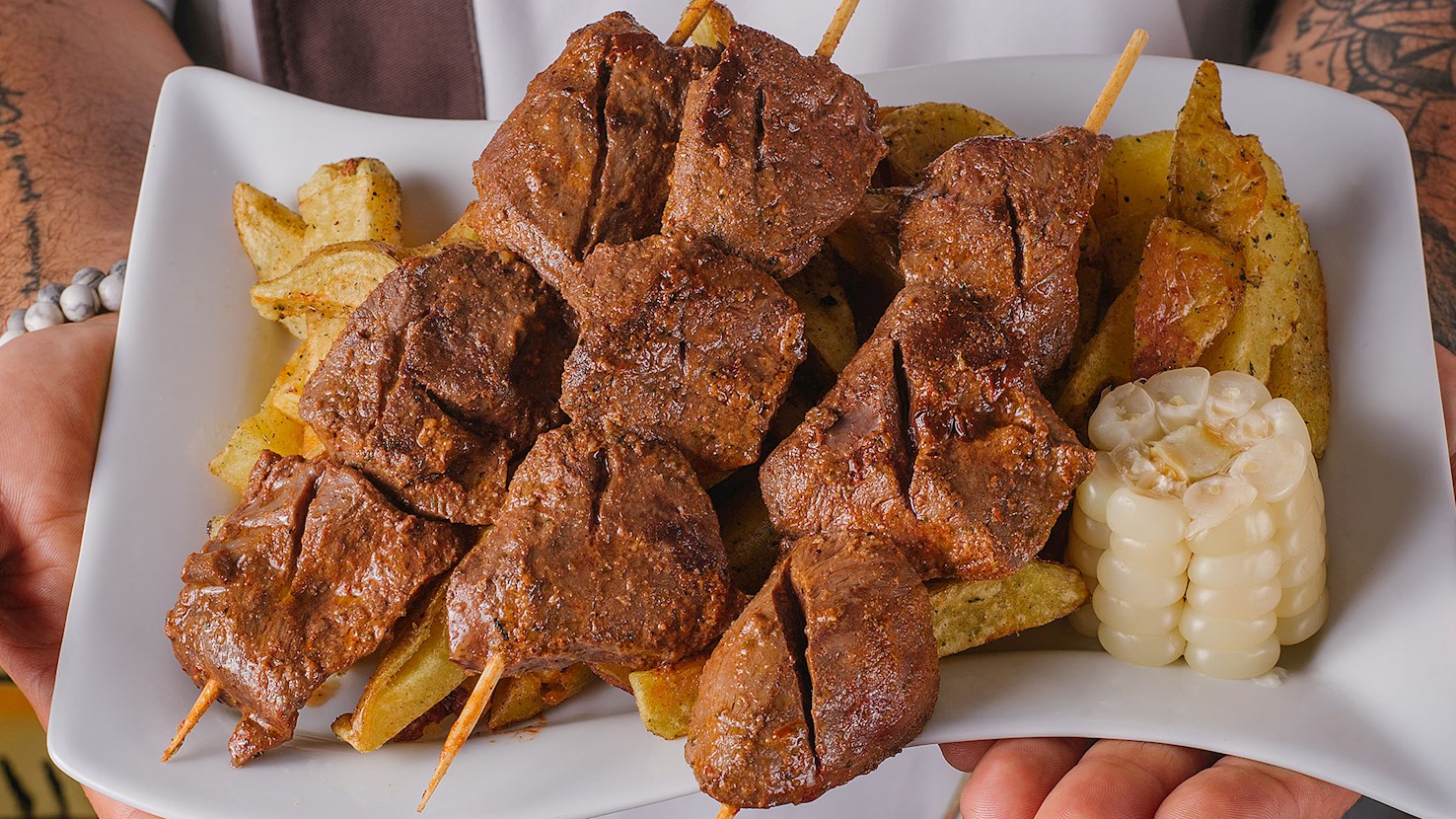
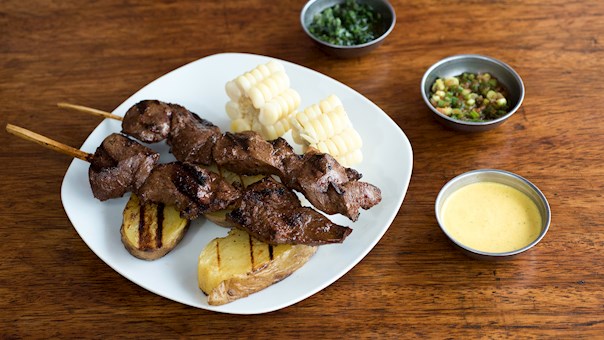
Anticucho is a meat dish consisting of small pieces of skewered and grilled meat, the most popular of them made with beef heart, called anticuchos de corazón. Incan in origin, the dish quickly gained popularity throughout South and Central America. The first written recipe dates back to the 16th century, referring to a meal of marinated llama meat cooked directly over a fire. When the conquistadors encountered the dish, they modified it to make it their own, replacing the llama meat with beef, which was skewered on sugar cane stalks. Today, the meat is typically marinated in red wine vinegar and spices such as garlic, cumin, and aji pepper - developing a fruity flavor when roasted. Anticucho can be found throughout Peru and has spread to other South American countris (especially popular in Bolivia) on numerous street carts and street food stalls, called anticucheras. Typical accompaniments to the dish include corn or boiled potatoes.
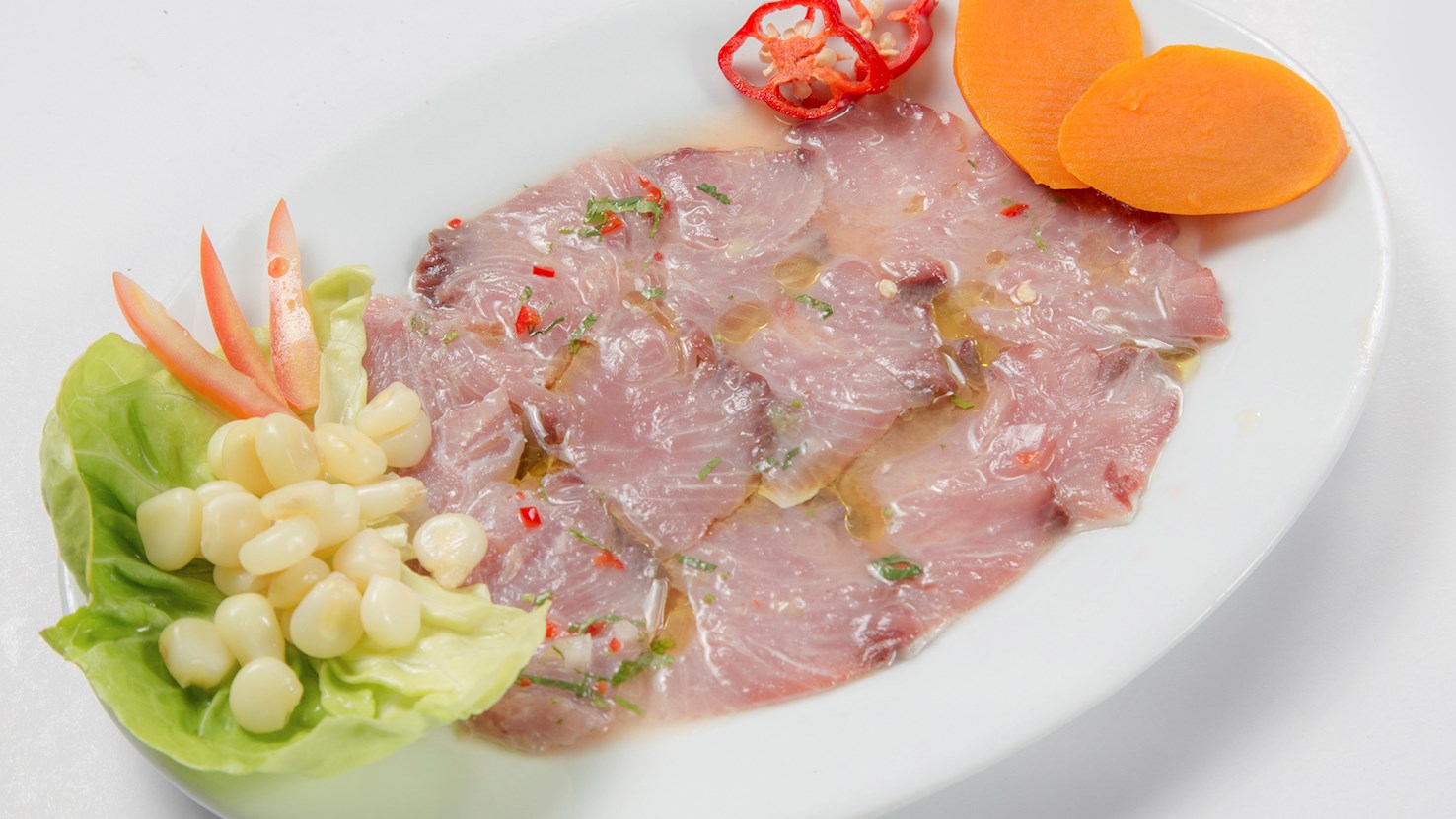
Tiradito is a traditional dish consisting of thinly sliced, well-chilled raw fish, chopped vegetables, and coriander, all drizzled with lime juice right before consumption, so the fish stays raw, unlike ceviche, where the fish is already cooked in citrus juices. The dish is most often served as an appetizer, and some cooks like to add their own touch – topping it with sliced onions, pickled jalapeños, boiled corn, and even crushed potato chips. It is believed that it takes a lot of skill and effort to make a perfect tiradito, but the most essential components while preparing it are a sharp knife and the freshest possible fish, which is the highlight of every tiradito.
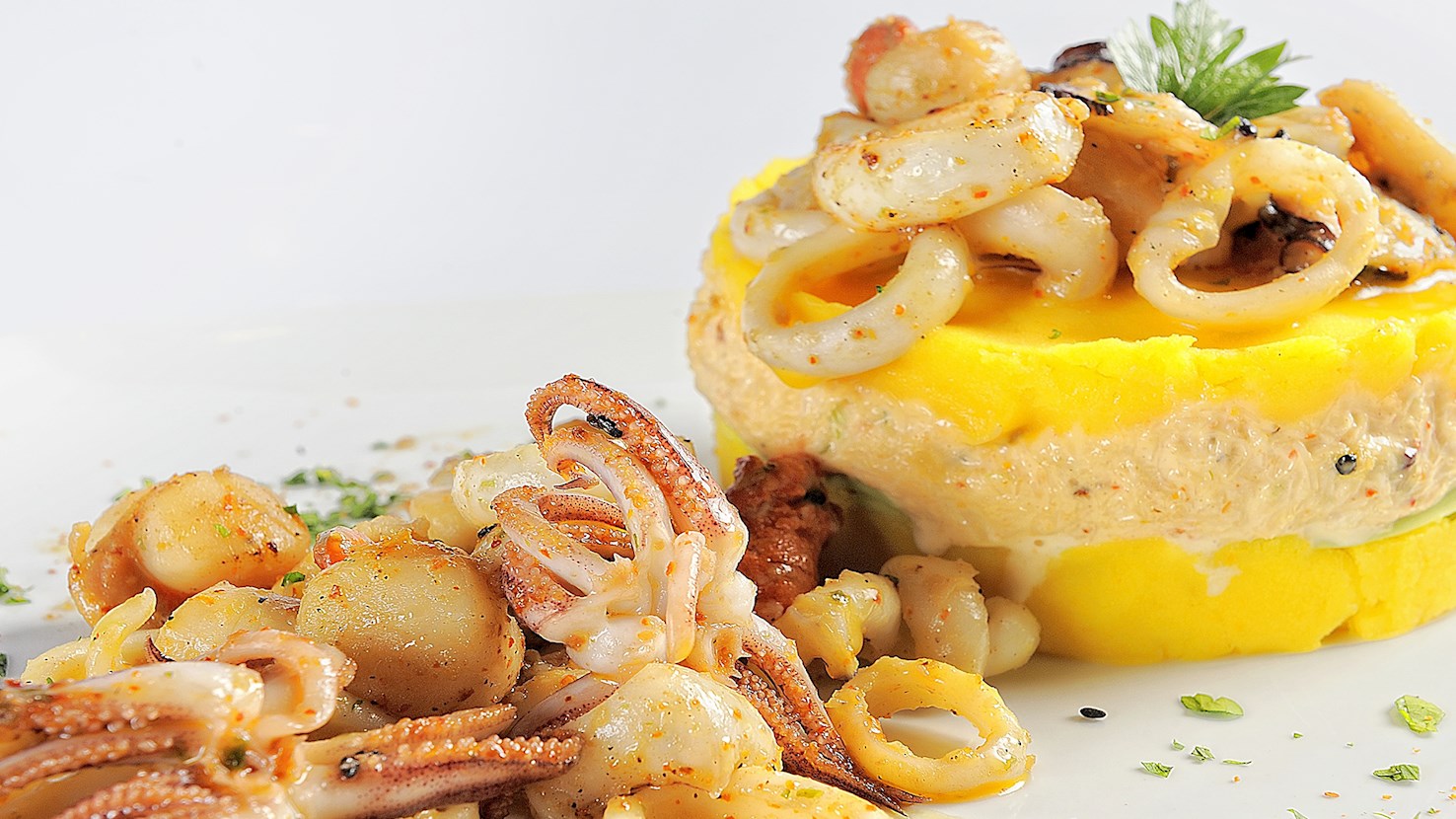
This traditional Peruvian delicacy is made with yellow potatoes and either tuna salad or chicken. Most often, the potatoes are molded or cut into circles, and the filling is sandwiched in between. The dish is flavored with mayonnaise, ají amarillo chilis, and lime or lemon juice. Causa rellena is typically served cold on a bed of lettuce, while the top is garnished with black olives, making it a perfect appetizer or a light meal on its own. It is believed that the dish was invented during the Pacific War. Food was scarce, and the Peruvian women started collecting potatoes and any other ingredients they could get their hands on. The women created causa rellena, then offered it to soldiers for the cause of defending their homes, hence the name of the dish.
TasteAtlas food rankings are based on the ratings of the TasteAtlas audience, with a series of mechanisms that recognize real users and that ignore bot,
nationalist or local patriotic ratings, and give additional value to the ratings of users that the system recognizes as knowledgeable.
For the “12 Traditional Foods You Have To Try in Arequipa” list until May 22, 2026, 721 ratings were recorded, of which 174 were recognized by the system as legitimate.
TasteAtlas Rankings should not be seen as the final global conclusion about food. Their purpose is to promote excellent local foods,
instill pride in traditional dishes, and arouse curiosity about dishes you haven’t tried.