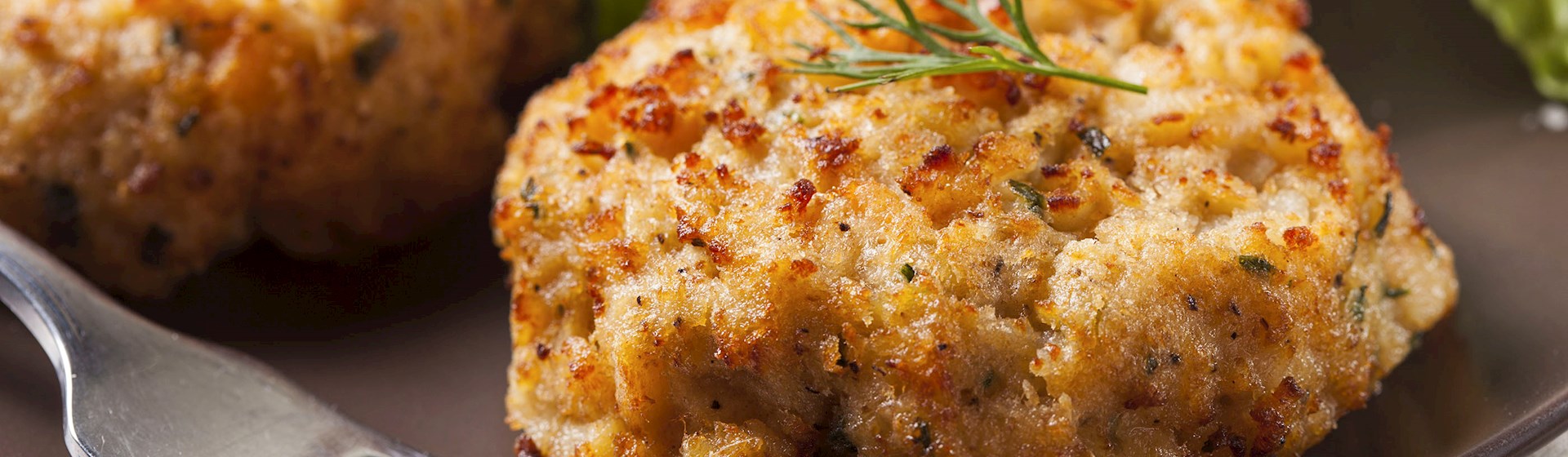
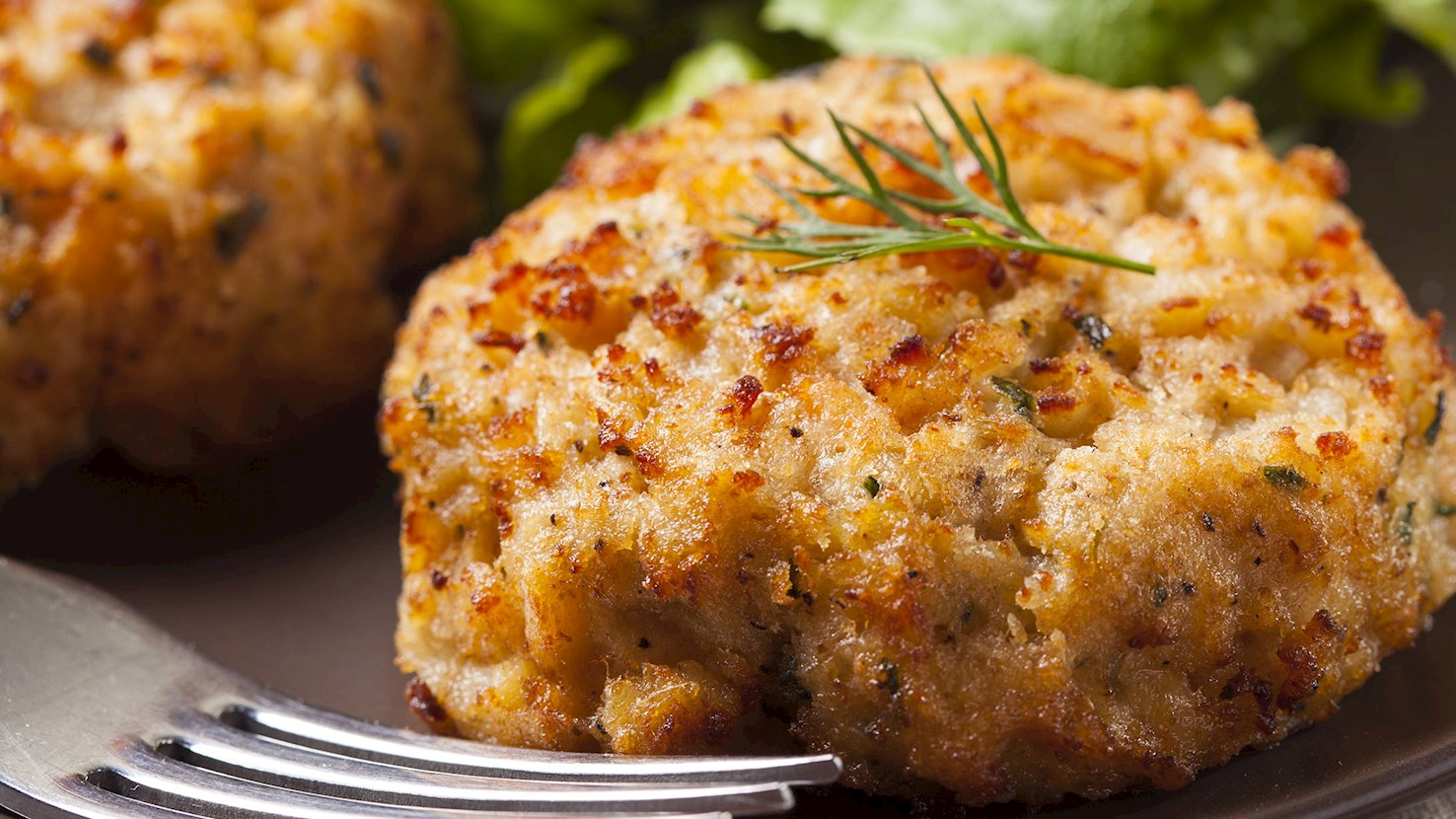
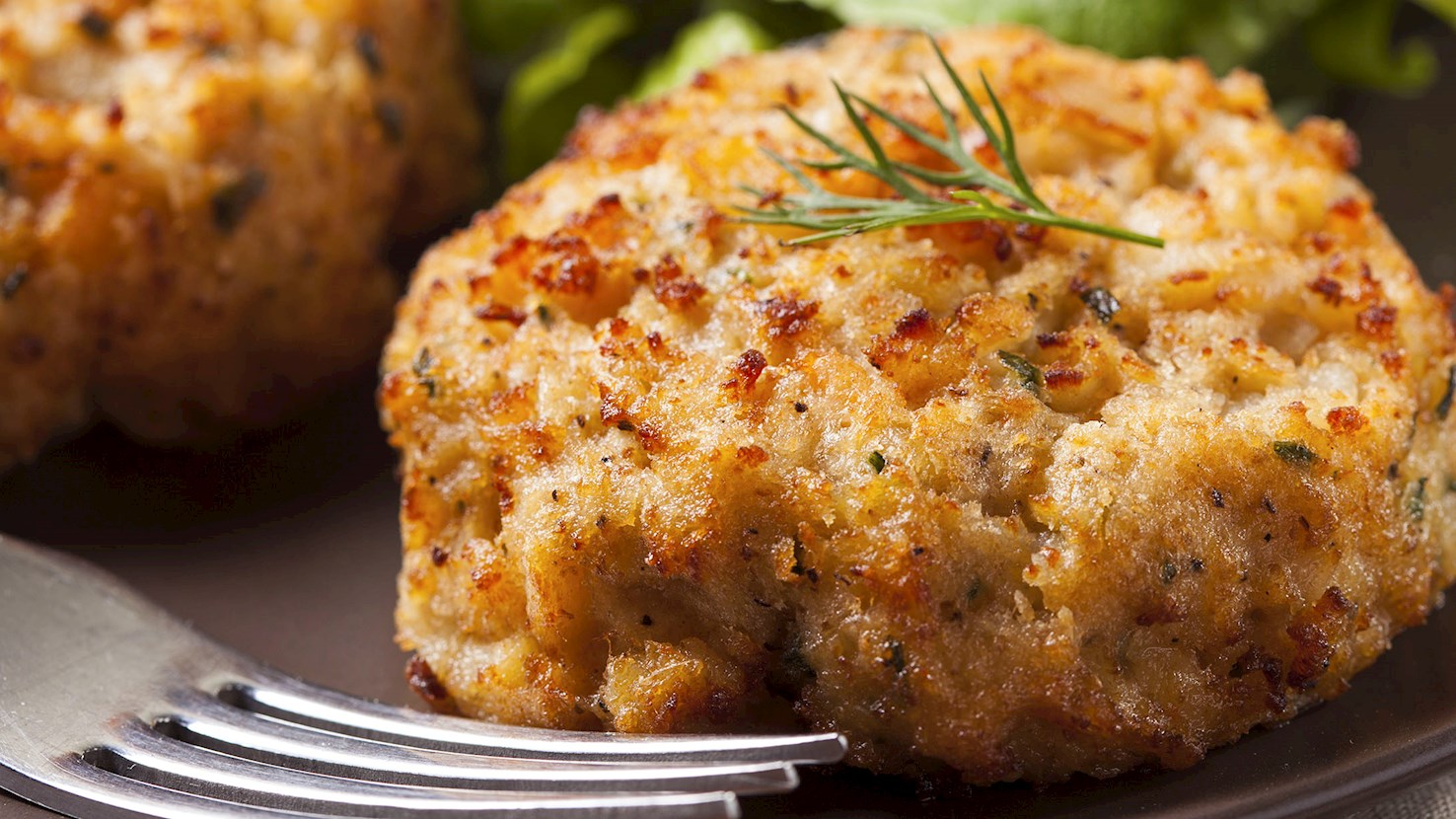
Crab cake is a popular American type of fishcake consisting of shellfish meat, breadcrumbs, eggs, and flavorings such as mustard, Worcestershire sauce, and fresh herbs. The concept of minced fish meat combined with other ingredients dates back to the ancient times when ingredients were scarce. It is believed that a type of crab cake was first introduced to the early colonies by English settlers. There are numerous recipes for crab cakes from the 19th century, and many of them combined bread crumbs and spices, while some of them were fried. However, they were called crab patties or crab croquettes before the term crab cake appeared in the 20th century. Today, crab cakes are the most popular in New England, the Gulf Coast, the Pacific Northwest, and the Northern California coast. They are usually served on a hamburger bun, accompanied by saltine crackers, lemon wedges, french fries, cole slaw, or potatoes.
No other dish represents Maryland's cuisine better than the crab cake - a fishcake consisting of crab meat and ingredients such as mayonnaise, eggs, bread crumbs, milk, and seasonings. The blue crab is considered to be the ideal choice of crab for the cakes. They are usually served on a bun, accompanied by french fries, coleslaw, or macaroni salad. Originally, the dish was first prepared by the Natives, long before the arrival of the settlers. It was one of the first dishes that were adopted by the Chesapeake Bay region settlers. The first recipe, called Baltimore's Crab Cake, was published in 1930. In the 1940s, as the dish gained more popularity, Old Bay seasoning was added to the dish, and crab cakes have remained a staple of Maryland ever since, both for their exceptional taste and the benefit to the local economy.
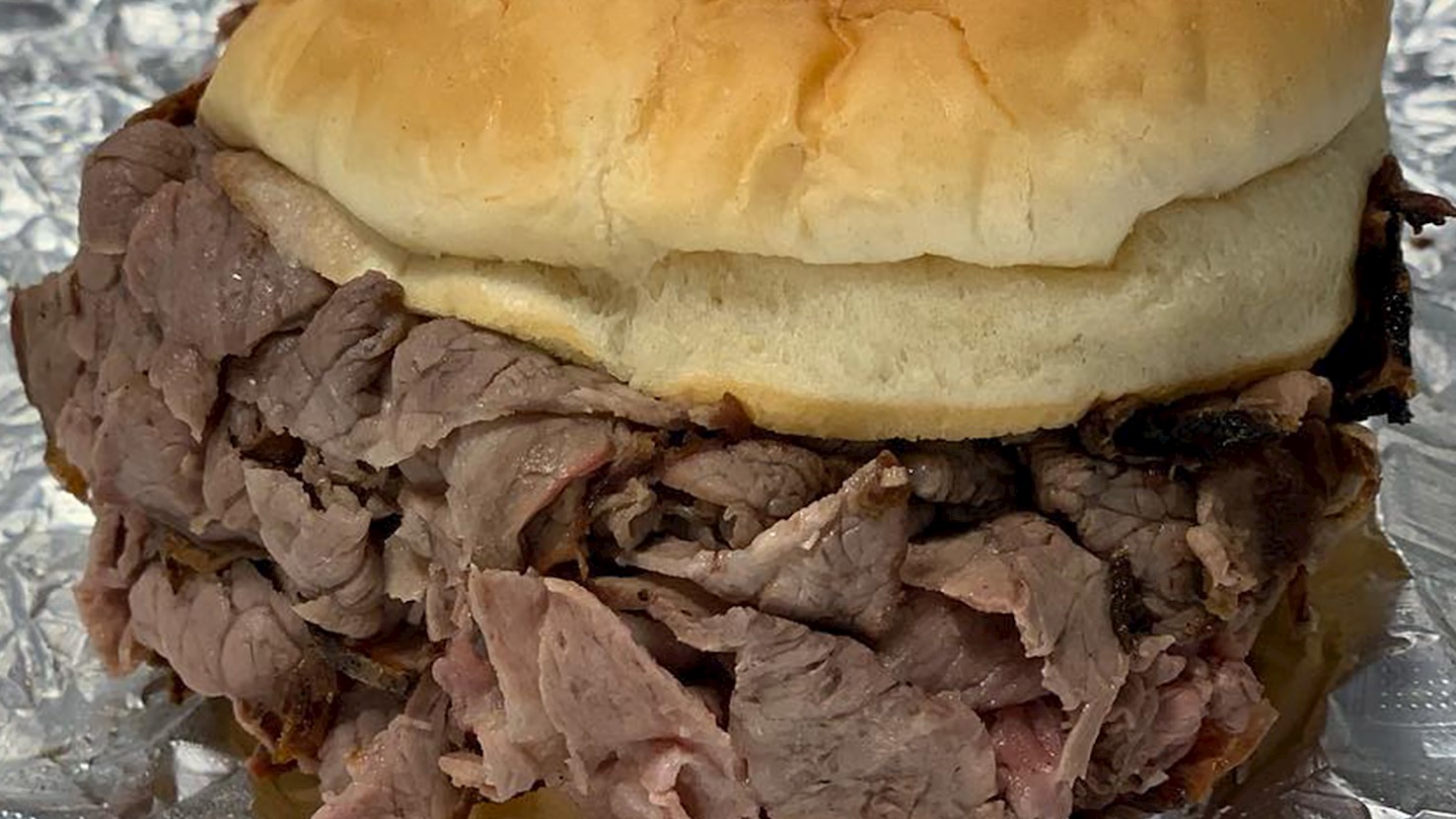
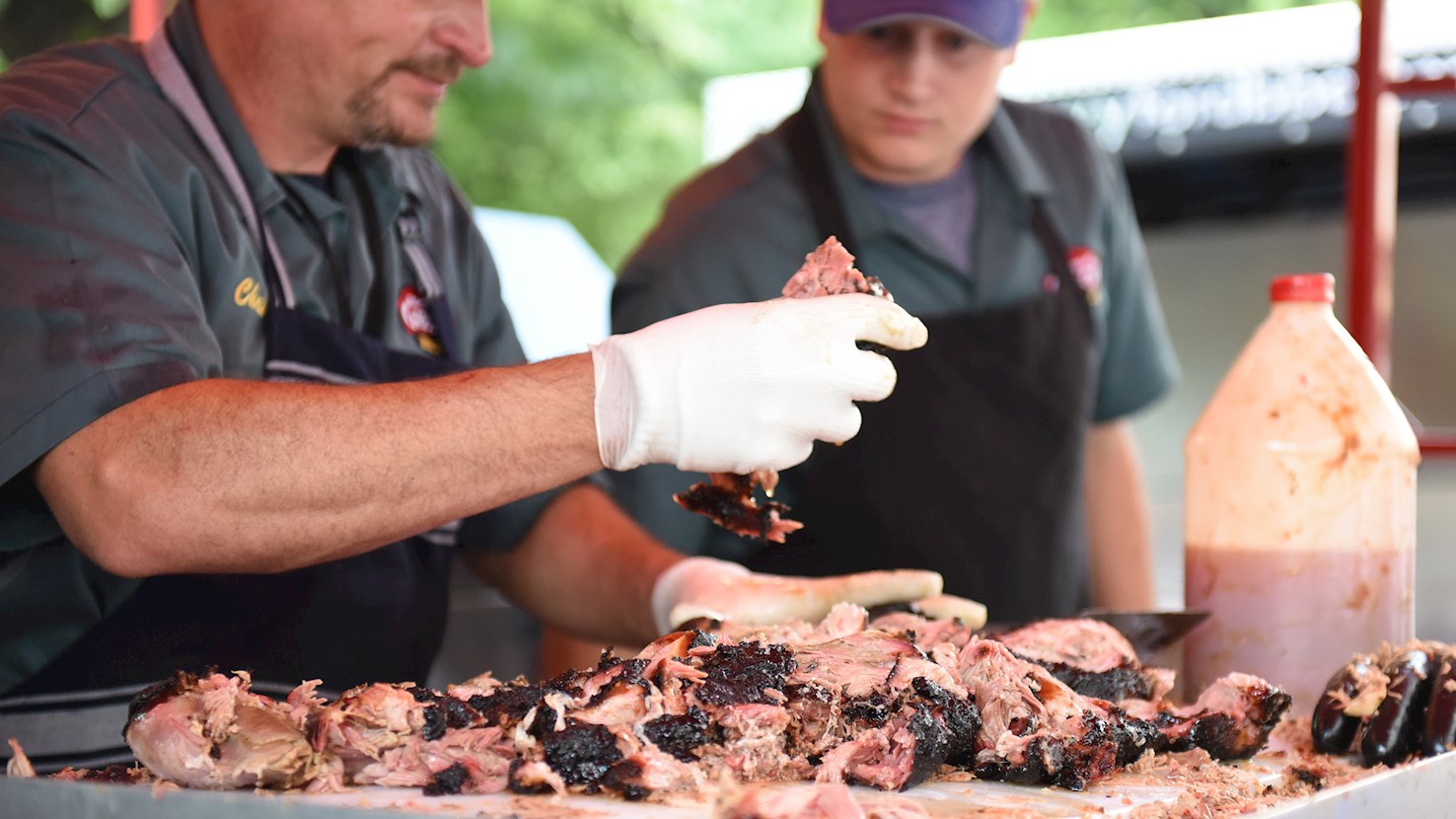
Pit beef is a traditional sandwich originating from Baltimore. It consists of minimally seasoned charcoal-grilled beef (usually top round roast) that's thinly sliced and served on a bread roll or sliced white bread with condiments such as horseradish, mayonnaise, and thin-sliced raw onions. The meat should, ideally, be rare in the middle. According to Baltimore food writer Richard Gorelick, the sandwich was first served just before the 1970s at stands around Pulaski Highway. Pit beef was also a memorable part of the plot in John Waters' 1998 cult movie Pecker.
Pit beef is an American barbecue technique originating from Maryland. The technique features beef, usually top round, that's grilled quickly over charcoal, becoming crusty on the exterior while remaining succulent and almost rare on the inside. The meat is later sliced into thin strips and often used as a sandwich stuffing, preferably on Kaiser rolls or rye bread. The sauce for Maryland pit beef contains horseradish instead of the usual barbecue sauces based on ketchup, vinegar, and brown sugar. It is believed that pit beef first started gaining popularity in the 1970s in Baltimore's working-class neighborhoods.
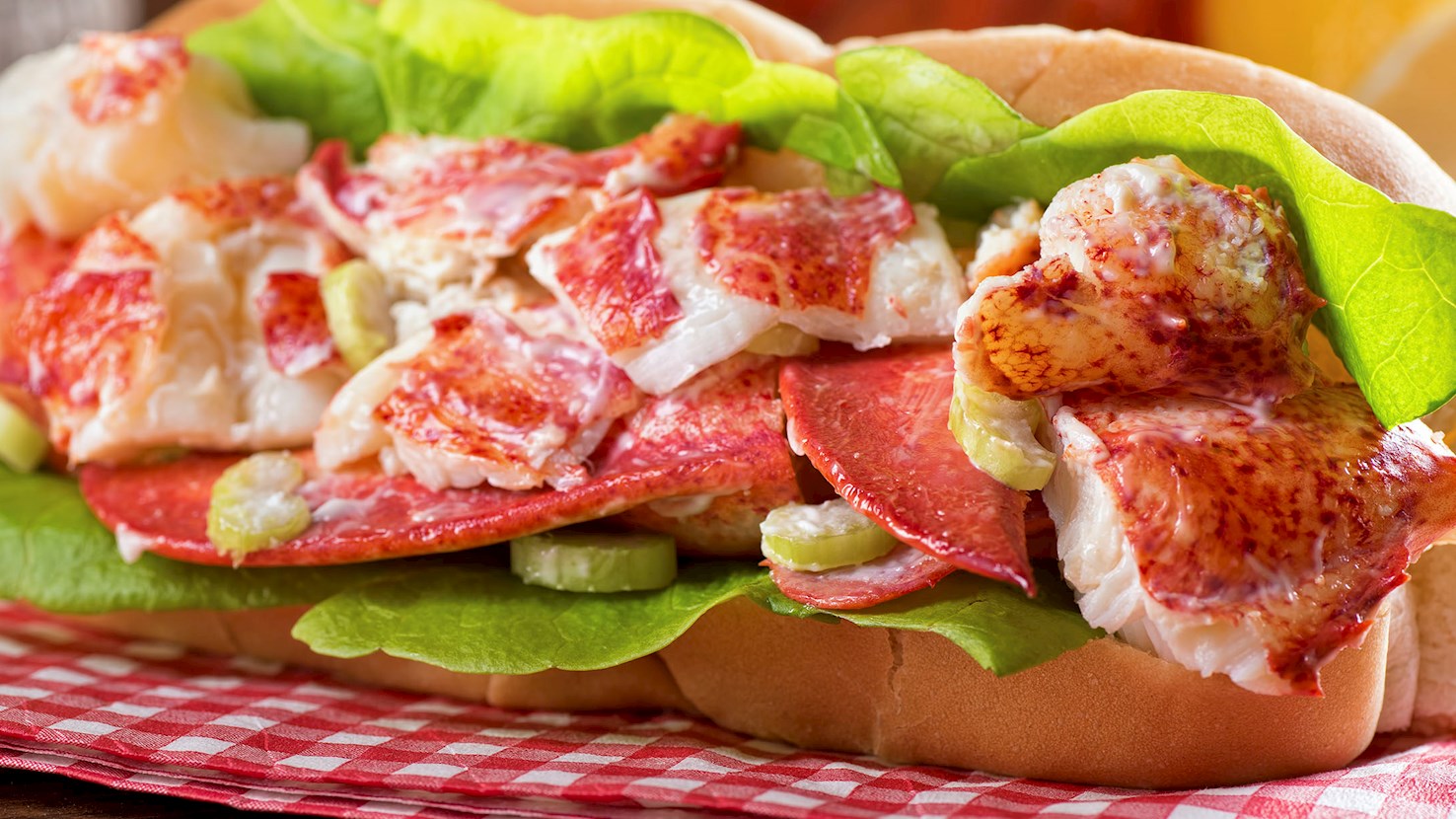
Lobster roll is a Maine specialty consisting of cooked lobster meat that is, ideally, drizzled with melted butter and placed into long hot dog rolls. Additionally, the sandwich might include lettuce, lemon juice, salt, and black pepper. Traditional accompaniments include potato chips or french fries on the side. Some claim that lobster roll first appeared at Perry's in Milford, Connecticut, while others claim it was first prepared at Red's in Wiscasset, Maine. Regardless of the origins, the entire state of Maine continues to honor the tradition by offering more version of lobster rolls than the first inventor could have possibly imagined, starting an endless debate over how it should be made and who makes the best rolls. For example, most Mainers eat the roll filled with cold lobster salad made with mayonnaise, sometimes with the addition of diced celery and no melted butter whatsoever.
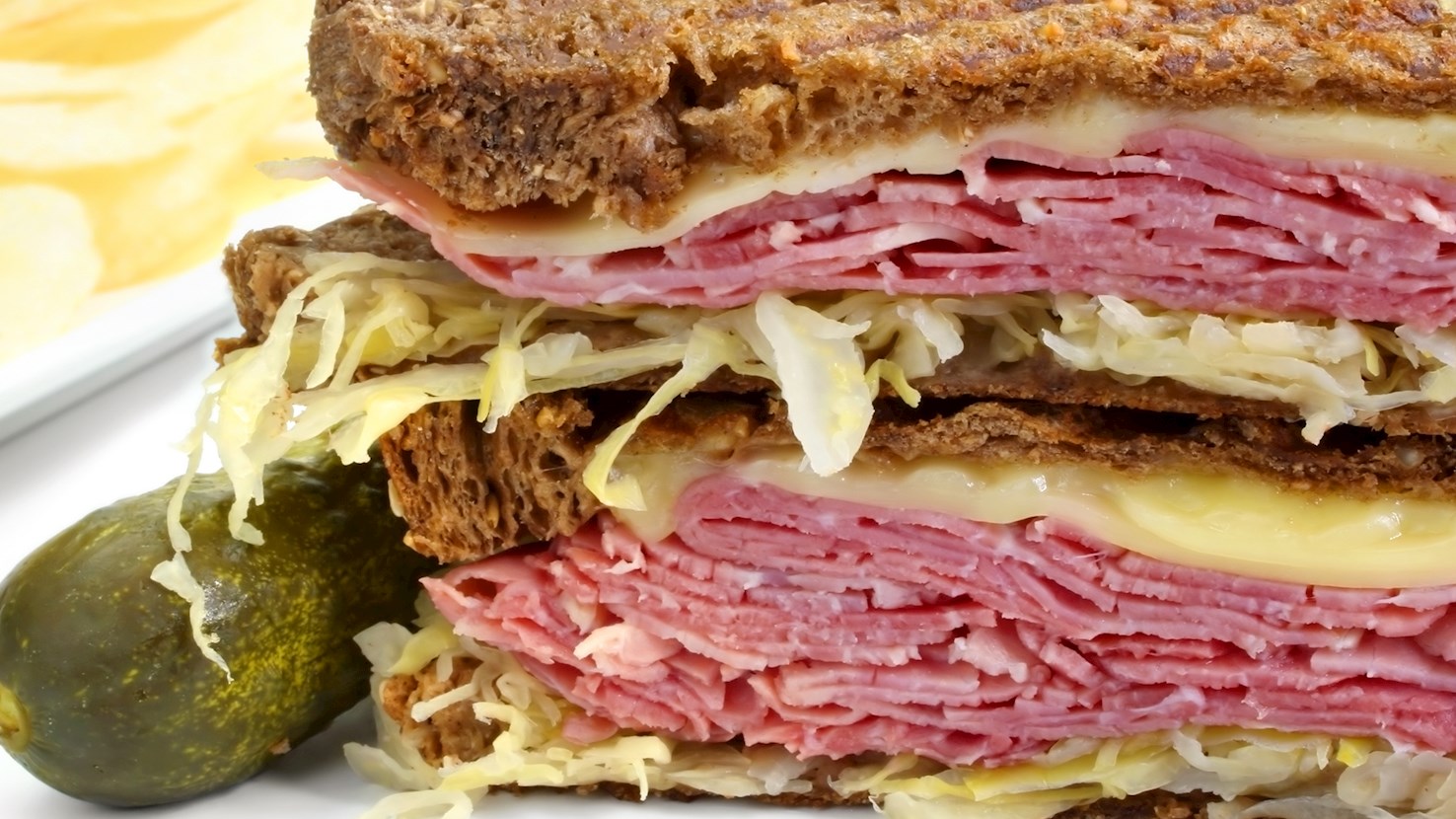
Corned beef sandwich is a popular food item that is traditionally consumed on St. Patrick's Day. It is both Irish and American, since it is believed that the sandwich was first popularized in New York by Irish immigrants during the early 20th century. Typically, it consists of sliced corned beef between two slices of (usually rye or sourdough) bread, but there are numerous variations of the sandwich with added cabbage, mustard, cheese, or pickles.
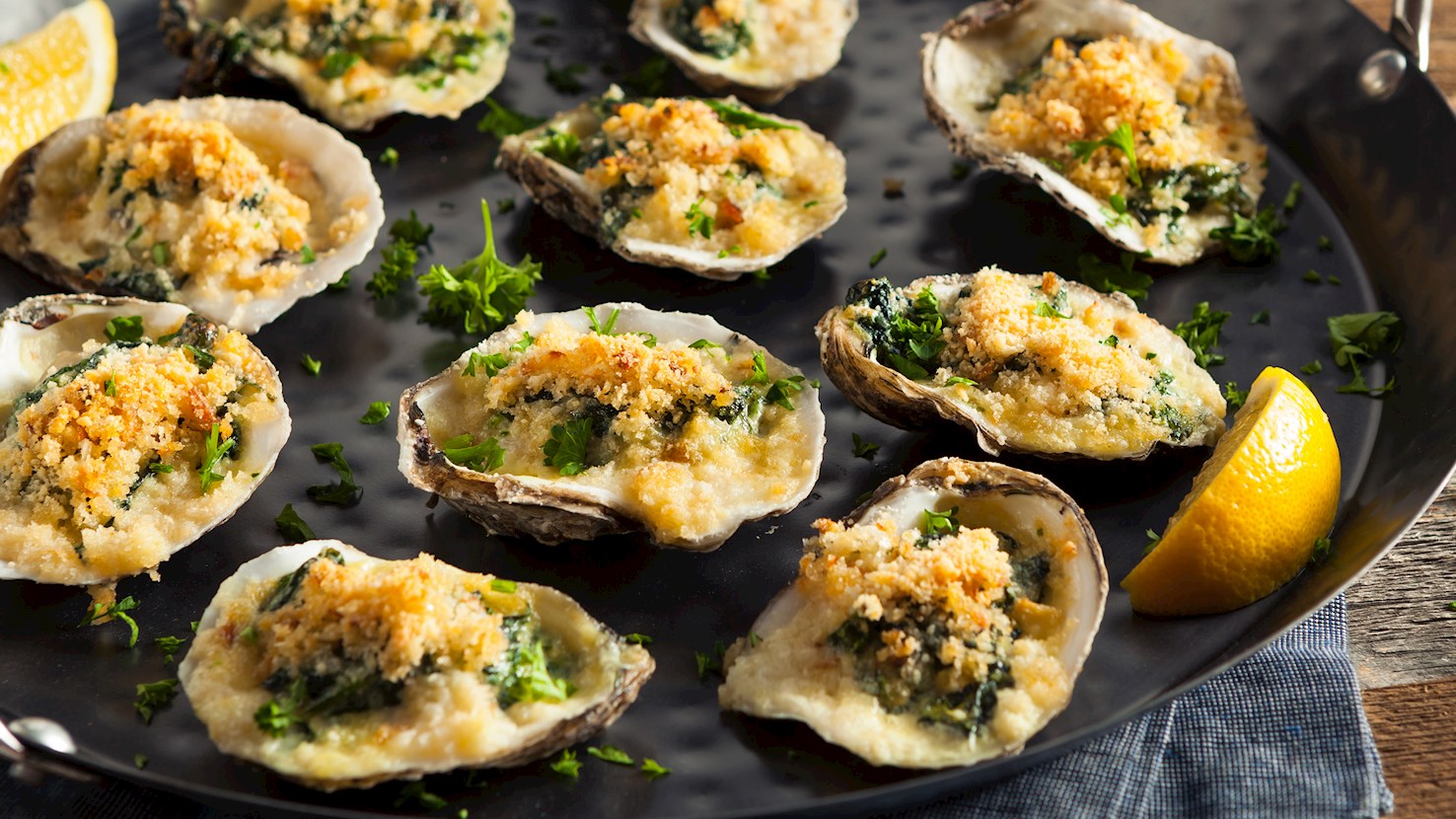
Oysters Rockefeller is a popular American appetizer consisting of oysters served on half-shells that are topped with ingredients such as butter sauce, bread crumbs, and various green herbs such as parsley. They are then either broiled or baked. The appetizer was invented in 1899 in America's oldest family-run restaurant called Antoine's in New Orleans, when Jules Alciatore, the original owner's son adapted his father's signature dish known as escargot Bourguignon, but he replaced the snails with oysters, a local food source that was abundant in the area. Oyster Rockefeller was born, and the original recipe is still a closely-guarded secret of Antoine's.
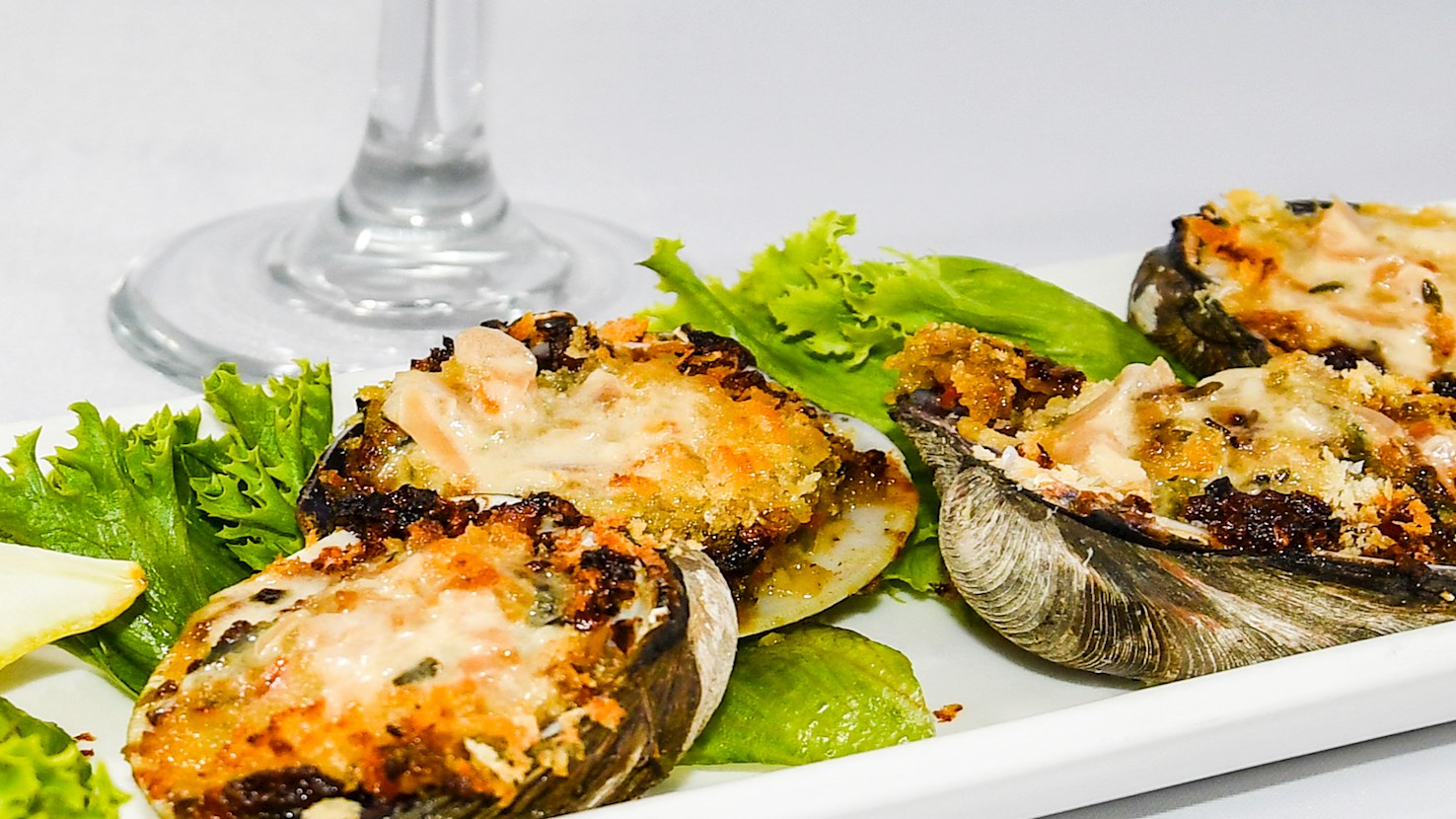
Originating from Rhode Island, clams casino is made with littlenecks or cherrystone clams and bacon that are first seasoned and cooked, then placed together with breading on a half of a clam shell, and finished by either baking or broiling the concoction. Despite many variations, the one constant ingredient is bacon, and the finished clams are often sprinkled with fresh parsley. The dish became extremely popular with Italian-Americans and is served in almost every trattoria in Manhattan’s Little Italy.
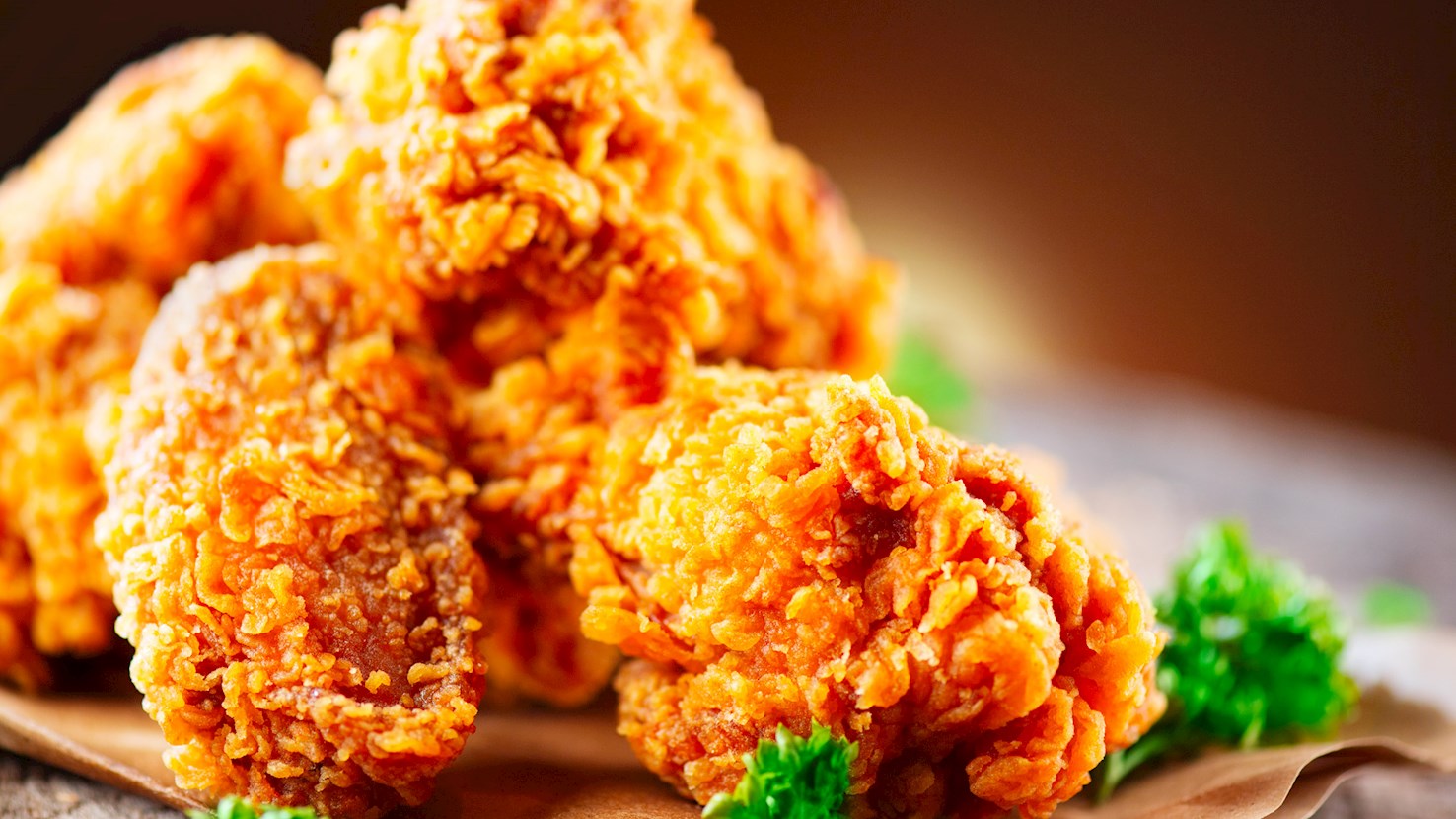
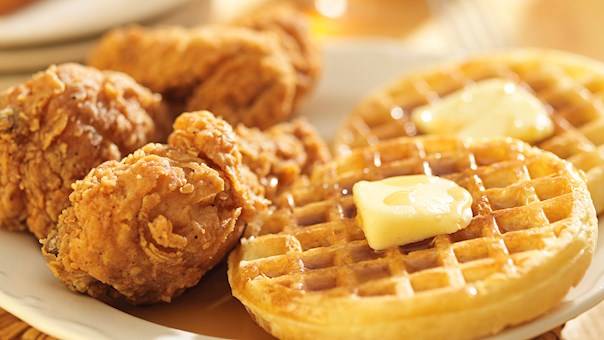
The most popular food of the Southern cuisine, fried chicken is the theme of many arguments where everyone involved seems to have a favorite, be it what their mothers used to make, a cult roadside eatery, or a bygone restaurant. However, it is universally agreed that the meat must be moist, succulent, and tender, coated with a crunchy, golden-brown crust. It all started during the colonization period, when Scottish immigrants settled in the South, bringing their fried chicken recipes along. The African slaves then introduced new seasonings and spices, and the dish quickly gained popularity. Typical seasonings include salt, pepper, and hot chiles, and the pieces of meat should be edible by hand so that the consumer can bite both the crust and the meat at the same time. The birds must be fresh and smaller in size, as the meat will be much more tender and the proportion of crust to meat will be perfectly balanced. Once the chicken parts are hot, crispy, and ready to be consumed, they are traditionally accompanied by buttered biscuits, Southern potato salad, mashed potatoes, or cream gravy on the side.
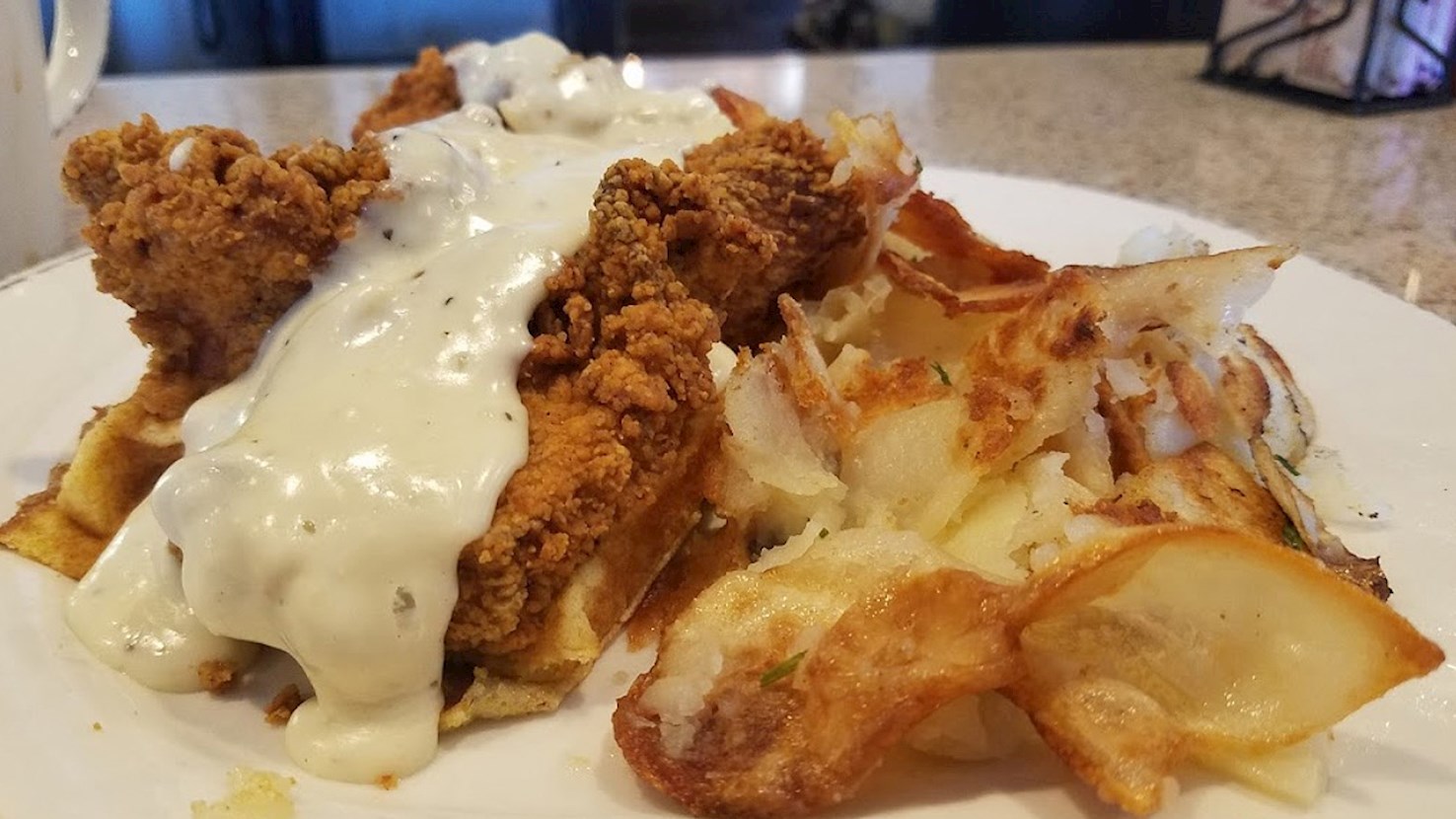
Chicken Maryland is a historic fried chicken dish from Maryland. In its classic form, it consists of chicken pieces lightly coated in flour, pan-fried in a shallow layer of fat, and served with a cream gravy made from the flavorful drippings left in the pan. The exact inventor is unknown, but Maryland-style fried chicken was established by the late 19th century, with named recipes appearing in print by the 1880s. By the end of the century, it was already recognized as a distinctive regional way of cooking fried chicken. The defining feature of the American version is its cooking method, not a thick batter or breadcrumb crust. A whole chicken is usually divided into serving pieces, seasoned, and coated with flour; some recipes first dip the chicken in milk before flouring it. The pieces are fried in a heavy skillet with lard, shortening, butter, or another cooking fat. After the exterior browns, the pan is covered for part of the cooking time. This traps steam and helps the bone-in chicken cook through while remaining moist, producing a texture somewhere between conventional fried chicken and a covered skillet fry. The lid is removed toward the end so that the coating can regain some crispness. Cast iron is particularly well suited to the method because it holds heat evenly, but it is not essential. Buttermilk marinades, thick batters, and heavily seasoned breadcrumb coatings belong mainly to later adaptations rather than the basic Maryland technique. After the chicken is removed, the drippings in the skillet are used to make the characteristic gravy. Flour is stirred into the remaining fat, followed by milk, cream, or a combination of the two. The mixture is cooked until it forms a smooth, pale gravy flavored by the browned flour and chicken drippings. Depending on the recipe, the gravy can be poured directly over the chicken or served around it. It is generally lighter in color than ordinary brown meat gravy and is one of the elements that most clearly separates Maryland fried chicken from many other American fried chicken styles. Corn fritters became one of its best-known accompaniments, while biscuits, corn, potatoes, sweet potatoes, and other vegetables also appear with the dish. No rule required serving the original dish exclusively with corn fritters and biscuits. During the early 20th century, Chicken à la Maryland moved beyond Maryland and entered international hotel and restaurant cooking. It was sufficiently well known by 1912 to appear as Chicken à la Maryland on the first-class luncheon menu of RMS Titanic on April 14, 1912, the final day of the ship's voyage. The surviving menu confirms the name of the dish, although it does not record exactly how the Titanic's kitchen prepared or garnished it. Its appearance on the menu therefore shows Chicken Maryland's international reputation at the time. Still, it does not establish that the Titanic version included bananas, bacon, cream gravy, or any other particular garnish. Auguste Escoffier later codified an elaborate French restaurant interpretation in Ma Cuisine, published in 1934. His version differed considerably from the simpler Maryland skillet dish. The chicken was coated with flour, egg, and breadcrumbs, then cooked in butter to form a more substantial crust. It was accompanied by corn fritters, potato croquettes, bacon, and bananas cooked in butter, with a cream-based sauce flavored with horseradish. This combination helped establish the banana as one of the most recognizable features of Chicken Maryland outside the United States, even though fried banana was not a defining ingredient of the original Maryland fried chicken. The sweet fruit, bacon, breadcrumbed chicken, and rich sauce transformed a regional American fried chicken into the more elaborate Chicken à la Maryland found in European hotel cooking. This international version developed several further variations. In Britain, particularly in older hotel cooking and some Chinese takeaway menus, Chicken Maryland came to mean breaded or battered fried chicken served with bacon, chips, and a fried banana or banana fritter; pineapple sometimes replaces or accompanies the banana. In Australia, the name developed an additional meaning: a “chicken Maryland” can refer to a whole chicken leg consisting of the thigh and drumstick. The same cut also became the basis of a once-popular Australian restaurant and pub meal served with crumbed or fried chicken, banana or pineapple, and chips. In Argentina and neighboring parts of South America, suprema de pollo Maryland developed into another distinct version, generally consisting of a breaded chicken breast served with fried banana, bacon, creamed corn, peas, and fried potatoes. These dishes share a name and ultimately descend from the international Chicken Maryland tradition, but they should not be treated as components of the original Maryland recipe. Pineapple is therefore a later international substitution rather than a defining ingredient, and the same is true of the very thick breadcrumb coating found in many modern versions. The American form is generally simpler: bone-in chicken is flour-coated, shallow-fried in a covered skillet, and served with cream gravy. The international chicken à la Maryland is more elaborate, commonly using breadcrumbed chicken together with contrasting savory and sweet garnishes such as bacon, corn fritters, and fried banana. Both versions can legitimately be called Chicken Maryland, but they represent different stages in the history of the dish rather than interchangeable recipes. Chicken Maryland is normally served hot as a substantial main course and eaten with a knife and fork, particularly when bone-in chicken and gravy are involved. It is not specifically an evening meal and can be served for either lunch or dinner. Its American character comes from the contrast between browned, flour-coated chicken and smooth cream gravy, while the internationally famous version adds a much more unusual combination of crisp breading, salty bacon, sweet fried fruit, corn fritters, and rich sauce. What began as a Maryland method of skillet-frying chicken ultimately became an international restaurant dish whose name now describes several considerably different preparations around the world.
TasteAtlas food rankings are based on the ratings of the TasteAtlas audience, with a series of mechanisms that recognize real users and that ignore bot,
nationalist or local patriotic ratings, and give additional value to the ratings of users that the system recognizes as knowledgeable.
TasteAtlas Rankings should not be seen as the final global conclusion about food. Their purpose is to promote excellent local foods,
instill pride in traditional dishes, and arouse curiosity about dishes you haven’t tried.



What People Say