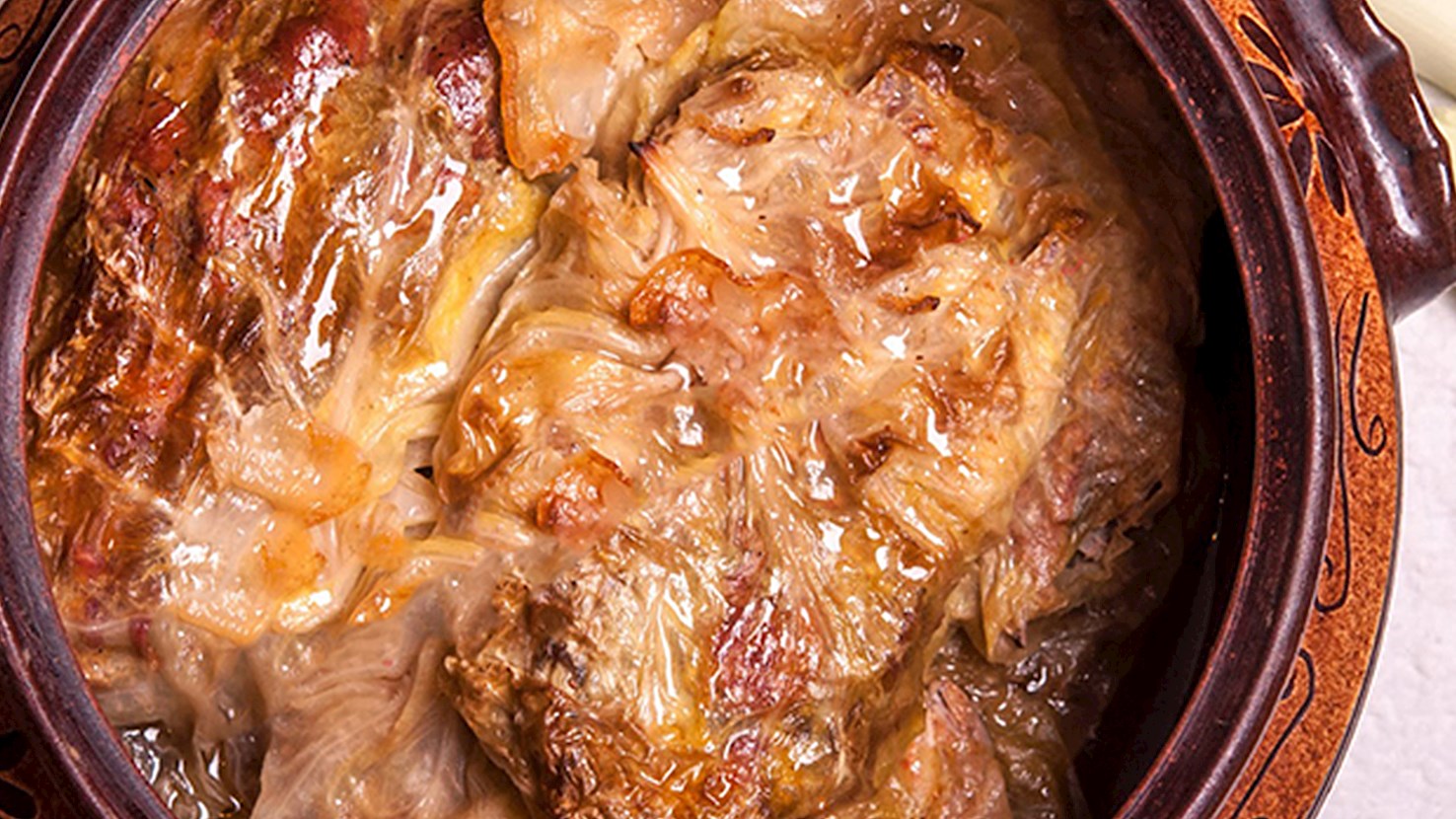
Kapama is a typical Bulgarian dish that is most often prepared in the region of Bansko and Razlog. The key ingredients include sauerkraut and different types of meat such as chicken, veal, pork, and rabbit, while rice and sausages can be added to the dish according to personal preferences. Some people also like to add plums, potatoes, or beets to the dish. The unique flavors of kapama are achieved with spices such as pepper, bay leaves, and paprika, and the dish should be prepared in layers. Kapama should also be baked in an oven for at least four hours at low temperature, in a clay pot that is sealed with dough. It is recommended to add a small amount of red wine to the pot in order to get even more flavor out of the dish.
Kebapche is a Bulgarian dish consisting of spiced minced meat (beef, pork, or a combination of both) shaped into small sausages. The meat must be grilled, not fried, and it is a staple of many Bulgarian festivities and celebrations, pairing extremely well with a glass of cold beer. The name of the dish is derived from the word kebab, a popular grilled meat dish, so kebapche can be translated as little kebab. It is said that the dish probably arrived in Bulgaria with the Ottomans in the 14th or the 15th century, and at the beginning of the 20th century, the dish was so popular that one couldn't pass a street corner in Sofia without seeing one of the numerous kebapche stands, which were almost always associated with a brewery. Today, kebapche is usually served with French fries, baked potatoes, sirene cheese, or lyutenitsa relish on the side.
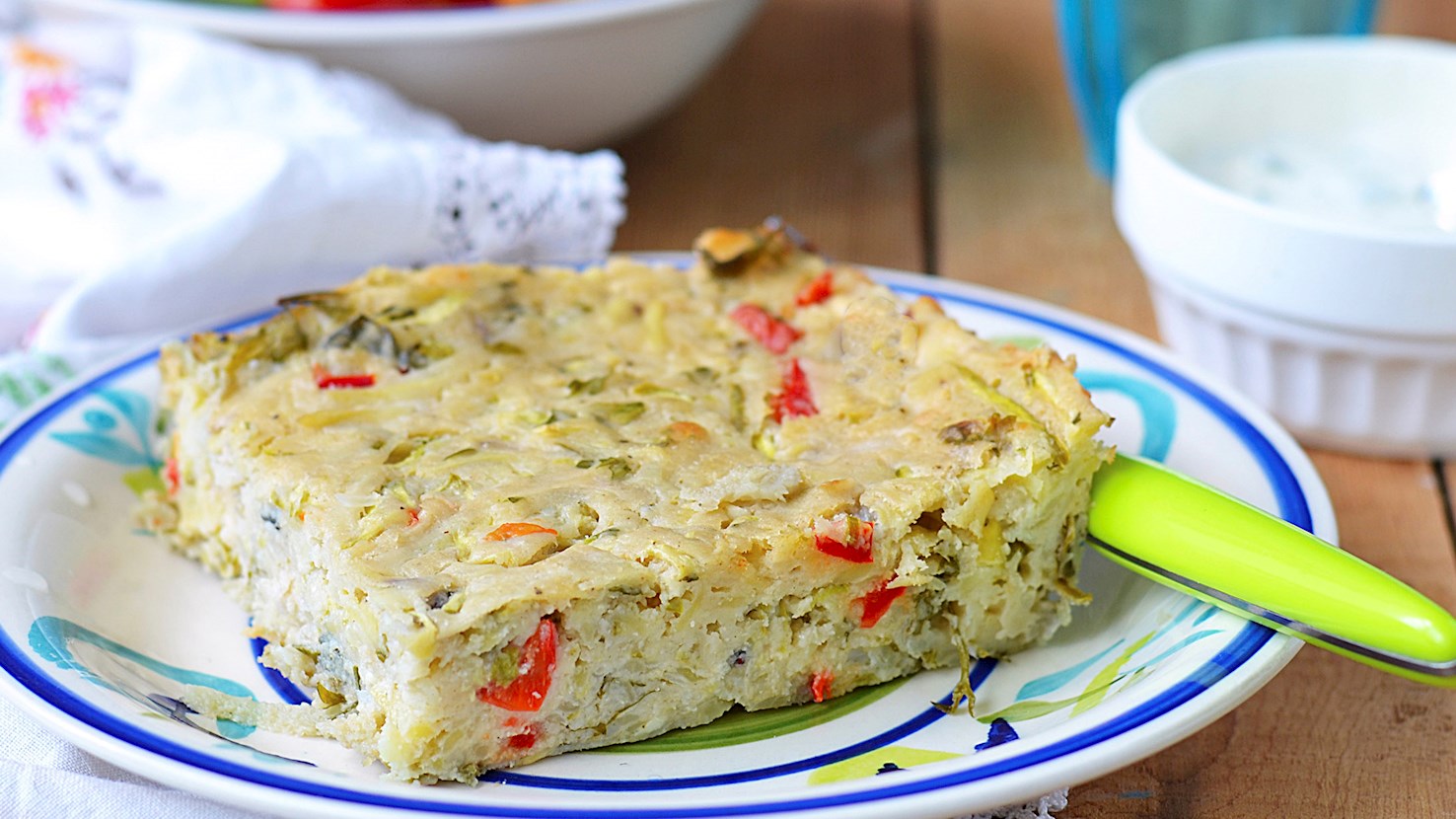
Patatnik is a dish originating from Bulgaria's Rhodope Mountains region. It is a flavorful combination of shredded potatoes and onions, seasoned with salt, pepper, and mint. Additional ingredients include sirene cheese, eggs, and various peppers. The origin of the name is derived from the local word patat, meaning potato. Although the dish is traditionally baked in an oven, it can also be fried or boiled, either rolled out in sheets or as a homogeneous mixture of ingredients.
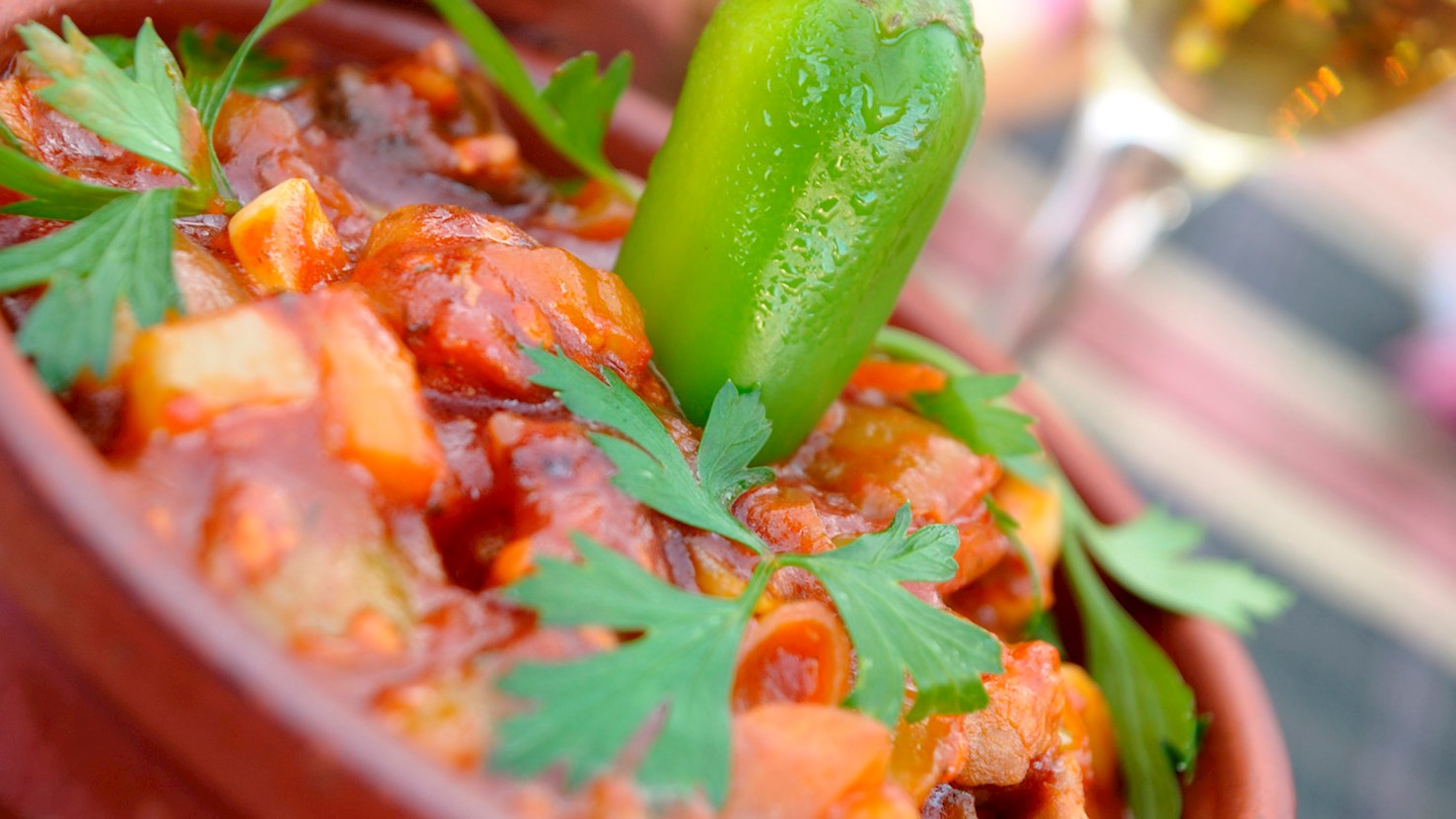
Kavarma is a Bulgarian dish that is prepared in traditional clay pots (gyuveche) with fresh vegetables and pork, chicken, or beef. Although the ingredients may vary, the dish typically includes carrots, onions, leeks, mushrooms, peppers, tomatoes, and wine. Kavarma is usually served as a main course, and it can be found in traditional Bulgarian restaurants—mehanas—where it is available throughout the year.
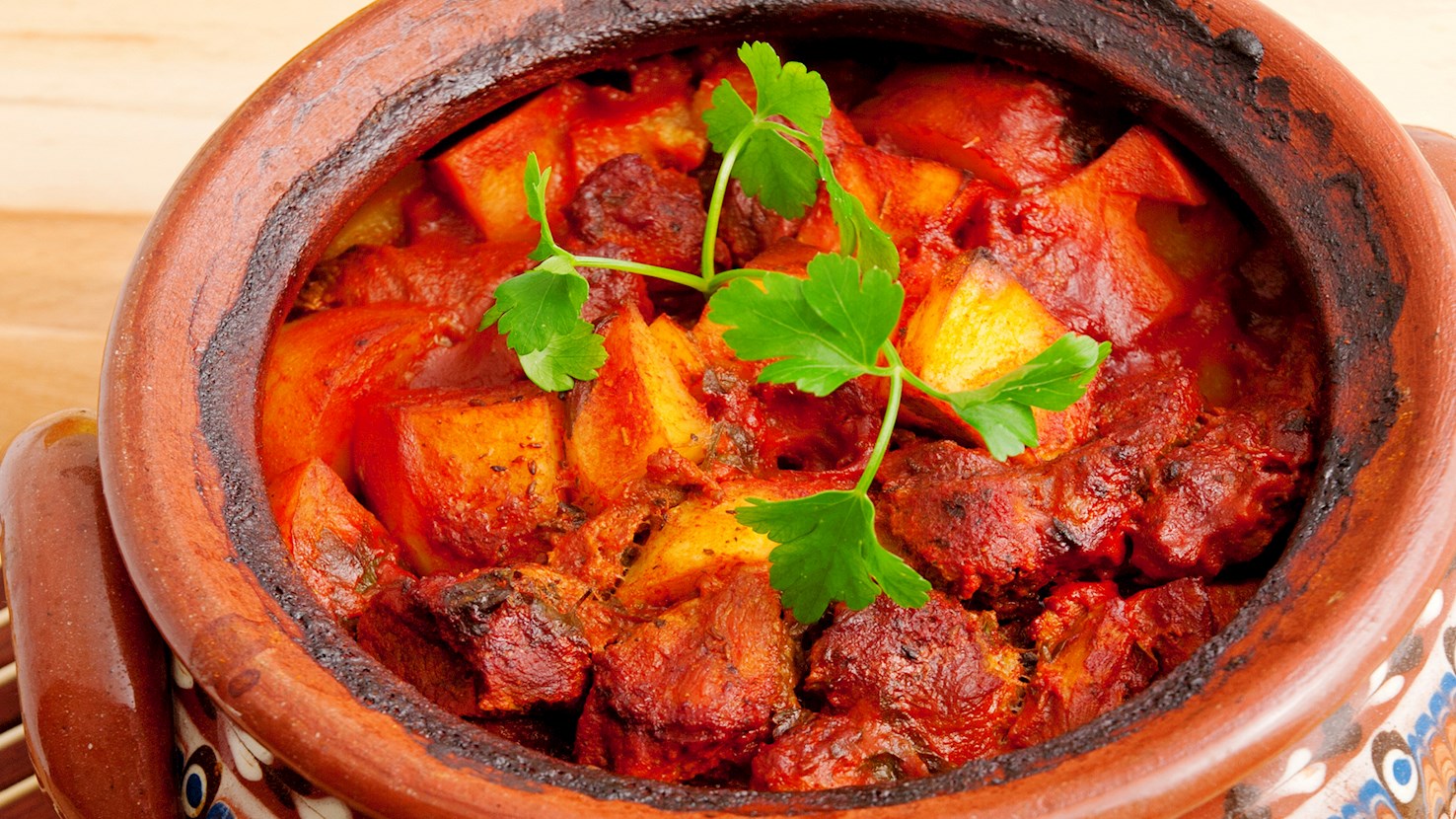
Chomlek is a traditional North Macedonian stew that is typically prepared with veal or baby beef, a generous amount of tiny, walnut-sized onion bulbs (called kokar or arpadzik in Macedonian), and garlic. Depending on the recipe, either red or white wine is added to the mixture, while other common ingredients contained in the dish include dried red peppers, carrots, tomato purée, parsley, or mushrooms. Chomlek is usually seasoned with salt, black pepper, red pepper, and bay leaves. It is customarily prepared in a traditional earthenware dish or pot, with the lid placed on top and firmly secured and sealed with dough. Even though this delicacy is a rather straightforward dish, it is also time-consuming and takes hours to cook. North Macedonian chomlek is mostly associated with the southwest and Pelagonija regions of the country, especially with Bitola, Prilep, Ohrid, and Krushevo, with each town having their own version of the dish: bitolski chomlek, prilepski chomlek, ohridski chomlek, and krushevski chomlek. These chomlek variations use more or less the same ingredients with slight differences. In North Macedonia, chomlek is a typical winter dish, usually eaten for lunch, and there’s a long-standing tradition of preparing this dish for New Year’s celebrations in the towns of Bitola and Prilep. The stew is typically enjoyed with a glass of red wine on the side, and it is recommended to dip some bread in it while eating it. The origins of this specialty most likely stem from Turkish cuisine, which is suggested by the dish’s name, which derives from the Turkish word çömlek, meaning earthenware pot. Some varieties of this traditional stew can be found in other Balkan countries, and it is mainly associated with the traditional cuisine of neighboring Bulgaria, particularly that of Blagoevgrad Province.
TasteAtlas food rankings are based on the ratings of the TasteAtlas audience, with a series of mechanisms that recognize real users and that ignore bot,
nationalist or local patriotic ratings, and give additional value to the ratings of users that the system recognizes as knowledgeable.
For the “5 Traditional Foods You Have To Try in Bansko” list until May 22, 2026, 124 ratings were recorded, of which 29 were recognized by the system as legitimate.
TasteAtlas Rankings should not be seen as the final global conclusion about food. Their purpose is to promote excellent local foods,
instill pride in traditional dishes, and arouse curiosity about dishes you haven’t tried.